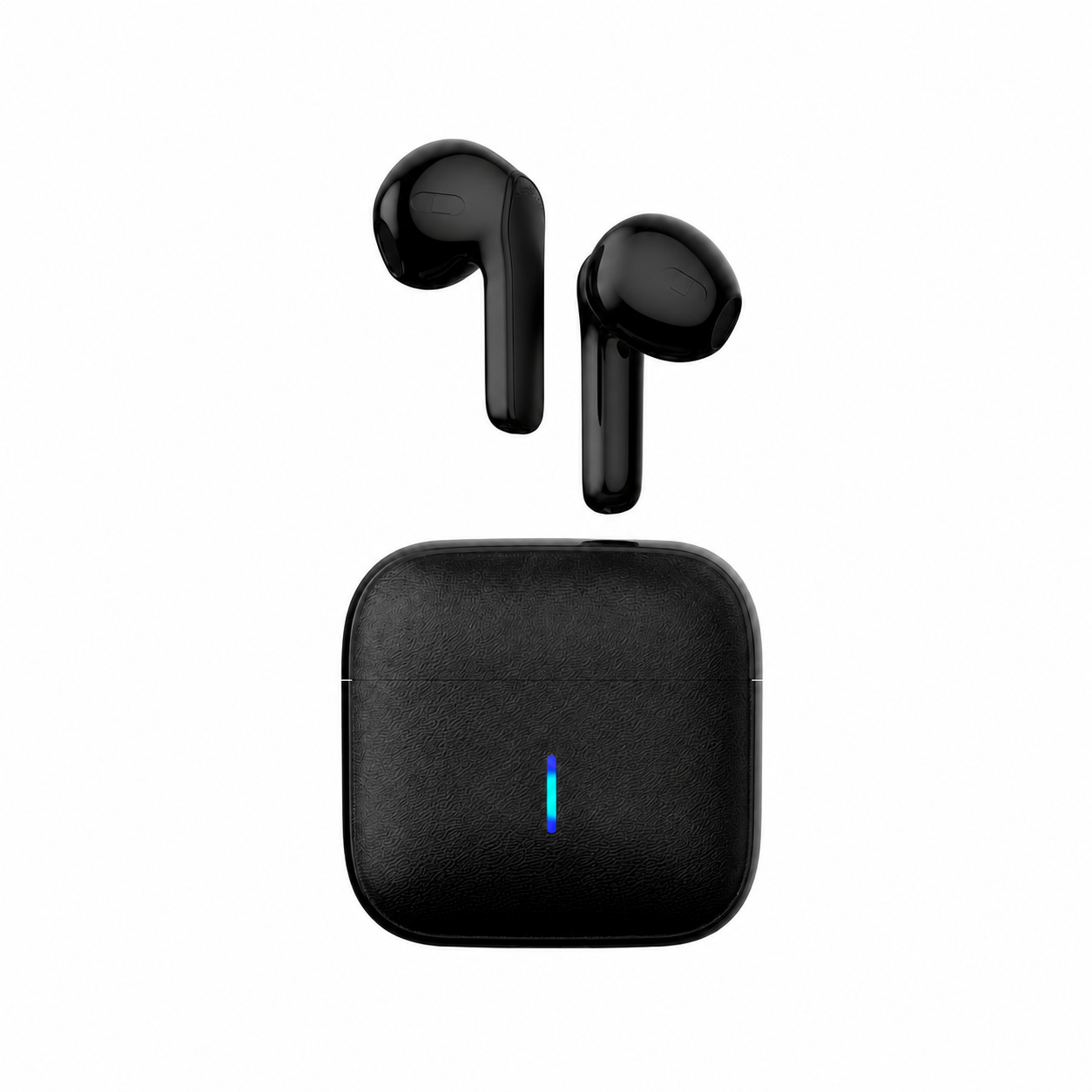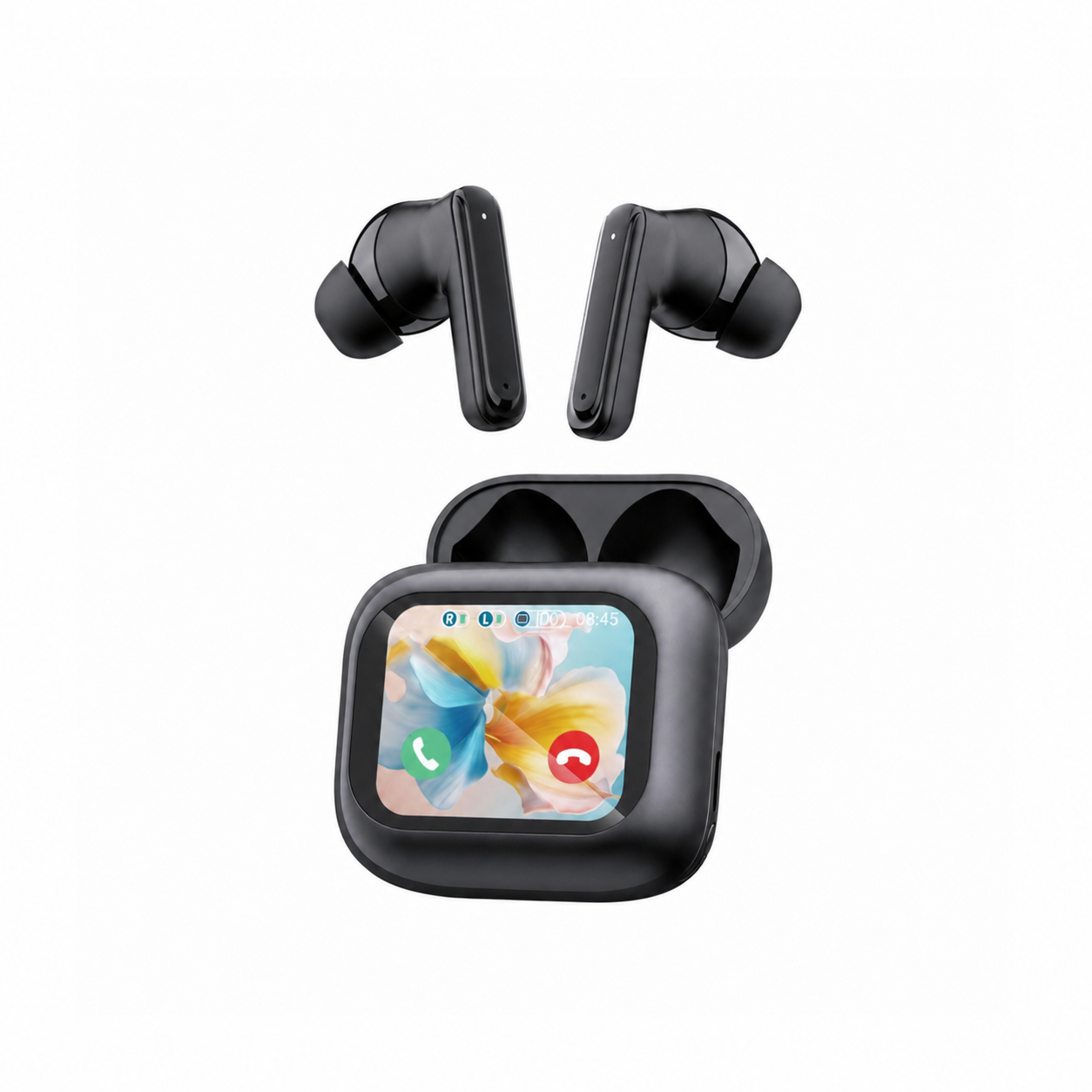


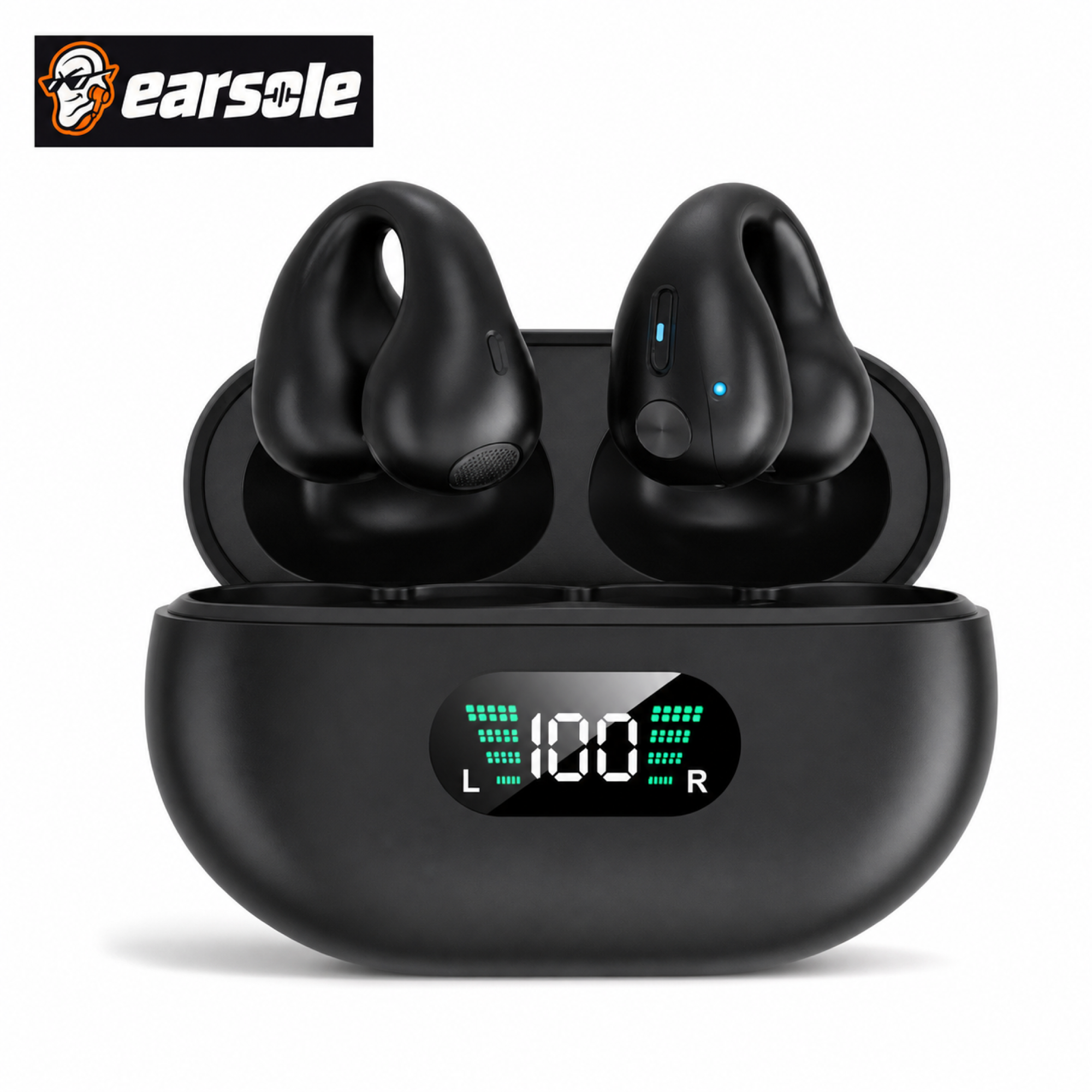
Earbuds and piercings can interfere when the shell, clip or ear hook touches a fresh or sensitive placement. The safest practical rule is to avoid pressure and friction around a healing piercing, keep devices clean and ask the piercer or a clinician when in doubt. For healed piercings, test the exact earbud shape gently rather than assuming a category will be compatible.
This guide focuses on earbuds for pierced ears and the practical questions that come before a purchase or a change in routine.
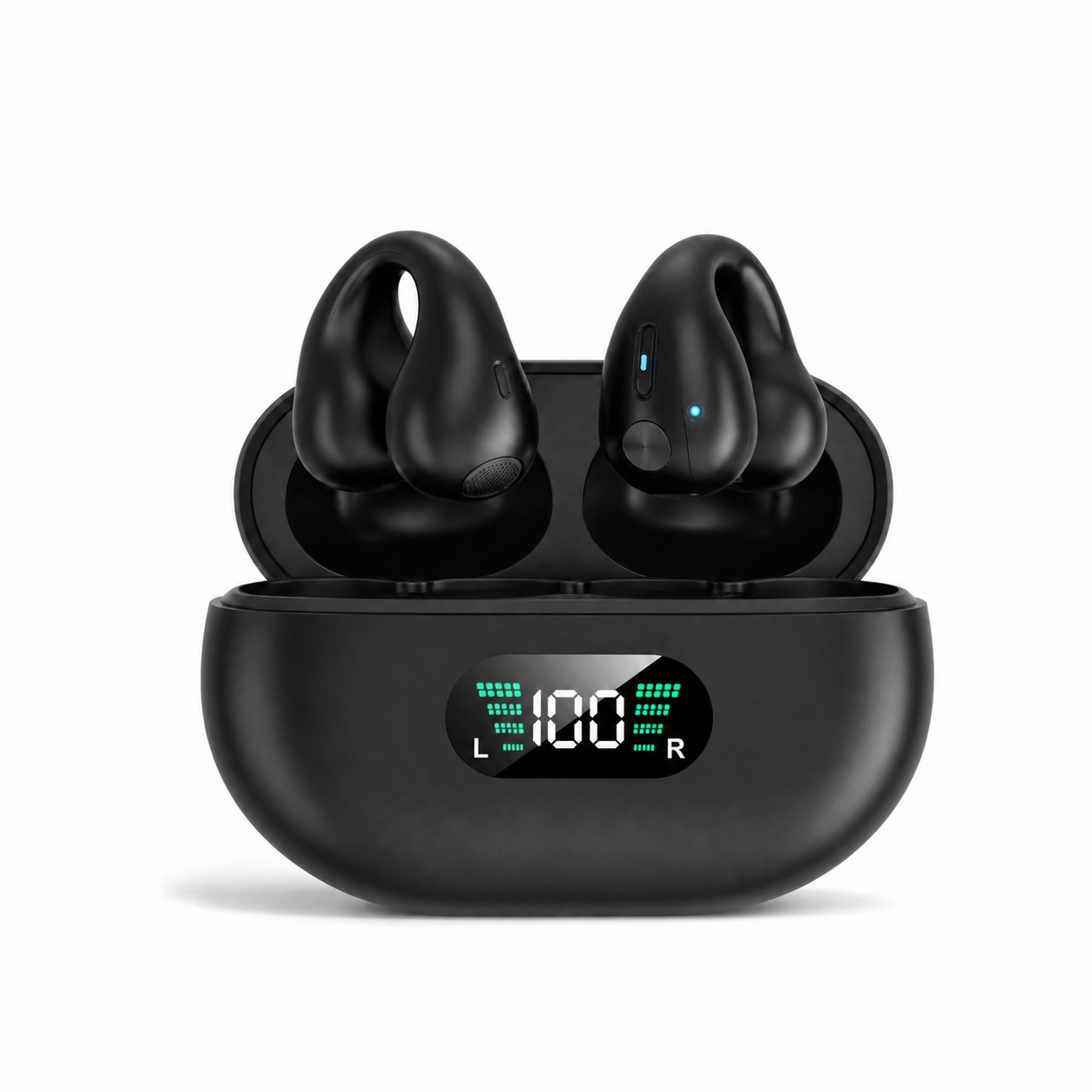
What this means in practice
Piercing compatibility is about physical contact points and healing status. It is not something a generic product label can guarantee.
A practical comparison
| What to compare | What to look for | Why it matters |
|---|---|---|
| Fresh piercing | Healing tissue is easily irritated | Avoid pressure; seek professional advice |
| Lobe placement | Lower-ear contact area | Check stem and case handling |
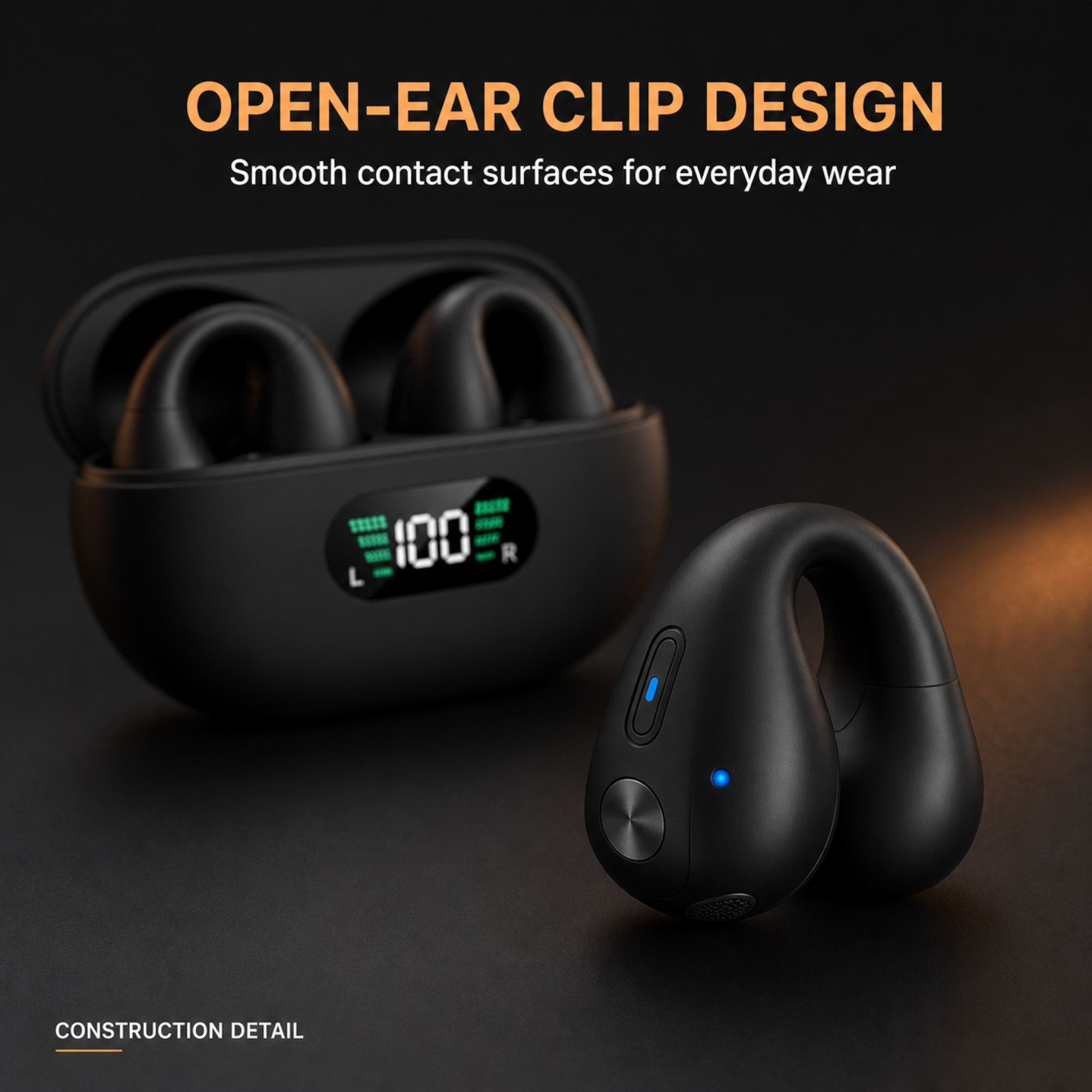
| Cartilage placement | Upper-ear contact area | Check clips, hooks and housing edges |
| Cleaning | Keep device and skin clean | Do not use harsh materials near skin |
A simple decision process
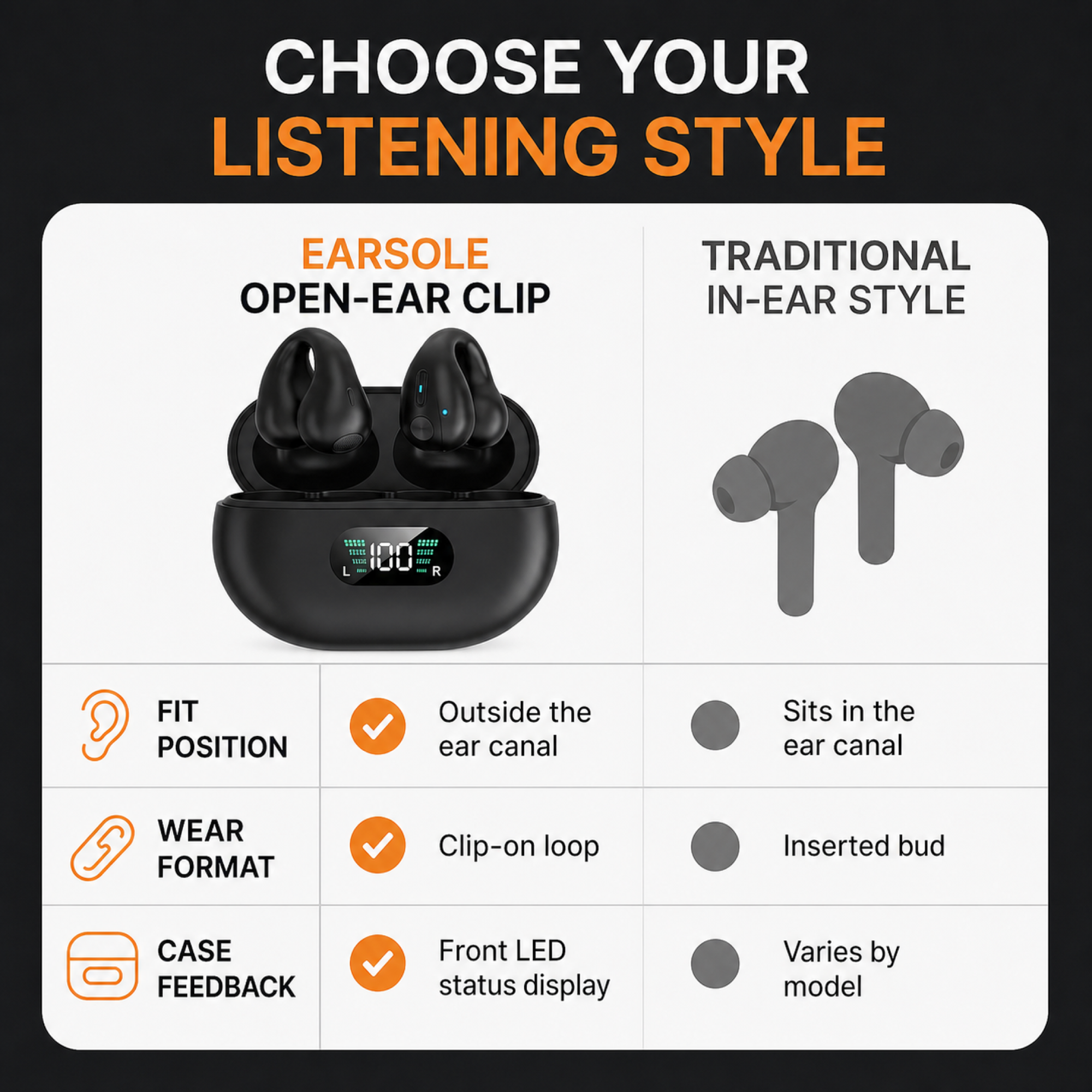
- Do not use a product that presses a healing piercing.
- Test a healed piercing with a short, gentle wear session.
- Stop if you notice pain, redness, discharge or swelling.
Common questions
Can I wear earbuds with newly pierced ears?
While a piercing is still healing, keep pressure and friction off the site, which usually means not wearing anything that touches it. A lobe piercing may clear an in-ear bud that sits in the canal; a helix or conch piercing sits exactly where a clip bridge or hook lands. Healing times vary by placement and by person, so let your piercer or a clinician set the timeline rather than a product page.
What is the 2 3 rule for ear piercings?
That phrase circulates in piercing communities rather than in any standard we can source, and the definitions people give it differ, so we will not restate one as fact. Healing guidance belongs to the piercer or clinician who can see the actual placement. For earbud purposes the question is narrower: does any part of the shell, clip or hook rest on the piercing, and can you avoid that contact completely?
What piercings can you not wear earbuds with?
It depends less on the piercing itself than on where the earbud presses. Conch, tragus and daith placements sit in or beside the bowl an in-ear shell fills, so they conflict most with sealed buds, while helix and industrial placements run along the upper rim that clip bridges and ear hooks cross. Lobe piercings usually clear an in-ear bud but can catch during removal. Whether the placement has healed is the other half of the answer.
EARSOLE context
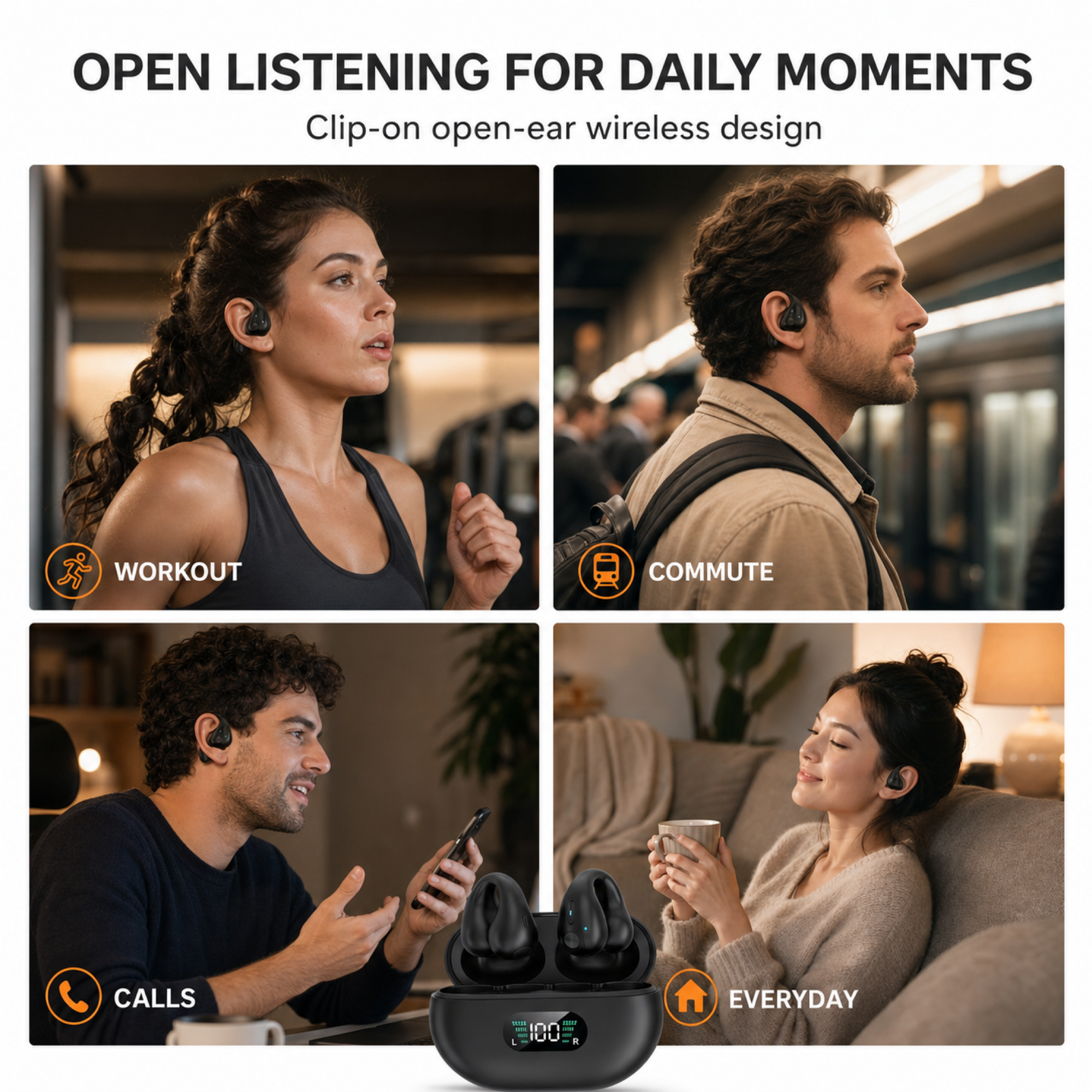
This is general comfort guidance, not medical advice or a promise that any EARSOLE product is piercing-safe.
Safe-listening boundary
Keep listening levels and sessions reasonable. If a product causes pain, irritation, ringing or a noticeable hearing change, stop using it and seek appropriate professional guidance.
Sources and review
Related picks from EARSOLE
If this guide was useful, these are the EARSOLE models it applies to: