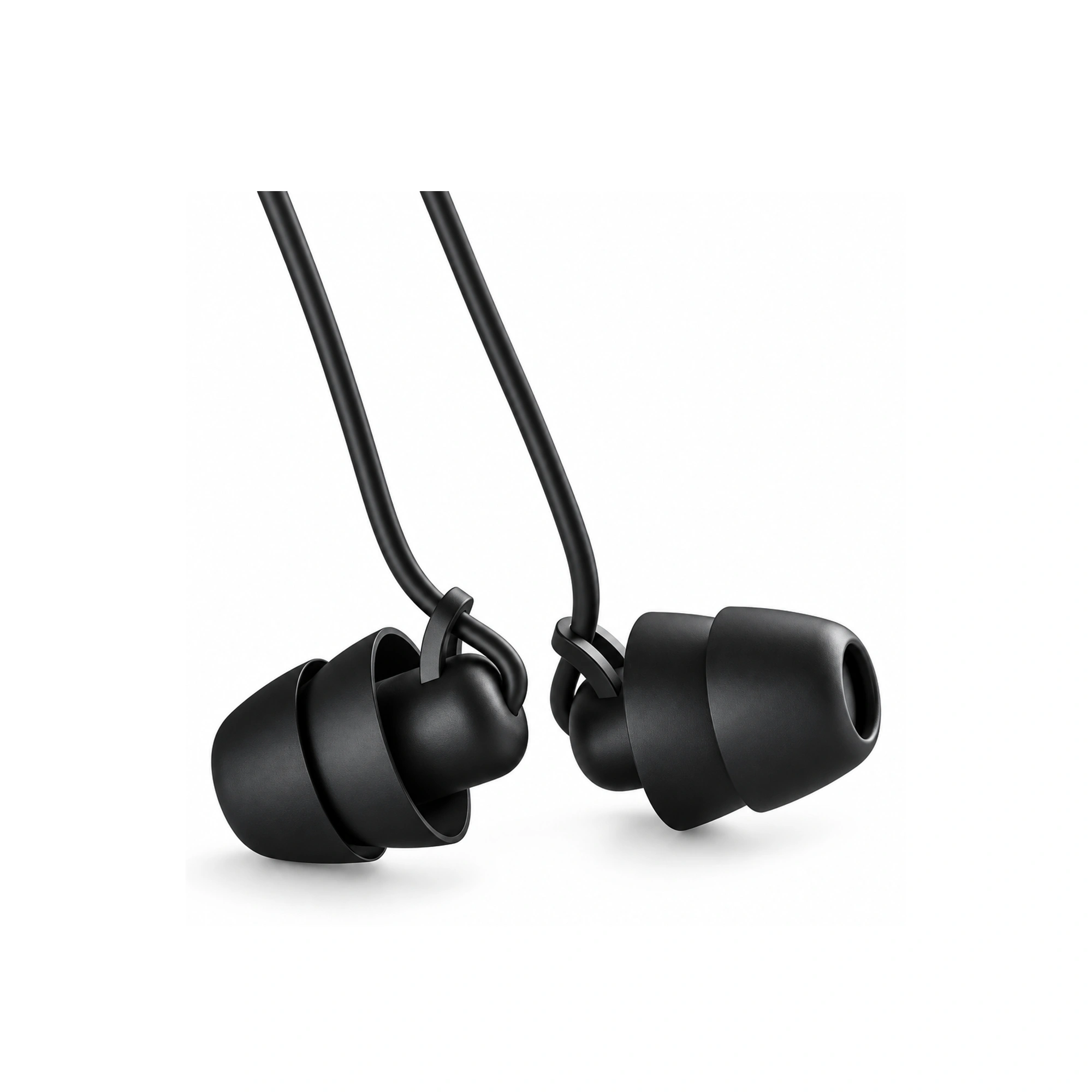


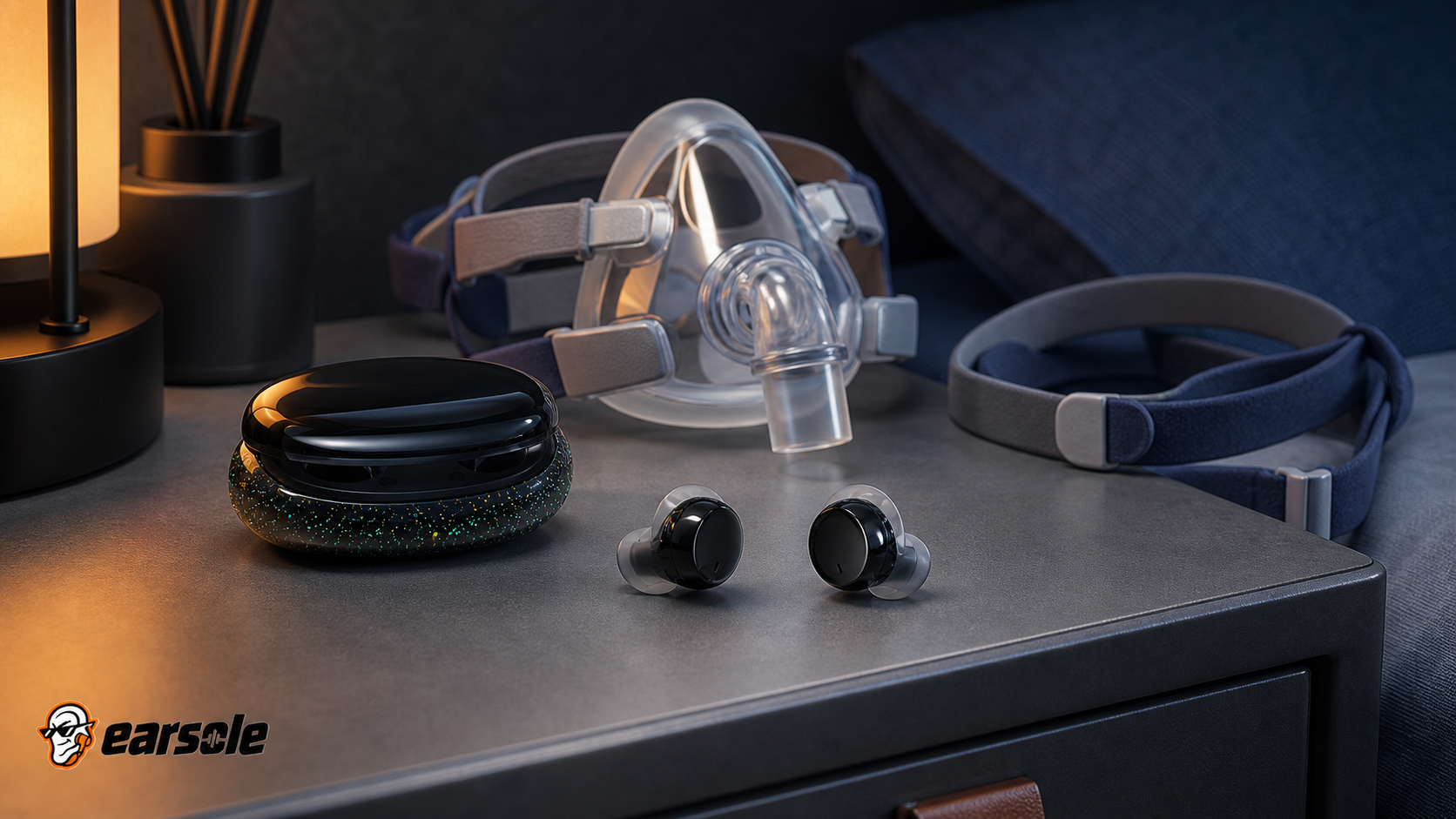
Sleeping earbuds can be used alongside some CPAP masks, but the CPAP seal and prescribed therapy come first. Choose a low-profile earbud, map where headgear crosses the ear, check tubing and pillow pressure, then run the mask’s leak or seal check in your normal sleep position. Stop if either device causes pain.
This guide covers sleeping earbuds alongside sleep earbuds with CPAP.
Quick answer
| Priority | Pass condition |
|---|---|
| Therapy | Mask remains fitted and the machine’s seal/leak check is acceptable |
| Straps | No strap pushes the earbud inward or lifts the mask cushion |
| Pillow | Side position does not create ear pain or dislodge the mask |
| Safety | Alarm and important alert routes remain available |
Start with the non-negotiable: CPAP therapy
The National Heart, Lung, and Blood Institute describes CPAP as prescribed equipment that uses a mask, straps, tubing, and mild air pressure to keep airways open. Do not loosen, reroute, or skip prescribed equipment simply to fit an earbud. If adding audio changes therapy comfort, leaks, or adherence, remove the audio device and discuss mask fit with the clinician or equipment provider.
Map four collision zones
Put on the CPAP mask first, while seated, and trace the headgear with a finger. Then check four zones before inserting an earbud.
| Zone | Possible collision | Better outcome |
|---|---|---|
| In front of ear | Lower strap contacts earbud shell | Clear gap or soft contact that does not push inward |
| Above ear | Upper strap changes shell angle | Earbud remains neutral when strap tension changes |
| Behind ear | Connector, buckle, or tube presses into pillow | Hardware sits outside the loaded pillow area |
| At cheek/temple | Pillow shifts mask cushion | Seal remains stable in the actual sleep position |
Use the mask-first fit sequence
Clinically reviewed CPAP sleep-position guidance emphasizes a secure mask seal and notes that side or stomach pressure can affect comfort and leaks. Follow this order so an audio accessory cannot hide a therapy problem.
- Fit the mask exactly as prescribed and start airflow.
- Run the machine or app seal check if one is available.
- Insert the earbud without moving the straps; pause if the headgear pushes it inward.
- Lie on your normal pillow and turn through the positions you actually use.
- Repeat the seal/leak check, then play audio quietly for five minutes.
- Remove the earbuds if you feel pressure, if the mask leaks, or if tubing becomes restricted.
Control the audio side of the setup
A CPAP system already adds equipment and sensory load. Keep audio simple: downloaded or stable content, low volume, a timer, and no bright-screen searching after lights-out. Cleveland Clinic flags pressure, infection risk, wax, and reduced alert awareness for overnight earbuds. The WHO recommends managing listening level and duration together. Never use louder audio to cover a mask leak—fix the leak instead.
Where an EARSOLE model fits
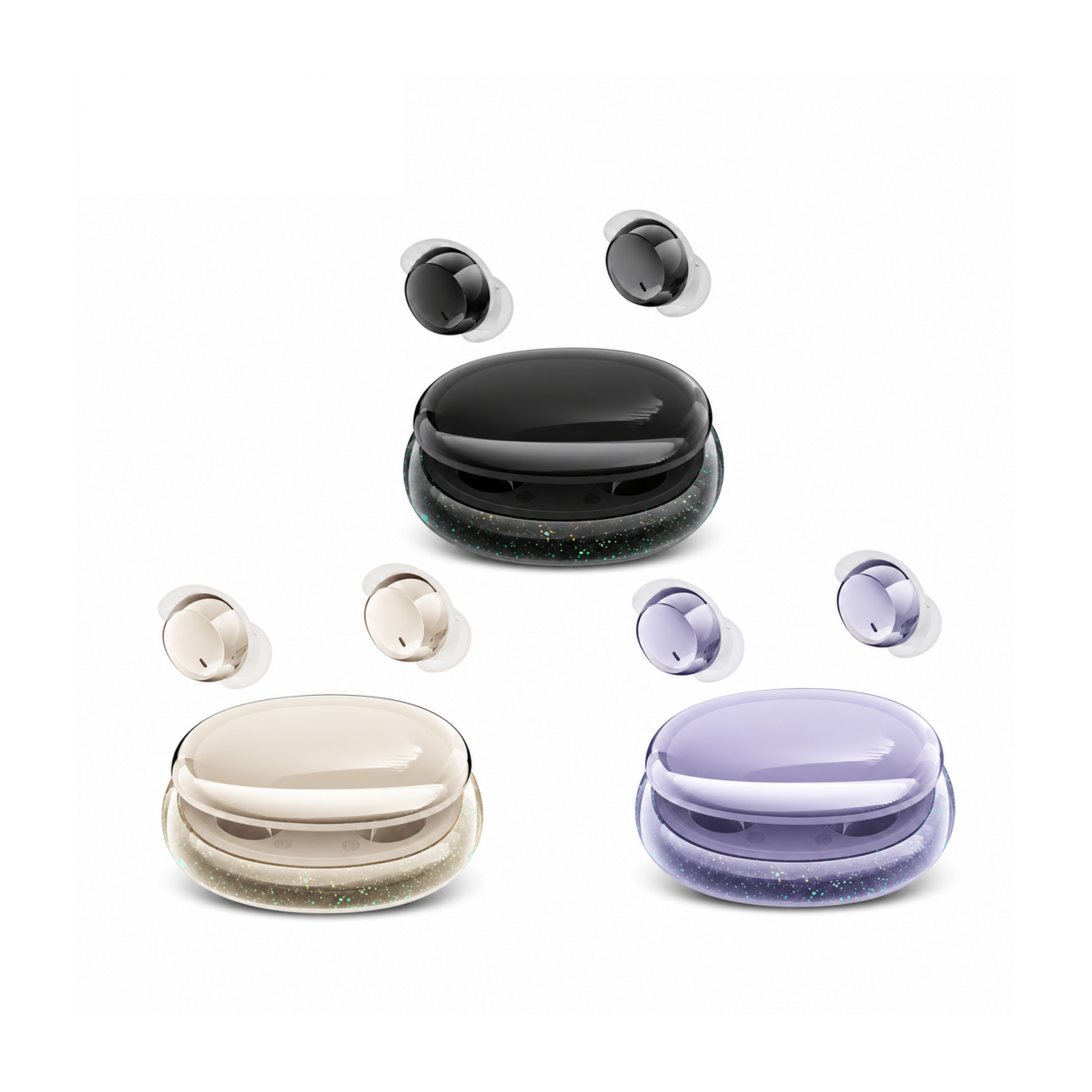
EARSOLE Low-Profile Sleeping Earbuds for Side Sleepers uses a compact stemless shape intended to sit close to the ear, offers passive sound isolation, and documents up to 20 hours total playtime with its case. It does not claim ANC. Its low profile may reduce one collision point, but the article does not claim compatibility with any CPAP mask; the mask-first seal check decides.
The product link is included as a fit example, not proof that one design works for every ear or situation. Match the physical design and documented specifications to the decision rules above.
Frequently asked questions
Can earbuds interfere with CPAP therapy?
They can if an earbud or its pressure changes headgear position, mask seal, tubing, or your willingness to keep the prescribed setup on. Remove the earbuds if the CPAP fit changes.
Should I loosen a CPAP strap around my ear?
Do not make therapy adjustments solely to accommodate earbuds. Follow the mask instructions and contact your sleep-care team or equipment provider if a strap causes persistent contact or pain.
Are open-ear earbuds better with CPAP?
They avoid an in-canal seal but can place hardware around the outer ear, where straps may already run. Compatibility depends on the exact headgear path and pillow contact, not just the open-ear label.
Bottom line
The correct hierarchy is CPAP seal, breathing therapy, comfort, alarm awareness, then entertainment. If the earbuds cannot fit without changing one of the first four, use a bedside speaker or another audio approach.
Sources and review notes
- NHLBI overview of CPAP equipment and use
- SleepApnea.org CPAP mask and sleep-position guidance
- Cleveland Clinic guidance on sleeping with earbuds
- World Health Organization safe-listening guidance
Written and reviewed by the EARSOLE Editorial Team on July 14, 2026. This is educational buying and troubleshooting guidance, not medical advice. Stop using earbuds and seek qualified care for persistent pain, discharge, sudden hearing change, severe dizziness, or other concerning symptoms.