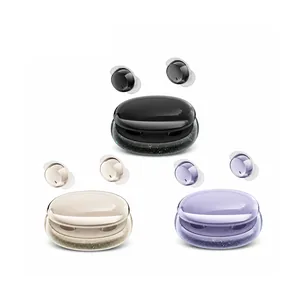


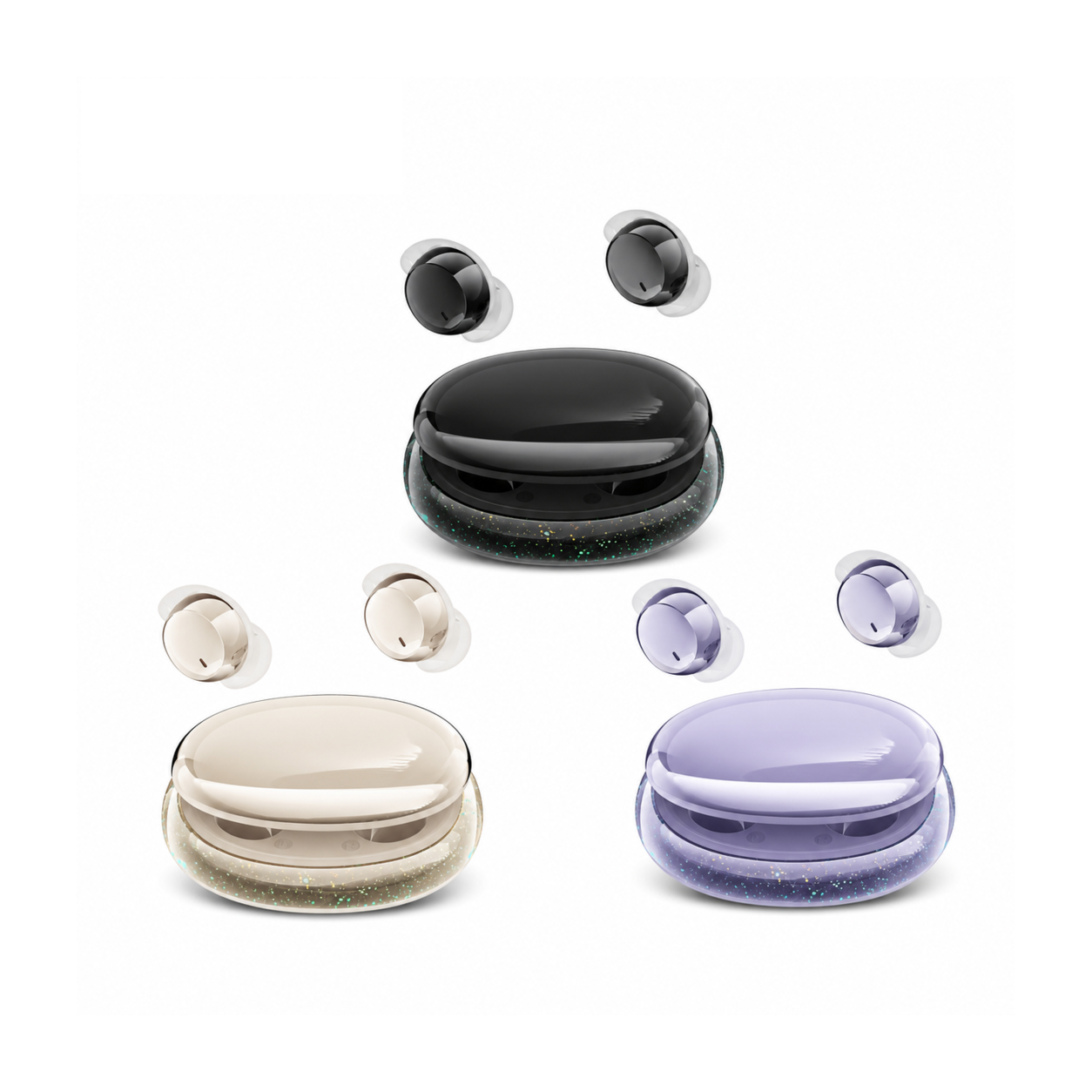
SpinFit Ear Tips and How Pivoting Silicone Cores Follow Angled Ear Canals
Explore SpinFit ear tips with patented 3D cushion cores, anatomical canal bending mechanics, acoustic treble alignment, and earbud fit stability.

FROM THE WORKSHOP
Practical answers about our products — how to choose, how to care for them, and what the materials actually mean. No fluff, no invented numbers.
Explore SpinFit ear tips with patented 3D cushion cores, anatomical canal bending mechanics, acoustic treble alignment, and earbud fit stability.
Solve over-ear headphone acoustic seal leaks caused by eyeglass frames. Compare pad geometries, sub-bass loss, temple pressure, and in-ear alternatives.
Discover how to wear headphones with curly, coily, and afro-textured hair without crushing volume, causing frizz, or leaving dented headband marks.
Explore passive noise cancelling earbuds, acoustic shell mass laws, viscoelastic damping, and how dense housings block 1 kHz to 4 kHz office speech chatter.
Compare custom molds for in-ear monitors and universal ergonomic resin shells across acoustic seal stability, dynamic jaw retention, and passive isolation.
Compare UHF wireless in-ear monitor beltpacks and True Wireless Bluetooth adapters across latency, RF interference resistance, and hearing protection.
Discover how in-ear monitors for singers cause the occlusion effect, distort internal pitch perception, and how acoustic venting restores vocal intonation.
Explore in-ear monitors for drummers, analyzing hybrid driver headroom, cymbal transient damping, and preventing metronome click bleed into overhead mics.
Explore the best in-ear monitors under 100 featuring detachable 2-pin cables, solid resin shells, acoustic damping, and reliable driver tuning.
Discover how hybrid bone conduction IEM designs combine dynamic woofers with skull-contact drivers for visceral sub-bass and pristine audio clarity.
Understand high-impedance earphones, voltage swing requirements, and the one-eighth damping rule for distortion-free audiophile reproduction.
Compare open-back mixing headphones with closed-back tracking isolation cans to control room modes and bleed in untreated bedroom studios.
Analyze total harmonic distortion audibility versus acoustic frequency response targets in high-fidelity audio headphones and planar transducers.
Discover why musician earphones rely on detachable memory-wire cables and balanced armatures to isolate loud click tracks during live rehearsal.
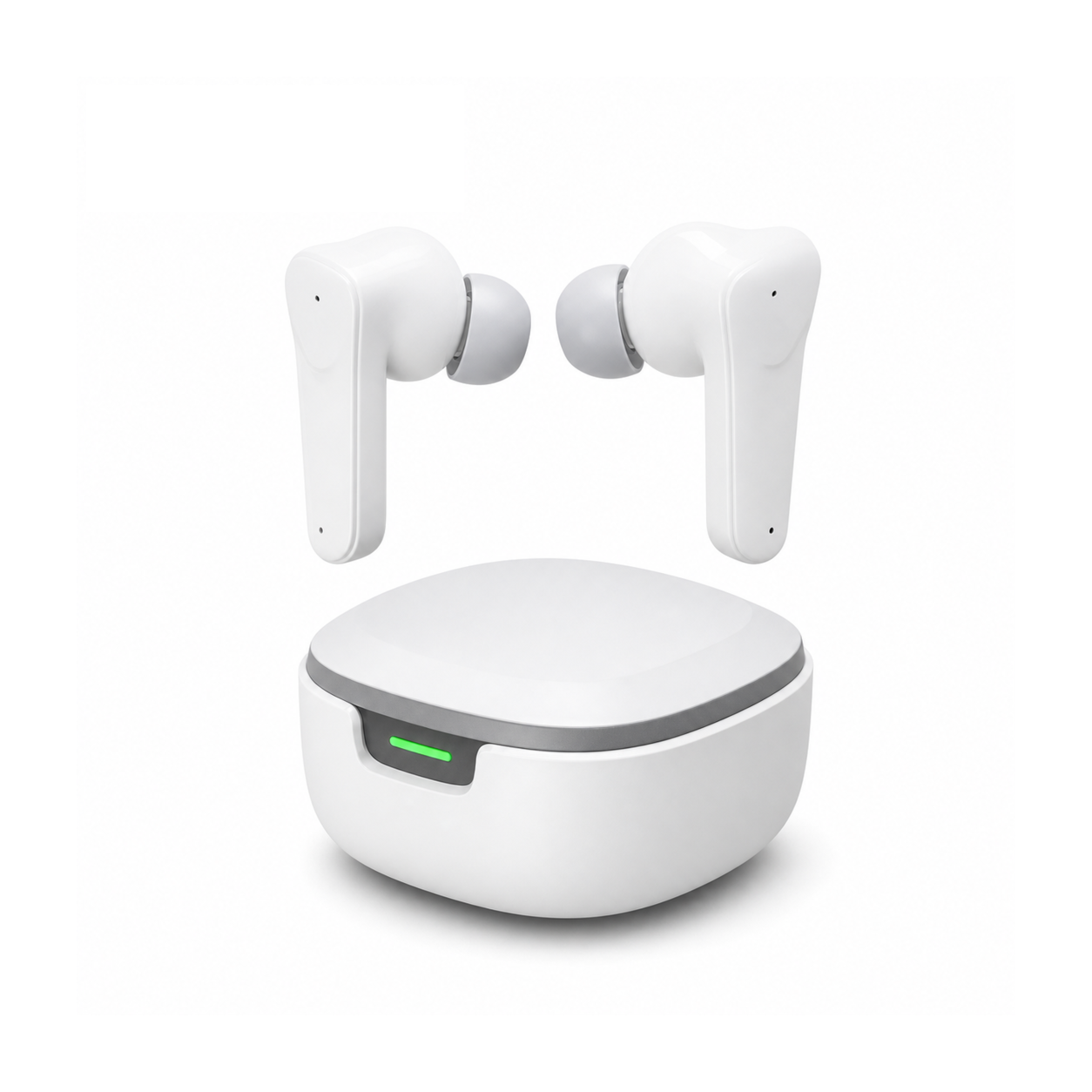
Explore the audio latency gap between Bluetooth and 2.4 GHz true wireless gaming earbuds, packet buffering mechanics, and competitive frame sync.
Discover why wired gaming earbuds with CTIA 3.5mm TRRS microphones deliver zero-latency chat and direct controller audio on PS5 and Xbox.
Discover how 2.4 GHz gaming earbuds use hardware USB-C dongles to bypass operating system Bluetooth stacks, slashing audio latency below 20 milliseconds.
Explore lab-bench latency benchmarks measuring total acoustic arrival from gamepad trigger pull to earbud driver response across 2.4 GHz, BLE, and wired protocols.
Compare direct 3.5mm controller connections against UAC1 wireless dongles on PS5 and Xbox Series X to achieve uncompressed spatial audio and party chat.
Solve the Windows Bluetooth Hands-Free Telephony audio collapse when gaming with earbuds, comparing 2.4 GHz RF transceivers, standalone mics, and TRRS routing.
Demystify physical multi-driver surround headsets versus binaural HRTF spatial processing over calibrated stereo in-ear monitors for gaming accuracy.
Discover why earbuds with detachable boom microphones deliver superior voice isolation over stem MEMS sensors by leveraging acoustic proximity physics.
Discover why competitive FPS gamers favor in-ear monitors with attenuated sub-bass and elevated 1 kHz to 4 kHz pinna gain for rapid tactical sound localization.
Understand why gaming headsets split 3.5 mm analog audio and USB-A power cords to isolate LED electrical noise from sensitive headphone transducers.
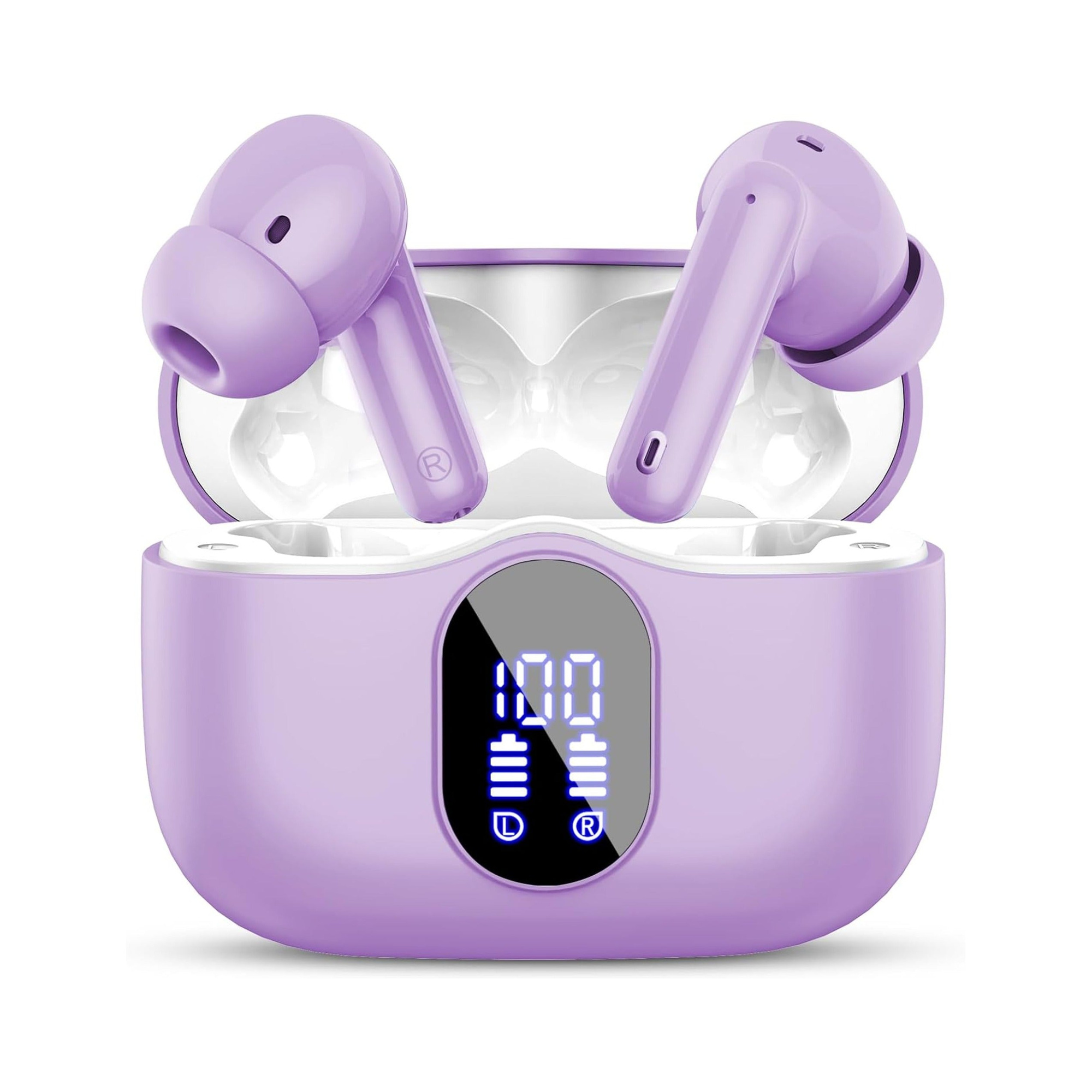
Compare ANSI S3.19 certified Bluetooth hearing protection against consumer ANC earbuds across passive NRR attenuation, impulse transient clipping, and safe dBA limits.
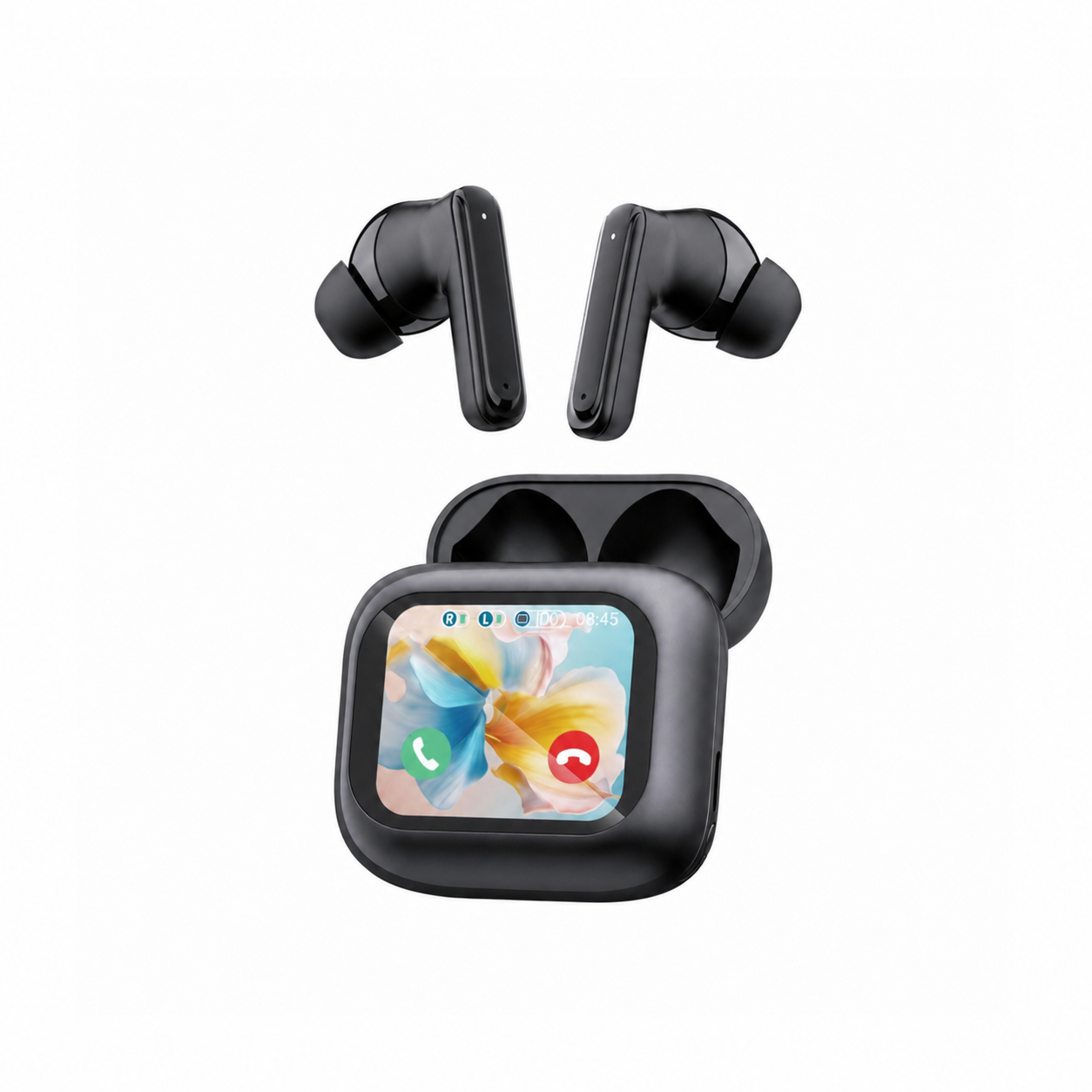
Learn why offline translation earbuds execute neural speech recognition and language models on your smartphone NPU through a companion app rather than inside the earbud chip.
Fix split Bluetooth pairing when left and right wireless earbuds broadcast as two separate device names by clearing host link keys and forcing TWS peer sync.
Understand how real-time translation earbuds balance end-of-sentence ASR pause detection, neural syntax reordering, and TTS playback latency during live conversations.
Configure live translation earbuds across Touch, Speaker, and Free-Talk modes by matching microphone gating and dual-earbud splitting to your conversation setting.
Explore how smart translation earbuds combine QR-bound companion app authentication, local BLE touchscreen charging case controls, and multi-mode AI interpretation.
Learn how USB-C wired earbuds with noise cancelling draw 5V host VBUS power to run digital ANC DSP and onboard DAC chips without an internal battery.
See why USB-C wired headphones with an inline microphone deliver full-bandwidth stereo audio and clear voice capture on video calls without Bluetooth HFP drop.
Understand how a dual USB-C splitter for charging and headphones negotiates USB Power Delivery passthrough while isolating digital audio from switching noise.
Diagnose and fix USB-C headphones crackling noise by resolving USB Audio Class sample-rate clock drift, VBUS power management pops, and compacted port lint.
Fix a headphone jack not working on Windows 11 by enabling Realtek Audio Console front-panel jack detection, starting Windows Audio Endpoint Builder, and resetting HD Audio drivers.
Compare 6.35 mm (1/4-inch) headphone jacks and 3.5 mm TRS mini-plugs across contact surface area, output impedance matching, and TRRS microphone adapter pitfalls.
Learn how foldable wired headphones combine reinforced multi-axis headband hinges and passive 3.5 mm daisy-chain share ports for travel backpacks and classrooms.
Explore how single-ear trucker headsets combine directional noise-cancelling boom microphones, DOT-compliant open-ear awareness, and multi-day battery life.
Understand how earbuds with a noise cancelling mic use dual-capsule cVc/ENC beamforming arrays and bone-conduction voice sensors rather than ear-cup ANC.
Examine how retractable neckband headphones house large lithium cells in a collar-rest horseshoe while using spiral spring spools to retract thin earbud tethers.
Learn why consumer noise cancelling earbuds for lawn mowing need to be paired with deep-seal foam tips or ANSI-rated earmuffs to protect against 90 dBA mower decks.
Discover how Bluetooth LE Audio earbuds use the Low Complexity Communications Codec (LC3), Isochronous Channels, and Auracast broadcast audio to cut latency and power draw.
Learn five hardware methods to disconnect Bluetooth earbuds without the paired phone nearby using pogo-pin case gating, Faraday shielding, and forced pairing overrides.
Restore lost decibels and learn how to make headphones louder by dissolving acoustic mesh wax occlusion, disabling iOS/Android headphone safety caps, and turning off Sound Check.
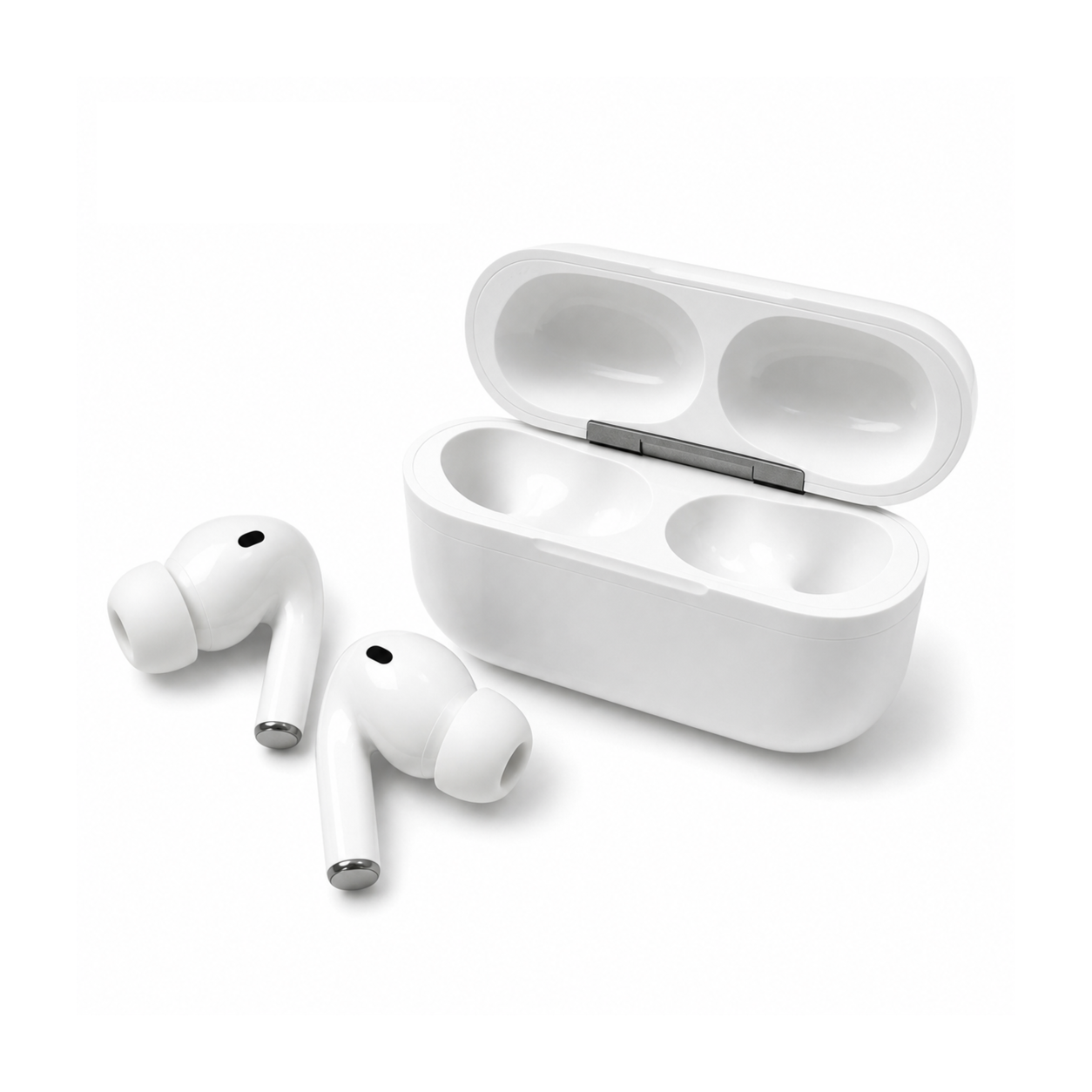
Discover how to wear earbuds while running so sweat and motion do not break the tragus grip. Learn proper insertion, tip materials, and fit techniques.
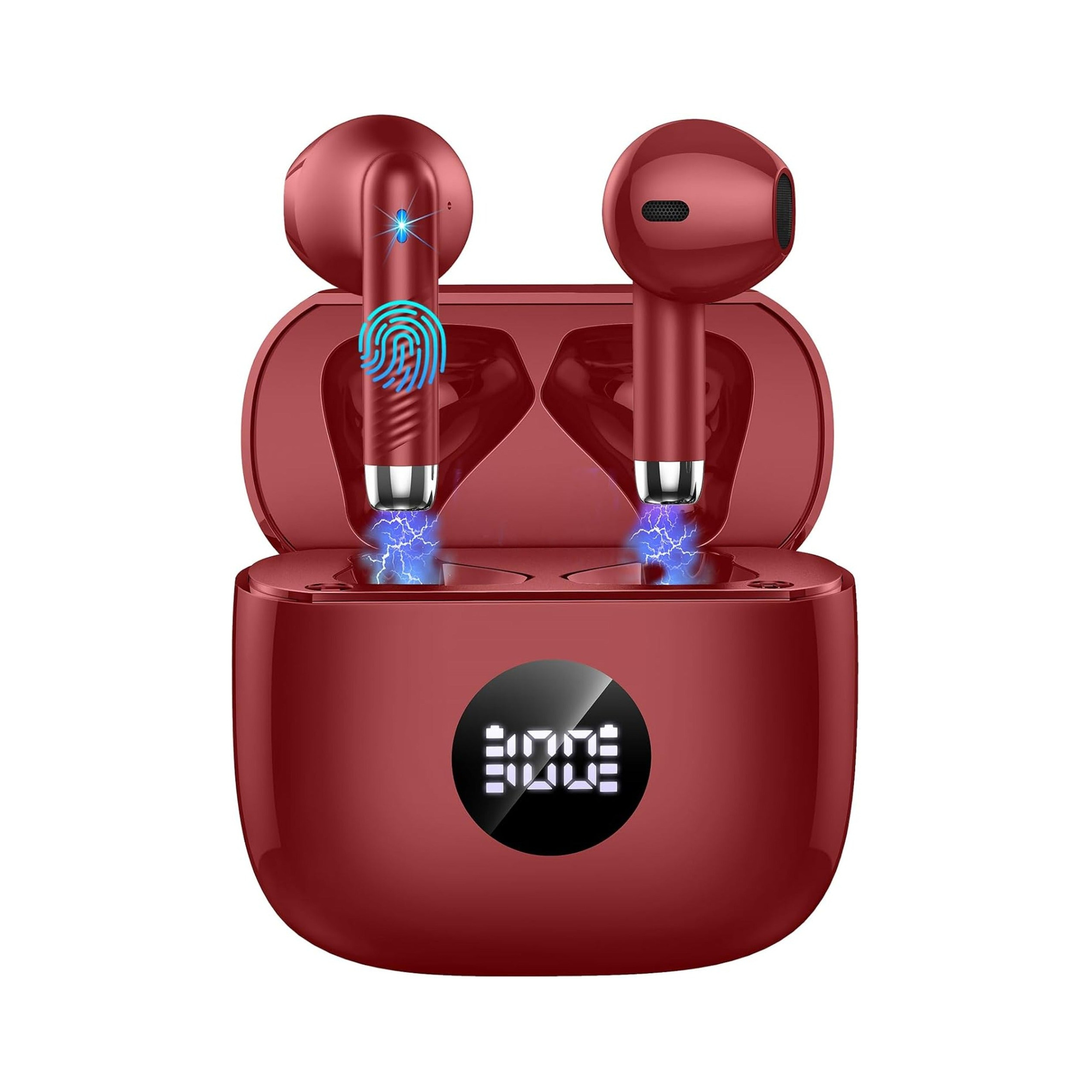
Discover why perspiration damages workout earbuds, how IPX7 ratings protect internal drivers, and effective post-gym acoustic mesh maintenance routines.
Learn why wind gusts cause feedforward microphones in noise cancelling earbuds to clip and roar, and how acoustic mesh shielding restores clear outdoor audio.
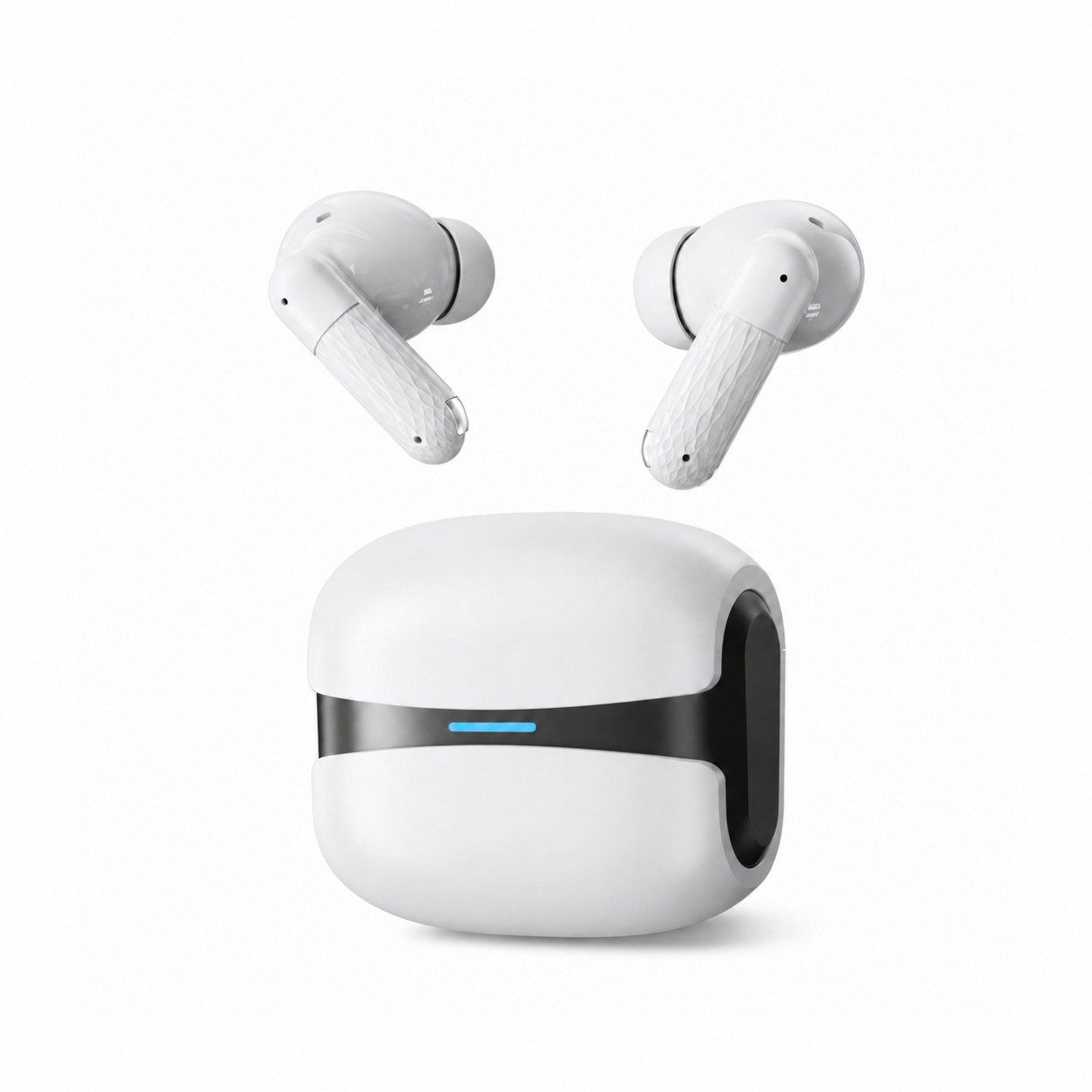
Learn how Bluetooth AUX adapters connect smartphone audio to analog 3.5mm car stereo jacks, solve ground loop hum, and maintain high wireless fidelity.
Discover why IPX7 waterproof earphones fail against hot bathroom steam, how shampoo surfactants bypass rubber gaskets, and how to safely listen to audio in showers.
Discover how low-profile stemless earbuds relieve pillow pressure on the concha cartilage when sleeping on your side, ensuring restful nocturnal audio.
Find out if sleeping with earbuds for one night is safe while travelling or sharing a room, how to manage ear pressure and volume, and what earbuds work best.
Discover how sleep earbuds achieve 8+ hours of continuous overnight battery life for side sleepers with low-profile design and efficient sleep-support modes.
Discover how low-profile sleeping earbuds isolate snoring fundamental frequencies (50-200 Hz) using passive acoustic sealing and dynamic sleep masking.
Compare white noise earphones with pink and brown masking spectra. Learn how power spectral density affects light sleepers and side-sleeping ear comfort.
Learn how to configure sleep earbuds with in-ear alarm routing so your morning alarm wakes only you without disturbing your partner or sounding phone speakers.
Discover how low-noise-floor sleep earbuds with flush silicone shells eliminate background hiss and pillow pressure during whisper-quiet ASMR sleep listening.
Compare Bluetooth pillow speakers, fabric sleep headbands, and low-profile sleeping earbuds. Explore acoustic leakage, pillow dampening, and side-sleeping comfort.
Explore why standard 6 mm earbud nozzles cause ear canal soreness in small ears, and how narrow 4 mm acoustic tubes with XS domes ensure all-day comfort.
Discover how active noise cancelling earbuds with transparency mode filter low train roar while keeping vocal frequencies clear for station announcements.
Explore how viscoelastic memory foam tips expand to seal the ear canal, improve sub-bass retention, and alter high-frequency treble tilt compared to silicone.
Compare triple-flange and double-flange silicone ear tips for deep ear canal insertion, acoustic attenuation past the second bend, and ear comfort.
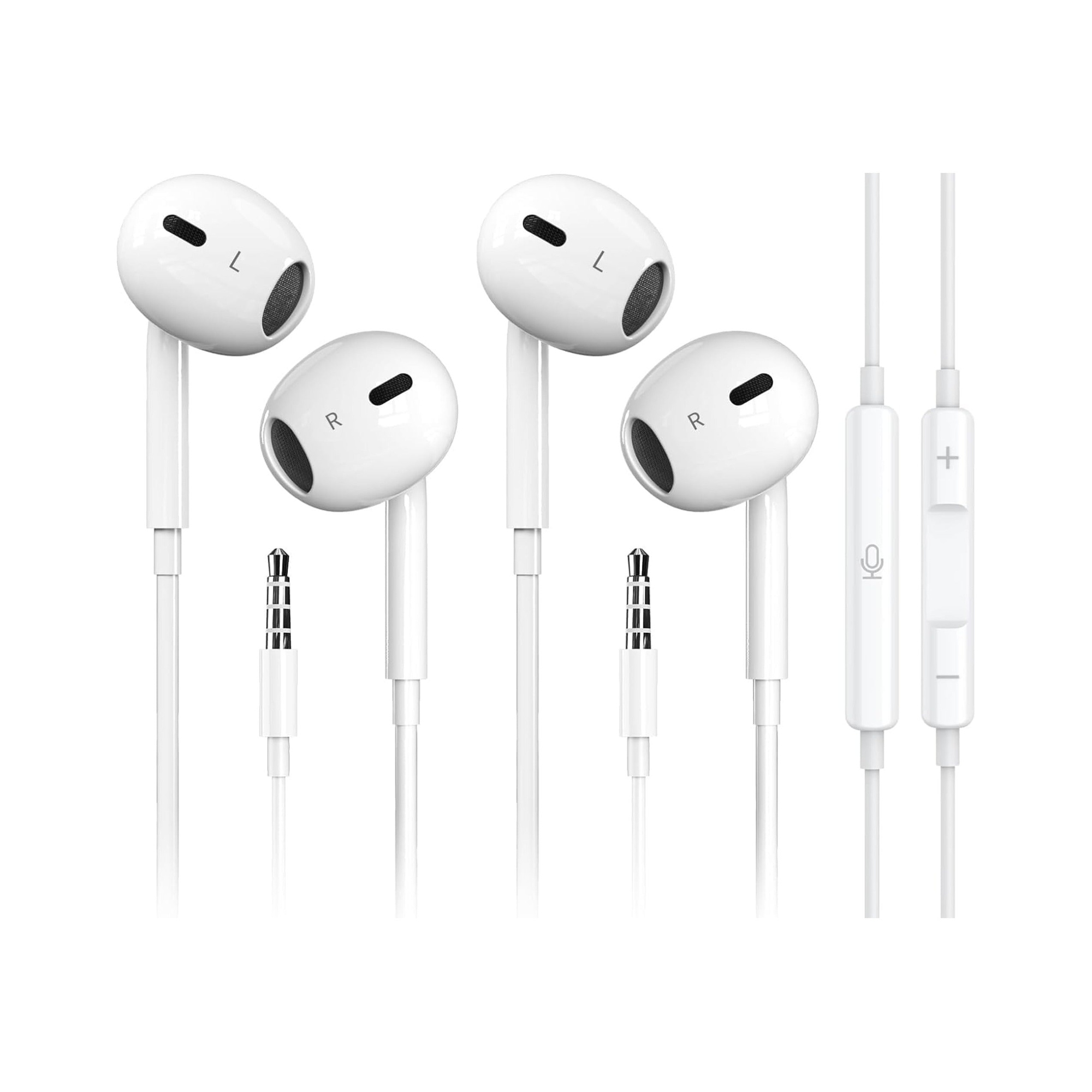
Learn how to keep wired earbuds from falling out using over-pinna cable routing, chin sliders, and shirt clips to eliminate cable pull and microphonics.
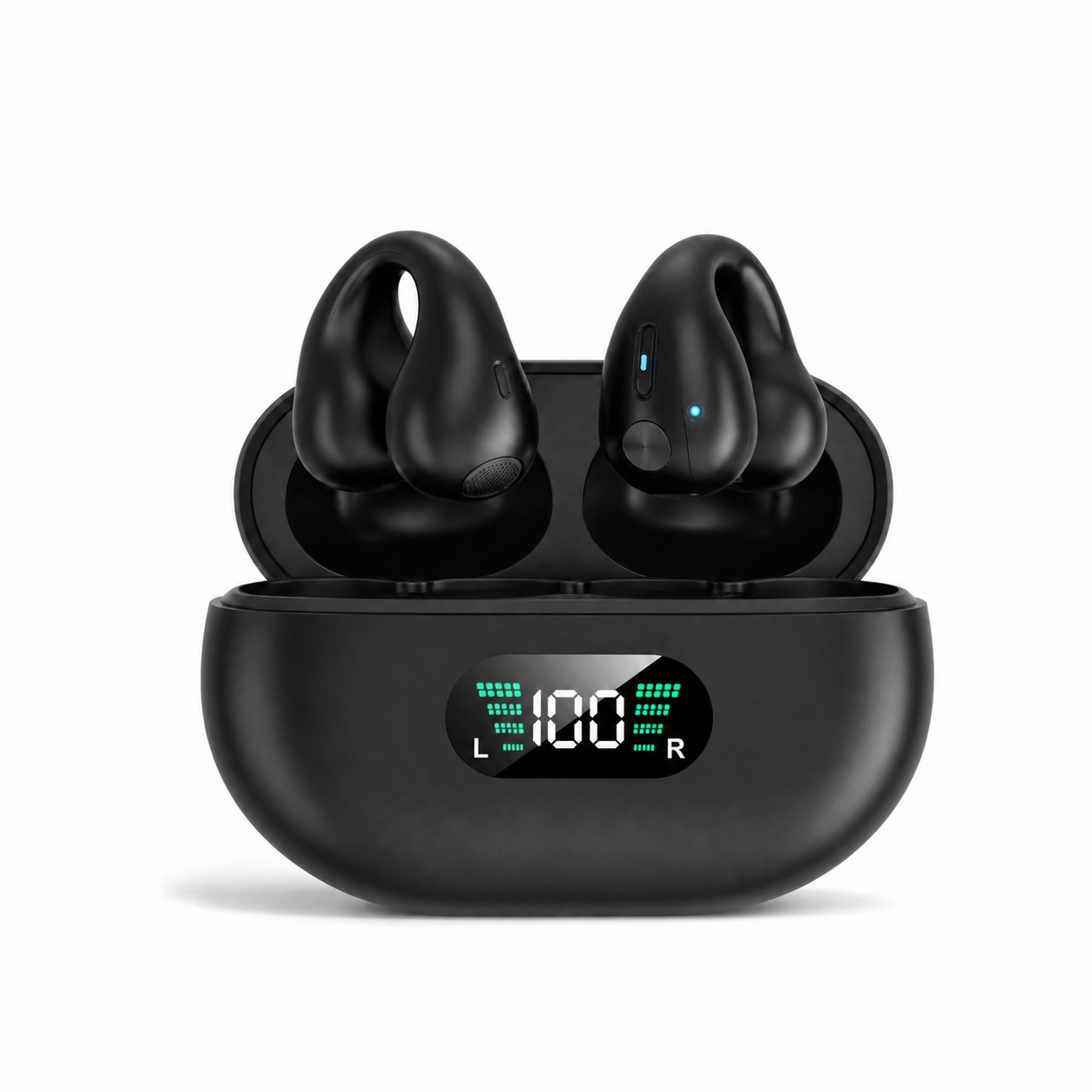
Compare ear-hook loop counterweights and open-ear clip cuffs for box jumps and sprint intervals. Learn retention mechanics and sweat resistance.
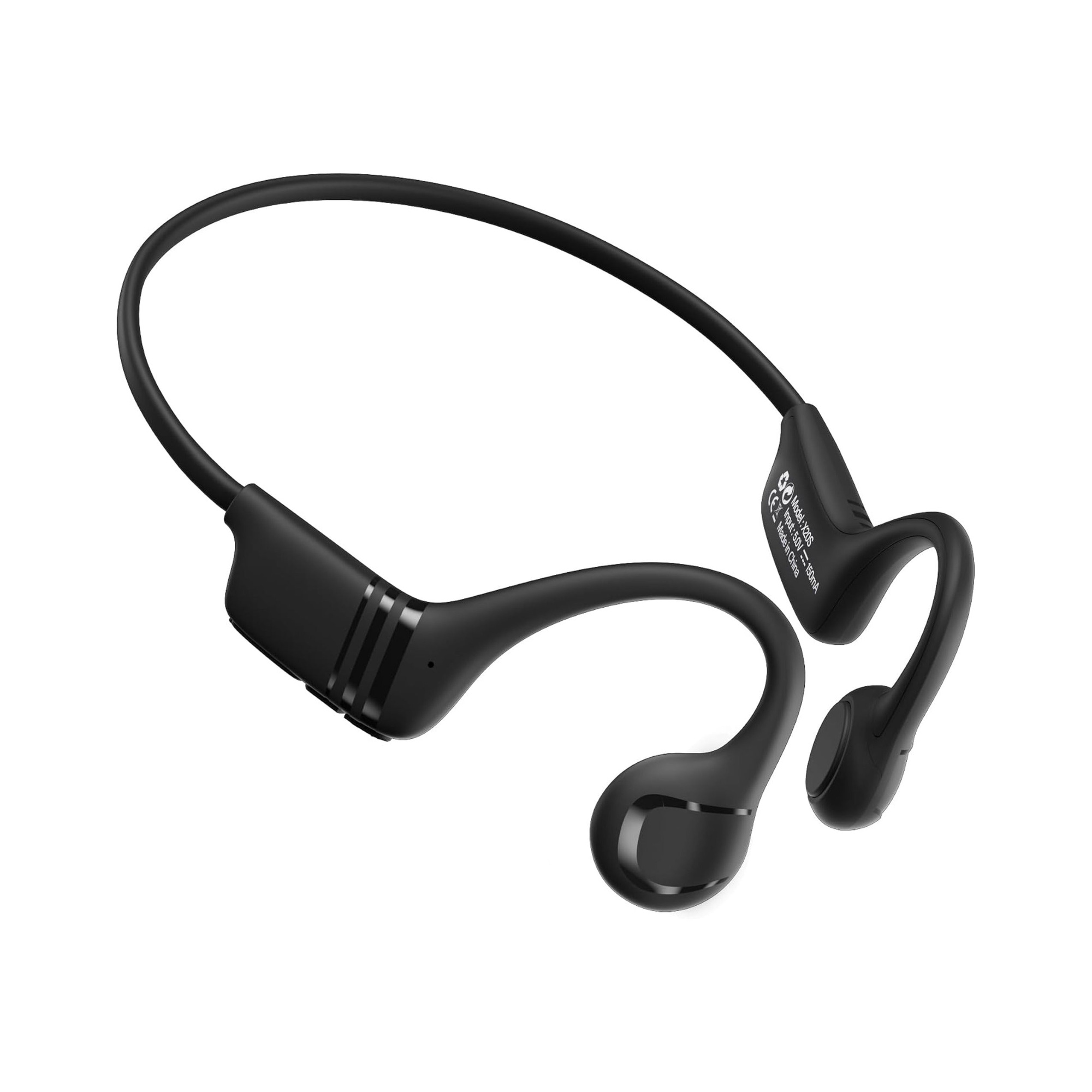
Explore how bone conduction headphones with a boom mic enhance communication clarity and situational awareness for dispatchers and warehouse operators.
Acoustic transducer mechanics, sub-bass resonance, and situational road awareness compared between bone conduction headphones and in-ear earbuds.
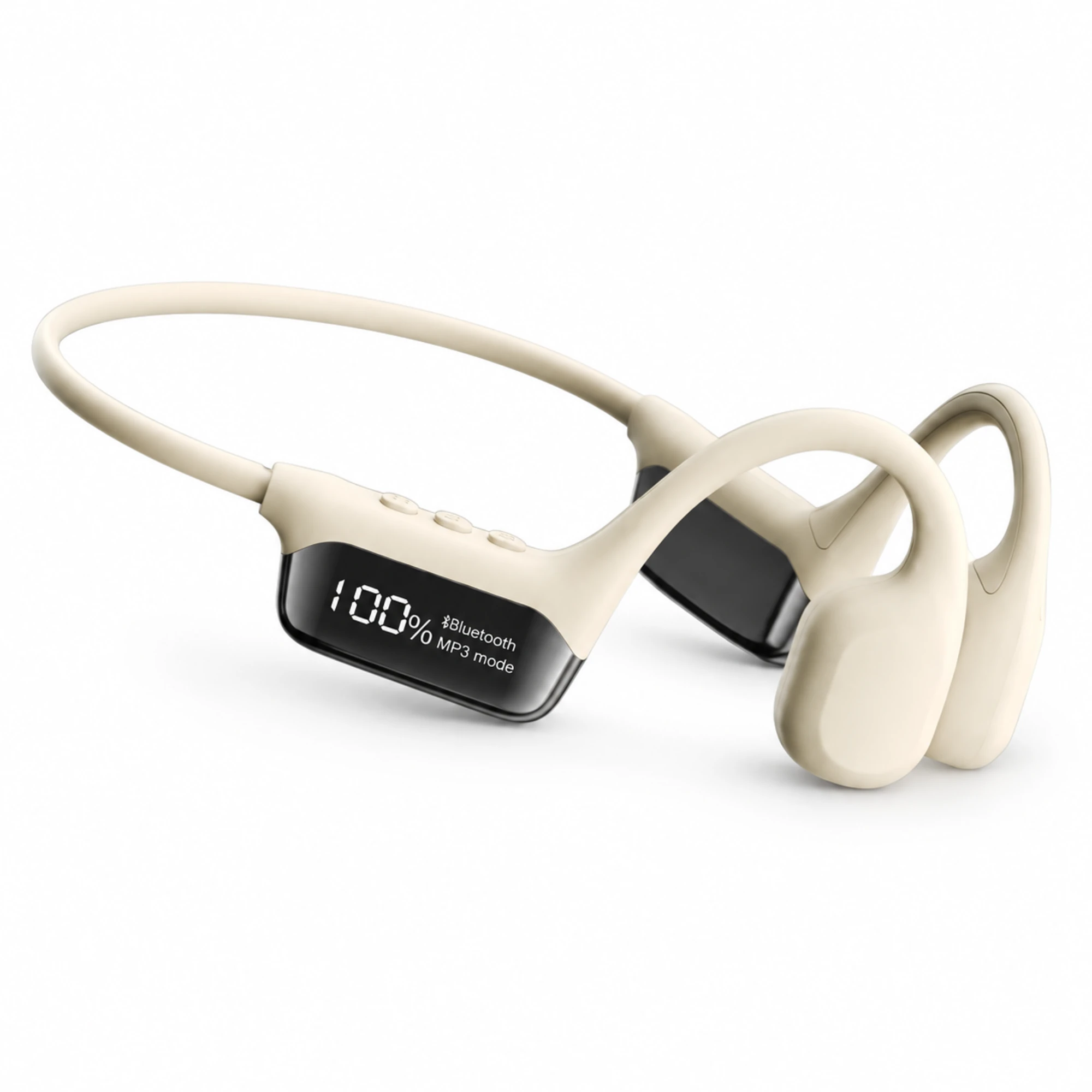
Ingress protection ratings, acoustic transducer sealing, and MP3 playback guidance for swimming bone conduction headphones in fresh, salt, and chlorinated water.
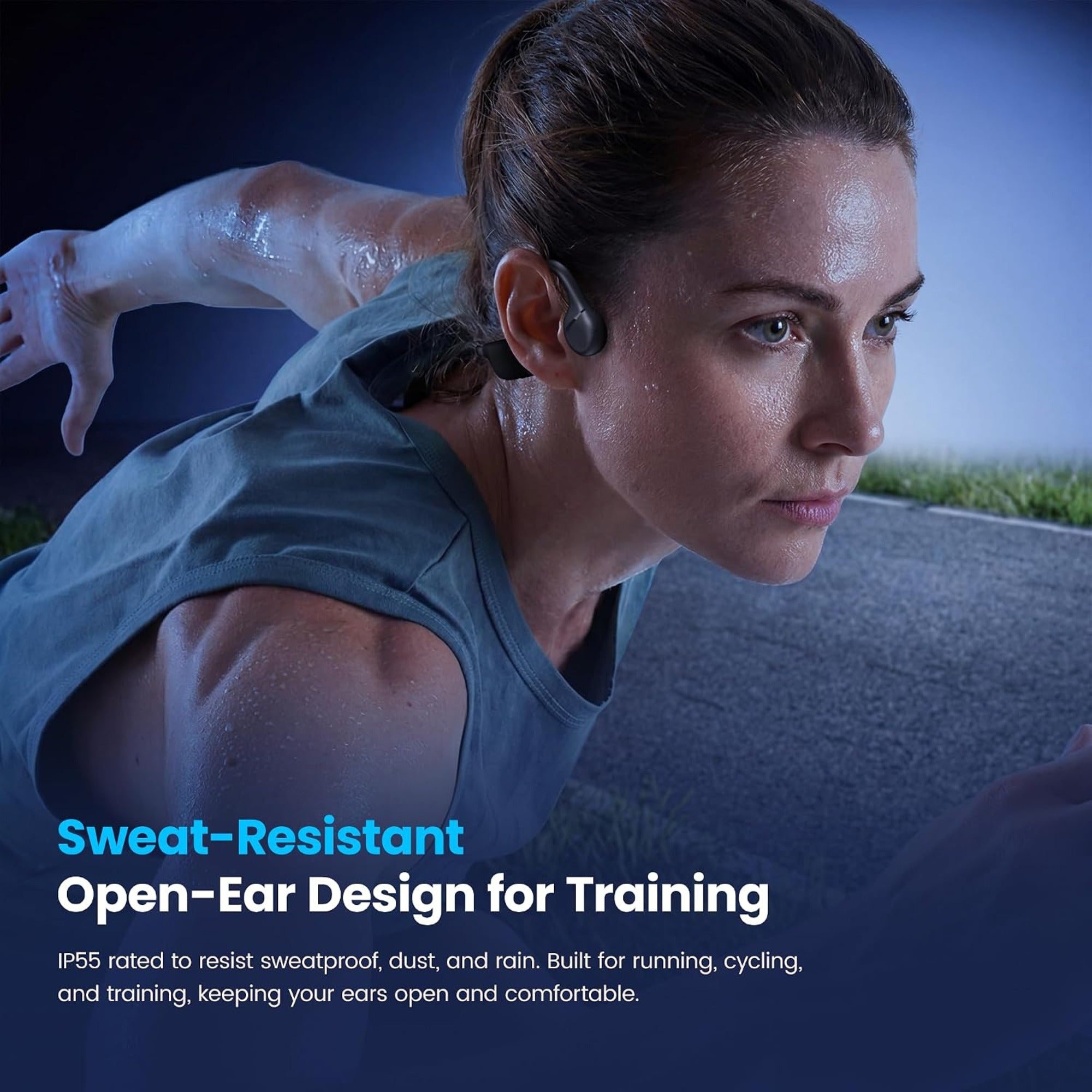
Practical clearance and strap routing guide for cyclists wearing bone conduction headphones under helmet retention cradles, adjustment dials, and sunglasses.
Wondering if bone conduction headphones work with earplugs? Discover how the occlusion effect traps low-frequency vibration to boost bass in loud spaces.
Struggling with loose bone conduction neckbands? Learn how head circumference, titanium memory frames, and collar clearance prevent transducer slippage on petite heads.
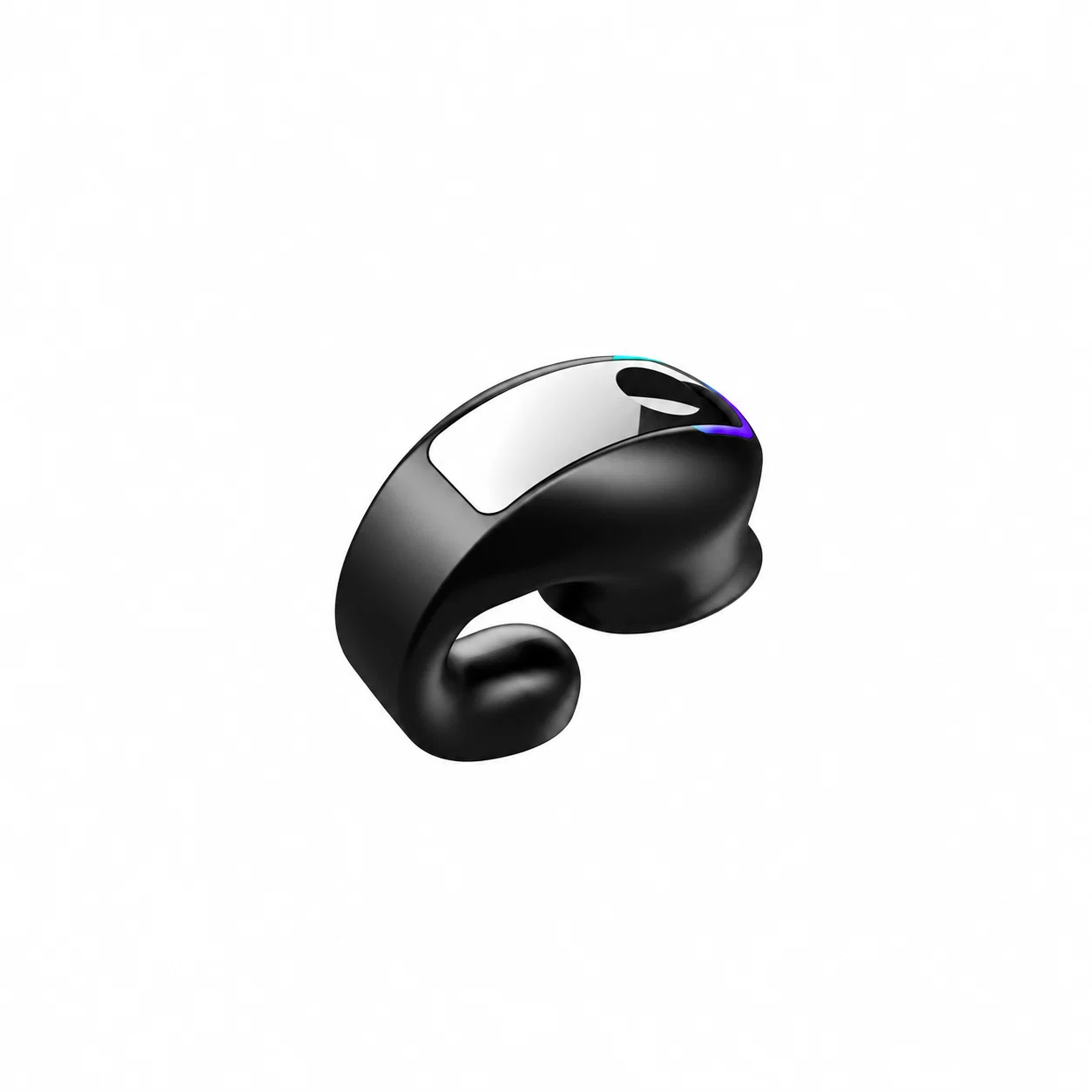
Considering the single GD28 clip for calls? Read its supplier specs alongside outdoor and office buyer reports, with clear limits on what each supports.
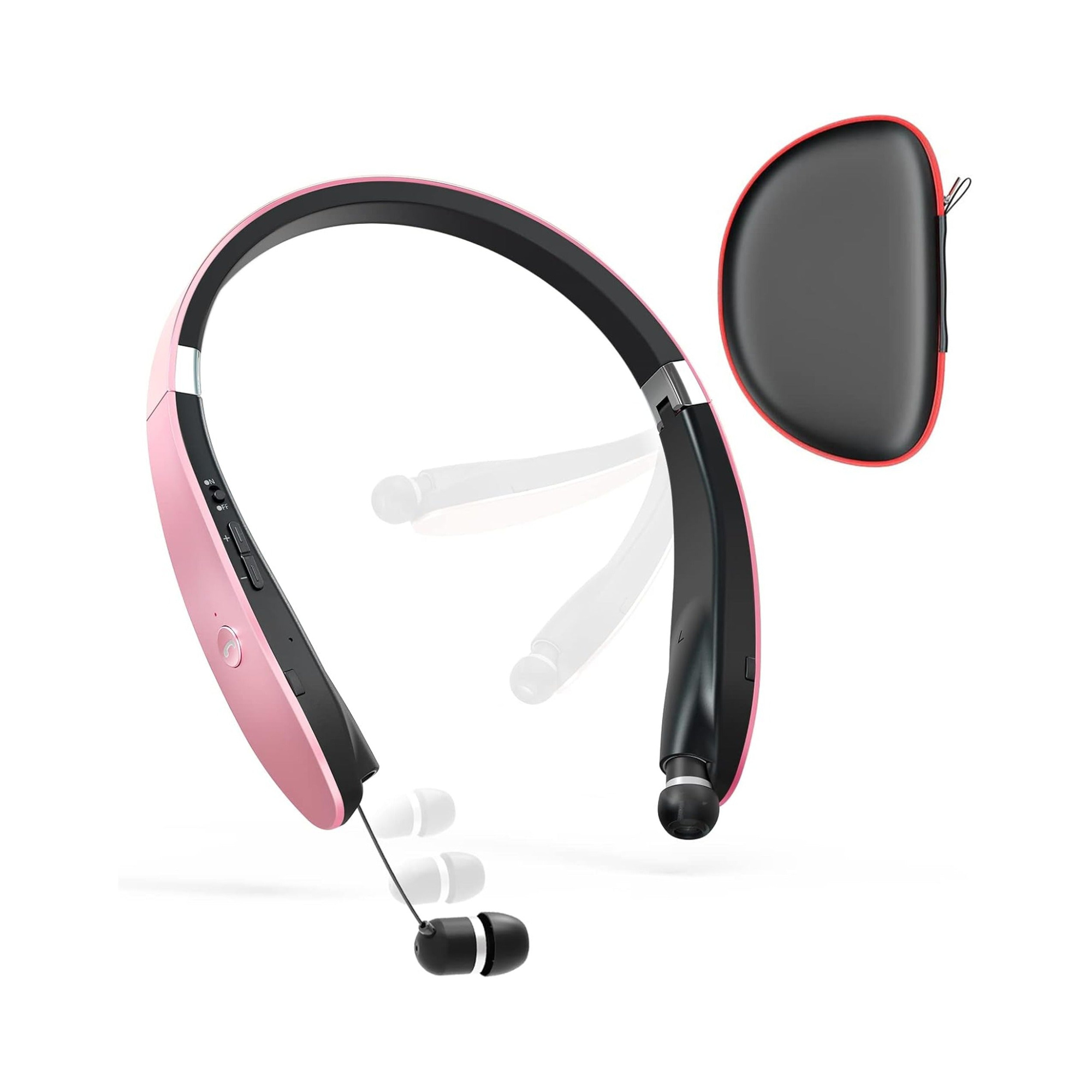
Learn how to manage ear-pad moisture buildup from heavy gym lifting sets, maintain cushions, and compare sweat-free retractable neckband earbuds.
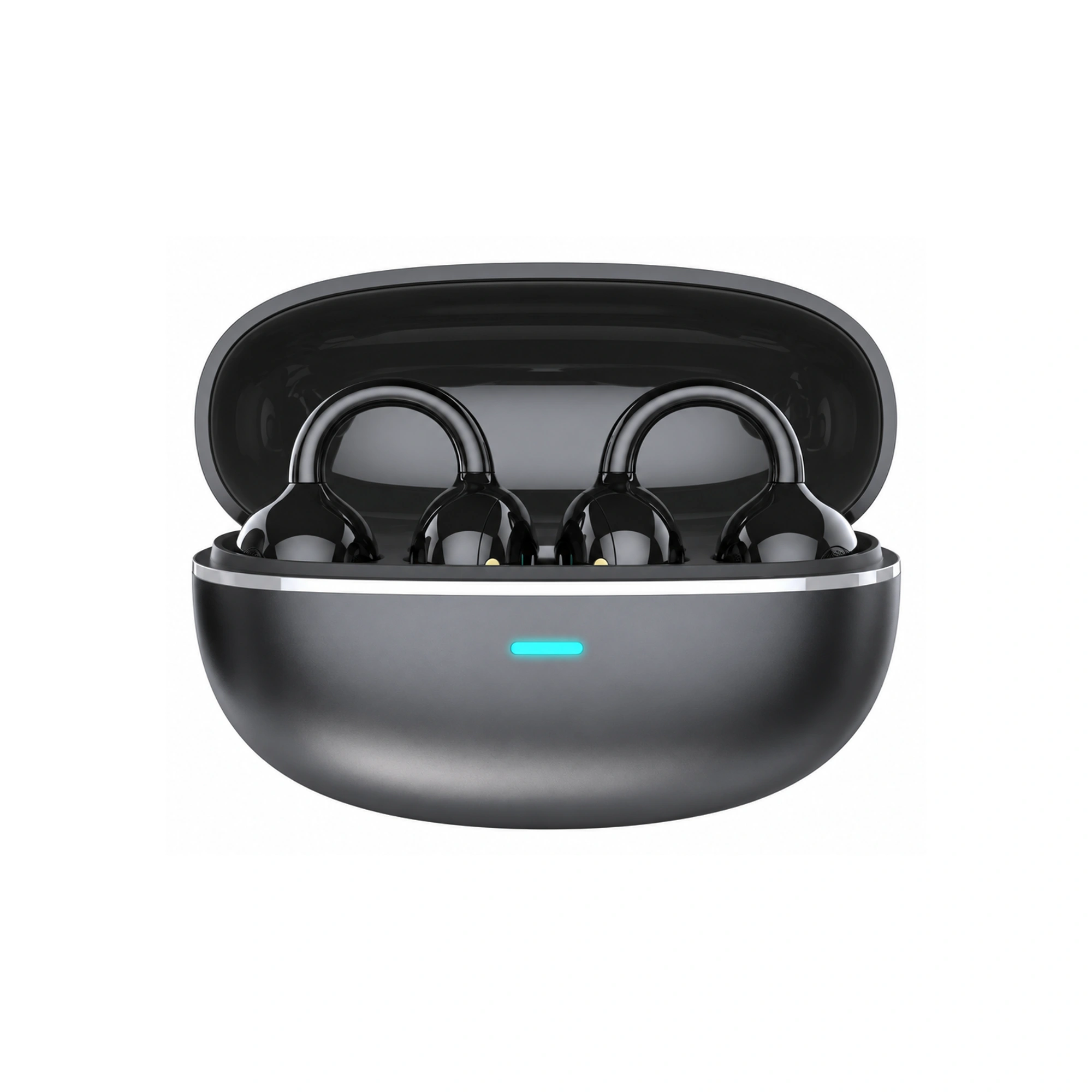
A search for helix earbuds can open a Helix Ultrabuds page with ear gels and an MFi line. Z12 is a separate black clip-on with an oval case.
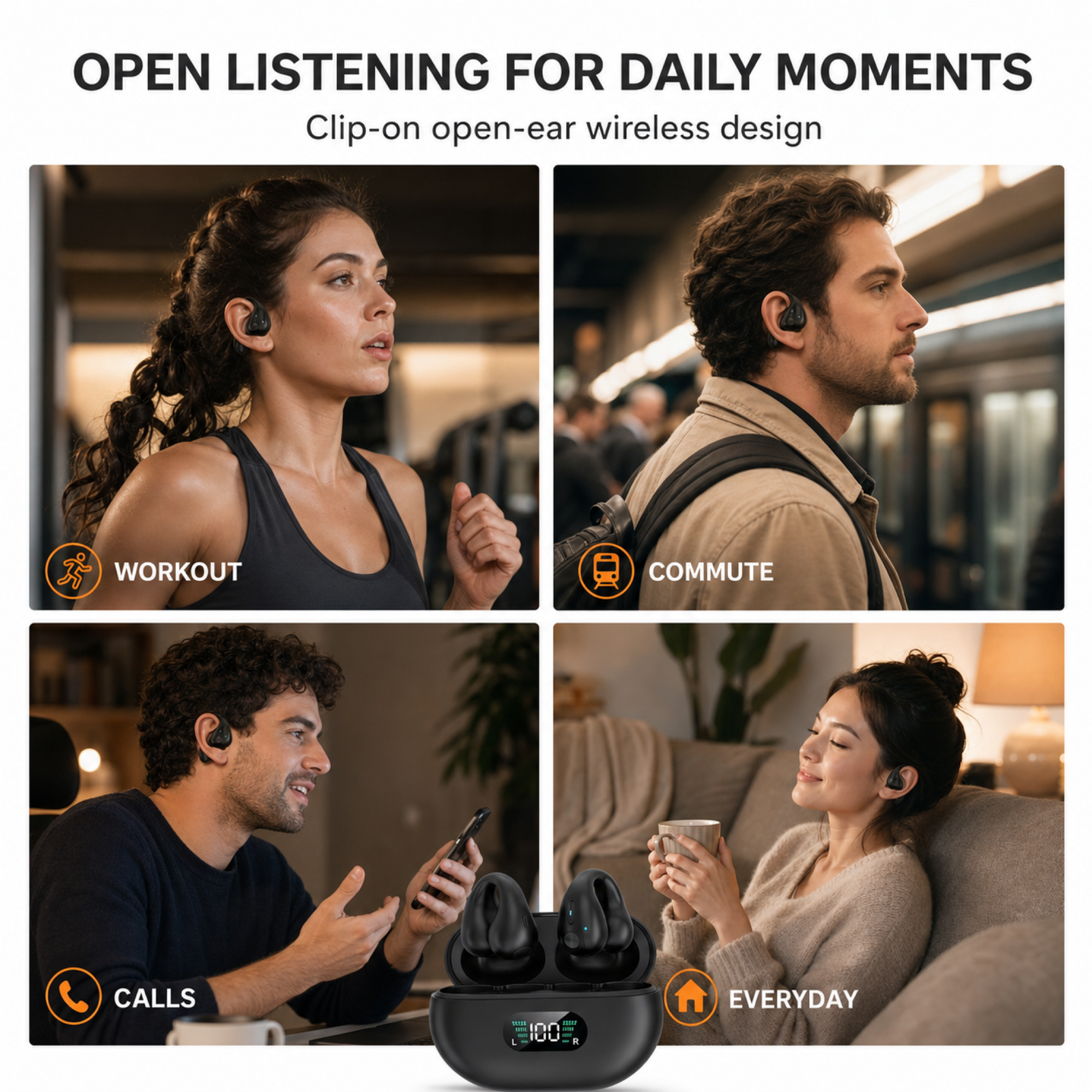
Learn how to wear clip-on earbuds correctly: positioning the sound outlet near the concha, clamping the outer ear rim, and adjusting tension.
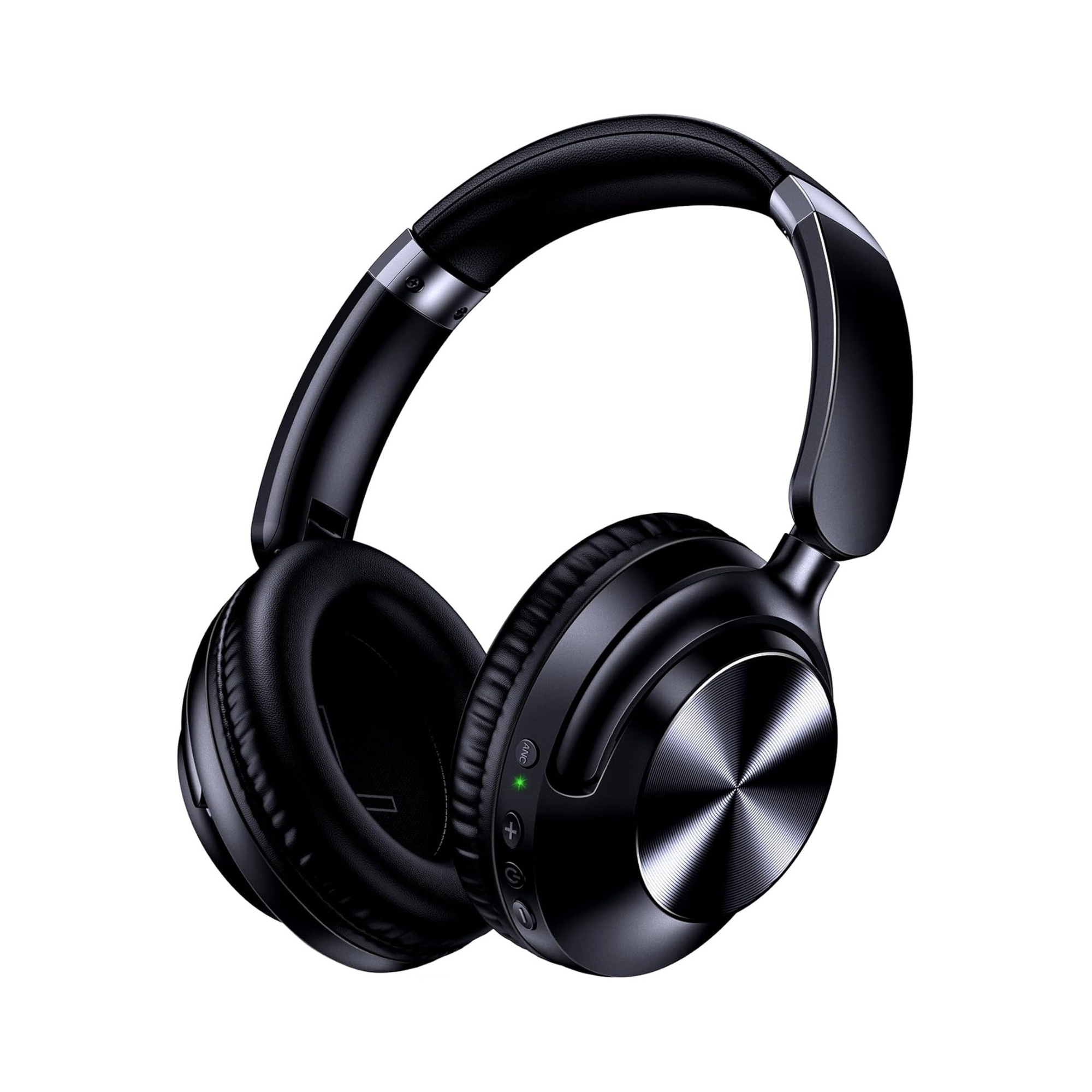
Shopper notes for wireless headphones long battery life on this Series 127 listing. The page prints up to 100 hours per charge and a 5-minute charge line.
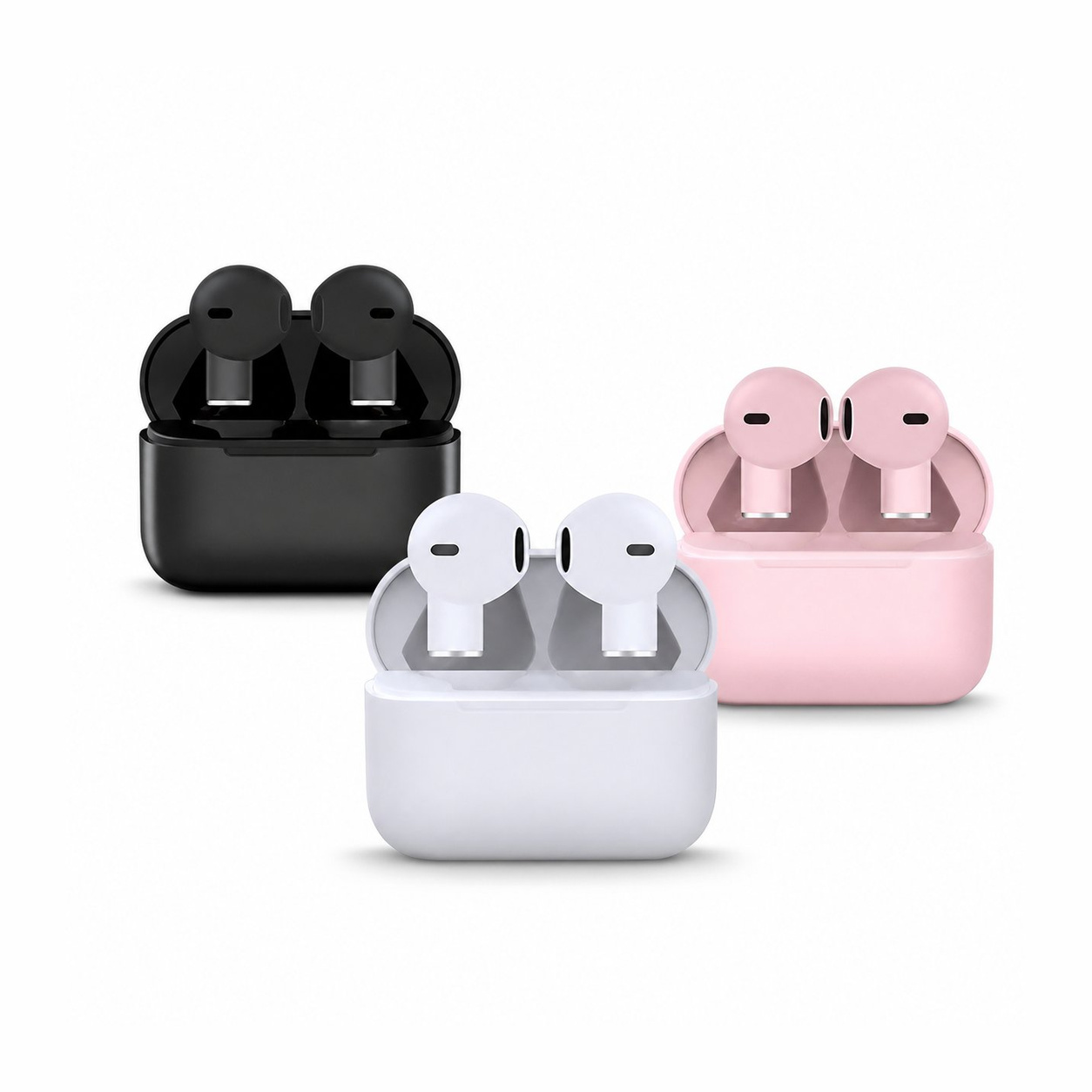
Earbud storage case on this EARSOLE listing is the hinged charging case. It opens on a hinge, closes over both earbuds, and fits a desk, pocket, or bag.
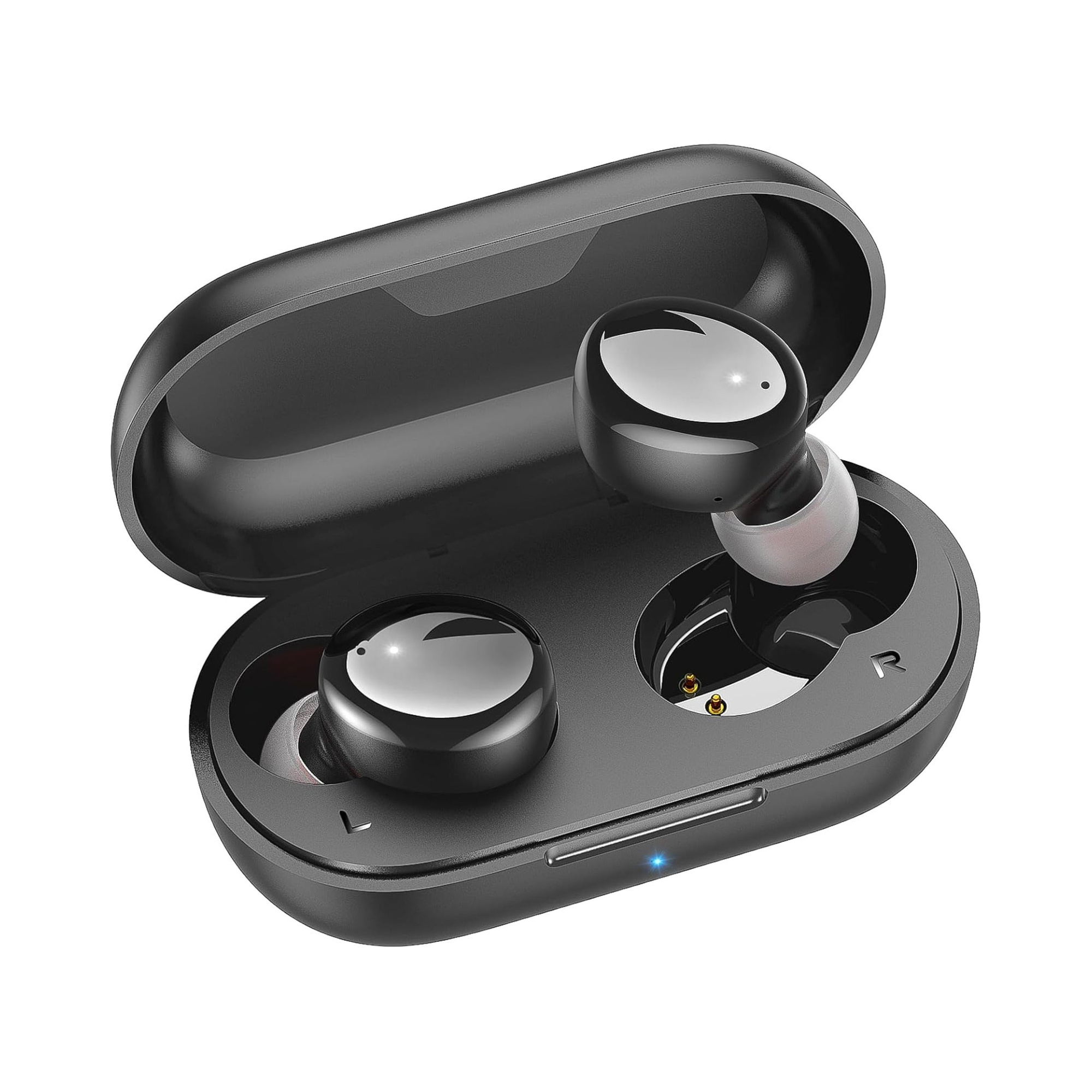
How to charge wireless earbuds on Series 194: use a standard 5V USB charger (5V/1A). Fast chargers are not required, and the port and earbuds must be dry.
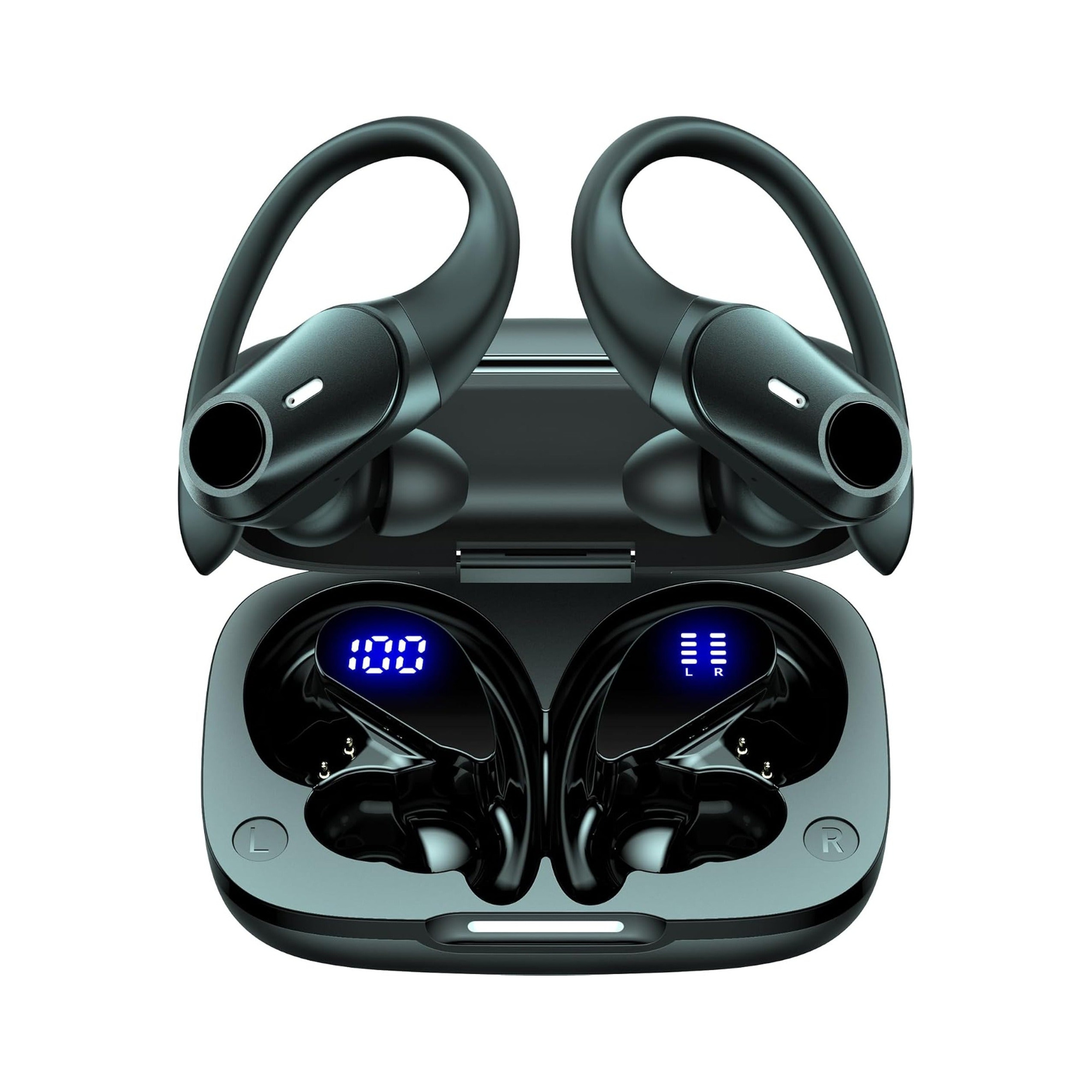
Wireless charging earbuds on the Series 215 listing means one case sentence: the case supports both wireless charging and Type-C charging for flexible power.
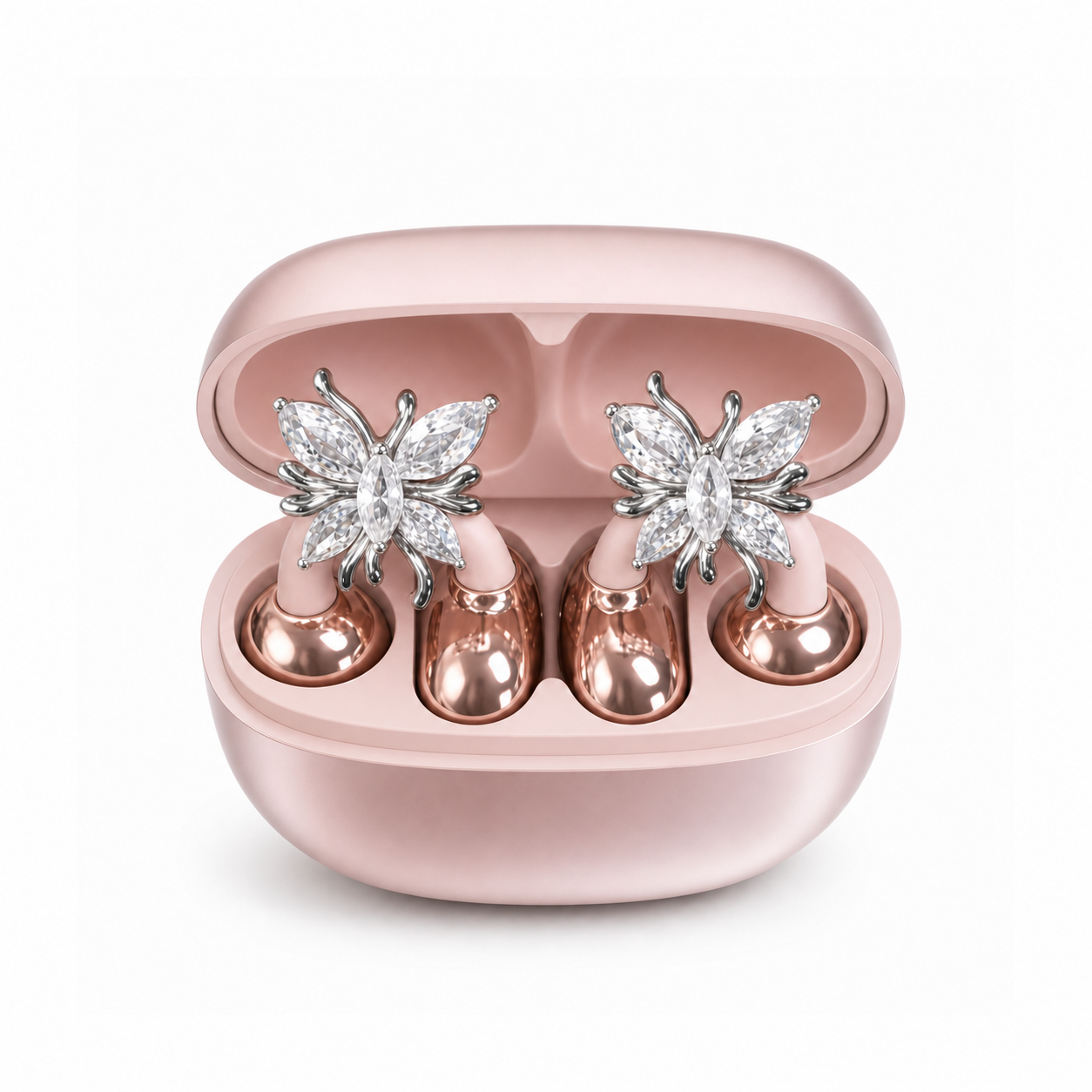
On the EARSOLE Butterfly listing, ear cuff earbuds means a blush-pink C-bridge outside the canal. No battery hours, weight, or stay-put test is printed.
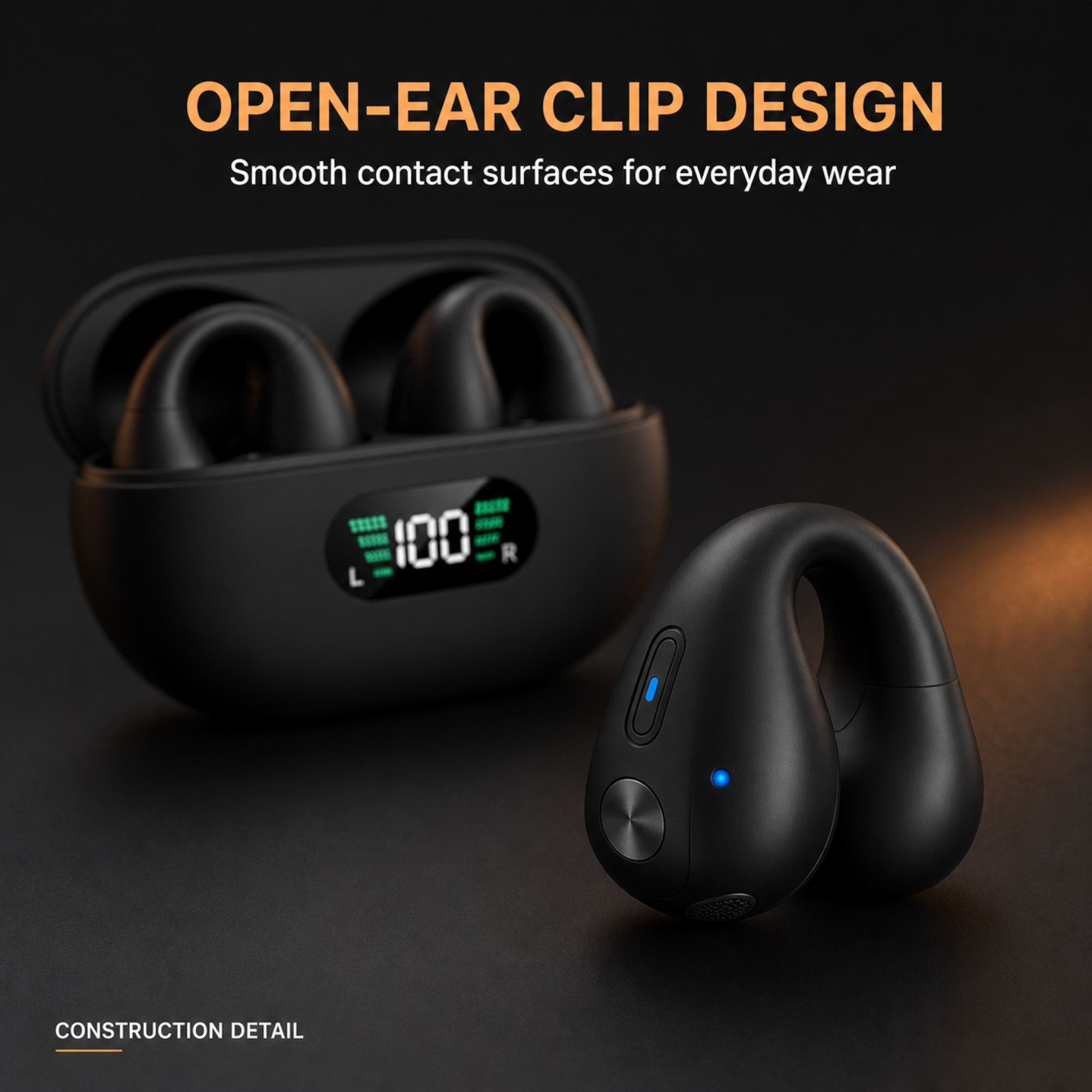
Learn how clip-on open-ear earbuds perform during running workouts: cartilage retention vs ear hooks, road awareness, and sweat care guidelines.
Explore whether open-ear clip-on earbuds stay comfortable for long workdays, how outer-ear clamping balances ear canal pressure, and how glasses fit.
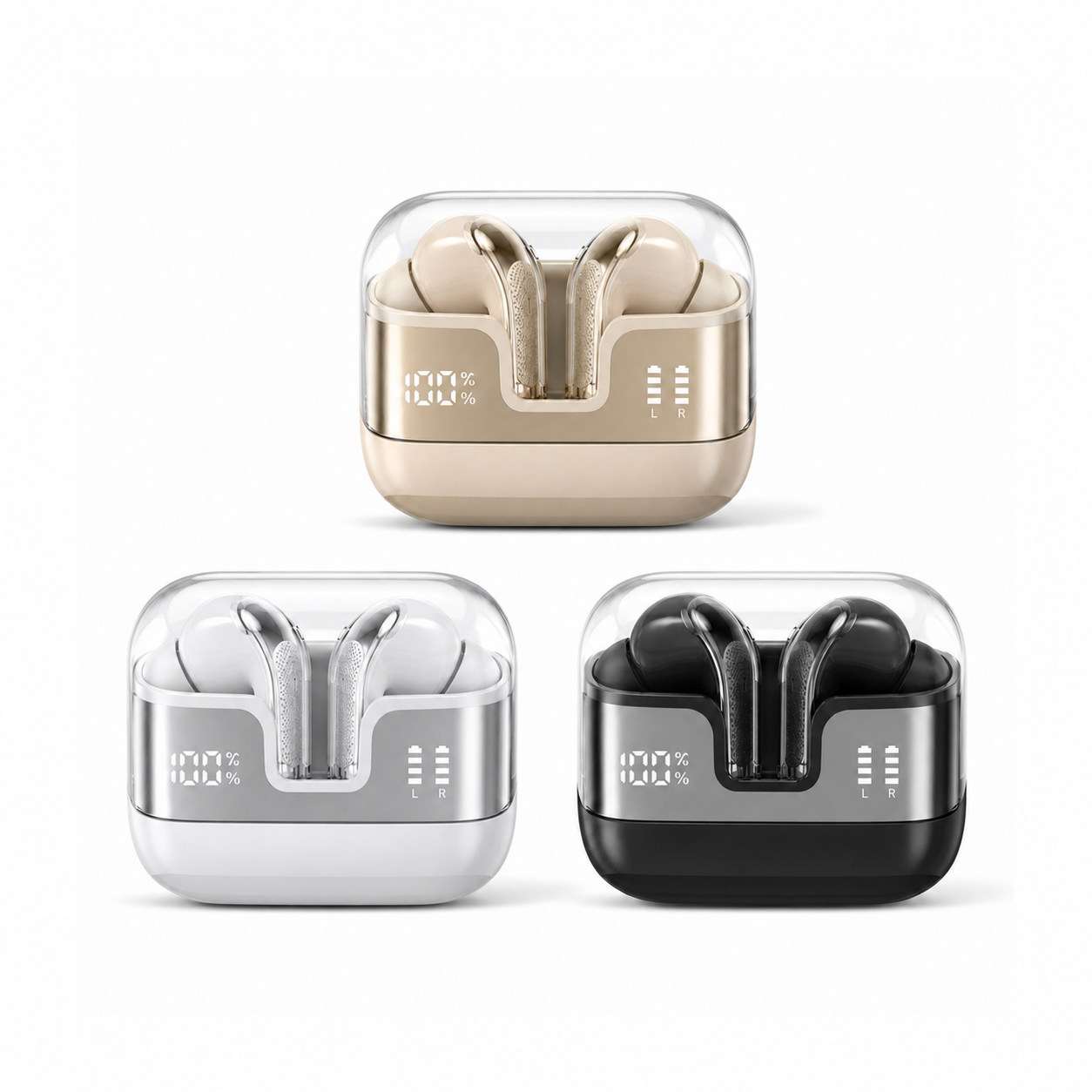
Look for the earbuds case itself. EARSOLE Spatial Audio Wireless Earbuds with Digital Display Case is a clear-lid digital display case. EARSOLE Mood Spinner is a red glitter case with black bear ears and a blue face.
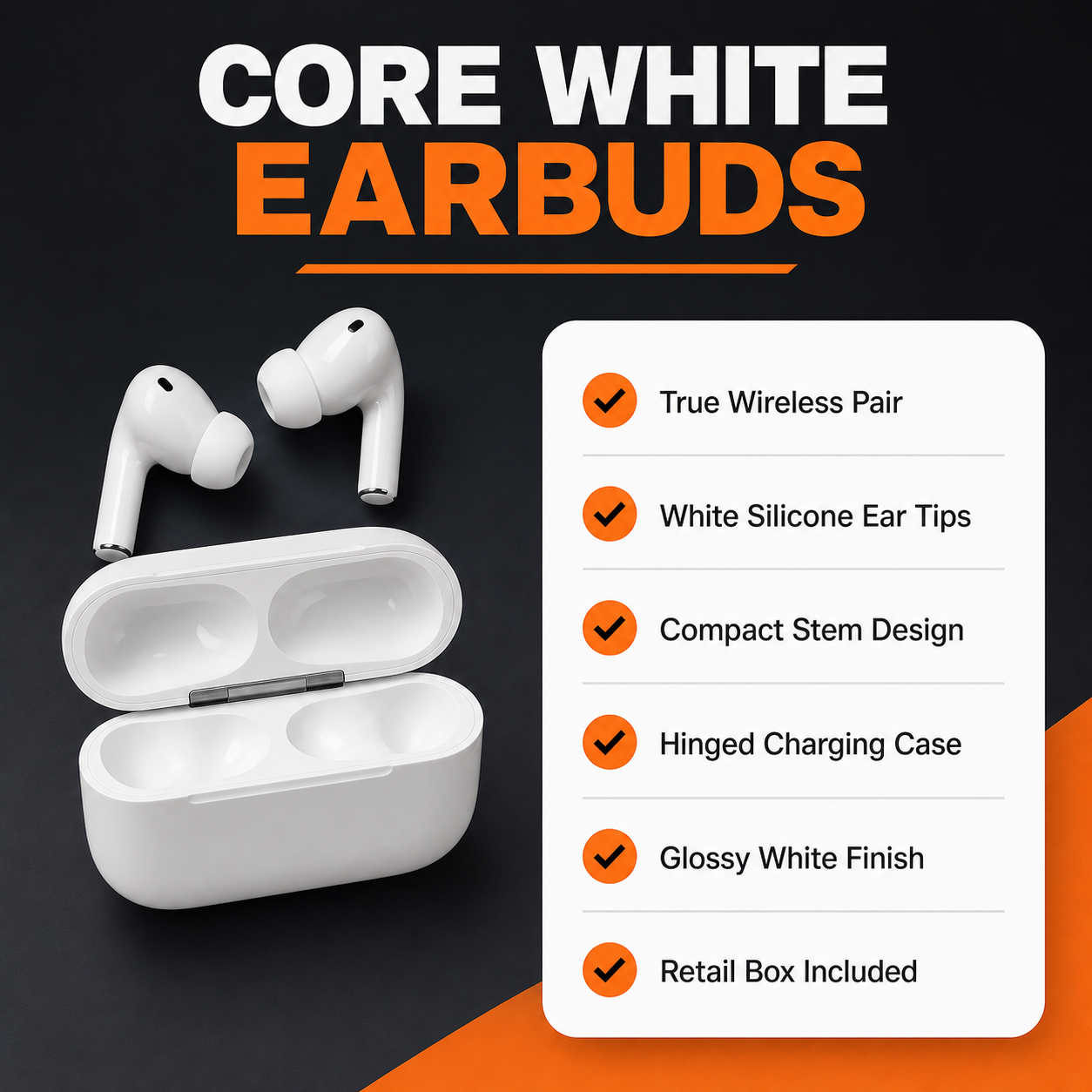
If the left earbud stays dark while the other still fills, reseat that bud. Two Earsole cases show a hinged white case and a textured square case.
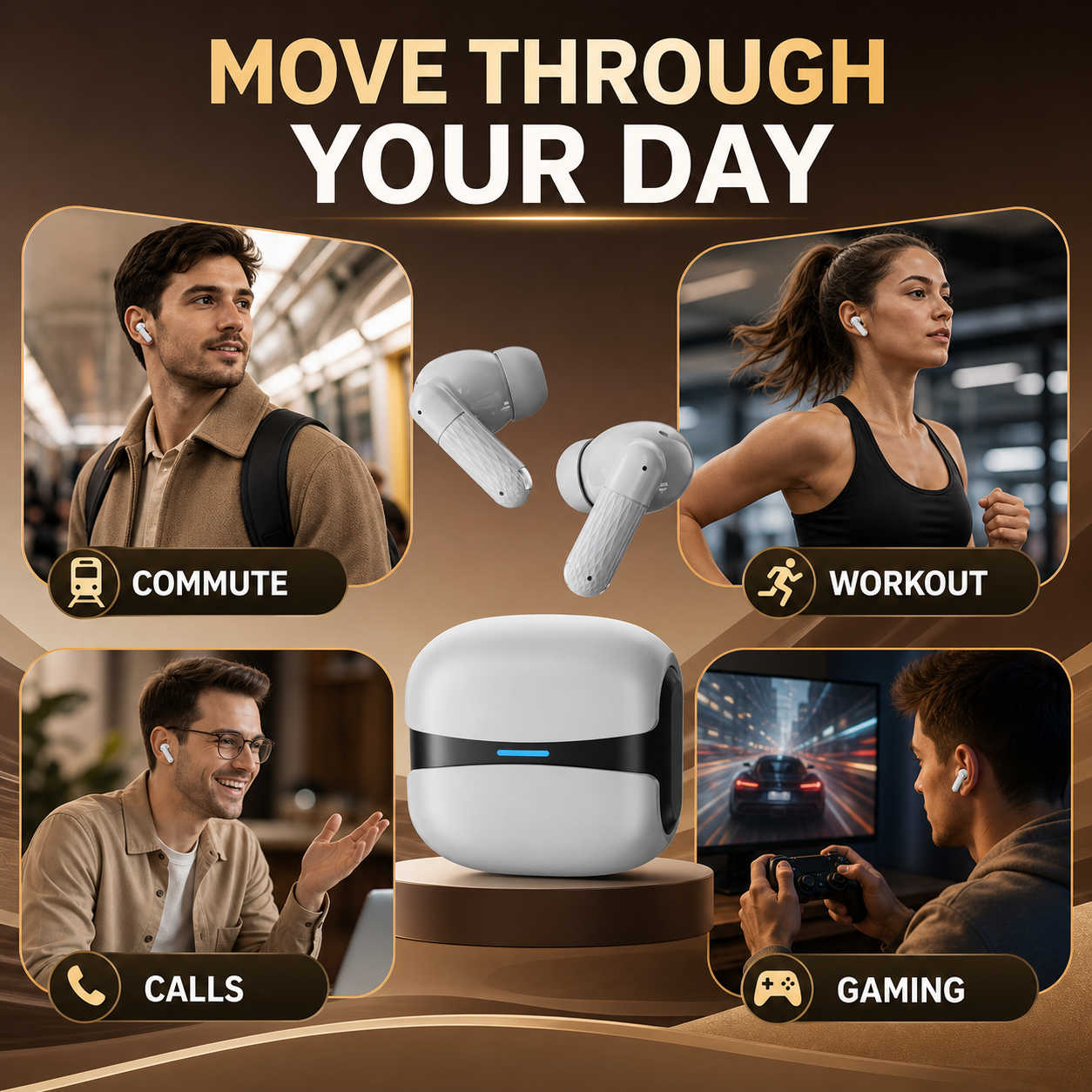
When an earbuds case stays dark, check the cable and port before you decide the cell is finished. Two Earsole cases show what a working light is sold to look like.
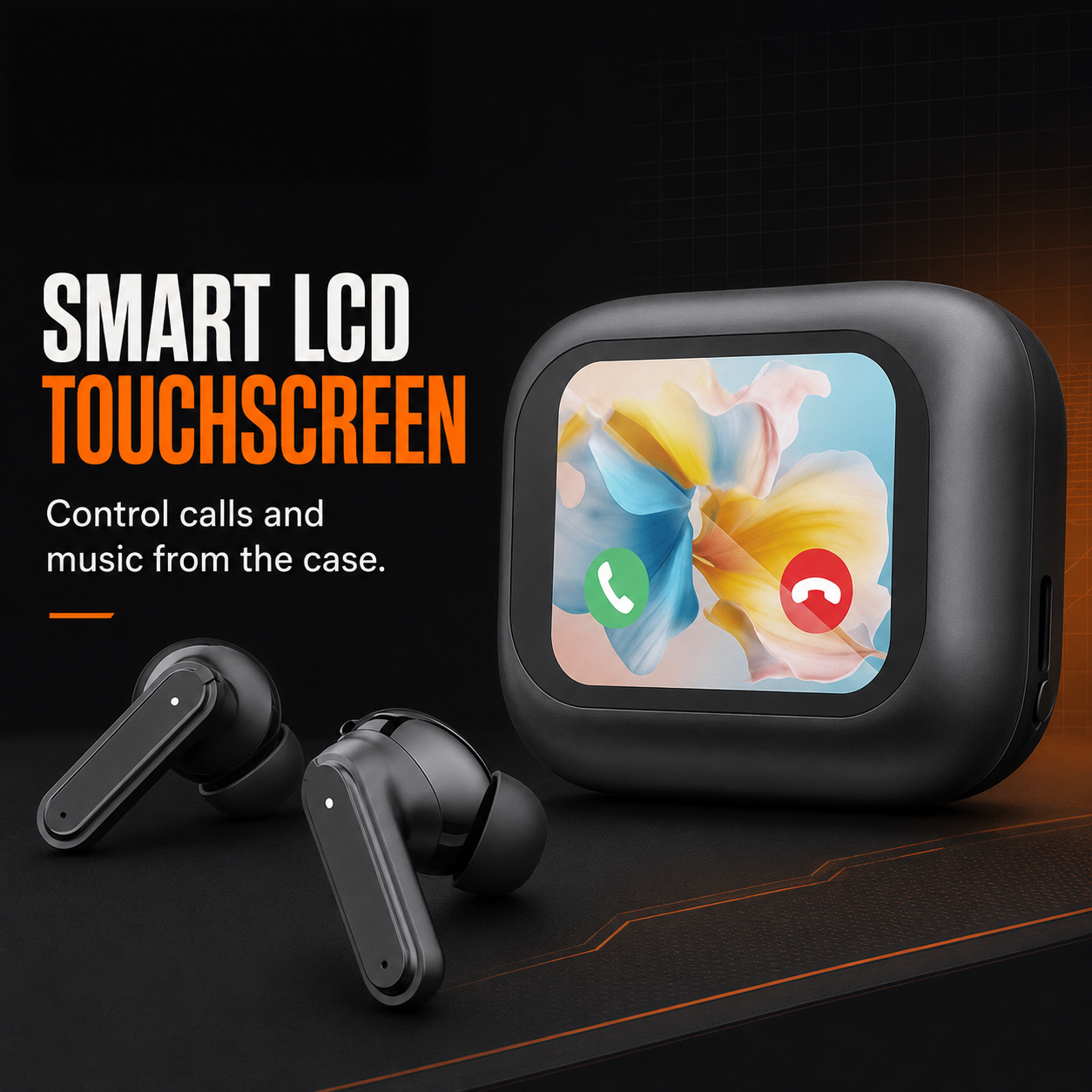
Earbuds with an LCD touchscreen case that controls music, volume, and calls, plus ANC/ENC noise reduction and Bluetooth 5.4. The round display case gives these compact in-ear headphones a distinctive smartwatch-inspired look.
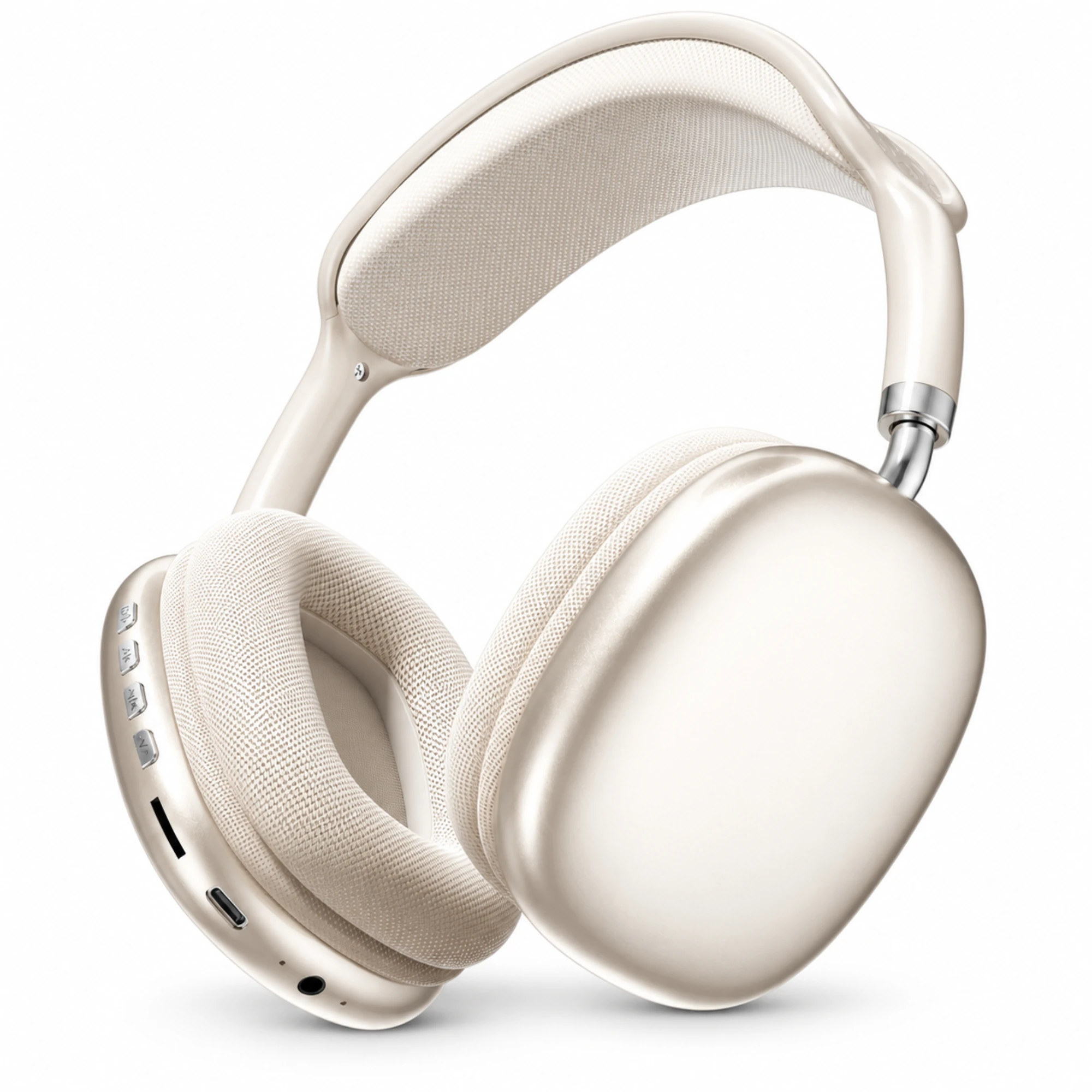
Learn how to set up a television with headphones while keeping room speakers active, test 3.5mm and optical ports, and compare $29.99-$39.99 Earsole sets.
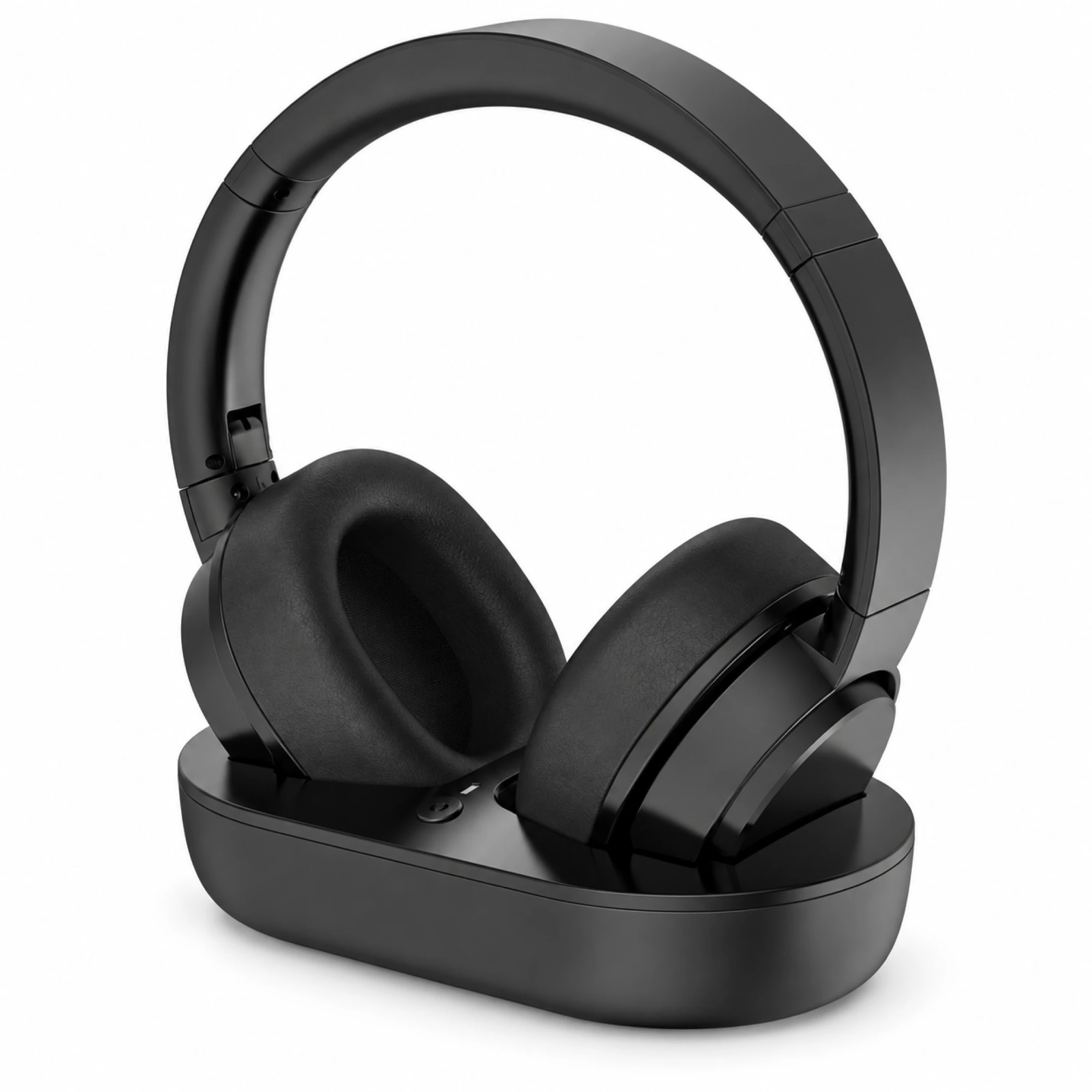
Compare two Earsole wireless TV headphone sets and use a practical checklist to confirm TV connections, charging, lip sync and shared-room listening.
Learn how to connect headphones to a TV across Optical (TOSLINK), 3.5 mm AUX, HDMI eARC, and Bluetooth, including PCM audio settings and transmitter dock setups.
Looking for the best TV headphones for seniors? Compare pre-paired wireless TV headphone transmitter dock kits ($69.99-$79.99) for independent dialogue volume control.
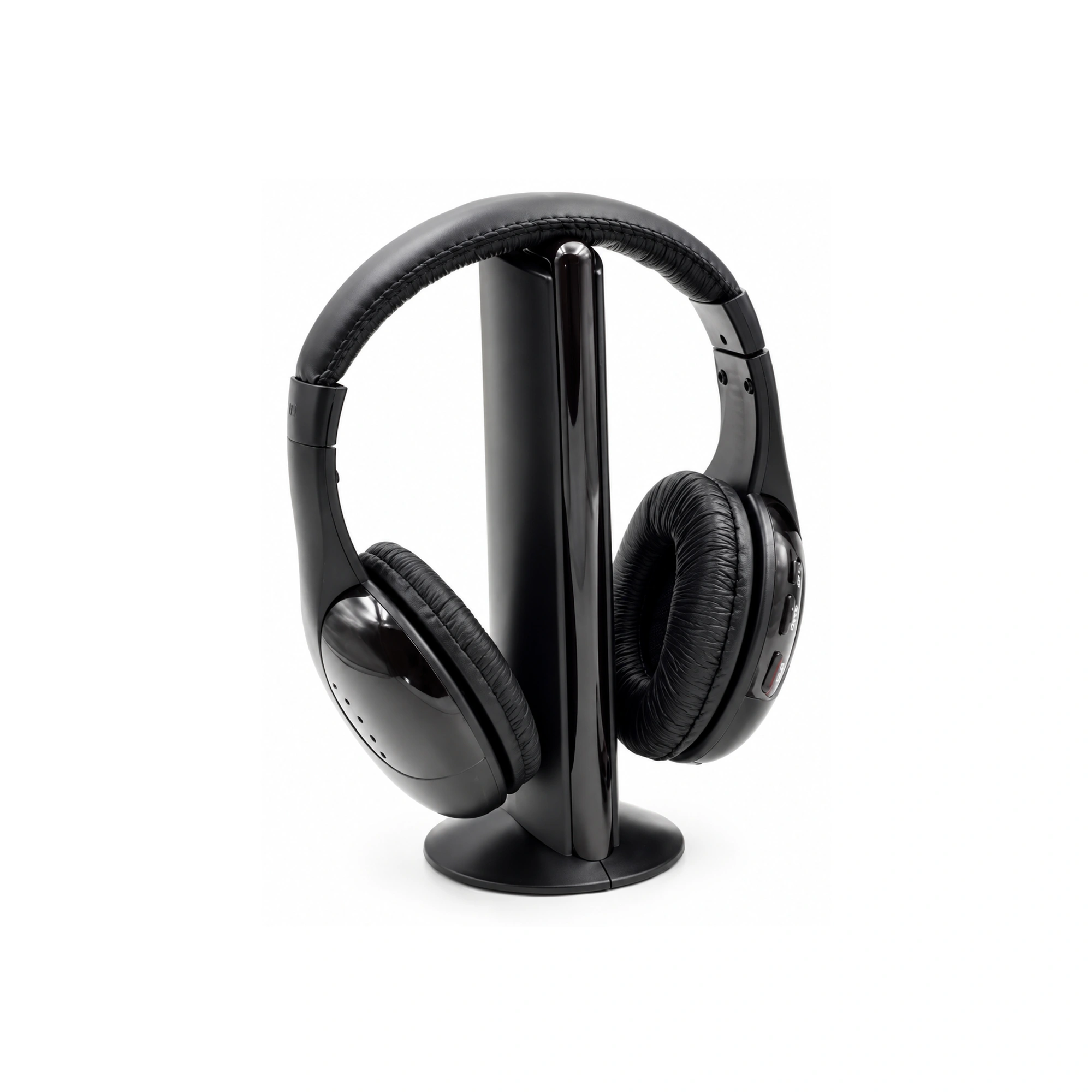
Connect wireless headphones to a non-Bluetooth TV via 3.5mm, RCA, or Optical (TOSLINK) transmitters, and compare Earsole MH2001 and Champagne Over-Ear Wireless Headphones with Woven Mesh Cushions $22.99 headsets.
Learn how swimming headphones work underwater: cheek-contact acoustics vs ear tips, why 2.4 GHz Bluetooth fails in water, onboard MP3 mode, and Earsole S10 vs L18G 32GB models.
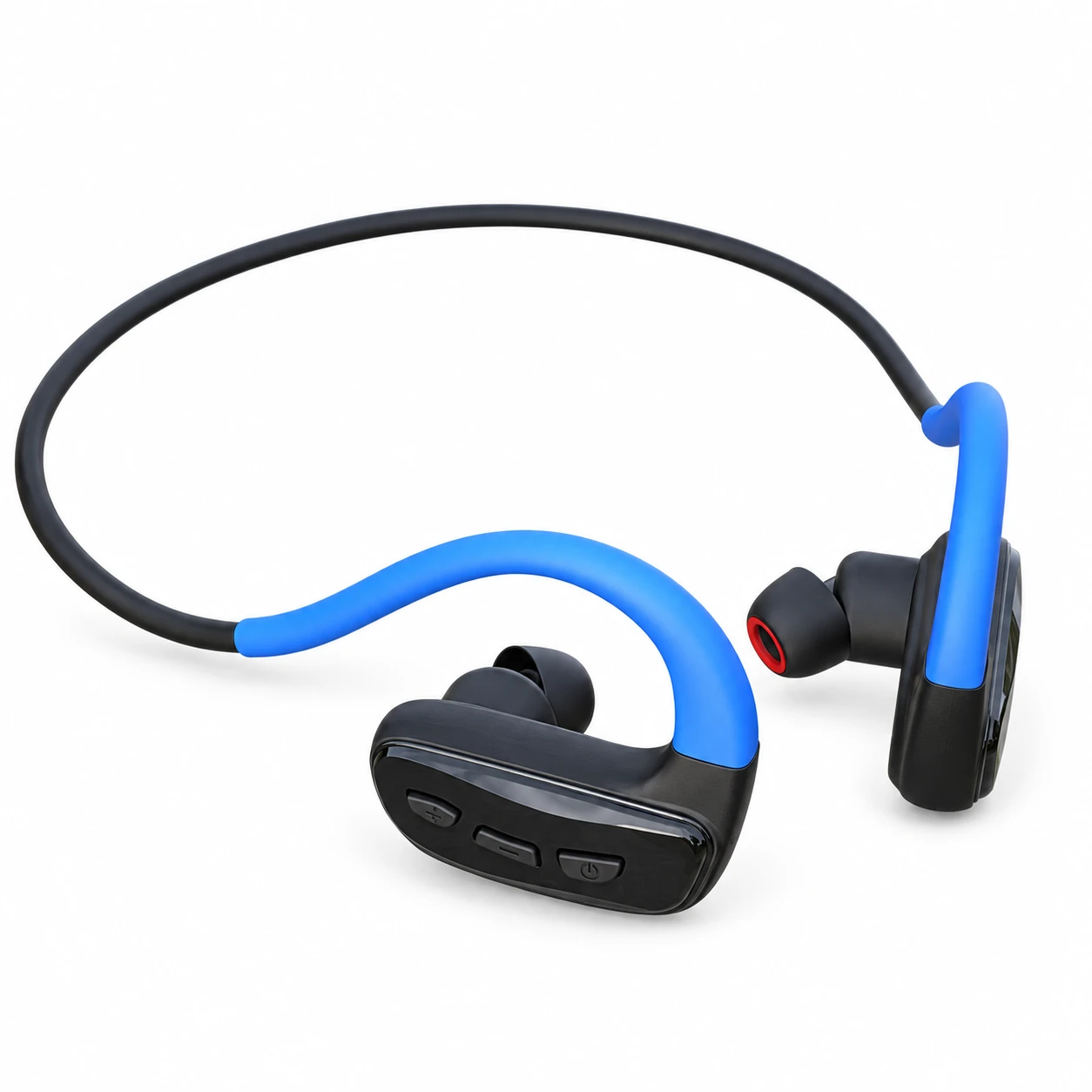
Compare 16GB in-ear vs 32GB curved-housing swimming headphones MP3 models ($119.17 vs $89.00), plus how to load DRM-free files and order tracks without a screen.
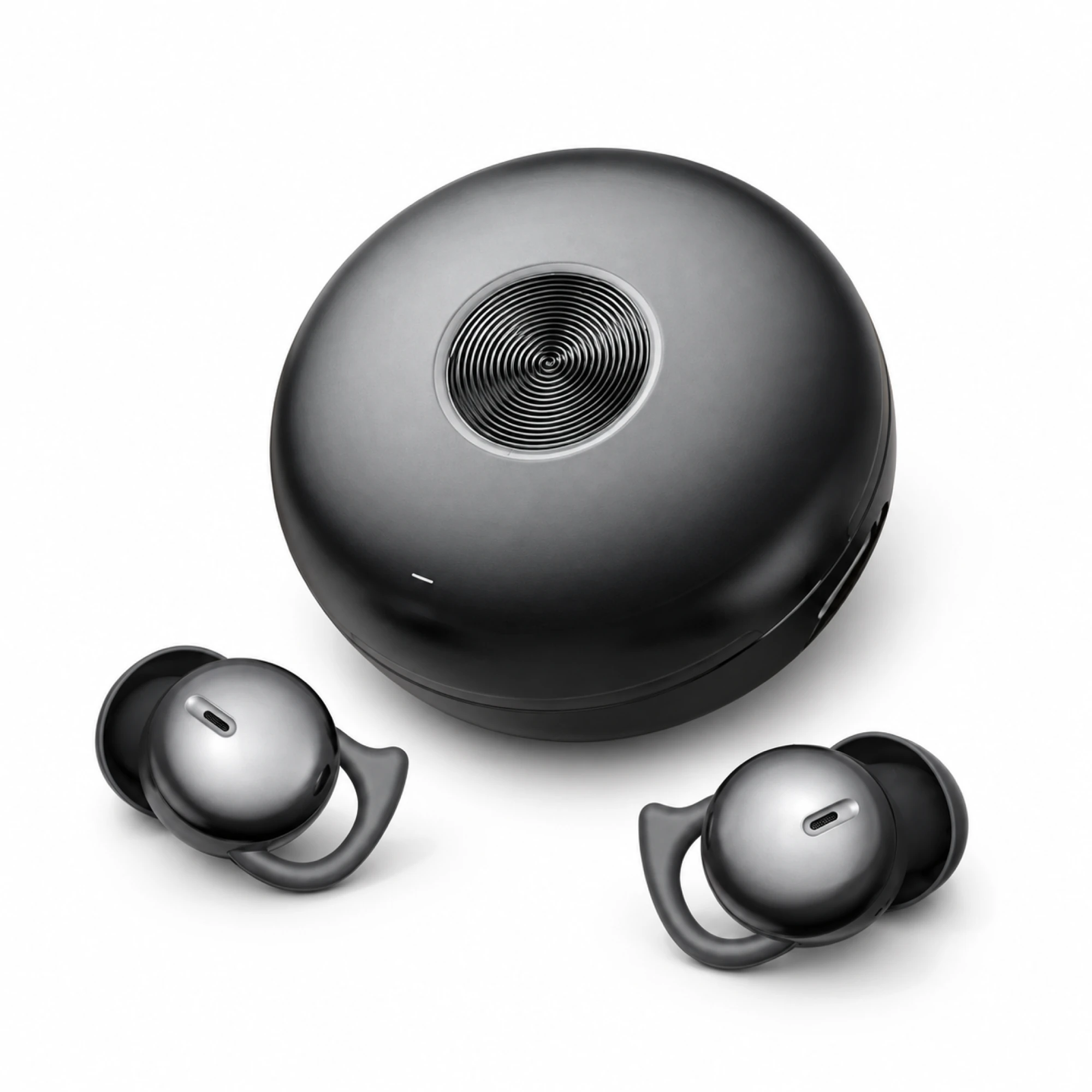
Learn what the IPX7 1-meter, 30-minute immersion test actually covers for waterproof earbuds, why shower jets differ, and how loop stabilizers compare with ear hooks.
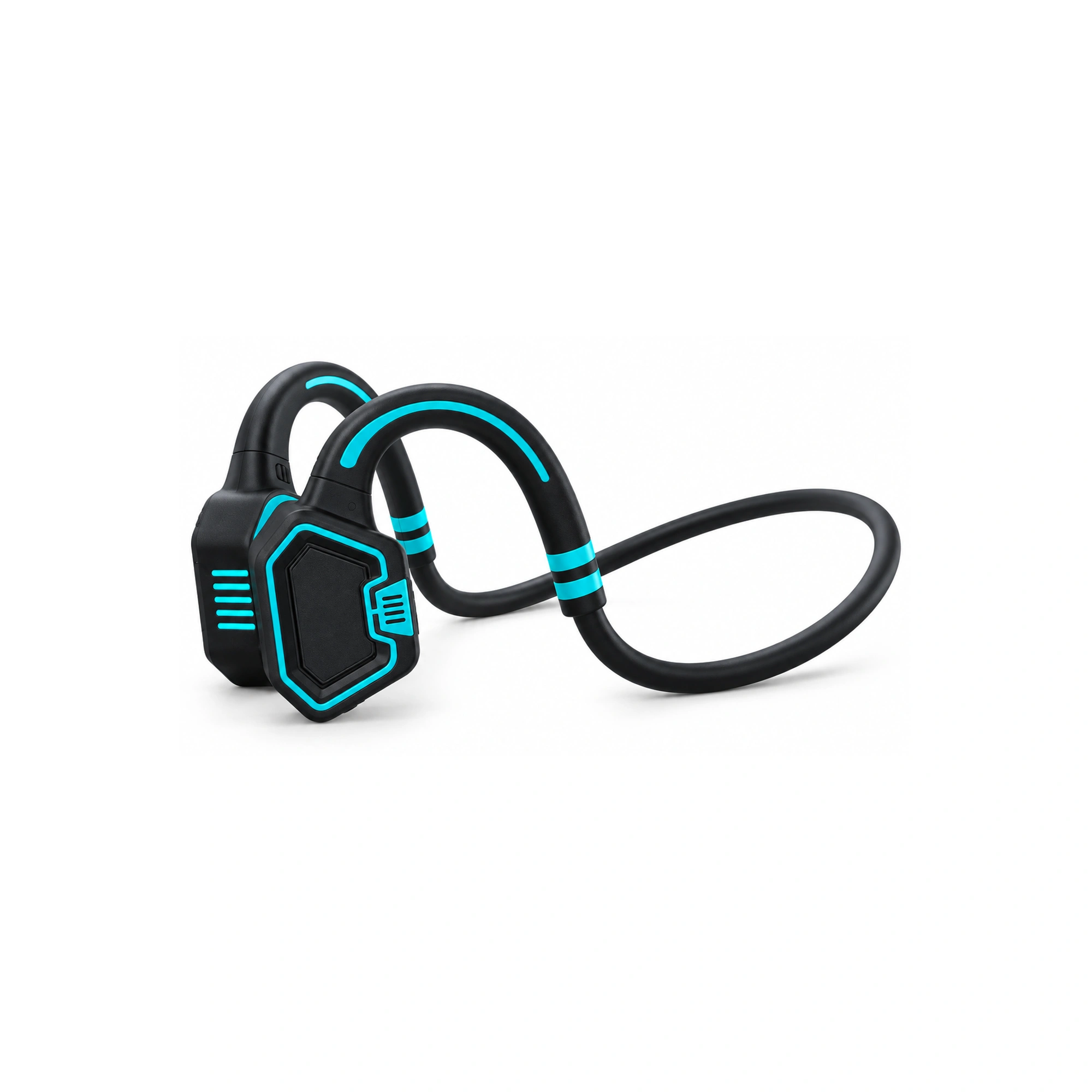
Learn what IPX8 waterproof earbuds handle during continuous submersion, why ear-tip seals and physical buttons matter in pools, and how wraparound swim headphones compare.
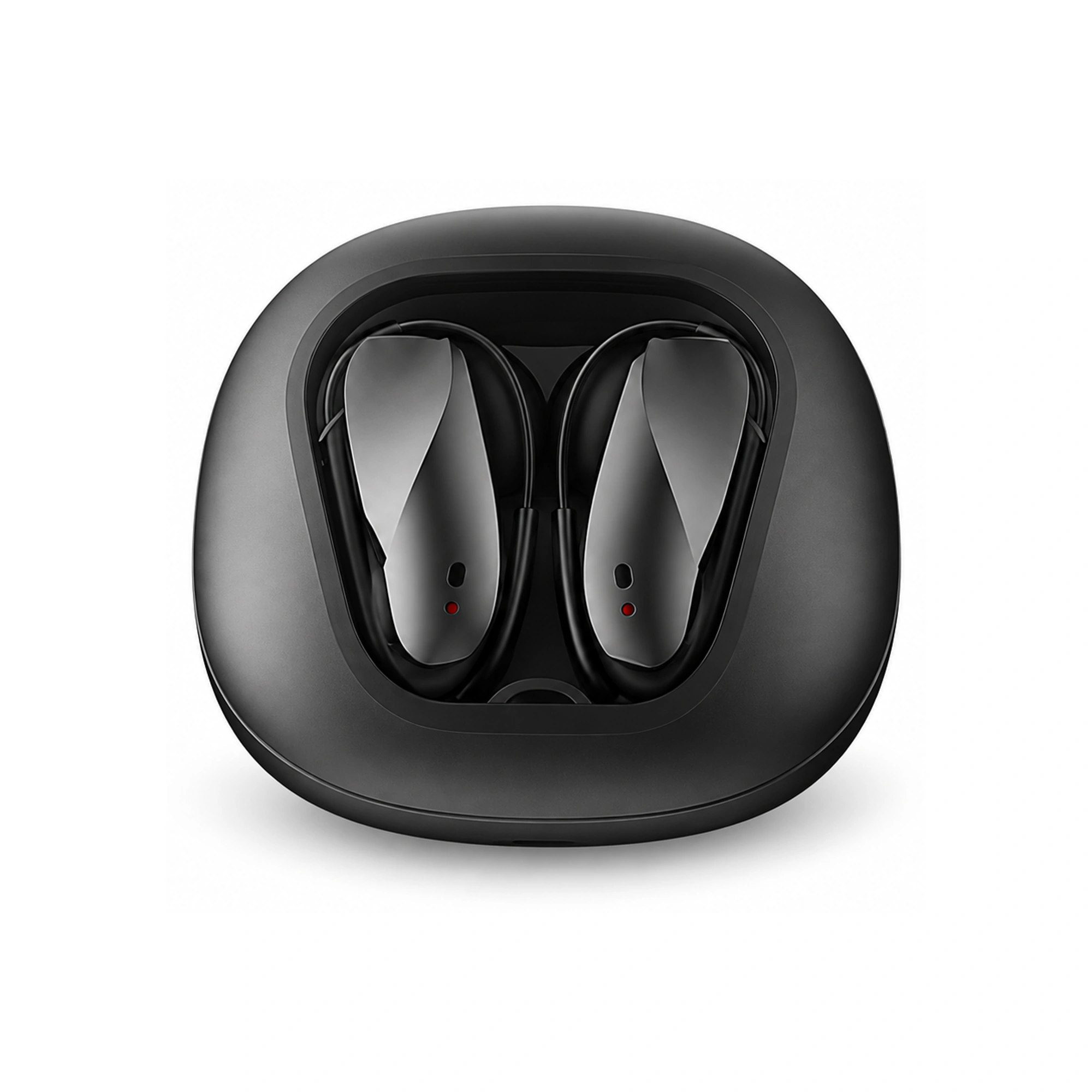
Learn what IEC 60529 IPX5 (6.3 mm nozzle, 12.5 L/min, 30 kPa at 3 m for 3+ min) certifies for IPX5 waterproof earbuds in heavy rain, sweat, and showers vs IPX4 and IPX7.
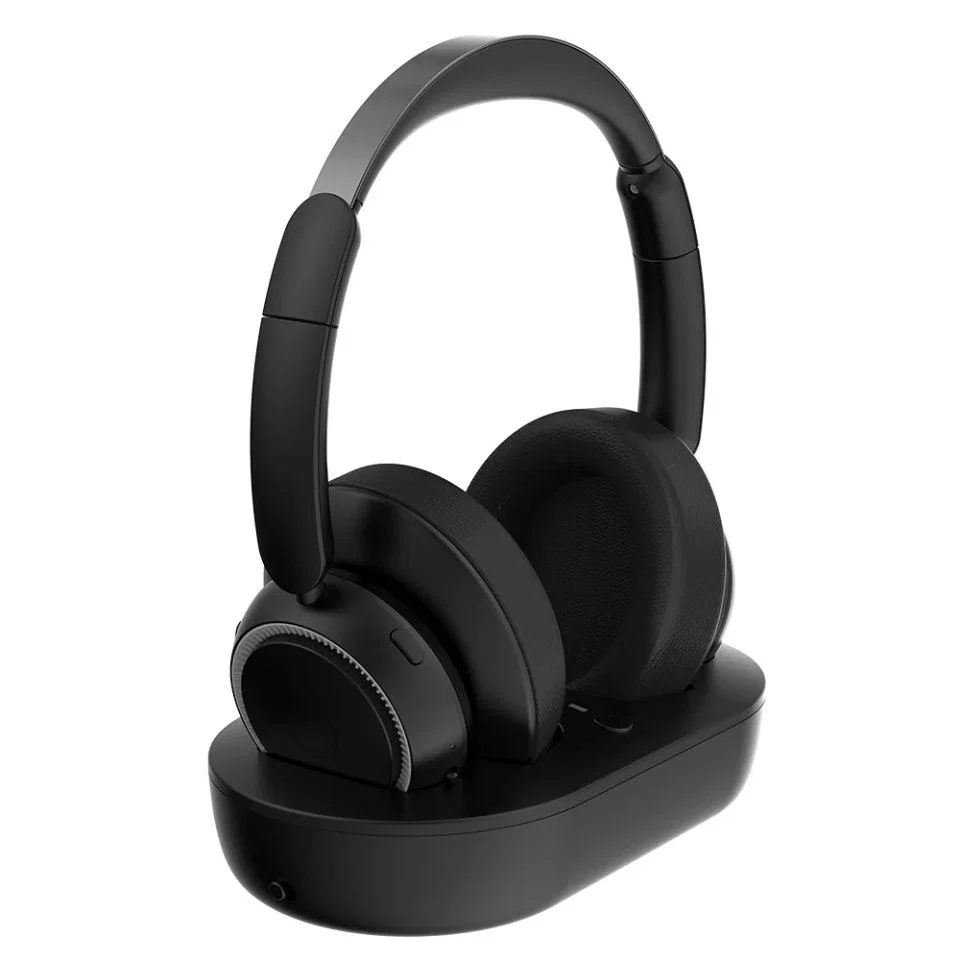
Learn how to pair Bluetooth headphones with a Smart TV, fix lip-sync audio delay using millisecond sync settings, use Multi Connect, or set up an Optical/ARC dock.
Learn how optical headphones for TV audio work through a TOSLINK transmitter dock, why you must switch Digital Audio Out from Dolby Digital to PCM, and how the Wireless TV Headphones with 2.4GHz Charging Transmitter Base and Ivory and Silver Wireless TV Headphones with Dedicated Transmitter Docks compare.
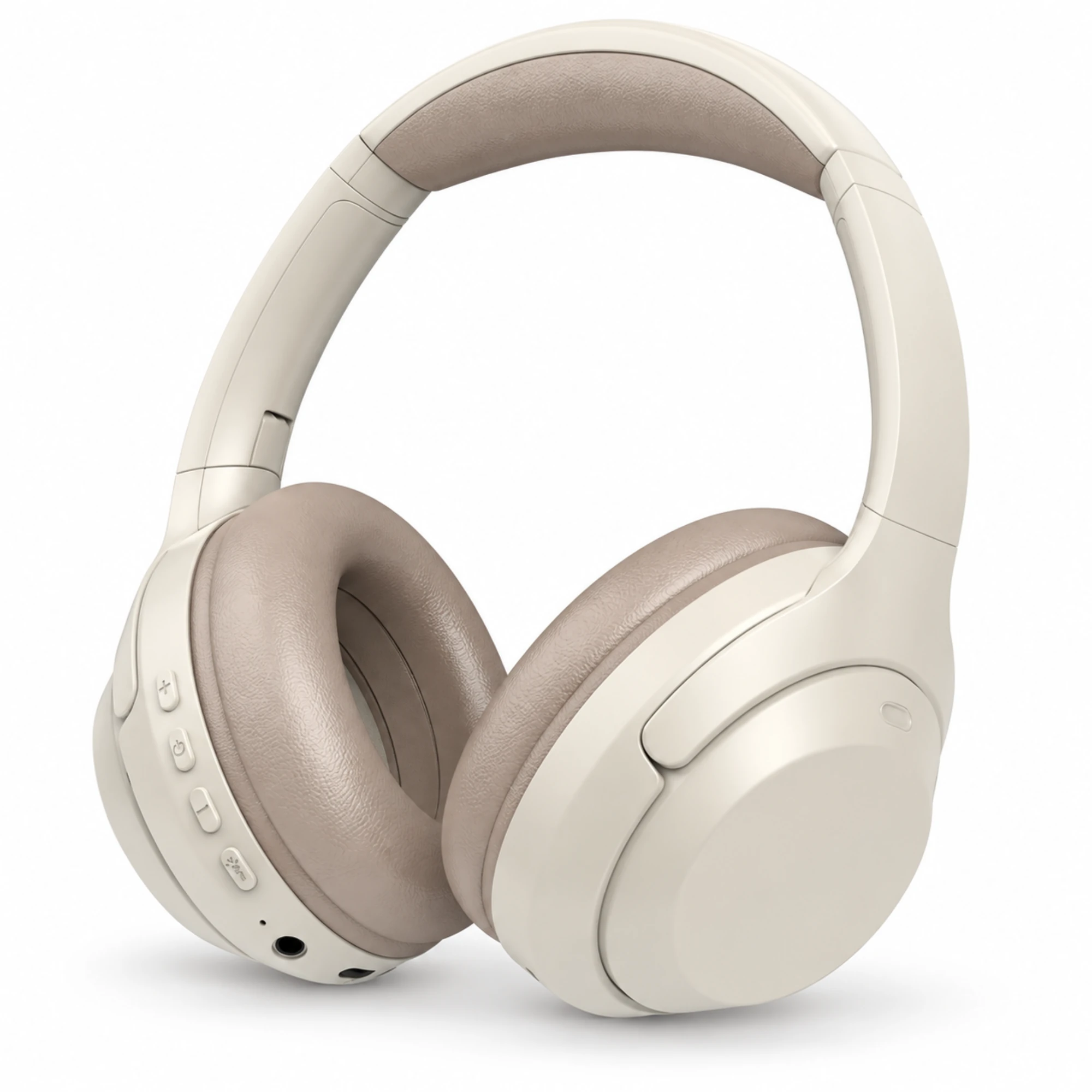
Learn how to connect a Bluetooth headset to a TV menu on Samsung, LG, and Roku, lock Sound Output routing, and compare standalone headsets vs AUX bases.
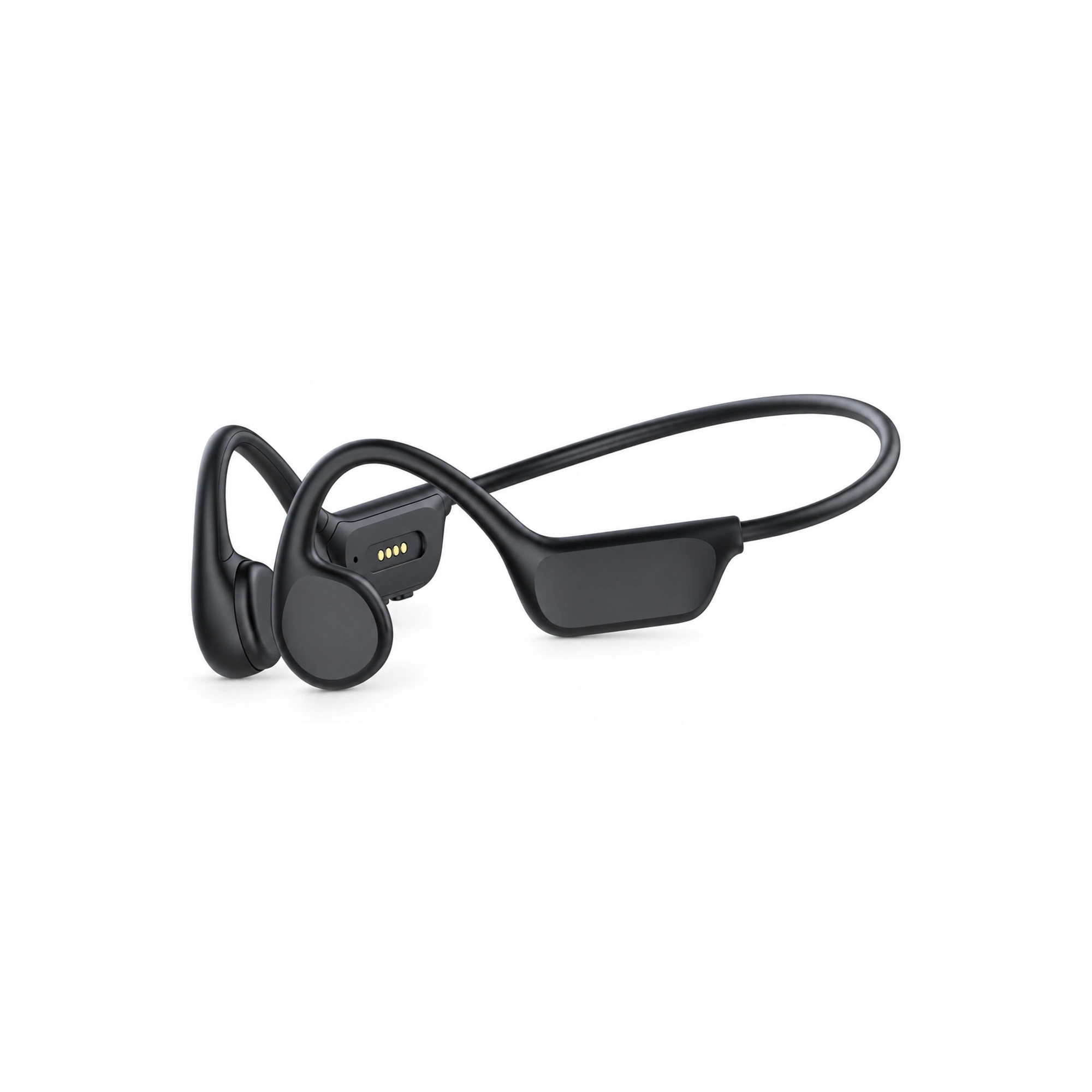
Learn how to layer underwater headphones for lap swimming with silicone swim caps and split or bungee goggle straps to prevent ear crush and flip-turn drag, comparing the Black Slim-Band Swimming Headphones ($44.99) and Black Cyan-Trim Swimming Headphones ($44.99).
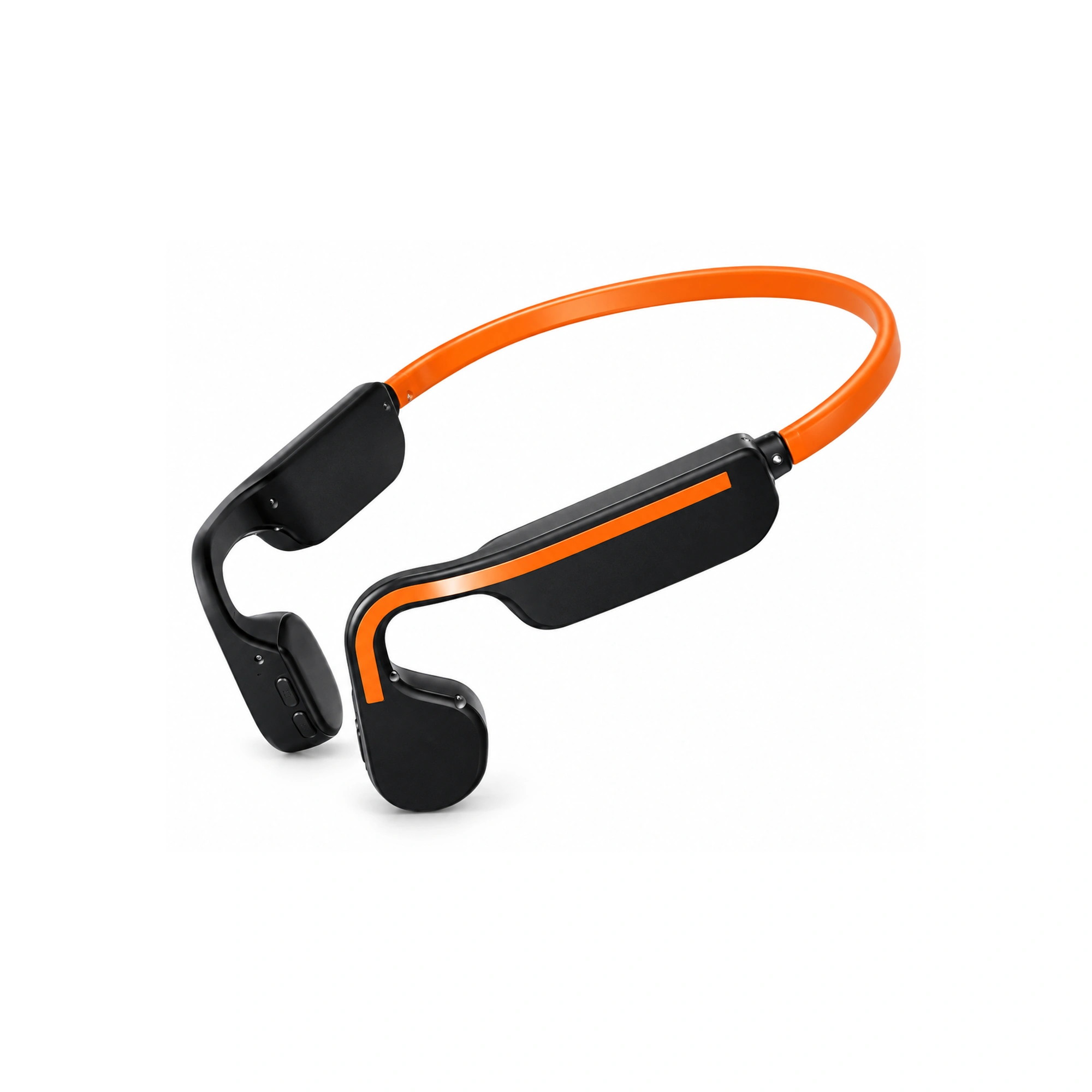
Learn why Bluetooth waterproof earbuds for swimmers drop signal halfway down a 25m pool or on flip turns, and compare the $22.99 T10 Orange-Band and $39.99 L18G Rear-Band Wireless Sport Headphones Black 32GB MP3 Version.
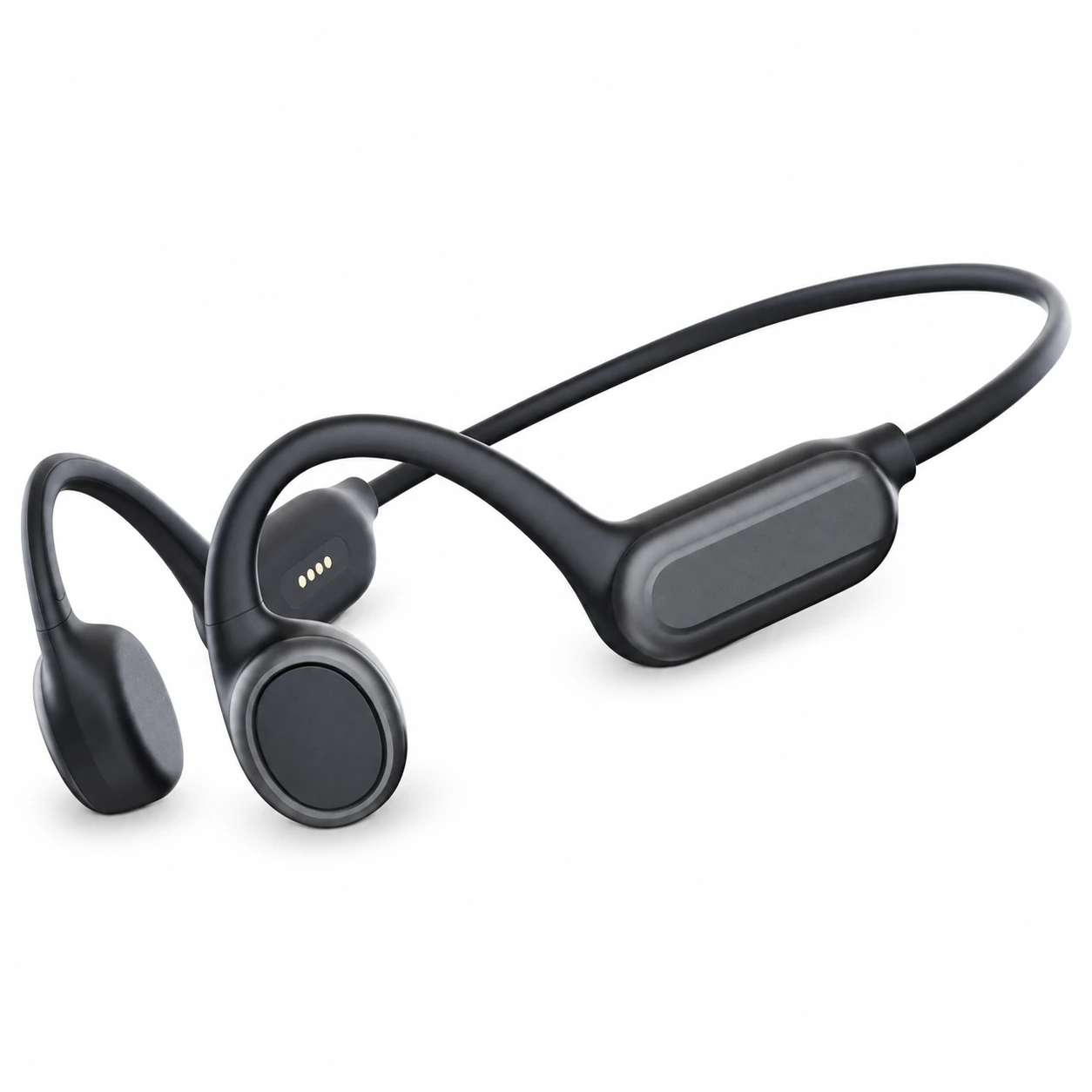
Compare waterproof headphones for swimming: why pool laps require built-in MP3 mode over Bluetooth, IPX8 vs unverified claims, and L18G 32GB vs Rear-Band Wireless MP3 Sport Headphones in Deep Sky Blue 16GB.
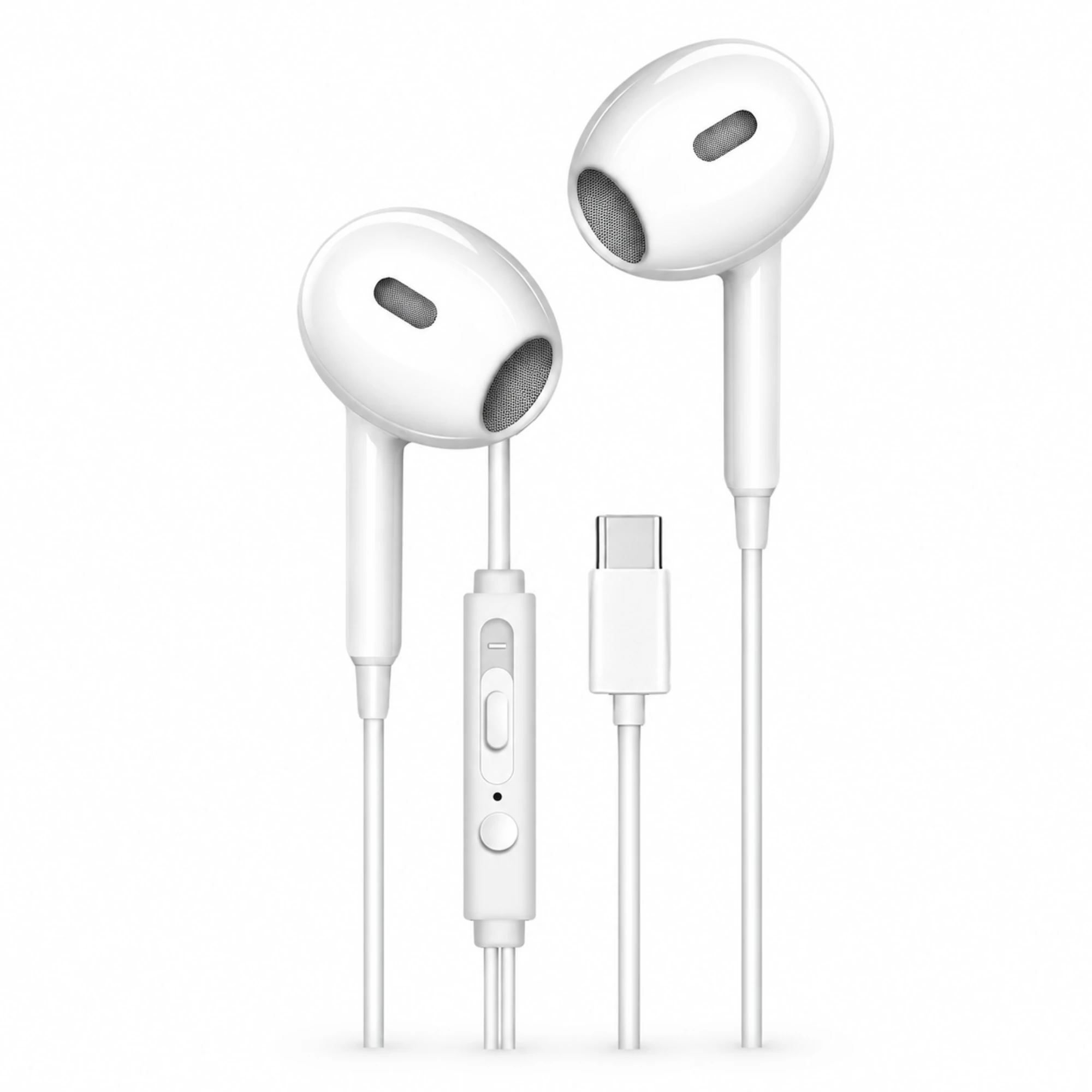
Are your USB-C headphones not working even though your phone still charges? Fix corroded USB-C data pins, clear USB settings cache, and check audio routing.
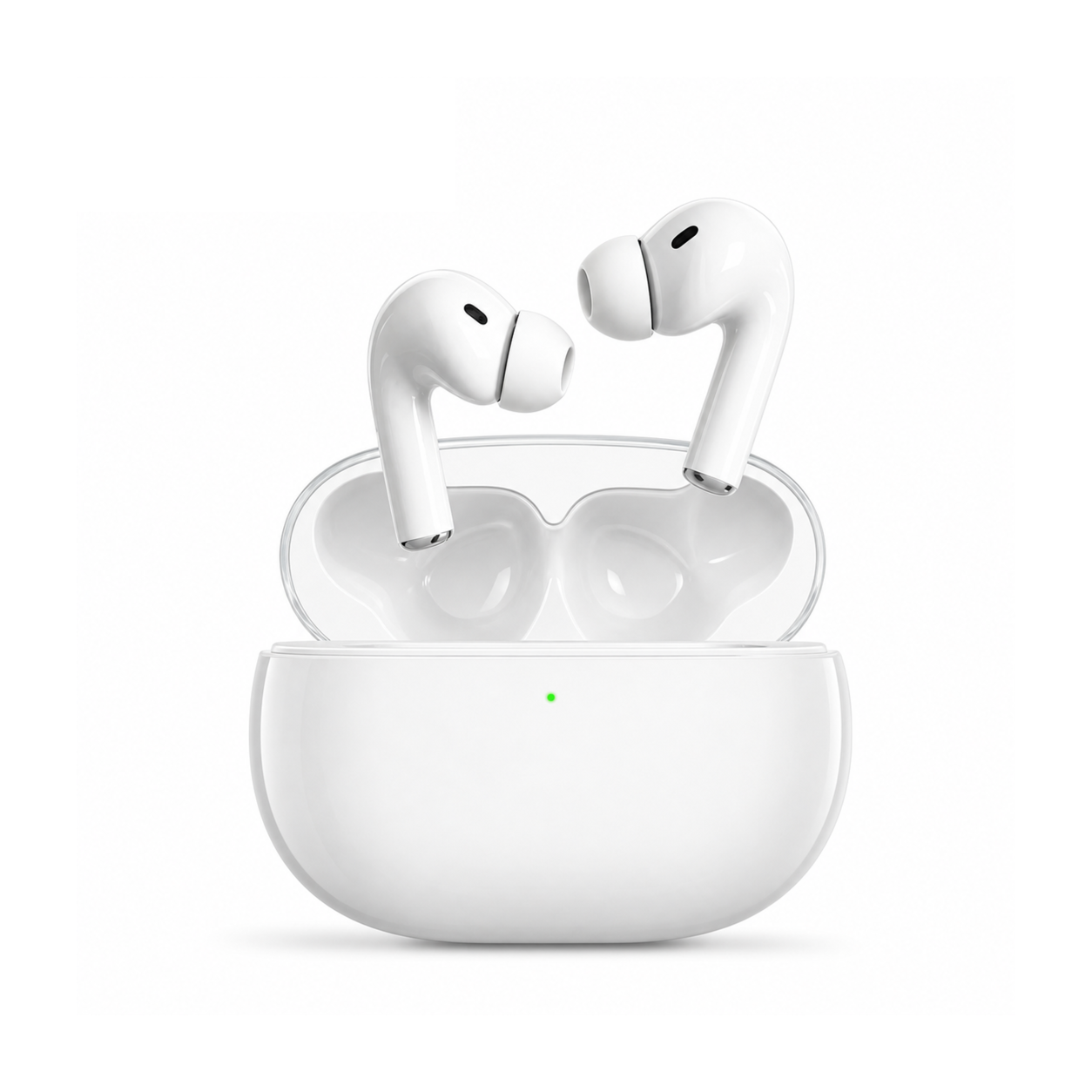
Learn how to connect Bluetooth headphones or earbuds to a Samsung Smart TV, use Multi-Output Audio, and fix Bluetooth audio lag when gaming.
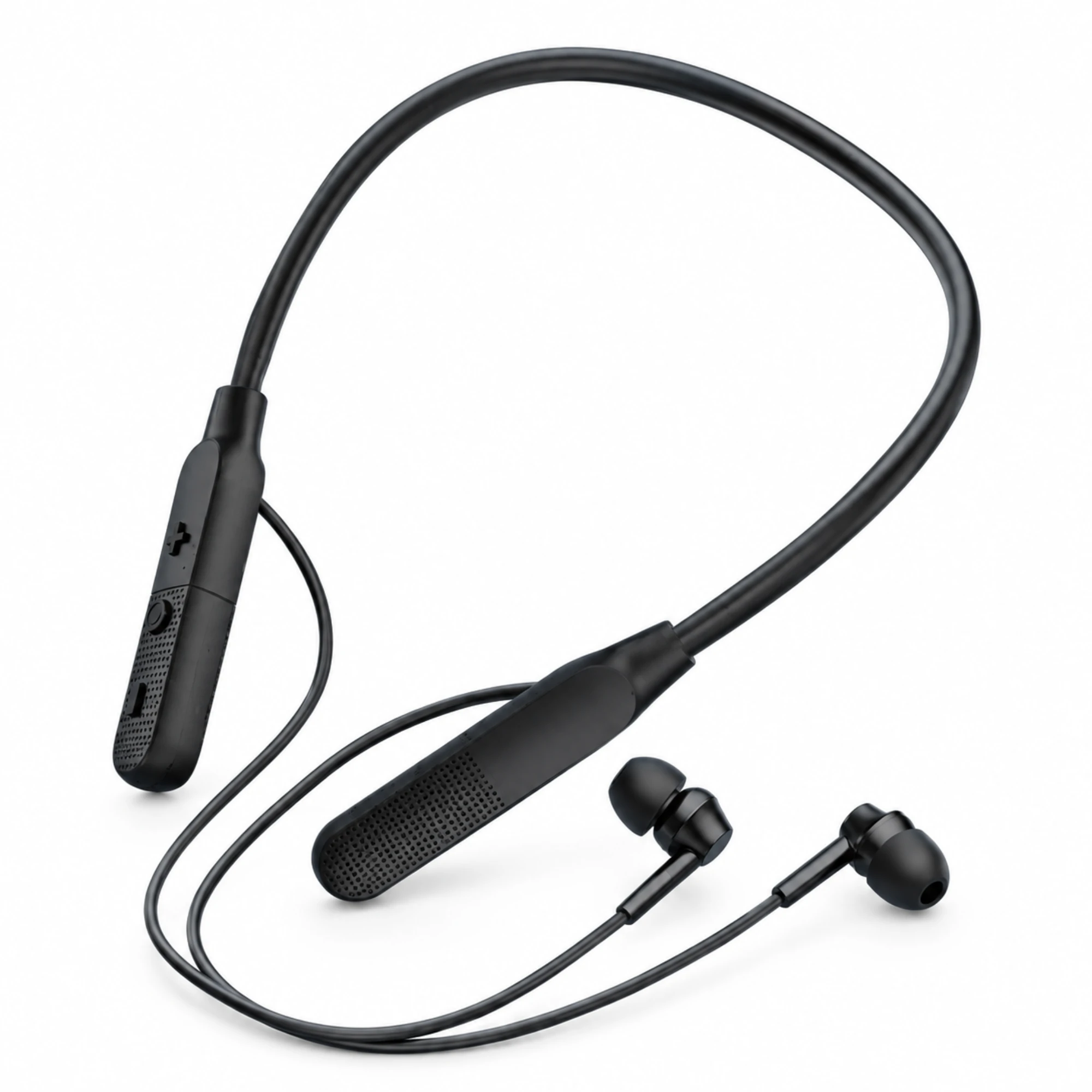
How do magnetic earphones work? Understand driver magnets, neckband clasp magnets, charging-case pins, and why auto-pause matters more on earbuds than cans.
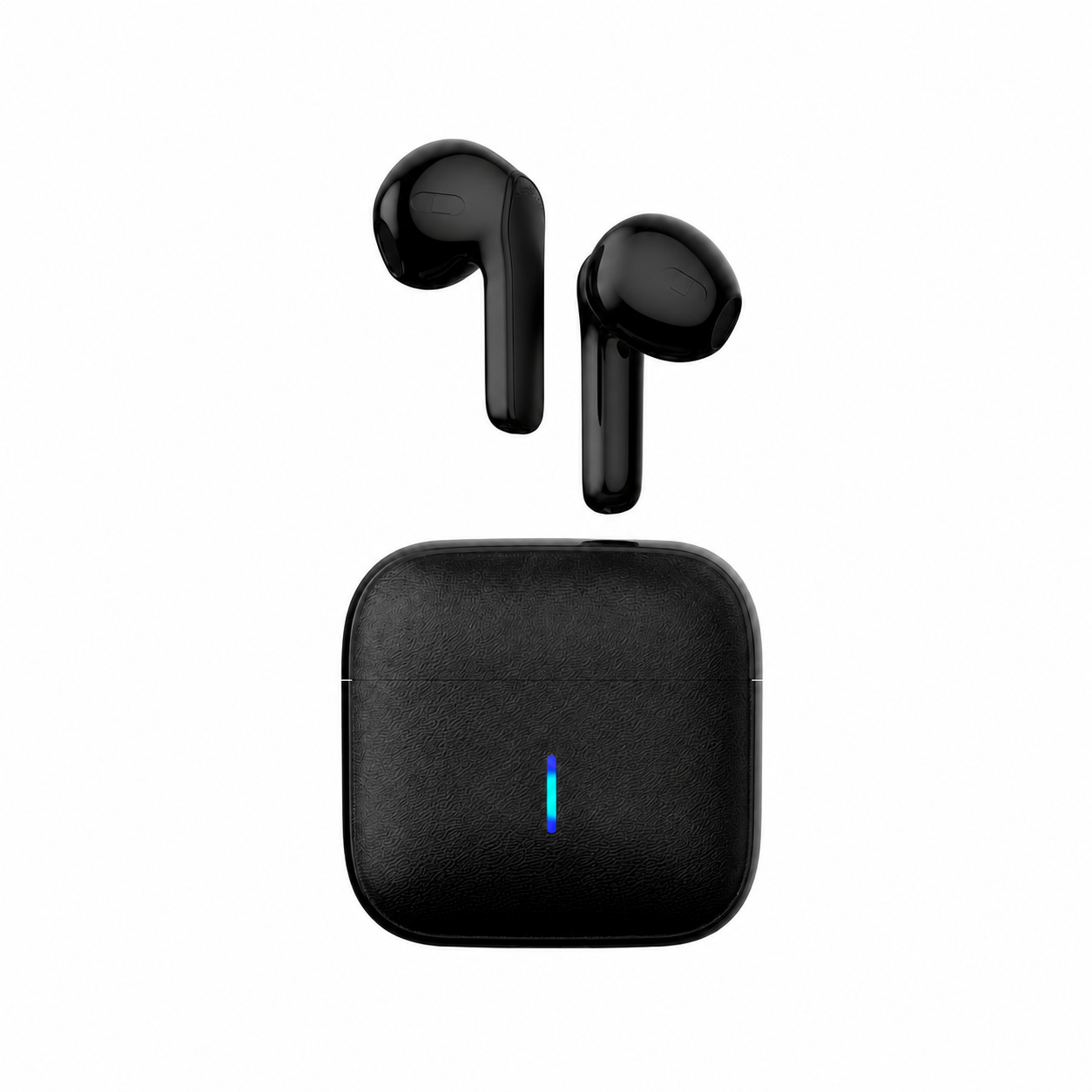
Using a single Bluetooth earbud at work or outdoors? Learn how true wireless buds work one-sided, why split-ear listening bothers some users, and which fit feels best.
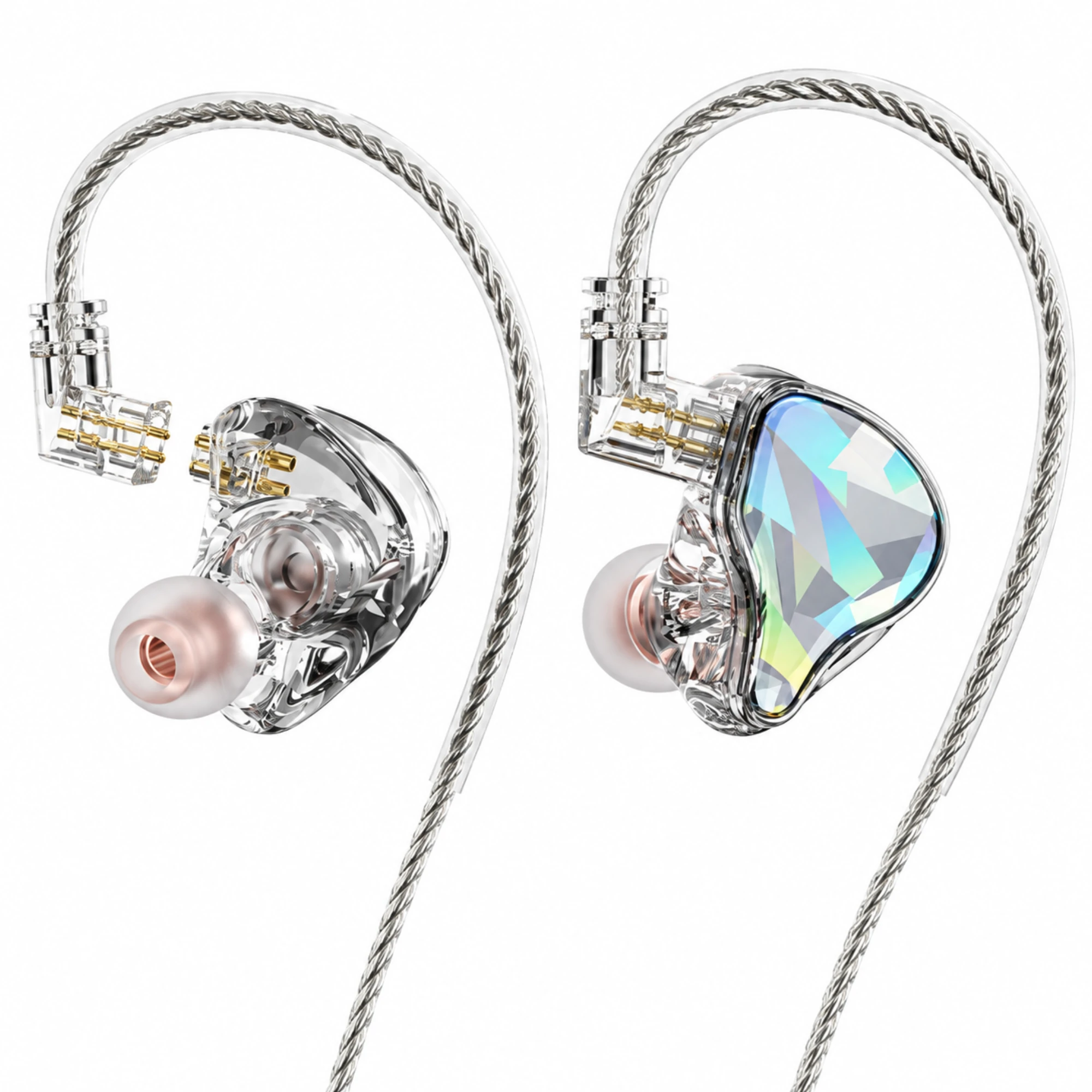
Are braided aux cords and braided IEM cables better than smooth silicone or TPE wires? Learn why some braided cords twist and coil, plus how to choose.
Shopping for corded earbuds with a microphone or USB-C wired headphones for work calls? Compare 3.5mm TRRS vs USB-C inline mics and semi-in-ear office comfort.
Looking for a Bluetooth transmitter for headphones or earbuds on airplanes? Compare screenless 3.5mm dongles vs mini-screen transmitters and 3.5mm dual-mode cans.
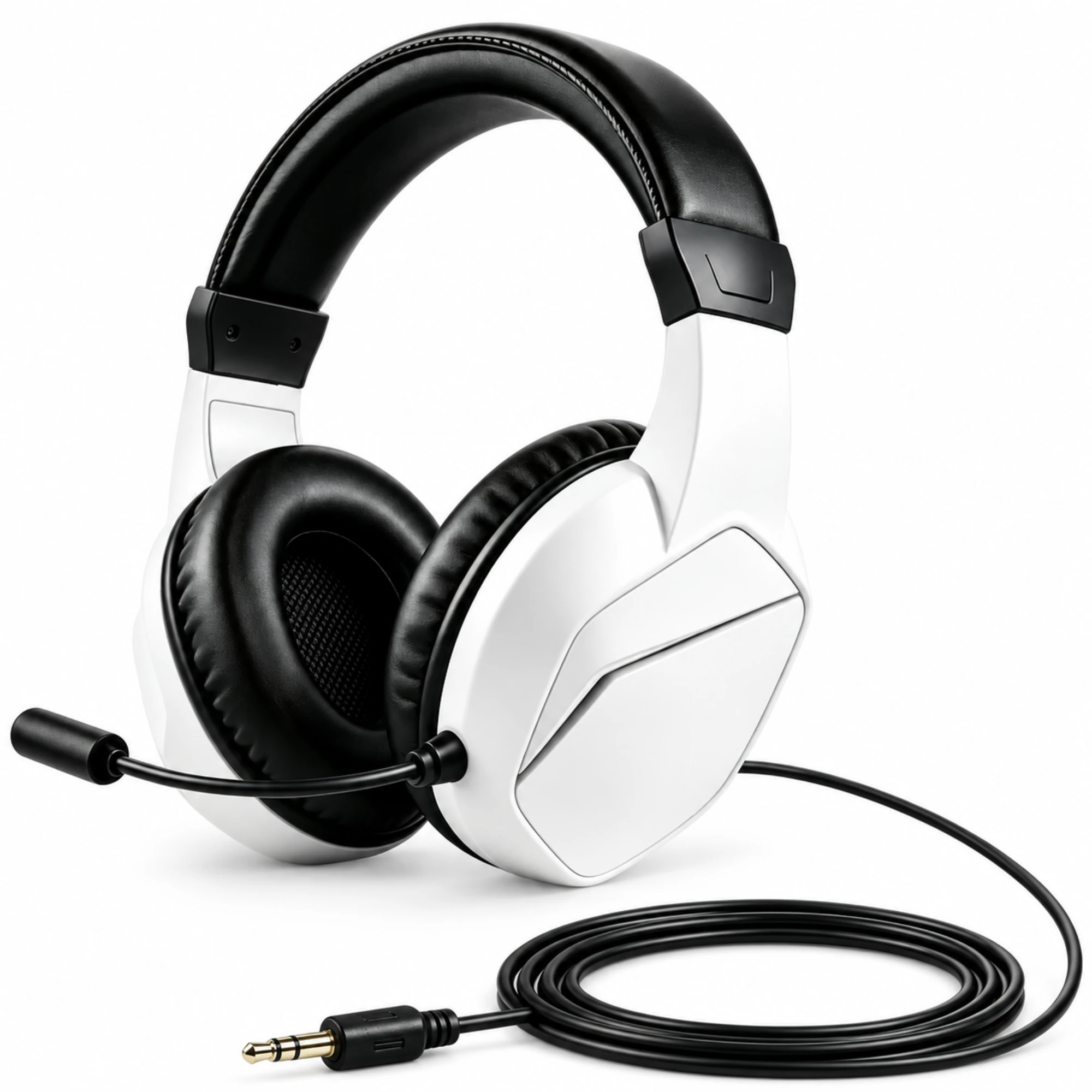
Choosing a stand for headphones or a gaming headset? Learn why spring-steel headbands don't lose clamp on stands, but earpad foam suffers compression creep.
Searching for 1MORE triple driver earbuds or subwoofer earphones? Learn how multi-driver DD+BA crossovers compare to single dynamic and planar IEMs.
Choosing recording studio headphones for vocals and mixing? Learn why closed-back isolation prevents mic bleed and how to avoid clamping and treble fatigue.
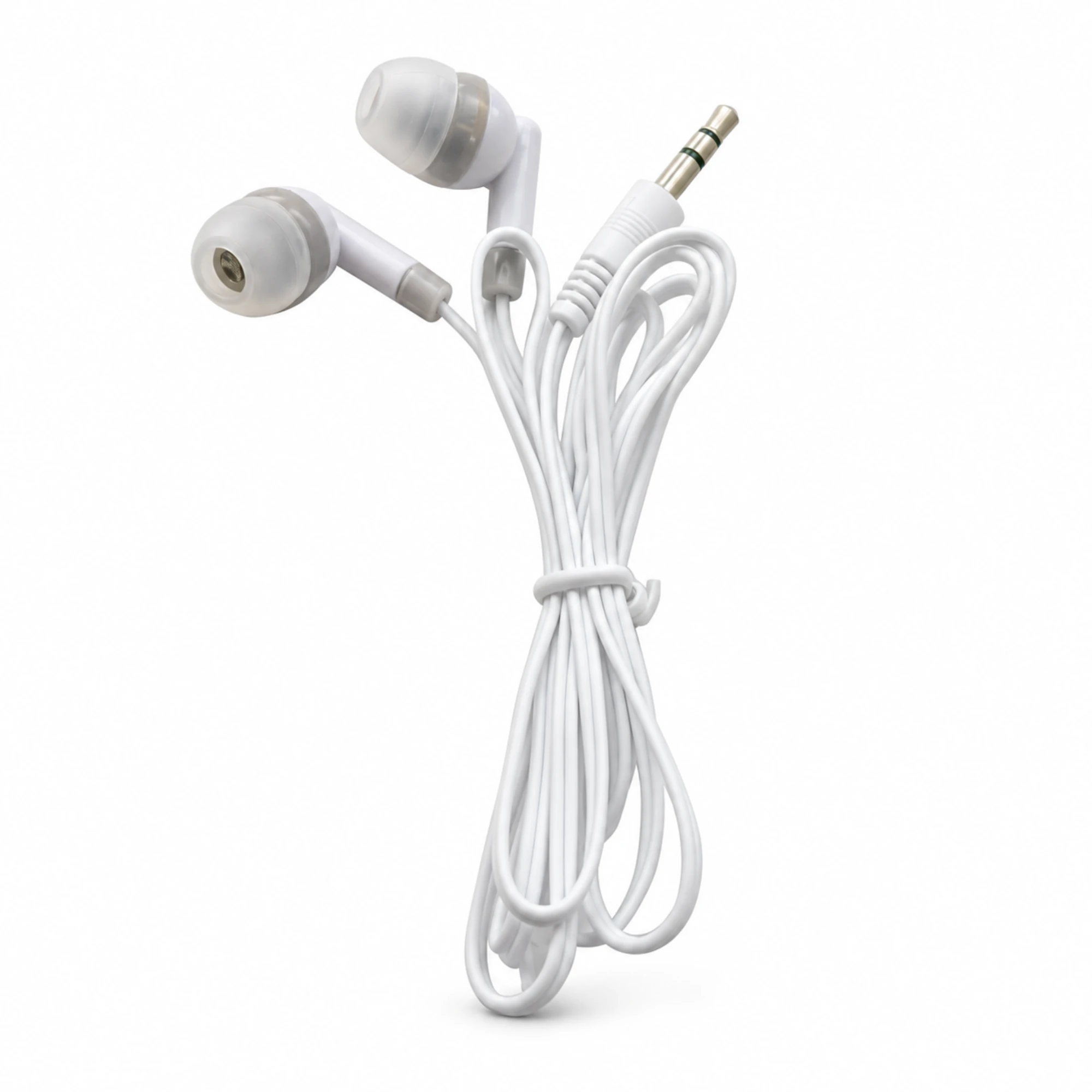
Choosing wired earbuds for an iPod Classic, Nano, or Shuffle? Learn how 3.5mm TRS/TRRS plugs work and compare straight-cable earbuds vs over-ear IEMs.
Shopping for USB-C headphones for iPhone 16 or fixing USB-C earphones not recognized on iOS? Learn why a built-in DAC is required and compare USB-C earbuds.
Run a quick audio latency check on your Bluetooth earbuds or headphones, and learn why Audacity latency compensation fixes overdubs but not live monitoring.
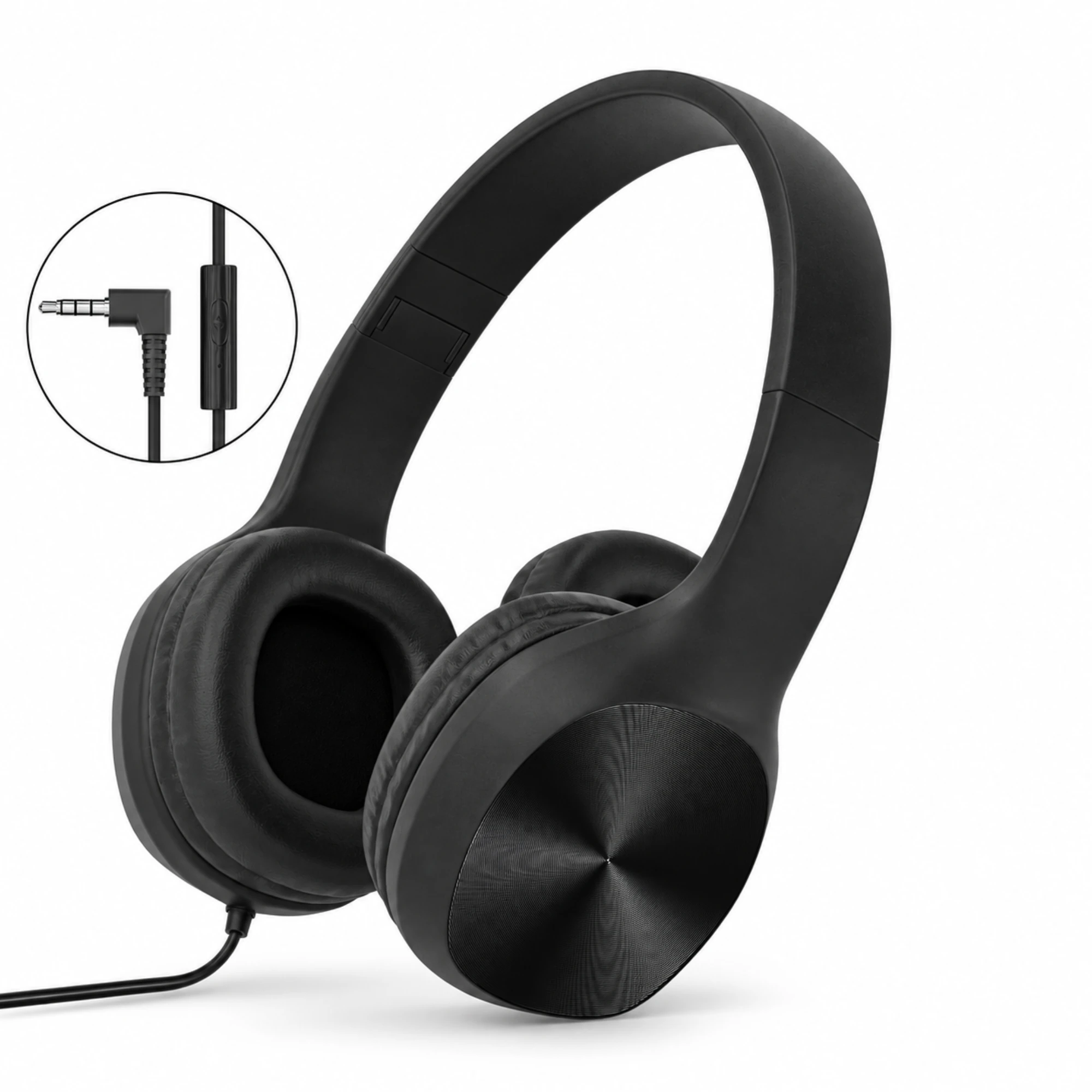
Learn how to use a headset or earphone mic on a laptop or desktop PC. Understand 4-pole TRRS combo jacks vs separate pink/green TRS ports and Y-splitters.
Laptop headphone jack not working or not detecting 3.5mm headphones? Follow this step-by-step Windows Volume Mixer, Realtek driver, and BIOS checklist.
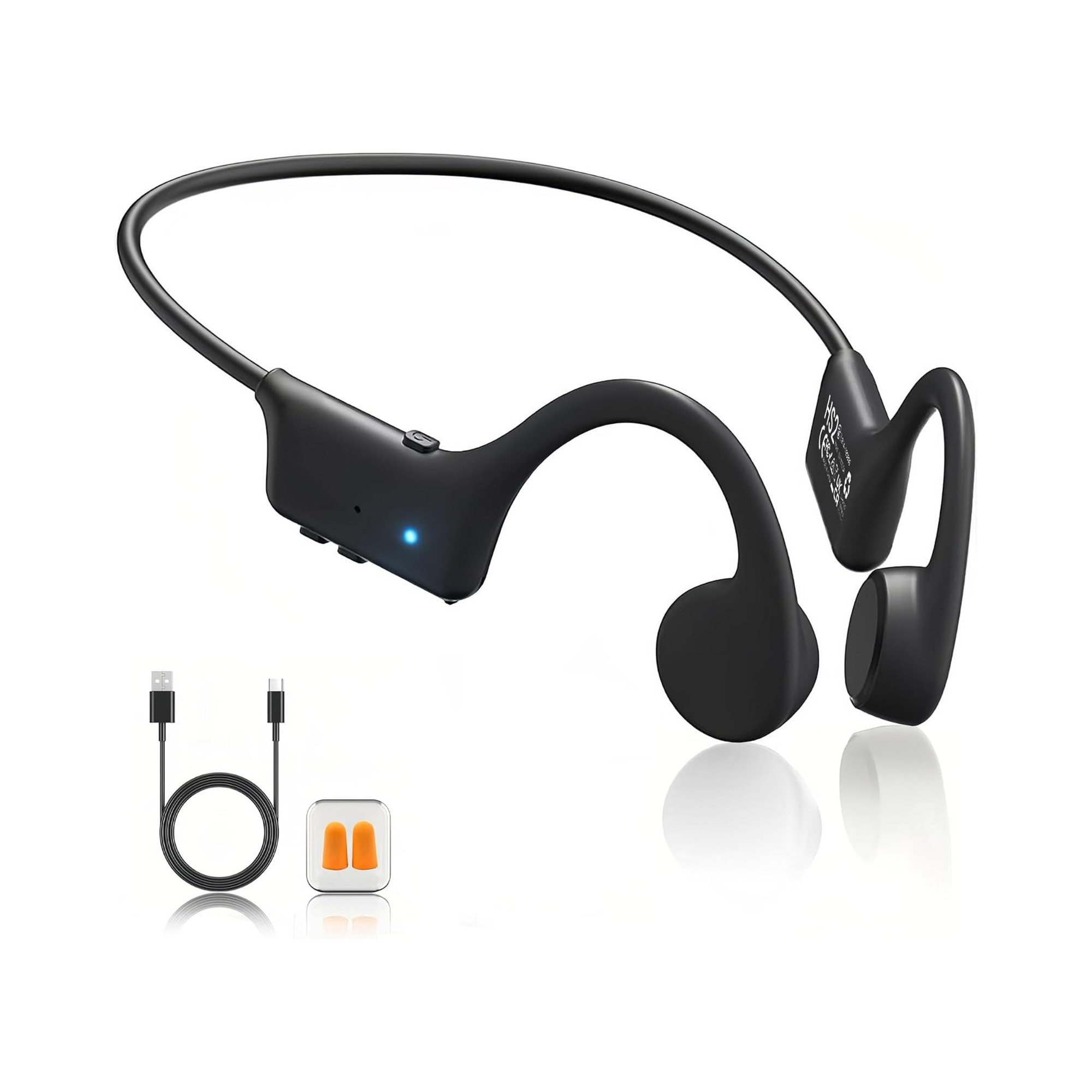
Looking for sweat-proof over-ear headphones for the gym? Learn what IEC 60529 IP ratings mean, how to block loud gym music, and how to care for ear pads.
Wearing safety glasses with over-ear headphones can pinch your temples and break the noise seal. Compare soft ear cushions, 3.5mm earbuds, and bone conduction.
Tired of headband hair dents? Learn how to wear headphones without messing up hair or flattening curls, plus when to swap to in-ear or neckband earphones.
Learn how to check Bluetooth earbuds battery on iPhone using the iOS Batteries widget and Control Center, and why charging case battery needs an on-case screen.
Tired of Android resetting your Bluetooth codec in Developer Options? Learn what a Bluetooth codec changer app can auto-lock, and what hardware limits block.
Wondering which Bluetooth AVRCP version to choose in Android Developer Options? Compare AVRCP 1.3, 1.4, 1.5, and 1.6 for headphones, volume sync, and cars.
Shopping for AM/FM radio headphones? Compare built-in tuner headsets against pairing a pocket AM/FM radio with 3.5mm wired earbuds or ANC headphones.
Comparing walkie talkie earbuds with microphone? Learn how 2-way radio earpieces, wireless Bluetooth multipoint headsets, and smartphone PTT earphones differ.
Comparing neckband headphones vs true wireless earbuds? See why hands-on workers and callers love collar drop and 1,000 mAh battery life, plus wire care tips.
Comparing cat ear headphones? See why gamers weigh integrated headsets like LED cat-ear headsets against clipping removable cat ears onto closed-back or open-back headphones.
Searching for transparent earbuds? Learn the difference between clear see-through earbud shells and acoustic Transparency Mode, plus how ANC and battery life compare.
When were headphones and earbuds invented? Trace the timeline from 1880s 10-lb switchboard receivers and 1910 Navy headsets to 1958 Koss stereo and modern ANC.
Can active noise cancelling silence a whole room? Learn why 180-degree phase cancellation works in headphones, not 3D rooms, and how to block traffic noise.
Searching for earbuds for concerts? Learn why 12-16 dB NRR hi-fi earplugs act like a volume knob, how pinhole leaks boost 1,300 Hz by 12 dB, and when to use ANC buds.
Can you sleep with headphones or earbuds safely? Learn the 50% volume rule, why to avoid cords and ANC in bed, and pillow tricks to sleep with over-ear headphones.
Learn how open-back planar magnetic headphones work vs dynamic cone drivers, how planar bass and soundstage behave, and when closed-back dual-mode sets fit best.
Do you need special Dolby Atmos headphones? Learn how 3D binaural rendering works on any wired or wireless stereo headphones and why soundstage matters.
Learn how to connect a wired 3.5mm headset or dual-mode headphones to your Xbox One controller, configure Settings > Audio, and fix headset mic issues.
Learn how to connect a wired 3.5mm or USB headset to PS5 via the DualSense jack or console port, switch Voice Chat to All Audio, and enable Tempest 3D Audio.
Learn how to make wireless headphones wired using a 3.5mm AUX port or USB-C audio cable, why charging-only ports can't pass sound, and how dual-mode headsets work.
Learn how USB-C DAC headphones and USB-C to 3.5mm Dongle DACs work, compare $8-$10 dongles vs $59-$229 portable DAC/amps, and pair 3.5mm headphones.
Discover why wired headphones and earbuds are coming back in 2026: zero battery charging, escaping lithium-ion aging, zero latency, and dual-mode setups.
Hear static noise in headphones? Follow 7 proven fixes to isolate a 90%-seated 3.5mm plug, noisy PC USB ports, 2.4 GHz wireless interference, and Windows audio bugs.
Lost Bluetooth earbuds turned off or out of battery? Learn how to check last known location in Find My Device, test RSSI signal scanners, and find a lost case.
Learn how to clean earbud mesh safely without pushing earwax into the driver. Compare metal grilles vs cloth meshes, flagship noise-cancelling headphones dry-swab steps, and moisture checks.
Stuck with a broken 3.5mm headphone plug in your phone or laptop? Compare 6 extraction methods from Bic pen ink tubes and GripStick sleeves to tacky glue.
Find out why standard Roku TVs lack a Bluetooth menu, which 8 Roku models support direct pairing, and how to use Roku mobile app Headphone Mode on up to 4 phones.
Learn how to pair Bluetooth headphones to Nintendo Switch (firmware 13.0.0+), navigate A2DP/SBC, no-mic, and 2-controller limits, and fix commuter dropouts.
See which iPads still have a 3.5mm headphone jack (9th gen and earlier) vs USB-C models (10th gen, Air, Pro, mini 6), and when to use Bluetooth or an adapter.
Learn how the headphone jack on a Chromebook works across 3.5mm and USB-C ports, why a loose socket plays music without vocals, and how to connect headphones.
Learn how to connect wired headphones to a Mac or MacBook Air via the 3.5mm jack or USB-C, switch macOS Sound Output settings, and fix no-sound glitches.
Learn how to connect Bluetooth headphones to PS4 using a DualShock 4 3.5mm AUX cable, a PS4-compatible USB wireless transmitter, or an external Bluetooth transmitter.
Learn how to connect Bluetooth headphones to Xbox One using the 3.5mm controller jack, smart TV Bluetooth, Xbox Remote Play, or a Bluetooth transmitter.
Learn how to connect Bluetooth headphones to PS5 using a USB Bluetooth adapter, smart TV Bluetooth passthrough, or a DualSense 3.5mm AUX cable.
Learn how headphones and amplifiers work across 16 to 600 ohm loads, why speaker amp jacks differ, and use the 2-symptom test to see if your PC needs a DAC/amp.
Learn how to DJ in headphones without external speakers using the 4-step cue/master workflow, split cue separation, and wired over-ear headphones.
Buying a 3.5mm splitter for headphones? Compare 1-male-to-2-female audio sharing splitters vs pink/green PC headset mic breakout cables and impedance math.
Find out what the red, white, and yellow plugs mean on an RCA-to-3.5mm aux cord, which colors carry stereo sound vs video, and how to connect your audio gear.
Lost your TWS earbud manual? Learn how button-free true wireless earbuds pair from the case, wake up without a case, reset via touch controls, and re-sync.
Diagnose why your 3.5mm aux cord produces no sound, static, or plays from your phone speaker. Isolate cable breaks, Bluetooth priority, and port debris.
Find out how long a 3.5mm aux cord can be before losing sound quality, why 10-15 ft shielded home runs work cleanly, and how to prevent AC power hum.
Learn how to use a digital piano with headphones, why 32-65 Ohm wired headphones work without an amp, open vs closed back earcups, and why Bluetooth lags.
Compare headphones vs headsets across sound quality, built-in boom mics, and desk mic setups. Learn which option fits gaming, music, and daily calls.
Learn why plugging headphones straight into a guitar fails and compare 5 working setups, amp jacks, pocket micro-amps, pedals, and audio interfaces.
Learn how to mix with in-ear monitors on stage and in the studio using a two-earpiece seal, center-priority stereo panning, close-mic EQ, and reference checks.
Learn how to set, lock, or turn off a headphone volume limit on iPhone, iPad, and Android, compare OS vs resistor caps, and hear clearly at 75-85 dB.
Learn what a bluetooth audio codec does, compare SBC, AAC, aptX, aptX HD, and LDAC bitrates, and see how Android and iPhone pick a Bluetooth codec.
Learn what is an aux cord, how 3.5 mm headphone jacks compare to RCA amplifier inputs, and how straight, right-angle, and dual-mode AUX cables connect.
Compare headphone vs IEM (in-ear monitors) across noise isolation, soundstage, bass, glasses comfort, and price-to-performance to pick the right fit.
Compare the main types of headphones and earphones, over-ear, on-ear, in-ear, semi-in-ear, open-ear clip-on, bone conduction, open-back, and closed-back.
Learn how far Bluetooth can reach on wireless earbuds and headphones, why spec sheets differ from indoor range through walls, and what attenuates the signal.
Learn how to turn on noise cancelling on headphones and earbuds using earcup buttons, stem sensors, LCD touchscreen cases, or wired AUX mode, plus ANC vs ENC.
Find out what the latest Bluetooth version is (Bluetooth 6.0 and 6.1 vs 5.4 and 5.3), what Channel Sounding adds, and how Bluetooth 5.3/5.4 earbuds compare.
Discover what green noise is (~500 Hz mid-frequency sound), how it compares to brown, pink, and white noise, and how to play it on low-profile sleep earbuds.
Learn the difference between mono and stereo audio channels, why wearing one stereo earbud drops panned instruments, and when to switch between mono and stereo.
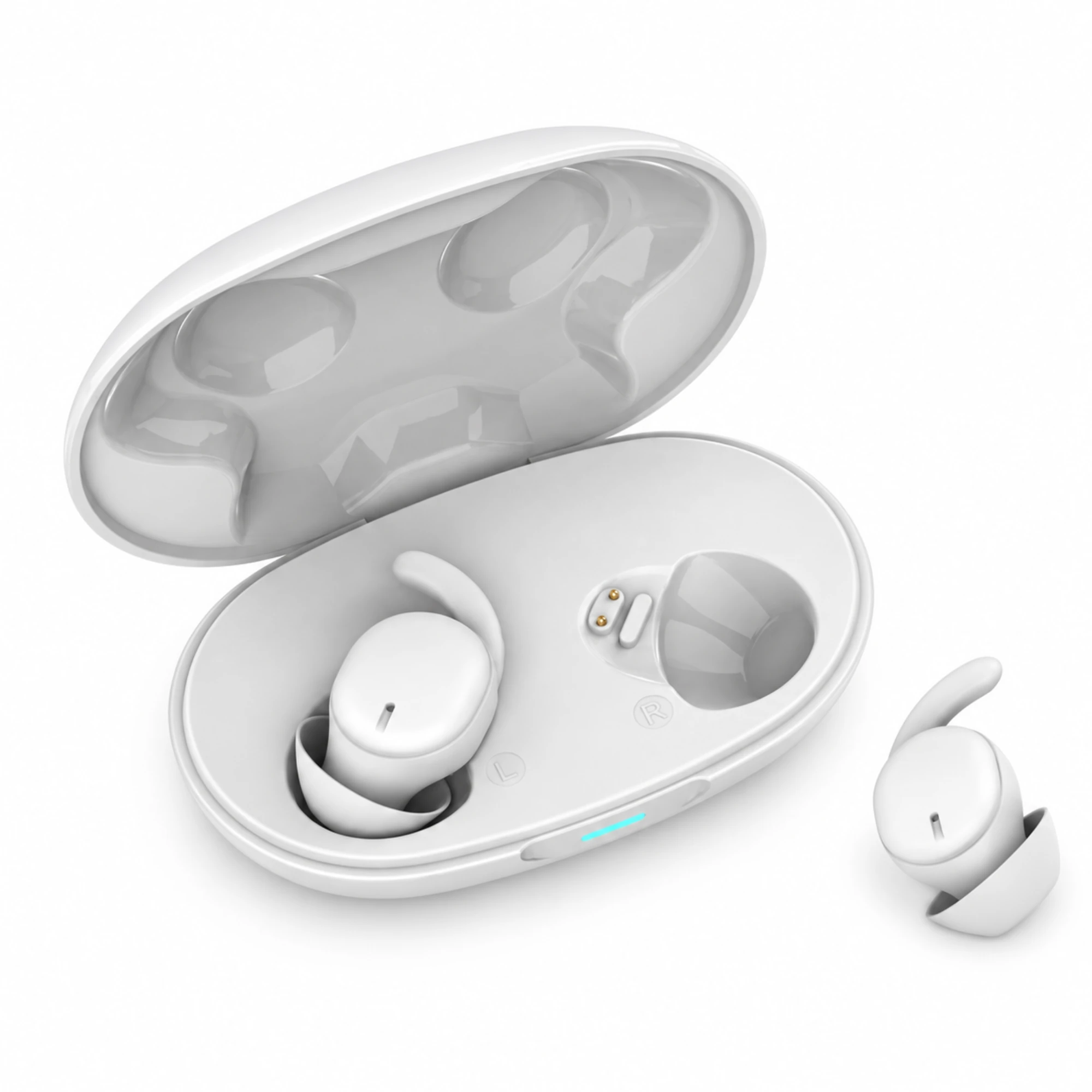
Using noise cancelling headphones at work? Learn what ANC vs passive seal blocks in an open office, how to handle headphone bans, and why calls need a boom mic.
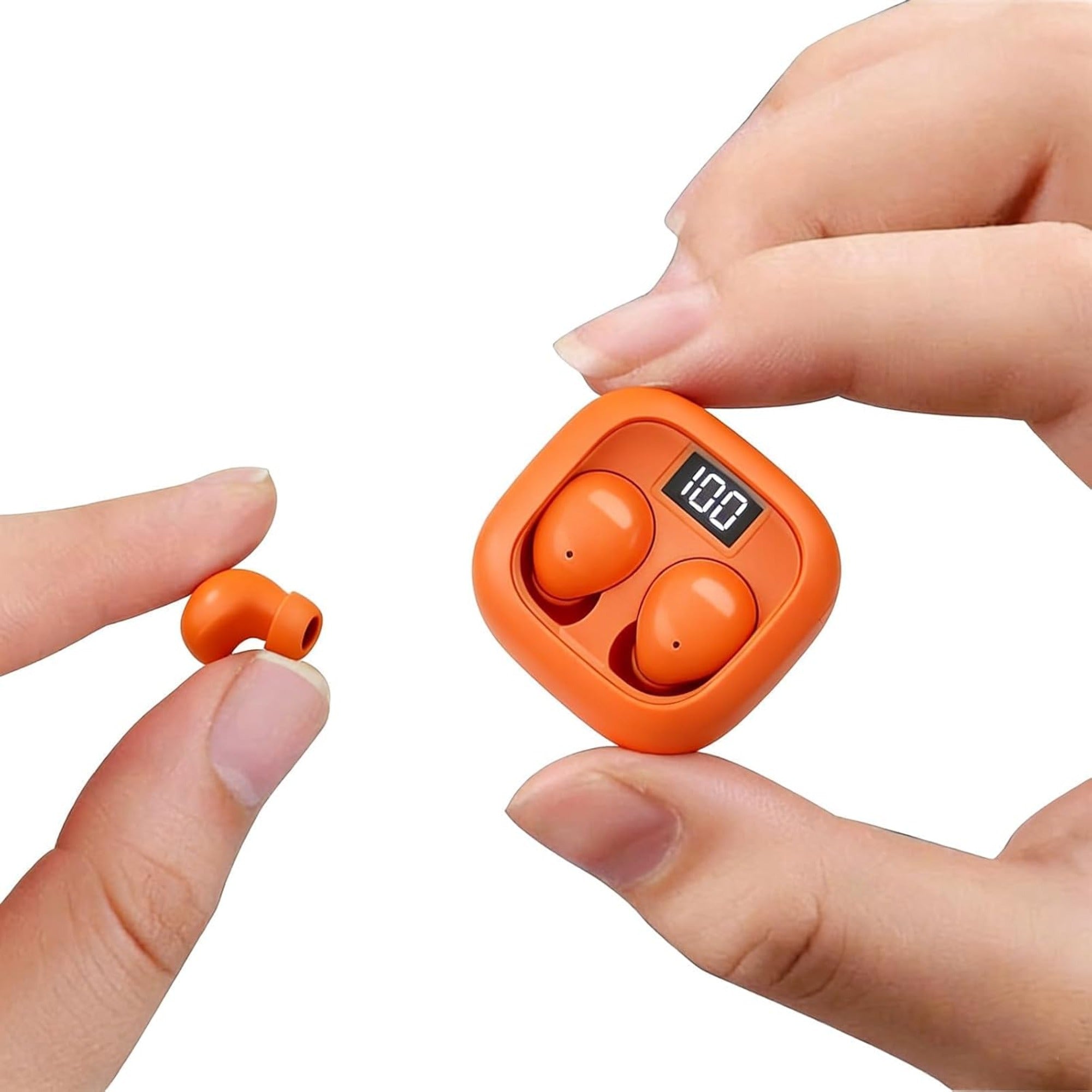
Compare earbuds that look like safety ear plugs, speech-passing filtered earplugs, and low-profile mini Bluetooth earbuds, including OSHA/NIOSH dBA limits and NRR boundaries.
Learn how to clean a headphone jack when pocket lint keeps your 3.5 mm plug from seating, and see why Apple and Motorola warn against compressed air and moisture.
Learn why singers wear in-ear monitors, why earpieces need an upstream mixer or belt pack to hear your voice in real time, and how phone practice compares.
Find out how bone conduction headphones for sleep perform on a pillow, why hybrid models sound muffled with earplugs, and how stemless sleep earbuds compare.
Learn why open-ear earbuds with ANC only soften low-frequency hum without a sealed ear canal, how call mic filtering differs, and how open-ear designs compare.
Learn how to wrap earphones for storage with loose figure-eight or over-under coiling, or cover cords in yarn using craft yarn's Chinese Staircase knot steps.
Gadget Review explains how a Bluetooth adapter makes wired headphones wireless, r/headphonemods covers 4-pole mic limits, and EARSOLE Series 127 adds a 3.5 mm cord.
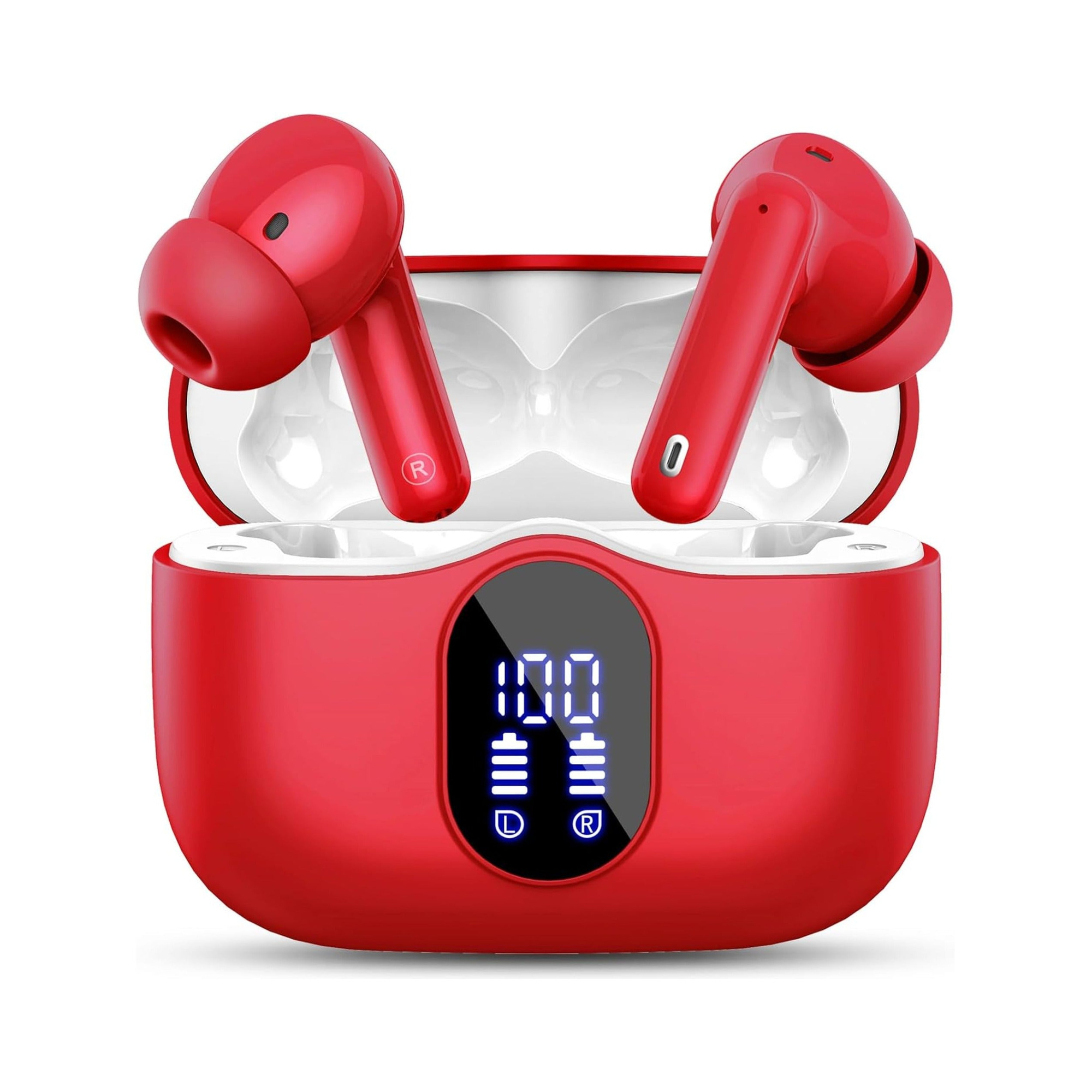
Bluetooth multipoint keeps one headset connected to two devices, not playing both. How calls and music switch, real limits, and how to read a listing.
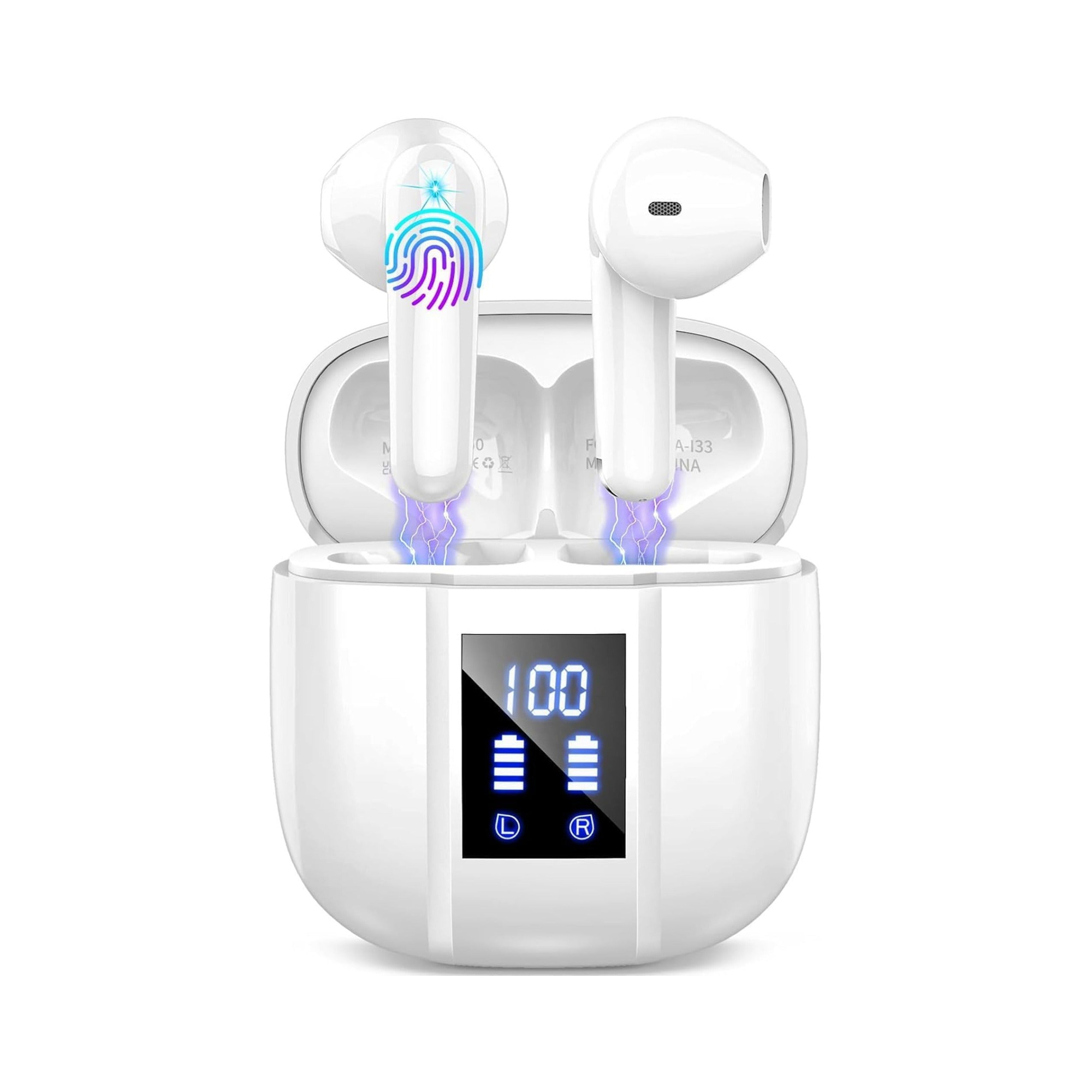
Charge times differ by model and by part: mainstream wireless earbuds and Noise figures for buds and cases, and how EARSOLE listings state, blur or skip the number.
Lost your earbud case? The replacement route Apple documents for stem-style wireless earbuds, its setup steps, and the battery and fire warnings a Reddit DIY fix drew.
Open ear vs bone conduction: how each delivers sound, which sounds better and louder in noise, how they fit, and what each leaks, from reviews and riders.
How to wear headphones with long hair: push it back, split it around the ears or wear the cups over it, and set the headband so it squashes your hair less.
Headphone jack on a plane: single 3.5 mm or two-prong socket, what a normal plug does in one hole, the adapter, Bluetooth transmitters and what to pack.
Custom fit ear buds explained: ear impressions, custom IEMs versus custom sleeves, one reporter's real quotes, one maker's prices, and when better tips are enough.
Bluetooth headphones connected but no sound? Check the output device, the phone's audio toggle, the calls-only profile and volume, then Windows and phone fixes.
Why are my wired headphones not working? Run one swap test to see whether the headphones or the phone or PC is at fault, then follow the checks for that end.
Drumming in ear monitors: why drummers use them for the click, how to get a seal that stays in, how much isolation to want, cable checks and care.
Longest lasting earbuds can mean hours per charge, total hours with the case, or years before the battery fades. What each number means and how to stretch it.
How to find earbuds you lost: play loud audio if they're still connected, use Find My for stem-style wireless earbuds or Find Hub on Android, and what to do when they're off.
One earbud louder than the other? Swap them to see if the fault follows the earbud, then check the balance setting, ear tips and wax on the mesh.
Transparency mode uses built-in microphones to relay outside sound to your ears. See how it differs from ANC and Off, and how to spot it on a listing.
How do wireless earbuds work? Follow one song through the Bluetooth link, the codec, both buds, the driver and the ear tip seal, step by step.
Krisp cleans meeting audio and Audacity cleans recordings. What noise cancelling apps actually work on, and what that means if you want quiet ears.
Three jobs hide behind this search. Which adapter fits 3.5 mm headphones on a USB-C phone or a computer, and what forum replies say about the reverse direction.
Felt a zap from your earbuds? Apple says a static shock does not mean there is an issue with the device. What builds the charge, and how to get fewer shocks.
Bent headphone plug, or a tip stuck in the socket? What people tried on iFixit and Reddit, what went wrong, and when to hand it to a repair shop.
Hearing your own voice in a headset? It may be sidetone, or the Windows "Listen to this device" option. What each one is, and where to change it.
Why the same Type-C earphones play on one device and not another: digital and analog USB-C audio, built-in DACs, and what to check before you buy.
The three common headphone jack sizes, how to tell which one you have, what the metal sections on a plug mean, and what forum users say about adapters.

Looking for earbuds that stand out from generic white stems? Explore aesthetic designs featuring transparent Cyberpunk shells, ambient LED lighting, and rotating cases.

Get the best audio performance from your Android smartphone. Learn how Bluetooth codecs like AAC and SBC work on Android, how to tweak settings, and how to choose a pair.
Deciding between wireless earbuds and over-ear headphones? Compare battery life cycles, acoustic isolation, pocket portability, and all-day wearing comfort for your lifestyle.

What separates professional in-ear monitors from consumer wireless earbuds? Compare acoustic tuning, cable connections, passive canal isolation, and audio monitoring performance.
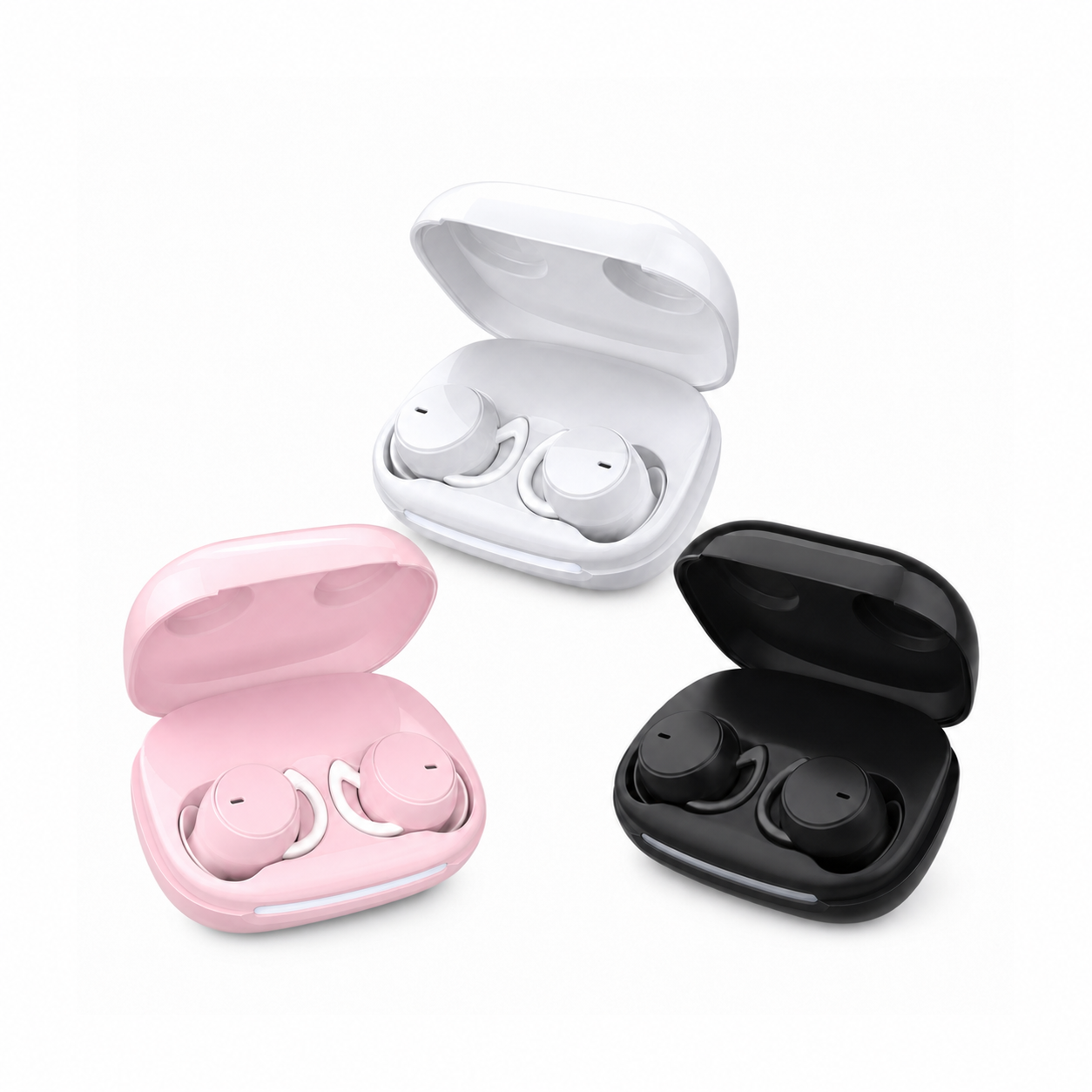
Comparing fabric sleep headbands with compact sleep earbuds? Learn how pillow pressure, side sleeping ergonomics, sound isolation, and battery runtimes differ in bed.
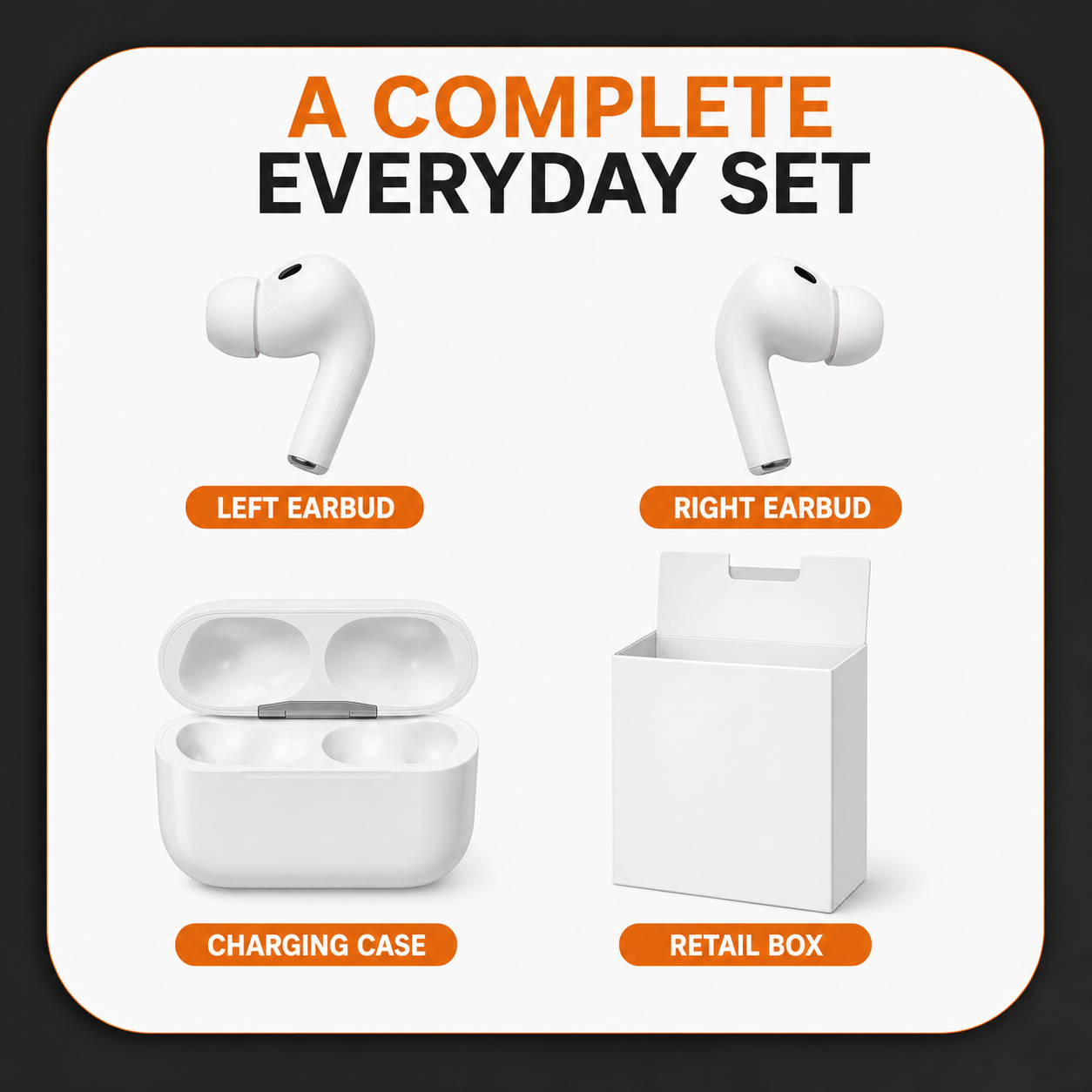
Headphones repair is decided by construction. Cables, ear tips, contacts and ports are worth fixing; a glued true wireless earbud usually is not.
A clip-on open-ear earbud goes pod-forward in the bowl of the ear, capsule behind. The orientation, the fitting sequence, and how to check the aim.
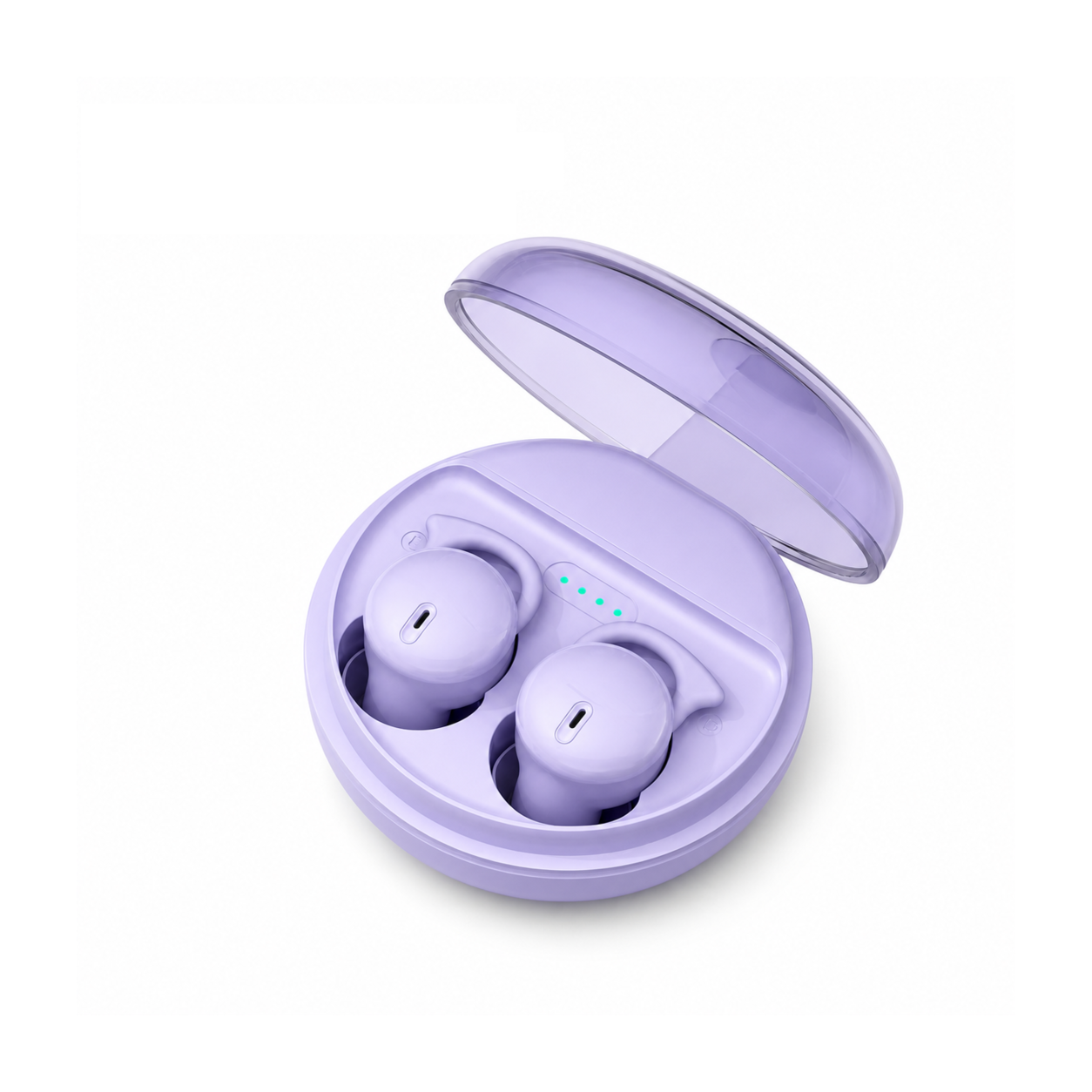
Masking only works if the added sound overlaps the noise in frequency, holds one level all night, and does not stop at 3 a.m. Here is how to get all three.
Most of an earphone must never be washed. Which parts take water, why detergent defeats an IP rating, and the rescue steps after a trip through the machine.
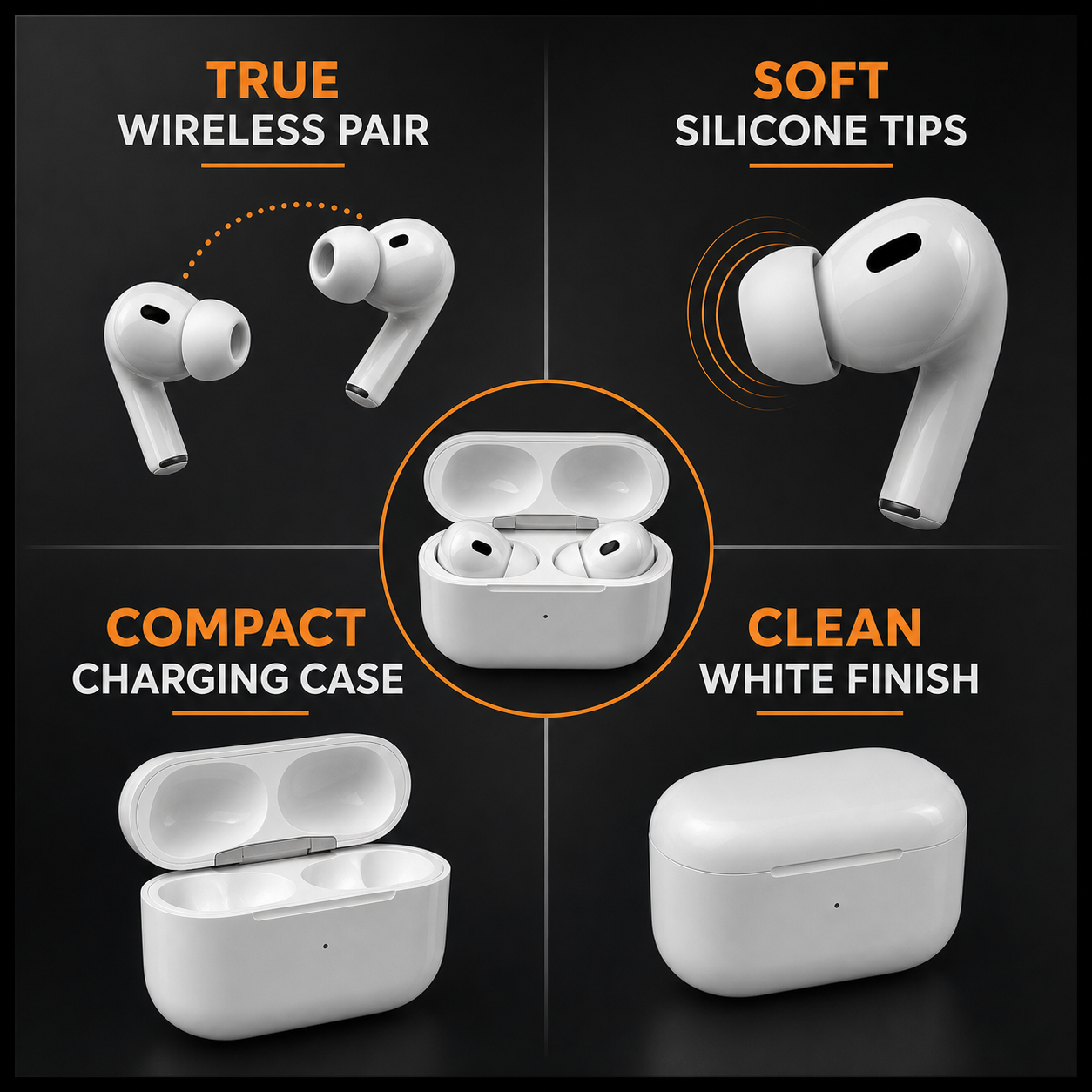
Earbuds cannot reach the middle ear, because the eardrum is in the way. What they can change is moisture, warmth and wax in the canal.
Gym policies rarely ban headphones; most require them. What the written rules say, why a fire alarm is sized for the room, and how to stay reachable.
Headphone laws are written about drivers and cyclists, not runners. What the most-quoted pedestrian study really found, and the two factors that beat earbud choice.
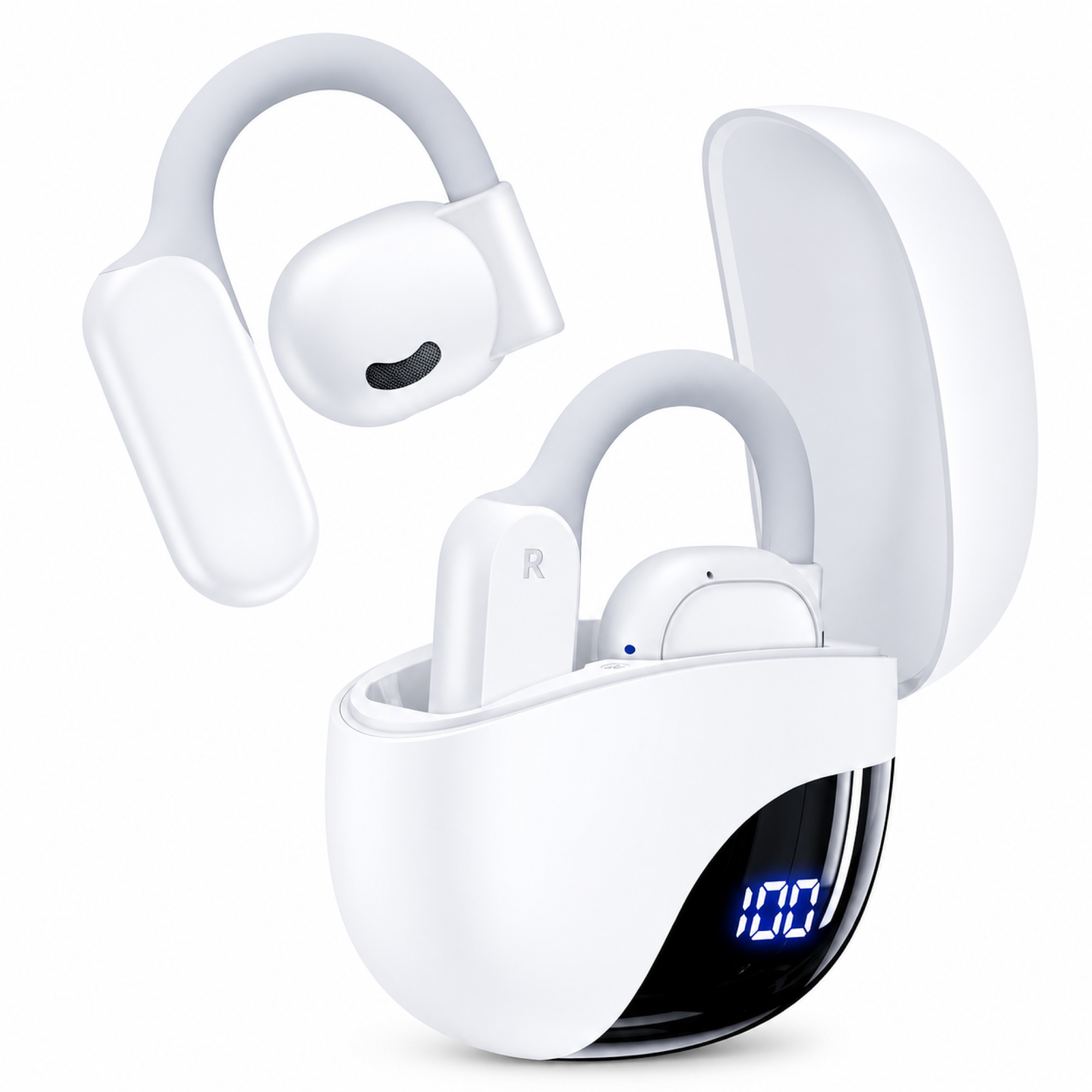
AI translation earbuds do almost none of the work in the earbud. What runs on the bud, on your phone and on a server, and who else can hear the audio.
US agencies have not linked Bluetooth exposure to health problems, and an earbud transmits far below the phone. For hearing, the cable changes nothing.
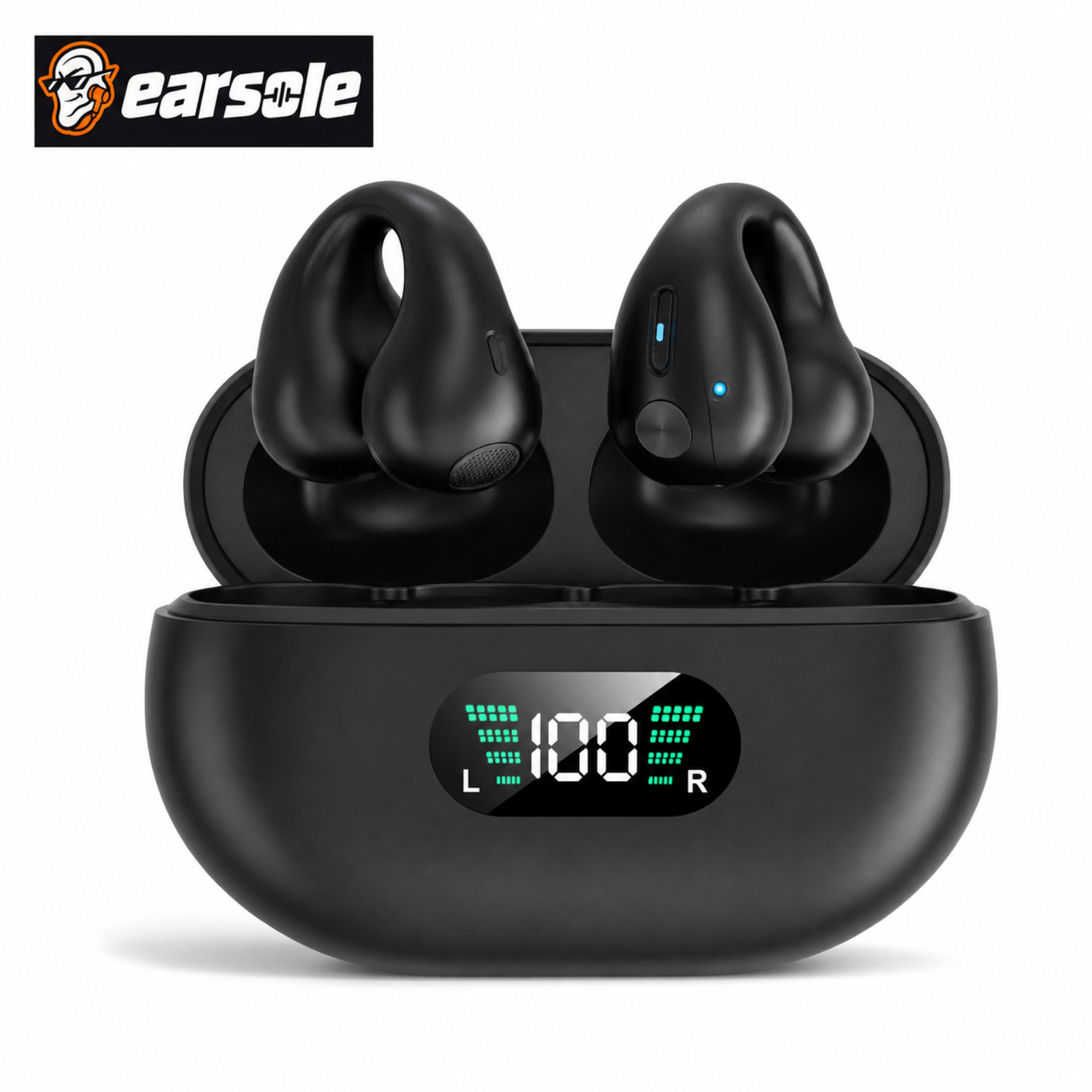
Open-back cups vent to the room; closed-back cups seal. What that changes for isolation, bass, mixing and gaming, and why open-back is not the same as open-ear.
Pairing earbuds the first time is two handshakes rather than one. The bud-to-bud link, why pairing is not connecting, and how to forget a device properly.
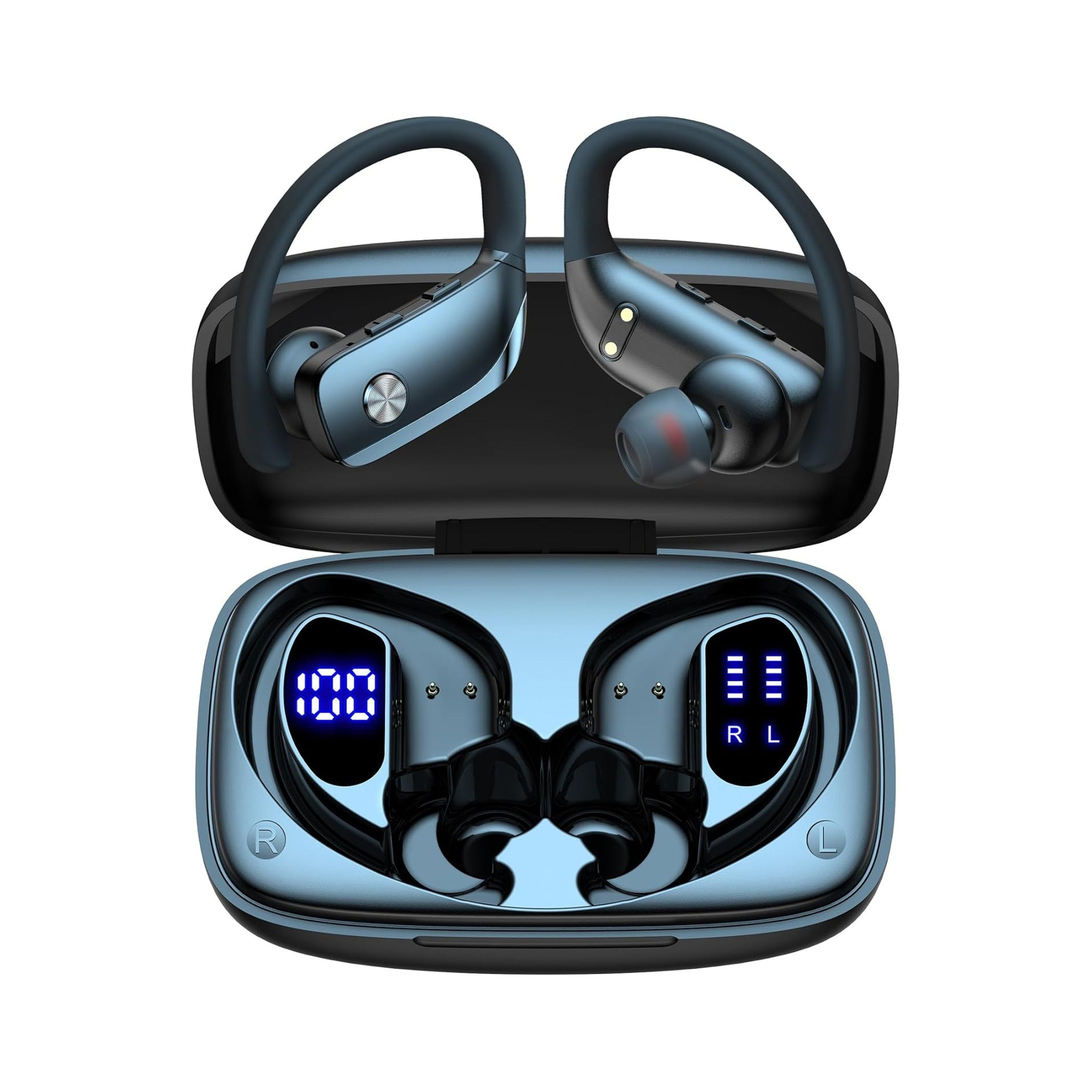
Looking for earbuds that stay completely secure during intense workouts? Learn how flexible ear hooks distribute weight, resist sweat, and work with sunglasses or caps.
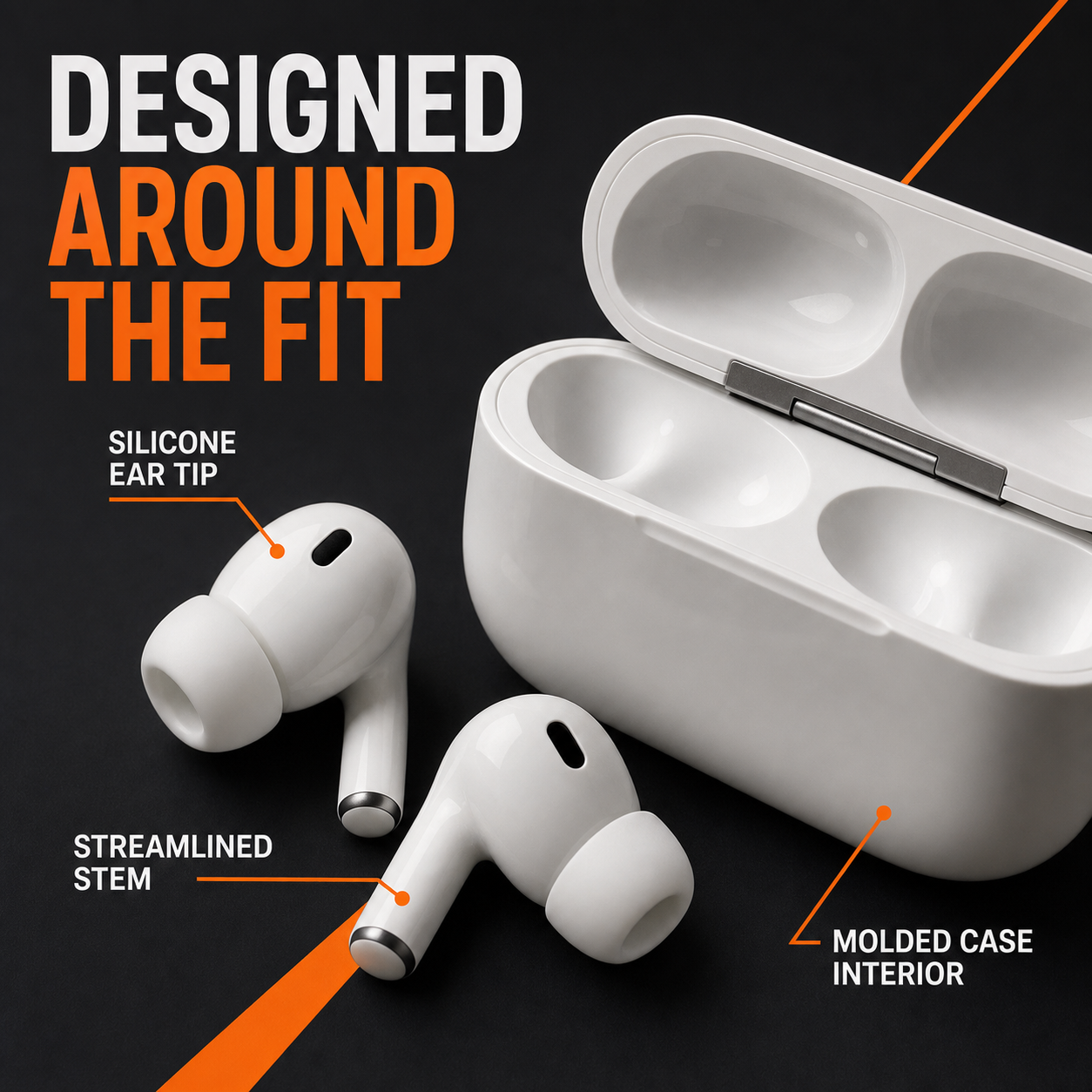
Ear tips are the one earbud part you can properly wash, because they detach. What soap does to silicone versus foam, and why drying decides the seal.
Pairing wireless headphones to a TV is the same five moves on every set; only the menu moves. Documented paths for Samsung, LG, Roku, VIZIO, Fire TV and Google TV.
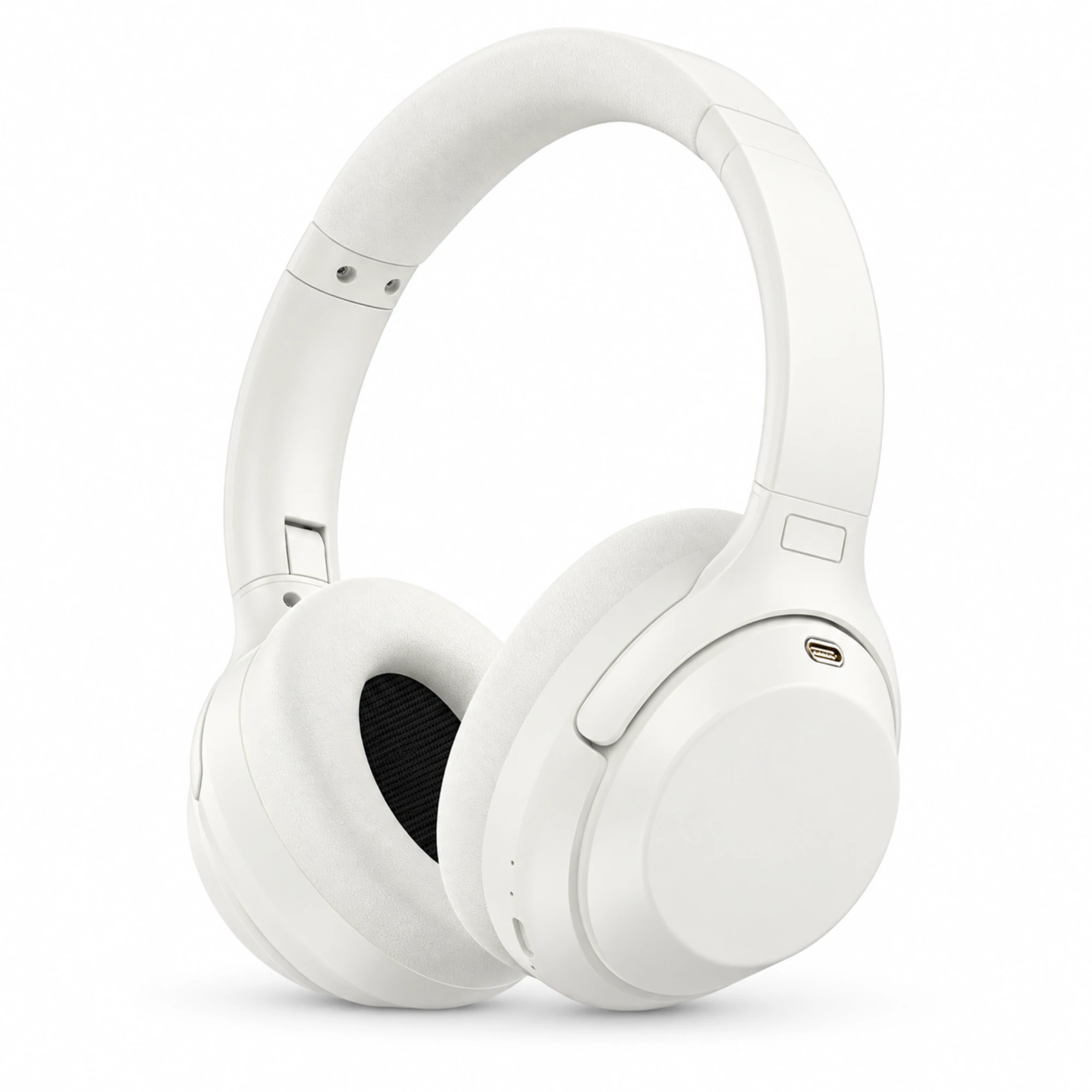
On over-ear earphones with a mic the capsule sits behind your jaw, centimetres from a driver, and the isolation you paid for can make you speak more quietly.
The comfiest gaming headset is whichever one puts its weight where your head tolerates it. The three load paths, how to test them, and what listings never state.
Cycling, team sport and hiking are decided by wind noise, laws that allow only one ear, and how a true wireless pair behaves when you wear a single bud.
Sound quality is three separate things that vary independently: tuning, technical performance and seal. How to tell them apart before you buy earbuds.
Cleaning over-ear headphones is four material problems, not one. What to use on protein leather pads, why alcohol wipes ruin them, and when a pad is done.
Replacement earbuds eartips fail on hardware, not size. Check the nozzle mount, the bore, the charging case and the retention grip before you buy a pack.
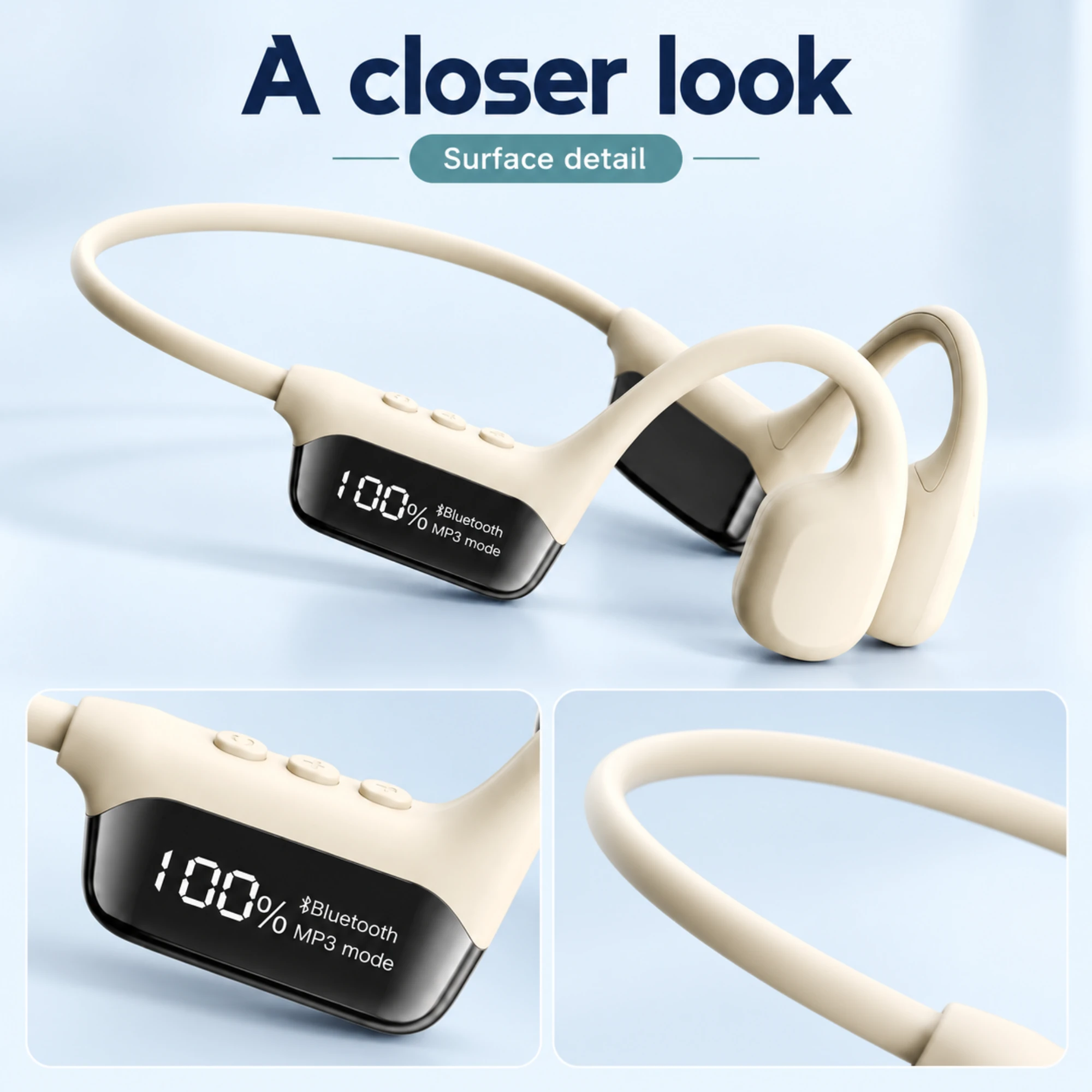
Bone conduction headphones sound different underwater: research shows the open ear canal carries much of the sound on land, and the pool floods it.
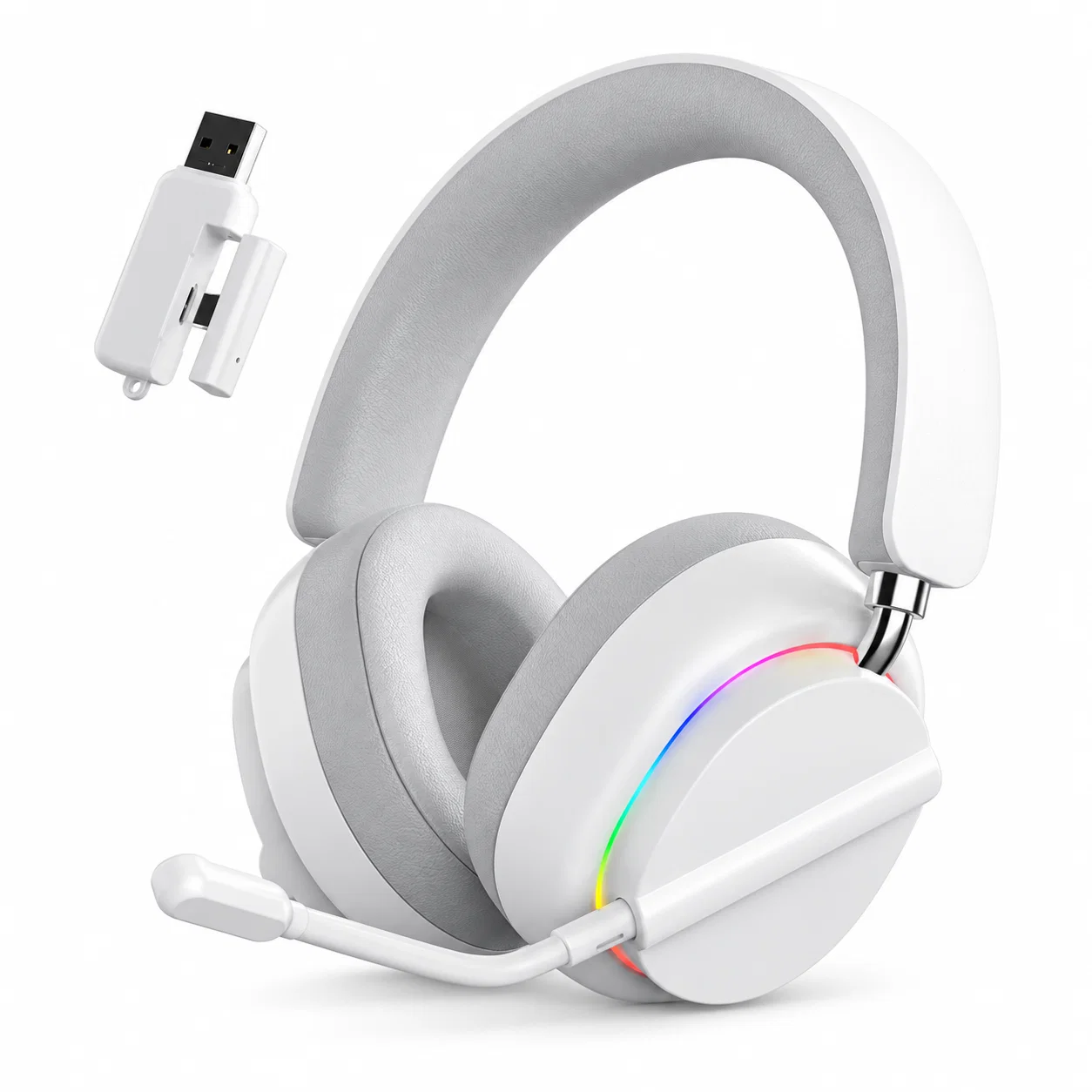
Over-ear gaming headphones get a 20-minute audition and a four-hour session. Clamp, heat, glasses and boom-mic mounting decide the second; here is how to test.
Under $100, each price step in wireless earbuds mostly adds a mechanism rather than better sound. Our $29.99 and $79.99 sleeping earbuds show what $50 buys.
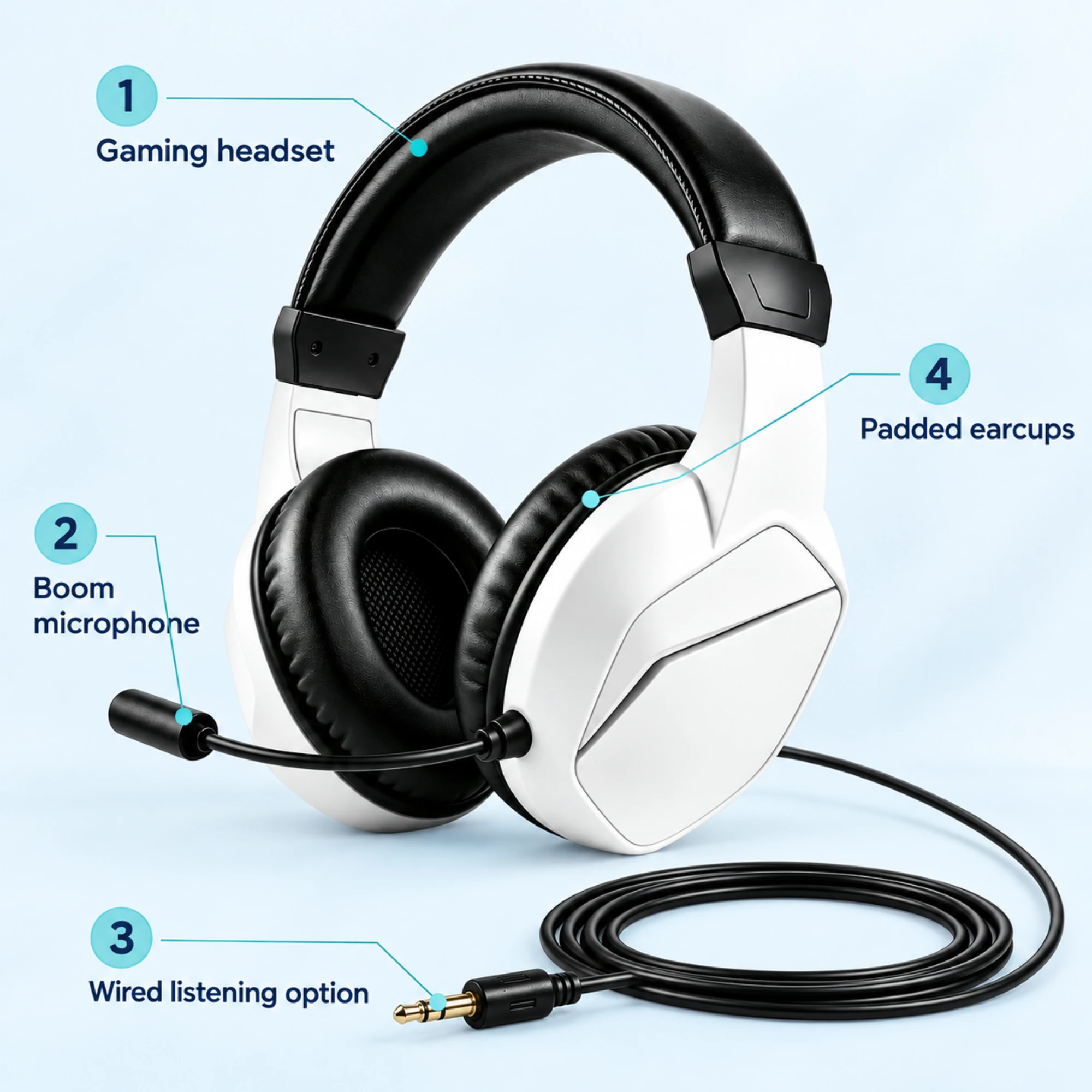
Windows keeps two default audio devices and apps override both, so the same PC headset sounds different in Teams, Zoom and Discord. Here is the setup order.
Both earbuds quiet at once is rarely earwax. Work through Bluetooth volume desync, iOS and Android safety caps, app limits and lost seal, in that order.
Cold mornings cut battery life, condensation gets in where rain does not, and gloves defeat touch panels. What that means for running headphones.
Under $40 a gaming feature is traded, not added. Which gaming-marketed features are safe to lose, and why a cheap wired pair often beats a cheap wireless one.
In the US, hearing protectors must carry an EPA noise reduction rating. Consumer ANC headphones carry none. What NRR means and when quiet is not protection.
Over-ear headphones for workouts fail at the earpad. What sweat does inside a cup, why heat and clamp trade against each other, and when cups still win.
An earbuds cleaner only helps if it lifts wax out instead of pressing it in. We grade brushes, putty, metal picks, alcohol wipes and UV sanitising cases.
Small earbuds and earbuds for a small ear canal are two different shopping lists. What fits the canal is the nozzle, not the tip you put over it.
Wearing full-size ANC headphones to bed is not unsafe, but earcup pressure, clamp force and heat decide whether you last the whole night on a pillow.
Swim headphones play from onboard storage because Bluetooth will not cross water. How to read IPX8 depth limits, bone conduction fit and chlorine risk.
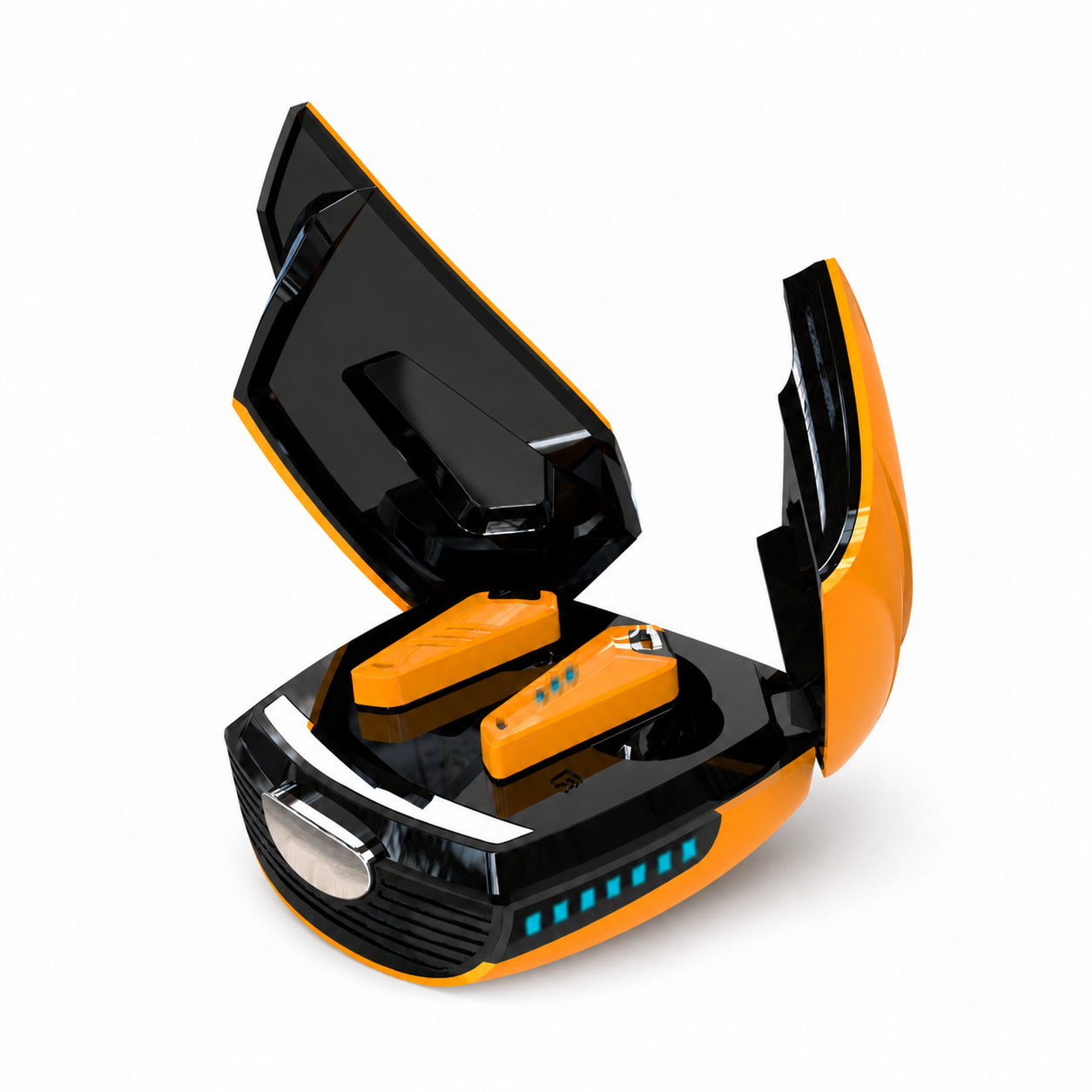
Teammates hear your voice-chat app, not the mic on your game headphones. How party chat, in-game voice, push-to-talk and chat balance decide how you sound.
Wireless headphones on TV usually lag because of the television's own Bluetooth path. Compare five routes, fix lip-sync, and keep the room's speakers alive.
Headphones wireless microphone covers two unrelated things: Bluetooth headsets that feed a phone, and headworn mic systems that feed a PA. Here is the split.
A gym breaks headphones in four ways: crowded 2.4 GHz radio, a phone off your body, drops onto rubber, and shared sweat. Choose for the room you train in.
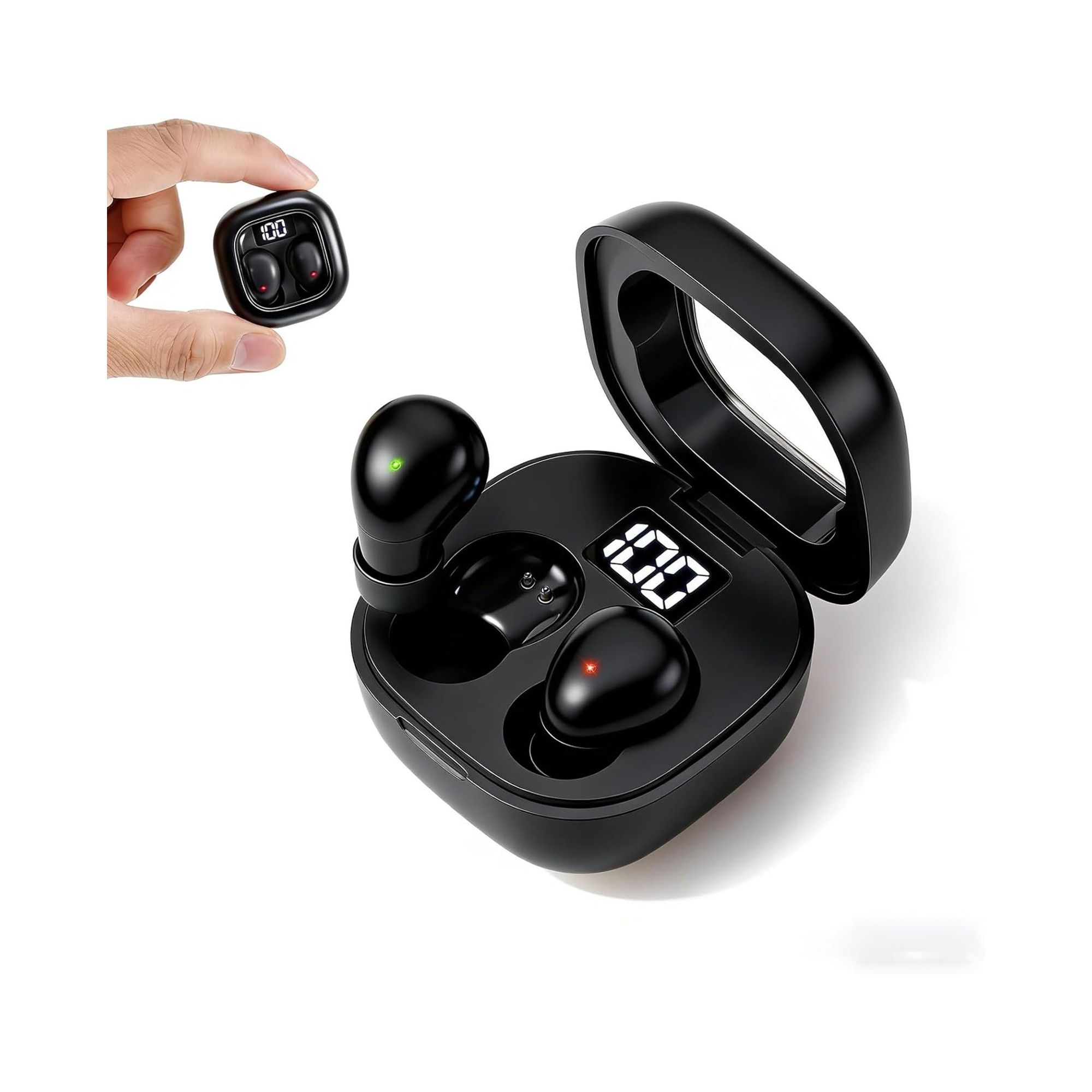
At $15 to $40, earbuds keep the radio, the case and the touch controls; what gets cut is the tested number, the third ear tip and the fine print.
Non-Apple earbuds pair, call and play music fine on an iPhone. You lose the pairing card, auto-switching and Find My; Headphone Safety stays.
Choose running earbuds by your longest run of the week: hours per charge, a water rating that treats sweat as routine, and enough hearing left for traffic.
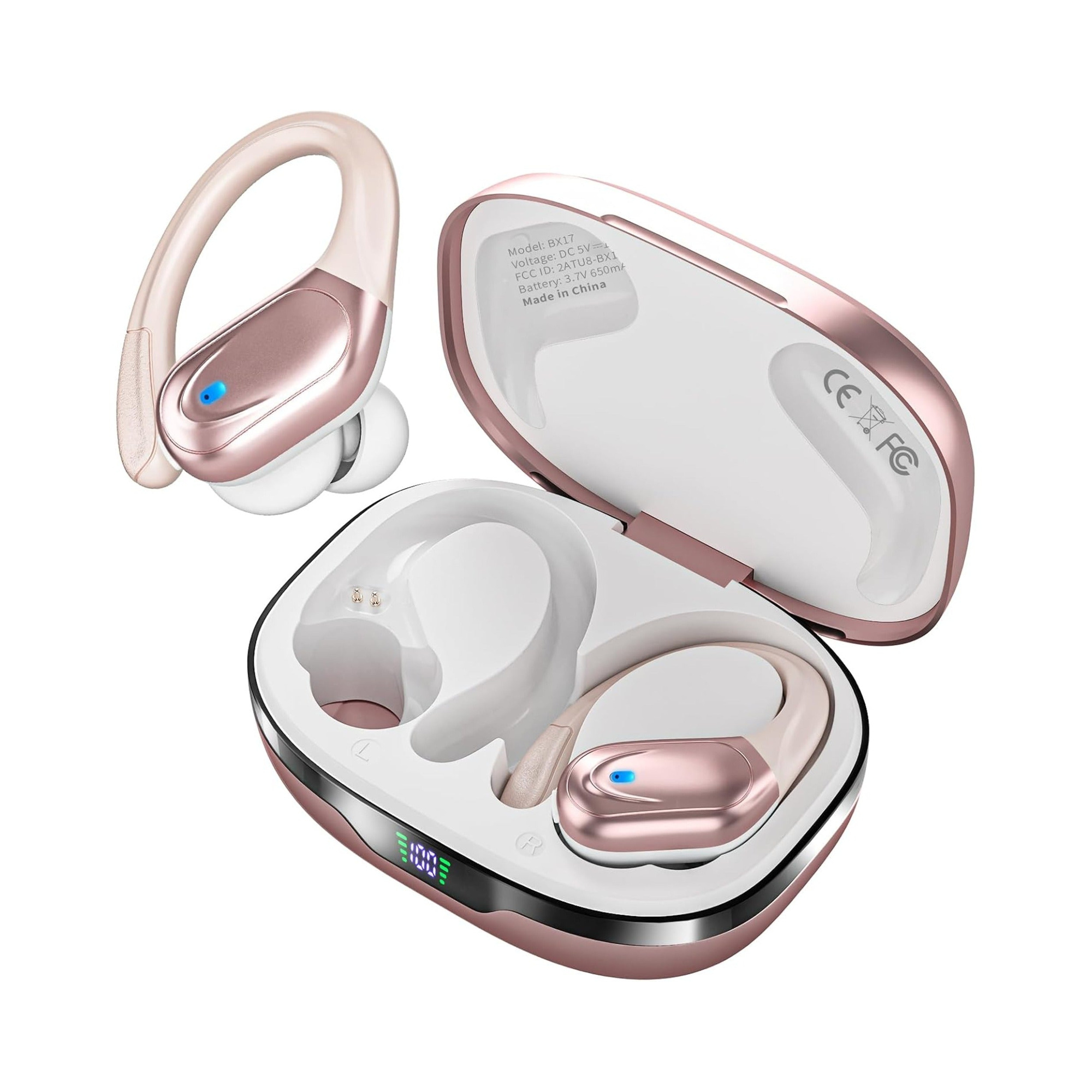
Indoor training wears earbuds out through sweat, not shaking. Demand a stated water rating, a shape that clears a bench pad, and buttons you can press wet.
Phone, PC and console each break a different feature on gaming earbuds. Check what your platform accepts, then the mic, then the fit, before driver sizes.
ANC works on steady low-frequency noise, so it earns its keep on a train or a plane and far less against office voices. What our $50 to $60 earbuds state.
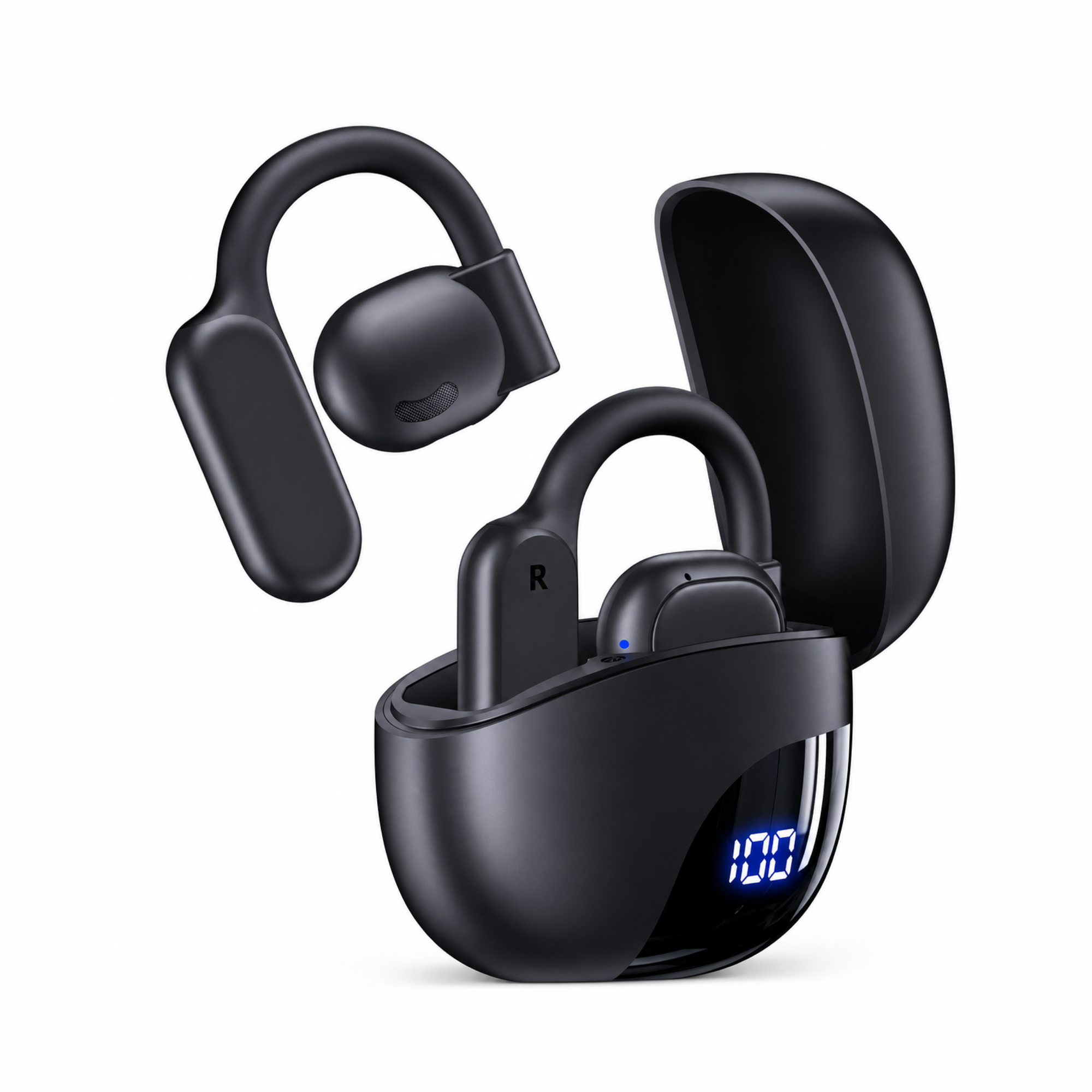
Translation earbuds handle short, one-at-a-time exchanges when your phone has data. What the K08's seven modes do, what lag to expect, what the app fee covers.
Wireless earbuds now cost about what a wired pair plus its adapter costs, so buy wireless unless you need a cable for one of four specific jobs.
A first pair, line by line: fit decides comfort, the Bluetooth version decides less than you think, ENC works on your call mic, and IPX covers splashes.
On a PC the connection, not the driver, sets what you get. Compare wired, 2.4 GHz dongle and Bluetooth setups, plus the Windows settings that break earbuds.
Over-ear wireless headphones fail in five predictable ways: glasses, cup depth, heat, sleeping and bulk. Settle fit before you compare specs or price.
USATF lets each event decide on portable listening devices, but award and prize-money contenders may not use them. Plus why buds loosen once you run.
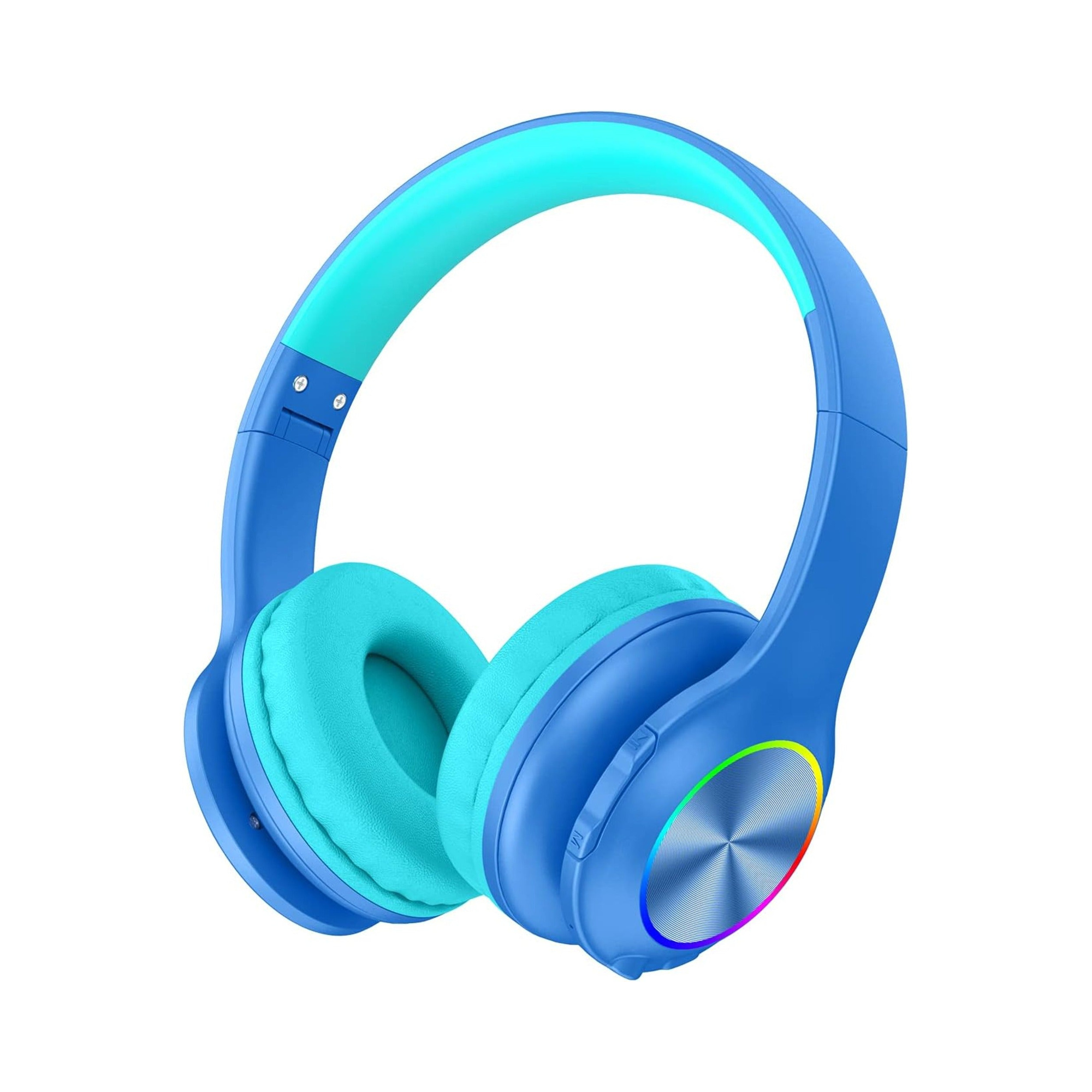
A volume limit on kids headphones caps loudness only. WHO's children's setting is 75 dB for 40 hours a week; at 94 dB the same rule leaves about half an hour.
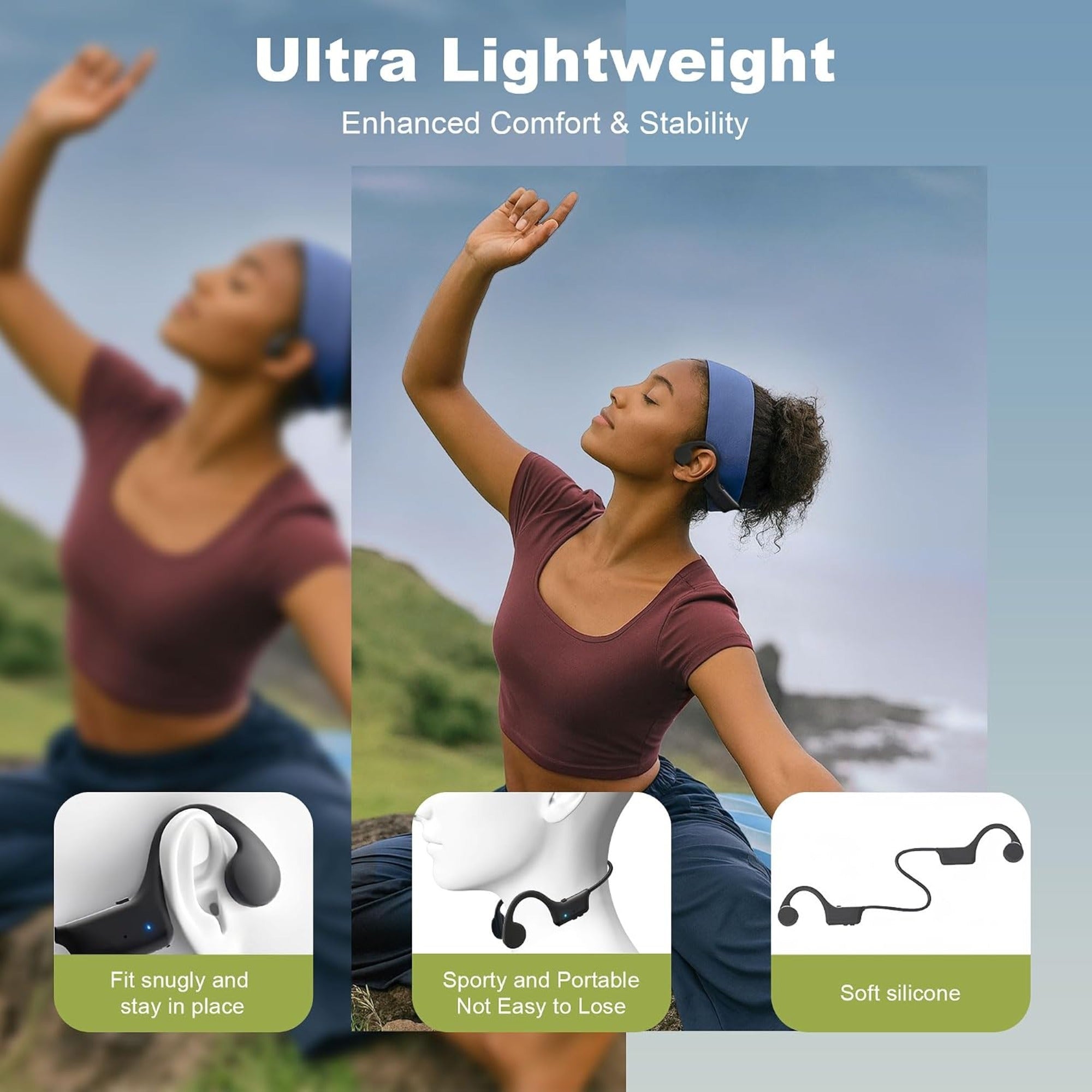
Bone conduction headphones vibrate the cheekbone, but the sound still ends at the hair cells an earbud reaches, so NIDCD and WHO volume limits apply unchanged.
Bone conduction headphones stay put when each pad sits on bone just in front of the ear, the band rides low and helmet, cap or glasses go on over the arms.
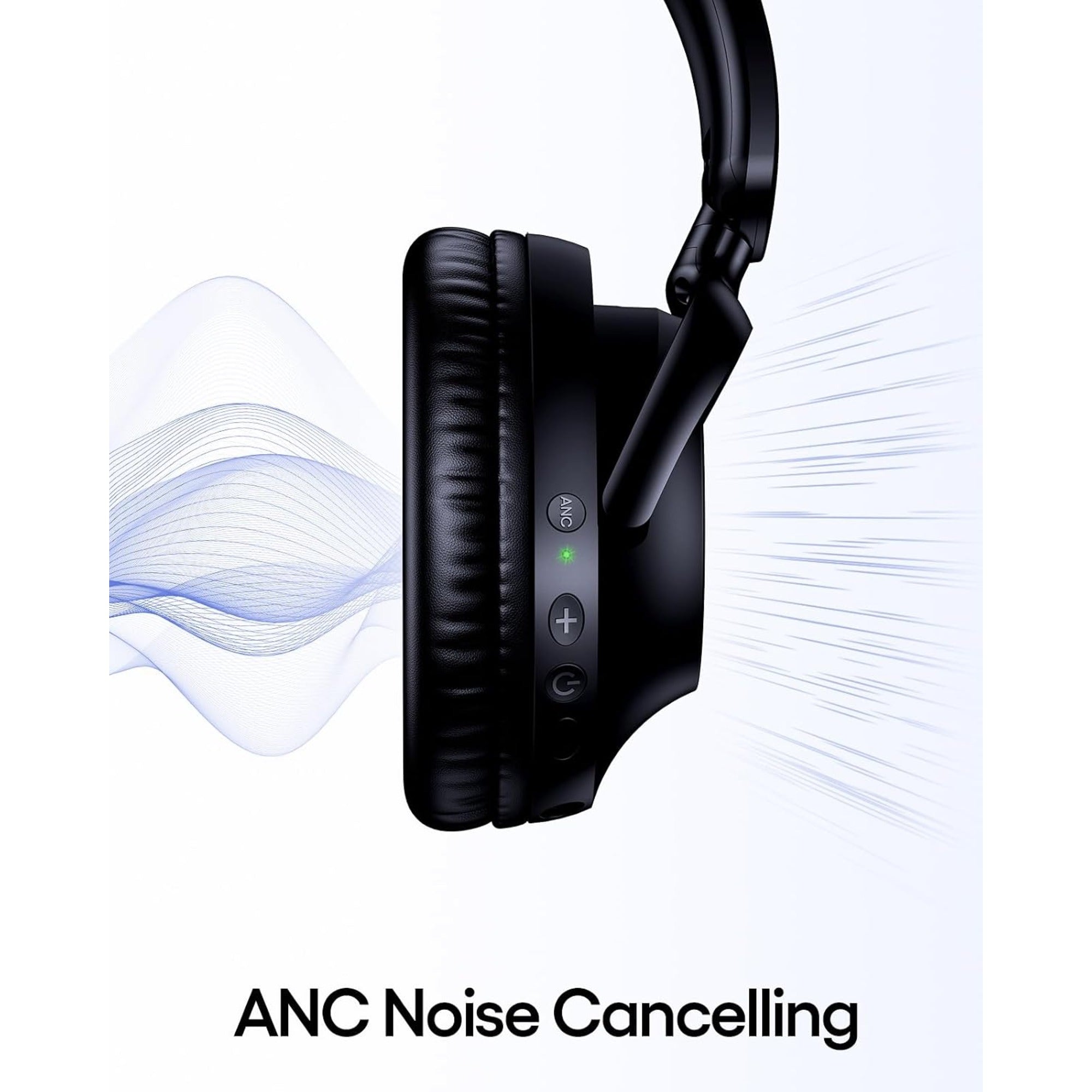
Headphones block sound with a tip seal, an over-ear cup or active cancellation. What each does at our prices, and why nothing you wear is soundproof.
On our earbuds ANC quietens steady low-frequency noise you hear; ENC cleans your voice for a caller. Neither cancels speech, and the arithmetic shows why.
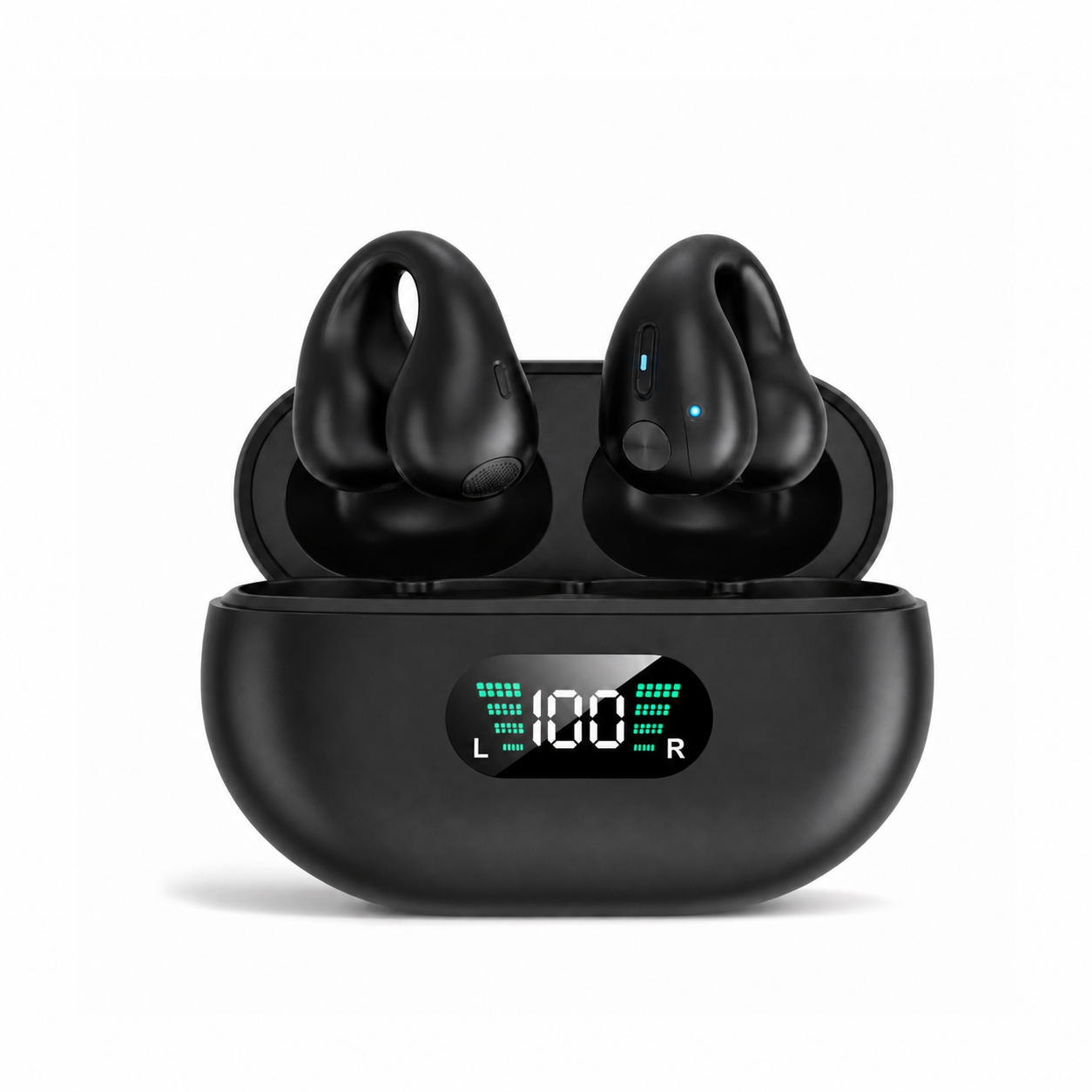
Compare open-ear vs in-ear earbuds for comfort, awareness, isolation, bass, sound leakage and stability, then choose the right fit for your day.
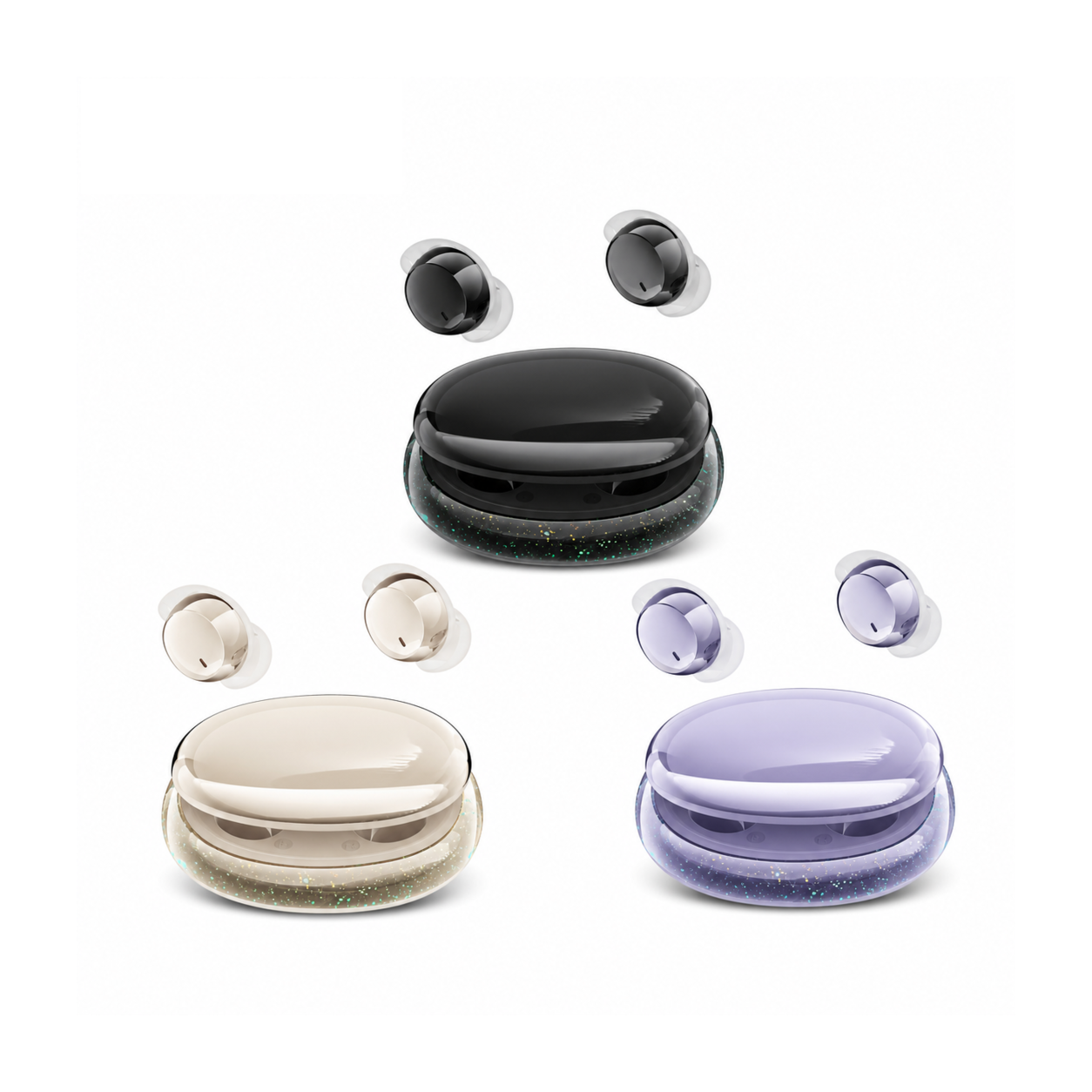
Compare four EARSOLE sleep earbuds for side sleepers by profile, stability, published weight, battery details and documented fit features.
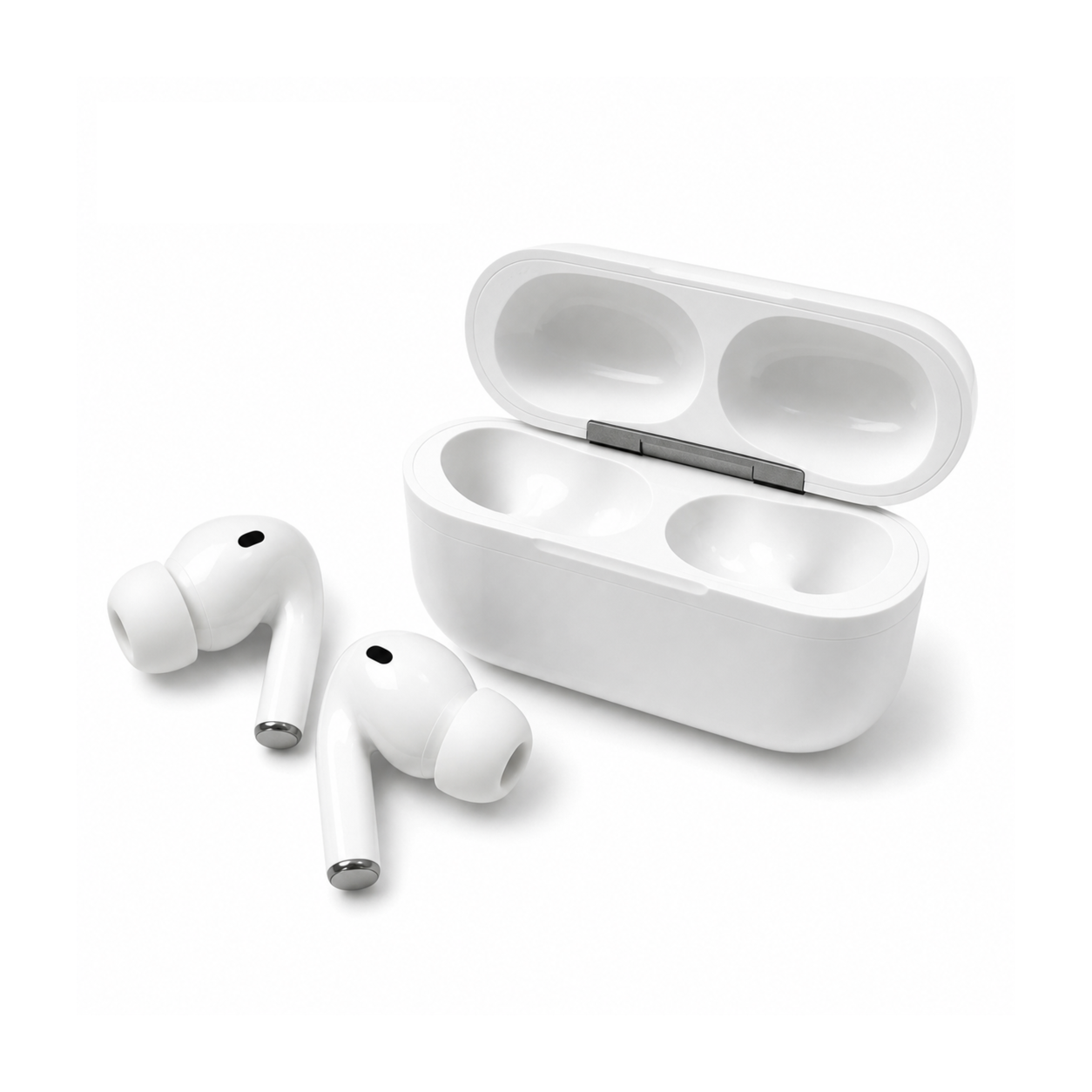
Compare seven EARSOLE wireless earbuds under $50 by fit, use case, verified features, and trade-offs. Prices and availability checked July 17, 2026.
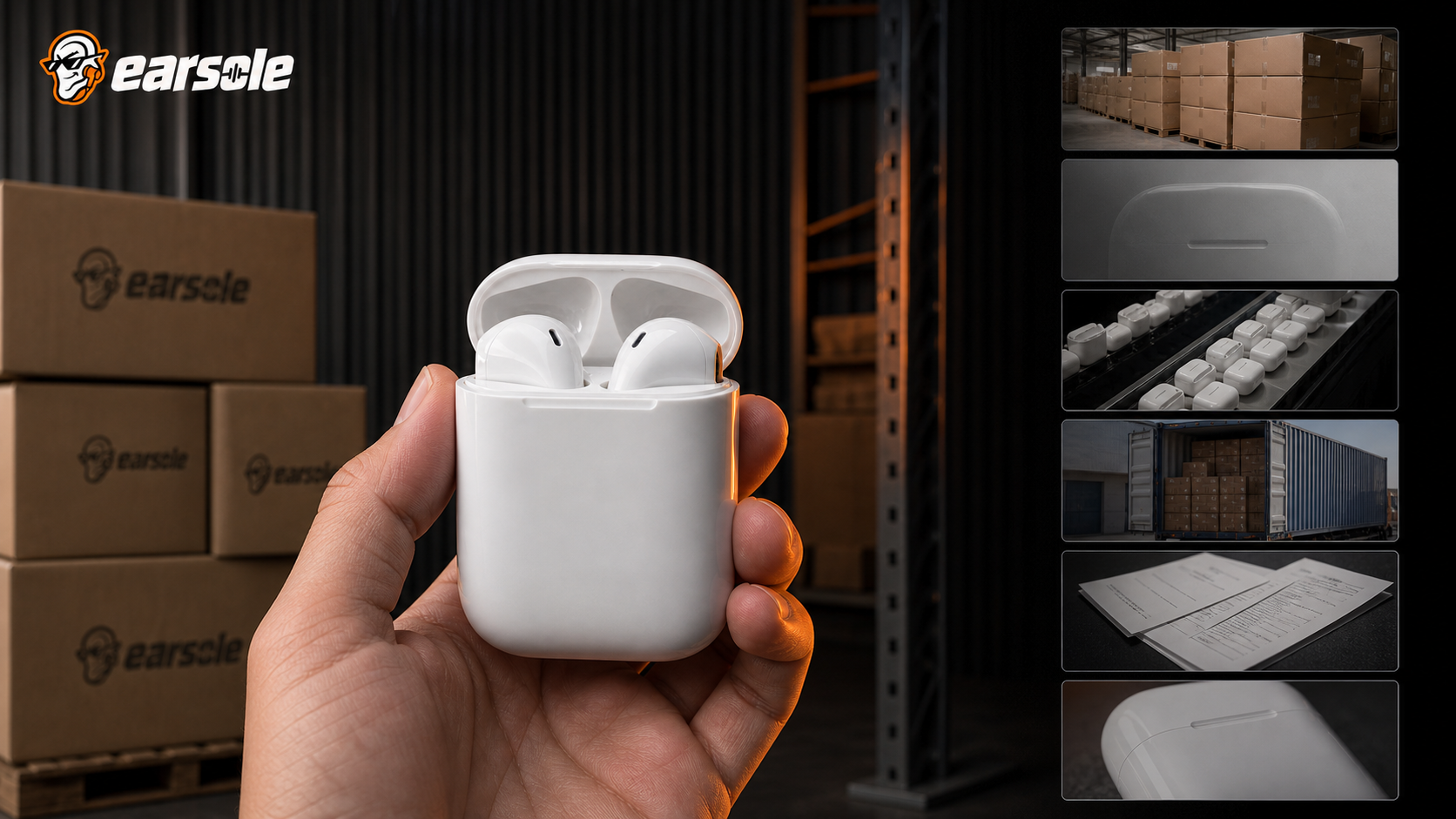
Understand what factory-direct earbuds can prove about sourcing, and what the label does not prove about origin, quality, specs, safety, or warranty.
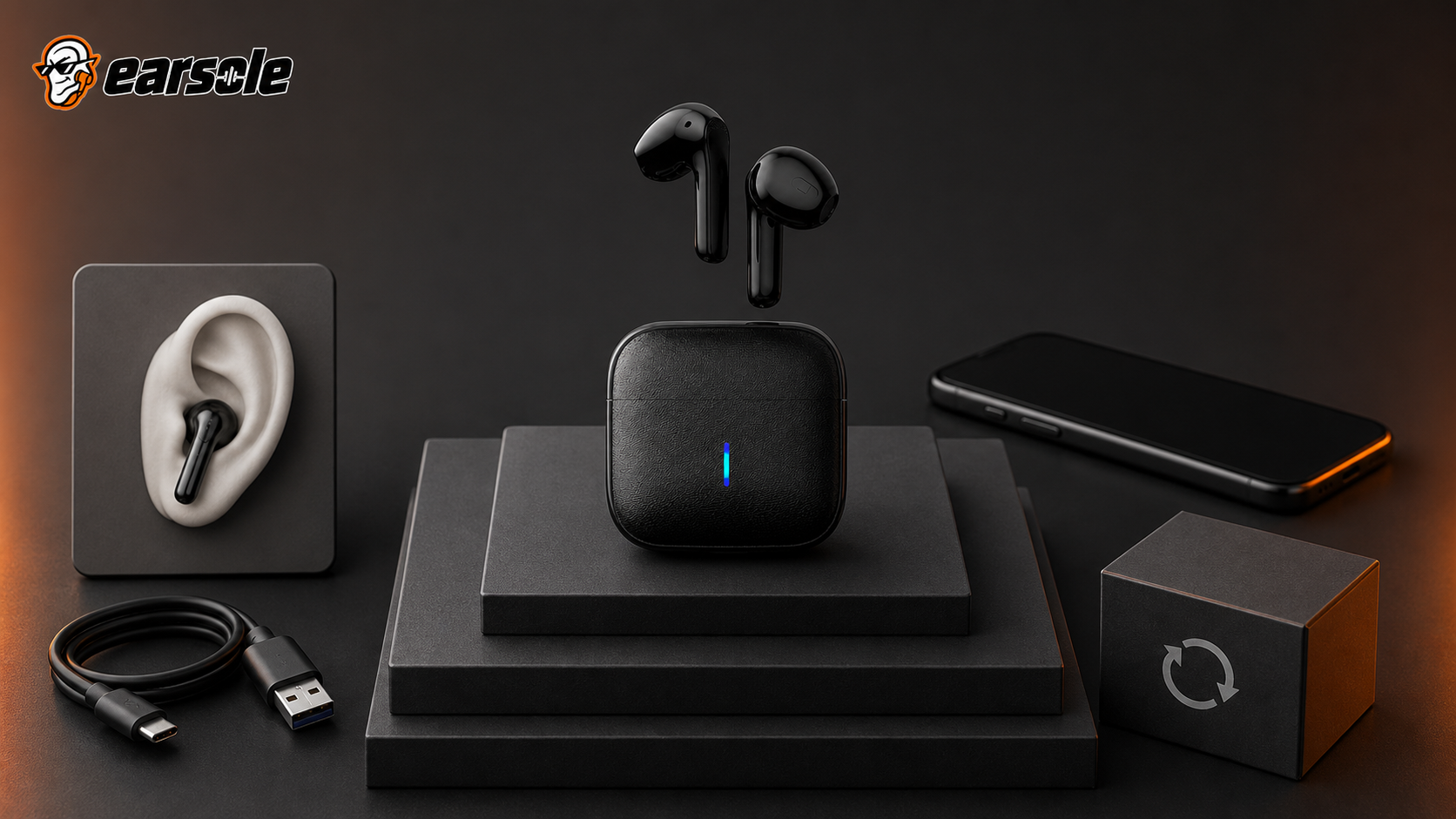
Shop earbuds under $20 by fit, verified specifications, return terms, charging design, microphone needs, and honest trade-offs, not feature count.
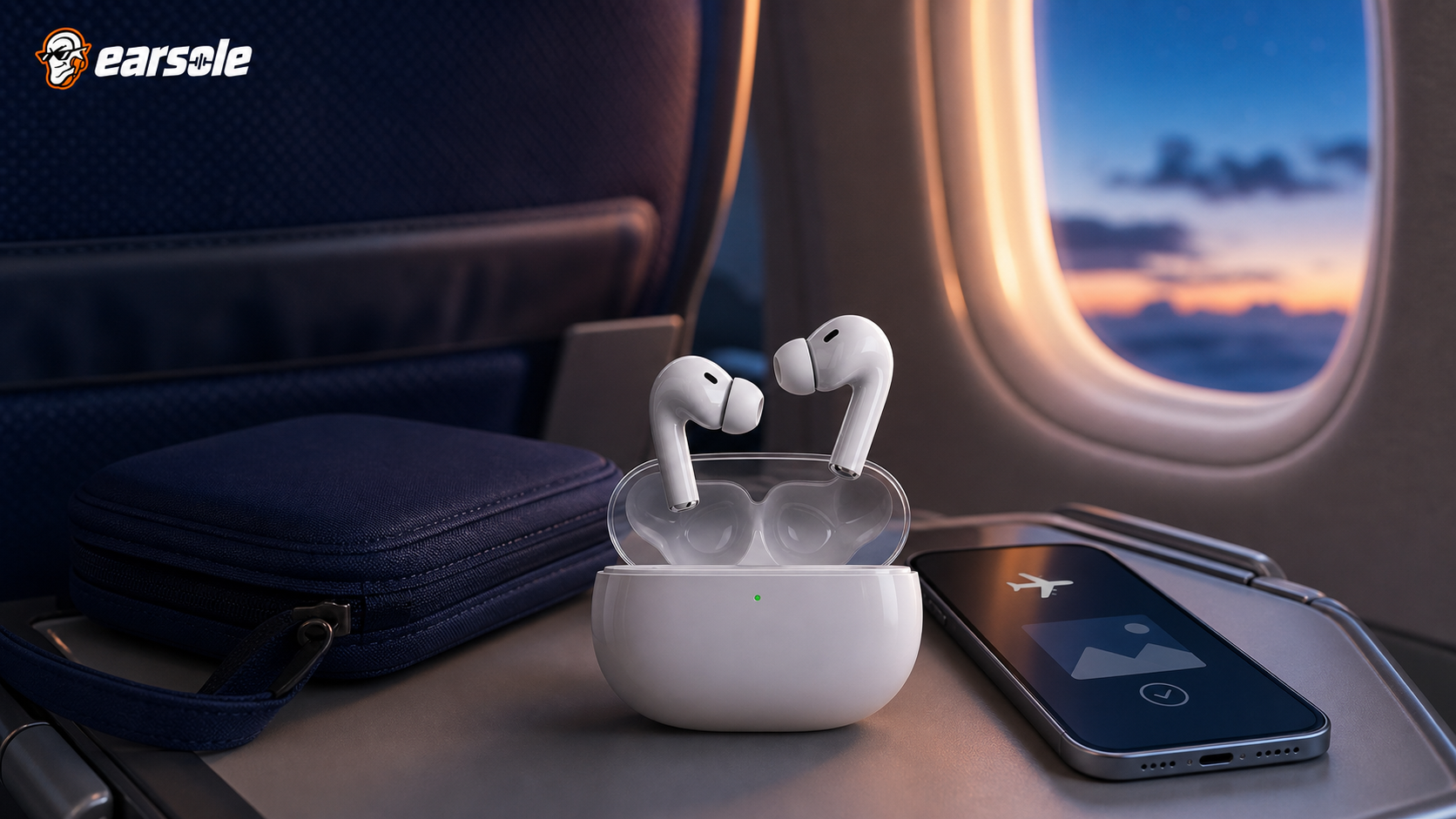
Choose airplane earbuds by fit, ANC, battery, offline playback, alarm awareness, charging case, and airline rules with a seven-question checklist.
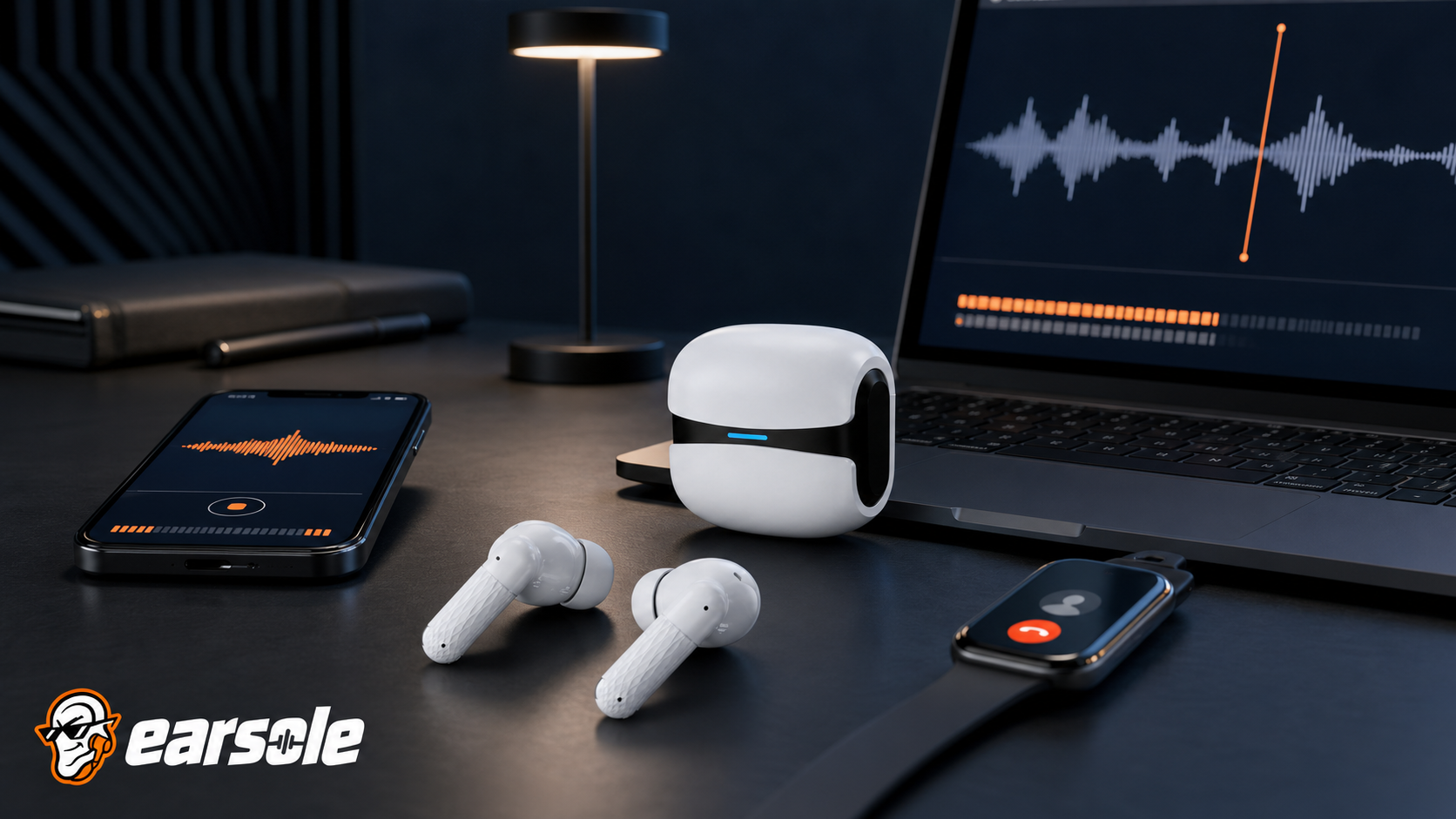
Run a five-minute pre-call earbud microphone test for routing, voice level, background noise, wind, battery, and a backup input.
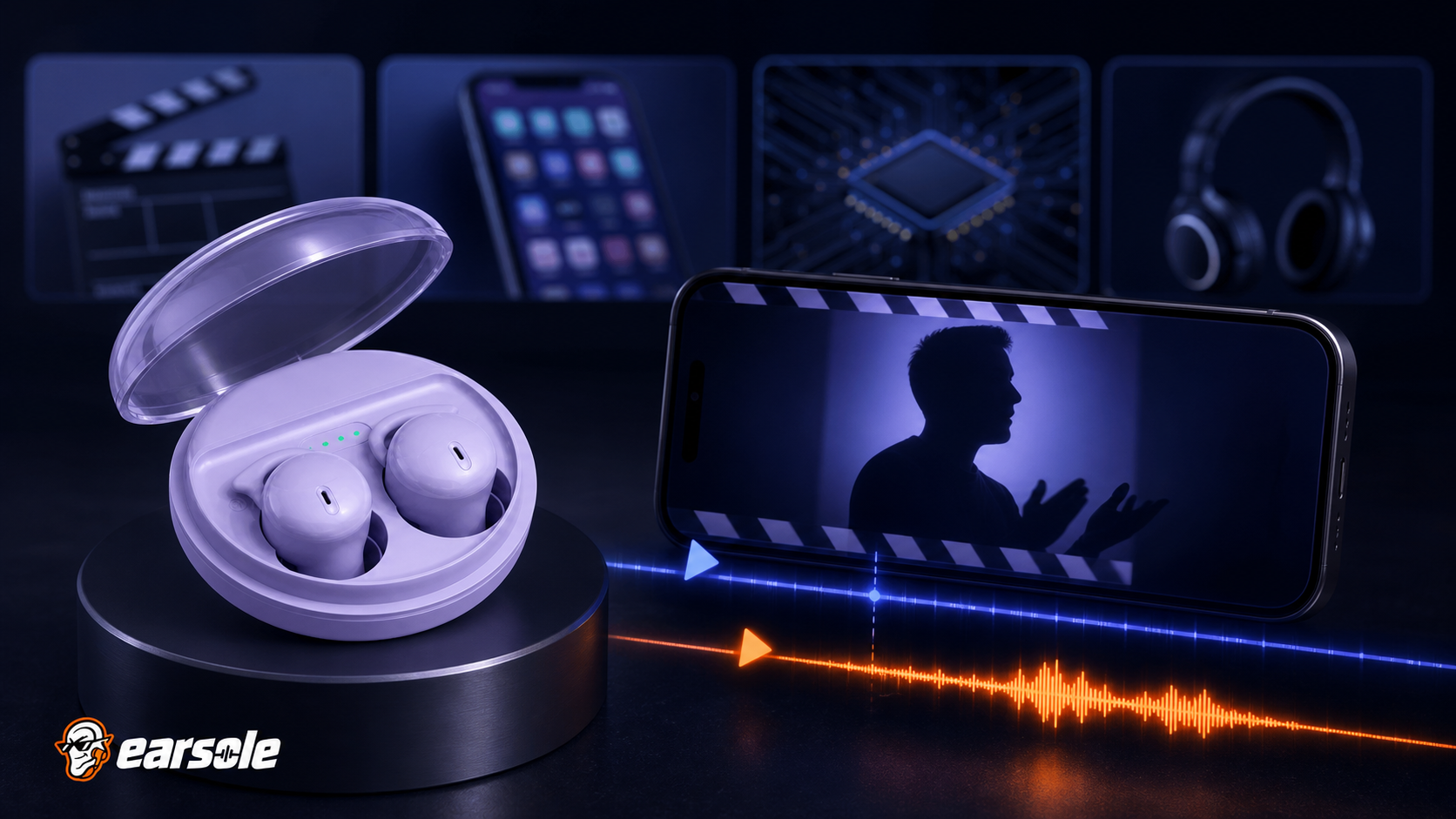
Diagnose earbud audio delay with local and streaming tests, app sync controls, low-latency mode, host updates, and realistic Bluetooth limits.
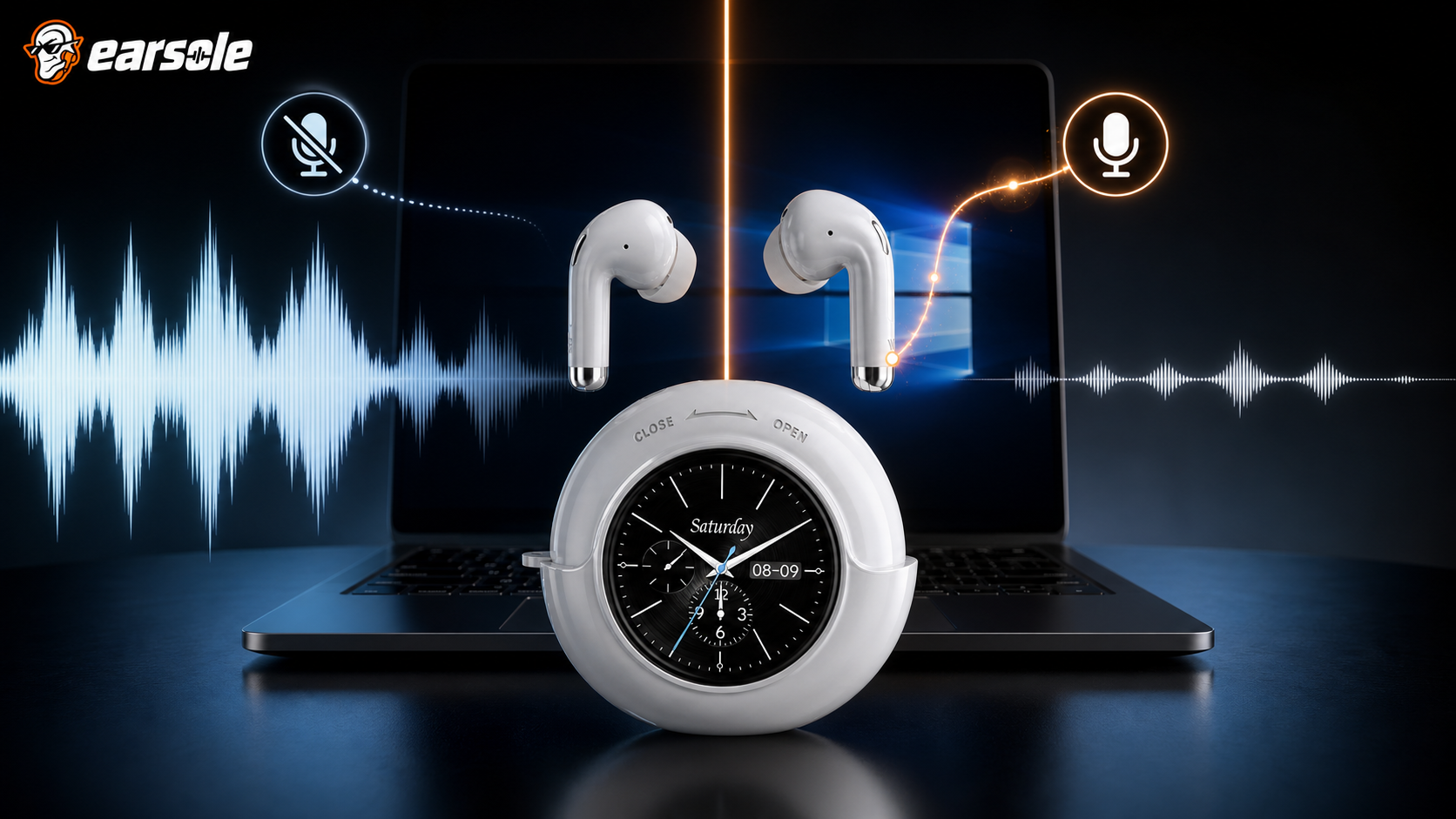
Understand why Windows 11 Bluetooth audio can drop in quality when the microphone opens, then test profiles, input routing, drivers, and LE Audio.
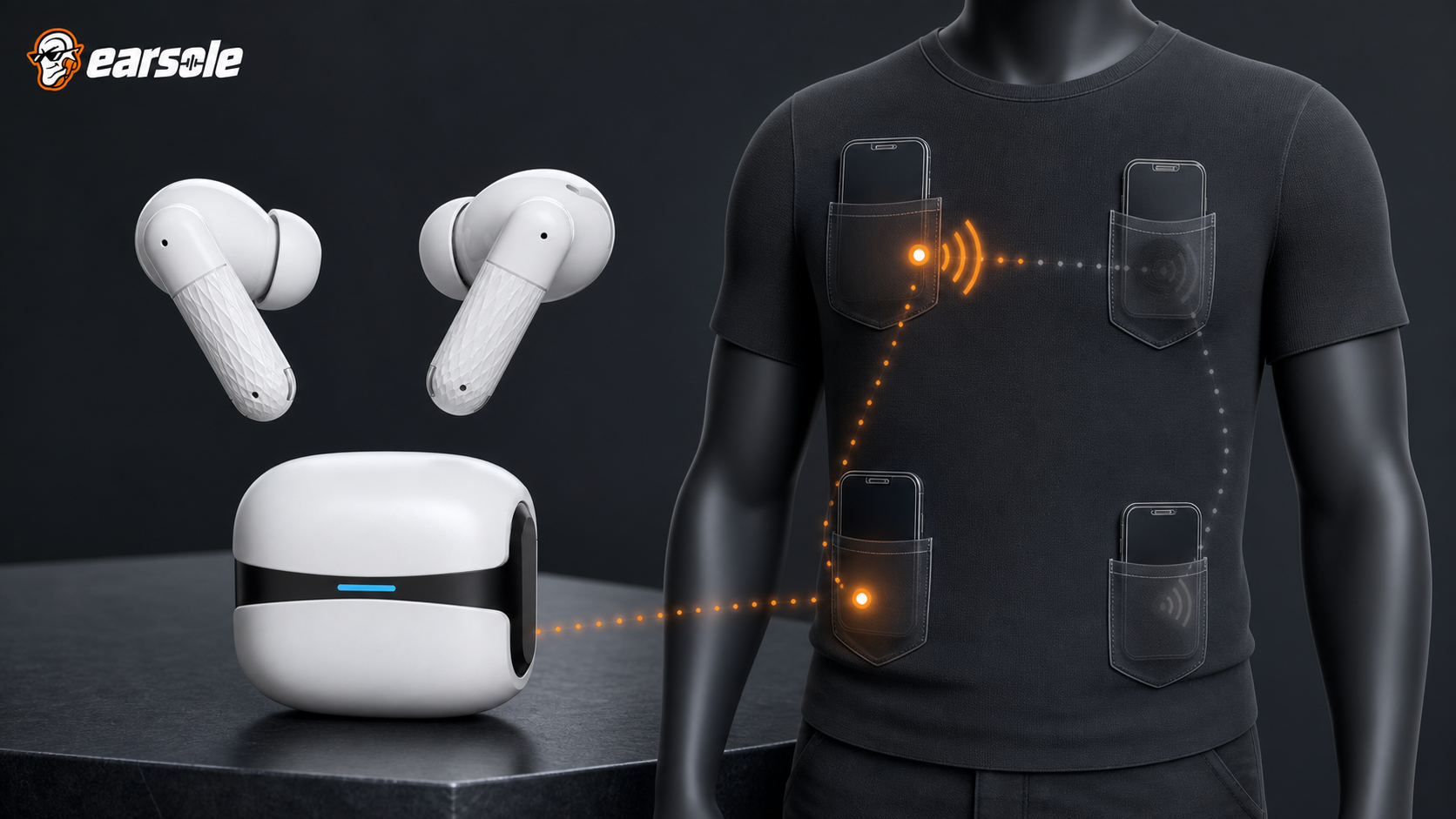
Learn why a phone pocket can weaken a Bluetooth path and use a same-side, local-audio pocket test to separate body blocking from app issues.
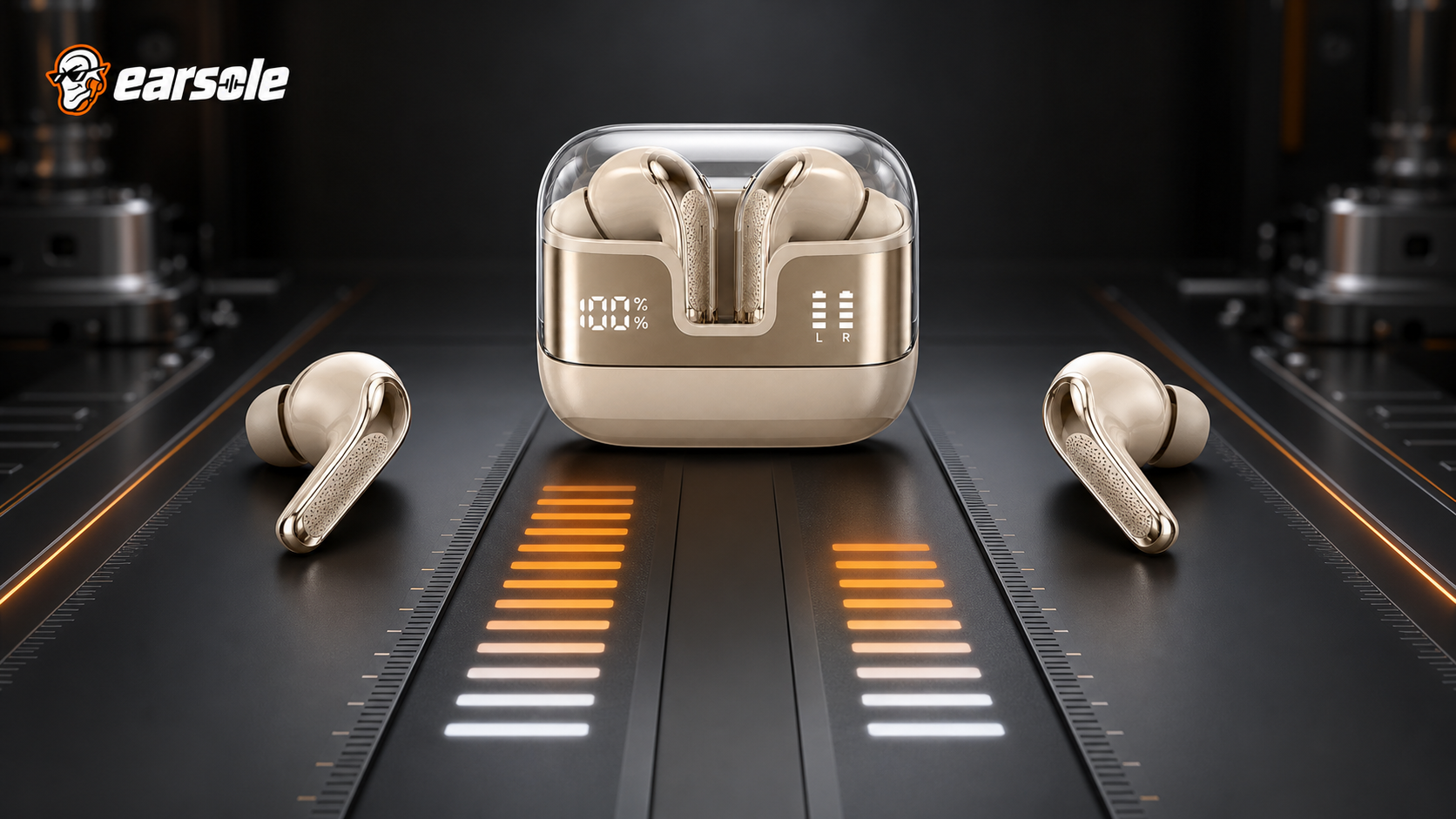
One bud usually carries the phone connection and drains first. Support guidance calls a gap of up to 20% normal and half the runtime a fault.
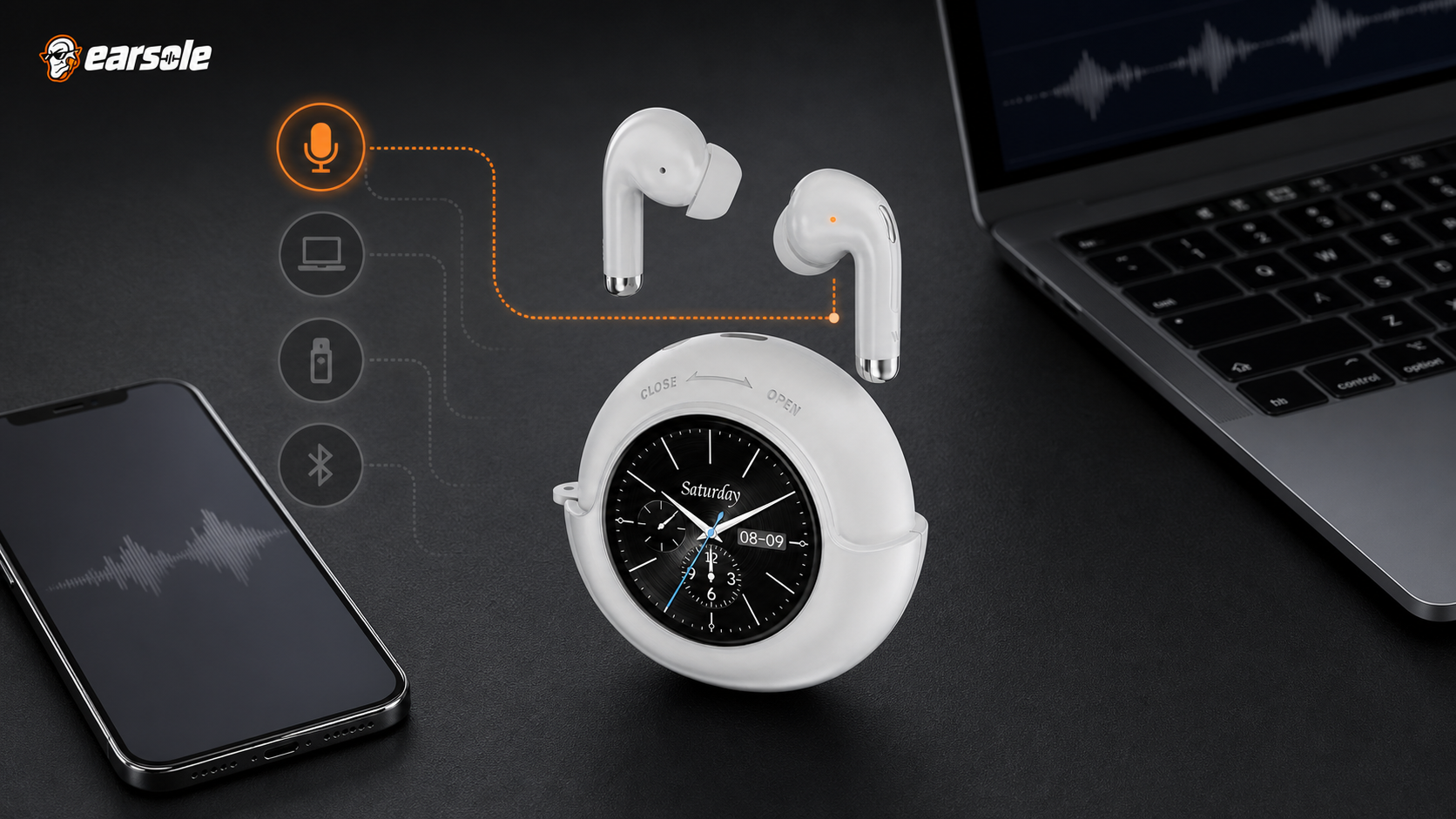
Fix an earbud microphone by proving the active input, checking permissions and profiles, recording locally, and resetting only after routing tests.
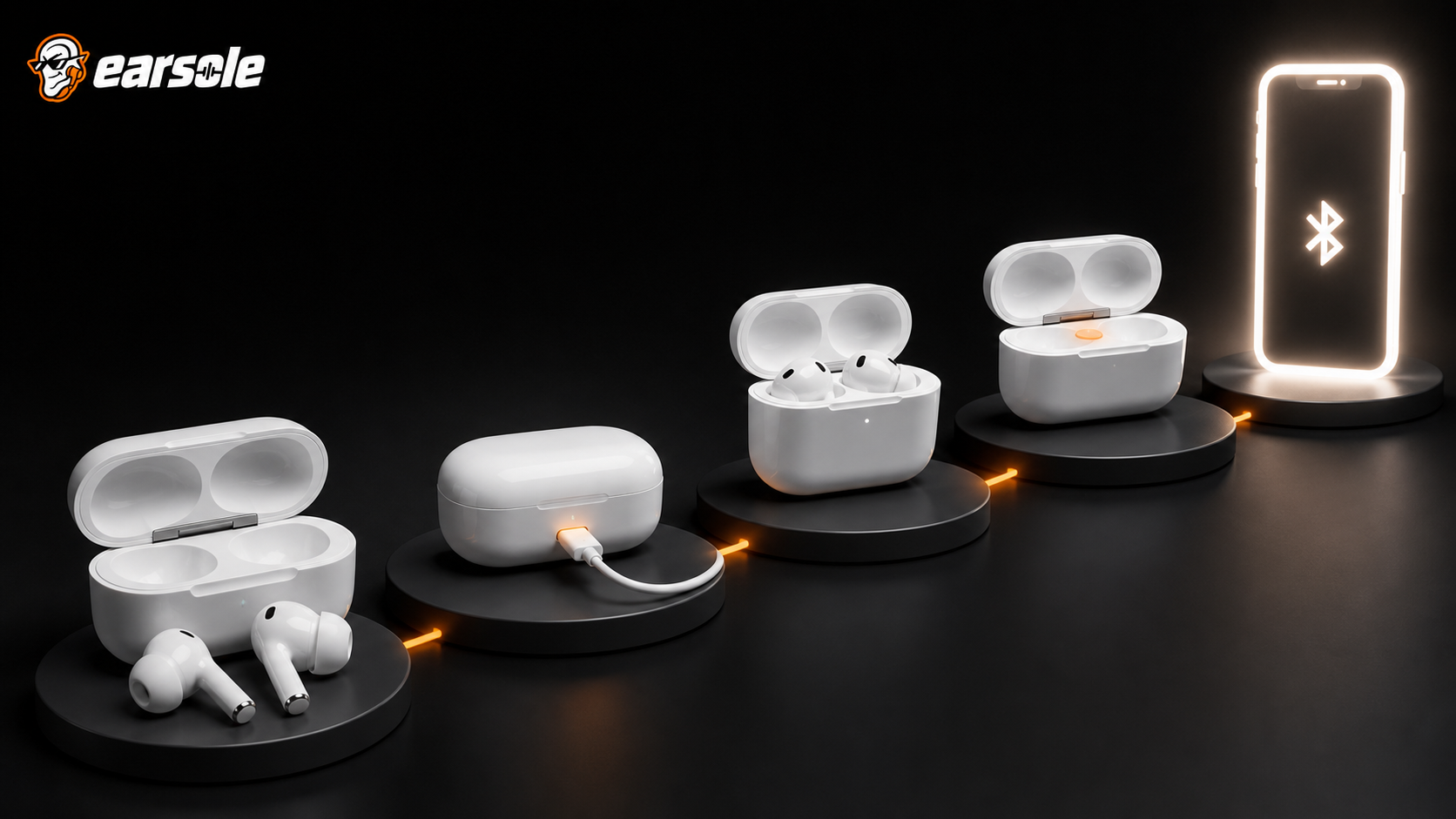
Fix earbuds that will not pair with a least-destructive ladder: charge, isolate, clear stale records, reboot, re-pair, then reset correctly.
Fix recurring earbud disconnects by testing power, pairing state, radio path, host settings, and hardware in a five-layer order.
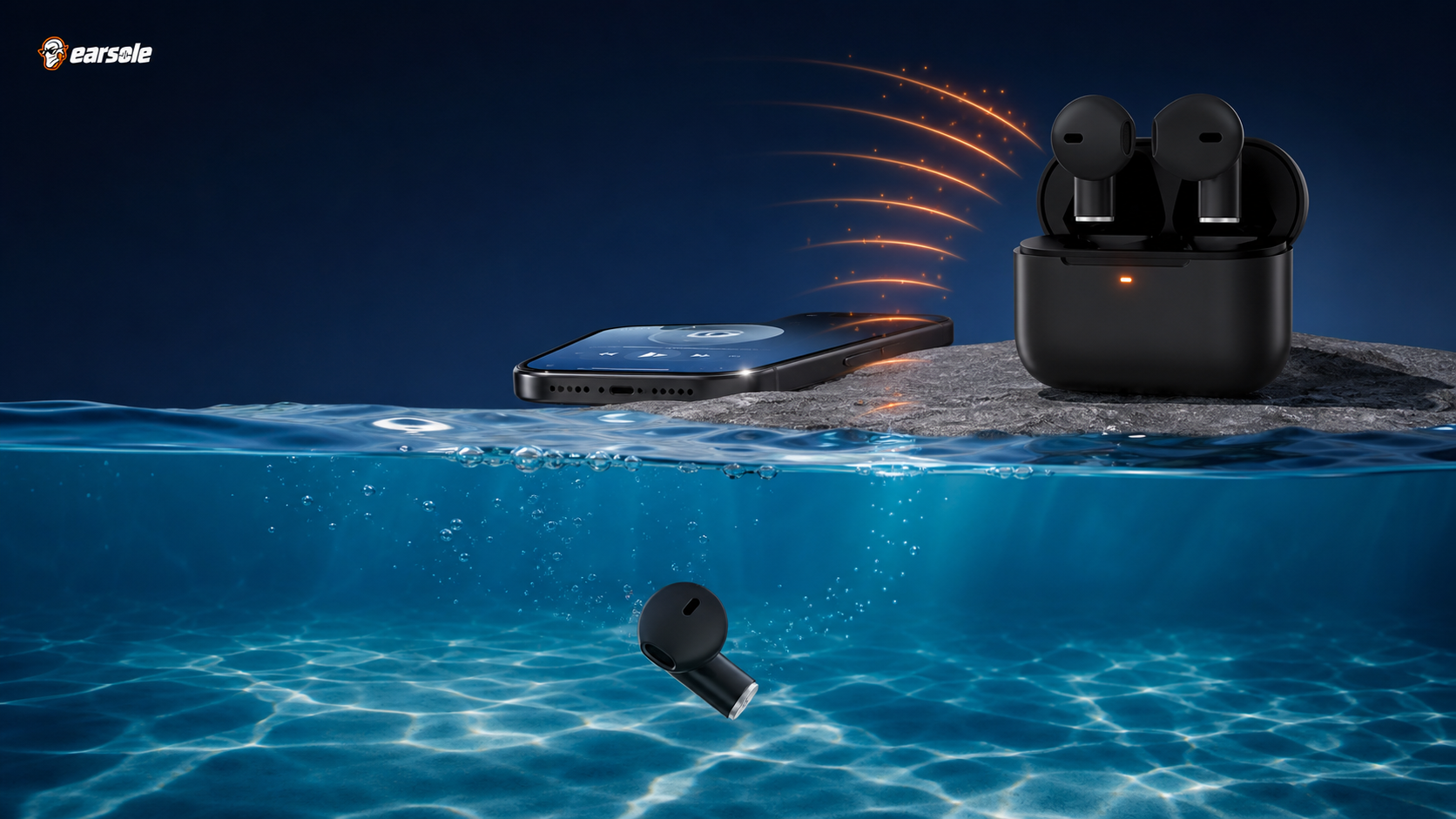
See why water resistance and underwater audio are separate problems, how 2.4 GHz Bluetooth behaves in water, and what swimmers should verify.
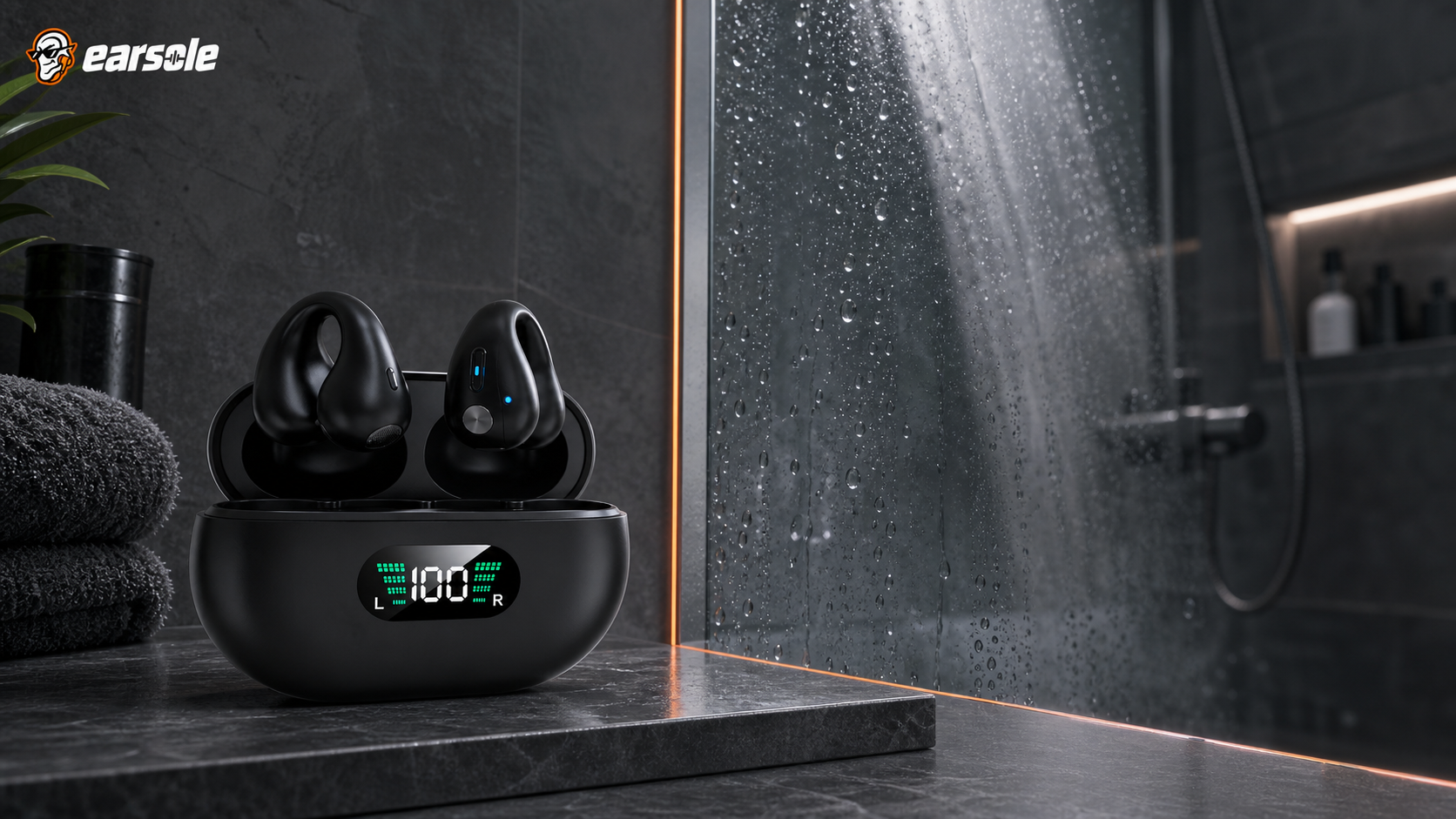
Only shower with earbuds whose maker permits it by name. Ratings cover fresh-water tests, not steam, shampoo, hot water or a wet charging case.
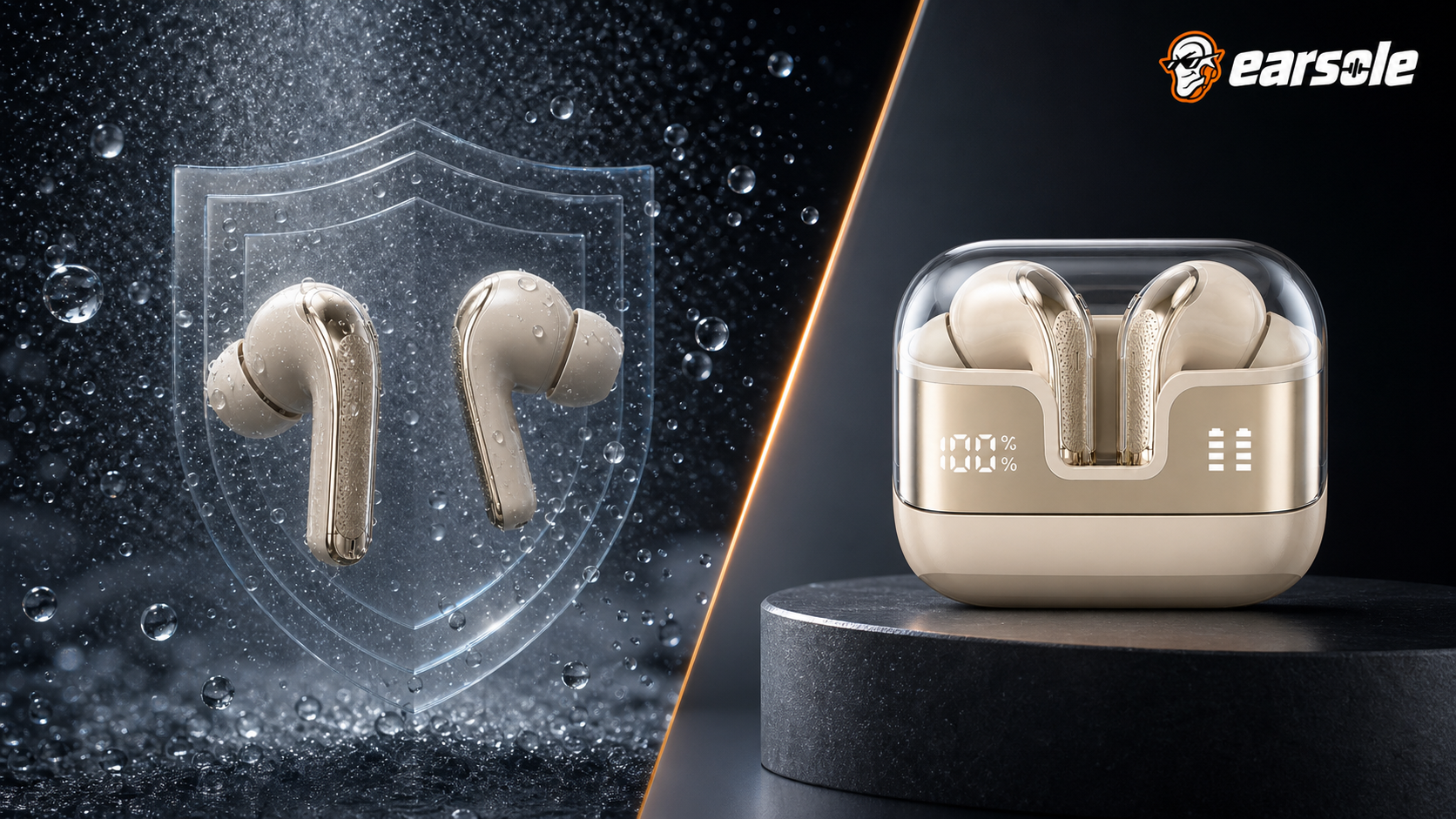
Decode earbud IP ratings, separate buds from charging cases, and understand why “water-resistant” never means every wet situation is safe.
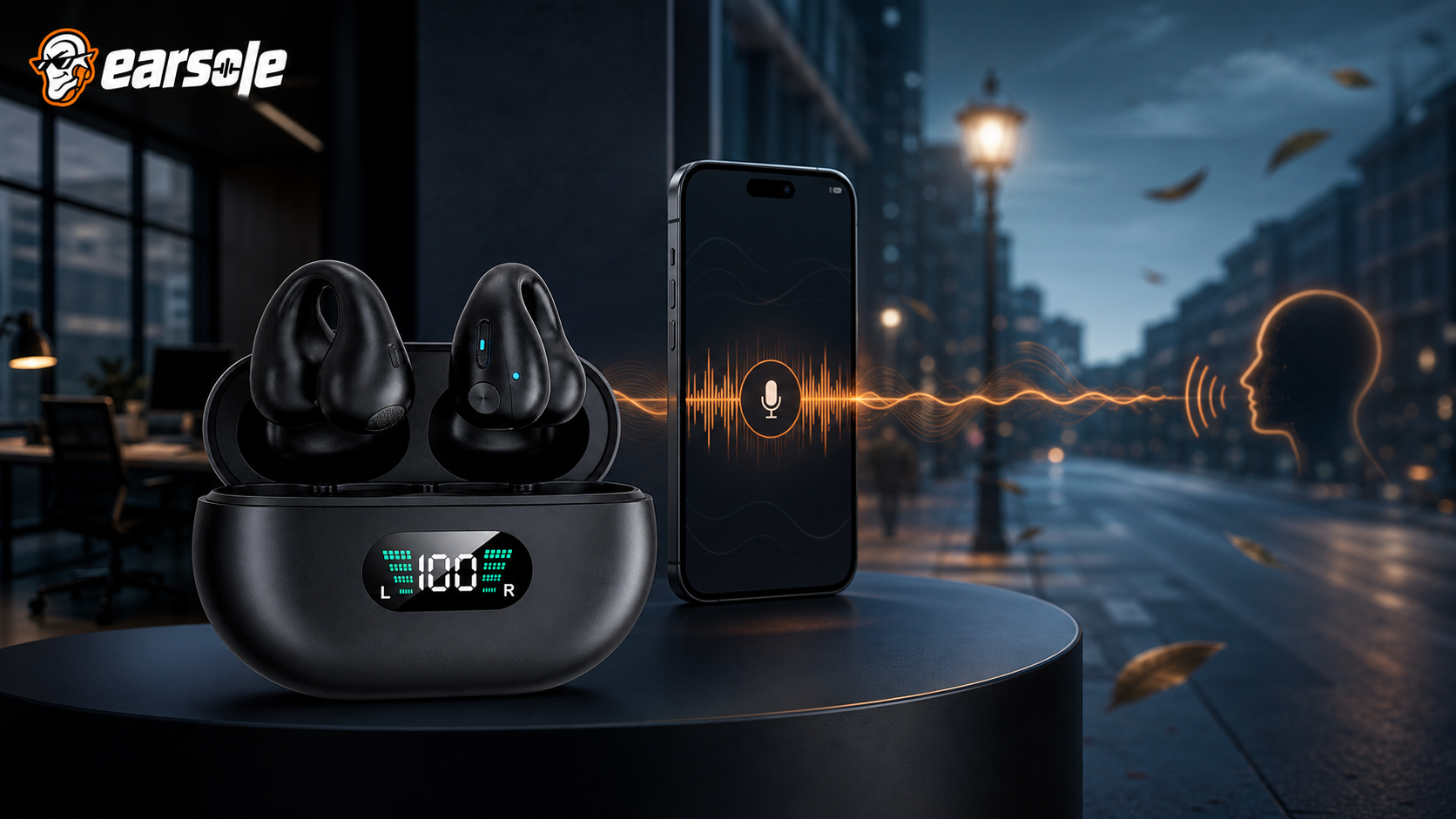
Test open-ear earbud call quality from the other person’s side using a repeatable quiet-room, street-noise, wind, and device-routing protocol.
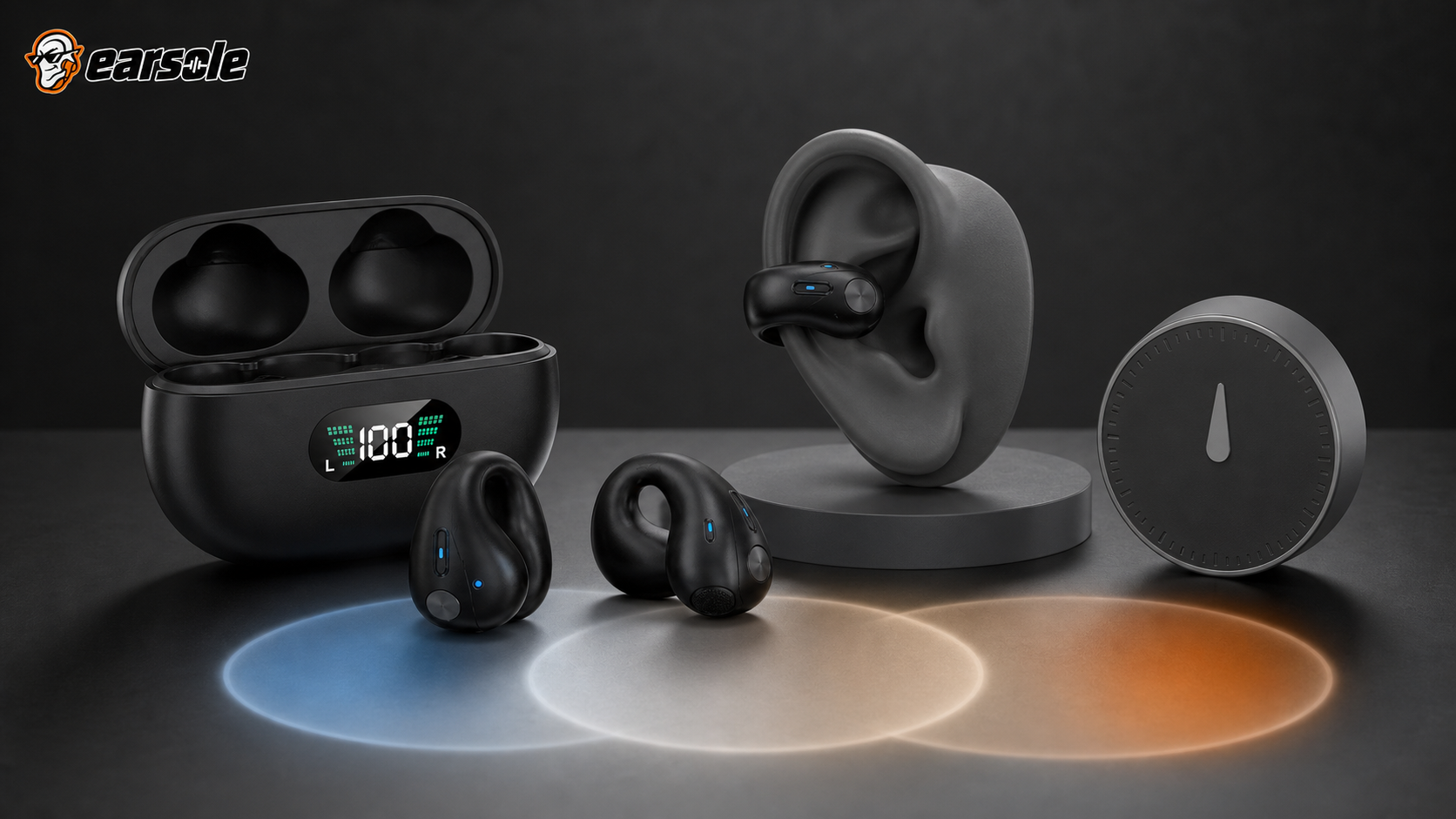
Separate normal awareness, ear fatigue, and true pain in five minutes, then decide whether to refit, change design, rest, or seek care.
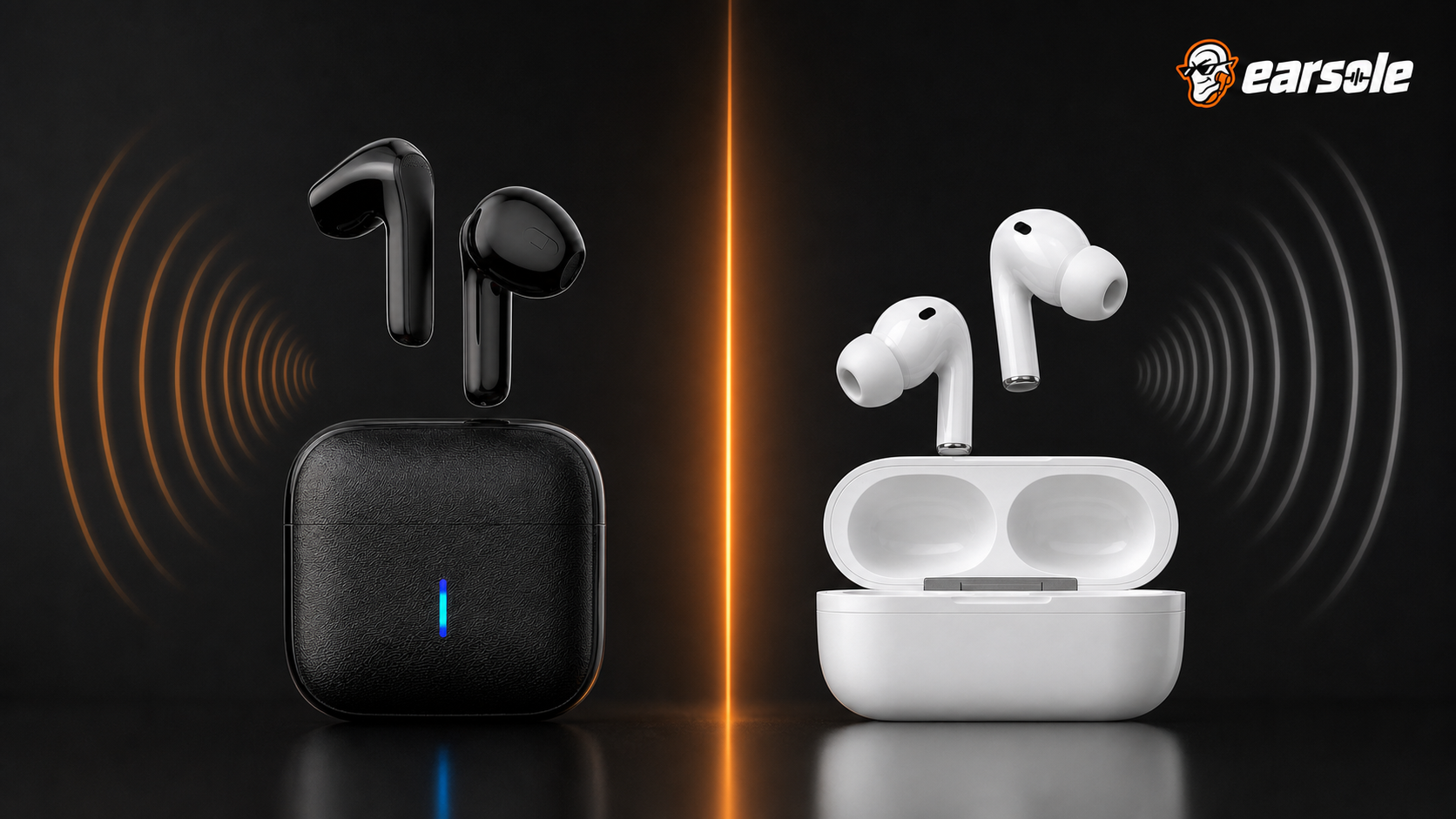
Semi-in-ear, or half in-ear, buds rest at the canal entrance with no tip; in-ear buds seal it. That one difference sets isolation, bass and pressure.
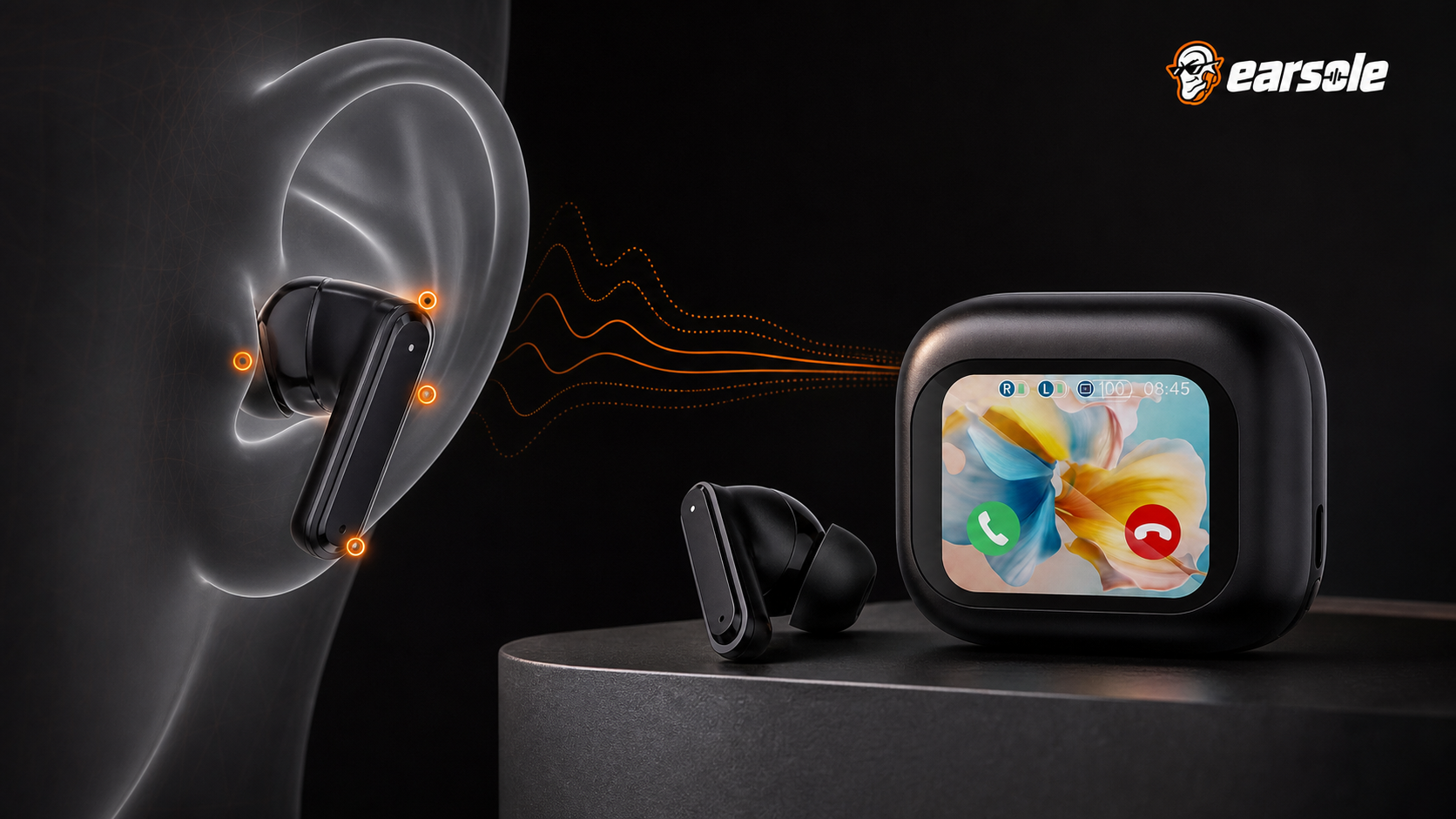
Check earbud fit without an app using pressure, bass symmetry, speech occlusion, and movement, then fix the failing variable in order.
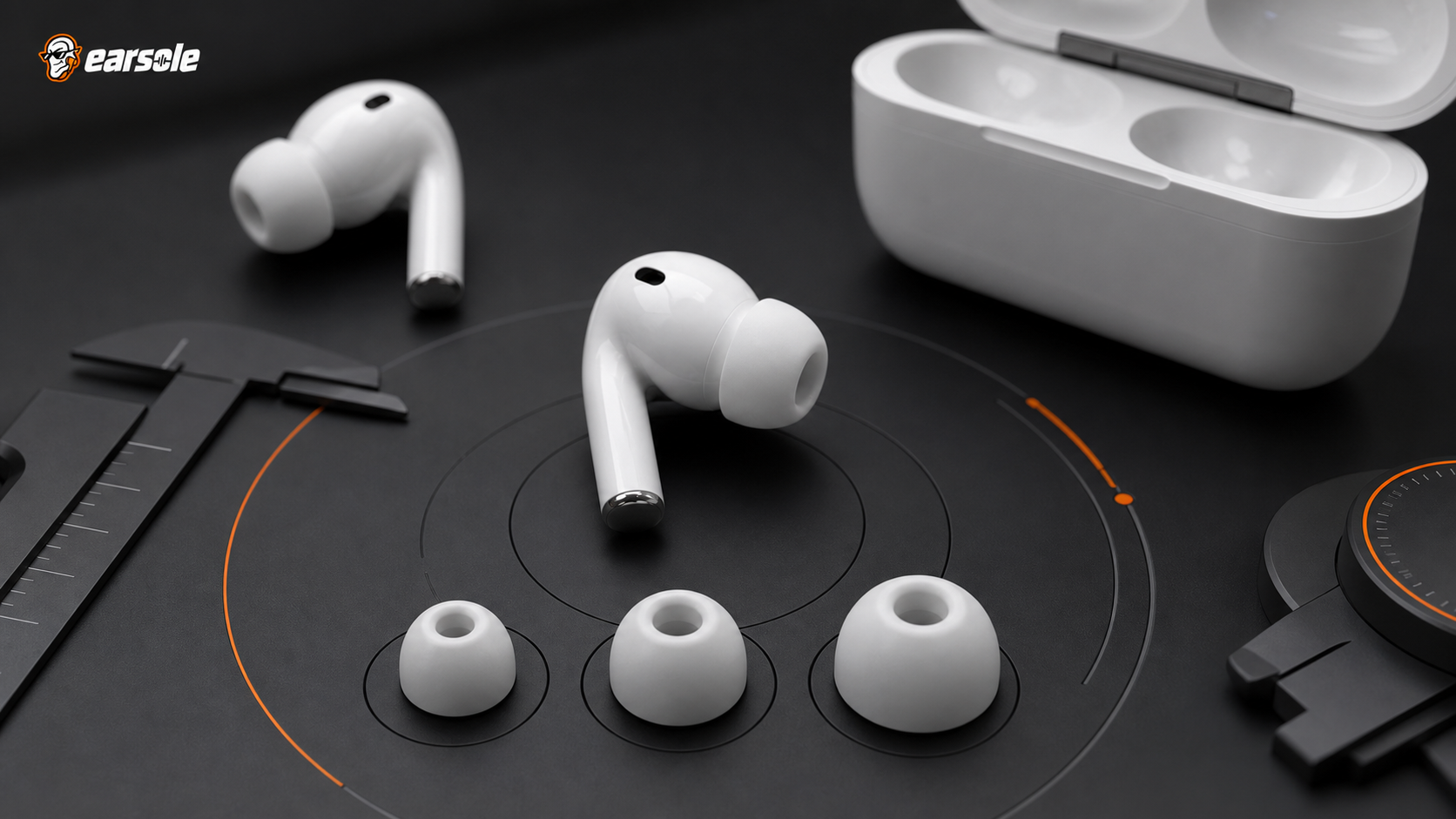
Choose ear-tip size without guessing by checking comfort, seal, stability, and left-right differences in a controlled four-step home test.
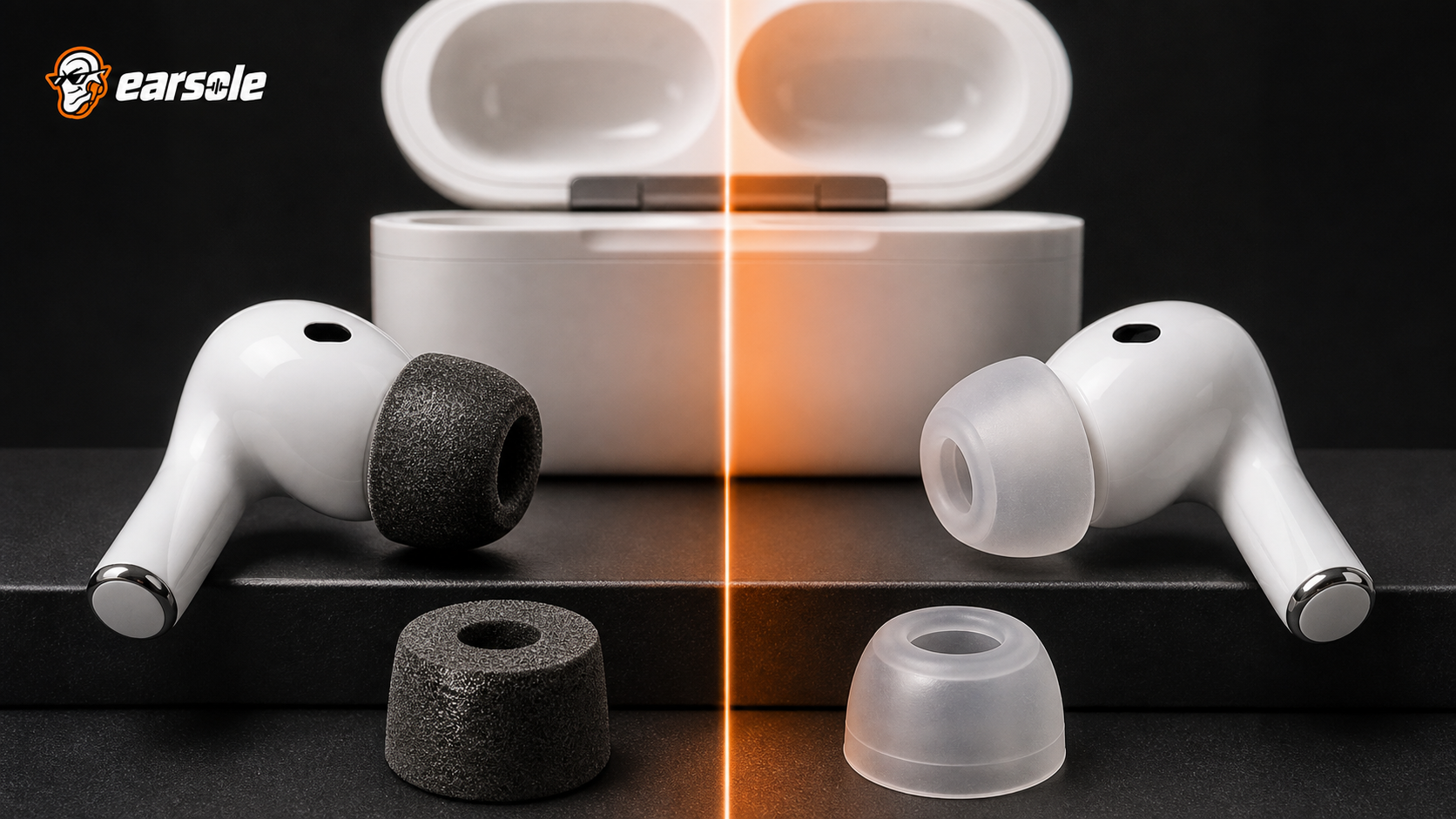
Compare foam and silicone ear tips by seal, pressure, cleaning, durability, sound, and replacement cost, then choose with a controlled fit test.
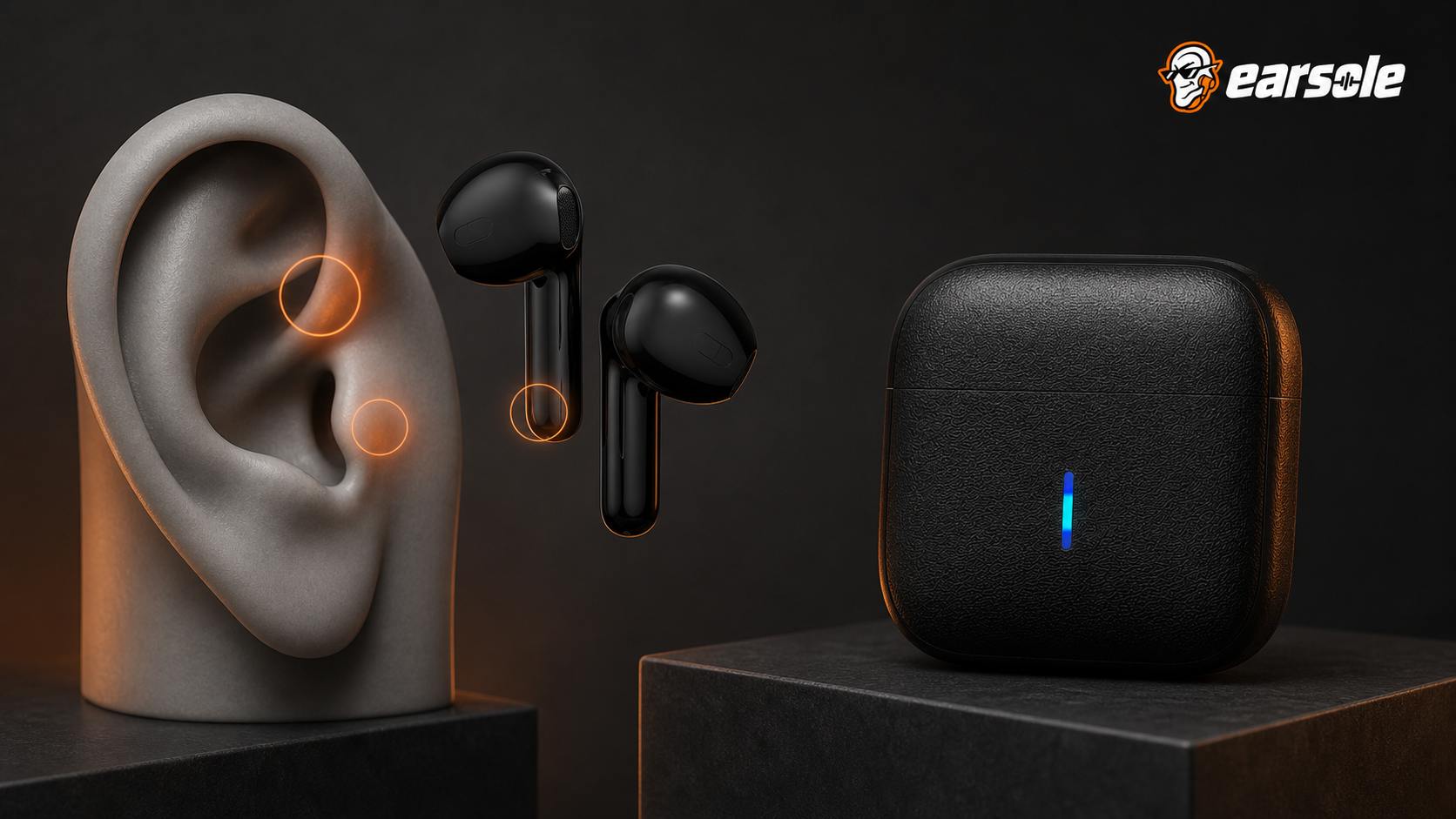
Diagnose earbud pain by location, timing, and trigger, then change one fit variable at a time and know which symptoms mean stop.
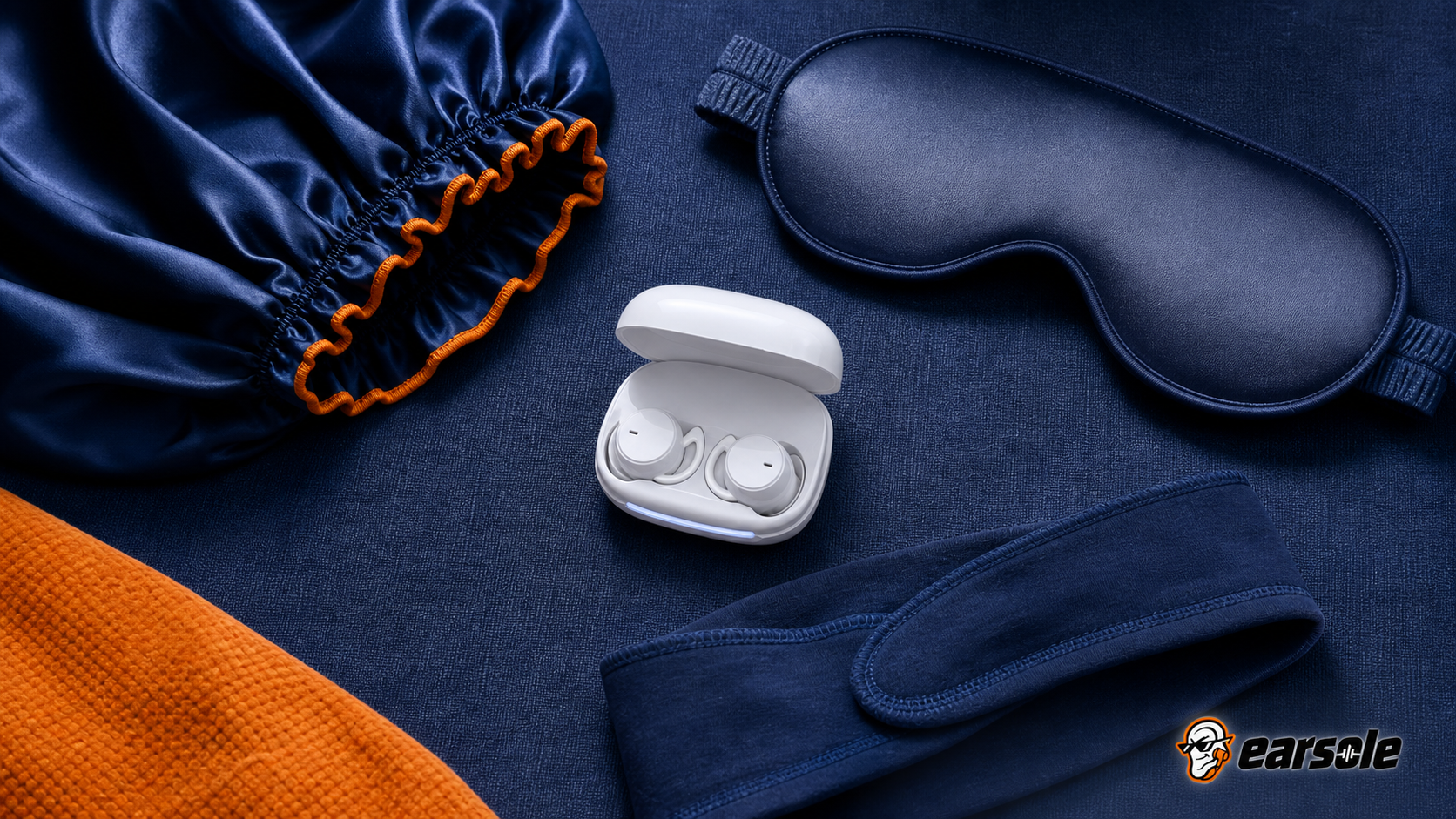
See how bonnets, eye masks, and sleep headbands change earbud pressure, heat, movement, and alarm awareness with a five-minute fit test.
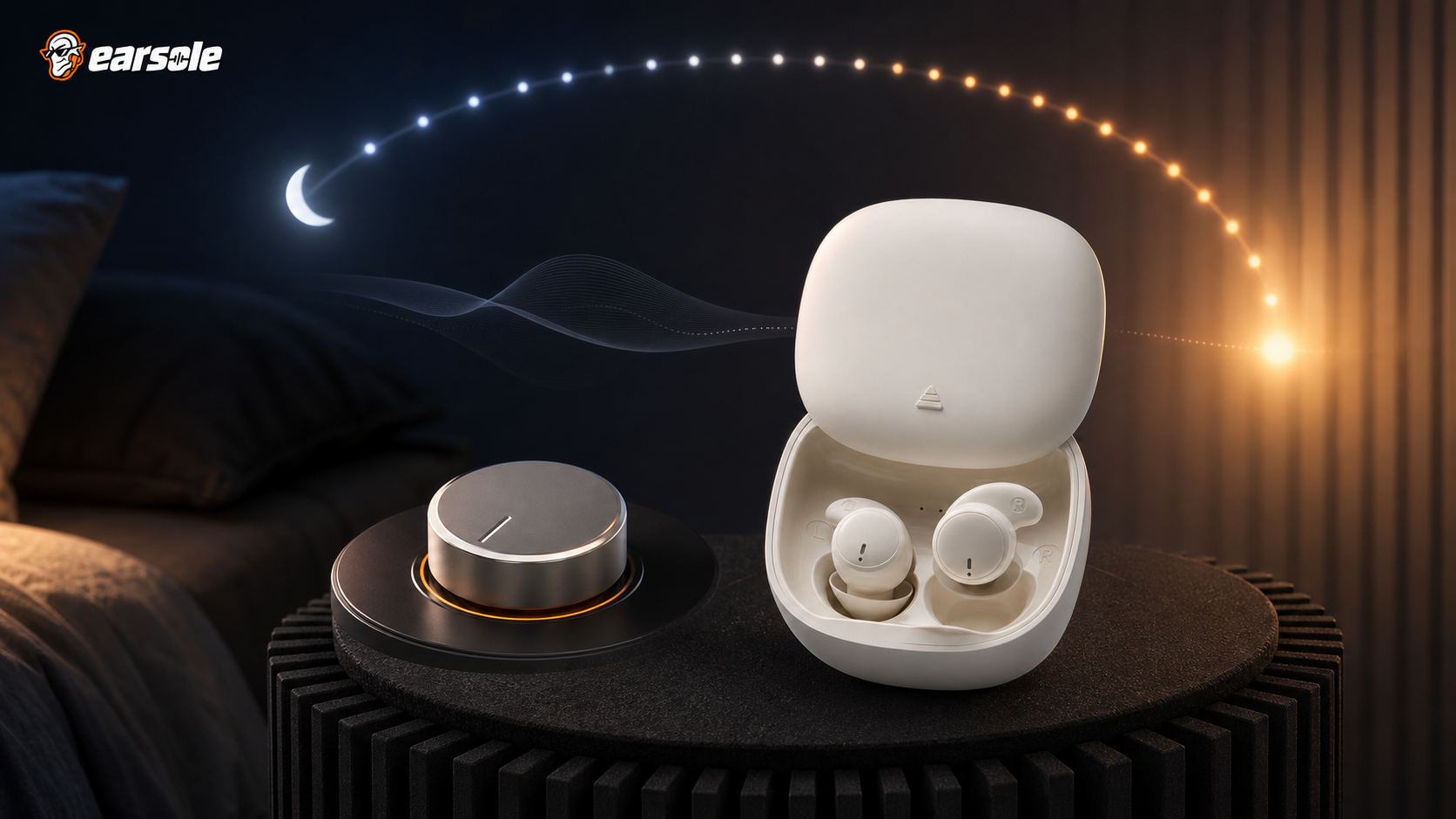
Set a quieter bedtime listening level with a speech test, timer, and morning symptom check instead of relying on a misleading volume percentage.
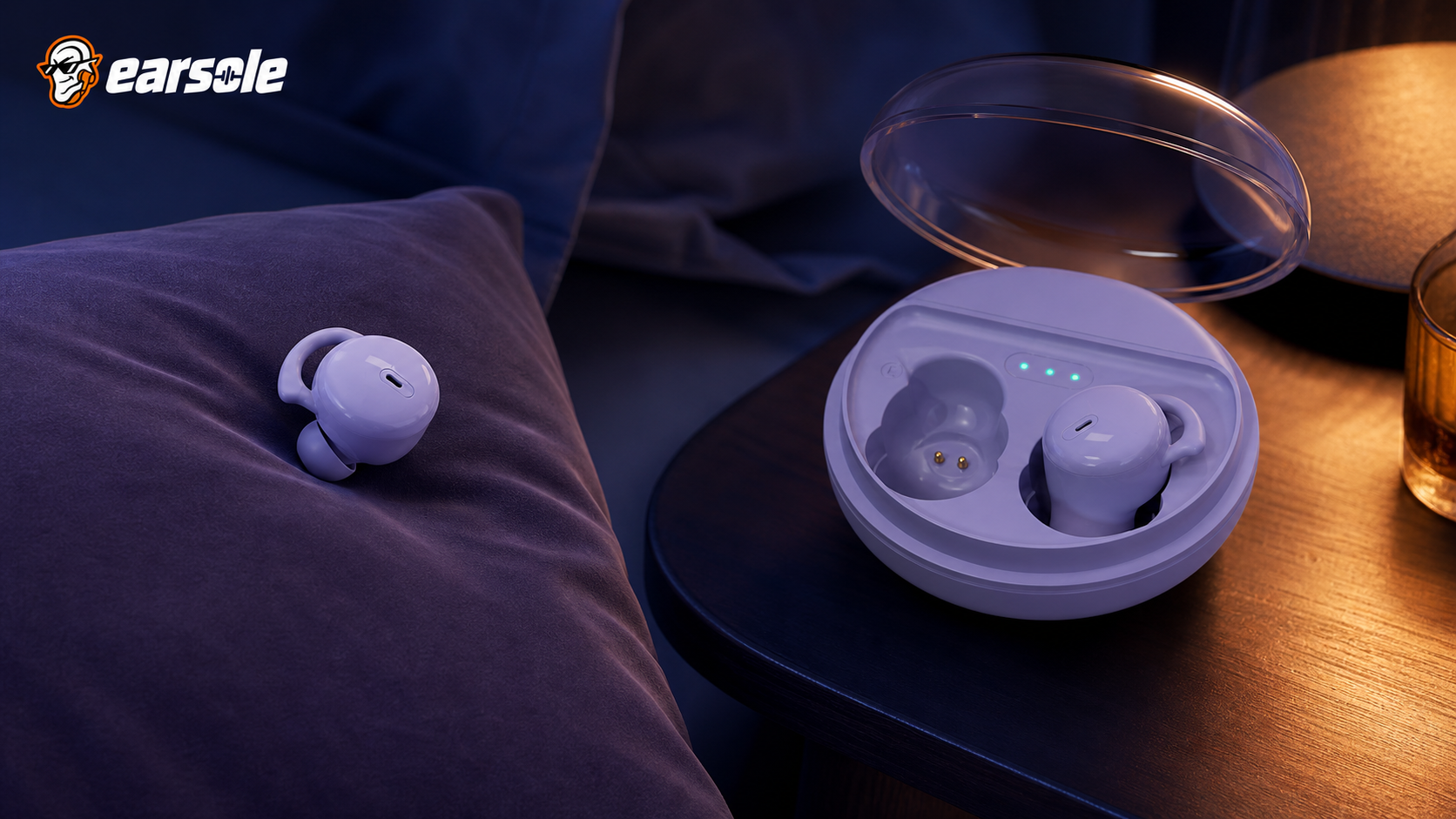
Learn when mono listening with one sleep earbud can reduce pillow pressure, what it cannot solve, and how to keep all audio channels audible.
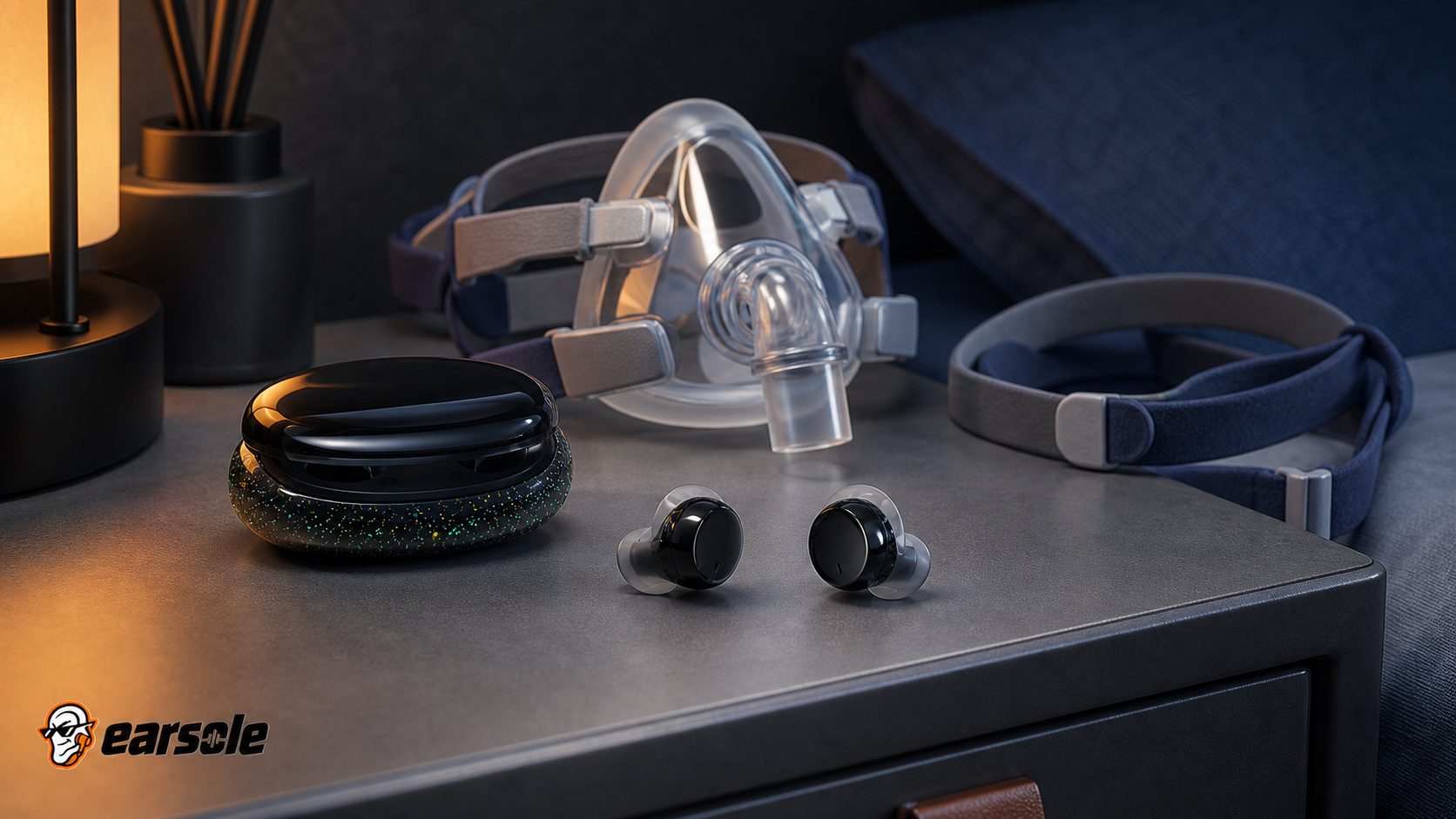
Use a no-pressure checklist for sleeping earbuds with CPAP headgear while protecting mask seal, tubing, alarm awareness, and ear comfort.
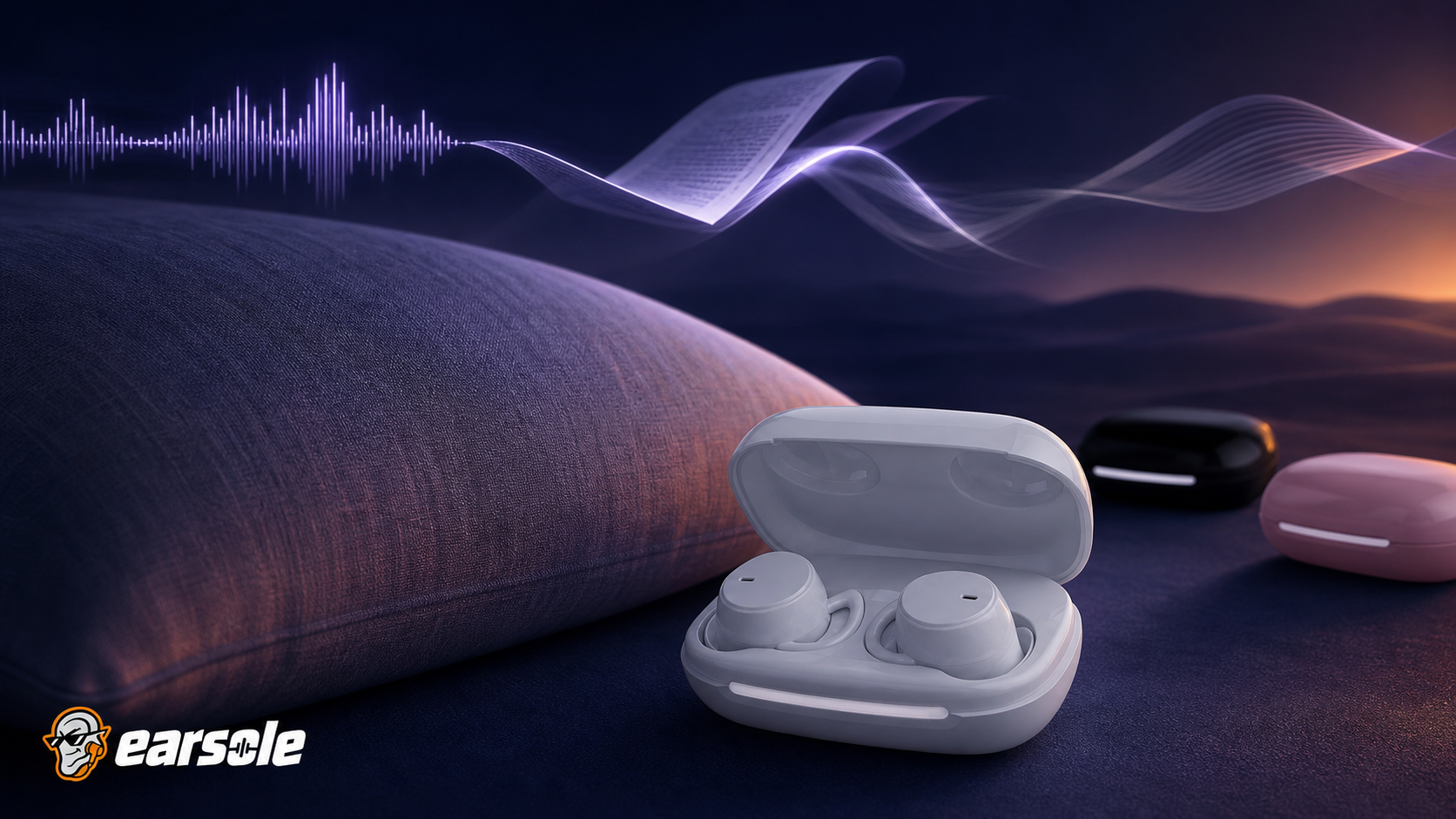
Choose bedtime audio for side sleeping by attention, pressure, and masking needs, not habit, with a simple content ladder and timer plan.
Understand white, pink, and brown noise for sleep, what the evidence can and cannot show, and how to run a low-volume seven-night trial.
Compare masking, passive isolation, ANC, and bedroom changes for a snoring partner, with a practical plan that protects comfort and awareness.
Apple says an iPhone alarm plays through the speaker and connected headphones. Android and Samsung publish no such promise, so rehearse your setup.

Are your wireless earbuds failing to charge when docked in their case? Follow this systematic diagnostic guide to inspect contacts, clear obstructions, and restore power.
Keep your earbuds sounding crisp and charging reliably. Discover safe, effective methods to clean speaker grilles, charging contacts, silicone tips, and the case interior.

Experiencing audio lag while playing mobile games or watching action videos? Learn how low-latency modes work, what delay numbers mean, and how to optimize your setup.

Tired of guessing how much charge is left in your earbud case? Learn how digital LED battery displays work, the different readout styles, and why they add daily convenience.
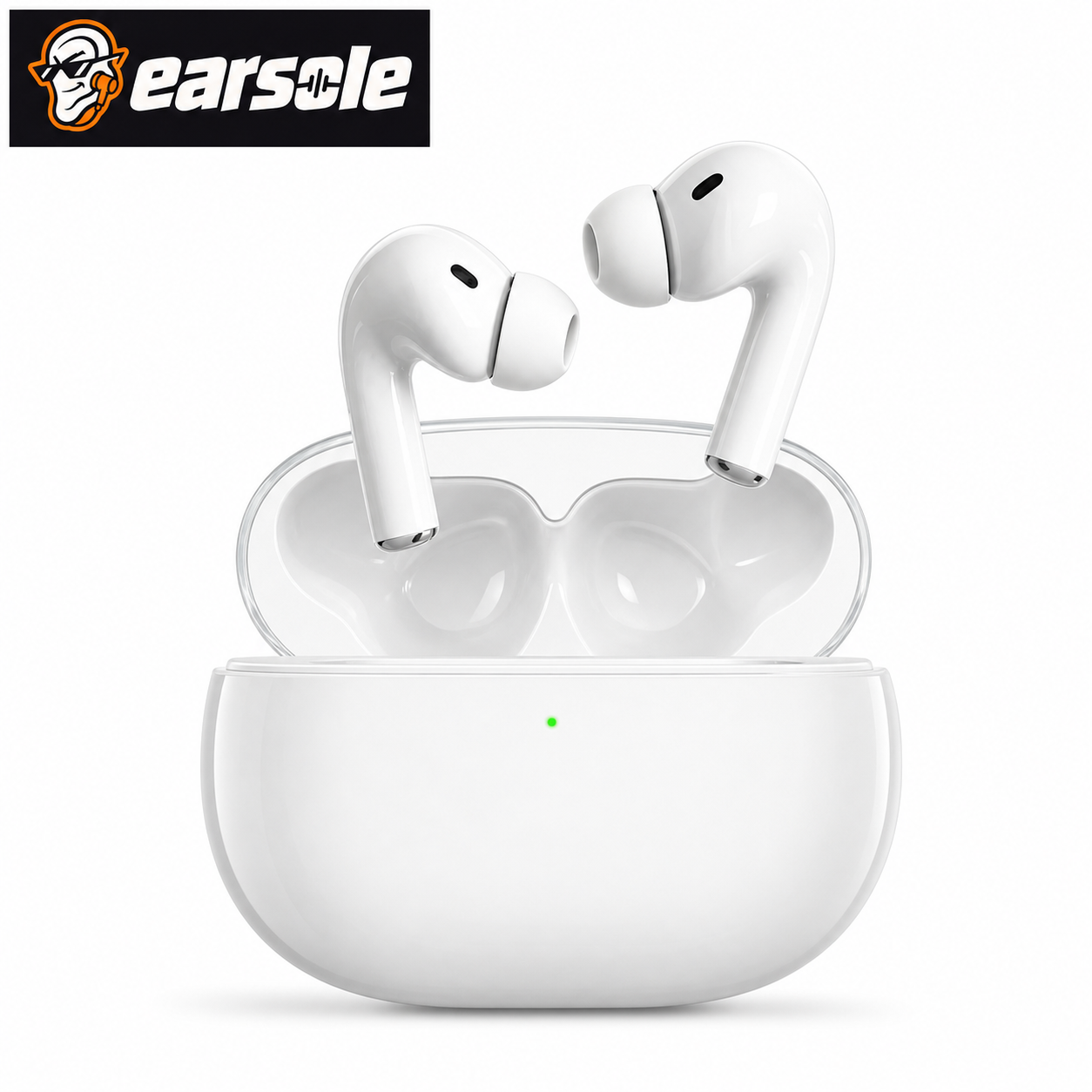
Earbuds with heart-rate monitoring use sensors and software to estimate a fitness signal while you wear them, but that number should not be treated as a

Interested in spatial audio earbuds? Discover how virtual surround processing creates an expanded soundstage for movies, games, and music without requiring multi-speaker setups.

What does Bluetooth 5.4 actually mean for your earbuds? Explore how enhanced efficiency, faster pairing stability, and lower interference improve daily listening.
Struggling with ear canal itchiness, pressure, or contact irritation? Discover skin-friendly silicone, pressure-free open-ear designs, and daily wear guidelines.
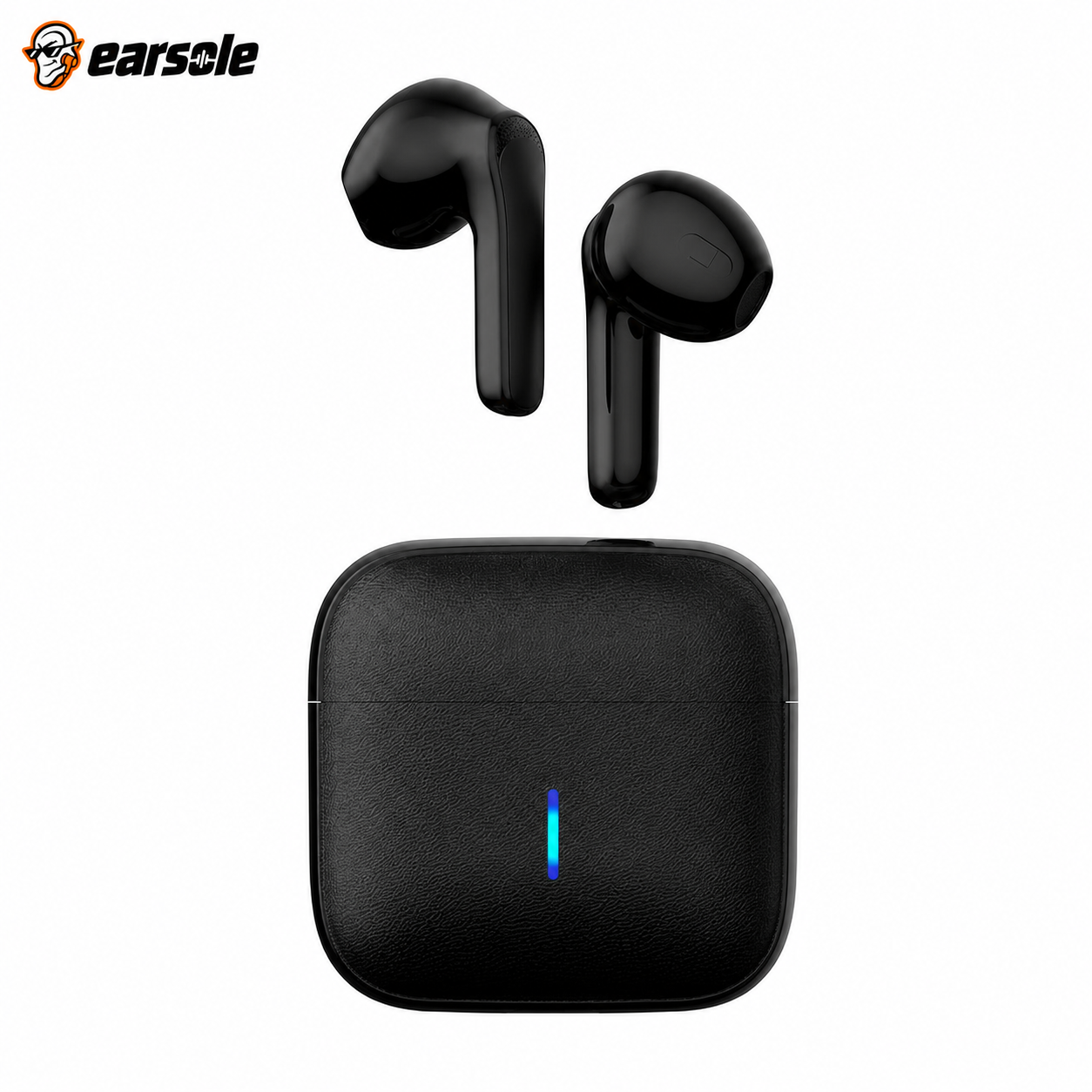
True wireless earbuds are two separate earbuds that connect wirelessly to a phone or other compatible device, usually with a charging case and no cable
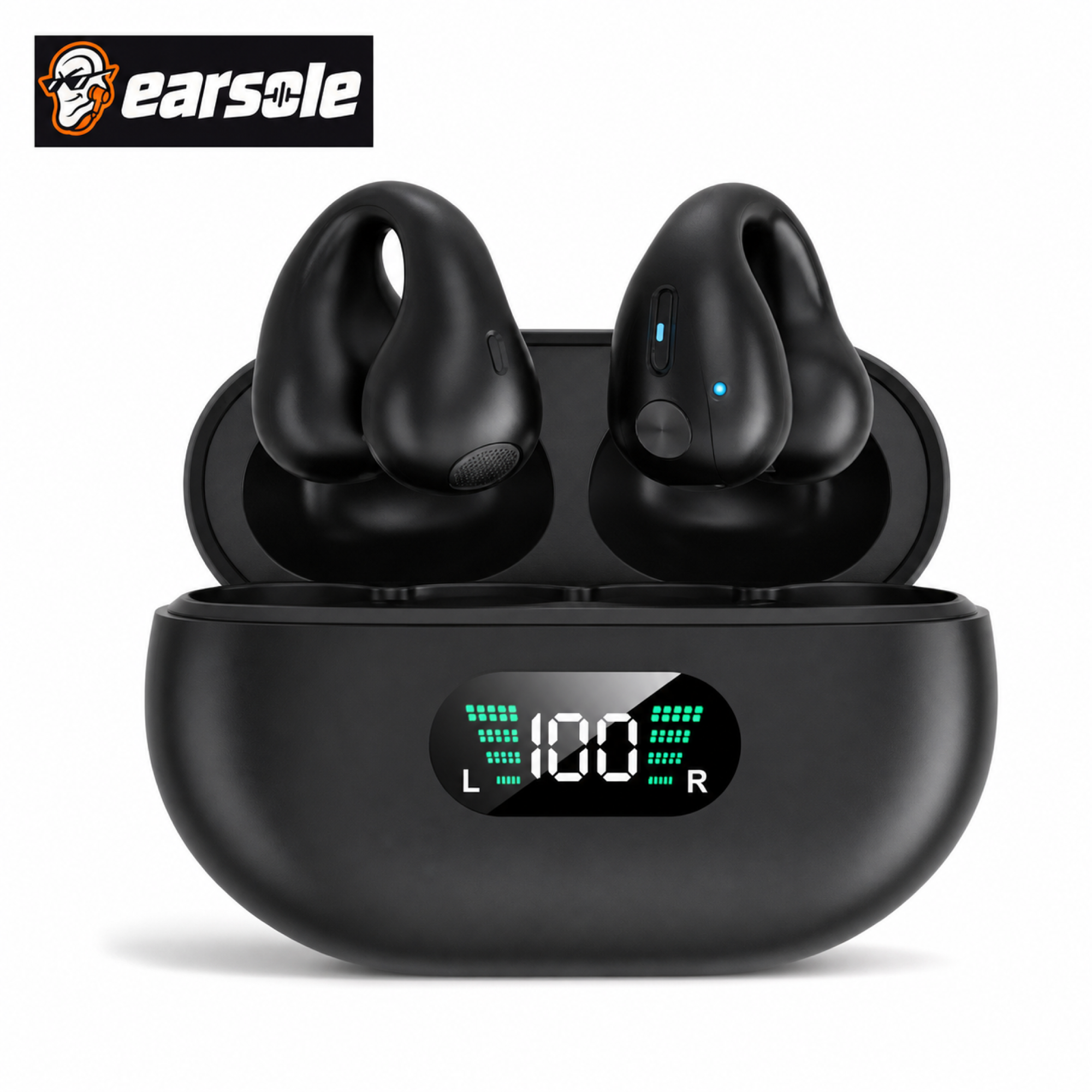
Earbuds and piercings can interfere when the shell, clip or ear hook touches a fresh or sensitive placement. The safest practical rule is to avoid pressure
Do open-ear and clip-on earbuds leak sound to coworkers or people nearby? Learn how directional drivers work, where leakage occurs, and how to test your volume level.
Glasses, mask loops and an earbud clip compete for the same narrow strip of outer ear. Here is the zone map, the order to put them on and take them off, and what our two clip-on pages actually say about frames.

Keep your sleep earbuds hygienic, fresh, and functioning properly. Learn the gentle morning wipe routine, how to protect acoustic mesh, and what cleaning habits to avoid.

Looking for noise cancelling sleep earbuds? Understand why physical acoustic isolation often outperforms bulky active noise cancellation for restful side sleeping.
If your earbuds keep slipping or falling out, the solution depends on their retention mechanism. Explore tips, ear hooks, wings, and clips to lock in your fit.
Clip-on earbuds clip gently around the ear cartilage without entering the canal. Learn how the C-bridge works, how to adjust placement for zero pinch, and who benefits most.
EARSOLE Support
Leave a message for our team
Customer Service
