

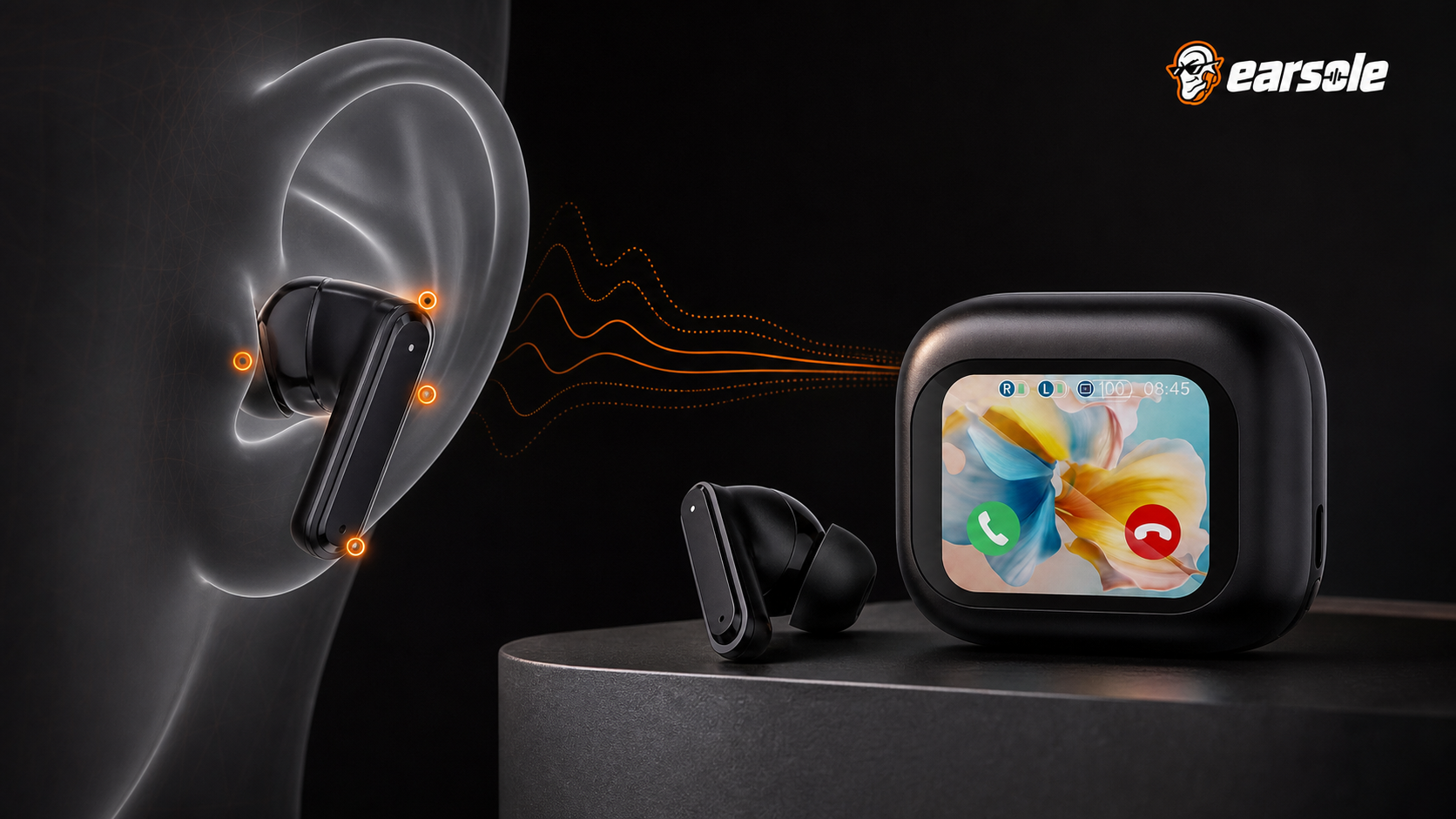
A correct earbud fit feels secure but not pressurized, produces similar bass on both sides, changes your own voice evenly, and survives a gentle movement test. You do not need an app: run pressure, bass, speech, and motion checks in that order. If comfort fails, a “better” acoustic seal is still the wrong fit.
This guide covers earbud fit alongside earbud seal test.
Quick answer
| Check | Pass signal |
|---|---|
| Pressure | No growing hot spot or need to push deeper |
| Bass symmetry | Low tones feel centered and similar left/right |
| Own voice | Occlusion change is similar in both ears and not distressing |
| Movement | Earbuds stay seated during speech and gentle head turns |
Why seal and comfort must be scored separately
A tighter seal can increase bass and passive isolation while also creating excessive pressure. Apple says the tip should make a good seal but advises a smaller tip when the current one feels too large or uncomfortable in its fit guidance. Sony’s airtightness guide similarly distinguishes a gap from an oversized, uncomfortable tip. Comfort is not a bonus metric; it is a pass/fail condition.
Run the four no-app checks
Reset and reseat before changing size. A folded flange or hair caught under a tip can imitate a sizing problem.
- Pressure: wear the earbuds with audio off for five minutes. Any increasing ache, sharp edge, or pulse-like pressure fails.
- Bass symmetry: play a familiar, quiet track with steady low notes. A centered image is more useful than maximum bass.
- Speech occlusion: say a sentence aloud. A sealed fit often makes your voice sound internal; large left-right differences suggest unequal seals.
- Movement: talk, smile, and turn your head gently. Do not jump or force the test. The fit should remain without repeated pushing.
Fix failures in a controlled order
Keep volume fixed and quiet. Raising it can make a leaky fit seem acceptable while increasing exposure. The WHO safe-listening guidance recommends controlling level and duration regardless of fit quality.
| Failure | Adjustment order |
|---|---|
| Pressure | Smaller tip → shallower position → different material/design |
| Weak bass one side | Reseat → inspect tip → change angle → test size |
| Own voice feels unbearable | Reduce seal or choose vented/semi-in-ear design |
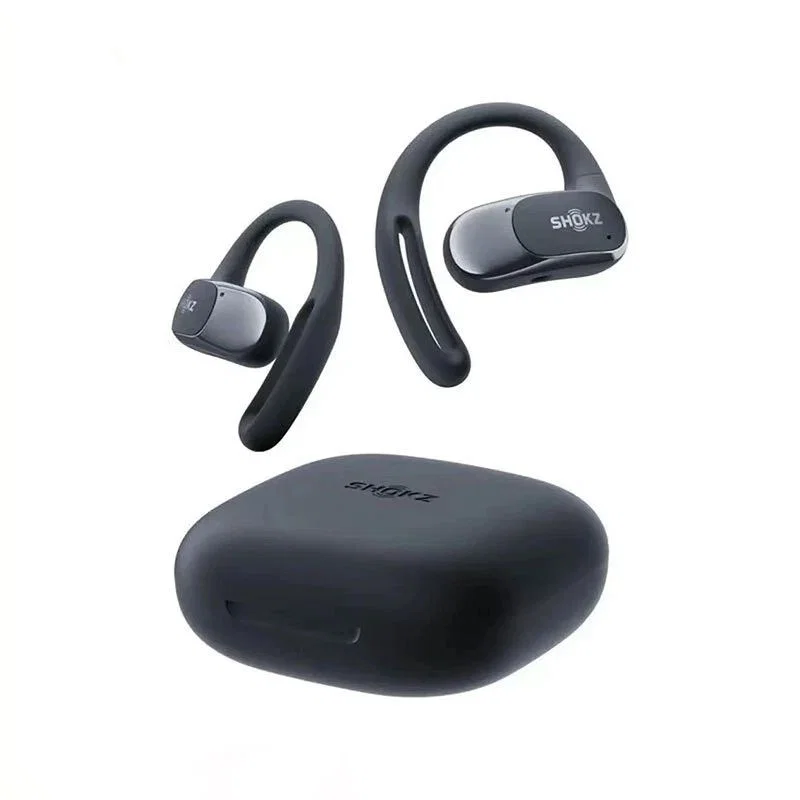
| Motion failure | Dry contact surfaces → rotate shell → test support wing or another shape |
Recheck after time, not just insertion
A five-second seal can fail after heat, jaw movement, sweat, or foam expansion. Repeat the pressure and symmetry checks after 20–30 minutes. Also inspect the tips and nozzle for debris and verify that each tip remains securely attached before removal. A fit that only works when constantly pushed inward is not stable.
Where an EARSOLE model fits
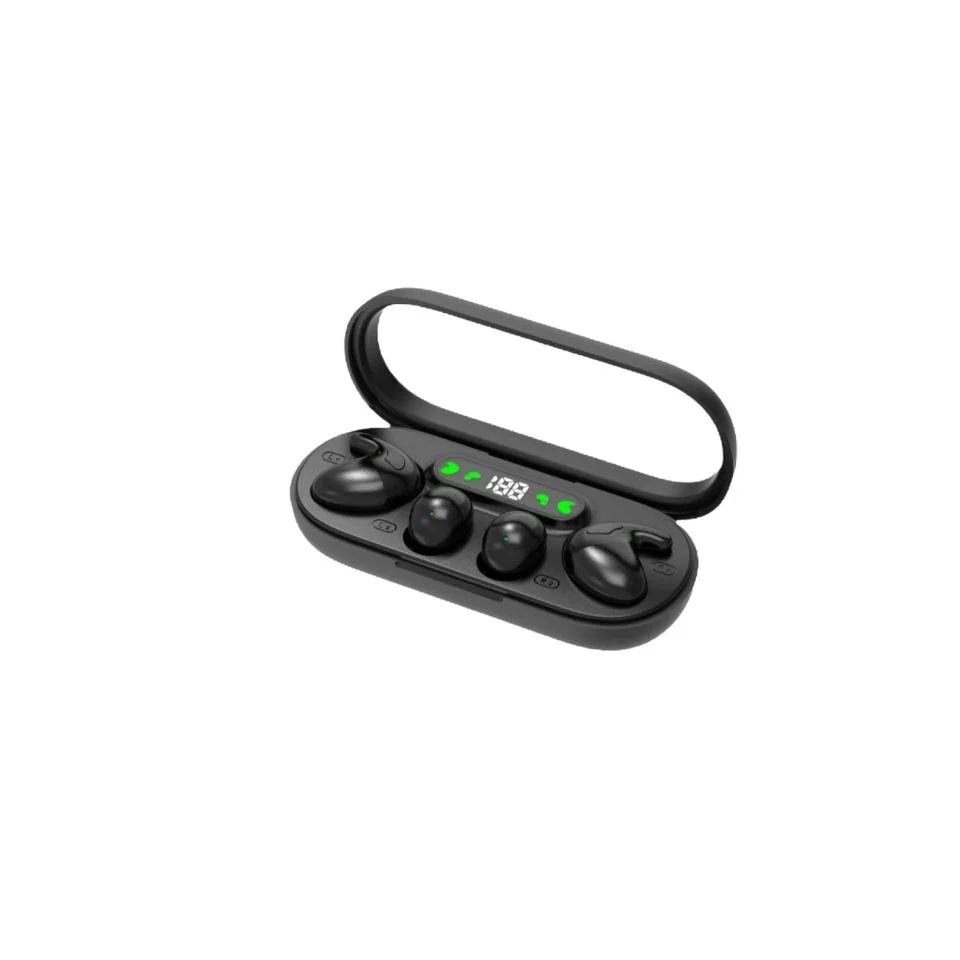
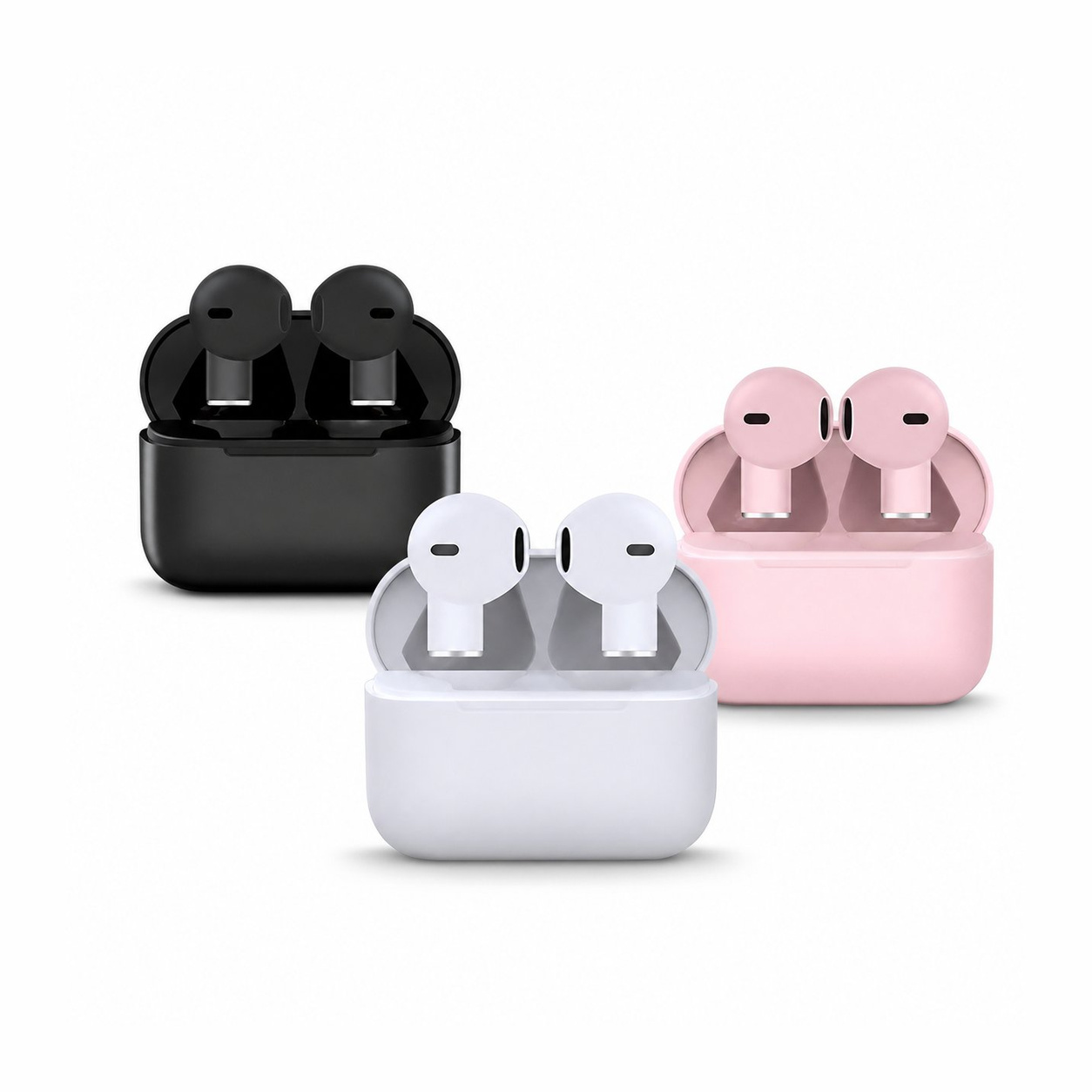
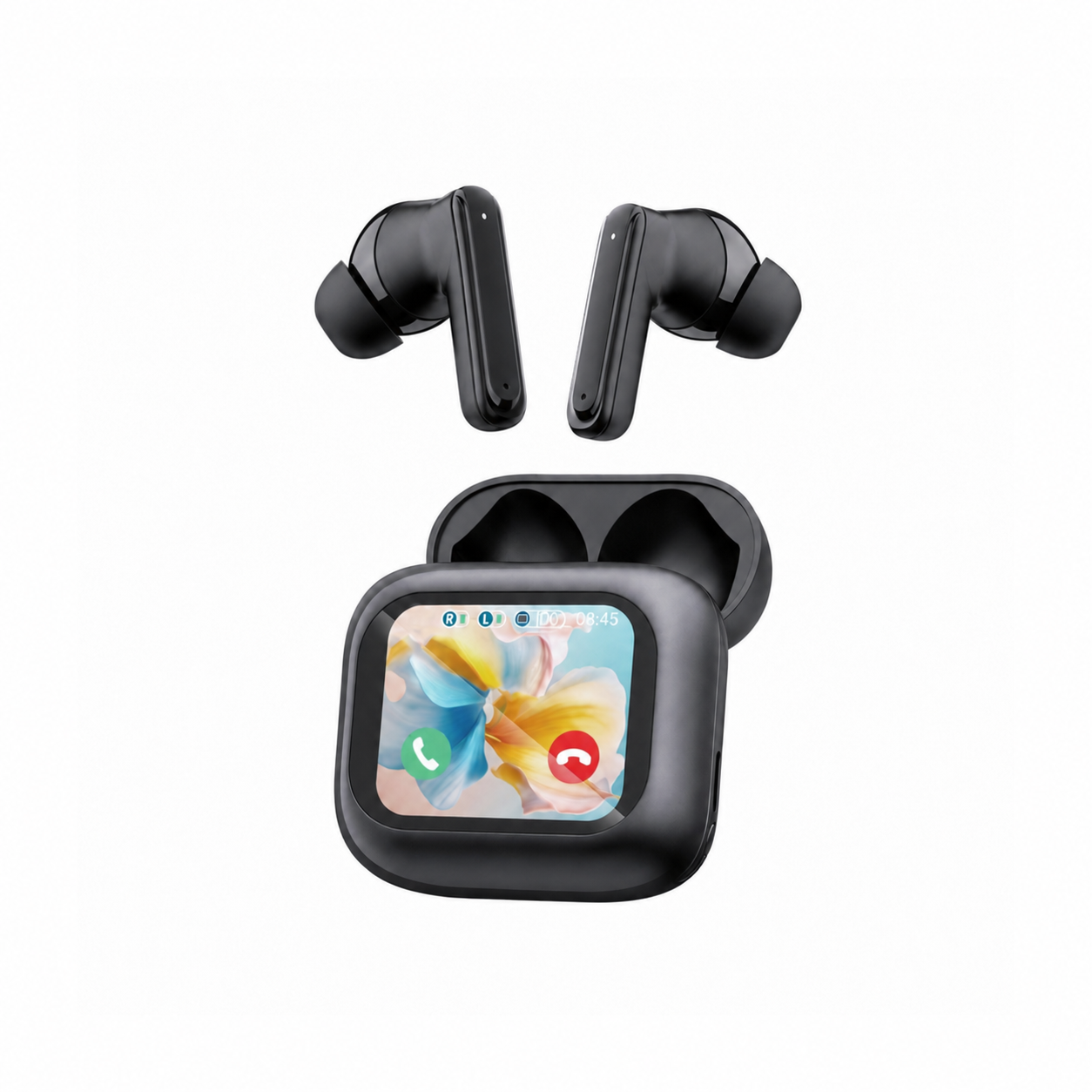
EARSOLE Smart Wireless Earbuds with LCD Touchscreen Case – Bluetooth 5.4 ANC/ENC uses a compact in-ear sports shape with soft silicone tips, Bluetooth 5.4, a built-in microphone, ANC and ENC, and a full-color LCD touchscreen case. Fit affects passive seal and can influence perceived ANC performance, but the screen cannot determine whether the physical tip is comfortable for your anatomy.
The product link is included as a fit example, not proof that one design works for every ear or situation. Match the physical design and documented specifications to the decision rules above.
Frequently asked questions
Does more bass always mean a better seal?
It often signals less leakage, but maximum bass can come with excessive pressure. The best fit produces even, adequate bass and remains comfortable over time.
Why does my voice sound loud inside my head?
A closed ear canal changes how body-conducted sound is perceived; this is commonly called occlusion. If it is distracting, test a smaller or more vented fit rather than forcing adaptation.
Can ANC fix a bad seal?
No. ANC can reduce certain external sounds, but a physical leak and unstable tip remain mechanical problems. Refit first.
Bottom line
Run pressure before sound, then bass symmetry, own-voice balance, and movement. A seal is correct only when it is acoustically even, mechanically stable, and comfortable enough that you stop thinking about it.
Sources and review notes
- Apple ear-tip fit and seal guidance
- Sony ear-tip fit and airtightness guidance
- World Health Organization safe-listening guidance
Written and reviewed by the EARSOLE Editorial Team on July 14, 2026. This is educational buying and troubleshooting guidance, not medical advice. Stop using earbuds and seek qualified care for persistent pain, discharge, sudden hearing change, severe dizziness, or other concerning symptoms.