

Earbuds that won't hurt my ears cannot be guaranteed by any brand or shape, but a five-minute triage can prevent a bad fit from becoming an hour of pain. Test with audio off, label the sensation as awareness, growing fatigue, or pain, and stop immediately for sharp pressure, burning, dizziness, or hearing change.
This guide covers earbuds that won't hurt my ears alongside earbuds for sensitive ears.
Quick answer
| Lane | Sensation | Action |
|---|---|---|
| Green | Light awareness that stays stable | Continue briefly at low volume and recheck |
| Yellow | Growing pressure, heat, itch, or repeated adjustment | Remove, rest, and change one fit variable |
| Red | Sharp pain, discharge, sudden hearing change, severe dizziness | Stop use and seek qualified care |
Run the test with audio off
Sound can distract from the exact contact point. Insert or place the earbuds normally, start a five-minute timer, and keep playback off. At minute one, identify where you feel the device. At minute three, notice whether the sensation is stable or growing. At minute five, speak, smile, and turn your head gently. Remove the device if the sensation enters the yellow or red lane.
Map the failing contact to a design change
| Failing area | Change to test |
|---|---|
| Canal tip | Smaller tip, different material, semi-in-ear, or open-ear |
| Outer bowl/concha | Smaller shell, different rotation, or clip placement |
| Top/behind ear | Reposition hook or separate it from glasses/mask straps |
| Pillow side | Upward-ear mono use, lower profile, or no ear-worn device |
| Sound after-effect | Lower level and shorter duration; do not solve with fit alone |
Add audio only after the fit passes
Begin with familiar speech or music at the lowest clear level and listen for ten minutes. The WHO treats level and duration as the core exposure controls and recommends professional review for persistent tinnitus or hearing difficulty. If a comfortable shell leaves you ringing or muffled, the problem is not solved by the fit.
Do not shop through clinical warning signs
The NHS lists pain, fullness, itching, discharge, and hearing difficulty among ear-infection symptoms and identifies urgent patterns. Cleveland Clinic also advises stopping overnight earbud use for pain, hearing changes, or infection signs. Persistent or severe symptoms need qualified care, not a seventh ear-tip order.
Where an EARSOLE model fits
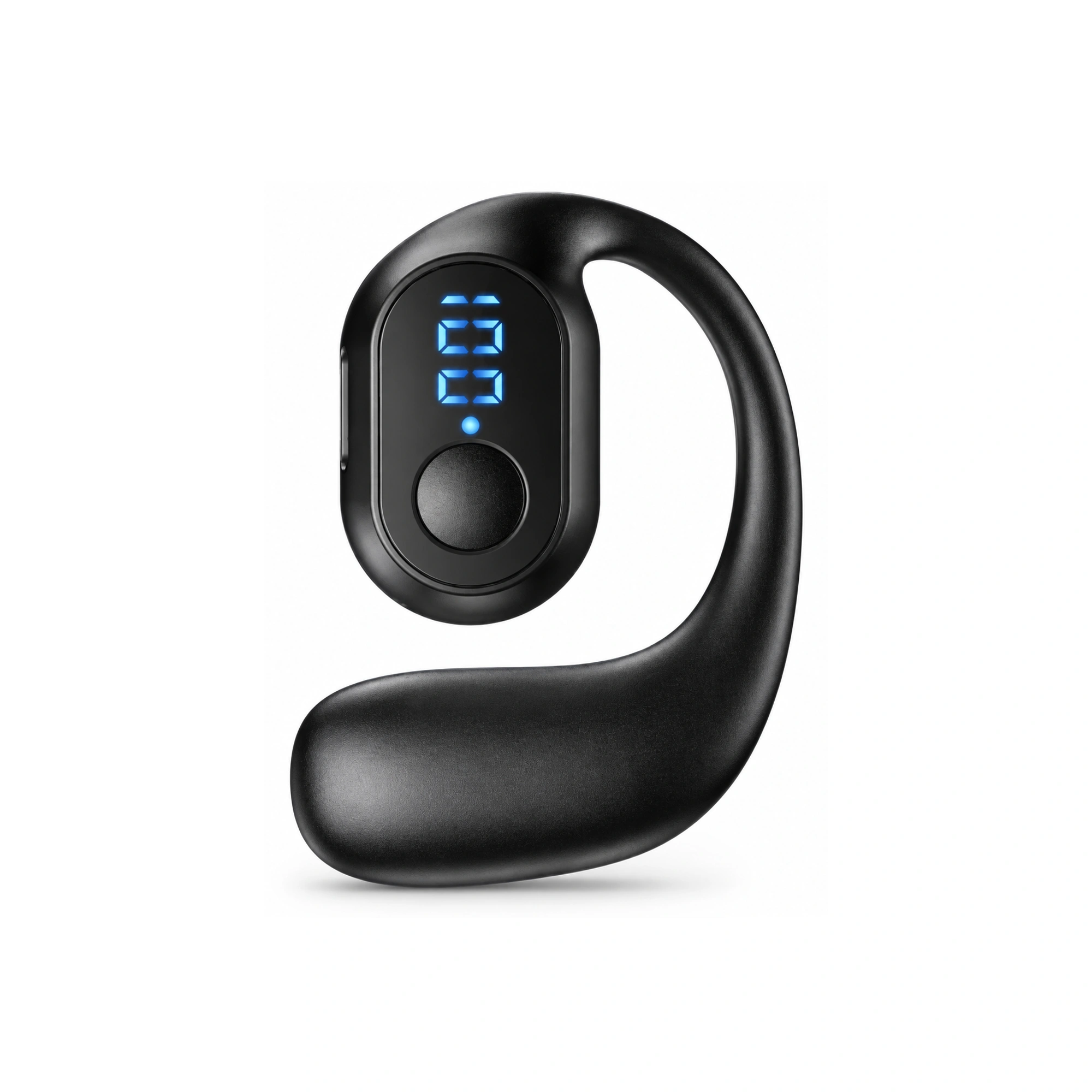
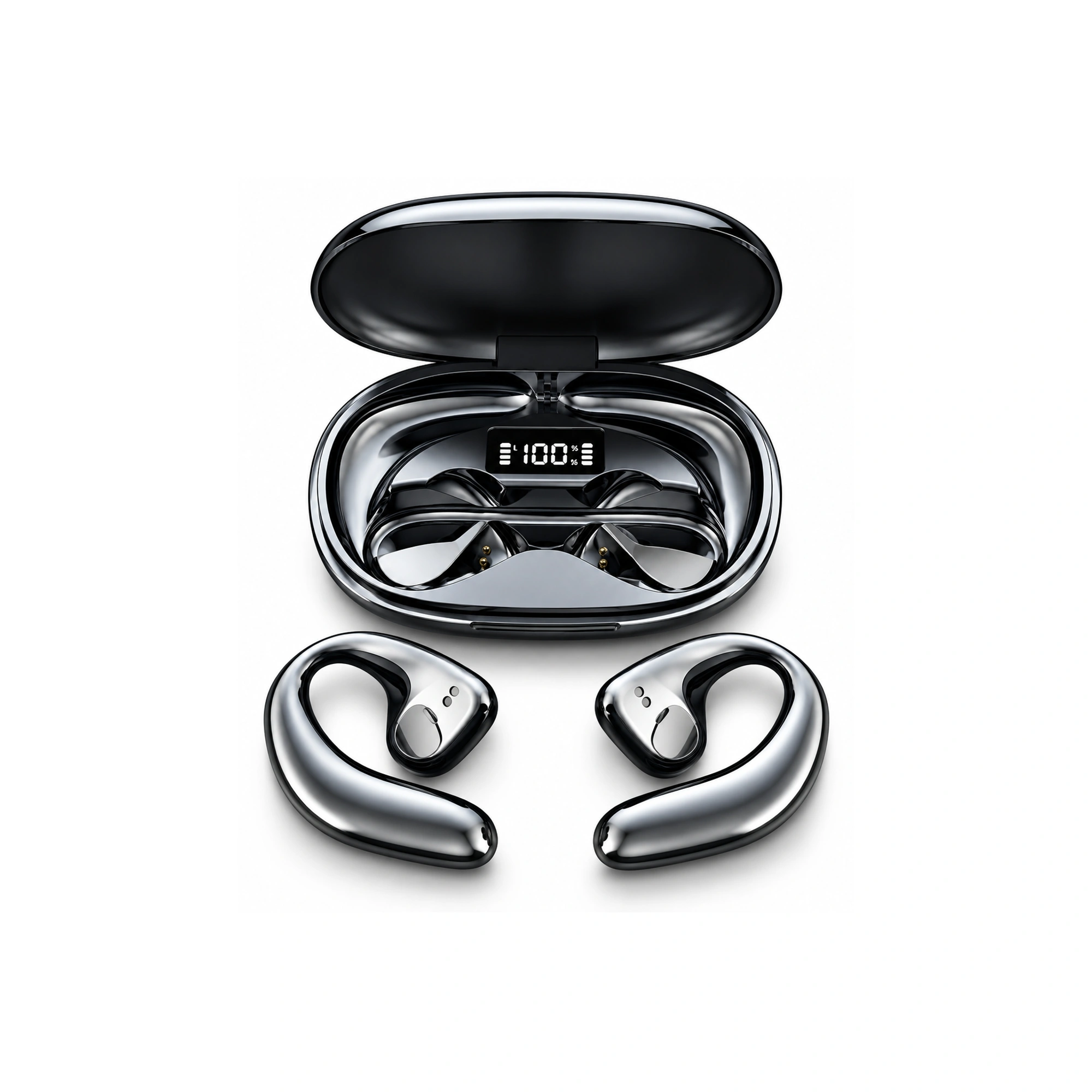
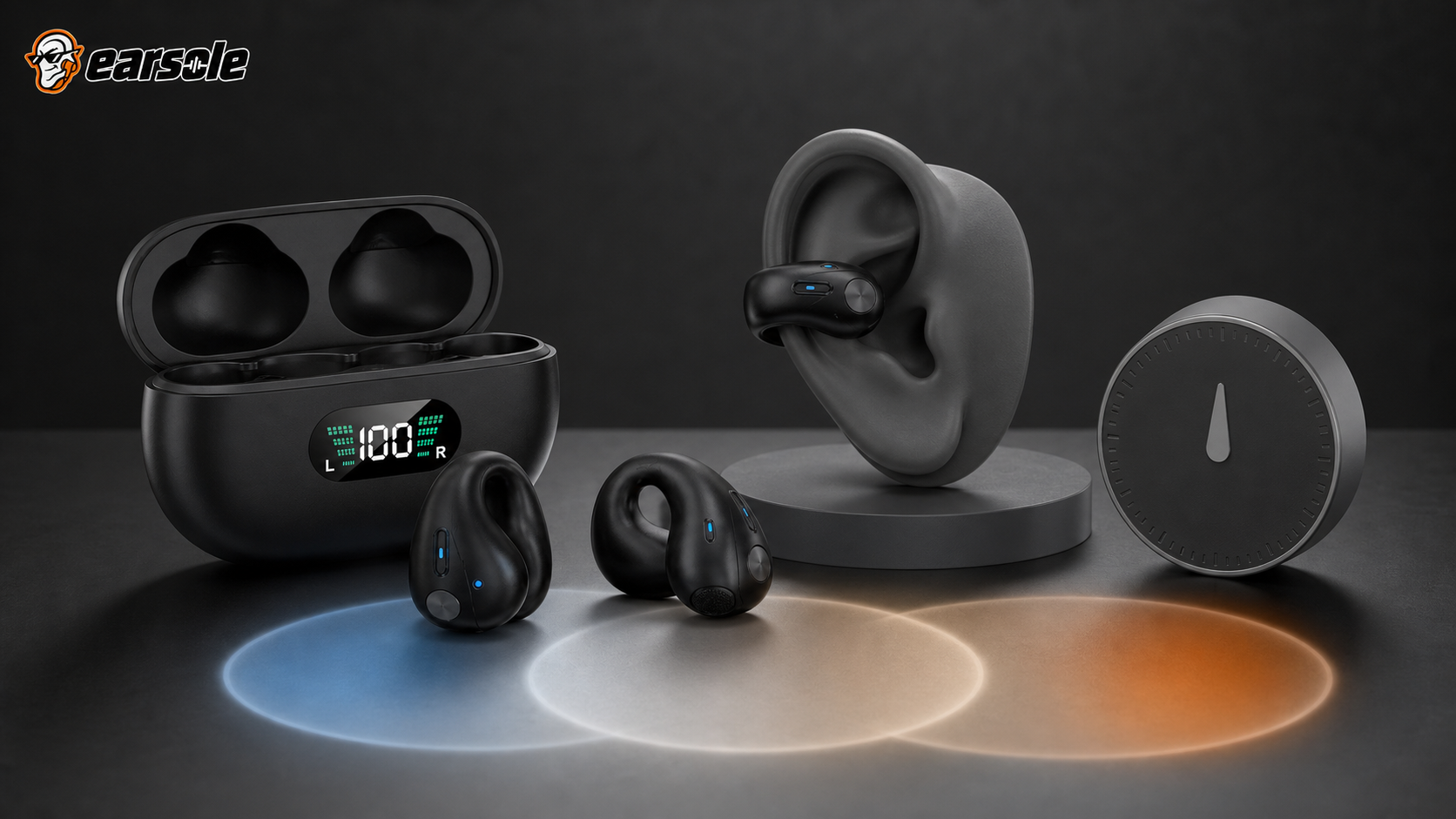
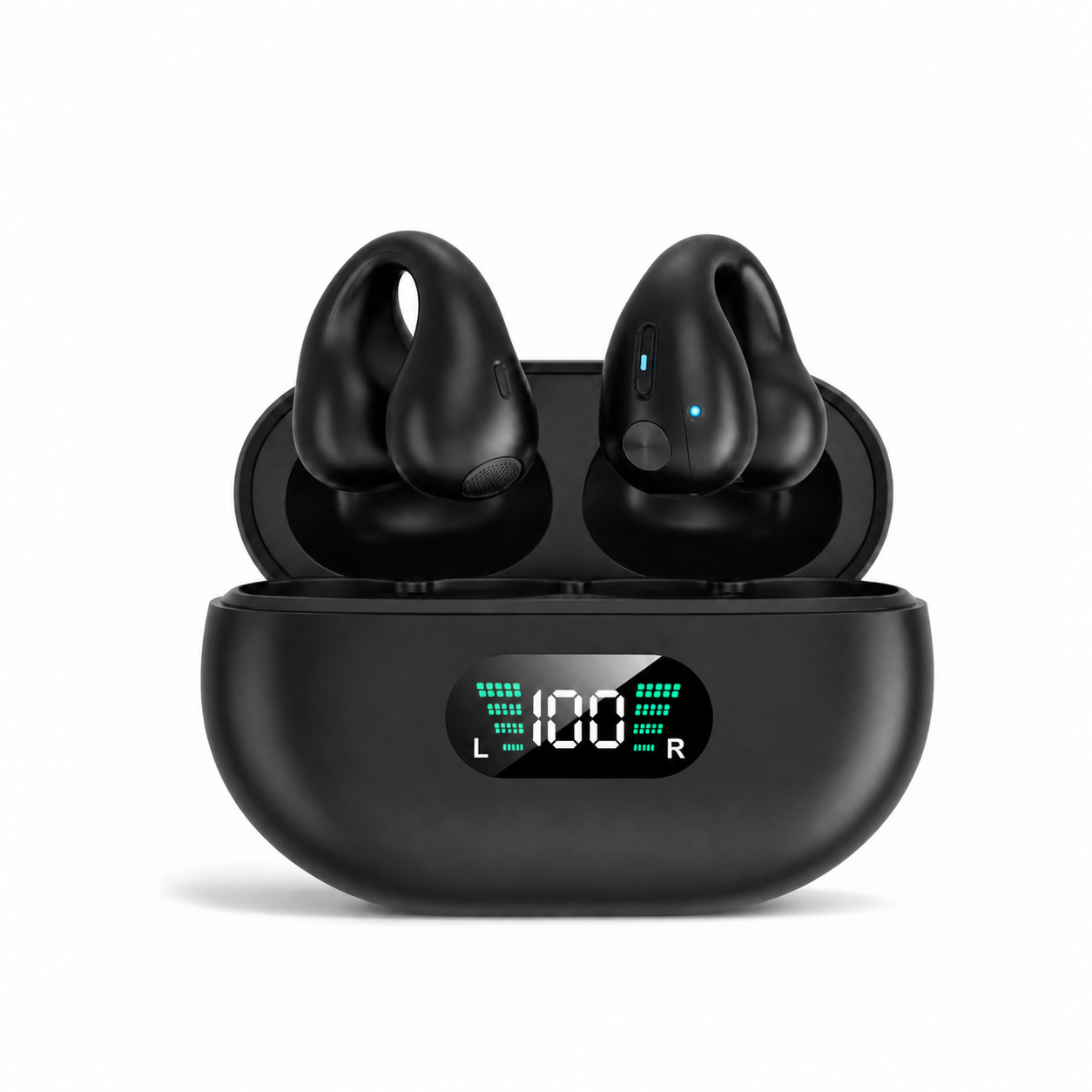
EARSOLE Open-Ear Clip-On Wireless Earbuds with LED Charging Case sits outside the ear canal in a lightweight black clip-on form, uses touch controls for music and calls, and includes a USB-C LED-display case. It has no ANC and is explicitly not water-resistant. The open-ear design removes canal-tip pressure but can still pinch the outer ear if positioned poorly.
The product link is included as a fit example, not proof that one design works for every ear or situation. Match the physical design and documented specifications to the decision rules above.
Frequently asked questions
Are open-ear earbuds always better for sensitive ears?
They remove the in-canal tip, which can help one pressure pattern, but clips and speaker pods create outer-ear contact. Test placement and clamp sensation with audio off.
How long should I rest sore ears?
Do not retest while the ear is still tender. If discomfort persists, recurs immediately, or includes hearing or infection symptoms, seek professional advice.
Can lower volume fix physical pain?
No. Lower volume addresses sound exposure; it cannot remove shell pressure, tip expansion, friction, or a pinching clip. Treat mechanical and acoustic problems separately.
Bottom line
No earbud is pain-proof, but bad fits reveal themselves quickly when tested without audio. Use the green/yellow/red lanes, change the failing contact—not everything at once—and stop shopping when symptoms need care.
Sources and review notes
- NHS ear-infection symptoms and escalation guidance
- World Health Organization safe-listening guidance
- Cleveland Clinic guidance on sleeping with earbuds
Written and reviewed by the EARSOLE Editorial Team on July 14, 2026. This is educational buying and troubleshooting guidance, not medical advice. Stop using earbuds and seek qualified care for persistent pain, discharge, sudden hearing change, severe dizziness, or other concerning symptoms.