

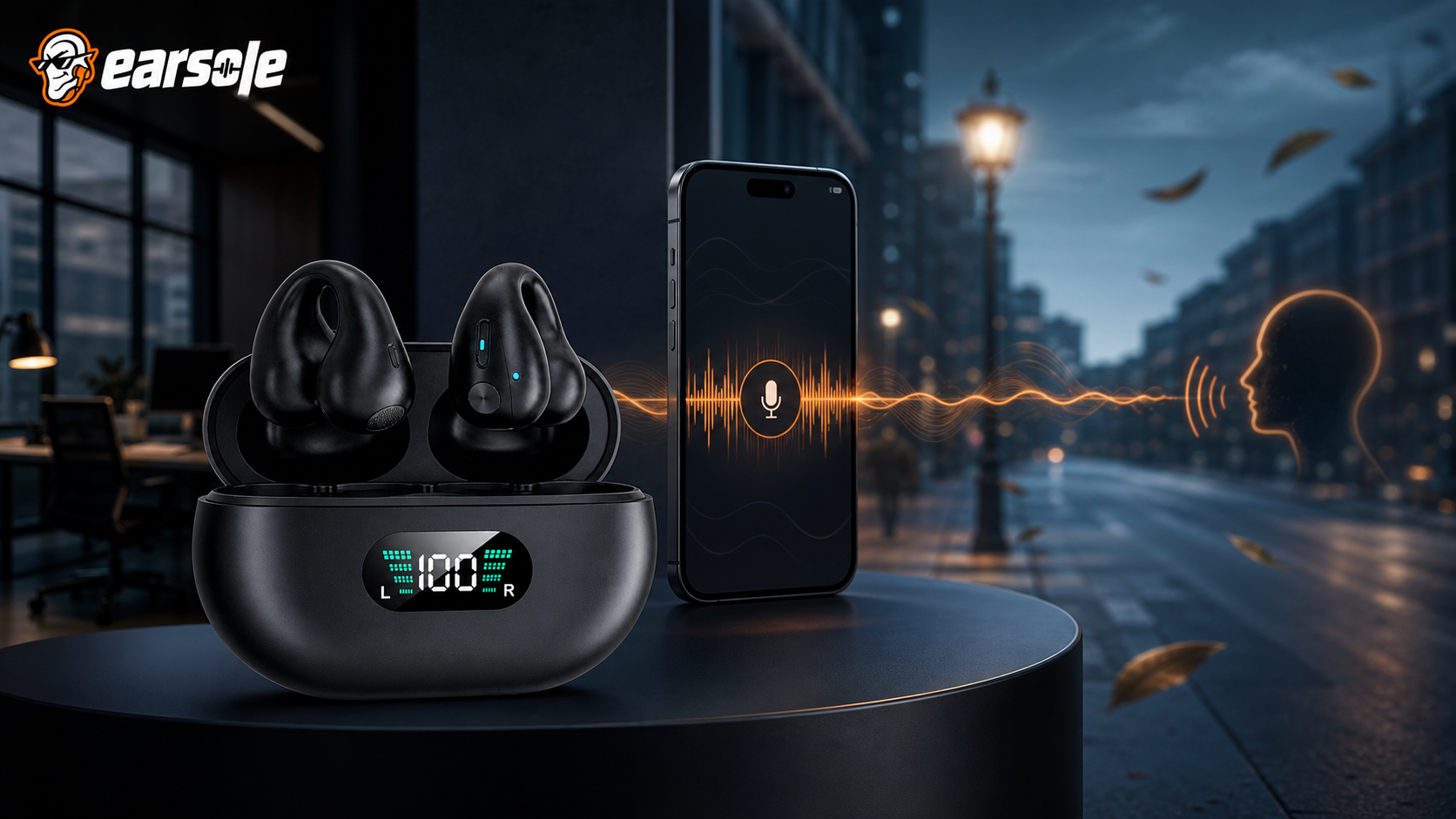
Open ear earbuds with microphone support should be judged from the other person's recording, not by what you hear in your own ears. Call quality depends on microphone position, input routing, room noise, wind, network compression, and the listener’s speaker. Record a fixed script in quiet and noise before trusting a sales label.
This guide covers open ear earbuds with microphone alongside open-ear call quality.
Quick answer
| Test | What it isolates |
|---|---|
| Local voice memo | Microphone, routing, and nearby noise without call-network compression |
| Second-device call | Real call processing and listener-side intelligibility |
| Fan/wind test | Air movement across microphone ports |
| Pocket/phone-distance test | Whether the phone silently became the active input |
Start by proving which microphone is active
A connected earbud can play call audio while an app still uses the phone or computer microphone. On iPhone, Apple’s microphone troubleshooting guide uses Voice Memos playback as a clarity check. Windows provides a built-in Start test/Stop test/Play workflow under Sound input settings in Microsoft Support. During a test, move the phone several feet away and lightly cover its microphone—without touching the earbuds—to see whether the recording changes.
Use the Other-Person Test
Read the same 20-second script every time: your name, five numbers, a sentence with S and F sounds, and a sentence spoken softly. Do not compare different conversations.
- Record in a quiet room at normal speaking volume.
- Repeat beside moderate household noise, such as a fan at a fixed distance.
- Repeat while walking in light outdoor air; do not create unsafe distraction.
- Make a real call to a second device and save a recording only with consent and where lawful.
- Score intelligibility, loudness consistency, background dominance, and word dropouts—not “studio quality.”
Separate microphone limits from open-ear playback
Open-ear describes how you hear, not necessarily how the microphone captures. The open canal lets more room sound mix with playback, which can tempt you to raise call volume, but it does not automatically make your transmitted voice better or worse. Microphone port location, processing, wind, and device routing remain separate variables. Keep listening level controlled; the WHO recommends managing level and duration even for calls.
Match the design to the call environment
| Environment | Open-ear advantage | Likely limitation |
|---|---|---|
| Quiet office | Awareness of colleagues and door cues | Sound leakage at high playback volume |
| Home desk | Comfort without a canal seal | Room echo or appliances may reach the mic |
| Street | Situational awareness | Traffic and wind can reduce caller intelligibility |
| Plane/subway | Awareness remains | Lack of seal may drive playback too loud |
Where an EARSOLE model fits
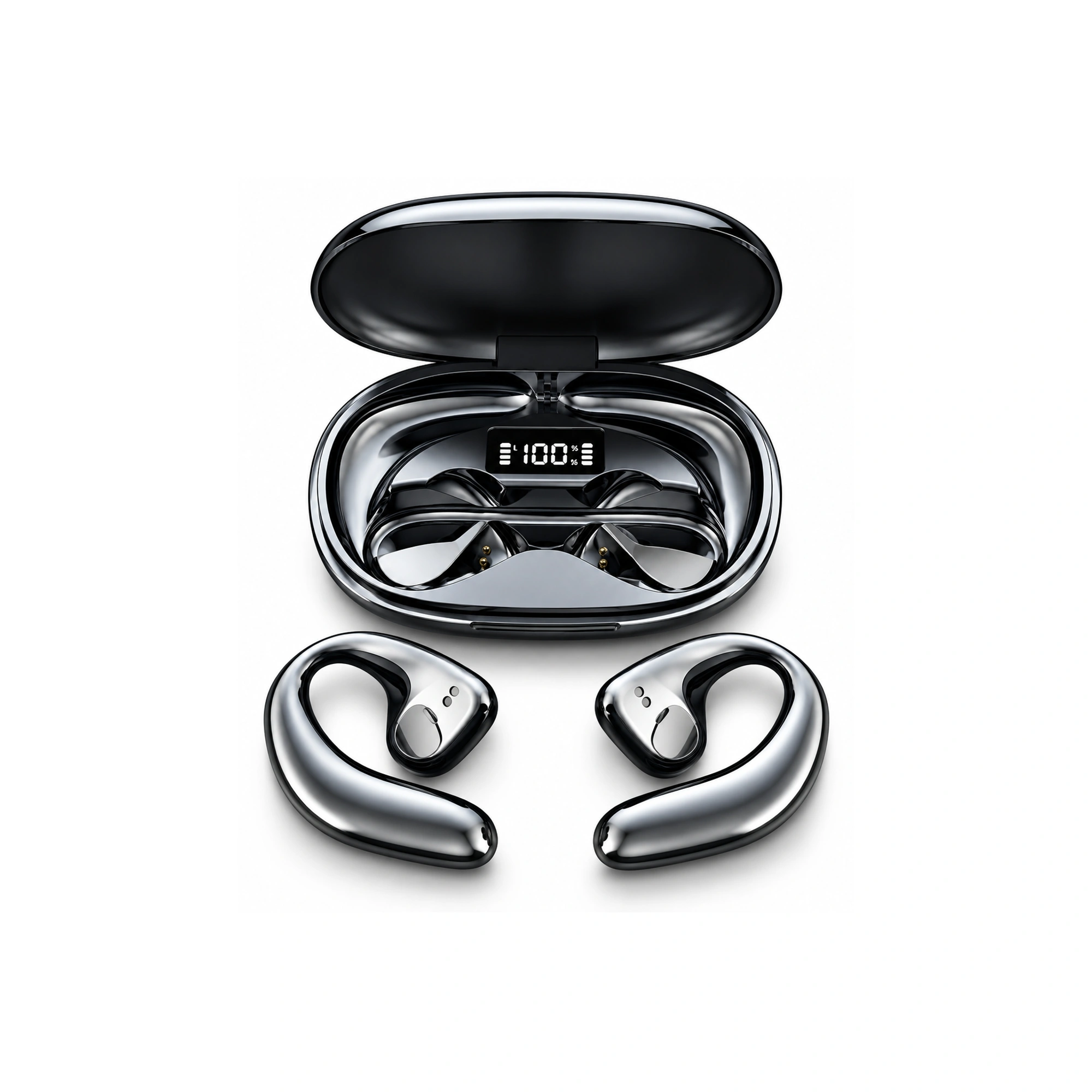
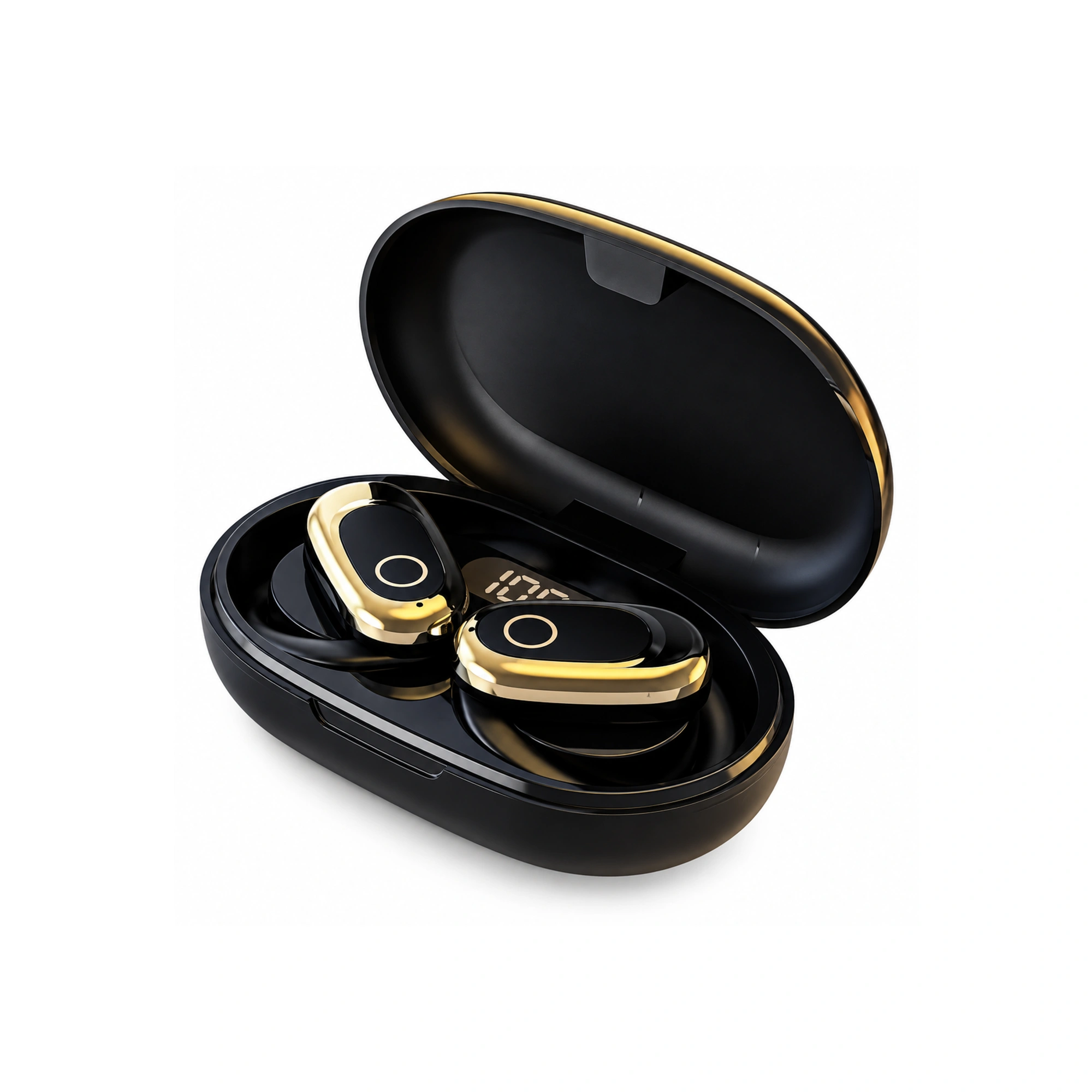
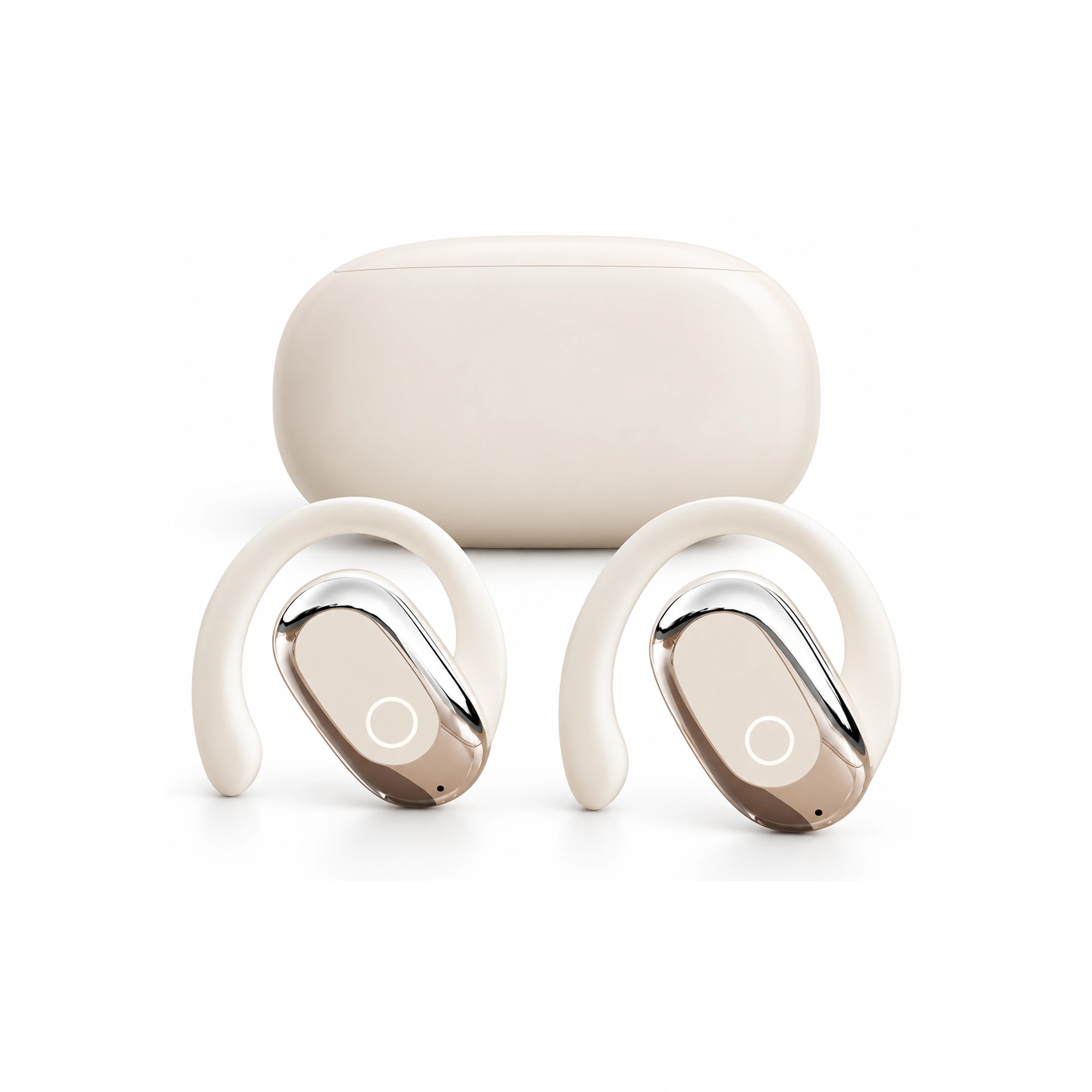
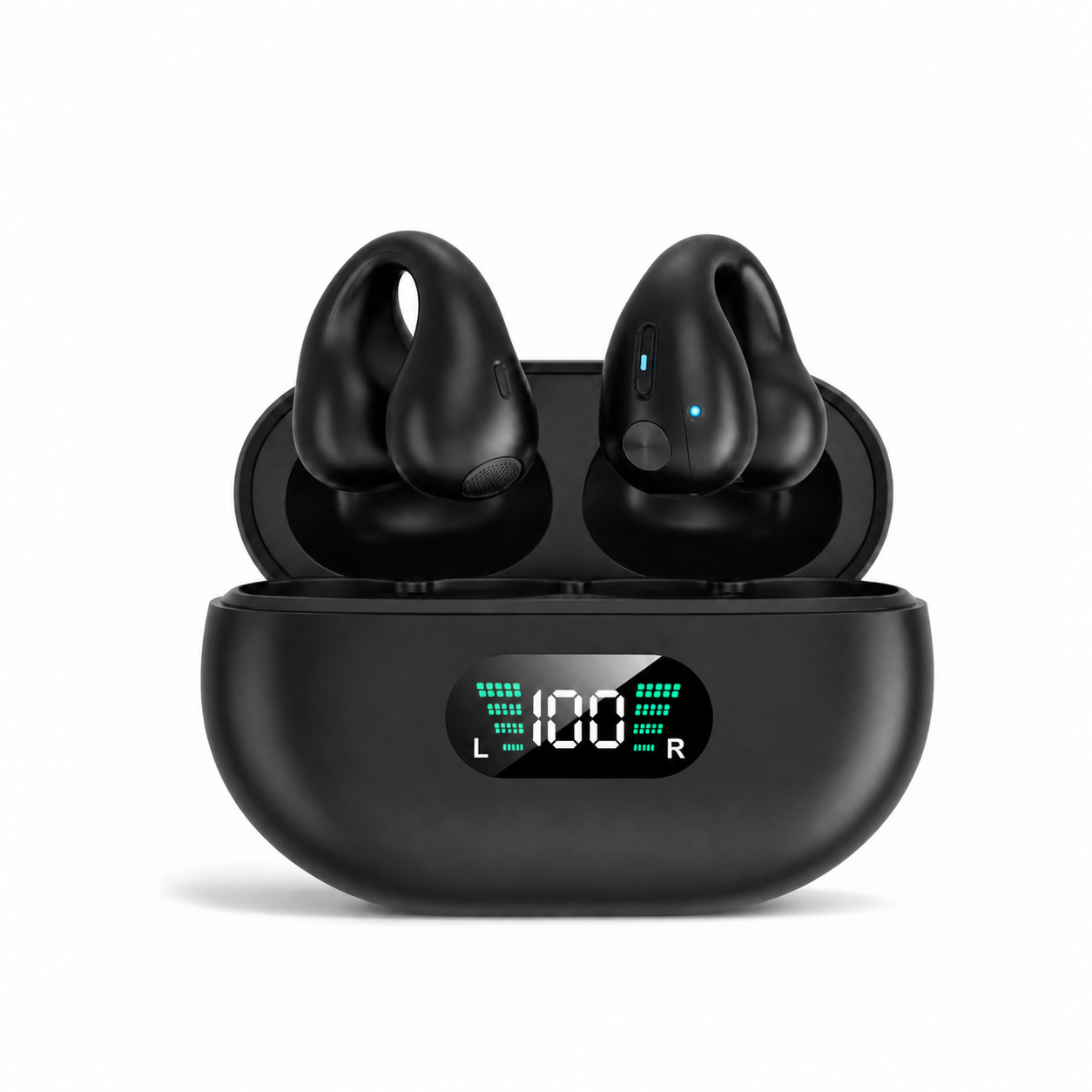
EARSOLE Open-Ear Clip-On Wireless Earbuds with LED Charging Case is described for phone calls and everyday listening, with an open-ear clip-on fit, touch controls for calls, and an LED charging case. It has no ANC and is not water-resistant. The catalog does not publish a microphone array, wind score, or lab call test, so this article does not invent one.
The product link is included as a fit example, not proof that one design works for every ear or situation. Match the physical design and documented specifications to the decision rules above.
Frequently asked questions
Does ENC guarantee a clear call?
No. ENC is a processing claim, not a universal outcome. Microphone position, wind, competing voices, device routing, and call bandwidth still matter.
Why do I sound clear in a memo but bad on a call?
The call adds network compression, app processing, device profile changes, and the other person’s speaker. Test both a local recording and a real call.
Can I test without recording another person?
Yes. Record your own test phrase locally, then call a second device you control. If another person participates or a call is recorded, obtain consent and follow local law.
Bottom line
The only meaningful “clear calls” claim is a repeatable recording the other side can understand in your real environment. Prove input routing, use the same script, add noise one variable at a time, and keep open-ear awareness without compensating with excessive volume.
Sources and review notes
- Apple microphone troubleshooting and Voice Memos test
- Microsoft microphone setup and test guidance
- World Health Organization safe-listening guidance
Written and reviewed by the EARSOLE Editorial Team on July 14, 2026. This is educational buying and troubleshooting guidance, not medical advice. Stop using earbuds and seek qualified care for persistent pain, discharge, sudden hearing change, severe dizziness, or other concerning symptoms.