

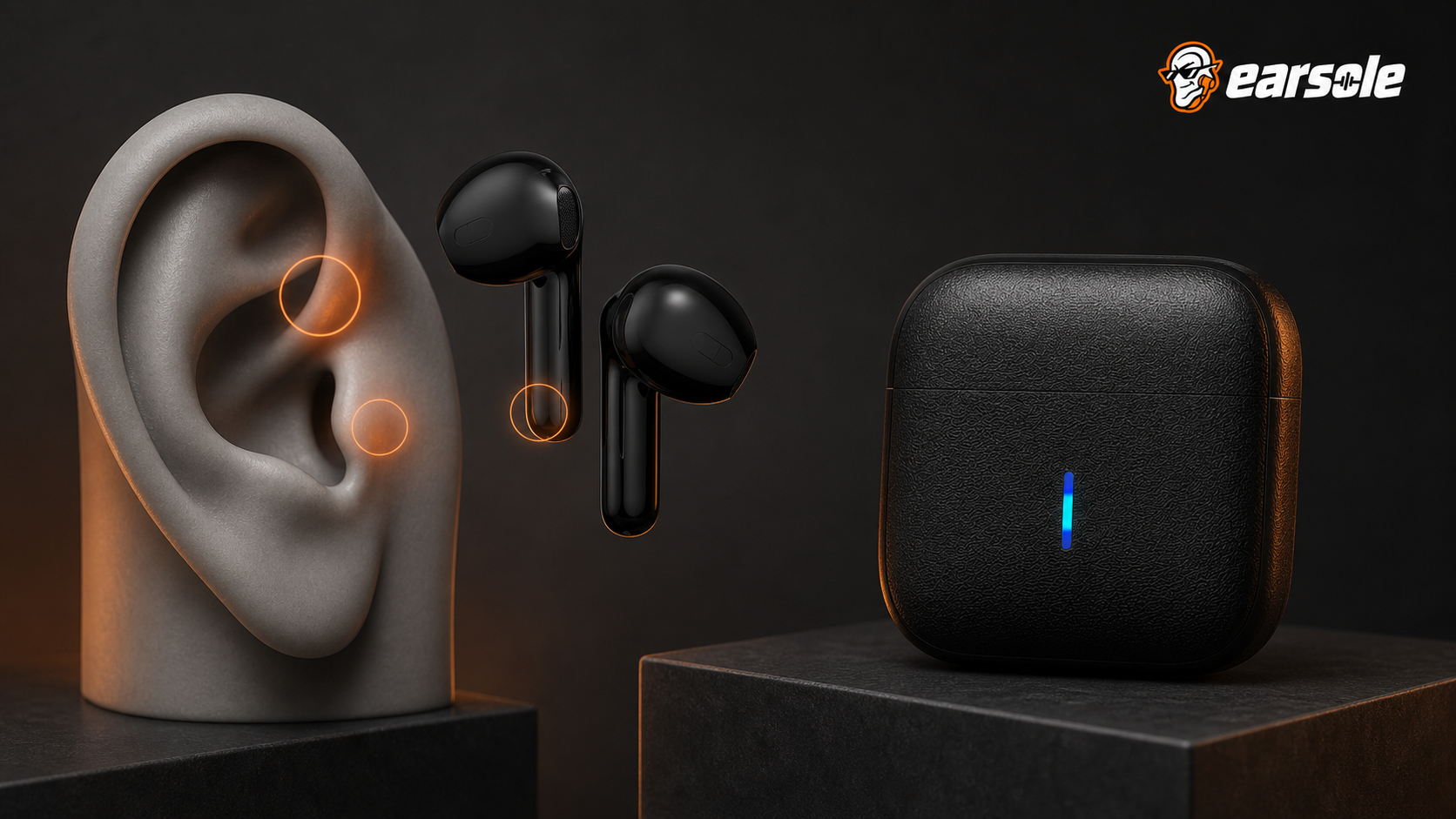
Earbuds hurt your ears when pressure, friction, insertion depth, trapped moisture, sound exposure, or an irritated ear meets the wrong fit. First locate the discomfort—canal, outer bowl, tragus, or behind the ear—then note when it starts and what movement triggers it. Change one variable; never push through worsening pain.
This guide covers earbuds hurt my ears alongside earbud pressure points.
Quick answer
| Pain location | Likely fit variable to test first |
|---|---|
| Inside canal | Smaller tip, shallower insertion, or a non-sealing design |
| Outer ear bowl | Smaller/rounder shell or different rotation |
| Front cartilage/tragus | Reduce shell leverage; avoid pushing inward |
| Behind/around ear | Reposition hook, clip, glasses arm, or mask strap |
Use location, timing, and trigger
A useful diagnosis starts with three observations, not a brand name. Location tells you which surface is loaded. Timing separates immediate geometry mismatch from irritation that builds with heat, movement, or duration. Trigger identifies leverage: chewing, smiling, walking, pillow contact, glasses, or simply deeper insertion.
| Pattern | Interpretation to test | Next move |
|---|---|---|
| Immediate sharp pressure | Size or angle mismatch | Remove; try a different size/design after symptoms settle |
| Gradual hot spot | Friction, heat, or sustained shell contact | Shorten session and change contact point |
| Pain only on pillow | External compression | Use upward ear, lower profile, or no earbud |
| Pain with normal ear activities | May not be a product-fit issue | Stop use and seek clinical advice if persistent or concerning |
Change one fit variable at a time
If an in-ear tip is involved, test size before depth, then angle. Manufacturer guidance supports a snug but comfortable seal, not force: Sony’s fit guide says a gap can mean the tip is too small while discomfort can mean it is too large. For semi-in-ear designs, rotate the stem slightly rather than wedging the body deeper. Keep each test short so you can identify which change helped.
- Let current tenderness settle before retesting.
- Try one size or angle change for five minutes with audio off.
- Add quiet audio only after the mechanical fit passes.
- Repeat on the other ear independently; do not assume matching anatomy.
Separate fit pain from sound-exposure warning signs
A shell hot spot is mechanical. Ringing, muffled hearing, or reduced clarity after listening points toward sound exposure or another ear issue, not simply a smaller tip. The WHO recommends lower levels, breaks, exposure monitoring, and professional review for persistent tinnitus or difficulty hearing. Lowering volume cannot repair a shell that presses cartilage, and changing shells cannot make excessive level safe.
Know when to stop troubleshooting yourself
Remove the earbuds and seek qualified care for persistent or severe pain, discharge, sudden hearing change, significant dizziness, swelling, fever, or feeling unwell. The NHS ear-infection page lists pain, pressure/fullness, itching, discharge, and hearing difficulty among symptoms. Cleveland Clinic likewise advises stopping nighttime use when pain, hearing changes, or infection signs appear.
Where an EARSOLE model fits
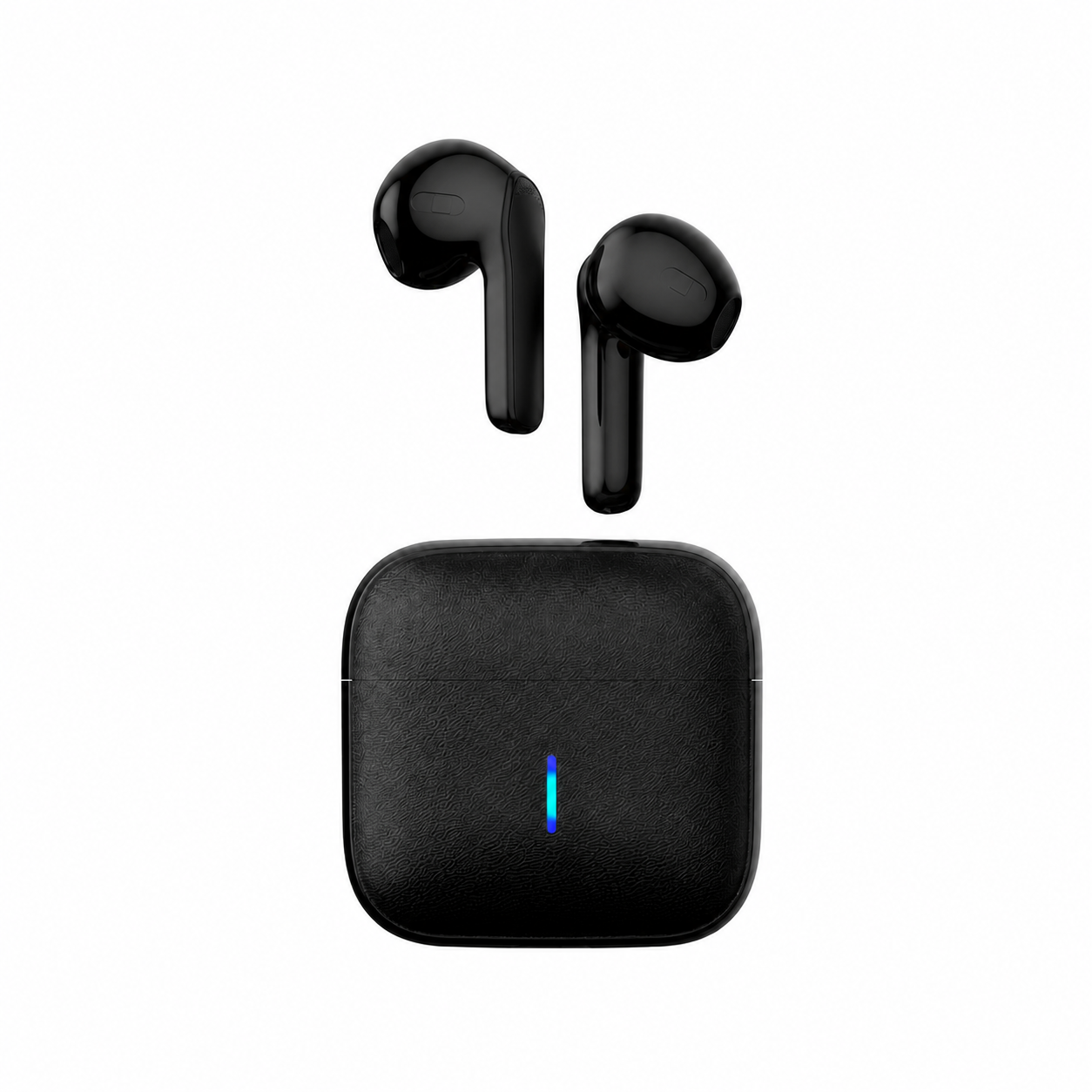
EARSOLE Wireless Earbuds – Semi-In-Ear Bluetooth Earbuds with Charging Case uses a lightweight semi-in-ear shape with no silicone canal tip, a compact charging case, built-in microphone, and standard Bluetooth compatibility for iPhone and Android. It does not claim ANC or a water rating. A semi-in-ear design may help people who dislike a sealed tip, but its shell can still contact the outer ear.
The product link is included as a fit example, not proof that one design works for every ear or situation. Match the physical design and documented specifications to the decision rules above.
Frequently asked questions
Do earbuds hurt because they are too big or too small?
Either is possible. A tip that is too large can press the canal; one that is too small can invite deeper insertion or constant adjustment. Shell geometry can also be the problem even when tip size is correct.
Will my ears “get used to” new earbuds?
Brief awareness may fade, but growing pain, burning, ringing, muffled hearing, or skin damage is not a conditioning goal. Remove the device and reassess.
Are semi-in-ear earbuds pain-free?
They avoid a sealing silicone tip, which changes the pressure map, but they still rest on outer-ear surfaces. No universal form factor is pain-free for every anatomy.
Bottom line
Name the location, timing, and trigger; then change one mechanical variable at a time with audio off. If the symptom is auditory, inflammatory, persistent, or severe, stop treating it as a shopping problem.
Sources and review notes
- NHS ear-infection symptoms and escalation guidance
- World Health Organization safe-listening guidance
- Sony ear-tip fit and airtightness guidance
- Cleveland Clinic guidance on sleeping with earbuds
Written and reviewed by the EARSOLE Editorial Team on July 14, 2026. This is educational buying and troubleshooting guidance, not medical advice. Stop using earbuds and seek qualified care for persistent pain, discharge, sudden hearing change, severe dizziness, or other concerning symptoms.