

Musician Earphones for Rehearsal Click Tracks and Detachable Over-Ear Stage Wires
Performing live on loud rehearsal stages requires dedicated musician earphones engineered to isolate metronome click tracks and sequencing cues against deafening drum kits. Traditional consumer earbuds fail under high-SPL stage conditions, dislodging during energetic head movement and allowing acoustic spill to overpower timing references. Professional in-ear monitoring monitors resolve these rehearsal demands by pairing high-attenuation acoustic shells with detachable over-ear memory wires that anchor transducers securely.
When drummers strike acoustic snares generating peak sound pressure levels exceeding one hundred and ten decibels, musicians require minimum acoustic seal attenuation of twenty-five decibels. Balanced armature transducers housed inside molded concha shells deliver pristine transient click spikes directly to the ear canal without requiring dangerous volume increases on wireless beltpacks. Understanding stage cable strain relief and driver configurations ensures dependable live timing across demanding tour schedules.
Click Track Isolation and Drum Bleed Attenuation Mechanics
Hearing a digital click track over crashing cymbals requires superior passive acoustic isolation rather than raw audio amplifier gain. If stage earphone seals leak ambient sound, performers instinctively crank beltpack volume levels, risking temporary threshold shifts and irreversible inner-ear acoustic trauma. Multi-flange silicone tips and high-density memory foam expand inside the cartilaginous canal to create an airtight acoustic barricade against external stage noise.
Balanced armature drivers excel at click reproduction because their miniature reed mechanisms produce instantaneous transient rise times with zero diaphragm overhang. This mechanical agility ensures that sharp woodblock clicks and rimshot cues punch through dense monitor mixes without muddying vocal harmonies. Maintaining an airtight physical seal allows performers to keep monitoring volumes at safe conversational levels while staying locked to backing tracks.
| Connector Interface | Rotational Strain Relief | Pin Shear Resistance | Cable Swap Speed | Best Stage Application |
|---|---|---|---|---|
| Standard 0.78mm 2-Pin | Friction-Fit (Rigid) | High Lateral Resistance | Moderate (Manual Pull) | Vocalists & Guitarists |
| Recessed 0.78mm 2-Pin | Sleeve-Protected | Superior Bending Strength | Moderate (Keyed Alignment) | Active Drummers & Touring |
| MMCX Micro-Coaxial | 360-Degree Swivel | Moderate Pin Retention | Ultra-Fast Snap-Lock | Multi-Instrument Techs |
| QDC Keyed Extrusion | Polymer Hooded Seal | Maximum Moisture Shield | Rapid Push-Fit | High-Sweat Stage Sets |
Detachable MMCX vs Two-Pin Memory Cable Ergonomics
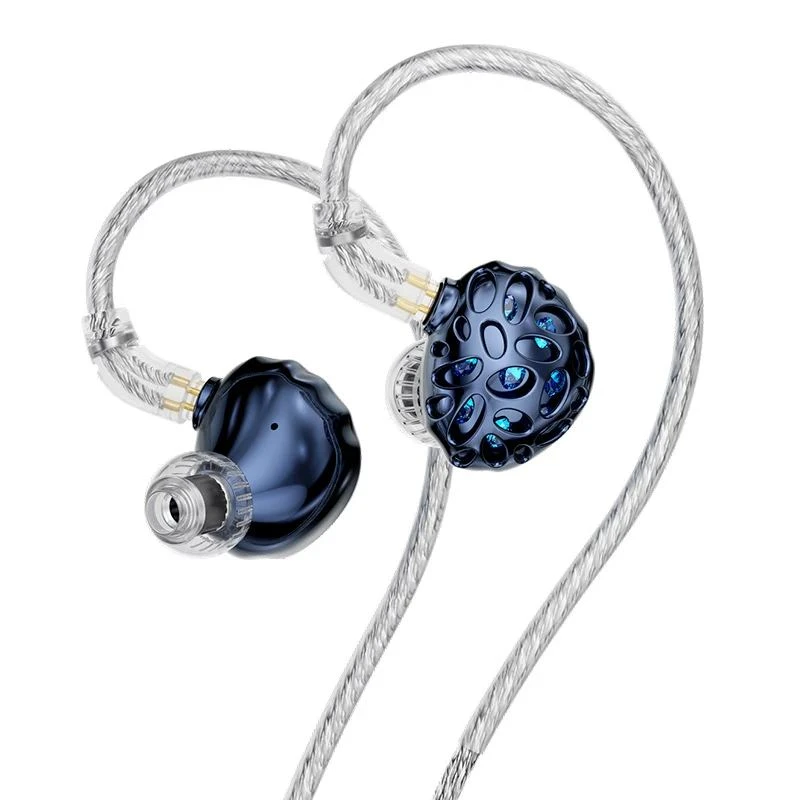
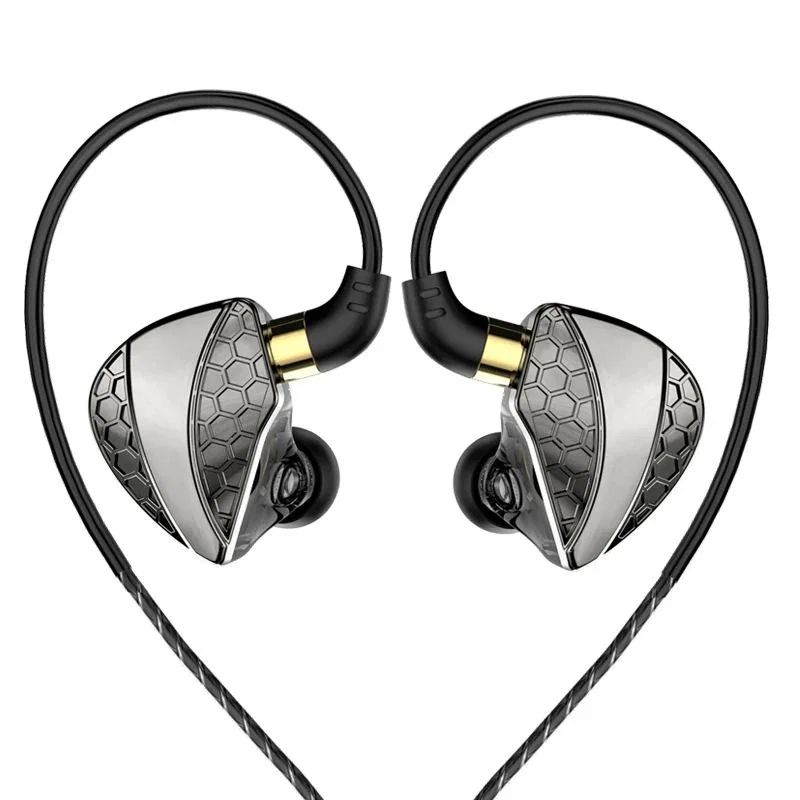
Live concert performance subjects earphone cables to intense mechanical stress from guitar straps, body movement, and sudden snags on stage equipment. Detachable over-ear memory wires route braided copper conductors up over the helix of the ear, redirecting downward gravitational pull away from the delicate canal seal. Pre-formed heat-shrink earhooks contour behind the pinna, stabilizing monitor positioning even during intense vocal delivery and rapid head articulation.
Selecting between standard two-pin and coaxial MMCX connector interfaces dictates stage reliability and field maintenance efficiency. Two-pin connectors provide rigid friction coupling that prevents unwanted axial rotation, keeping earhooks firmly pressed against cranial contours. Conversely, swivel-enabled MMCX jacks allow the cable to rotate freely with neck movements, reducing localized stress risers along the solder joints during energetic performances.
Stage Volume Fatigue, Mandible Movement, and Bedtime Rest
Surviving extensive rehearsal blocks leaves musicians dealing with outer ear cartilage soreness and auditory reflex fatigue after hours of high-pressure monitoring. Continuous jaw articulation during singing or backing vocal harmonies alters ear canal cross-sectional dimensions, causing rigid monitor nozzles to press against delicate cartilaginous walls. Decompressing ear canals and resting middle-ear acoustic reflex pathways overnight is vital for sustaining pitch accuracy and auditory health across multi-city tours.
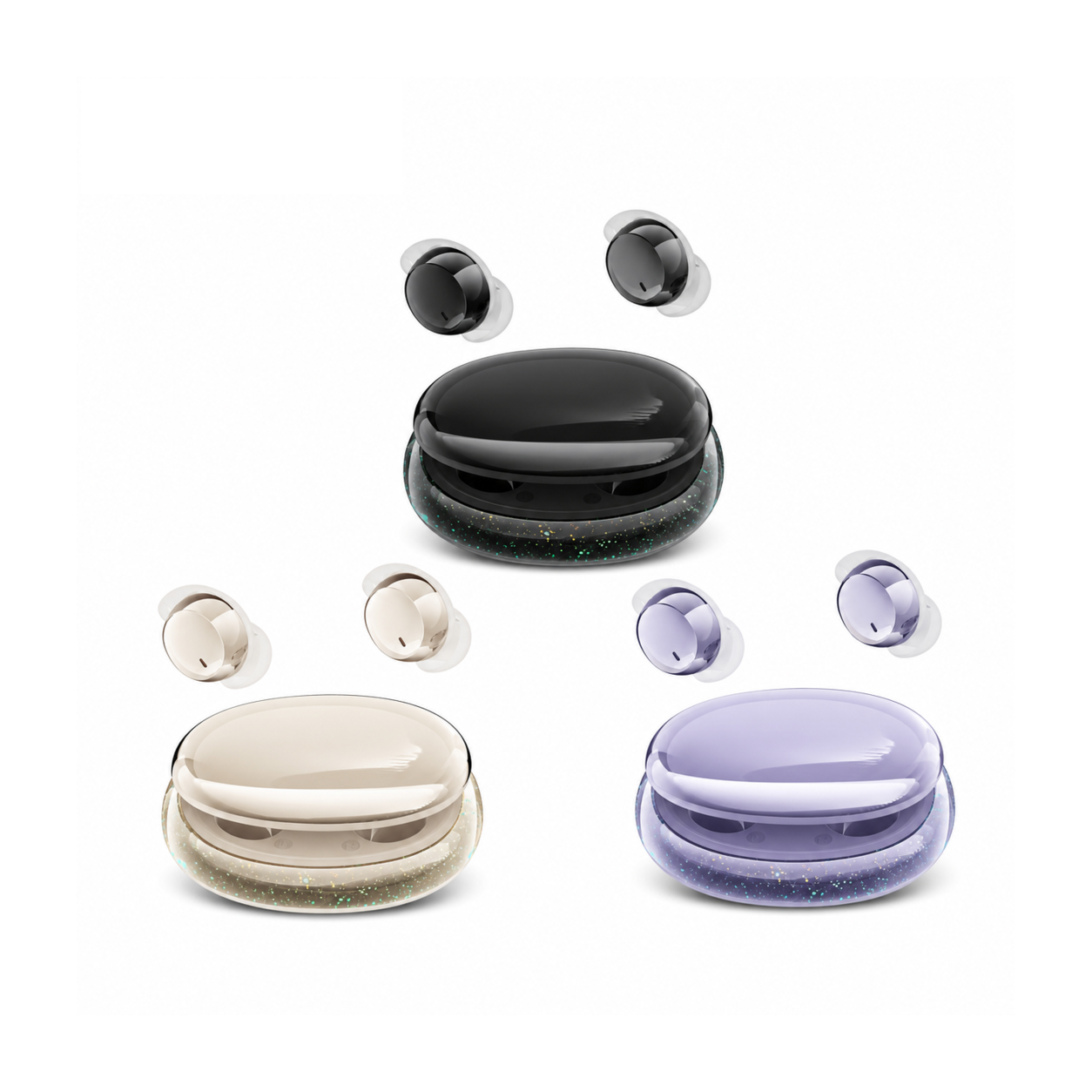
Flat, stemless earbuds for sleeping on your side, with a dynamic sleep-support mode and a starlight glow charging case. See the three colors at EARSOLE.
Incorporating soft, low-profile wireless audio hardware into post-gig hotel routines allows tired concha bowls to relax without enduring rigid plastic nozzles. Smooth ergonomic contours eliminate pressure points against hotel pillows, enabling road-weary musicians to unwind to ambient soundscapes and wake with refreshed auditory acuity for the next soundcheck.
Live Performance IEM Setup Checklist for Working Musicians
Ensuring rock-solid monitoring stability on stage requires systematic hardware preparation before striking the first rehearsal chord. First, inspect detachable cable pins for oxidation and verify that over-ear memory wires grip snugly behind the ear helix without slipping. Second, perform an acoustic seal check by humming at low frequencies: a full, bass-resonant response indicates an airtight acoustic seal suitable for loud stage environments.
Finally, dress the cable cinch bead securely against the back of the neck to prevent loose cable loops from catching on instrument straps or microphone stands. Keep a spare set of high-density foam tips and a backup two-pin cable inside your gig bag for rapid swap-outs during technical emergencies. Methodical stage preparation guarantees dependable timing cues and uninterrupted acoustic monitoring across every performance.
Frequently Asked Questions
Why do musicians route their earphone cables over the top of the ear instead of straight down?
Routing monitor cables over the ear uses the ear cartilage as a strain relief anchor, preventing cable tugs from breaking the acoustic seal while drastically reducing microphonic cable rub noise during movement.
How do balanced armature earphones differ from regular earbuds for click tracks?
Balanced armatures utilize lightweight magnetic reeds that accelerate faster than dynamic diaphragms, producing razor-sharp transient attacks that make click tracks clearly audible without turning up stage volume.