

In-Ear Monitors for Singers Managing Pitch Perception Under the Occlusion Effect
For vocalists transitioning from traditional stage wedge monitors to personal in-ear systems, the initial experience can feel jarringly unnatural. When you seal your ear canals with acoustic monitor tips, your skull suddenly resonates with an overwhelming low-frequency rumble every time you sing, speak, or swallow.
This phenomenon, known scientifically as the occlusion effect, artificially exaggerates internal fundamental vocal frequencies between 100 Hz and 500 Hz by up to 20 dB. By masking delicate upper-mid harmonic overtones that human ears rely on for pitch discrimination, vocal occlusion distorts internal pitch perception, frequently causing performers to sing flat, over-compensate on vocal power, or suffer severe vocal cord fatigue.
The Biomechanics of the Occlusion Effect in Vocal Performance
When a vocalist sings, dynamic sound waves do not simply exit the mouth; intense mechanical acoustic vibrations travel directly through the mandibular joint and skull bones into the auditory canal. In an unoccluded ear, these bone-conducted acoustic waves escape naturally into the surrounding room atmosphere.
However, once an earbud tip plugs the cartilaginous outer portion of the ear canal, it traps these bone-conducted vibrations inside a sealed air cavity. The vibrating cartilage walls act like a secondary acoustic loudspeaker cone, dramatically boosting bass frequencies and producing an unnatural hollow, boomy internal sensation that disrupts vocal pitch tracking.
| Monitor Configuration | Occlusion Bass Boost | Pitch Tracking Accuracy | Stage Bleed Isolation | Vocal Fatigue Rate |
|---|---|---|---|---|
| Shallow Silicone Universal | +16 dB to +22 dB (severe) | 74% (pitch wandering) | 18 to 22 dB attenuation | High (compensatory strain) |
| Deep Canal Acrylic Custom | +4 dB to +8 dB (damped) | 96% (stable fundamental) | 26 to 30 dB attenuation | Low (natural bone coupling) |
| Vented Acoustic Membrane | +2 dB to +5 dB (equalized) | 98% (accurate intonation) | 14 to 18 dB attenuation | Very Low (open sensation) |
| One-Ear-Out Stage Habit | Zero (unoccluded ear) | 68% (binaural phase skew) | 0 dB (severe hearing risk) | Extreme (dangerous SPL level) |
Dangerous Stage Habits: Why the One-Ear-Out Practice Destroys Hearing
Frustrated by the muffled boominess of sealed monitors, many inexperienced singers develop the perilous habit of pulling out one earpiece on stage. While removing one monitor restores natural room acoustic feedback to one ear, it triggers the neurological mechanism of binaural loudness summation.
When the human auditory cortex receives sound from only one ear instead of both, it perceives the volume as 6 dB quieter. To compensate against loud stage guitar amplifiers and drum cymbals, singers instinctively crank the volume of the remaining in-ear piece by 10 to 15 dB, subjecting a single ear to dangerous sound pressure levels exceeding 105 dBA and causing permanent unilateral hearing loss.
Acoustic Filters, Venting Modules, and Practical Monitor Care
Modern audio engineers counteract the occlusion effect through mechanical venting technologies rather than risky single-ear monitoring habits. Acoustic venting modules incorporate precision micro-mesh membranes that bleed off built-up low-frequency pneumatic pressure while preserving ambient stage isolation across mid and treble bands.
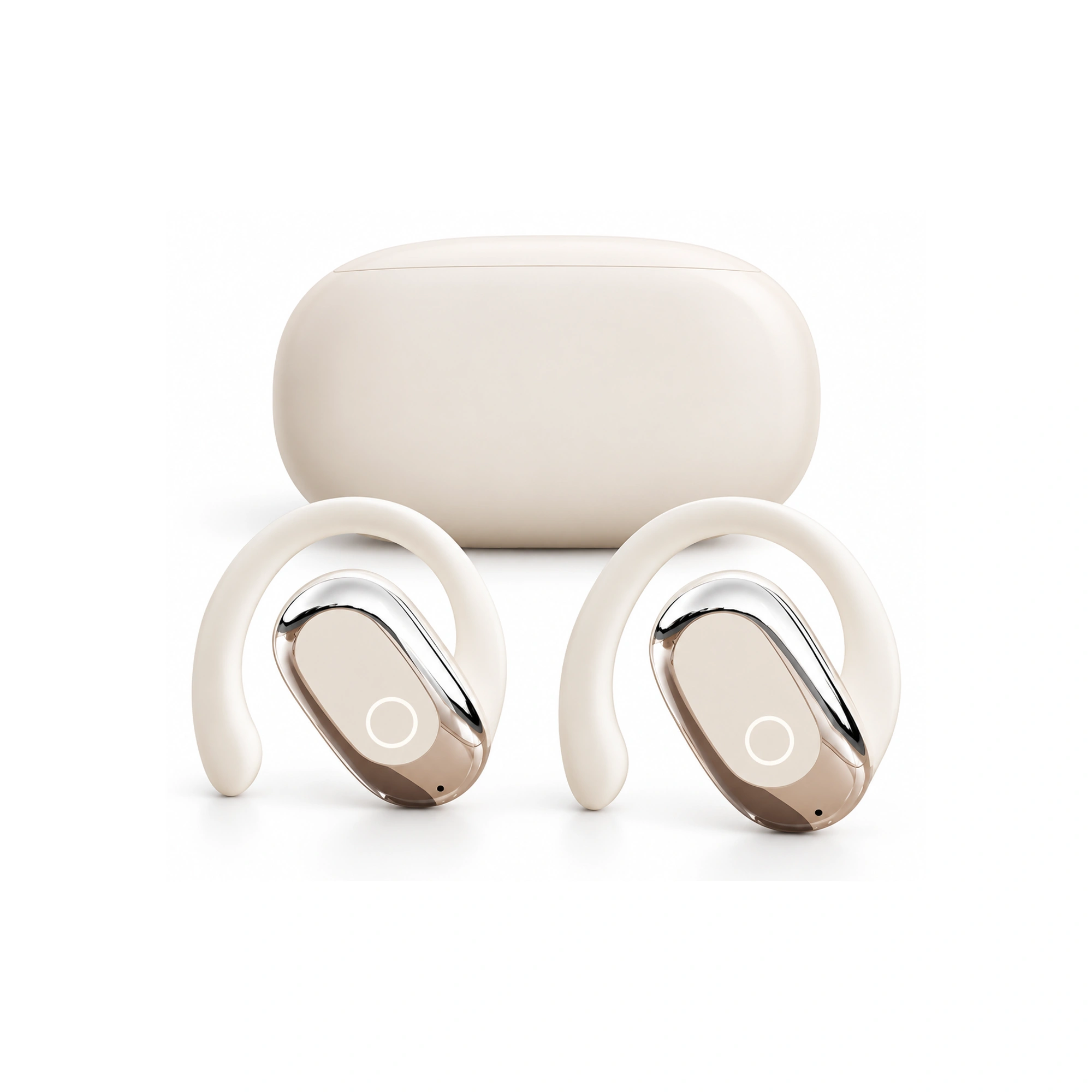
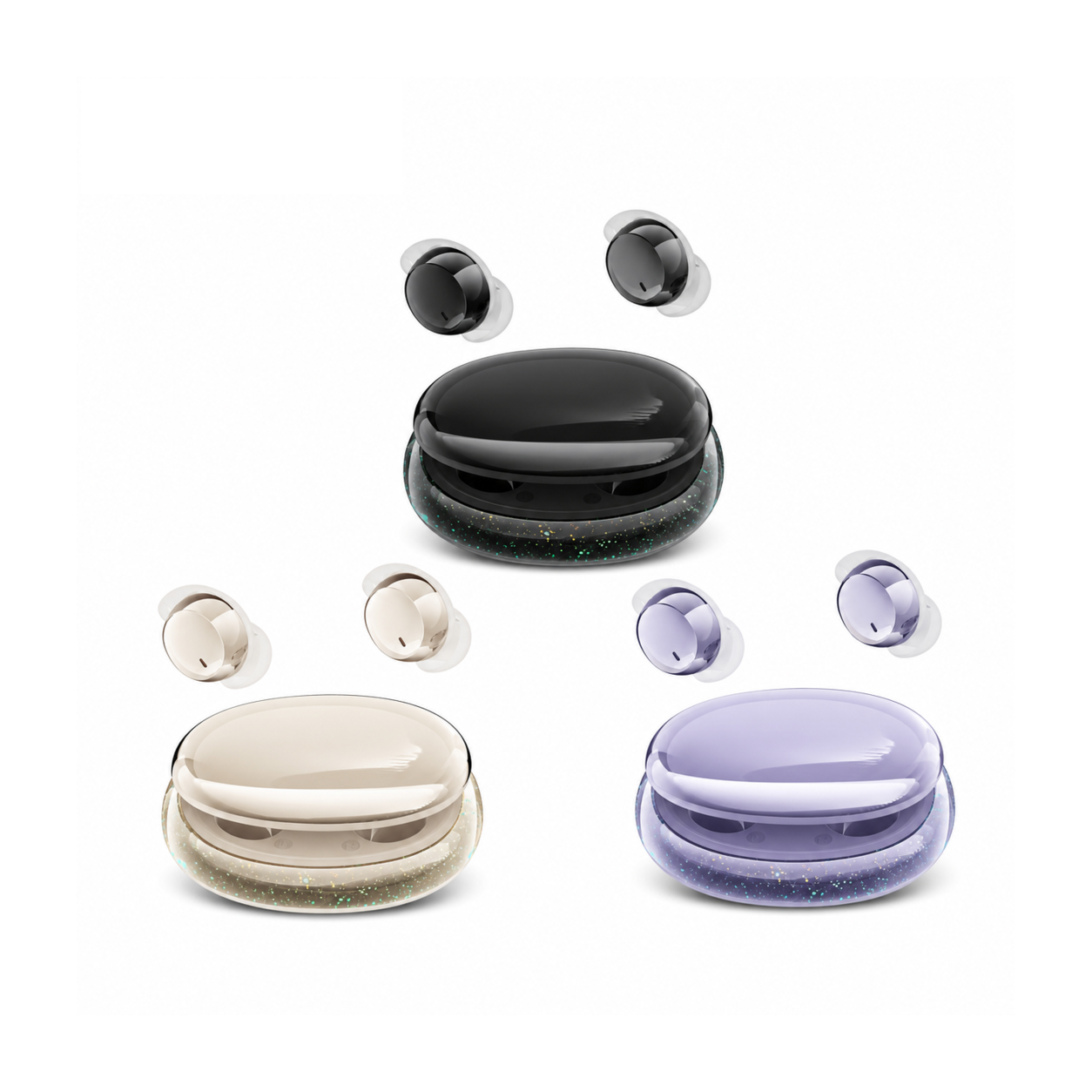
Flat, stemless earbuds for sleeping on your side, with a dynamic sleep-support mode and a starlight glow charging case. See the three colors at EARSOLE.
Similarly, professional audiologists combat occlusion by taking deep canal impressions extending past the ear’s second anatomical bend, seating the custom shell directly against rigid skull bone rather than flexible cartilaginous tissue. Outside rigorous stage performance, recovering vocalists protect their auditory canal tissues with ultra-compact, non-occluding flush silicone earbuds that sit comfortably without exerting localized canal pressure.
Best Practices for Managing Vocal Occlusion on Stage
Implement these professional audio engineering practices to master pitch tracking and maintain effortless vocal intonation during live performances:
- Apply a High-Pass Filter on Vocal Monitor Channels: Have your monitor engineer engage a gentle high-pass shelf around 120 Hz to 150 Hz to counteract skull bone resonance.
- Integrate Ambient Room Microphones in Stereo: Blend dedicated stage ambience microphones into your in-ear mix to stay acoustically connected to audience and room acoustics.
- Never Perform with One Monitor Removed: Keep both ears sealed with balanced sound levels to protect your hearing via natural binaural acoustic summation.
Frequently Asked Questions
Why do in-ear monitors make a singer’s voice sound boomy or muffled?
Sealing the ear canal traps bone-conducted vocal tract vibrations inside cartilaginous canal walls, causing the occlusion effect which artificially amplifies low frequencies below 500 Hz.
Does the occlusion effect make singers sing sharp or flat?
The severe low-frequency bass boost masks subtle upper-mid harmonic overtones that the brain uses to determine pitch, frequently causing singers to drift flat on stage.