



Do Bone Conduction Headphones Work With Earplugs? The Occlusion Effect Explained
Bone conduction headphones work well with foam earplugs, and in loud environments, the combination often sounds louder and fuller than open-ear listening alone. Many bone conduction manufacturers even include a pair of foam earplugs in the retail packaging for travel on airplanes, trains, or noisy subways.
Inserting earplugs changes the acoustic behavior of bone-conducted sound. When you block the ear opening with a plug, sound pressure builds inside the sealed canal, noticeably increasing lower frequencies.
How Bone Conduction Works With an Open Ear Canal
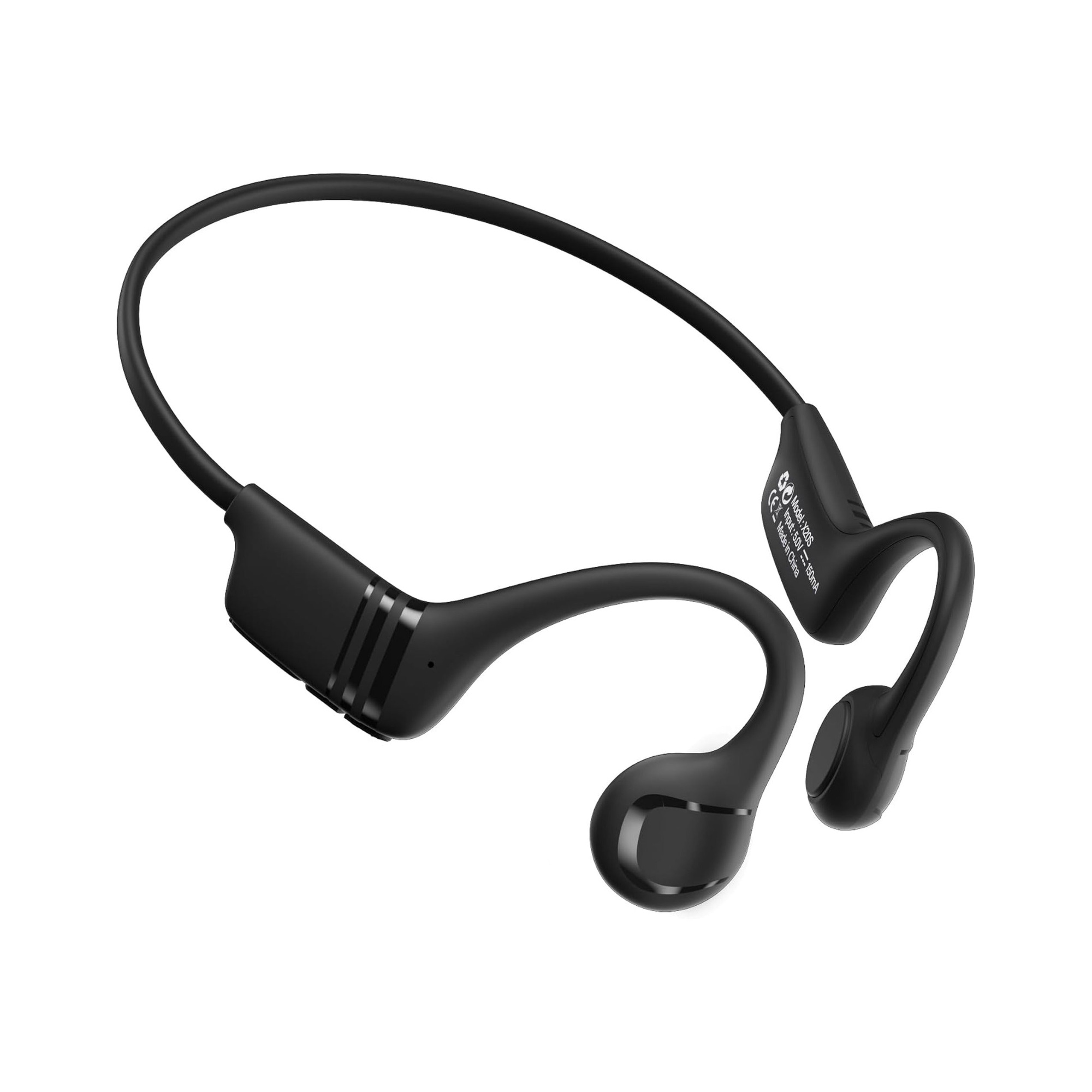
Under normal operating conditions, bone conduction headphones sit on your cheekbones just in front of the tragus. Transducers send mechanical vibrations through the temporal bone directly to the cochlea, leaving your ear canals uncovered.
This mechanical pathway bypasses the eardrum and the ossicles of the middle ear. Because the ear canals remain completely open, ambient sounds enter your ears through standard air conduction at the same time. You hear approaching traffic, conversations, and environmental cues alongside your audio stream.
In quiet or moderately active settings, this open setup provides clear acoustic awareness. In loud environments like construction zones, airplane cabins, or busy subway platforms, high ambient noise easily overpowers the relatively modest acoustic energy delivered through bone transmission. Turning up the volume in these spaces often causes uncomfortable vibration against the skin without restoring clarity.
The Occlusion Effect: Why Earplugs Boost Bass Frequencies
When you roll up and insert foam earplugs, your ear canals are sealed off from the outside world. This physical seal activates an acoustic phenomenon called the occlusion effect.
As bone conduction transducers vibrate the bones of the skull, part of that acoustic energy passes into the cartilaginous walls of the external ear canal. When your ears are open, this low-frequency sound energy simply dissipates into the open air without building up pressure.
Once foam earplugs plug the canal entrance, that acoustic energy has nowhere to escape. The sealed ear canal becomes an acoustic resonance chamber. The trapped sound waves bounce against the earplug barrier and reflect inward toward the tympanic membrane.
This trapped sound pressure produces a substantial boost in low frequencies, typically between 100 Hz and 500 Hz. Listeners perceive this change as:
- Substantially higher overall listening volume at the same output setting
- Deeper, punchier bass response across music tracks
- Elimination of competing ambient background hum from engines or airflow
- A fuller, warmer vocal weight on podcasts and audiobooks
Acoustic Trade-Offs and the Muddy Bass Problem
While the occlusion boost solves volume limitations in noisy environments, it alters the tonal balance of your audio. Human hearing is sensitive to sudden boosts in low-mid frequencies. Without acoustic compensation, the occlusion boost can make speech sound boomy, hollow, or “inside your head,” similar to talking while pressing your palms over both ears.
High frequencies also lose some perceived presence relative to the amplified low-end notes. If your bone conduction model offers dedicated equalizer settings or an earplug mode, enabling it applies a high-pass cut to tame the lower midrange, restoring vocal clarity.
Situational awareness is also removed while earplugs remain inserted. Combining bone conduction with earplugs turns an open-ear design into an isolated listening setup. While this works well for airline travel, lawn mowing, or focused gym sessions, it is unsafe for cycling, outdoor road running, or city navigation where hearing oncoming traffic is essential.
Sound Leakage Considerations
A common misconception is that wearing earplugs prevents people around you from hearing your music. Earplugs only block sound from entering your own ear canals; they do not alter the acoustic waves emitted outward by the transducers.
Bone conduction drivers function through physical vibration, which inherently displaces surrounding air and radiates small amounts of sound leakage. If you listen at maximum volume in an enclosed library or a silent bedroom, nearby people can still hear high-frequency audio bleed regardless of whether your ear canals are plugged. Foam earplugs allow you to reduce the player’s master volume while maintaining full intelligibility, which indirectly lowers external sound leakage.
Frame Stability and Contact Points: EARSOLE Series 148
The physical seal created by earplugs makes transducer placement even more critical. When earplugs expand in the canal, the surrounding jaw tissue shifts slightly. If a headset lacks consistent clamping tension, standard neckbands can slip downward, moving the transducer pads away from the temporal bone.
The EARSOLE Open-Ear Bone Conduction Headphones Series 148 ($68.98) uses a wraparound frame built from flexible titanium memory wire weighing 22 grams. The lightweight construction maintains gentle, continuous contact pressure in front of the ears without pressing heavily on the cheekbones. With IP55 water resistance and Bluetooth 6.0 connectivity, the headset stays firmly seated during workouts and travel.
Practical Steps for Pairing Earplugs With Bone Conduction
To get the cleanest sound quality when using earplugs with bone conduction headphones:
- Insert and seat the earplugs first. Roll down standard foam plugs between your fingers, insert them into the ear canal, and hold them in place for fifteen seconds until they fully expand.
- Put on the bone conduction headset, resting the transducer pads flat against the cheekbones directly in front of the ear canal opening.
- Lower the playback volume on your device to around 30 percent before starting audio. Because of the occlusion effect, standard listening volumes will feel significantly louder than normal.
- If your media player or headphone companion software includes custom EQ profiles, reduce the 250 Hz to 400 Hz frequency bands by 3 to 5 dB to eliminate excessive boominess and bring speech forward.
- Save this listening configuration for stationary environments or loud travel cabins, and remove the earplugs whenever you need full situational awareness outdoors.
