
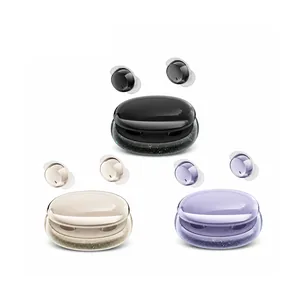


Bone Conduction Headphones vs In-Ear Buds Across Bass Weight and Road Awareness
Lap runners, cyclists, and commuters frequently struggle with an essential audio compromise: acoustic immersion versus environmental perception. While sealed earbuds create a private acoustic chamber inside the ear canal, bone conduction devices bypass the canal entirely to keep the ears open to surrounding traffic.
These two designs rely on fundamentally different mechanical principles to deliver sound to the cochlea. Understanding how each technology interacts with human hearing anatomy explains why they feel and perform differently in real-world training environments.
An acoustic comparison between cranial bone vibration and ear canal air-pressure drivers reveals distinct advantages across bass depth, road safety, and daily comfort.
Acoustic Transducer Mechanics: Cranial Bone vs Ear Canal Air Pressure
Traditional in-ear earbuds use miniature dynamic drivers or balanced armature units seated inside silicone tips. When inserted into the ear, the tip forms an airtight seal with the canal walls. The speaker diaphragm moves backward and forward, compressing and expanding the air column between the driver and the tympanic membrane. The vibrating eardrum transfers these mechanical waves through the ossicles of the middle ear into the cochlea, where fluid vibrations trigger hair cells to generate auditory nerve signals.
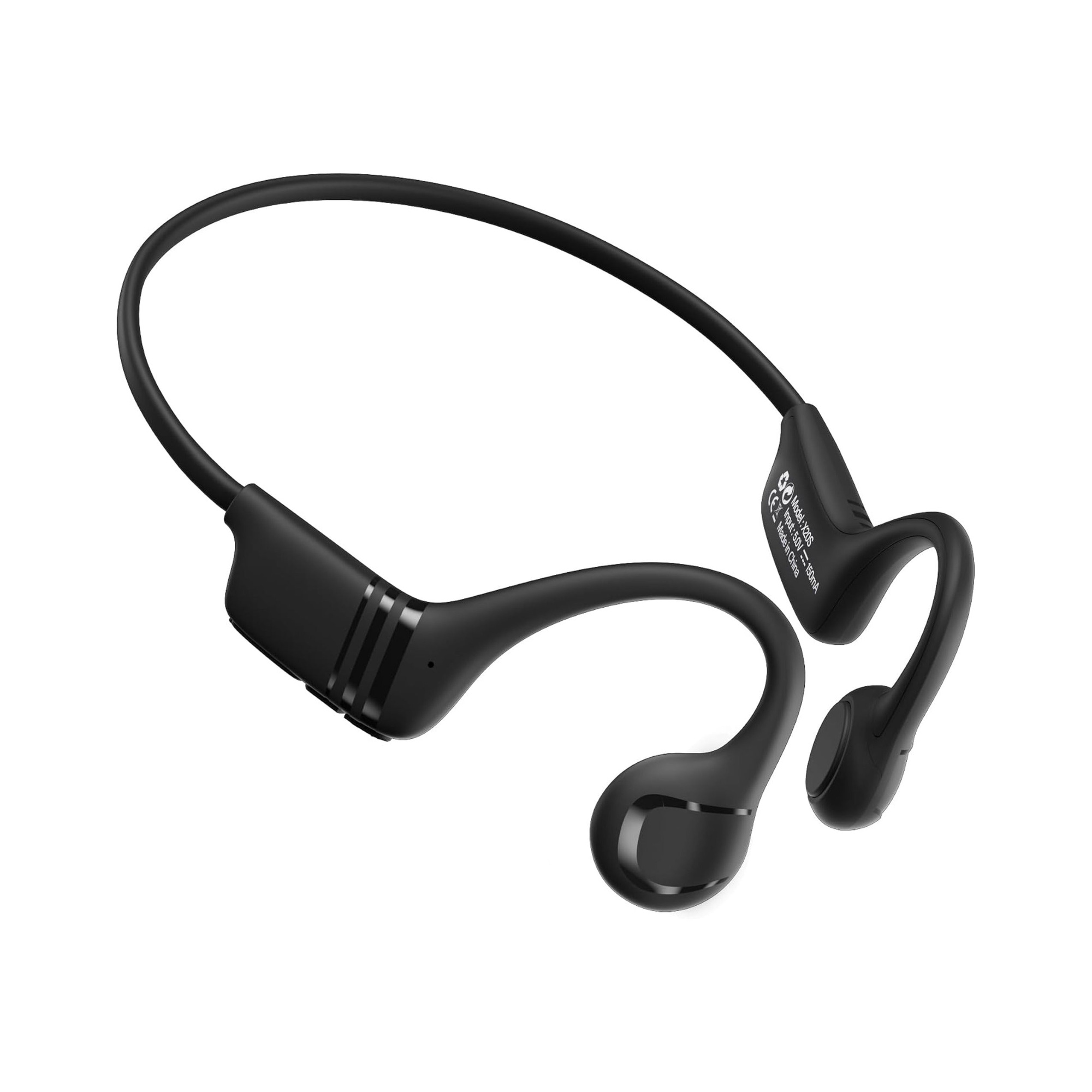
Bone conduction headphones bypass the eardrum and ear canal completely. Instead of pushing air through the acoustic duct, magnetic transducers rest directly against the cheekbones, specifically on the zygomatic arch immediately forward of the ear tragus. The transducers convert electrical audio signals into mechanical vibrations.
These vibrations travel directly through the temporal bone of the skull to reach the inner ear cochlea. Because the outer ear remains completely unobstructed, ambient sound waves from cars, pedestrians, and warning horns enter the ear canal naturally without acoustic interference.
Bass Weight and Low-Frequency Resonance Tradeoffs
The most noticeable acoustic difference between these two systems appears in low-frequency audio reproduction. Sub-bass and low-bass frequencies between 20 Hz and 100 Hz require significant air volume displacement to produce tactile acoustic impact.
In-ear earbuds excel at low-end reproduction because their silicone tips seal the ear canal into an enclosed acoustic chamber. In this sealed volume, small driver excursions build substantial low-frequency acoustic pressure against the eardrum. Listeners experience deep bass notes and synth lines with distinct tactile resonance.
Bone conduction headphones face mechanical hurdles when reproducing low frequencies. Sound transmission through cranial bone has higher acoustic resistance than air, especially at lower frequencies. When bone transducers vibrate at high amplitudes to reproduce heavy bass, users feel physical buzzing or tickling against their temples rather than hearing deep acoustic sub-bass. Higher volume settings can cause slight sound leakage into the open air while bass lines lose tactile fullness.
Situational Awareness and Outdoor Road Safety
Situational awareness gives bone conduction technology a clear functional advantage on roads. Road safety experts and running organizations continuously warn athletes about the hazards of acoustic isolation on busy streets.
When silicone earbuds seal the ear canal, they physically attenuate ambient sounds by 15 to 30 decibels through passive noise isolation. Active noise cancellation models reduce environmental awareness even further by playing anti-phase sound waves. On urban streets or busy bicycle paths, an athlete wearing sealed earbuds may not hear an overtaking cyclist, a horn, or an approaching electric vehicle until the hazard is dangerously close.
Bone conduction headphones leave the ear canals open. Outdoor athletes hear vehicular traffic, verbal warnings, and shifting terrain while their workout playlist plays in the background. The brain processes both acoustic streams simultaneously, allowing users to remain vigilant without pausing audio playback.
Ear Canal Hygiene and Long-Term Wearing Ergonomics
Comfort and canal health represent another important distinction between open-ear headsets and insertion earbuds. Prolonged use of in-ear earbuds traps heat, sweat, and moisture inside the ear canal, creating an environment where bacteria can multiply during intense workouts.
Silicone tips also exert continuous lateral pressure against sensitive canal cartilage. Many listeners report ear canal fatigue, tenderness, or irritation after two or three hours of continuous listening. Swimmers and athletes with recurring ear infections frequently receive medical advice to avoid inserting buds into damp ear canals.
Bone conduction headphones eliminate ear canal contact. The EARSOLE Open-Ear Bone Conduction Headphones Series 148 features a flexible titanium frame weighing 22 grams. The lightweight frame distributes gentle contact pressure across the temples and around the back of the neck, keeping the ears ventilated and preventing pressure hotspots during extended training sessions.
Comparative Hardware Specifications
| Feature | Bone Conduction Headphones | In-Ear Wireless Earbuds |
|---|---|---|
| Acoustic Transmission | Cranial bone mechanical vibration | Air displacement against eardrum |
| Ear Canal Status | Completely open and unblocked | Sealed with silicone ear tip |
| Bass Reproduction | Leaner sub-bass with tactile vibration | Deep, punchy sub-bass resonance |
| Situational Awareness | Maximum ambient environmental perception | Severely reduced by passive seal |
| Canal Hygiene | High (no moisture or wax buildup) | Susceptible to sweat and bacterial growth |
| Stability During Movement | Secure wraparound titanium frame | Dependent on ear tip friction fit |
Practical Selection Guidance: Choosing the Right Audio Gear
Your primary training environment determines which design makes more practical sense.
Choose in-ear earbuds if you commute via train, work in open office spaces, or prioritize music fidelity, deep bass, and total focus over ambient perception. The acoustic seal blocks distracting chatter and provides the full dynamic range needed for acoustic music, podcasts in loud rooms, and bass-heavy tracks.
Choose bone conduction headphones if you run on public roads, ride in traffic, participate in outdoor group workouts, or experience ear fatigue from silicone tips. Swimmers and multisport athletes requiring continuous water protection can consult our analysis of IP68 waterproof bone conduction headphones for guidance on transducer sealing and underwater playback.
Frequently Asked Questions
Do bone conduction headphones have as much bass as in-ear earbuds?
Bone conduction headphones deliver leaner bass than sealed in-ear earbuds. Transmitting low-frequency waves through cranial bone requires high mechanical energy, which causes physical buzzing against the temples before reaching the sub-bass impact of an earbud sealing the ear canal.
Are bone conduction headphones safer for outdoor running and cycling?
Bone conduction headphones provide superior outdoor safety because they leave ear canals completely open. Runners and cyclists can hear approaching vehicles, sirens, and nearby pedestrians while listening to music, significantly reducing collision risks compared to sound-isolating earbuds.
Can other people hear music from bone conduction headphones?
At moderate volume settings, bone conduction headphones generate minimal sound leakage in quiet rooms. However, listening at maximum volume causes the external surface of the vibrating transducer to push surrounding air, making faint acoustic audio audible to people sitting directly adjacent.
