


When shopping for recording studio headphones (or music studio headphones), home vocalists, guitarists, and podcasters often try to buy a single pair of headphones to handle two very different studio jobs: tracking (standing in front of a live microphone while listening to a click track or backing beat) and mixing (spending three to four hours adjusting EQ, compression, and vocal levels). As we explain in our foundational breakdown of open-back vs closed-back headphones, those two tasks pull headphone design in opposite directions.
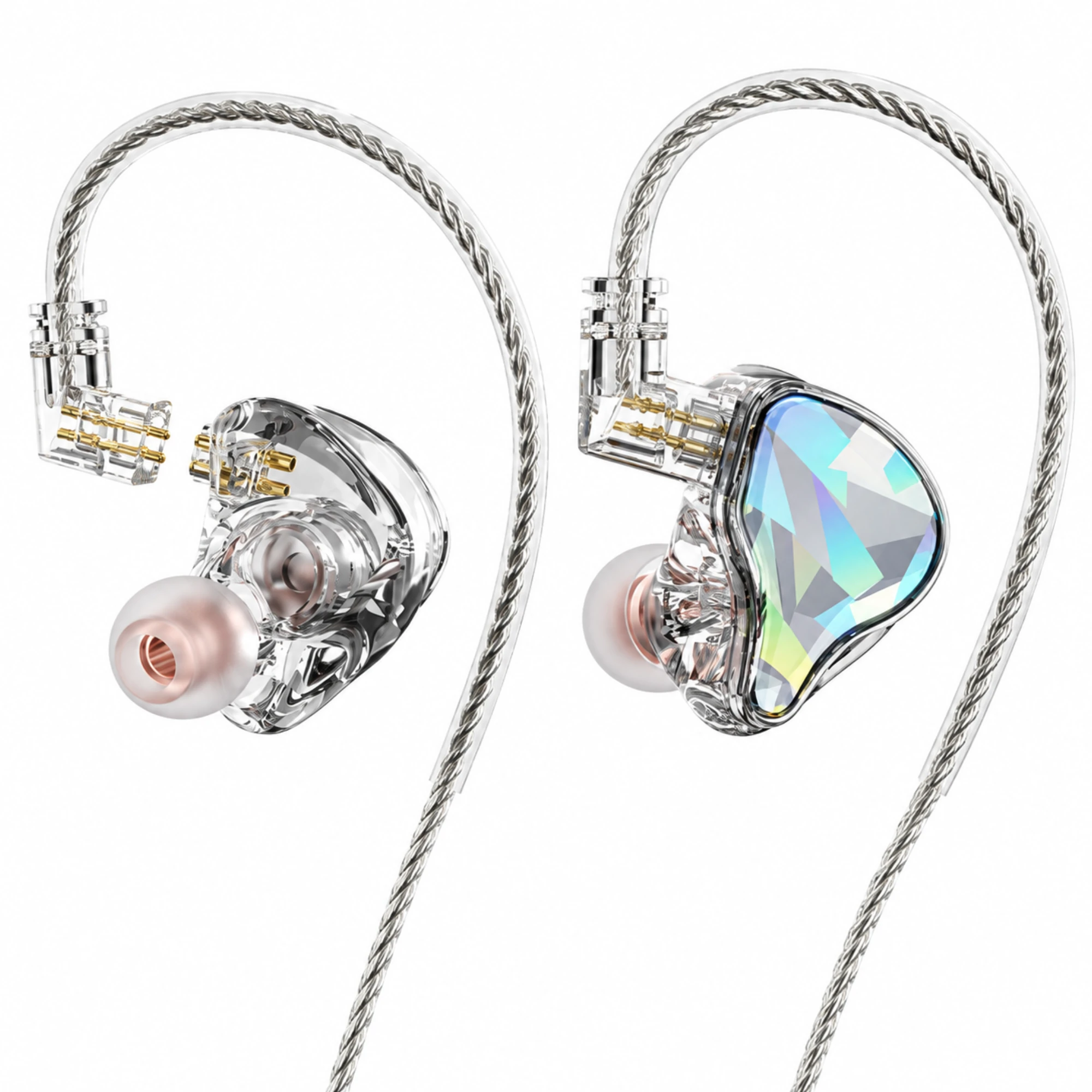
Below, we explain why vocal recording demands a sealed closed-back cup or in-ear monitor to prevent microphone bleed, examine why studio engineers in r/ProMusicProduction warn that maximum clamping isolation often comes at the cost of physical ear fatigue, and show how wired 3.5mm monitoring options like the EARSOLE Noise Cancelling Over-Ear Headphones – Series 127 (in 3.5mm AUX mode) and EARSOLE Faceted In-Ear Monitors with Detachable Braided Cable fit into a home recording setup.
Why Vocal Recording Requires Closed-Back Headphones or Sealed In-Ear Monitors (Wikipedia Acoustics)
Why can’t you wear airy open-back headphones while singing into a studio condenser microphone? According to Wikipedia’s Headphones reference, headphones are used in professional audio by sound engineers for monitoring signal sources and in radio studios where DJs talk to a microphone with speakers turned off to avoid acoustic feedback while monitoring their own voice.
When you sing or speak four inches away from a sensitive cardioid condenser microphone with vocal compression applied, any sound escaping from the back of your headphones is picked up by the microphone and recorded permanently onto your vocal track:
- If a metronome click or snare track bleeds into the vocal mic: Every time you boost the high frequencies on your vocal during mixing, the leaked metronome click gets louder too—and if you mute the backing music in a quiet breakdown, you can still hear the ghostly click track playing inside the vocal recording.
- Why Closed-Back Cups and Sealed IEMs Solve Mic Bleed: In r/HeadphonesAdvice (thread 1wqmoy3), a contributor comparing open-back and closed-back designs notes that open-back headphones offer “Very little isolation: They block very little outside noise—maybe around 10%,” whereas closed-back headphones provide “Better sub-bass and bass response” and “Much better passive noise isolation.” That two-way seal keeps room noise out of your ears and keeps your backing track out of the microphone.
Isolation vs Long-Session Comfort: What Producers Report on Studio Headphones (r/ProMusicProduction)
While a vice-like closed-back clamp is great for stopping vocal mic bleed during a four-minute vocal take, wearing that same high-clamp headphone with sharp treble for a four-hour mixing session can leave your ears sore and fatigued.
In r/ProMusicProduction (thread 1vinzya, “[FOR FUN] Help me choose between these closed-back headphones for vocal recording + mixing/mastering”), a producer comparing closed-back studio models asks how they perform for “Recording vocals Mixing Some mastering General music production,” and an experienced engineer replies: “I find M50X harsh and physically uncomfortable to wear. I find DT 770 too sibilant and crispy. I use MDR 7506. It’s not flat, but it has presence and oomph, and, having replaced the earpads with velour ones, is extremely light and comfortable. The first two might have better isolation, but at the cost of long term comfort and fatigue.”
That producer comparison highlights the three variables you must balance in a home studio:
| Studio Task | Acoustic Seal Needed | Desired Weight & Clamp | Tonal Priority | Suitable Hardware Form Factor |
|---|---|---|---|---|
| Vocal & Acoustic Guitar Tracking (Near a Live Mic) | High Closed-Back or In-Ear Seal (zero click-track bleed into mic) | Snug seal around the ear or inside the ear canal via 3.5mm wired cord | Clear vocal presence and rhythm pitch cueing | Closed-back over-ear in 3.5mm wired mode (EARSOLE Series 127) or wired IEMs (EARSOLE Faceted In-Ear Monitors) |
| Long-Session Editing, Arrangement & Podcast Cutting | Moderate passive isolation | Lightweight (<0.6 lbs) with soft cushions to prevent jaw/temple fatigue | Smooth, non-sibilant highs | Lightweight soft-cushion over-ear headphones + periodic speaker checks |
| Final Mix & EQ Translation | Open-back or calibrated reference | Low-fatigue fit | Known reference curve (avoiding uncalibrated bass boosts) | Dedicated neutral studio monitors / reference cans |
Using Wired 3.5mm Over-Ear Headphones or Monitoring IEMs for Home Tracking
If you are setting up a budget-friendly home vocal booth, podcast desk, or practice rig and need a wired 3.5mm connection (so there is zero Bluetooth delay while you sing or play), here is how the two closed/sealed options in the EARSOLE catalog fit—along with their honest studio boundaries:
1. Closed-Back Over-Ear Tracking via 3.5mm AUX: EARSOLE Series 127
According to the EARSOLE Noise Cancelling Over-Ear Headphones, Wireless & Wired – Series 127 listing, the headphones feature ultra-soft protein leather ear cups, weigh 0.54 lbs, include a 47.2-inch 3.5 mm AUX audio cable alongside wireless Bluetooth, and deliver punchy bass with Active Noise Cancellation.
When using the EARSOLE Series 127 Over-Ear Headphones in a home studio:
- For Vocal & Podcast Tracking: Plug the included 47.2-inch 3.5mm audio cable into your audio interface (with a 1/4-inch adapter if needed). The closed-back protein-leather cushions seal around your ears to keep backing tracks from bleeding into your microphone while staying lightweight (0.54 lbs) for multi-hour podcast sessions.
- Honest Mixing Caveat: Because the Series 127 catalog listing specifies punchy bass tuning and consumer Active Noise Cancellation rather than a flat studio reference frequency response, do not rely on them alone to judge final sub-bass EQ levels during mastering—if a headphone has elevated bass, you may accidentally mix your song’s bass too quiet on studio speakers.
2. Wired In-Ear Monitoring (Zero Headband Clamp): EARSOLE Faceted In-Ear Monitors
If any over-ear headband feels warm or uncomfortable during long tracking sessions, wired in-ear monitors seal directly inside the ear canal so zero click-track bleed escapes into your vocal mic. According to the EARSOLE Faceted In-Ear Monitors with Detachable Braided Cable listing, the supplier lists these wired earphones with clear in-ear shells, reflective faceted faceplates, and a braided over-ear cable for monitoring, while noting that connector size, acoustic measurements, and device compatibility have not been verified.
The EARSOLE Faceted In-Ear Monitors with Detachable Braided Cable work well as a sealed cue-monitoring earpiece for singers, drummers, or keyboardists—just remember that because laboratory acoustic measurements are not verified on the listing, they should be used for live performance/vocal tracking cues rather than uncalibrated reference mastering.
Frequently Asked Questions
Why do singers use closed-back headphones or IEMs instead of open-back headphones when recording vocals?
Open-back headphones allow sound to pass freely through their outer grilles (blocking only around 10% of outside noise, as noted in r/HeadphonesAdvice thread 1wqmoy3), which causes the backing music or metronome click track to leak straight into the vocal microphone. Closed-back headphones and sealed in-ear monitors trap the monitor mix inside the earcup or ear canal so the vocal microphone only records your voice (Wikipedia Headphones).
Why can tightly clamping studio headphones cause fatigue during long mixing sessions?
As studio engineers in r/ProMusicProduction (thread 1vinzya) point out, closed-back headphones with high clamping force and aggressive high-frequency peaks can provide stronger passive isolation for vocal tracking, “but at the cost of long term comfort and fatigue” during multi-hour mixing sessions—which is why many engineers prioritize lighter frames and softer earpads when editing.
Can you use wireless/wired over-ear headphones in 3.5mm AUX mode for home vocal tracking?
Yes. As long as you connect via the physical 3.5mm AUX cable—such as the 47.2-inch 3.5mm audio cord included with the EARSOLE Series 127 Over-Ear Headphones—you eliminate wireless Bluetooth latency and get a closed-back protein-leather seal for vocal tracking. For final EQ mixing, however, always account for consumer “punchy bass” tuning by cross-checking your mix on reference monitors.
