

Wearing Over-Ear Headphones With Glasses Without Breaking the Sub-Bass Pad Seal
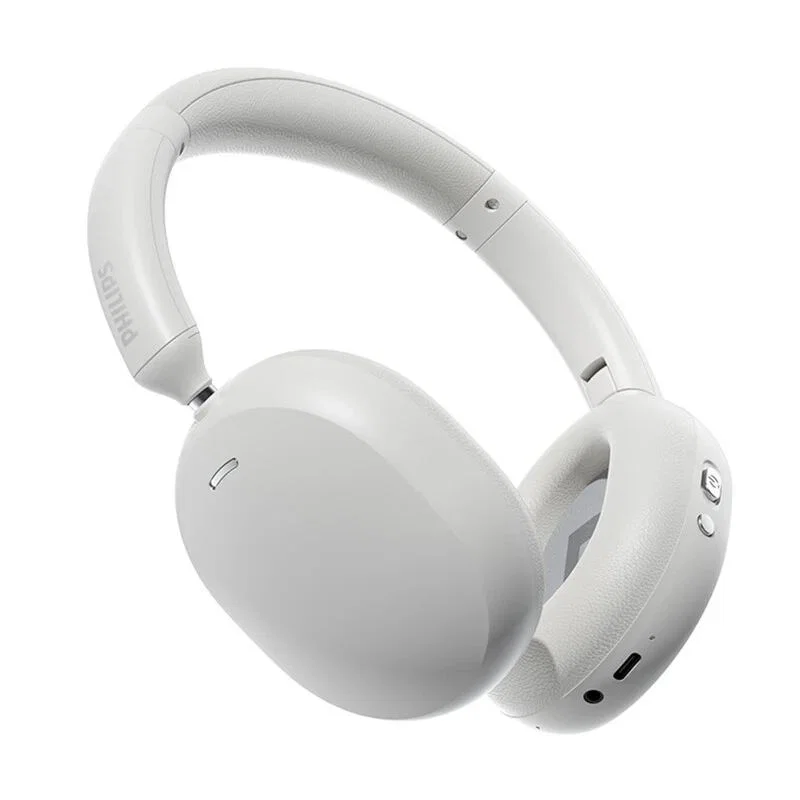
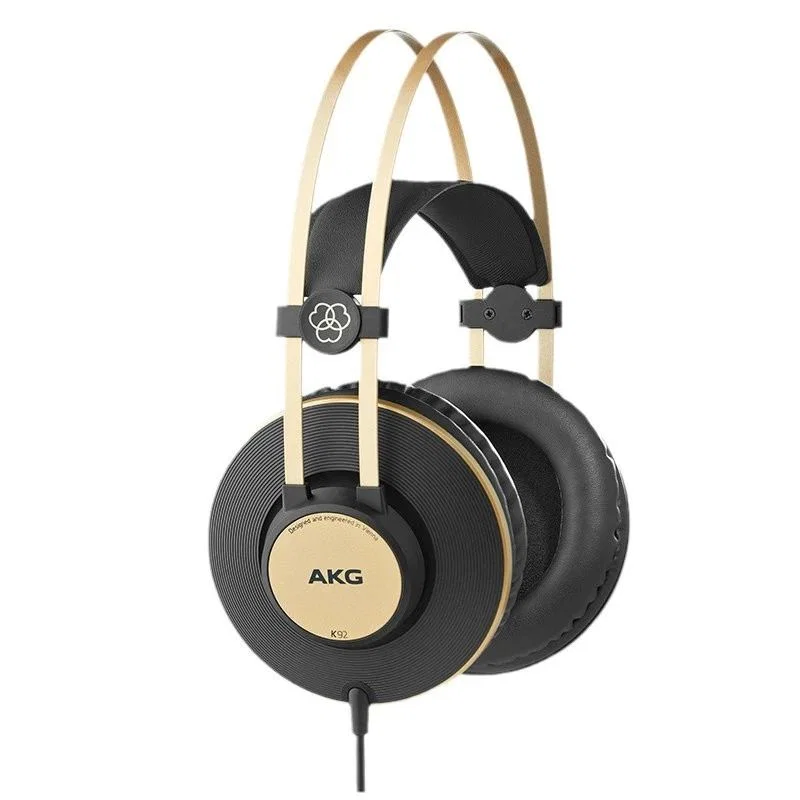
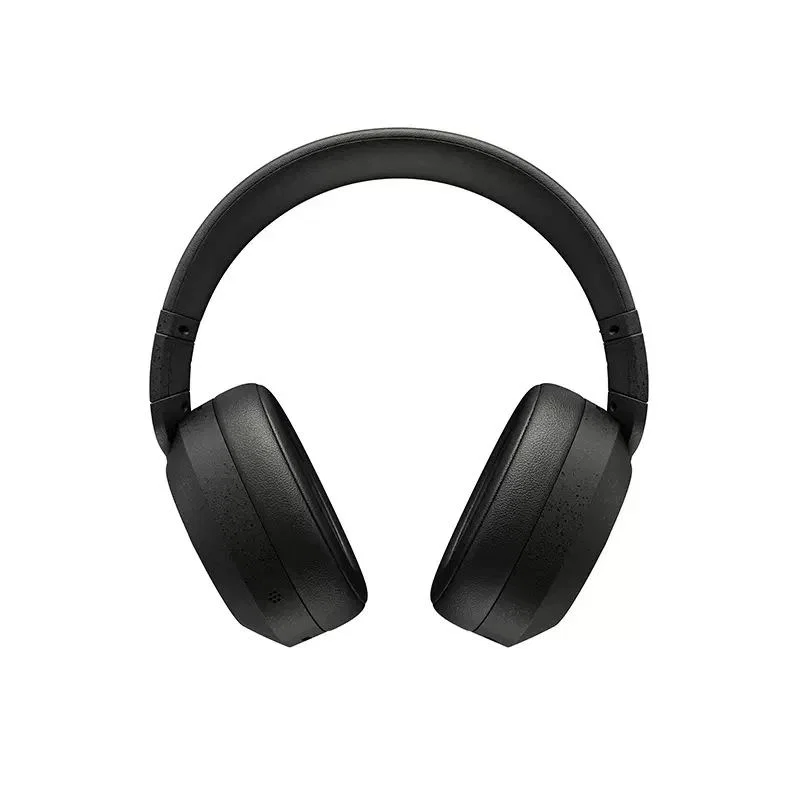
Listeners who wear eyeglasses face an enduring acoustic dilemma every time they put on a pair of over-ear headphones. While thick pleather cushions promise lush isolation and deep low-end response, the rigid temples of spectacle frames inevitably disrupt the perimeter seal, allowing low-frequency air pressure to escape.
This subtle physical gap not only guts the impact of kick drums and cinematic rumble but also pinches spectacle arms painfully against the sensitive temporal bone. Resolving this issue requires understanding the acoustic physics of cushion deformation and exploring why many spectacle wearers ultimately switch to zero-clamp in-ear form factors.
Acoustic Physics: How Eyeglass Arms Create Sub-Bass Breaches
Over-ear headphone drivers depend on an airtight acoustic chamber formed between the speaker baffle, the ear pad cushion, and the listener’s facial skin. Within this sealed enclosure, the transducer acts as a piston pushing and pulling an enclosed volume of air to generate subterranean frequencies below 80 Hz.
When spectacle arms bridge the temporal bone, they create twin triangular voids in the cushion ring directly above and behind the ear. Even an air leak as narrow as half a millimeter causes immediate acoustic decompression, draining sub-bass power by up to 12 dB while letting ambient room noise enter the listening field.
| Cushion Pad Architecture | Eyeglass Temple Compliance | Sub-Bass Retention (20–80 Hz) | Temporal Bone Clamping Fatigue | Glasses Frame Compatibility |
|---|---|---|---|---|
| Standard Dense Pleather | Low (rigid vinyl creates air gap) | Poor (-8 to -12 dB bass drop) | High (direct pressure on frames) | Thin wire temples only |
| Memory Foam with Eyeglass Channels | High (pre-cut arm relief slots) | Good (-2 to -4 dB bass drop) | Moderate (even pressure redistribution) | Medium acetate and wire |
| Cooling Gel Hybrid Velour | Very High (soft conforming contour) | Excellent (-1 to -3 dB bass drop) | Low (soft viscoelastic mold) | Wide variety of frame profiles |
| In-Ear Canal Coupling (Earbuds) | Total (zero temple contact) | Perfect (isolated canal chamber) | None (eliminates clamping entirely) | Universal (any glasses frame) |
Pad Materials and Temple Geometries: Memory Foam, Velour, and Gel
Aftermarket headphone pad manufacturers combat acoustic leakage through specialized viscoelastic foam blends that soften under body heat. Slowly conforming memory foam wraps snugly around the contour of thin spectacle arms, closing the triangular breach and preserving acoustic bass pressurization far more effectively than stiff foam.
Similarly, hybrid cushions pairing breathable velour faces with cooling gel layers distribute headband clamping force across a broader surface area. However, while premium conforming cushions minimize bass roll-off, they cannot fully eliminate the persistent mechanical pressure of spectacle arms digging into the mastoid bone during marathon sessions.
The Zero-Clamping Advantage: Transitioning to In-Concha Audio for Eyeglass Wearers
For glasses wearers tired of adjusting headband tension or swapping headphone cushions, moving to in-concha audio provides an absolute mechanical solution. Because in-ear monitors seal entirely within the ear canal, they operate in an acoustic realm independent of spectacle temples, hats, or headwear.
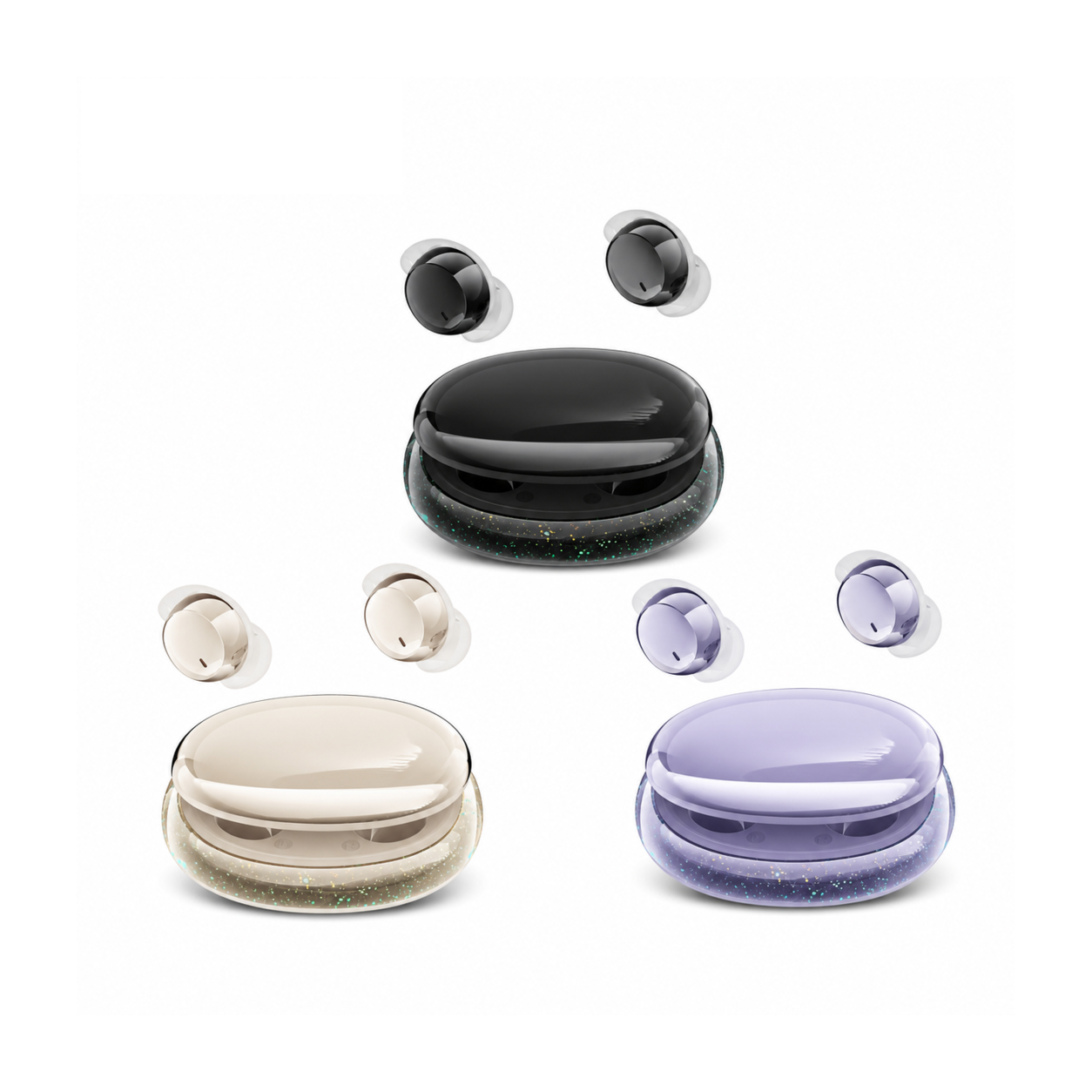
Flat, stemless earbuds for sleeping on your side, with a dynamic sleep-support mode and a starlight glow charging case. See the three colors at EARSOLE.
The EARSOLE Low-Profile Earbuds eliminate temporal pressure by nesting completely within the concha basin without external touch stems or headband clamping. Eyeglass wearers enjoy uncompromised sub-bass response and complete acoustic isolation because the earbud creates its airtight seal inside the canal, allowing spectacle temples to rest naturally against the skull without interference.
Ergonomic Adjustments for Wearing Headphones With Eyeglasses
If you prefer keeping over-ear headphones for desk setups, small ergonomic adjustments can significantly improve comfort and acoustic seal integrity:
- Position Temples Above Cushions: Angle eyeglass arms slightly upward so the tips rest over the top ridge of the ear cup rather than passing underneath the sealing ring.
- Choose Flat Wire Frames: Prioritize flexible titanium or thin wire spectacles for long listening sessions over bulky acetate frames that force wide air gaps in the padding.
- Knead Memory Foam Pads Before Seating: Compress viscoelastic cushions around your glasses temples with your fingers upon putting on headphones to accelerate thermal molding.
Frequently Asked Questions
Why do headphones lose bass when I wear my eyeglasses?
Eyeglass frames lift the headphone cushion away from the skin behind your ears, creating an acoustic breach that lets air pressure escape and attenuates low-frequency sub-bass waves.
Are in-ear earbuds better than over-ear headphones for glasses wearers?
Yes, in-ear earbuds anchor entirely inside the ear canal and concha basin, completely bypassing eyeglass frames and eliminating both temple clamping pain and bass seal degradation.