

Anyone who has tried wearing safety glasses with headphones during yard work, home DIY projects, lab sessions, or cycling knows the two immediate pain points: the ear cushions press thick polycarbonate temple arms straight into the side of your head, and the gap created by those frames lets outside noise rush right past the earpads. As we also cover in our troubleshooting guide on why headphones hurt your ears, even everyday prescription glasses can pinch under a tight clamp—and protective eyewear with wraparound side shields or elastic goggle straps makes that interference twice as noticeable.
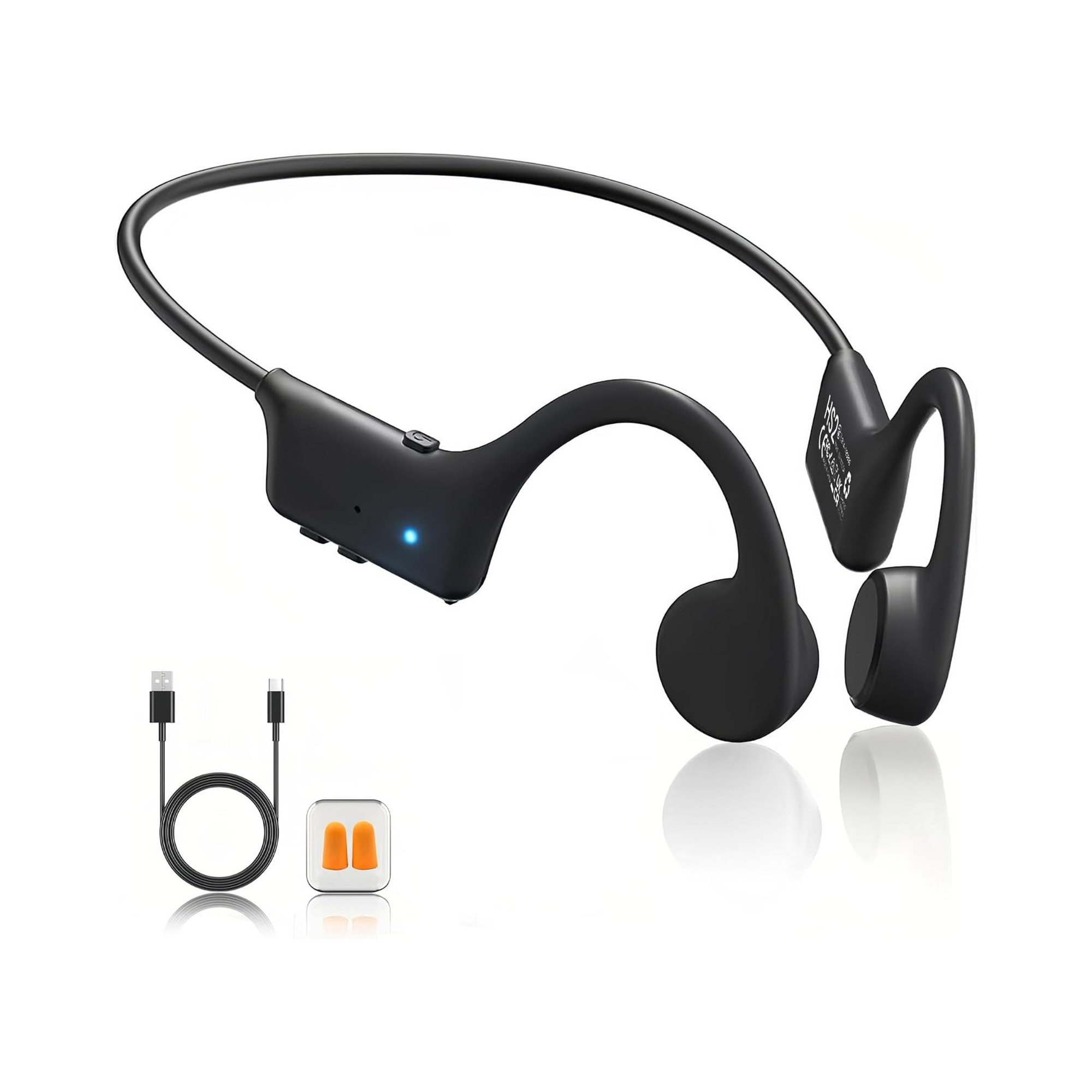
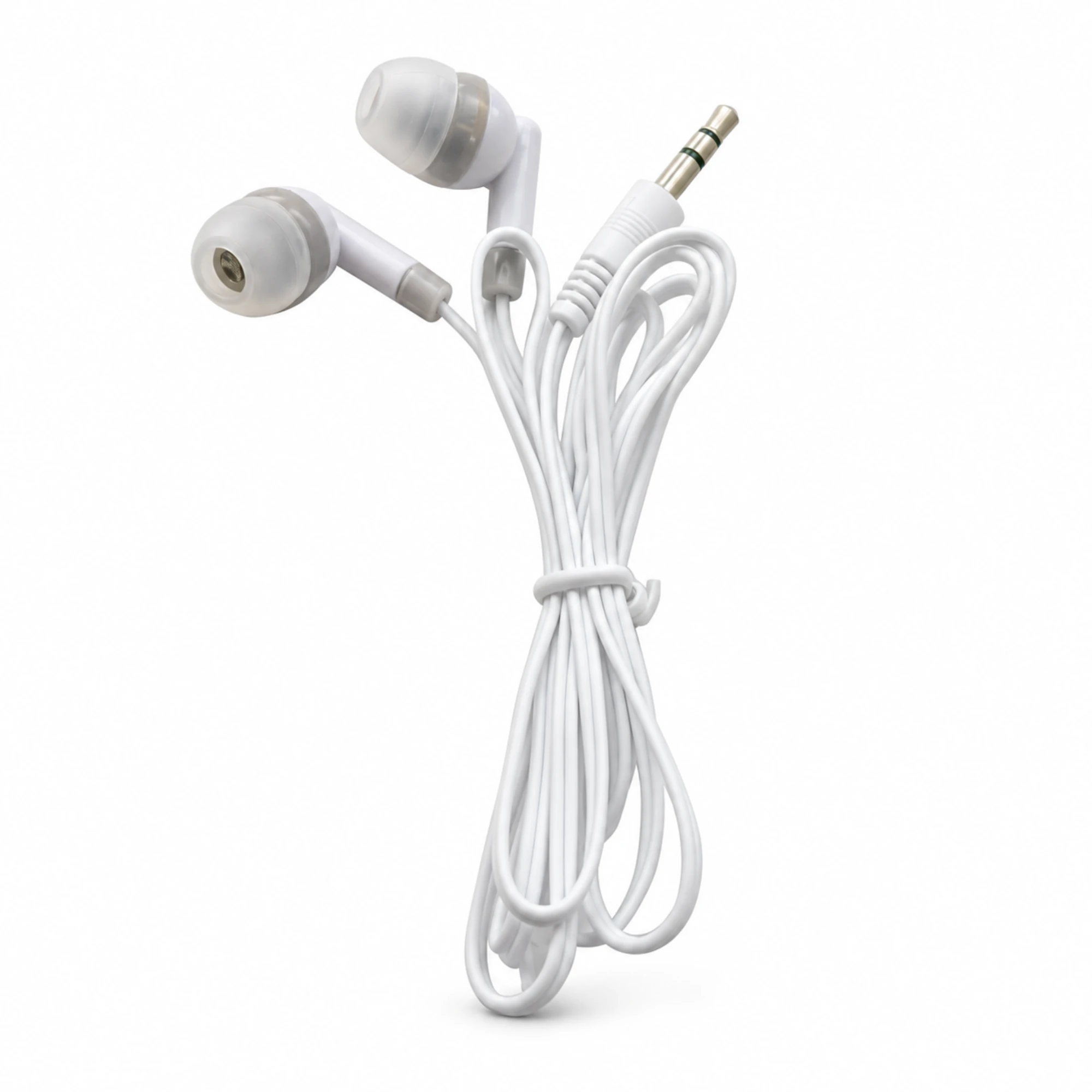
Fortunately, you do not have to choose between protecting your eyes and listening comfortably. Below, we examine how different styles of protective eyewear interact with headphone cushions, how to reduce seal leaks if you wear soft over-ear cups like the EARSOLE Noise Cancelling Over-Ear Headphones – Series 127, and when switching to canal-sealing EARSOLE White 3.5 mm Wired Earbuds or open-ear EARSOLE Bone Conduction Open-Ear Sport Headphones completely eliminates temple frame pressure.
How Safety Glasses and Spectacle Arms Interact With Over-Ear Headphone Cushions
Unlike thin wire-rimmed reading glasses, protective eyewear is built with thicker impact-resistant polycarbonate arms, integrated side shields, or wide elastic straps. According to Wikipedia’s Eye protection reference, protective eyewear is separated into categories including spectacles with side protection, goggles (eyecup goggles and cover goggles designed to be worn over regular eyewear), welding helmets, and face shields, and in the United States the ANSI/ISEA Z87.1-2020 standard is used to certify protective eyewear against impact hazards.
When you place circumaural (over-ear) headphones over safety spectacles or cover goggles, two mechanical conflicts happen simultaneously:
- Acoustic seal disruption (reduced isolation and ANC): Over-ear headphones rely on a continuous air-tight cushion seal around the pinna to block ambient noise and maintain low-frequency bass. When a thick safety-glass arm or side shield crosses under the pad, it lifts the foam slightly off your skin behind the temple.
- Localized temple pressure: The clamping force of the headband concentrates onto the rigid plastic temple arm rather than spreading evenly across the full ring of the earpad.
In r/bose (thread 1qrz5jk, “wearing glasses significantly reduces anc on over ear headphones”), a listener reports: “Because the frame of my glasses pushes against the cushion on the headphones, it disrupts the seal between my ear and the headphones, and sound can easily get in,” while a wearer in r/HeadphonesAdvice (thread 1vgpnop) notes that stiff over-ear headphones “still give me headaches when my glasses frames are pressed into my temples for a long time.”
Soft Protein-Leather Cushions vs In-Ear Wired Earbuds When Wearing Eye Protection
How you solve the safety-glasses conflict depends on whether you want a cushioned over-ear cup, a zero-frame-contact in-ear seal, or open-ear situational awareness:
| Audio Form Factor With Safety Glasses | Temple Arm Interference | Acoustic Seal Integrity | Situational Awareness (Hearing Warnings) | Best Match in EARSOLE Lineup |
|---|---|---|---|---|
| Over-Ear ANC Headphones (With Soft Protein-Leather Cups) | Low with thin-arm safety spectacles; moderate with bulky cover goggles | Slight air gap if temple arms are thick; tilt arm tips slightly above earpad center | Low (blocks up to 95% ambient noise when sealed) | EARSOLE Series 127 Over-Ear Headphones |
| In-Ear Wired Earbuds (3.5mm) | Zero (sits inside the ear canal, completely clear of temples and goggle straps) | 100% unaffected by glasses or face shields | Moderate (requires pausing or removing a bud to talk) | EARSOLE White 3.5 mm Wired Earbuds |
| Open-Ear Bone Conduction Headphones | Minimal (rests in front of the ear; put safety glasses on over the thin back band) | Open-ear by design (ear canal remains completely open) | High (hear traffic, co-workers, and tool alerts clearly) | EARSOLE Bone Conduction Open-Ear Sport Headphones |
1. Wearing Over-Ear Cushions Over Thin-Temple Safety Glasses
If you wear slim wraparound safety spectacles and prefer over-ear comfort, look for lightweight headphones with pliable cushions that mold around the temple arm. According to the EARSOLE Noise Cancelling Over-Ear Headphones, Wireless & Wired – Series 127 listing, the headphones use ultra-soft protein leather ear cups that rotate up to 105 degrees, weigh 0.54 lbs, and offer Active Noise Cancellation, up to 100 hours of playtime, and both Bluetooth and a 47.2-inch 3.5 mm AUX wired connection.
Pro Tip for Over-Ear Seal: Put your EARSOLE Series 127 Over-Ear Headphones on first, then slide the temple arms of your safety glasses in so the back tips rest just above the top edge of the ear canal rather than wedging deep behind the ear lobe. That thinner entry angle minimizes the gap under the protein-leather cushion.
2. Switching to In-Ear Earbuds Under Goggles or Face Shields
If you wear elastic-strap cover goggles or a flip-down face shield where any over-ear cup will collide with the headgear, in-ear earbuds solve the geometry problem instantly because they sit entirely inside the concha and ear canal. According to the EARSOLE White 3.5 mm Wired Earbuds listing, the wired earbuds feature soft in-ear tips and a straight 3.5 mm plug for devices with a compatible headphone output. With the EARSOLE White 3.5 mm Wired Earbuds routed inside your shirt collar, nothing touches your safety glasses, goggles, or face shield.
Open-Ear Bone Conduction & Situational Awareness Around Moving Equipment
Sometimes blocking outside noise is the exact opposite of what you want. In r/srilanka (thread 1wwt1hq), an audiobook listener comparing in-ear monitors with Bluetooth over-ear headphones writes: “I own a pair of IEMs. I mostly listen to audiobooks. So it sometimes gets annoying with the pausing, removing buds to cross roads, then rewinding if I miss anything.”
When you are wearing safety glasses while cycling, trimming hedges, or working in a shared garage where you must hear approaching vehicles, spoken warnings, or changes in tool pitch, keeping your ear canals open is critical. According to the EARSOLE Bone Conduction Open-Ear Sport Headphones listing, the open-ear headphones transmit sound without inserting earbuds into the ear canal so you stay aware of traffic, conversations, and warning signals, while providing IP54 water resistance against sweat, splashes, and light rain and up to 12 hours of playtime with USB-C fast charging.
When pairing the EARSOLE Bone Conduction Open-Ear Sport Headphones with safety glasses, put the bone conduction wraparound frame on first so its cheekbone transducers sit flush in front of your ears, and then place your safety glasses on top so the spectacle arms rest lightly above the thin silicone ear hook.
Important Safety Note: Consumer ANC headphones, wired earbuds, and bone conduction headphones are designed for personal audio listening—they do not carry an ANSI NRR (Noise Reduction Rating) or OSHA certification for industrial hearing protection. When operating high-decibel machinery that requires certified hearing PPE, always wear rated earmuffs or earplugs.
Frequently Asked Questions
Do safety glasses reduce the noise isolation of over-ear headphones?
Yes, thick safety-glass frames or side shields can reduce both passive isolation and active noise cancellation. As glasses wearers in r/bose (thread 1qrz5jk) report, when a rigid eyeglass frame pushes against an over-ear cushion, it disrupts the acoustic seal between the earpad and the side of your head, allowing ambient sound to leak in.
Are in-ear earbuds better than over-ear headphones when wearing safety goggles or glasses?
If you wear wide-temple safety spectacles, cover goggles, or face shields (Wikipedia Eye protection), in-ear earbuds like the EARSOLE White 3.5 mm Wired Earbuds avoid temple pressure and seal leaks completely because the soft silicone tips seal inside the ear canal without touching your eyewear frames.
Do consumer ANC or bone conduction headphones count as ANSI/OSHA hearing protection?
No. While ANSI/ISEA Z87.1-2020 certifies impact-resistant protective eyewear (Wikipedia), consumer audio headphones—including ANC models like the EARSOLE Series 127 and open-ear models like the EARSOLE Bone Conduction Open-Ear Sport Headphones—are not certified industrial hearing protectors.