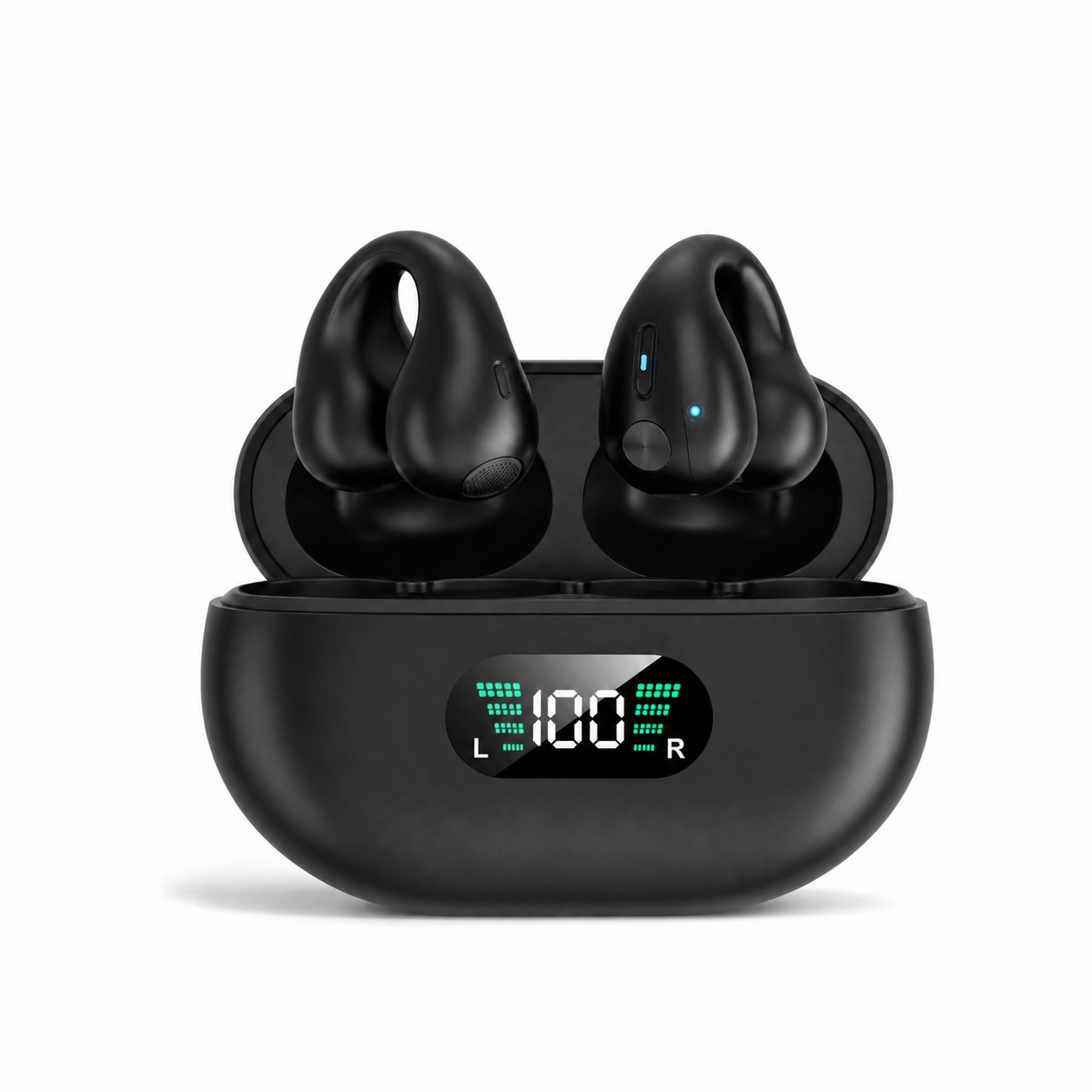



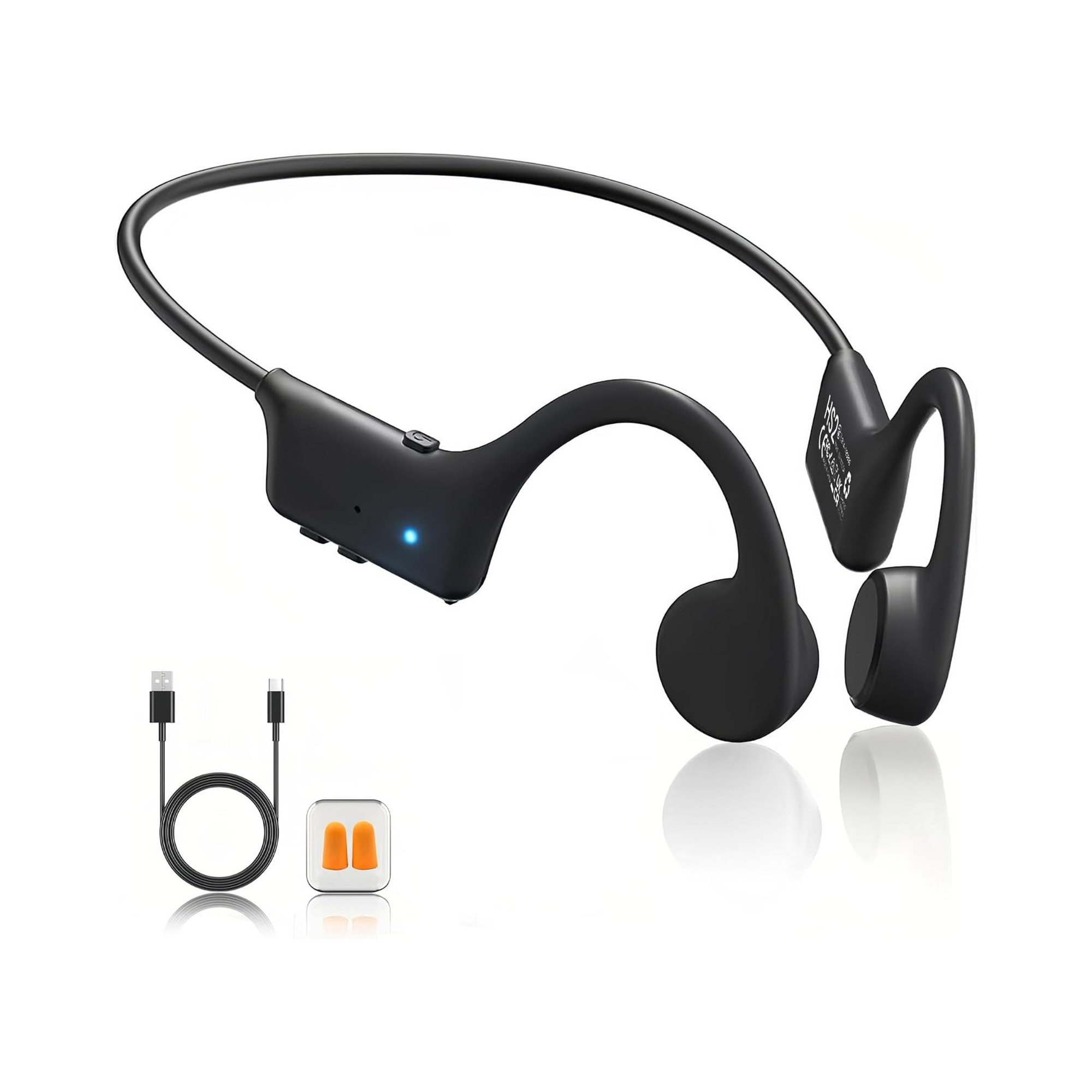
Open-ear earbuds and bone conduction headphones both leave your ear canal open, so the real choice is how the sound reaches you and what that changes for sound, volume, fit and leakage.
Pocket-lint writer Abby Ferguson notes that both types provide better situational awareness because nothing blocks the ear canal.
How each one gets sound to you
Bone conduction headphones, she explains, send vibrations along your cheekbones so the sound bypasses the eardrum and goes straight to the inner ear. Open-ear headphones, also called air-conduction headphones, sit outside the ear and use the air to carry sound waves to the eardrum. Open-ear models either clip onto the ear like a cuff or loop over it with an ear hook, while bone conduction headphones typically use a band around the back of the head with hooks that sit on top of the ears.
SoundGuys describes the newer open earbuds as acting more like little speakers that do not attempt to block out sound.
Sound and volume in noise
SoundGuys says this open-earbud category often sounds better than bone conduction headphones. Its verdict on bone conduction is blunt: the audio quality is severely degraded, so avoid it if audio quality matters to you at all.
In an r/cycling thread, a rider who liked the awareness of Shokz bone conduction headphones said the Aeropex were only borderline loud enough above 25 km/h and the newer OpenRun were even less loud. One reply said the Shokz OpenFit, an open-ear model, sounds much better than the OpenRun. Another commenter said a cheap open-ear pair let them hear music fine in a loud, packed gym where their Shokz quickly get drowned out by the noise.
Fit, weight and vibration
Ferguson prefers bone conduction for running and finds it generally lighter than open-ear headphones, especially hook-style ones that use a counterweight behind the ear. She says the band around the back of her head keeps her bone conduction pair in place, even on trail runs with lots of tree dodging. Because open-ear headphones send sound through the air, she notes, their placement relative to your ear canal matters for sound quality, and she ends up wiggling them around to get it right. With clip-on open-ear buds, she found the pressure on her ears builds over time. She adds that some people experience discomfort with the vibrations bone conduction needs.
On glasses, the r/cycling poster said they use their Shokz with glasses and a helmet and have managed OK so far.
Leakage and awareness
SoundGuys notes that bone conduction headphones still let some sound be heard by people around you, because there is no seal. On awareness, one r/cycling commenter said bone conduction gives the best awareness.
EARSOLE’s two open-ear options
EARSOLE’s Bone Conduction Open-Ear Sport Headphones use a lightweight wraparound frame, carry an IP54 water-resistance rating and list up to 12 hours of playtime per charge. The Open-Ear Clip-On Wireless Earbuds rest outside the ear canal and are listed as not water-resistant. Their listing also notes that without a seal, low frequencies feel lighter and background noise mixes with your audio.
If sound and loudness in noisy places matter most, the sources above lean toward open-ear buds; if a band-held fit with no clip pressure matters more, bone conduction is what the Pocket-lint runner chose.
For how open-ear designs compare with sealed earbuds, see open-ear vs in-ear earbuds, and for fitting a bone conduction band for sport, see wearing bone conduction headphones for running, cycling and the gym.
Is open ear better than bone conduction?
It depends on what you value. SoundGuys says open earbuds often sound better than bone conduction, while a runner writing for Pocket-lint prefers bone conduction for its lighter, more secure fit.