

The main types of headphones and earphones divide along two physical design axes: where the speaker sits on or in your ear (over-ear, on-ear, in-ear, semi-in-ear, open-ear clip-on, and bone conduction) and whether the outer housing is acoustically sealed or vented (closed-back, open-back, or semi-open). Choosing the right style comes down to how much outside noise you want to block, whether you want anything inside your ear canal, and whether you are sitting at a desk or moving through traffic and workouts.
At-a-Glance Comparison: Main Types of Headphones and Earphones
| Headphone / Earphone Type | Where It Sits | Acoustic Seal & Isolation | Everyday Fit & Use Trade-Off | Example in the EARSOLE Catalog |
|---|---|---|---|---|
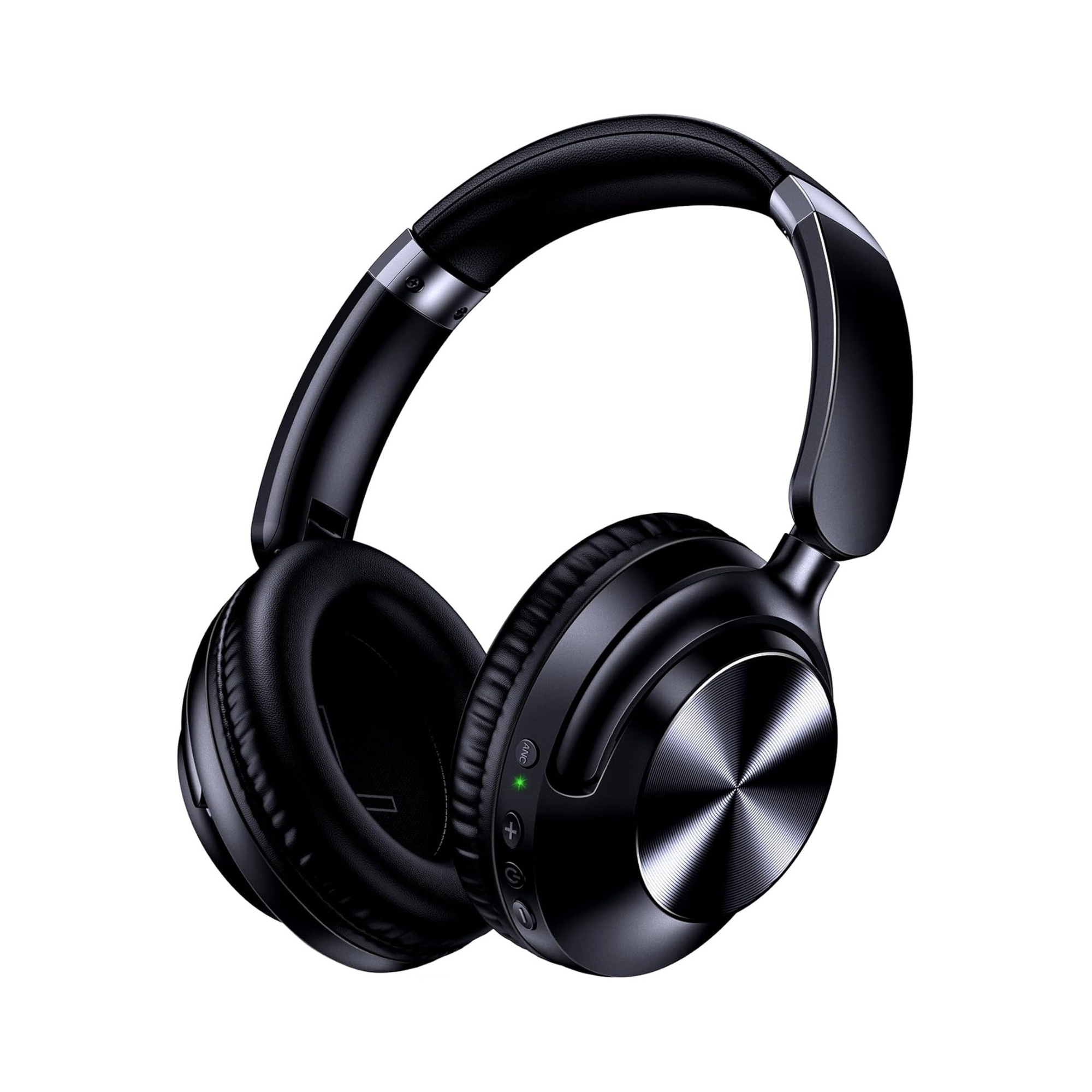
| Over-Ear (Circumaural) | Encloses the entire ear inside cushioned ear cups | High passive isolation (especially in closed-back designs); often paired with ANC | Rich, full-bodied sound and cushioned comfort for commutes or desk sessions, but bulkier to carry | EARSOLE Series 127 Over-Ear Headphones |
| On-Ear (Supra-Aural) | Sits directly on the outer ear (pinna) without covering it completely | Moderate isolation; some ambient sound and audio leakage remain | More compact than over-ear cups, though direct pressure rests on the outer ear | — (Category reference via Teufel) |
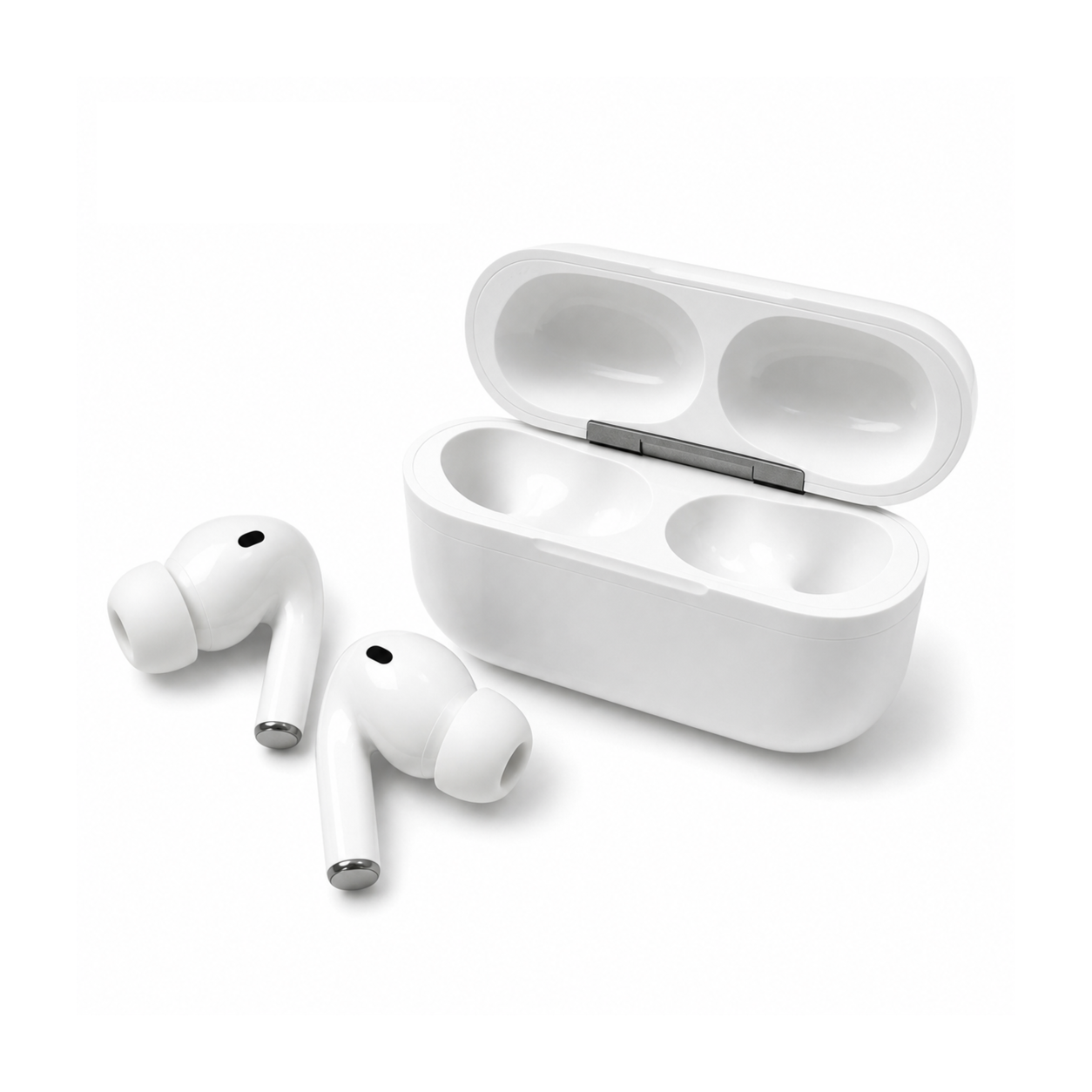
| In-Ear (Canal Earbuds) | Inserts into the ear canal entry with silicone ear tips | Passive ear-tip seal blocks outside chatter when sized properly | Pocket-sized charging case for daily carry; requires tolerance for ear tips inside the canal | EARSOLE Core White In-Ear Wireless Earbuds |
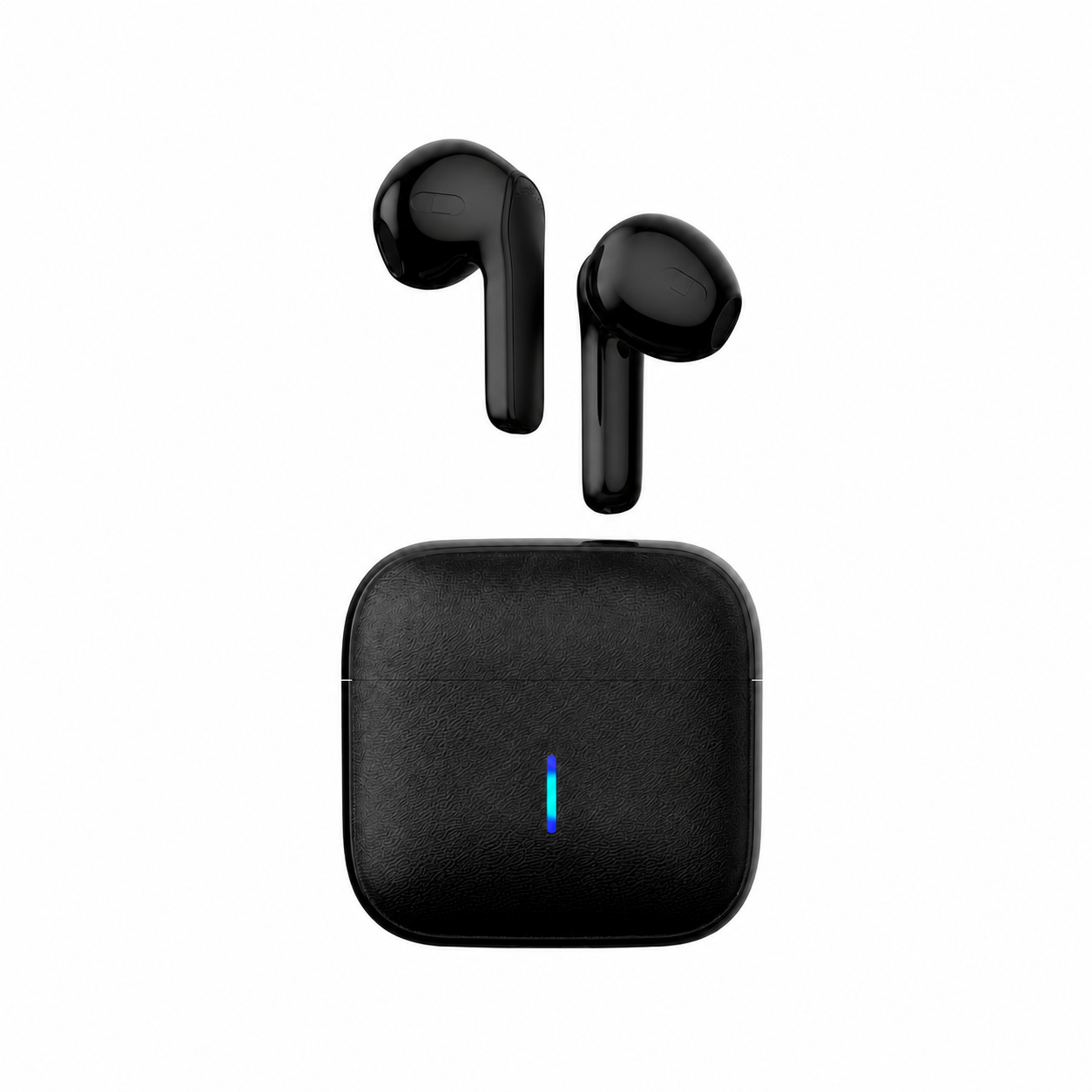
| Semi-In-Ear Earbuds | Rests at the outer bowl of the ear without a deep in-ear seal | Light isolation; lets more room awareness through than sealed silicone tips | Smooth, low-pressure feel for listeners who dislike deep ear-tip insertion | EARSOLE Wireless Earbuds – Semi-In-Ear |
| Open-Ear Clip-On | Clips around the outer ear and rests outside the ear canal | Open ear canal; background noise mixes naturally with your audio | Keeps your ear canal completely unsealed, though low frequencies feel lighter than sealed earbuds | EARSOLE Open-Ear Clip-On Wireless Earbuds |
| Bone Conduction | Wraparound frame rests outside the ear canal and transmits sound without inserting earbuds | Open ear canal for situational awareness | Leaves ears open during outdoor sports and running | EARSOLE Bone Conduction Open-Ear Sport Headphones |
| Ear-Hook & Neckband Retention Styles | In-ear tips paired with over-ear hooks or a flexible collar band | Depends on the ear tip (includes L/M/S soft caps on neckband models) | Extra physical retention for running, gym workouts, or hanging around the neck between calls | EARSOLE Sport Ear-Hook Wireless Earbuds / EARSOLE Bluetooth Neckband |
Over-Ear vs On-Ear vs In-Ear: How Fit Changes Sound and Comfort
According to audio manufacturer Teufel’s guide to the different types of headphones, the classic three-way distinction starts with how the driver housing contacts your ear:
1. Over-Ear Headphones
As Teufel explains, over-ear headphones enclose the ear completely, delivering a rich sound and stronger external sound insulation, and are built in open, closed, or half-open (semi-open) designs. Because the ear pads rest around your head rather than pressing flat against the cartilage of your pinna, over-ear models are a popular choice for long flights, office work, and home listening.
In the EARSOLE catalog, the EARSOLE Noise Cancelling Over-Ear Headphones, Wireless & Wired – Series 127 illustrates a closed over-ear build: it pairs Active Noise Cancellation with protein leather ear cups that rotate up to 105 degrees, an adjustable headband, and dual-mode connectivity that switches between wireless Bluetooth and a 3.5 mm AUX wired connection using an included 47.2-inch audio cable.
2. On-Ear Headphones
Teufel notes that on-ear headphones sit directly on the ear and do not cover it completely. That smaller footprint makes them easier to fold into a jacket pocket or small bag than full-size over-ear cups, though they let in more room noise than a full circumaural seal.
3. In-Ear Headphones (Earbuds)
According to Teufel, in-ear headphones are worn in the ear and are compact for everyday use. For example, the EARSOLE Core White In-Ear Wireless Earbuds with Charging Case uses soft silicone ear tips that sit inside the ear for passive sound isolation without electronic active noise cancellation, paired with Bluetooth 5.3 and a pocket-sized charging case.
Semi-In-Ear, Open-Ear Clip-On, and Bone Conduction: Options That Skip the Deep Canal Seal
Not every listener finds silicone ear tips comfortable for hours at a time, and runners or office workers often want to hear people speaking nearby. Three distinct types of headphones and earbuds address ear-canal fatigue in different ways:
- Semi-In-Ear Earbuds: Rather than pushing a flexible tip into the ear canal, a semi-in-ear shell rests at the entry of the ear. The EARSOLE Wireless Earbuds – Semi-In-Ear Bluetooth Earbuds with Charging Case describes a smooth, lightweight shape that rests at the ear without a deep in-ear seal and does not use active noise cancellation, making it a relaxed option for daily calls, podcasts, and walks.
- Open-Ear Clip-On Earbuds: Clip-on designs sit completely outside the opening of the ear canal. As the EARSOLE Open-Ear Clip-On Wireless Earbuds with LED Charging Case listing states, because the earbuds rest outside the ear canal instead of sealing it shut, low frequencies feel lighter and background noise mixes with the audio; the listing also notes that this model is not water-resistant.
- Bone Conduction Sport Headphones: Instead of placing a speaker inside or over the ear opening, bone conduction models use a wraparound frame. The EARSOLE Bone Conduction Open-Ear Sport Headphones listing explains that they transmit sound without inserting earbuds into the ear canal, combining a lightweight wraparound frame with
IP54water resistance and up to12 hoursof playtime.
Open-Back vs Closed-Back vs Semi-Open Ear Cups
When shopping for full-size headphones, you will also see enclosures grouped by how air and sound waves move through the outer shell. Teufel breaks the three acoustic housing types down as follows:
- Closed Headphones (Closed-Back): According to Teufel, closed headphones have a completely closed outer shell, making them less air-permeable and slightly heavier. In exchange, external noise is reduced much more effectively, and your music is not—or only minimally—audible to people sitting nearby.
- Open Headphones (Open-Back): Teufel explains that open headphones use a perforated, air-permeable shell that makes them lighter and more breathable, but music can be heard outside the cups and outside noise is barely attenuated. They are meant for quiet living rooms rather than noisy trains or shared offices.
- Semi-Open (Half-Open) Headphones: Teufel describes semi-open headphones as a mixture of open and closed designs, moderating both sound isolation and outward sound leakage.
Retention Designs for Movement: Ear Hooks and Neckbands
Even within in-ear earphones, how the housing is anchored changes how well it stays put during movement:
- Adjustable Ear-Hook Earbuds: Built to prevent earbuds from slipping out when you sweat or run. The EARSOLE Sport Ear-Hook Wireless Earbuds listing describes ergonomic adjustable ear hooks that adapt to different ear shapes during running, cycling, or intense workouts, paired with separate physical main and volume buttons and up to
8 hoursof playback per charge (80 hourstotal with the charging case). - Neckband Wireless Earphones: Connects the left and right earpieces to a flexible collar so you can drop the buds out of your ears without losing them. The EARSOLE Bluetooth Neckband Wireless Earphones listing describes a Bluetooth 5.1 neckband build supplied with
L,M, andSsoft caps to adjust the fit.
Frequently Asked Questions About Types of Headphones
What are the different types of earphones?
Based on how they fit the ear and how they are secured, the main types of headphones and earphones include over-ear headphones (which enclose the ear completely in open, closed, or half-open cup designs, per Teufel), on-ear headphones (which sit on the ear without covering it completely), in-ear earbuds with silicone tips, semi-in-ear earbuds that rest at the ear without a deep canal seal, open-ear clip-on earbuds, bone conduction headphones that leave the ear canal open, and sport retention styles such as ear-hook earbuds and neckband earphones.
What are the most common headphones?
As Teufel notes, the three classic everyday categories are in-ear headphones (compact earphones worn in the ear for daily portability), on-ear headphones (resting on the outer ear), and over-ear headphones (enclosing the full ear in closed, open, or half-open shells), alongside modern open-ear clip-on, semi-in-ear, bone conduction, ear-hook, and neckband variations designed for commuters, office workers, and athletes.