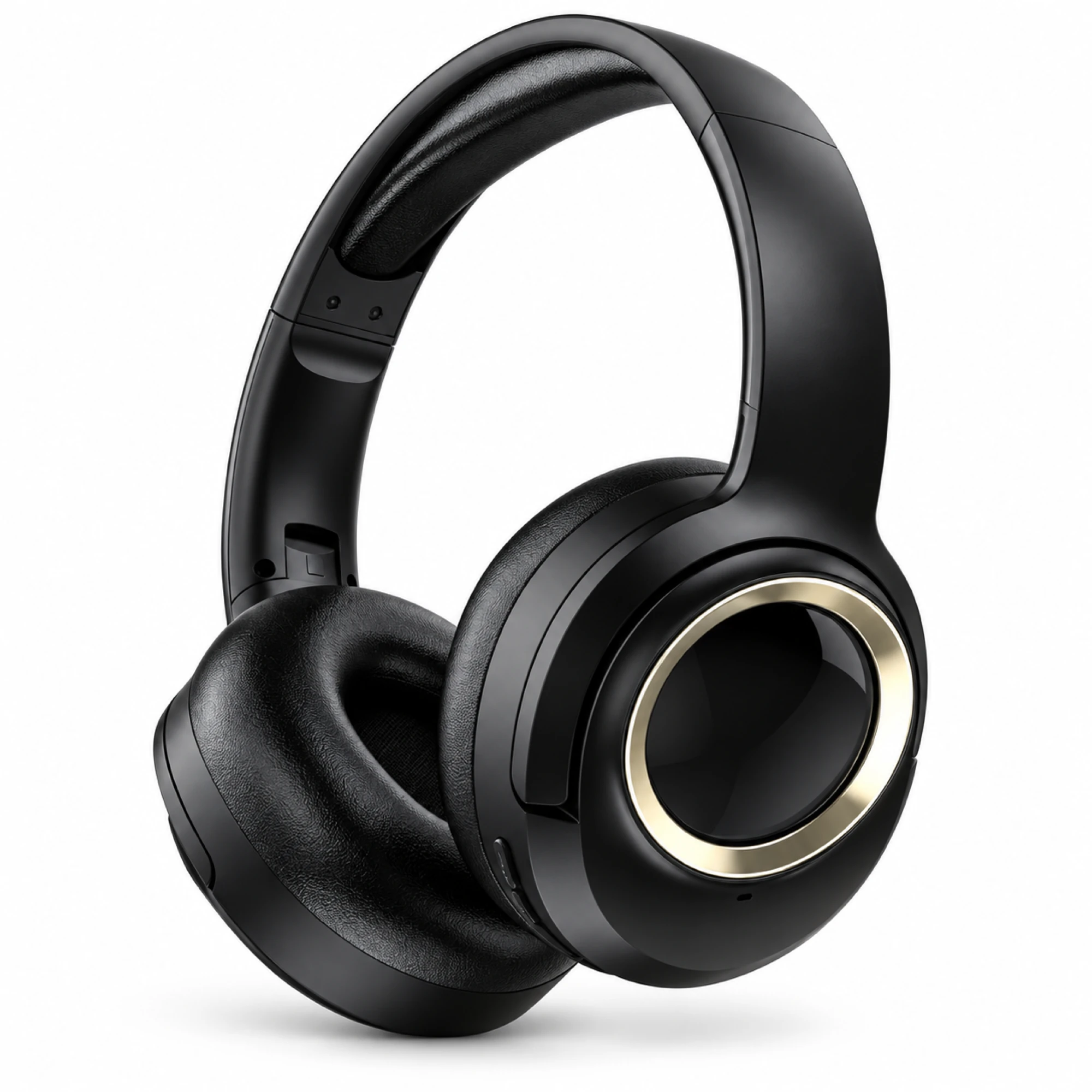
 MX-21 Black and Gold Wireless Headphones
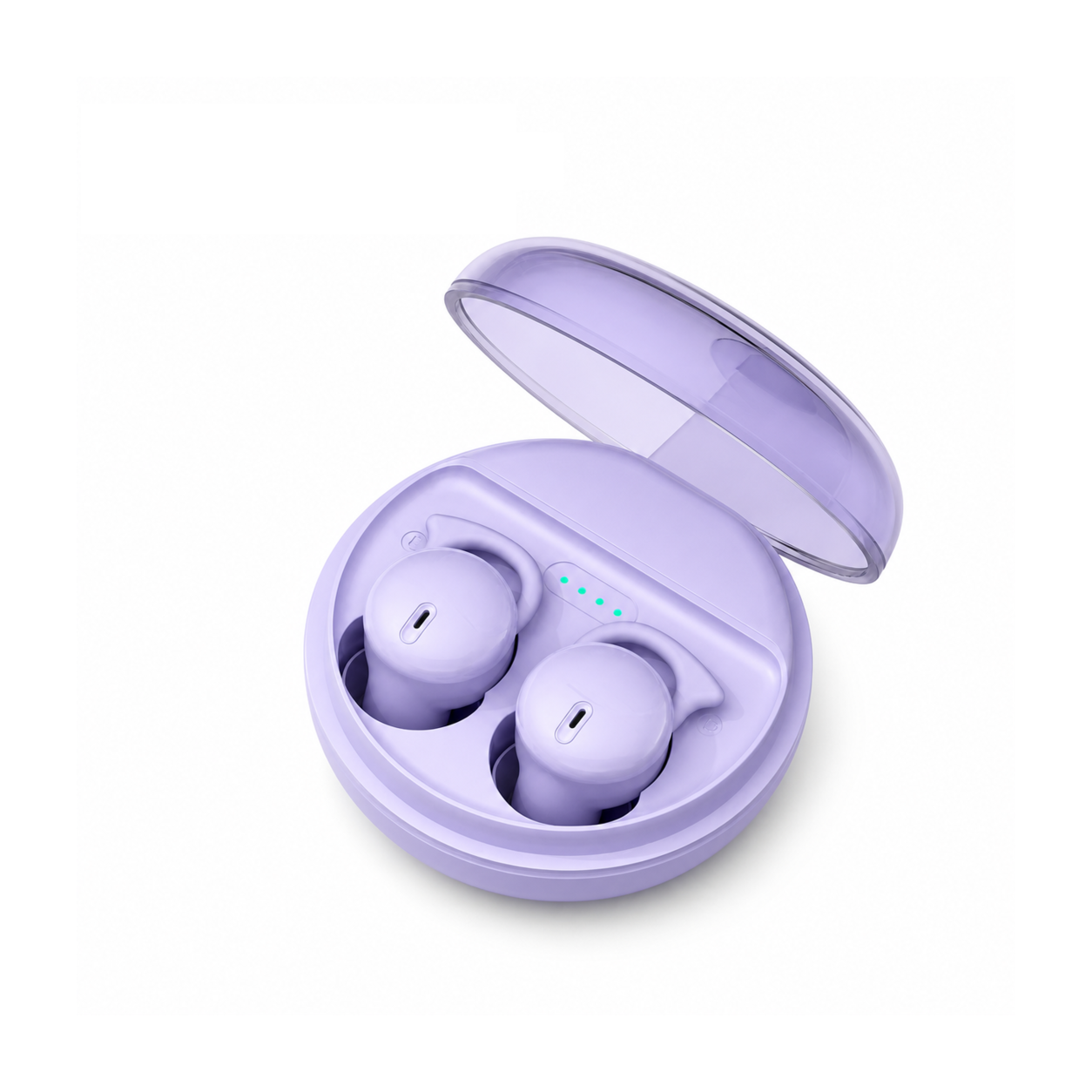
 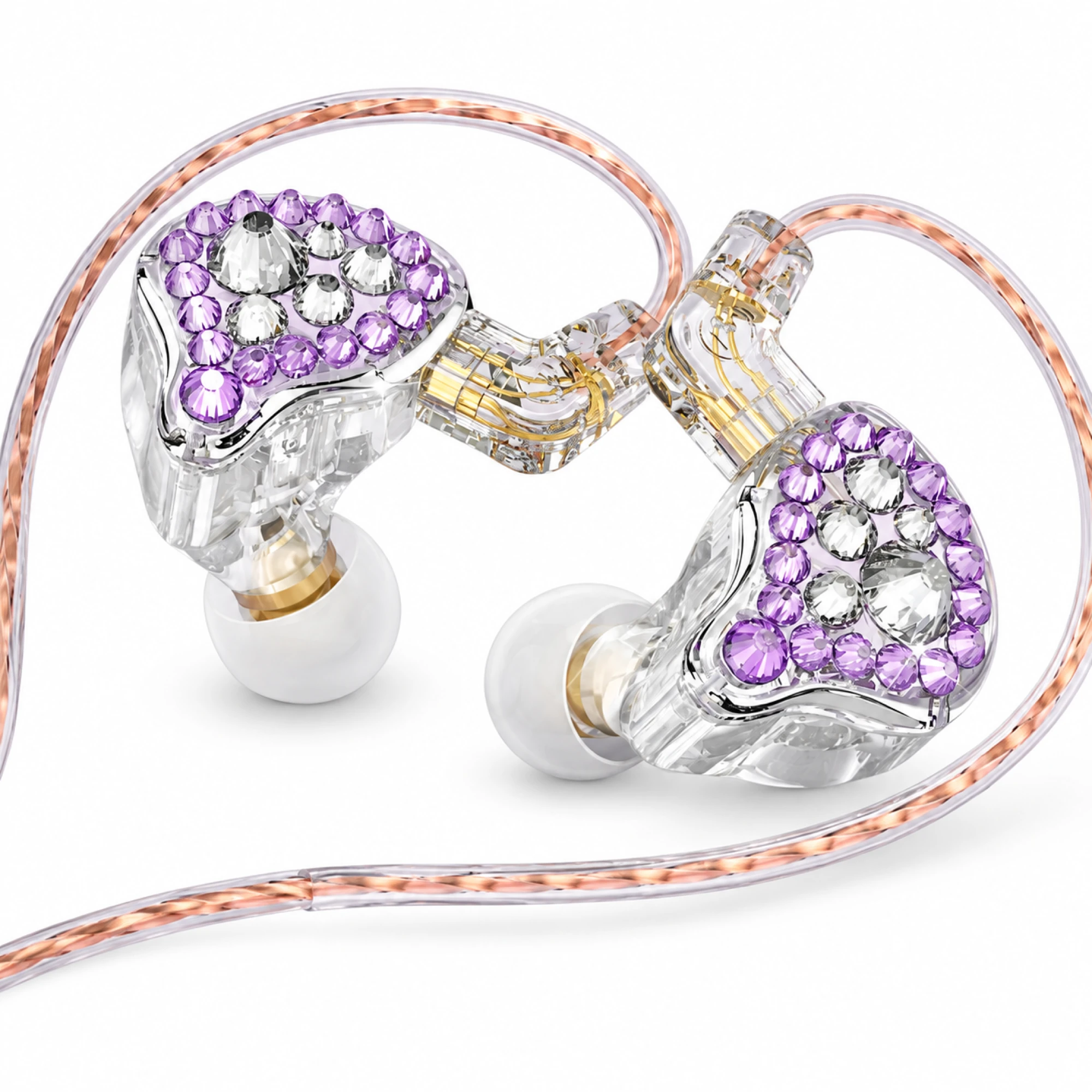 Q2 Pro Purple Crystal In-Ear Monitors
 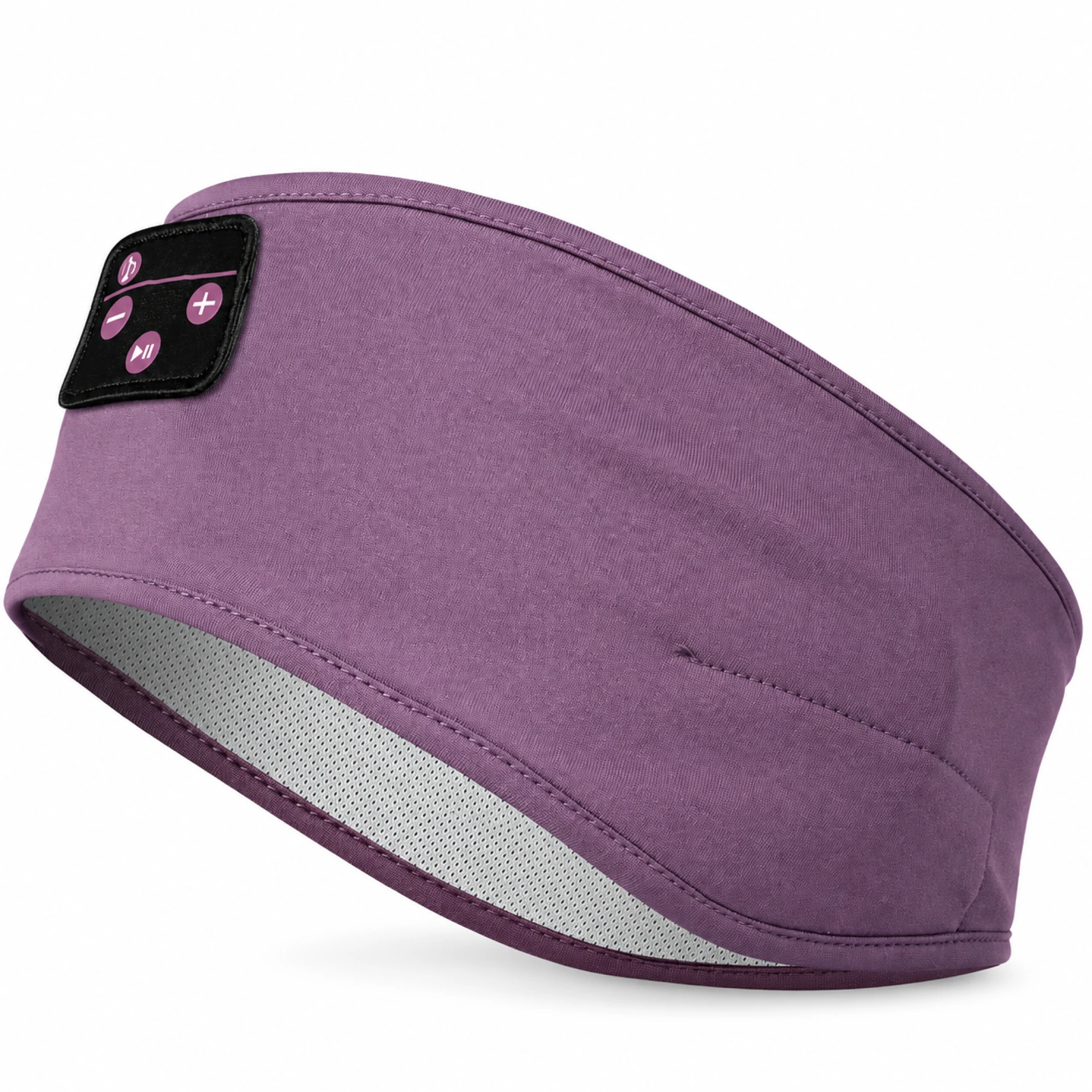 Purple Sleep Headband Headphones with Triangle Controls
 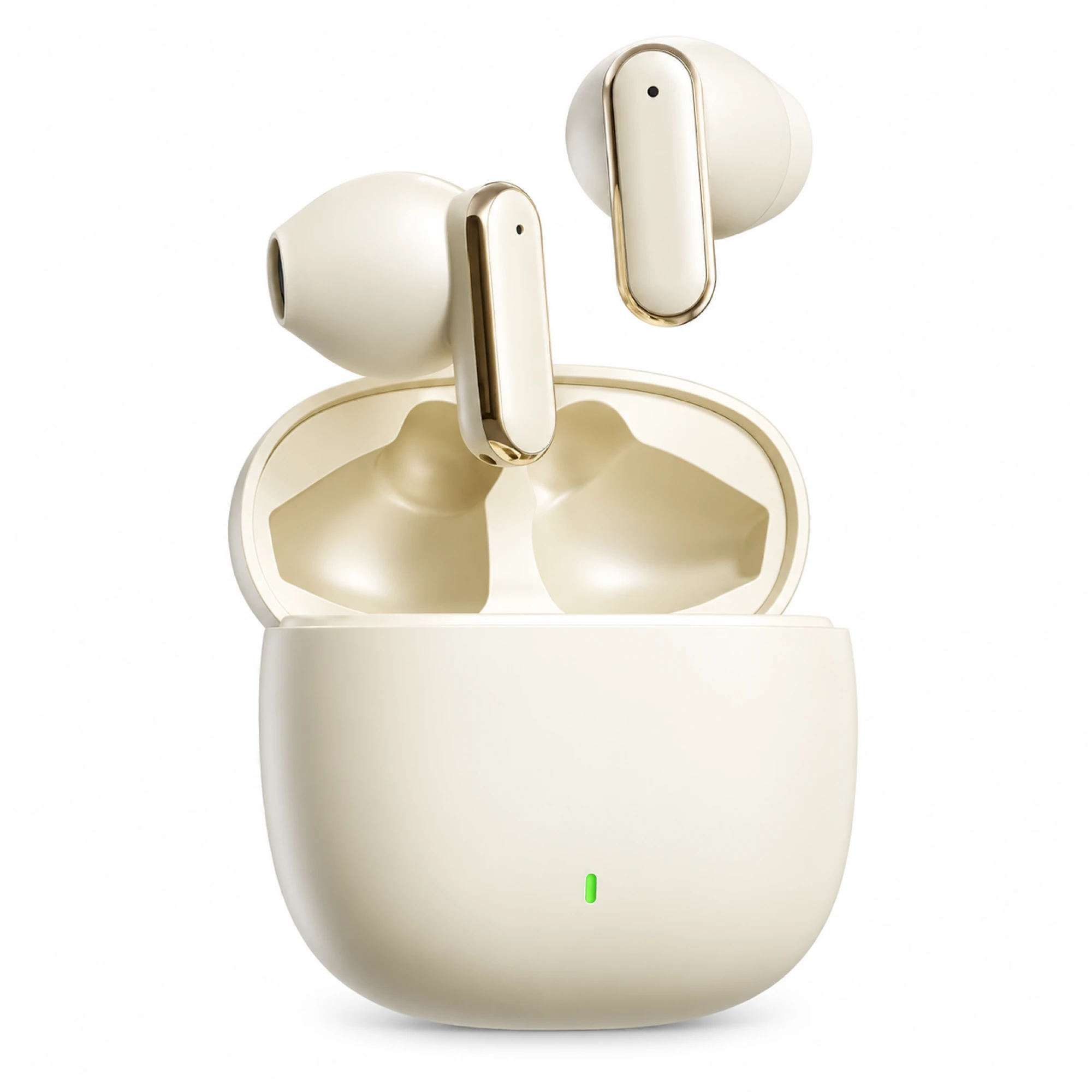 Cream Reflective-Stem Wireless Earbuds
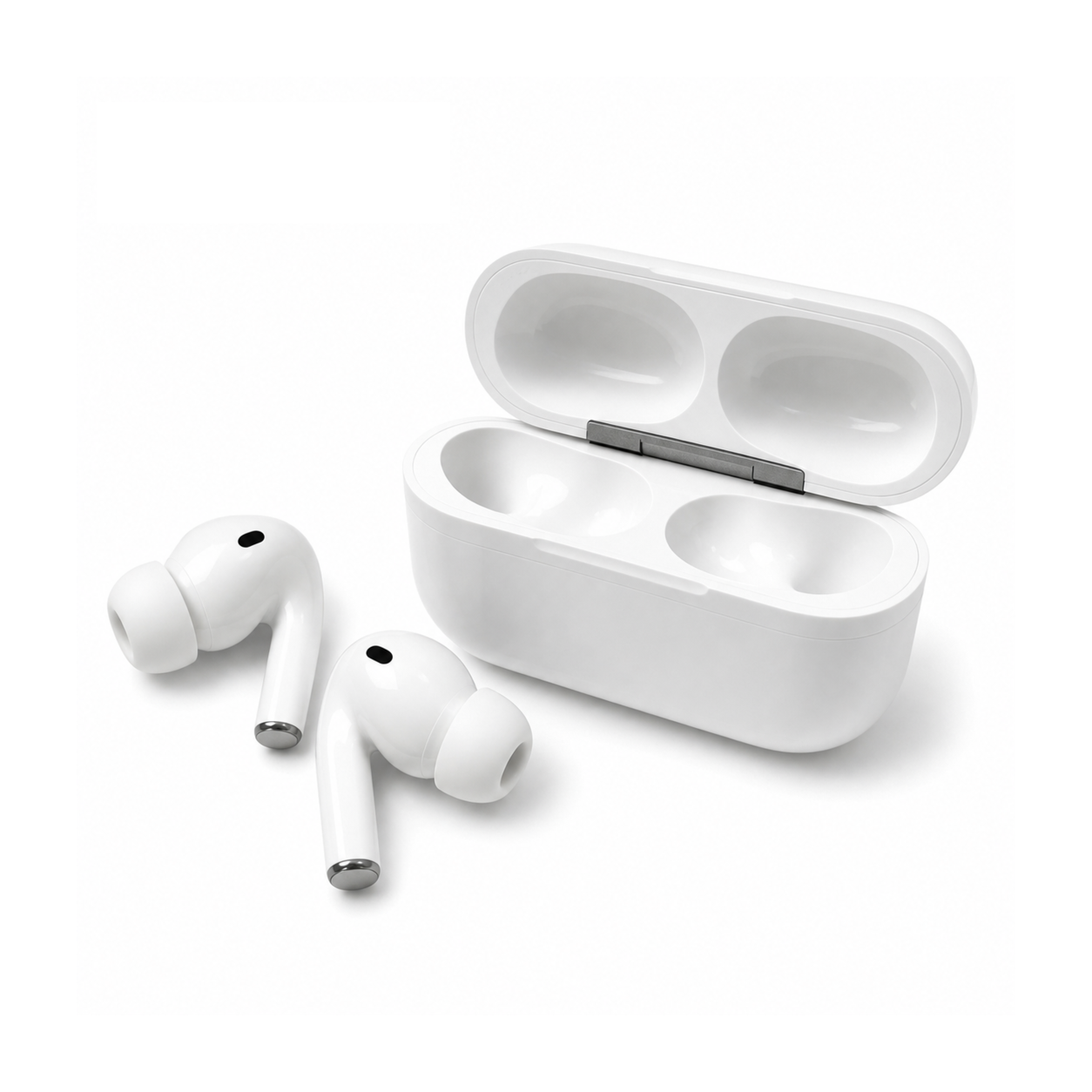
 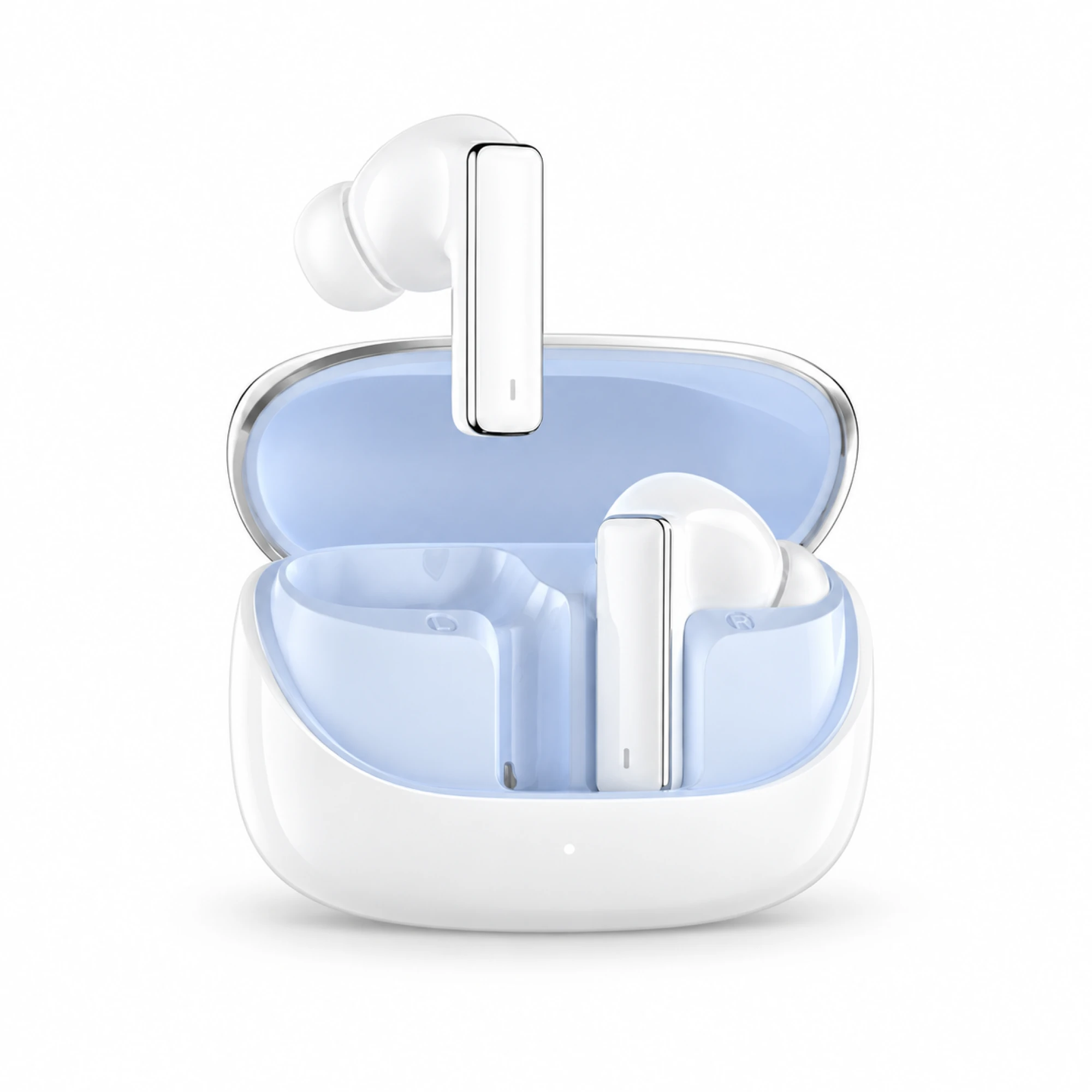 IN-01 White ANC Earbuds with Pale Blue Case Interior
 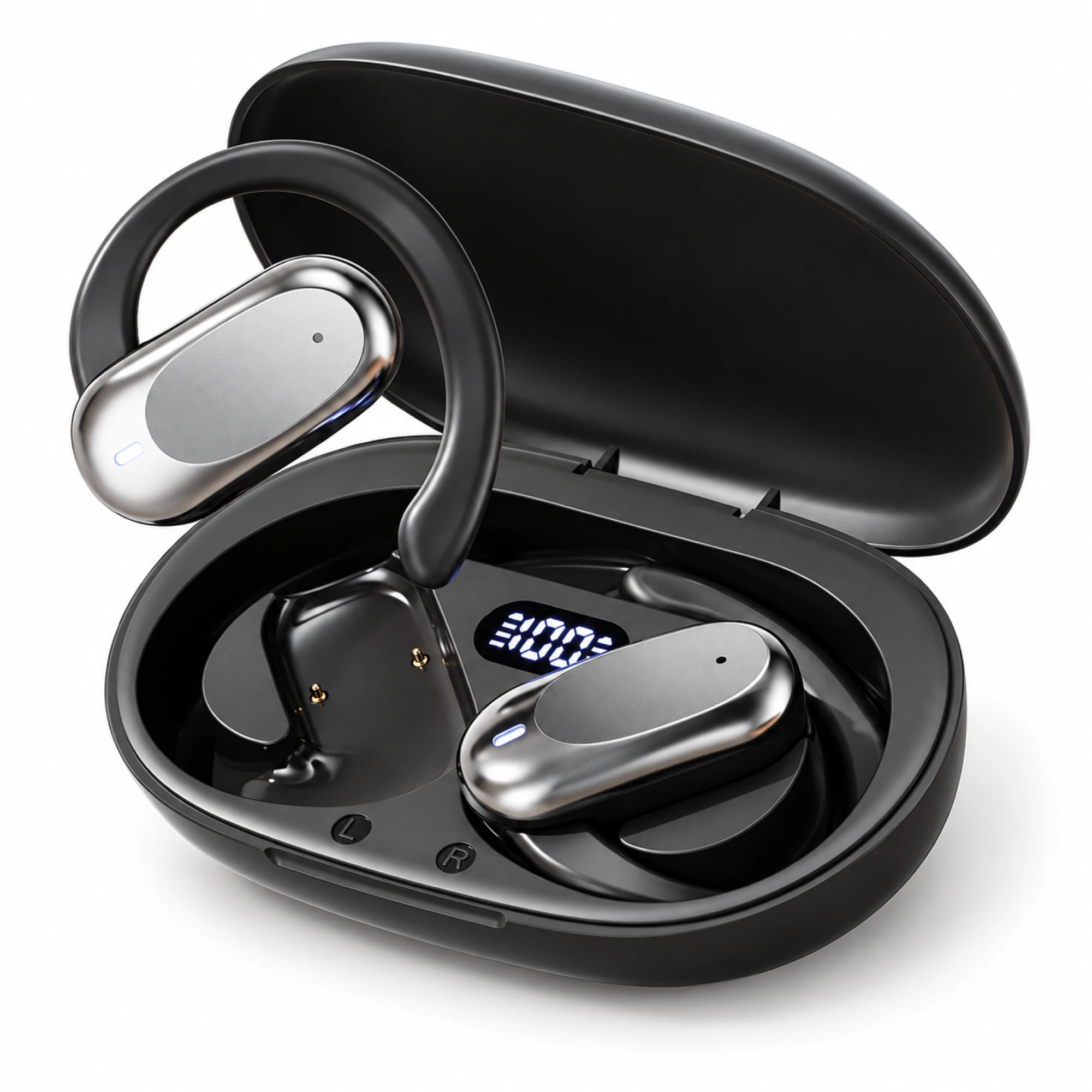 Silver Capsule Open-Ear Earbuds
 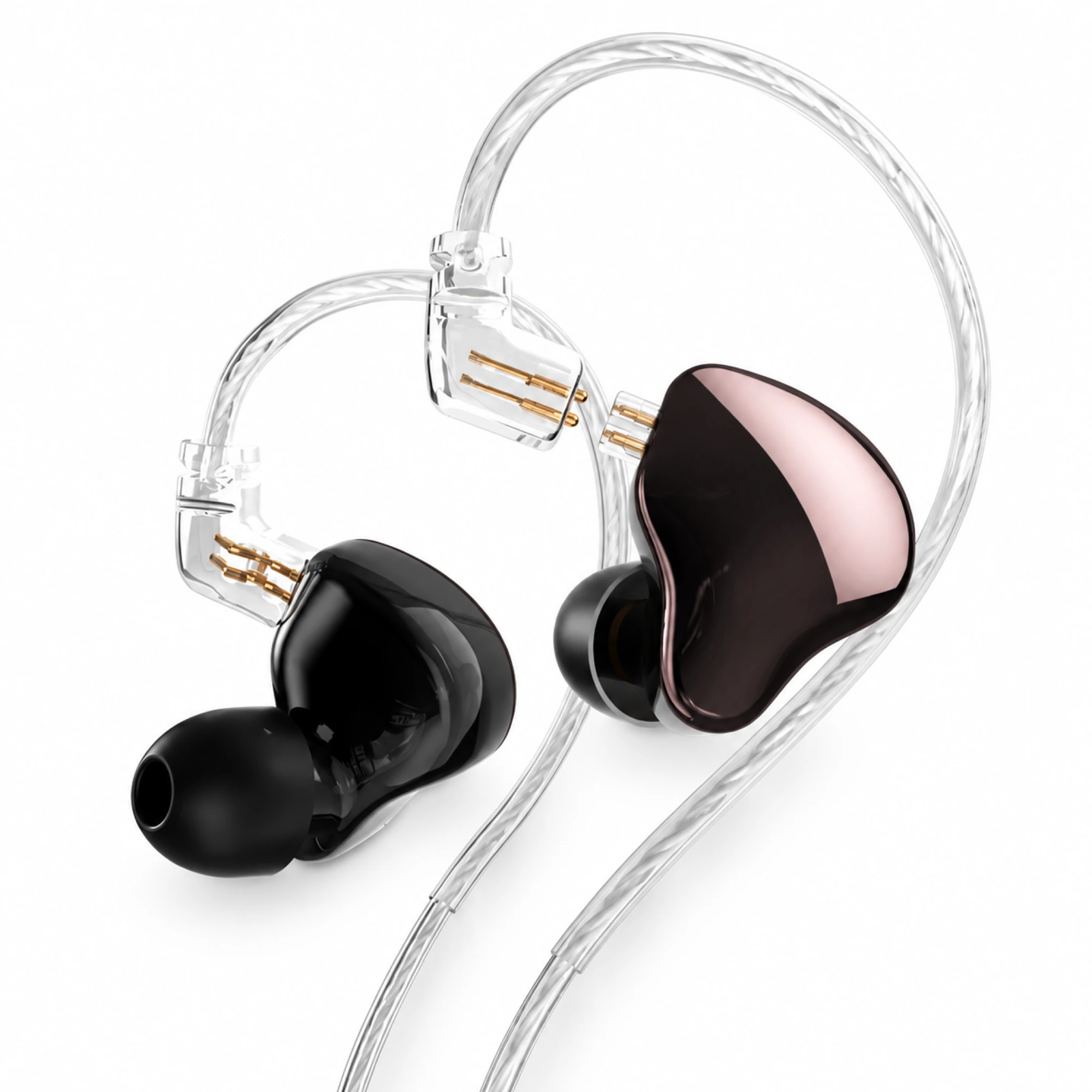 MN Rose-Metallic Detachable In-Ear Monitors
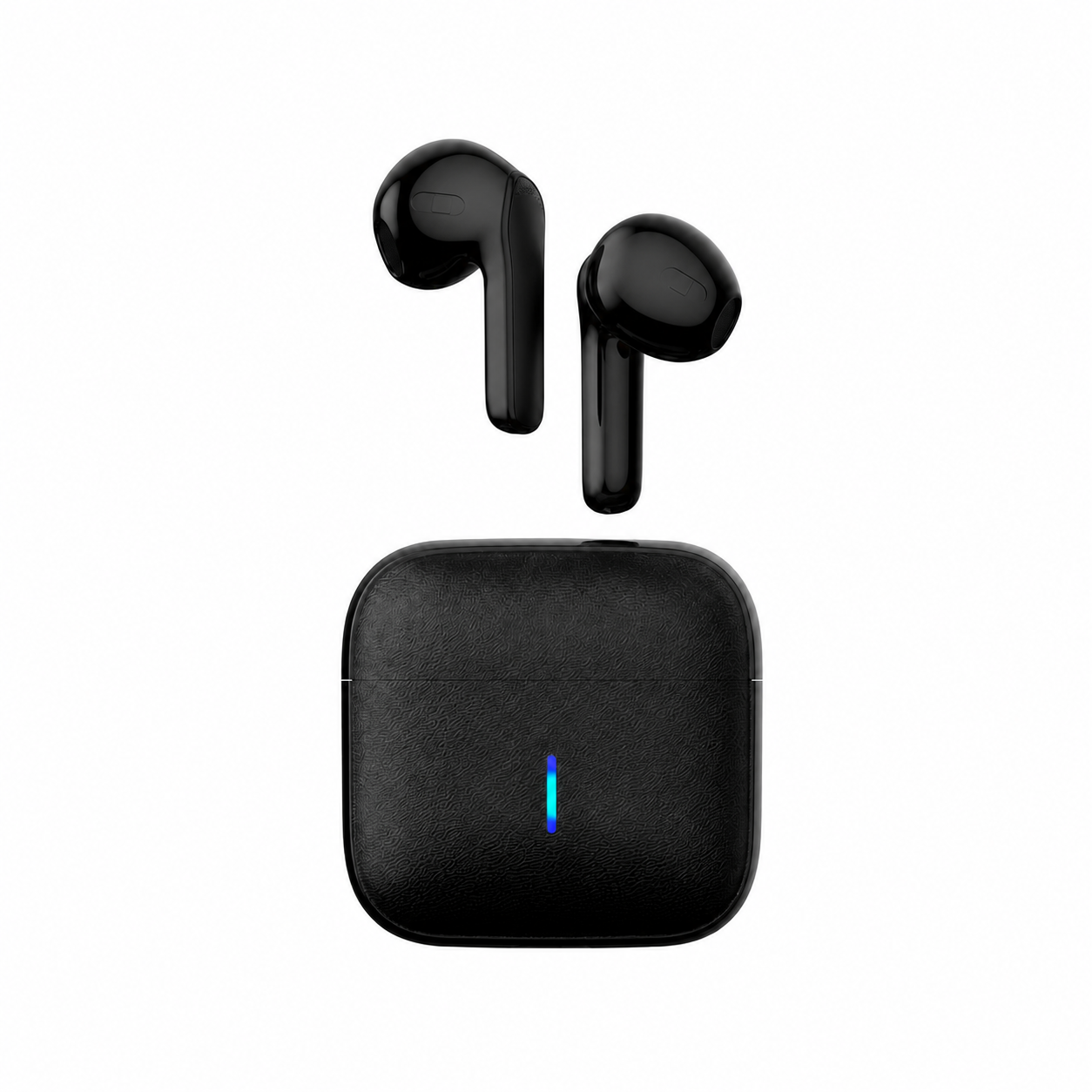
 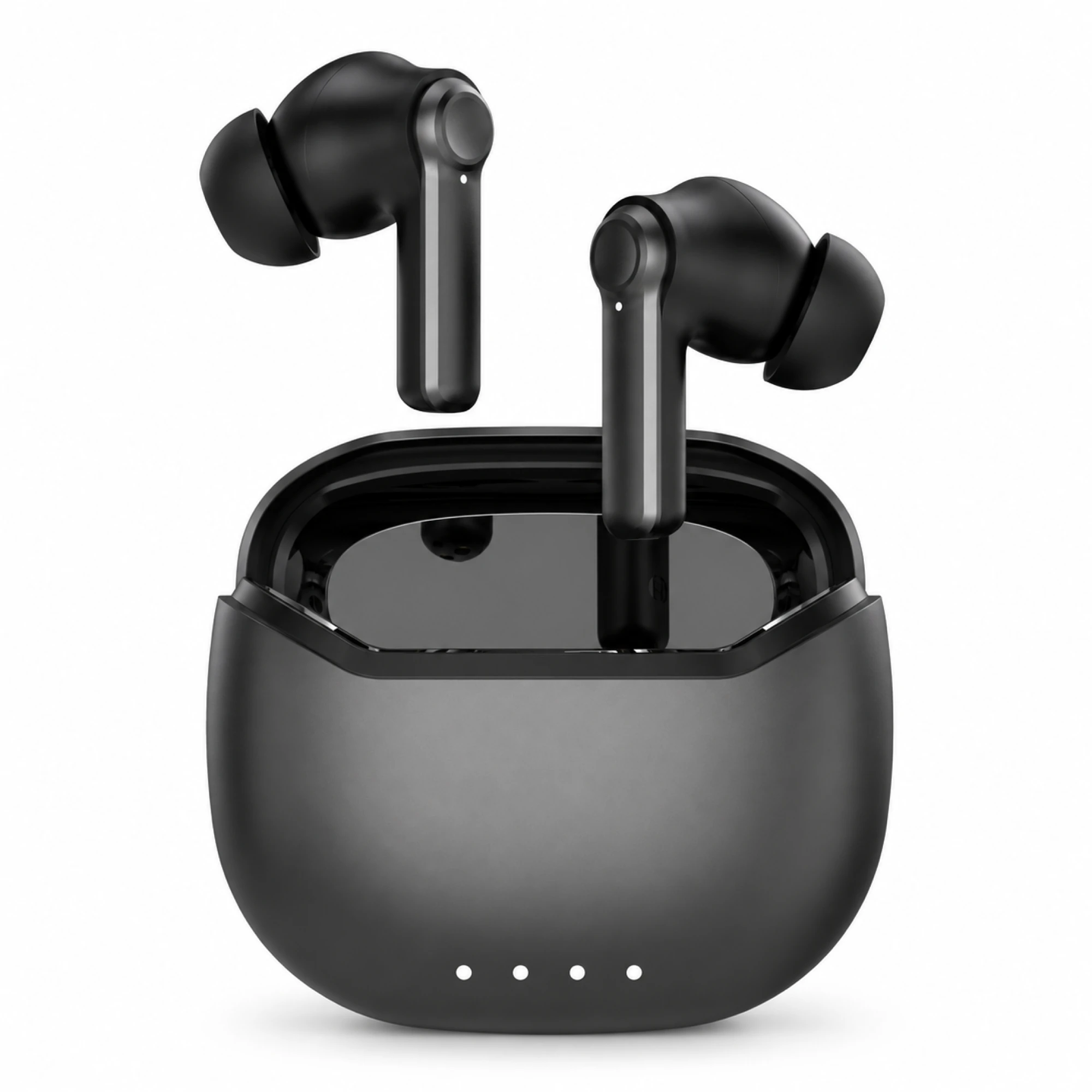 Black ANC Earbuds with Four-Indicator Case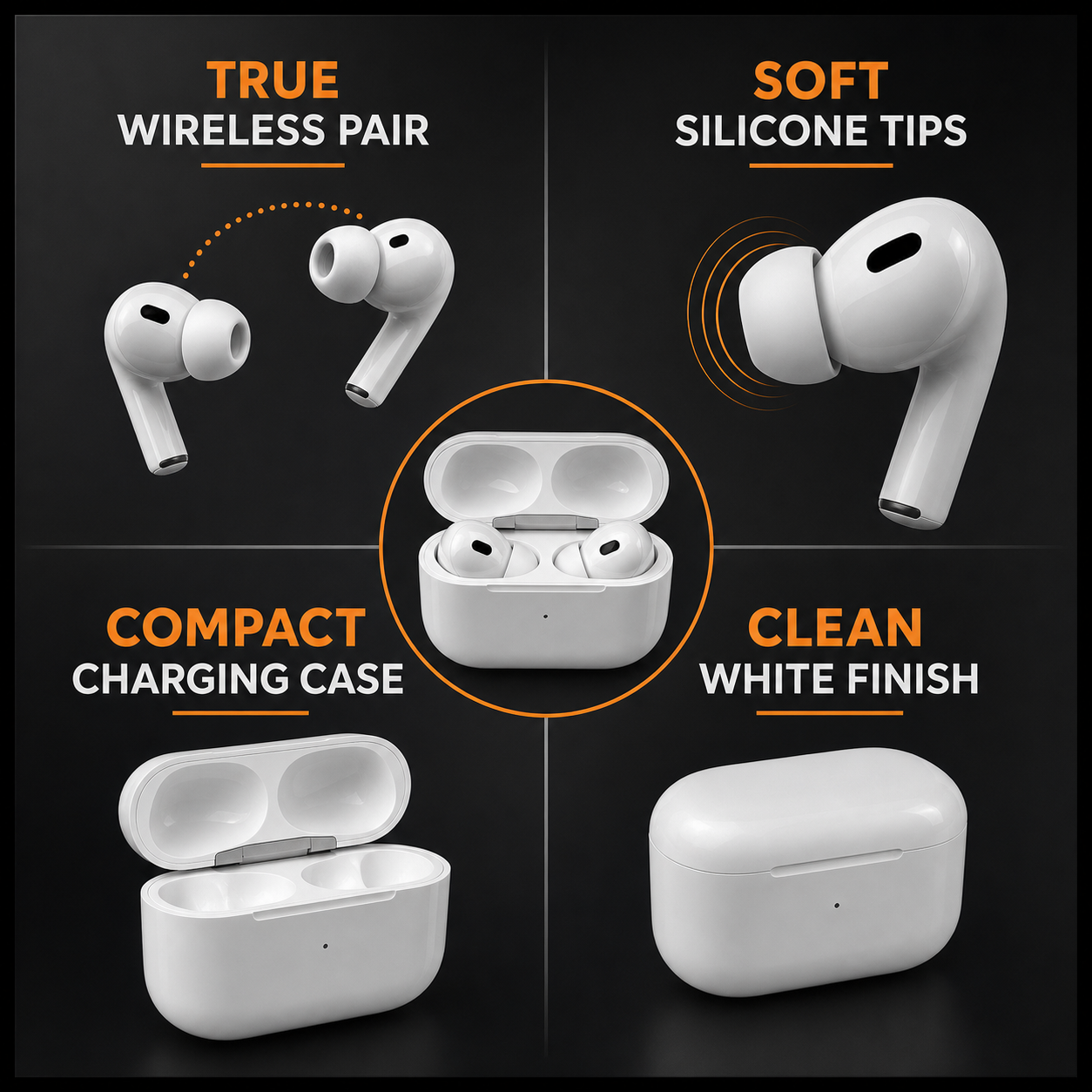
Short answer: not the infection most people picture. Asking can earphones cause ear infection merges two conditions with different anatomy. A middle-ear infection sits behind the eardrum and is reached from the throat, so an earbud cannot start one. An outer-ear canal infection is the one where earbuds may shift the odds, by trapping moisture and warmth against skin that defends itself by staying dry.
Two infections, one eardrum between them
The condition people usually mean is otitis media, which the US National Institute on Deafness and Other Communication Disorders defines as "an inflammation of the middle ear, usually caused by bacteria, that occurs when fluid builds up behind the eardrum." It places it precisely: "the middle ear—which is where ear infections occur—is located between the eardrum and the inner ear."
That settles it. An earbud sits outside the eardrum, "a membrane that separates the outer ear from the middle ear", and nothing in the canal crosses it. The infection arrives the other way, up the eustachian tube from the throat, after "a sore throat, cold, or other upper respiratory infection."
Otitis externa is the outer-ear one, purely a canal condition. Swimmer's ear, so named by StatPearls because "having retained water in the ears increases the risk for it." Roughly "10% of people will develop otitis externa during their lifetime." It is the only one an earbud can influence.
| Middle-ear infection (otitis media) | Outer-ear infection (otitis externa) | |
|---|---|---|
| Where it sits | Behind the eardrum | In the canal, outside the eardrum |
| How it arrives | Up the eustachian tube from the throat | The skin of the canal itself |
| Usual trigger | A cold or upper respiratory infection | Retained moisture, broken skin, disturbed wax |
| Can an earbud contribute? | No plausible route | Plausibly, by changing conditions in the canal |
What the ear canal defends itself with
The canal is not passively clean. StatPearls notes that "cerumen provides a protective barrier and an acidic environment that inhibits bacterial and fungal growth," and describes the failure sequence: "damage to the epithelium, loss of protective wax, and accumulation of moisture that leads to a higher pH and bacterial growth."
Against that chain, an earbud is not a source of infection. It is a lid. Occlusion raises humidity and temperature in a space that works best dry and slightly acidic; a sealing tip presses wax inward; repeated insertion abrades thin skin. Three of the four conditions, which is why the mechanism gets repeated everywhere.
The risk-factor lists reflect it. StatPearls names "humidity" and "trauma or external devices (cotton swabs, earplugs, hearing aids)". Merck adds "use of earplugs or hearing aids (particularly if these devices are not adequately cleaned or do not fit correctly)". The American Academy of Otolaryngology–Head and Neck Surgery names the product outright: "contaminated earbuds, earphones, or other ear devices."
The evidence is about hearing aids; the counter-evidence is about call centres
Those lists rest on hearing aids and earplugs, and so does the measured data. A 2014 study in the Pakistan Journal of Medical Sciences swabbed both ears of 32 people who wore a hearing aid in one ear only, so each acted as their own control. The authors found debris and microorganisms in significantly more aided ears, and concluded that "using hearing aid alters the ear canal flora; increases risk of both fungal and bacterial otitis externa, as well as encourage wax debris formation." That supports the mechanism. It is not evidence about earbuds: a hearing aid is worn most of the waking day, often with a custom mould.
The nearest thing to a direct test points the other way. A 2002 study in the Malaysian Journal of Medical Sciences examined 136 call-centre representatives who wore headphones throughout their working hours: "we found no incidence of infection of the external ear canal amongst the subjects." Four had impacted wax; four had chronic middle-ear infection, which by the anatomy above a headset does not explain.
Take that with its caveats: one workplace, over twenty years old, no control group, and headsets on the ear are not tips sealing a canal. But it is the closest study to the question and it found nothing. Compare a risk factor the evidence is sure of, where swimming "increases the risk five times when compared to non-swimmers." No comparable figure exists for earbuds.
The four habits that move the odds
The useful changes are the ones that alter those conditions.
- Wearing them over an ear that is already irritated. Itching, flaking or a canal that already feels sore is the vulnerable state. Merck notes that people "who have allergies, psoriasis, eczema, or seborrheic dermatitis, are particularly prone to acute external otitis," and StatPearls adds narrow canals and existing obstruction. Sealing that canal for an hour is the wrong move.
- Putting a tip into a damp canal. After a shower, a swim or a hot workout, moisture is the variable the sources agree on most strongly. Once a tip goes in, nothing behind it dries, which is why drying matters more than washing when you clean a set of tips.
- Sharing a pair. AAO-HNS naming "contaminated earbuds" is the plain version of this. Washing removes soil but does not disinfect, and the agents strong enough to try, such as alcohol, bleach or a hot soak, destroy the tip. Tips are cheap and the only component that has been inside somebody else's canal, so replace them after a loan or a secondhand purchase.
- Cleaning the ear with the earbud, or with anything else. The NHS is blunt: "do not put anything inside your ear to remove earwax, such as cotton buds or your finger." Pushing deeper to chase a better seal does the same thing more slowly.
Where this stops being a product question
An outer-ear infection is a clinical diagnosis, made by looking into the canal and at the eardrum. You cannot make it from the outside.
The NHS lists adult symptoms as "pain inside the ear (earache), a high temperature, difficulty hearing, discharge running out of the ear, a feeling of pressure or fullness inside the ear," and notes that "most ear infections clear up within 3 days." See a GP for earache that "does not get better after 3 days," and seek help sooner for swelling, discharge, a hearing change, a high temperature or dizziness.
There is also a specific reason not to self-treat. Which topical drop is safe depends on something only an examination establishes: StatPearls notes that where a perforated eardrum is suspected, "neomycin/polymyxin B/hydrocortisone drops, alcohols, and ototoxic drops (aminoglycosides) should be avoided." Leftover drops from a previous episode, or someone else's, are exactly the wrong instinct.
If a product causes pain, irritation, ringing or a noticeable hearing change, stop using it and seek qualified care. Never put earbuds, tools or cleaning liquids into your ear canal to clear wax.
Which of our shapes sit inside the canal
To be direct: EARSOLE sells no medical product. No ear drops, no cleaning kits, no antimicrobial claim on any listing. What we can state is which of our designs occupy the canal and which do not, since that is the one variable a form factor changes.
- The Core White In-Ear Wireless Earbuds ($22.99 at the price listed today) list "soft silicone ear tips" sitting inside the ear, a sealing design.
- The Semi-In-Ear Bluetooth Earbuds ($23.99 at the price listed today) rest "at the ear without a deep in-ear seal".
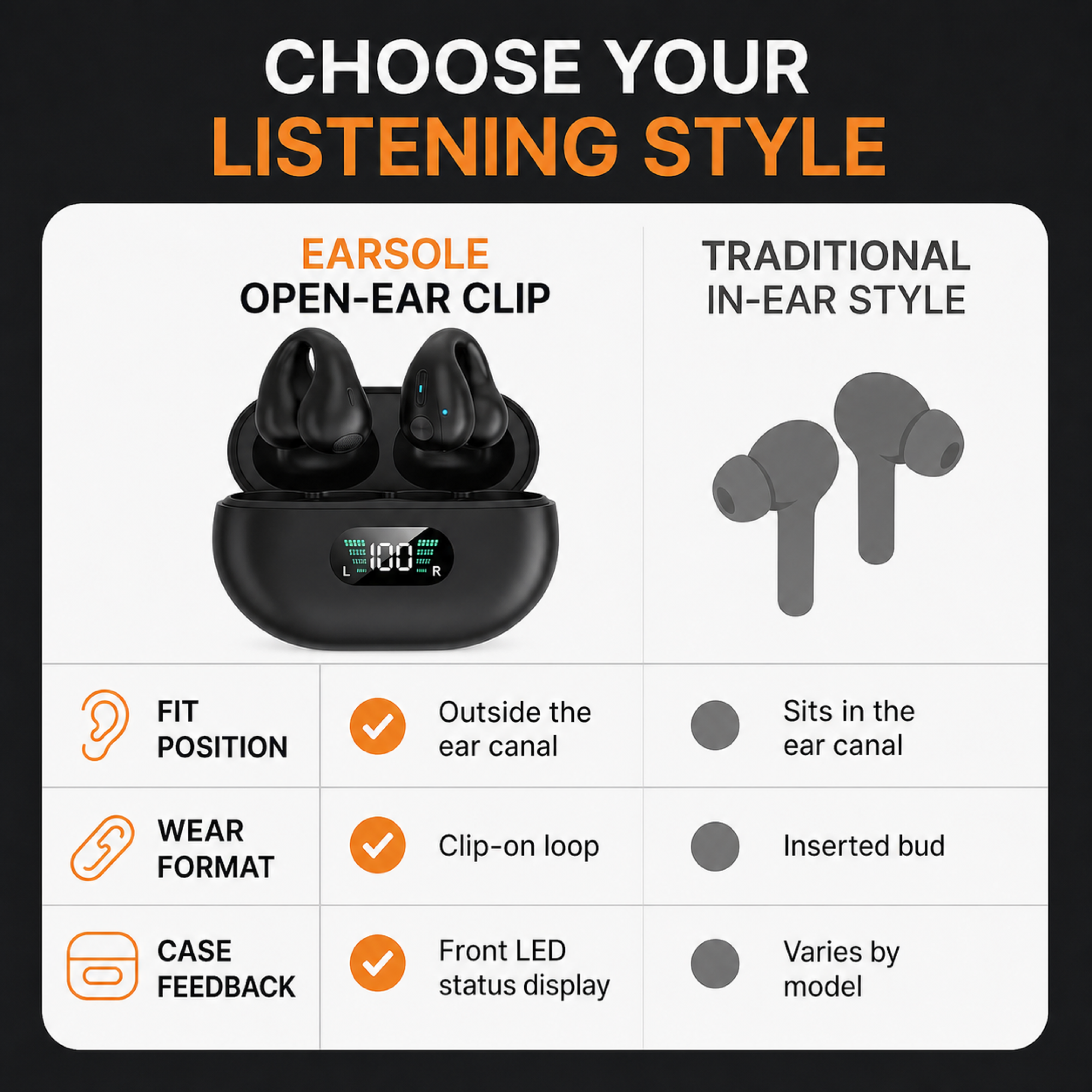
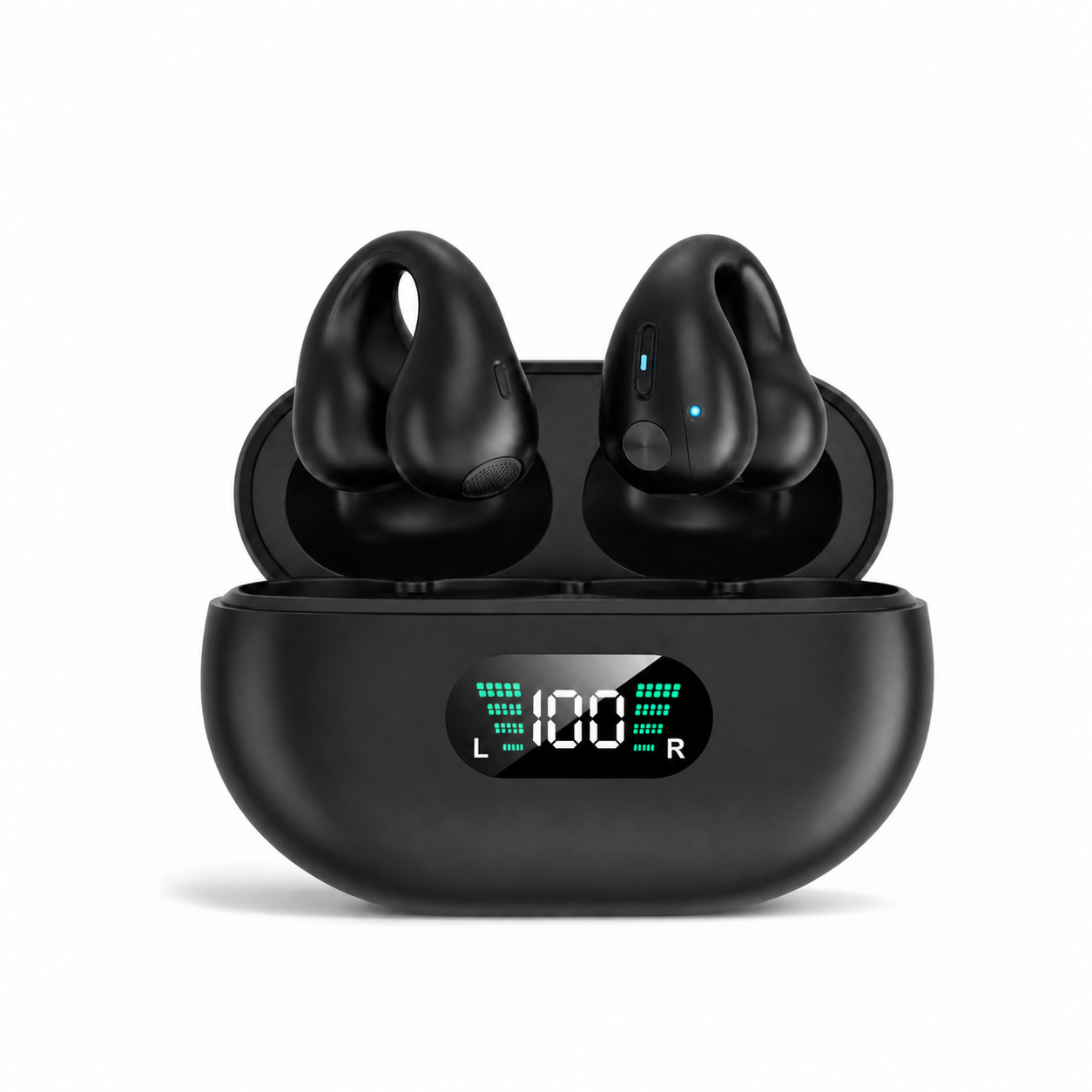
- The Open-Ear Clip-On Earbuds with LED Case ($28.99 at the price listed today) "rest outside the ear canal instead of sealing it shut".
- The Bone Conduction Open-Ear Sport Headphones ($39.99 at the price listed today) "transmit sound without inserting earbuds into the ear canal".
An open-ear design removes occlusion from the equation. That is mechanics and not a health claim: nobody has shown that changing form factor prevents infections. Non-sealing models sit in open-ear and clip-on earbuds, sealing ones in everyday wireless earbuds. If the ache starts within minutes of insertion, it is more likely a fit problem than an infection, and the pressure-point diagnosis works through the variables; the hygiene routine itself is in cleaning earbuds safely, and overnight wear is covered in sleeping with earbuds in.
Questions that follow an itchy ear
How can I tell whether my ear is infected?
You generally cannot confirm it yourself; it is diagnosed by looking into the canal and at the eardrum. What you can notice is the NHS pattern of earache, discharge, fullness, itching, scaly skin or difficulty hearing. Discharge, swelling, fever, dizziness or a hearing change are reasons to be seen rather than to wait it out.
Is it bad to use earphones every day?
Daily use has not been shown to cause ear infections. The occupational study closest to the question found none among people wearing headphones through full shifts. What matters is listening level, session length, whether the canal is dry when the tips go in, and whether the tips themselves are clean.
Can I treat an ear infection I think my earbuds caused?
This is not something to self-treat. Topical drops are the mainstay, but which drops are safe depends on whether the eardrum is intact, and that requires an examination. Stop wearing anything in that ear, keep it dry, and get it looked at.
- NIDCD: Ear infections in children
- Medina-Blasini Y, Sharman T. Otitis Externa. StatPearls, 2023
- Merck Manual Consumer Version: Ear canal infection (swimmer's ear)
- American Academy of Otolaryngology–Head and Neck Surgery: Swimmer's ear
- NHS: Ear infections
- Orji FT, et al. Ear canal debris in hearing aid users. Pak J Med Sci, 2014
- Mazlan R, et al. Ear infection and hearing loss amongst headphone users. Malays J Med Sci, 2002
- WHO: Safe listening