

People searching for single earbuds bluetooth setups usually fall into one of two groups: workers and commuters who want to keep one ear completely open to hear coworkers, traffic, or jobsite calls while listening to podcasts or taking hands-free phone calls, or listeners wondering how to make wearing one earbud at work feel less lopsided and fatiguing over an eight-hour shift.
You no longer need to buy a bulky 2000s-style clip-on mono earpiece just to listen with one ear. Modern true wireless stereo (TWS) pairs let you pull either the left or right earbud out of the charging case and use it independently—then swap buds mid-shift so your battery effectively lasts all day. At the same time, one-ear listening triggers a fascinating sensory divide among listeners, and setting up your phone’s audio settings (plus choosing the right earpiece shape) makes a huge difference in comfort.
How Bluetooth A2DP and Hands-Free Profiles Handle Single-Earbud Listening
Early true wireless earbuds from years ago often used a rigid “primary/secondary” relay architecture where only the right earbud could talk to your phone, and the left earbud went dead if you put the right one back in the case. Modern Bluetooth 5.x true wireless earbuds allow either bud to act as the active link whenever the other bud is docked inside the charging case.
According to Wikipedia’s List of Bluetooth profiles, Bluetooth headsets and earbuds stream multimedia audio using the Advanced Audio Distribution Profile (A2DP) and handle two-way voice calls and phone control through the Hands-Free Profile (HFP) and Headset Profile (HSP).
When you use a single earbud from a stereo pair, there is one critical audio detail to check on your smartphone:
- Voice Calls (HFP/HSP) Are Already Mono: Telephone and voice-call audio transmitted over HFP/HSP is naturally single-channel, so you hear the caller’s entire voice in whichever earbud you wear.
- Music & Podcasts (A2DP) May Need “Mono Audio” Toggled On: Unless your earbuds automatically sum stereo channels when one bud is docked in the case, an A2DP music stream will still send only the Left channel to the left earbud or the Right channel to the right earbud. On tracks with hard-panned guitars, vocals, or interview hosts (think early Beatles stereo mixes or dual-mic podcasts), turning on Mono Audio in your phone’s Accessibility settings (
Settings > Accessibility > Audio & Visual > Mono Audioon iPhone, orSettings > Accessibility > Hearing enhancements > Mono audioon Android) blends both channels into your single active earbud so nothing goes missing.
| Listening Configuration | Situational Awareness | Stereo / Channel Behavior | Effective Battery Runtime |
|---|---|---|---|
| Both Earbuds Worn (Stereo Mode) | Low (unless using unsealed semi-in-ear shells) | Full Left + Right stereo imaging | Standard single-charge runtime (e.g., 4–6 hours per charge) |
| Single Earbud + Phone Stereo Default | High (one ear completely uncovered) | Plays only L or R channel unless case auto-sums to mono | Doubled via left/right rotation while the other bud charges |
| Single Earbud + OS Mono Audio Enabled | High (one ear completely uncovered) | Sums both L and R channels into the single active earbud | Doubled via left/right rotation while the other bud charges |
Workplace Safety vs Split-Ear Anxiety: Why Listeners Are Divided on Wearing One Earbud (r/The10thDentist)
Why do some workers happily wear a single earbud for ten hours straight while others pull it out after ten minutes? Community discussions show that people react very differently to asymmetric sound and one-sided ear-canal pressure.
In r/The10thDentist (thread 1tsy7uf, “If I have to only use 1 earbud, I’d rather not listen at all.”), the original poster describes intense sensory discomfort from asymmetric audio: “I just cannot understand how people cope with different sounds coming through each ear. It feels like something is crawling under my skin every time I try… I have had to work in a job with one-bud or nothing policy and just couldn’t ever get myself to tolerate that.”
In the same r/The10thDentist thread (1tsy7uf), outdoor and safety-conscious listeners explain the exact opposite preference—one road worker writes, “I like having music to keep me relaxed throughout the day but I still need to hear the paver operator yell at me to move because there’s a car coming,” while another commenter adds, “Having only one on gives you anxiety, having both on give me anxiety. We are not the same.”
Why One-Ear Listening Triggers Sensory Fatigue (and How to Reduce It)
If you have a workplace “one-earbud policy” or want to keep an ear open for deliveries and family members at home, two adjustments dramatically reduce that “lopsided head” feeling:
- Avoid Deep Ear-Canal Plugging on One Side: When you push a tight silicone ear tip deep into your left ear while leaving your right ear open, your brain feels an asymmetric air-pressure seal (the occlusion effect). Every time you speak or swallow, your voice echoes loudly inside the plugged ear while sounding normal in the open ear.
- Keep Volume Low Enough That Both Ears Hear the Room: When a single earbud is cranked to high volume to overpower ambient noise, the auditory cortex has to reconcile two completely unrelated acoustic spaces at once. Lowering playback volume—and choosing an unsealed semi-in-ear shell—lets your covered ear still hear room cues so your spatial balance stays grounded.
Choosing Semi-In-Ear vs In-Ear True Wireless Earbuds for One-Bud Rotation
Every true wireless model in the EARSOLE catalog lets you leave one earbud charging in the case while you use the other for one earbud mode, so you can choose the shell geometry and environmental protection that fits your workday:
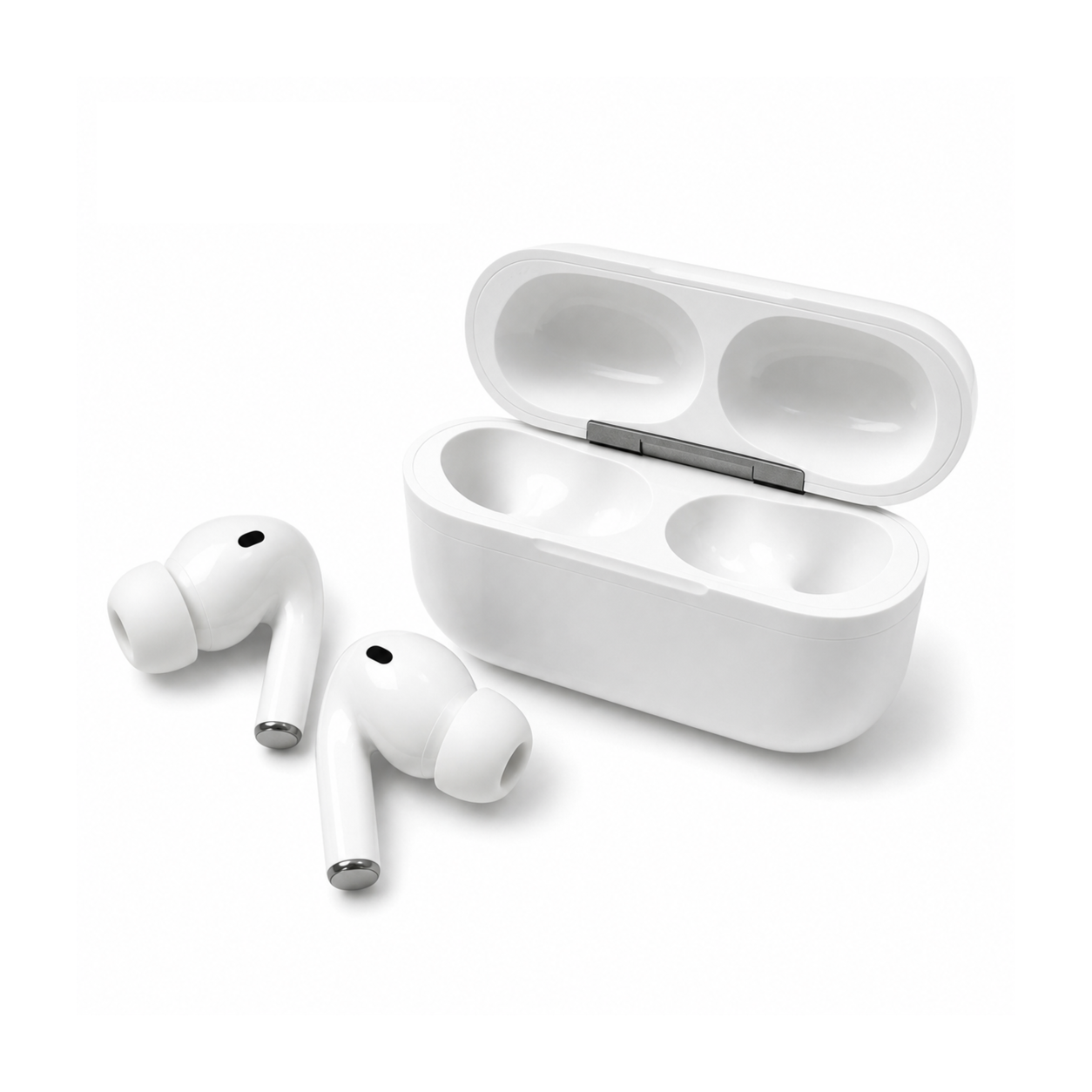
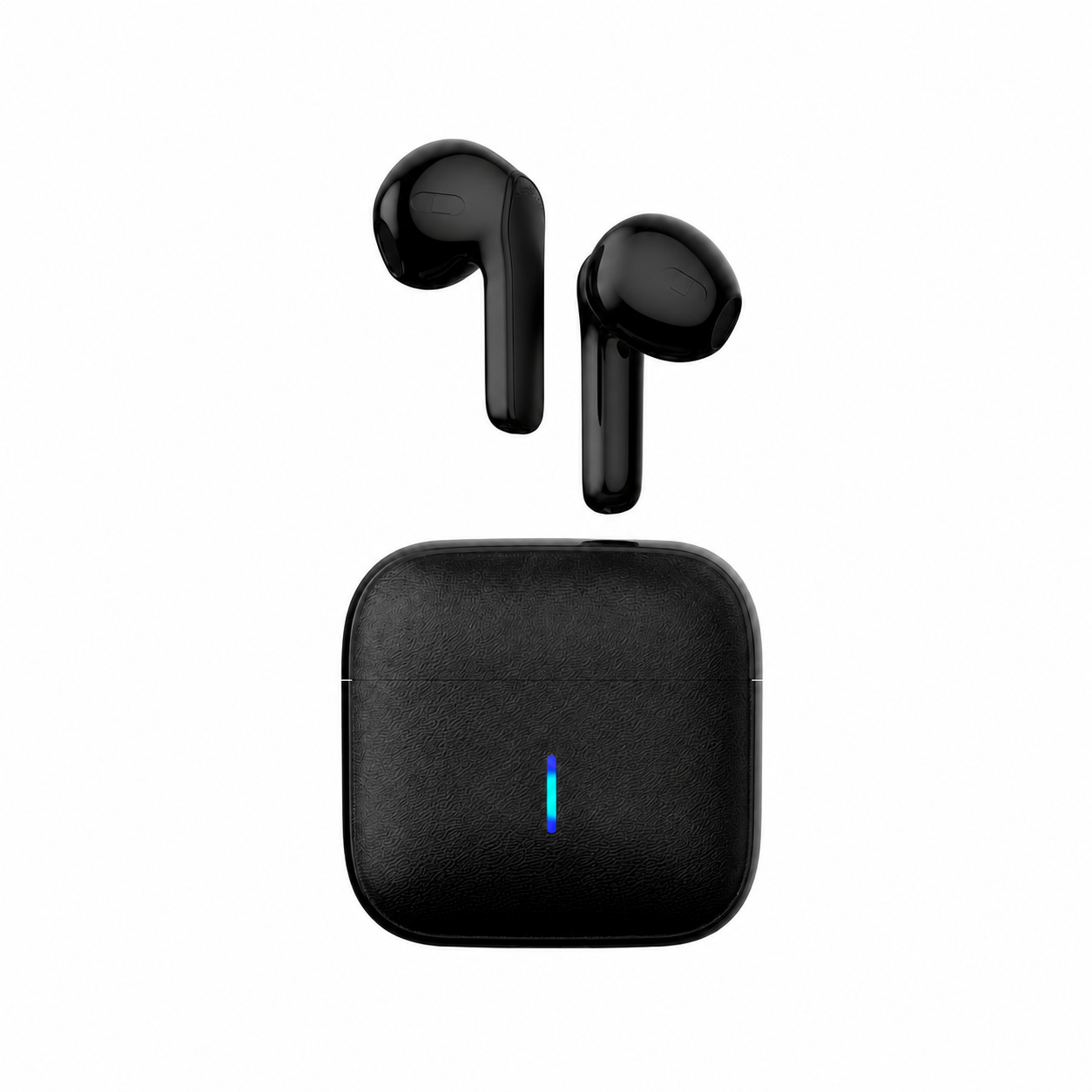
- For Natural Unplugged Comfort in One Ear (Semi-In-Ear): According to the EARSOLE product catalog, the EARSOLE Wireless Earbuds – Semi-In-Ear Bluetooth Earbuds with Charging Case ($17.85) use a non-sealing contoured semi-in-ear shell with touch controls and a USB-C charging case, whereas the EARSOLE Core White In-Ear Wireless Earbuds with Charging Case ($21.14) use an angled in-ear stem design with soft silicone ear tips and no claimed water-resistance rating. If wearing a single plugged silicone tip makes your head feel uneven, the unsealed Semi-In-Ear Bluetooth Earbuds rest lightly in the outer ear bowl without creating one-sided suction.
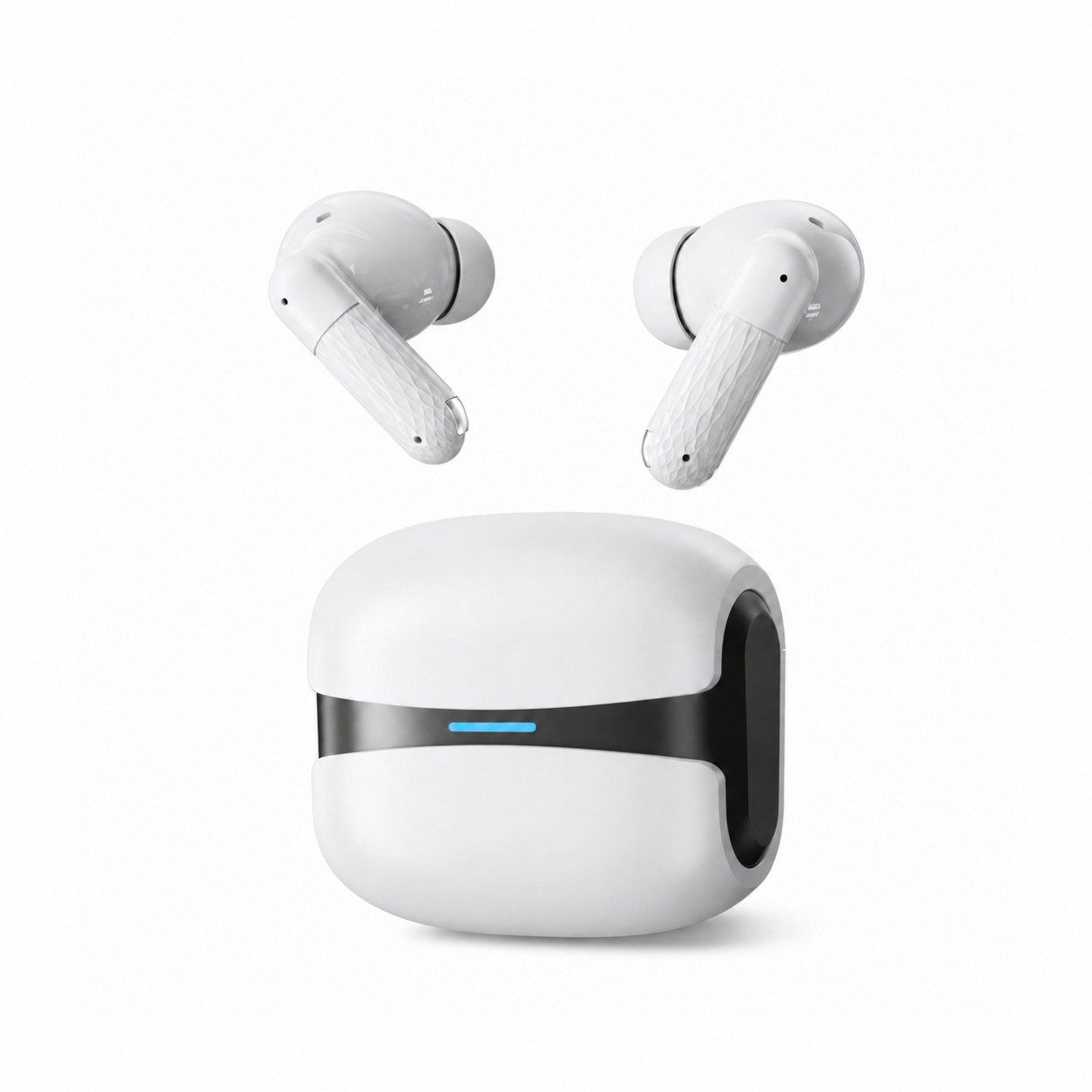
- For Outdoor Work Calls, Sweat Protection & Case Battery Tracking: According to the EARSOLE product catalog, the EARSOLE Cloud White Bluetooth 5.4 Wireless Earbuds with ENC Mic ($24.72) feature Bluetooth 5.4 dual-ear and single-ear operation, Environmental Noise Cancellation (ENC) for voice calls, an LED battery percentage display on the charging case, and IPX5 water resistance. When you rotate between left and right buds throughout a long shift, the numeric LED display on the Cloud White case shows exactly how much reserve charge remains.
If you ever switch back from single-earbud rotation to two-ear stereo listening and find that only one side plays audio, follow our quick reset steps on how to connect both earbuds at the same time.
Frequently Asked Questions
Can you use just one wireless earbud from a true wireless pair while the other charges?
Yes. Modern Bluetooth true wireless earbuds let you take either the left or right earbud out of the charging case and connect over A2DP (for media) and HFP/HSP (for calls) while the second earbud stays docked and charging—allowing you to alternate ears and extend total listening time across a full workday.
Why does wearing only one earbud feel uncomfortable or disorienting to some people?
As discussed in r/The10thDentist (thread 1tsy7uf), some listeners find it mentally fatiguing to process two separate sound environments in each ear, especially when a sealed silicone tip plugs one ear canal and causes asymmetric pressure and voice occlusion.
Does a semi-in-ear earbud feel more natural than a sealed silicone tip when worn in one ear?
For many listeners, yes. Because a semi-in-ear shell (like the EARSOLE Semi-In-Ear Bluetooth Earbuds) rests in the outer ear without sealing the ear canal, it avoids the one-sided “plugged ear” sensation and lets your own voice sound natural when speaking to coworkers.