


7.1 Surround Sound Gaming Headsets and Virtual HRTF Processing Over Two Drivers
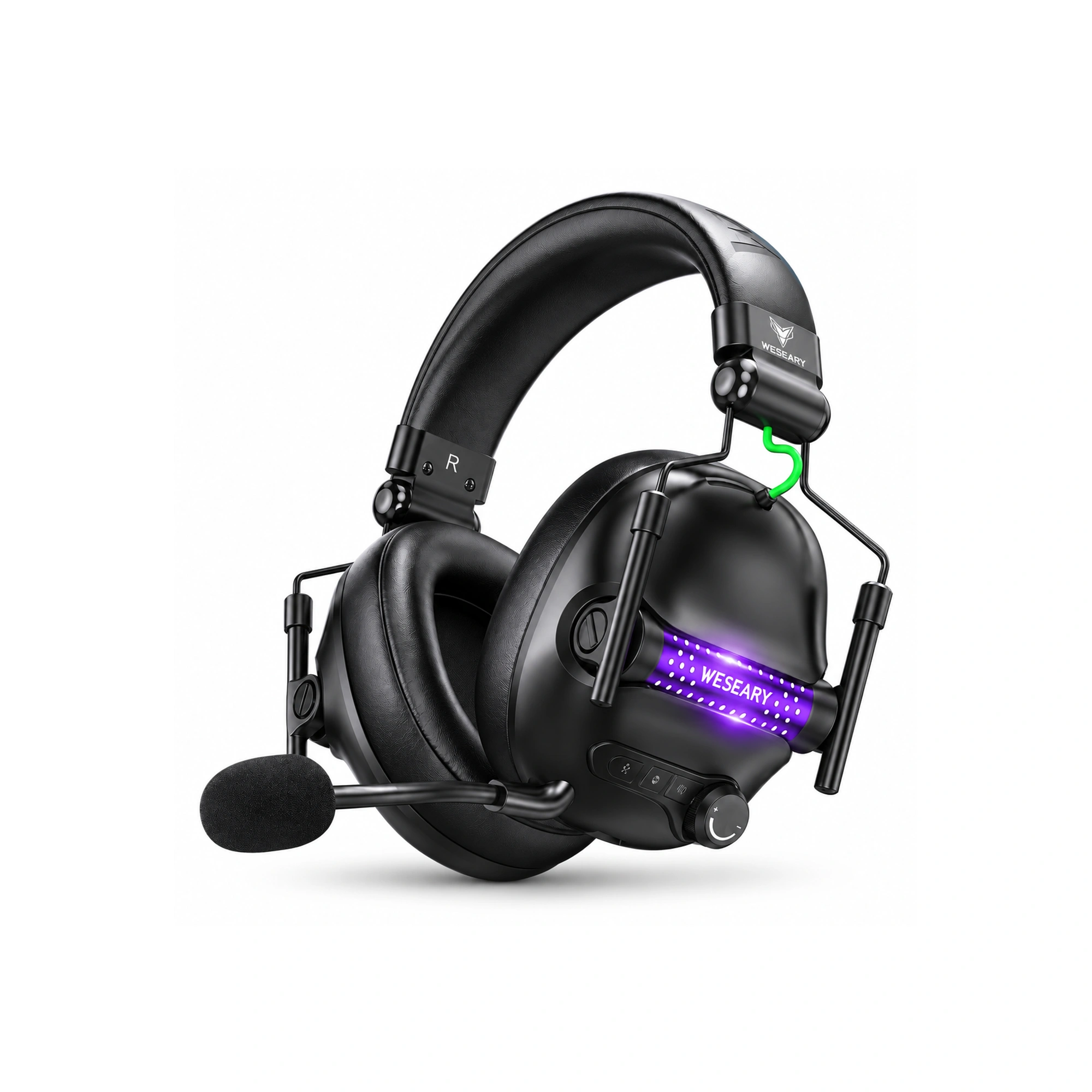
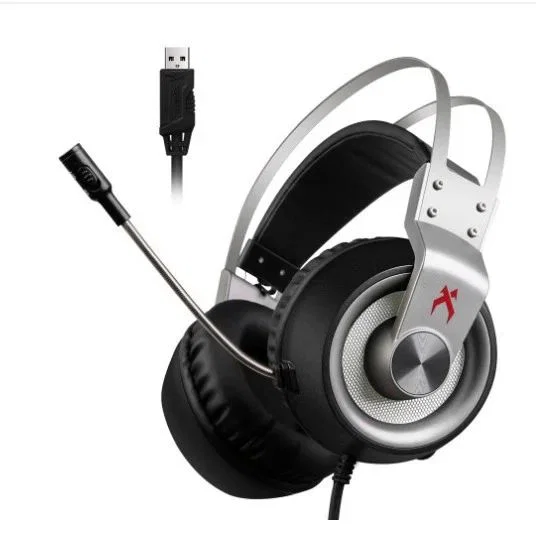
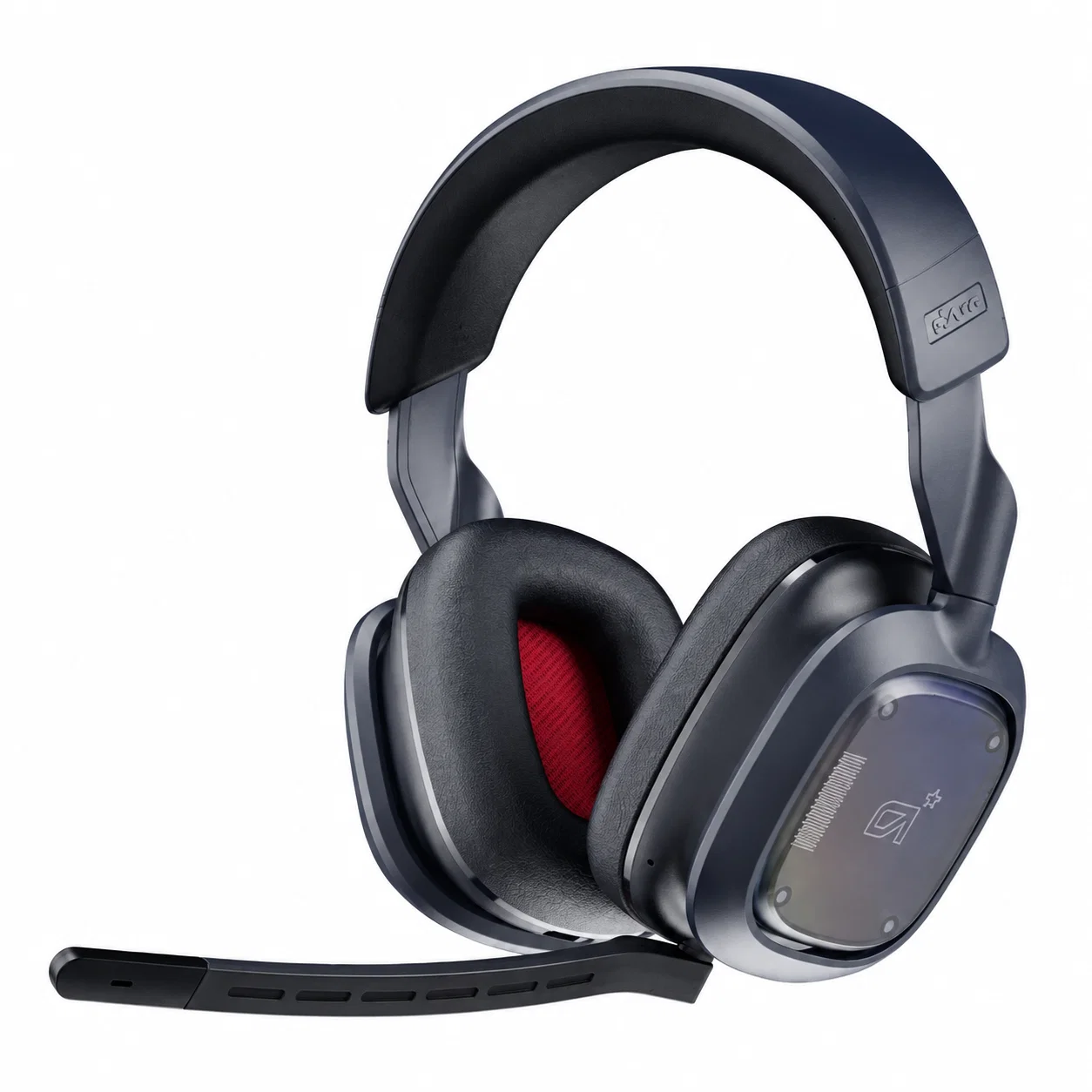
Esports marketing campaigns frequently convince competitive gamers that dominating tactical shooters requires a headset boasting 7.1 surround sound channels. Eager players often assume this designation signifies physical acoustic hardware capable of replicating an expansive multi-speaker living room theater against their skulls. In reality, modern console and PC audio engines calculate spatial awareness through mathematical ear modeling rather than discrete micro-speakers wedged into plastic earcups.
Understanding how human neuro-auditory pathways decode directional cues reveals why two high-fidelity stereo transducers consistently outperform cluttered multi-driver headphone arrays. By analyzing how head-related transfer functions synthesize directional audio, players can bypass marketing gimmicks and configure their acoustic setup for razor-sharp competitive targeting. Transitioning to lightweight in-ear monitors unlocks uncompromised spatial precision while banishing heavy head-clamping fatigue.
Binaural Auditory Localization Versus Cluttered Physical Drivers
Human directional hearing operates entirely through two acoustic receptors: our left and right eardrums. The brain calculates sound origins in three-dimensional space by measuring microscopic interaural time differences and interaural level differences between both ears. Furthermore, as sound waves glance across the external pinna ridges, subtle frequency notches provide precise elevation and rearward localization cues.
Physical 7.1 headsets attempt to simulate this acoustic landscape by packing up to five miniature twenty-millimeter drivers into each earcup. However, placing multiple tiny dynamic diaphragms millimeters from the ear canal introduces phase cancellation, frequency distortion, and severe bass roll-off. In contrast, modern game engines calculate digital HRTF algorithms natively, delivering pre-rendered binaural positioning directly to two wideband stereo drivers with pinpoint mathematical accuracy.
| Spatial Audio Architecture | Driver Configuration | Directional Cues Origin | Acoustic Phase Coherence | Clamping & Physical Mass |
|---|---|---|---|---|
| True Physical 7.1 Headset | 8–10 Miniature Diaphragms | Physical Driver Angles | Severe Phase Cancellation | Heavy Clamping (>380g) |
| Virtual 7.1 USB Soundcard | 2 Stereo Drivers (Over-Ear) | Software DSP Simulation | Moderate Timing Jitter | Bulky Headset Chassis |
| Native Game-Engine HRTF | 2 Calibrated In-Ear Drivers | Math APU/CPU Convolution | Perfect Transient Coherence | Ultra-Lightweight (<5g) |
| Windows Sonic / Atmos Headphone | 2 Stereo Drivers (Universal) | OS Spatial API Bitstream | High Linear Phase Balance | Minimal Pressure Footprint |
Calibrated Stereo Transducers and Acoustic Wavefront Delivery
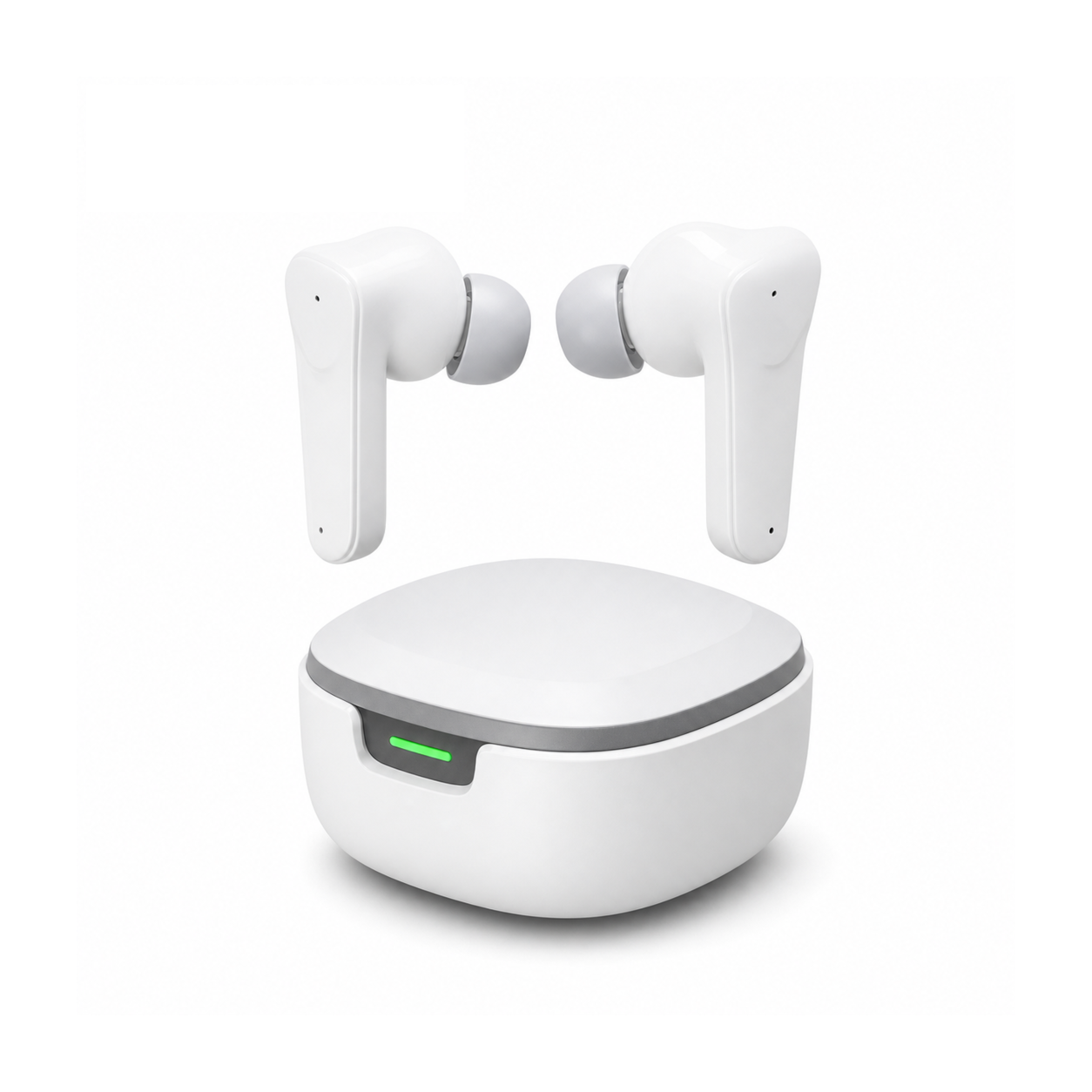
High-resolution in-ear monitors excel in competitive gaming environments precisely because they eliminate the uncontrolled acoustic reflections inherent to over-ear headphone chambers. By sealing directly within the outer ear canal, high-sensitivity dynamic drivers or balanced armature transducers project acoustic transients straight toward the tympanic membrane. This direct mechanical coupling preserves microscopic timing intervals down to fractions of a millisecond.
When paired with modern spatial APIs such as Tempest 3D AudioTech, Dolby Atmos, or native game engine binaural engines, stereo earbuds render flawless three-dimensional soundstages. Gamers can discern whether an enemy reload occurs thirty degrees above or forty-five degrees behind their character avatar without audio mud or artificial reverb. Delivering pure, coherent stereo signals empowers competitive players to capitalize on genuine neuro-auditory reflexes.
Mitigating Occipital Strain and Auricular Chondritis After Scrims
Intense competitive scrimmages under heavy surround sound gaming headsets place continuous mechanical leverage on the cervical spine and occipital nerves. Meanwhile, rigid ear cushions press firmly against the delicate auricular cartilage, causing tender focal inflammation that lingers hours after tournament play finishes. Transitioning away from oppressive gaming headgear to restorative in-ear geometries gives sensitive ear structures essential room to decompress overnight.
Flat, stemless earbuds for sleeping on your side, with a dynamic sleep-support mode and a starlight glow charging case. See the three colors at EARSOLE.
Adopting flush, stemless sleeping earbuds provides fatigued players with immediate mechanical pressure relief against sleeping surfaces. The smooth silicone contours settle entirely within the concha basin without projecting past the ear margin, preventing painful pinna torquing when resting on side pillows. Ambient sleep profiles and balanced pink noise gently recalibrate fatigued auditory sensory receptors, guiding overstimulated gamers into uninterrupted, regenerative rest.
Competitive Spatial Sound Setup Checklist for PC and Consoles
Configuring your gaming platform for pristine binaural audio requires disabling redundant software layers to avoid conflicting DSP filters. First, navigate to your operating system sound settings and ensure your headphone device is recognized as a clean, uncompressed stereo playback endpoint, avoiding proprietary 7.1 surround virtualization suites.
Within your competitive multiplayer game audio menus, select Headphone or 3D Audio output mode rather than 7.1 Home Theater presets. If utilizing Windows Sonic, Dolby Atmos, or PlayStation Tempest 3D, ensure in-game virtual surround toggles remain disabled to prevent dual-processing phase distortion. This streamlined digital configuration ensures your calibrated in-ear monitors receive pristine, mathematically perfect spatial positioning in every tactical encounter.
Frequently Asked Questions
Does true physical 7.1 provide better gaming accuracy than virtual HRTF stereo?
No, physical multi-driver headsets suffer from phase interference and tiny driver compromises, whereas calibrated stereo drivers receiving native digital HRTF processing provide superior directional localization.
Can in-ear monitors reproduce vertical and rear audio cues effectively?
Yes, because the human brain interprets elevation and azimuth entirely through frequency coloration and interaural arrival delays, precision stereo earbuds reproduce complete three-dimensional audio environments flawlessly.