


Green noise is a filtered broadband background sound concentrated around the middle of the frequency spectrum—roughly the 500 Hz mark—with less high-frequency static hiss than white noise and less deep low-end rumble than brown noise. Because that mid-range band resembles steady outdoor sounds such as an ocean surf, a running stream, or wind moving through trees, many sleepers and focus listeners play green noise tracks through low-profile sleep earbuds to mask bedroom distractions. At the same time, reaction to green noise is personal: while some sleepers find a 500 Hz tone calmer than white noise, others compare it to a continuous jet-cabin rush of air.
What Is Green Noise? The ~500 Hz Mid-Frequency Profile
According to Epidemic Sound’s guide to green noise, green noise is a mid-frequency ambient background sound associated with nature that amplifies frequencies around the 500 Hz mark, whereas white noise combines all audible frequencies between 20 Hz and 20,000 Hz.
Amplifon USA explains why that mid-range shaping changes how the sound feels in a quiet bedroom:
- Unlike white noise, which carries equal energy per frequency octave and produces a bright television-static hiss, green noise amplifies mid-range frequencies with a consistent intensity while limiting high tones.
- Limiting those high-pitched frequencies makes the sound feel closer to natural outdoor ambience, though Amplifon notes that green noise has not been clinically studied to the same degree as white noise.
Green Noise vs White, Pink, and Brown Noise
On Soundly, audiologist Dr. Amy Sarow, AuD, compares how green noise sits alongside the three better-known noise colors on the frequency spectrum:
| Noise Color | Frequency Emphasis | Everyday Sound Comparison (Dr. Amy Sarow, AuD / Soundly) | Acoustic Feel on Earbuds |
|---|---|---|---|
| Green Noise | Filtered white noise centered around 500 Hz (mid-range) | Ocean surf or a steady stream | Mid-tone vocal/nature band with limited high-frequency hiss |
| White Noise | Equal distribution across all frequencies (20 Hz – 20,000 Hz) | Television or radio static | Bright, hissy full-spectrum sound |
| Pink Noise | Filtered noise sitting between white and brown noise | Light rainfall or rustling leaves | Softer highs than white noise, lighter bass than brown noise |
| Brown Noise | Filtered white noise emphasizing low frequencies | Distant thunder or heavy rain | Deep, bass-heavy rumble |
If you already know how white, pink, and brown noise behave on earbuds, see our companion guide to white, pink, and brown noise on earbuds. Green noise fills the middle ground for listeners who find white noise too sharp and brown noise too boomy.
Playing Green Noise Overnight on Low-Profile Sleep Earbuds
How do people actually play green noise at night, and what happens when you stream it to sleep earbuds?
In an r/sleep thread on finding a 500 Hz green noise source, users point out two real-world frustrations:
- Subscription paywalls vs mid-night ads: One poster noted that they loved the ~500 Hz green noise track inside a sleep app but refused to pay a recurring subscription fee just to loop a single sound, while another commenter trying free YouTube green noise streams worried about getting woken up by a loud ad at 3 a.m.
- Divided listener reactions: While the original poster called the ~500 Hz tone ideal for falling asleep, another commenter in the same thread described green noise as sounding like “a jet engine at cruise altitude; an unnatural, continuous rush of air.” Testing an ad-free local track or offline playlist at low volume before bedtime is the easiest way to tell which camp you fall into.
When streaming a green noise track from your phone in bed, the physical housing of your earbuds determines whether you can lie on your side without ear pressure:
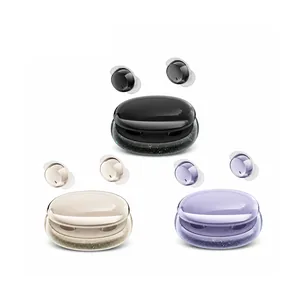
- EARSOLE Q26 Bluetooth 5.3 Sleeping Earbuds: The product listing describes a compact, rounded full-silicone in-ear design without a protruding stem, shaped specifically for side sleepers. It uses passive sound isolation from the physical in-ear seal (with no electronic ANC circuitry inside), connects via Bluetooth 5.3, provides up to 20 hours of total listening time with its transparent-lid charging case, and comes in five colors—Purple, White, Black, Beige, and Green.
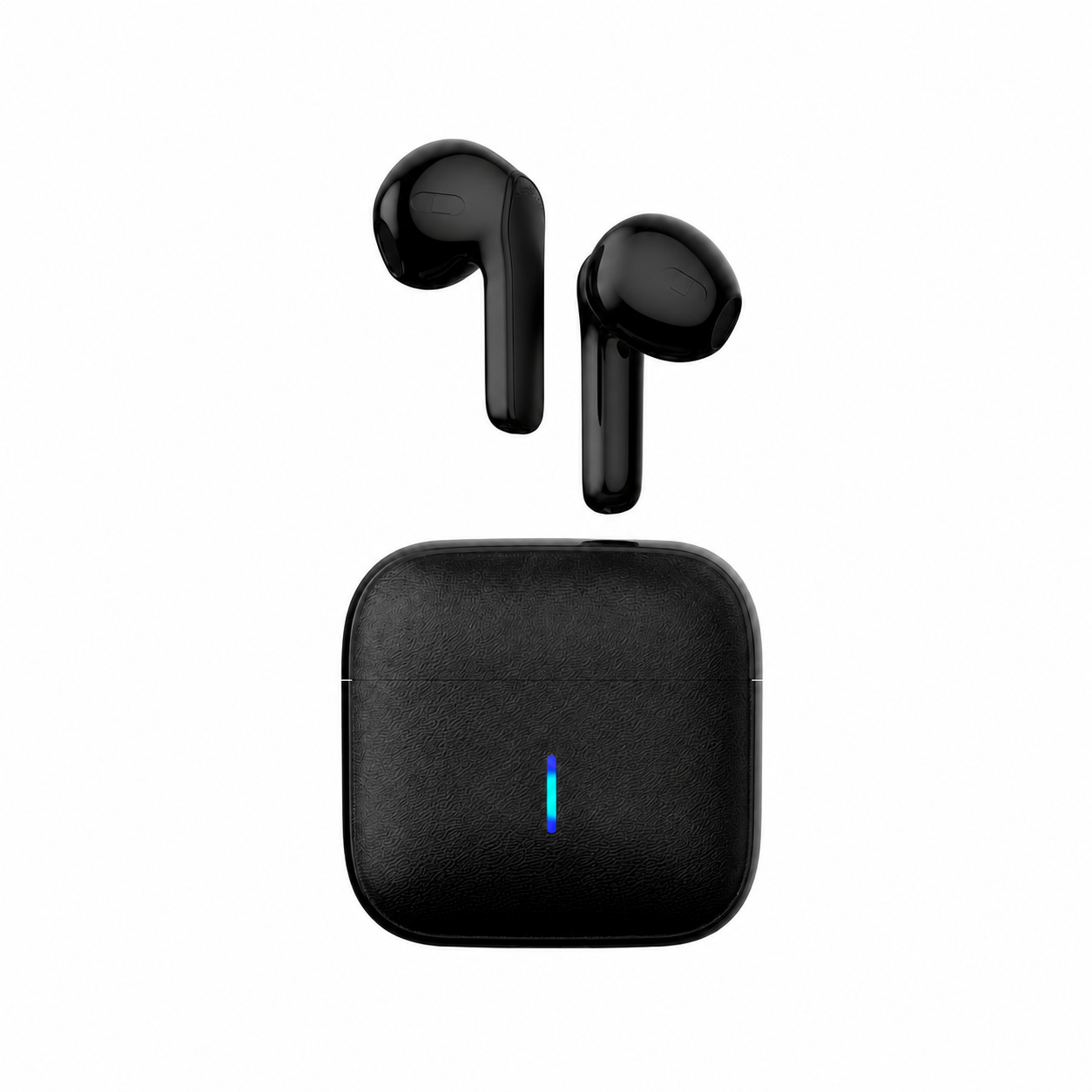
- EARSOLE Low-Profile Sleeping Earbuds: The product listing describes a compact stemless shape that sits close to the ear so there is no stem to lever against the pillow when side sleeping. Its sleep-support mode is a listening mode rather than electronic noise cancellation, reducing outside sound passively through the physical in-ear seal. The listing notes that it is not a medical device and that active ANC earbuds or foam earplugs handle deep low-frequency rumble differently.
| Model | Housing & Side-Sleep Design | Noise Control Method | Connectivity & Battery Info Stated | Built-In Noise Tracks? |
|---|---|---|---|---|
| EARSOLE Q26 Bluetooth 5.3 Sleeping Earbuds | Full-silicone rounded in-ear shell; no protruding stem | Passive sound isolation from in-ear seal; no electronic ANC | Bluetooth 5.3; up to 20 hours total playtime with charging case | No; streams audio from connected phone |
| EARSOLE Low-Profile Sleeping Earbuds | Compact stemless housing that does not lever against pillow | Passive in-ear seal + sleep-support listening mode; no electronic ANC | Wireless Bluetooth streaming from connected device | No; streams audio from connected phone |
Neither EARSOLE model stores built-in green noise tracks inside the earbuds; both stream whatever offline audio file or sleep app you play on your phone, while their passive silicone seal softens household noises before the 500 Hz green noise layer masks the rest.
Frequently Asked Questions About Green Noise
What does green noise do to you?
As Amplifon USA and Epidemic Sound explain, green noise provides a steady mid-frequency (~500 Hz) background layer that limits the sharp high-frequency hiss of white noise, which some listeners find helpful for relaxation, focus, or masking bedroom sounds at night. However, Amplifon notes that green noise has not been studied to the degree of white noise, and r/sleep users report everything from easier sleep to finding the sound like a continuous rush of cabin air.
What is green noise vs brown noise?
According to Dr. Amy Sarow, AuD, on Soundly, brown noise filters white noise to emphasize deep low frequencies—sounding like distant thunder or heavy rain—whereas green noise is filtered white noise centered around the mid-range 500 Hz mark, sounding closer to an ocean surf or running stream with less sub-bass rumble.
