

Sweat-Proof Earphones: Salt Crystal Ingress on Acoustic Mesh Grilles
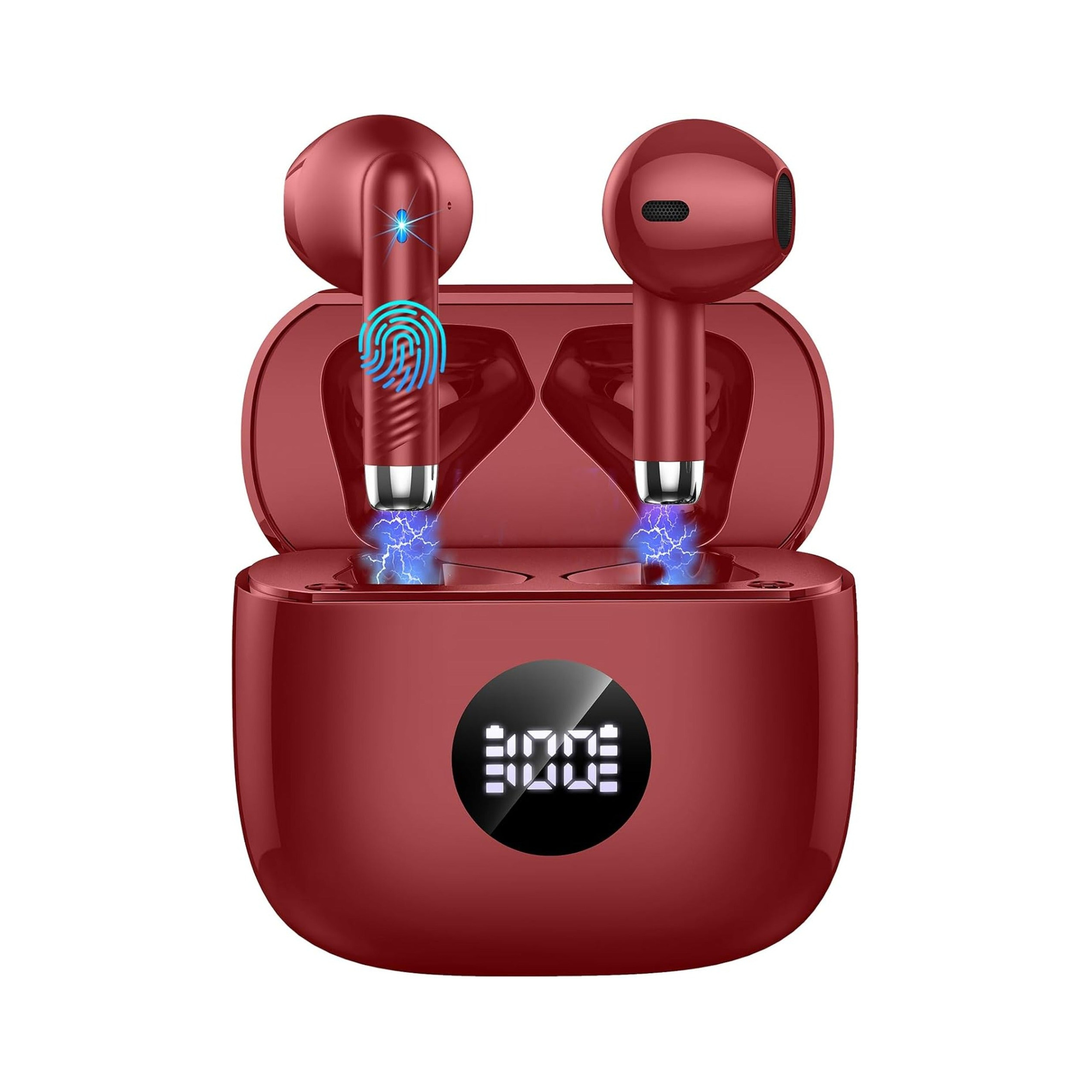
Perspiration creates a tough operating environment for sports earbuds during intense training. While moisture often threatens internal circuitry, microscopic acoustic mesh grilles face a different mechanical issue. Human sweat carries dissolved sodium chloride, potassium salts, and sebum. As liquid perspiration evaporates under body heat, mineral residues crystallize across the microscopic grille openings, restricting driver air movement and muffling treble response.
Selecting genuine sweat proof earphones requires evaluating both mechanical ingress ratings and post-workout acoustic maintenance. Without protective hydrophobic barriers, salt accumulation degrades volume balance across left and right channels over weeks of gym use.
How Sweat Chemistry Attacks Acoustic Mesh Grilles
Acoustic grilles use dense metallic or polyester mesh screens to protect internal drivers from debris while letting sound waves pass unobstructed. When high-intensity interval training or heavy lifting produces continuous sweat around the ear canal, perspiration wicks directly through the mesh.
As water evaporates between workout sets, dissolved sodium chloride leaves hard mineral crusts inside the mesh apertures. Over several weeks of training, this buildup leads to measurable sound degradation:
- High frequencies drop off because salt deposits restrict diaphragm air displacement.
- Channel volume balance drifts when one earbud collects heavier salt deposits than the other.
- Diaphragm stiffness increases if liquid perspiration seeps past the acoustic screen into the driver surround.
Close inspection under bright light often reveals a faint white crust over the nozzle openings, pointing to dried salt rather than ordinary ear canal wax.
Understanding IPX7 Waterproofing vs Splash Resistance
Ingress protection standards define how well consumer electronics withstand liquid penetration. Baseline workout earphones often carry IPX4 ratings, which only certify protection against light splashing from any direction. IPX4 lab testing does not account for continuous salt-laden perspiration under movement or pressure.
In contrast, IPX7 certification verifies that an audio device withstands complete immersion in freshwater up to 1 meter depth for 30 minutes. Hydrophobic silicone gaskets seal the outer chassis joints, preventing perspiration from reaching sensitive charging pins and internal amplifier boards.
Hardware designs like EARSOLE Wireless Earbuds with LED Display, IPX7 – Series 113 combine high-level liquid sealing with lightweight sports ergonomics. Semi-in-ear wireless earbuds, about 3 g each, with an LED battery display case, IPX7 rating and ENC call mics. A 3-gram housing reduces gravitational pull during high-impact movement, while IPX7 sealing shields internal components against sustained sweat exposure.
| Protection Level | Ingress Test Standard | Sweat Resistance Capability | Ideal Workout Setting |
|---|---|---|---|
| IPX4 | Freshwater splash for 10 minutes | Light perspiration resistance | Casual walking, moderate gym lifting |
| IPX5 / IPX6 | Low/high pressure water jets | Moderate to heavy sweat resistance | Outdoor cycling, sprint intervals |
| IPX7 | Immersion up to 1 meter for 30 min | Heavy sweat immersion resistance | Distance running, hot training sessions |
Post-Workout Cleaning Routine to Prevent Mesh Degradation
Waterproof ratings protect internal circuitry from liquid short circuits, yet dried mineral crusts still accumulate on external mesh grilles. Establishing a consistent two-minute maintenance routine preserves acoustic transparency over years of heavy training:
- Gentle freshwater wiping: Lightly moisten a clean lint-free microfiber cloth with fresh distilled water. Gently wipe the outer nozzle mesh to dissolve surface salt residues.
- Avoid high-pressure liquids: Never direct high-pressure tap water or compressed air cans into acoustic nozzles, which can puncture delicate micro-mesh barriers.
- No harsh chemical solvents: Avoid alcohol wipes and acetone on acoustic grilles, as chemical solvents dissolve acoustic adhesives holding protective screens in place.
- Complete ambient drying: Let earbuds rest in a well-ventilated space for twenty minutes before placing them into their charging case to prevent trapped moisture inside charging wells.
Frequently Asked Questions
Which earphones are sweatproof?
Earphones carrying IPX7 ratings provide robust sweat defense by sealing enclosure seams against high liquid volumes. Earbuds like Series 113 pair IPX7 freshwater immersion sealing with lightweight 3-gram shells to withstand intense exercise sessions without water ingress.
Can sweat permanently damage earphones?
Yes. Acidic and saline sweat can corrode exposed metallic contact pins and permanently stiffen speaker driver diaphragms if moisture bypasses internal seals. Regular cleaning prevents mineral deposits from hardening over acoustic mesh pores.
How to make your headphones sweat proof?
While users cannot alter internal factory ingress ratings, you can protect existing gear by fitting breathable silicone sweat covers over ear-pads, promptly wiping down grilles with distilled water after workouts, and storing devices in silica-packet cases.