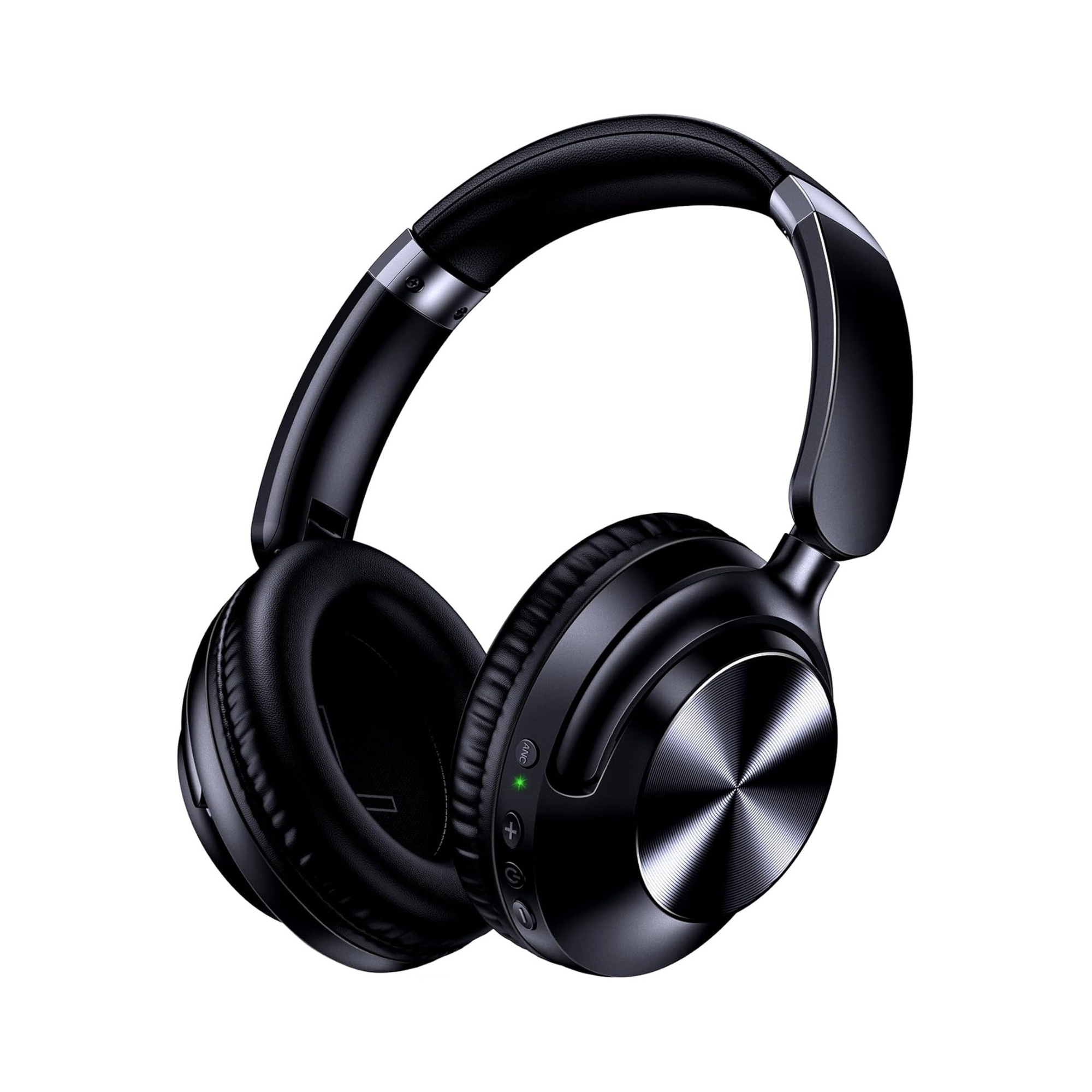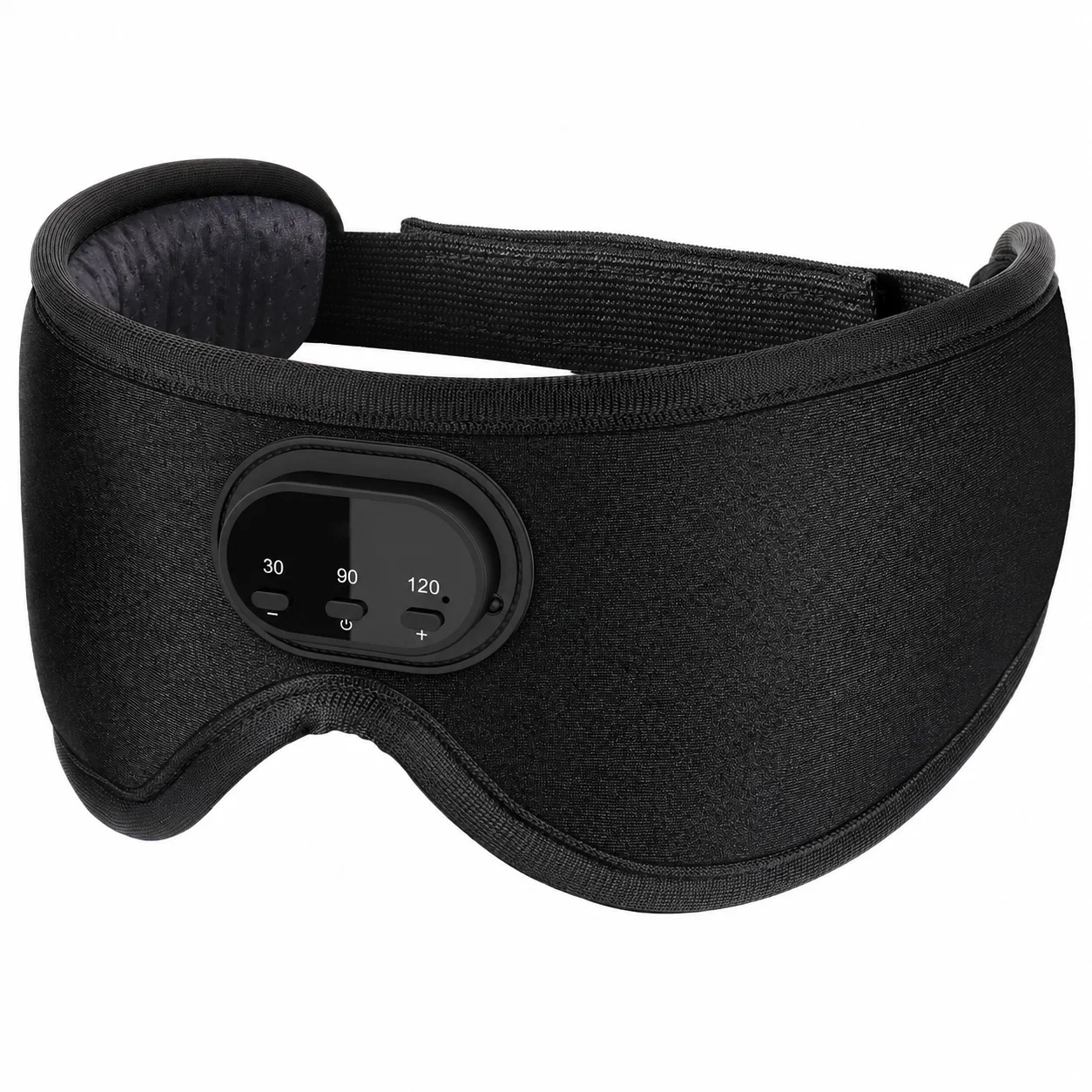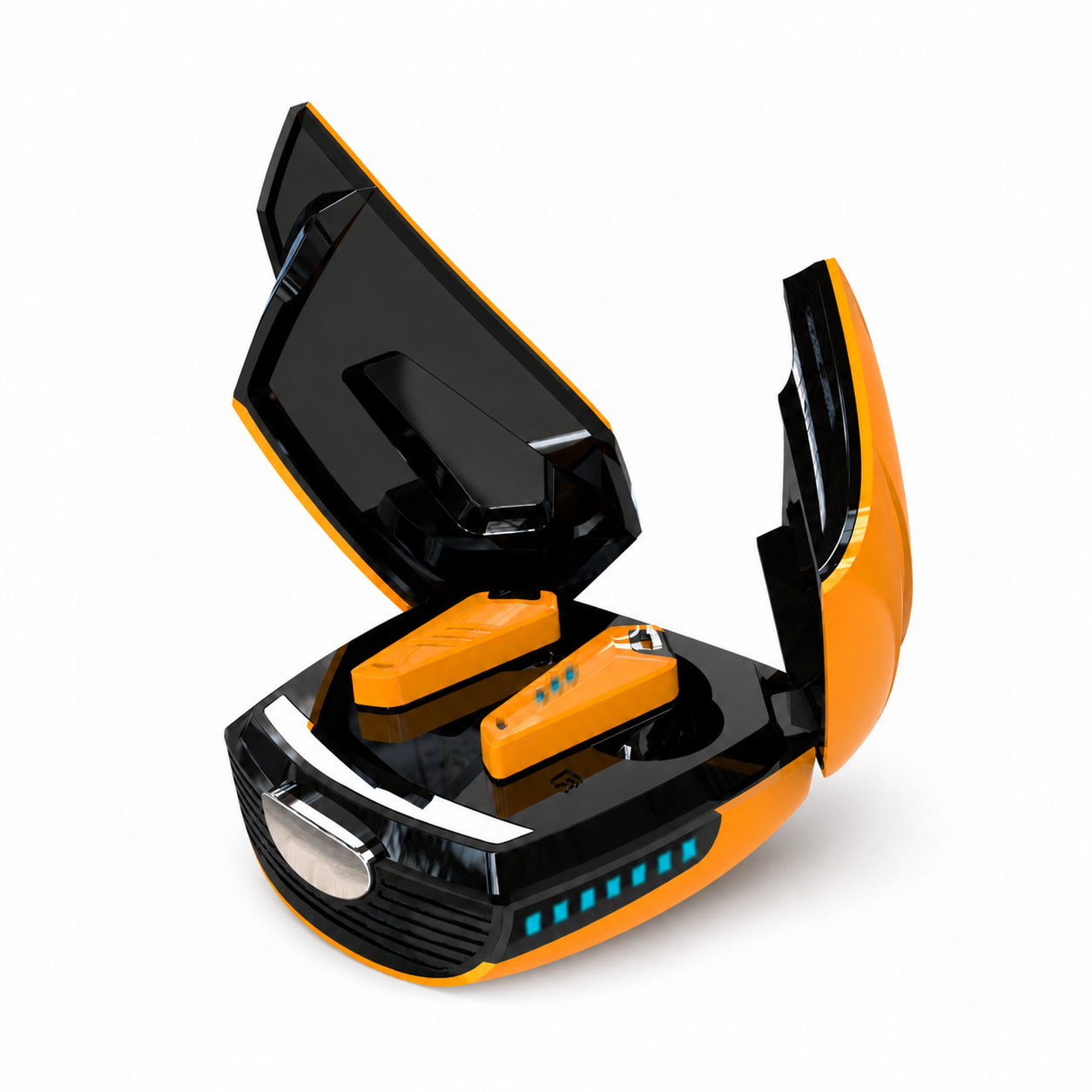
Noise Cancelling Earbuds for Lawn Mowing and Why 90 dBA Engine Roar Needs Rated Earmuffs
Walking behind a gas-powered rotary lawn mower or straddling a zero-turn riding deck exposes your ears to continuous sound pressure levels between 88 dBA and 96 dBA, with string trimmers and backpack leaf blowers pushing peaks past 102 dBA. While consumer noise cancelling earbuds for lawn mowing do an impressive job of quieting the low-frequency 100 Hz four-stroke exhaust thrum, they do not carry an EPA-verified Noise Reduction Rating (NRR).
Relying on thin single-flange silicone ear tips and active anti-phase processing alone often tempts users to crank podcast or music volume past 85 dBA just to hear vocal clarity over blade turbulence. Combining low-profile in-ear wireless earbuds with either high-density memory-foam tips or a passive over-ear earmuff shell gives you clear audio at safe 65 dBA listening levels while keeping your inner ear protected.
Why Blade Turbulence Overwhelms Standard Silicone ANC Tips
Active Noise Cancellation (ANC) excels at predicting and inverting repetitive low-frequency engine harmonics below 500 Hz, where acoustic wavelengths are long and phase matching is straightforward. However, a spinning steel mower blade slicing through dense turf at 3,200 RPM generates broadband aerodynamic roar between 800 Hz and 3,000 Hz—the exact frequency band where active digital cancellation tapers off and passive physical sealing must take over.
Even worse, if a pebble or dry twig ricochets inside the steel mower deck, the resulting 115 dB transient spike happens in less than two milliseconds, overloading the feedforward ANC microphones on consumer earbuds and causing an audible pop. Only a dense physical barrier—such as expanding polyurethane foam tips or circumaural earmuff cups—reflects those mid- and high-frequency transients before they reach your eardrum.
| Yard-Work Audio Setup | Low-Freq Engine Reduction | High-Freq Blade/Trimmer Block | Safe Media Volume Required | Sweat & Dust Resilience |
|---|---|---|---|---|
| Standard Silicone ANC Earbuds Alone | 20 – 28 dB (Active DSP) | 8 – 12 dB (Thin silicone flange) | Often pushed to unsafe >85 dBA | High (IPX4/IPX5 washable shells) |
| ANC Earbuds + Memory Foam Tips | 22 – 30 dB (Active DSP) | 18 – 24 dB (Expanded canal seal) | Comfortable at 70 – 75 dBA | Foam degrades with heavy sweat |
| Flush Earbuds Under Passive Earmuffs | 28 – 35 dB (Combined dual layer) | 26 – 32 dB (ANSI earmuff shell) | Crystal clear at 60 – 65 dBA | Earmuff cushions trap summer heat |
| ANSI S3.19 Bluetooth Earmuffs | 18 – 23 dB (Passive cup only) | 22 – 26 dB (NRR rated cup) | Hardware-capped at 82 dBA | Heavy 350 g clamping frame |
The Double-Protection Trick: Wearing Flush Earbuds Under Earmuffs
Experienced landscapers and homeowners with large acreage frequently use a dual-layer setup: slipping compact wireless earbuds into their ears for music or audiobooks and placing a $20 pair of ANSI-rated passive shooting or workshop earmuffs over top. Because the outer earmuff shell knocks down the 92 dBA mower deck roar by 24 dB before the sound even reaches the outer ear, the earbuds can run at a whisper-quiet 35% volume slider setting.
For this double-protection method to work without pain, the earbuds cannot have long vertical stems or bulbous multi-driver housings that collide with the foam acoustic baffle inside the earmuff cup. Choosing a recessed, stemless housing ensures the outer earmuff cushion seals flush against your temporal bone and jawline without pushing the earbud nozzle painfully into your ear canal.
Unwinding After Hours of Yard Vibration and Summer Heat
Pushing a mower and running a two-stroke string trimmer for three hours in July leaves your ears hot, sweaty, and ringing slightly from bone-conducted handle vibration. By the time you shower and climb into bed for the night, any rigid plastic earpiece feels sore against your ear cartilage.
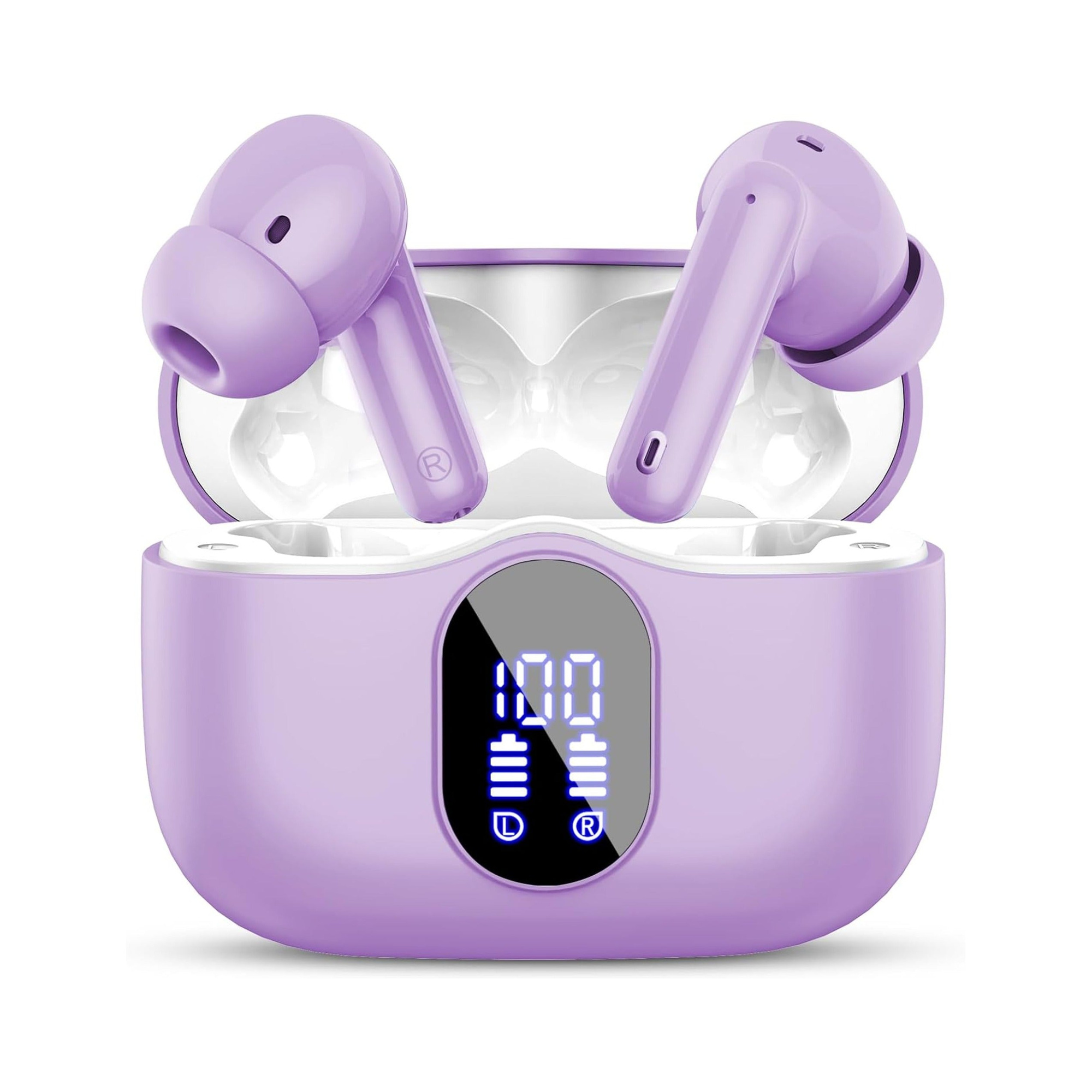
Flat, stemless earbuds for sleeping on your side, with a dynamic sleep-support mode and a starlight glow charging case. See the three colors at EARSOLE.
Because low-profile stemless sleep earbuds sit completely flush inside the concha bowl, they pull double duty: fitting cleanly underneath passive workshop earmuffs during Saturday yard work and resting weightlessly against your pillow when you sleep on your side at night.
Post-Mowing Cleaning and Moisture Care for Your Earbuds
Grass clippings, fine silica dust, and sunscreen residue quickly coat the external microphone meshes and brass charging contacts during outdoor chores. Never drop sweaty, grass-dusted earbuds straight back into the charging case; moisture trapped against the pogo pins triggers green copper corrosion within days.
Wipe the shells with a slightly damp microfiber cloth, brush the nozzle wax guard clean, and let the earpieces air-dry for ten minutes before seating them on the charging rail. For a deeper technical look at how industrial safety ratings differ from consumer noise cancellation, read our comparison of Bluetooth hearing protection vs consumer ANC earbuds under ANSI S3.19 testing.
Frequently Asked Questions
Why does my ANC earbud cut out or crackle when I walk next to a gas string trimmer?
Two-stroke engines without resistor spark plugs emit strong electromagnetic ignition pulses, and the sharp 100+ dBA acoustic Exhaust snaps can momentarily clip the external feedforward ANC microphones on consumer earbuds.
Is Transparency Mode safe to use while mowing the lawn?
No, enabling Transparency or Ambient Mode while operating a 90 dBA lawn mower amplifies external engine and blade noise directly into your ear canal through the internal speaker driver, defeating your passive acoustic seal.