Bluetooth Hearing Protection vs Consumer ANC Earbuds Under ANSI S3.19 Testing
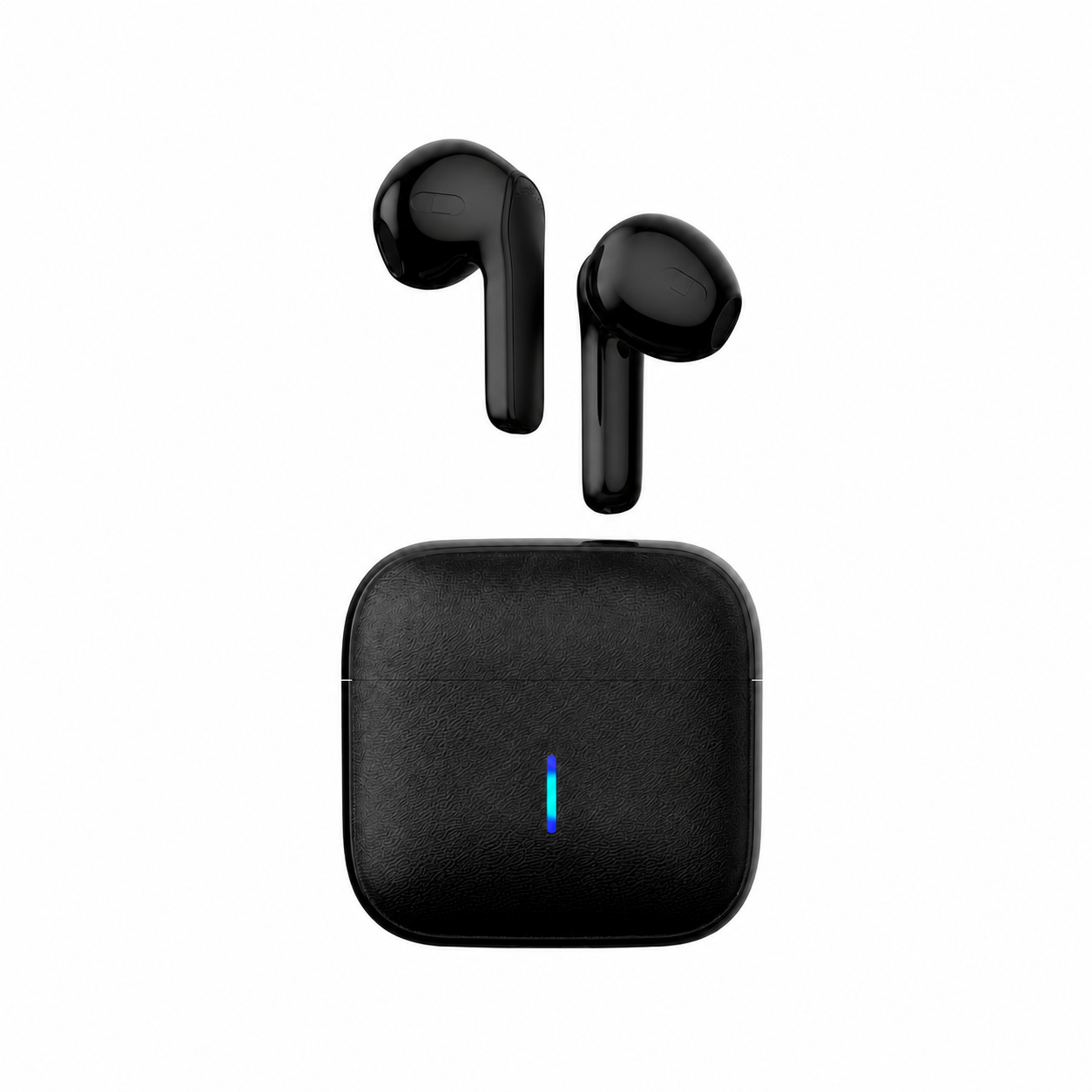
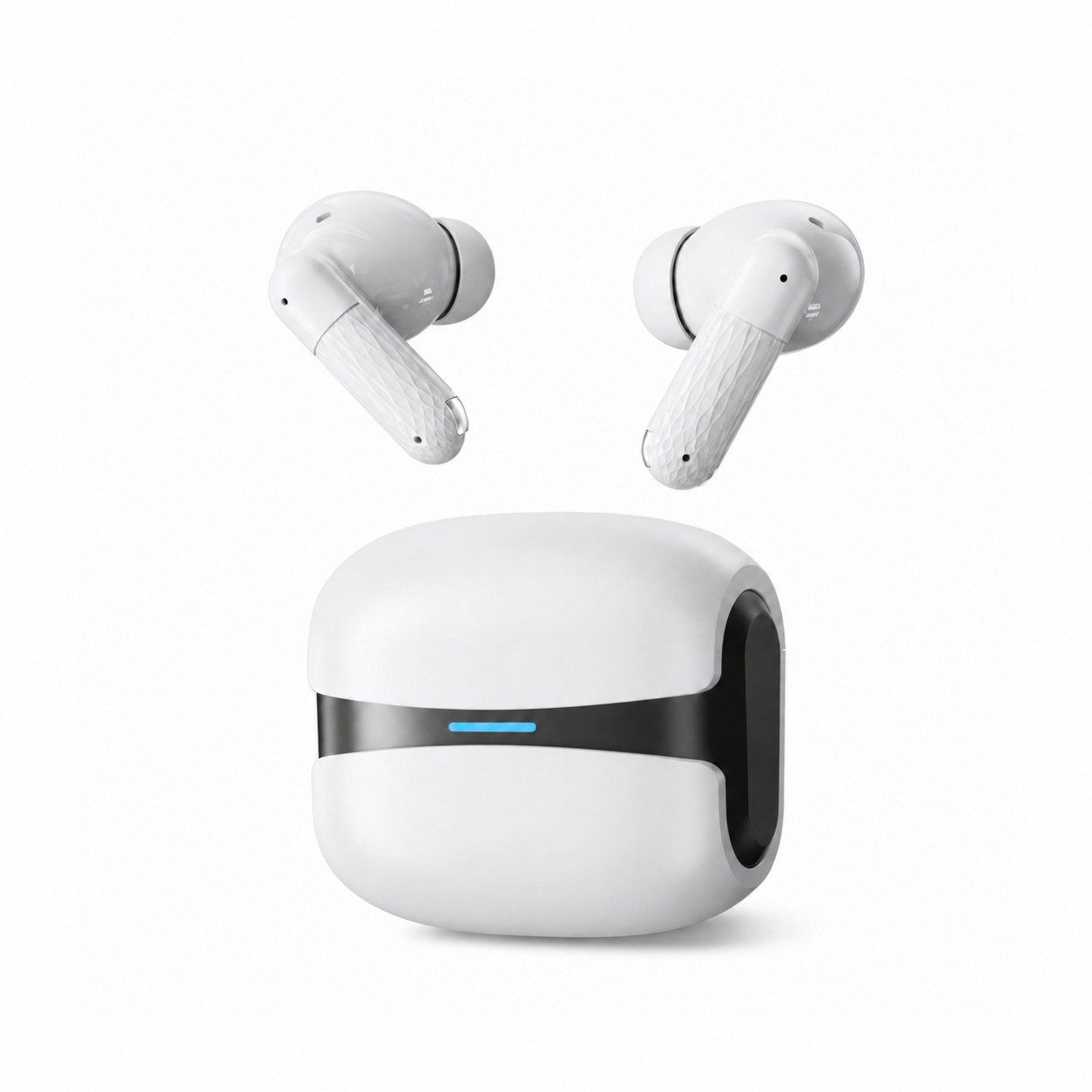
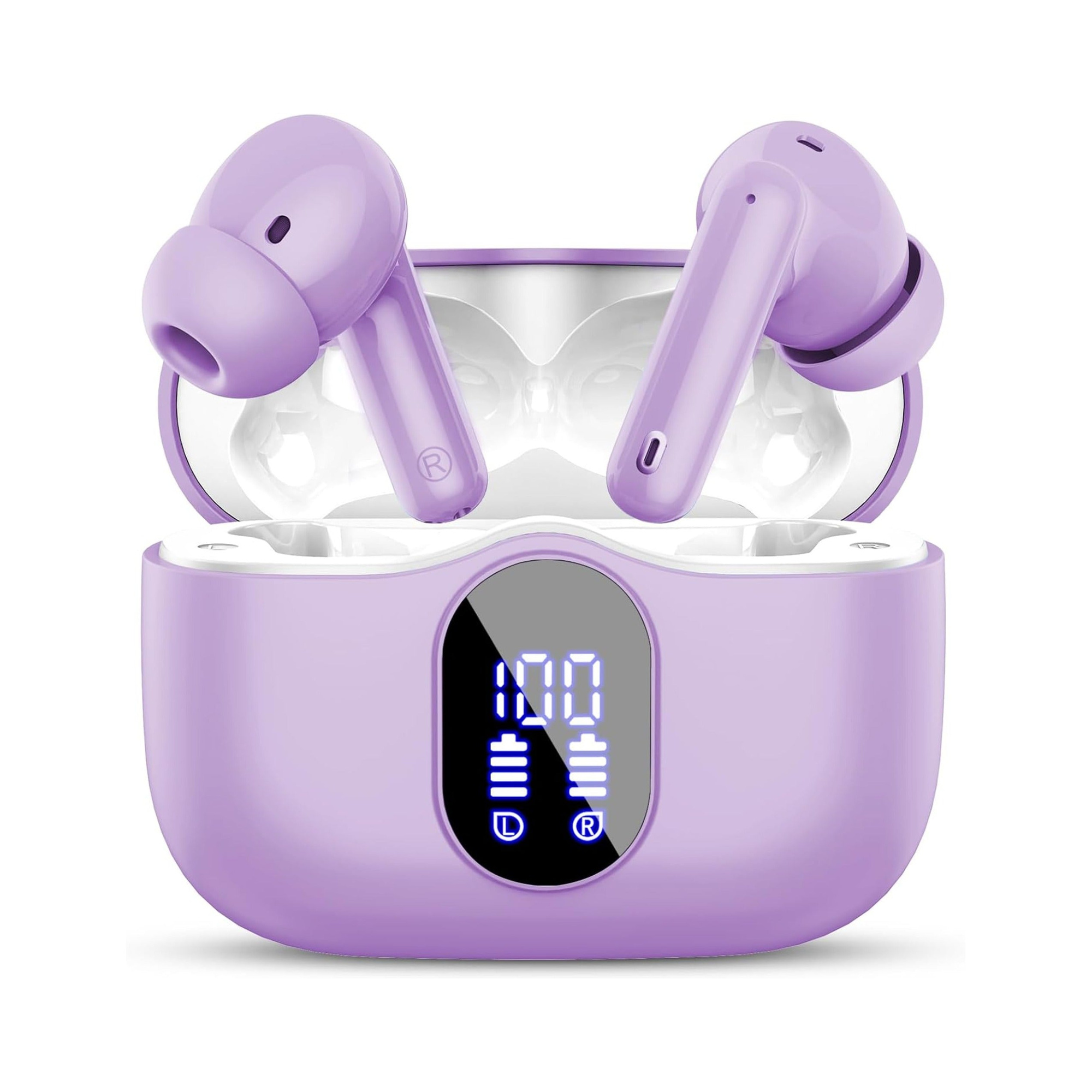
Workers operating pneumatic framing nailers, commercial lawn equipment, and industrial routers frequently wear consumer active noise-cancelling earbuds assuming the silent cabin experience protects their cochlear hair cells. In reality, active phase-inversion circuitry engineered for commuter aircraft cabin hum lacks the physical mass and structural acoustic seal required to block hazardous industrial decibels. Mistaking consumer audio silence for certified occupational hearing conservation exposes the inner ear to permanent threshold shifts.
True occupational hearing protectors must undergo laboratory real-ear attenuation testing governed by the American National Standards Institute ANSI S3.19 protocol to earn a verified Noise Reduction Rating. While consumer earbuds rely on digital signal processors to cancel predictable low-frequency drones, certified Bluetooth hearing protection prioritizes dense physical barriers first. Understanding where active phase cancellation fails under high-intensity sound pressure prevents irreversible sensorineural damage on loud job sites.
Mechanical Seal Integrity Versus Active Phase Inversion Latency
Active noise cancellation operates by sampling external ambient waves through feedforward microphones, inverting the waveform polarity, and emitting an anti-phase signal through the internal speaker driver. This closed-loop digital calculation requires approximately one to two milliseconds of processing latency, which works well against continuous, low-frequency engine rumbles below eight hundred hertz. However, sudden percussive impacts—such as drop-forge strikes, staple guns, or firearm discharges—reach peak sound pressure in microseconds.
When an acoustic shockwave strikes a consumer earbud, the supersonic pressure front bypasses the thin silicone umbrella tip and reaches the tympanic membrane long before the digital processor calculates an inverted wave. Worse yet, industrial sound peaks exceeding one hundred and fifteen decibels overload miniature feedforward microphones, causing amplifier clipping that ceases cancellation entirely. Certified ANSI S3.19 protectors rely on expanding viscoelastic foam or multi-flange barriers that physically reflect shockwaves regardless of electronics.
| Acoustic Protection Parameter | ANSI S3.19 Bluetooth Protector | Consumer ANC Wireless Earbuds | Passive Expanding Foam Plugs | Industrial Earmuff Headsets |
|---|---|---|---|---|
| Certified NRR Attenuation | 22 dB to 29 dB Verified Rating | Unrated (Zero OSHA Compliance) | 28 dB to 33 dB Verified Rating | 24 dB to 30 dB Verified Rating |
| Impulse Peak Response (<1 ms) | Instant Mechanical Reflection | DSP Latency & Mic Saturation | Instant Viscoelastic Absorption | Rigid Cup Shell Deflection |
| Primary Attenuation Mechanism | High-Density Acoustic Seal | Digital Anti-Phase Waveform | Slow-Recovery Polyurethane | Circumaural Foam Cushion |
| Internal Audio Output Limiter | Hardware-Capped at 82–85 dBA | Uncapped (Reaches 100+ dBA) | None (No Audio Transducer) | Hardware-Capped at 82 dBA |
Internal SPL Output Limiters and Eight-Hour Time-Weighted Averages
Beyond blocking external machinery roar, occupational Bluetooth hearing protectors enforce strict internal output ceilings to stop workers from replacing tool noise with deafening music levels. Under Occupational Safety and Health Administration guidelines, an eight-hour time-weighted average exposure should remain below eighty-five A-weighted decibels to prevent metabolic exhaustion of outer hair cells. Consumer wireless earbuds routinely generate over one hundred decibels when users crank smartphone volume sliders to overcome poorly sealed ear tips.
Certified job-site Bluetooth earpieces integrate hardware voltage regulators that cap maximum transducer output at eighty-two or eighty-five decibels regardless of the connected phone settings. Combined with twenty-five decibels of passive mechanical isolation, workers can hear podcasts and dispatch calls clearly at safe listening volumes even beside ninety-five-decibel shop vacuums. Consumer earbuds lack this dual safeguard, tempting users to mask leaking mid-frequency tool whine with dangerous musical sound pressure.
Decompressing Canal Walls After Extended Industrial Shift Wear
Wearing high-durometer triple-flange plugs or compressed polyurethane foam tips across an eight-hour fabrication shift exerts continuous radial expansion against the cartilaginous ear canal. By evening, workers and heavy commuters often experience localized tragus soreness, epidermal warmth, and persistent auditory fullness from prolonged mechanical occlusion. Retiring rigid occupational plugs at the end of the workday allows compressed canal tissue and exhausted middle-ear muscles to recover their natural circulation.
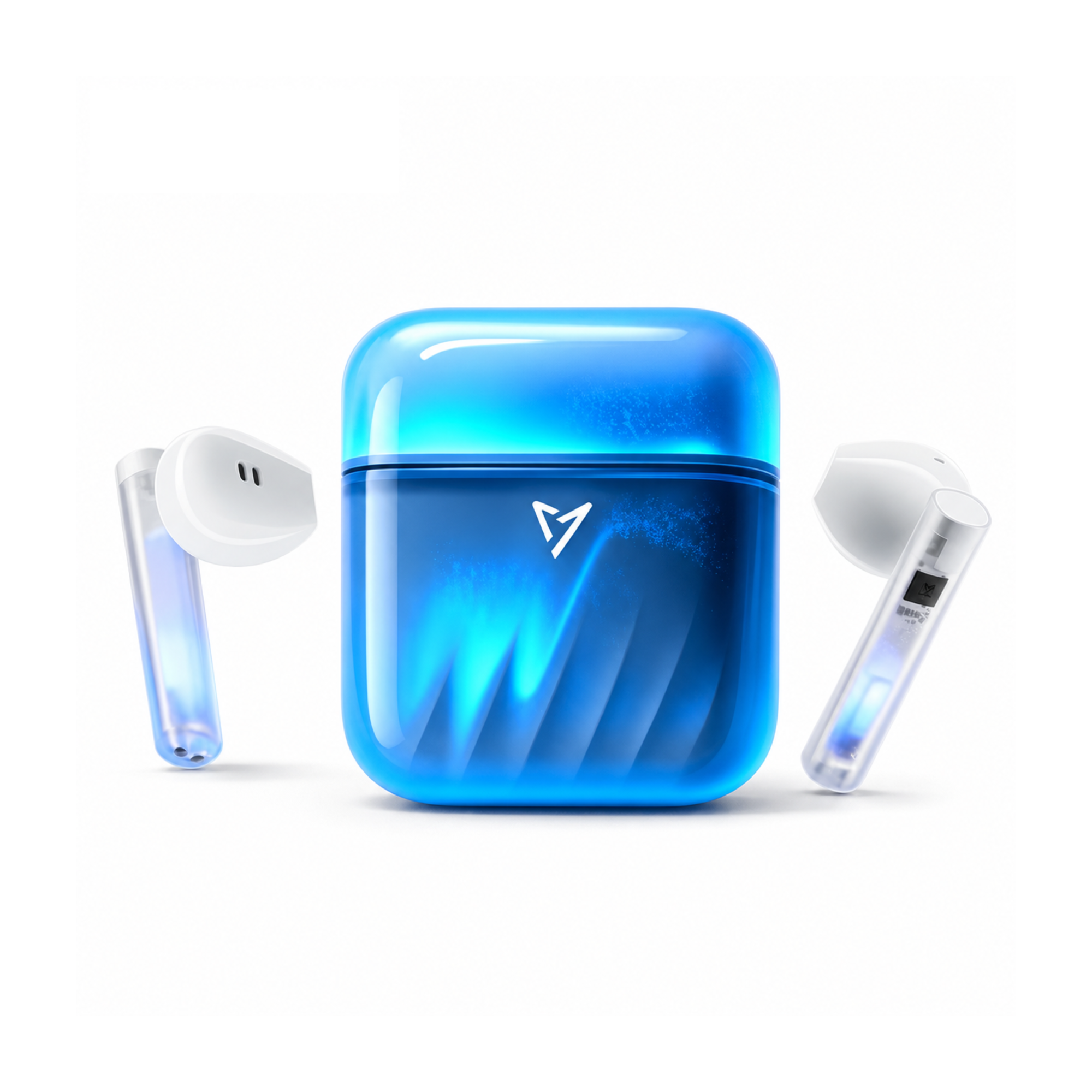
Flat, stemless earbuds for sleeping on your side, with a dynamic sleep-support mode and a starlight glow charging case. See the three colors at EARSOLE.
Transitioning to ultra-soft, flush-fitting sleep earbuds at night provides gentle acoustic masking without reintroducing the firm radial pressure of industrial ear tips. Because the miniature housing sits entirely within the concha bowl without protruding stems, side sleepers can rest their head squarely against a pillow without driving rigid plastic into bruised ear cartilage. Soft ambient masking tones help quiet post-shift tinnitus perception while preserving effortless lateral comfort until morning.
Field Verification Protocol for Acoustic Seal and Safe Listening
Before starting high-decibel power tools or yard machinery, verify that your hearing protection matches the acoustic hazard profile of your environment. First, inspect the product packaging for an explicit EPA-mandated Noise Reduction Rating label tested under ANSI S3.19-1974 or ANSI S12.6 standards; never substitute unrated consumer ANC earbuds when operating impact tools, chainsaws, or firearms.
Second, perform a physical roll-and-hold insertion check if using compressible foam tips: roll the cylinder between clean fingers into a crease-free cone, pull the upper pinna upward to straighten the ear canal, and hold the plug in place for thirty seconds until expansion seals the passage. Finally, activate your smartphone headphone safety limiter at eighty decibels so streamed audio never compounds your daily occupational noise dose.
Frequently Asked Questions
Can I wear consumer ANC earbuds underneath passive industrial earmuffs?
Yes, wearing low-profile wireless earbuds set to a moderate volume underneath ANSI-certified over-ear muffs is a popular workshop method, provided the earbud stems do not break the circumaural cushion seal against your skull.
Why do my ANC earbuds make a loud popping sound near hammering or nail guns?
Sudden high-decibel impacts clip the external feedforward microphones on consumer ANC earbuds, causing the digital feedback loop to overload and emit an audible pop or momentary burst of distorted white noise.