



Bone Conduction Headphones for Smaller Heads: How to Get a Secure Fit Without Sagging
Finding bone conduction headphones that stay firmly in place can be frustrating if you have a smaller head circumference. Traditional wireless headphones often rely on extendable headband sliders, but bone conduction headsets use a wraparound band connecting two acoustic transducers that sit directly against your cheekbones. When a fixed-arc neckband is sized for an average or larger adult skull, smaller heads experience backward sag: the rear loop drops onto the collar, levers the transducers forward, and breaks acoustic contact with the temporal bone.
Understanding how to choose and fit bone conduction headphones for smaller heads requires looking past generic sizing tags. By balancing frame weight, clamping tension, and neckband clearance, listeners with petite head sizes can enjoy open-ear situational awareness during running, workouts, and commuting without constant readjustments.
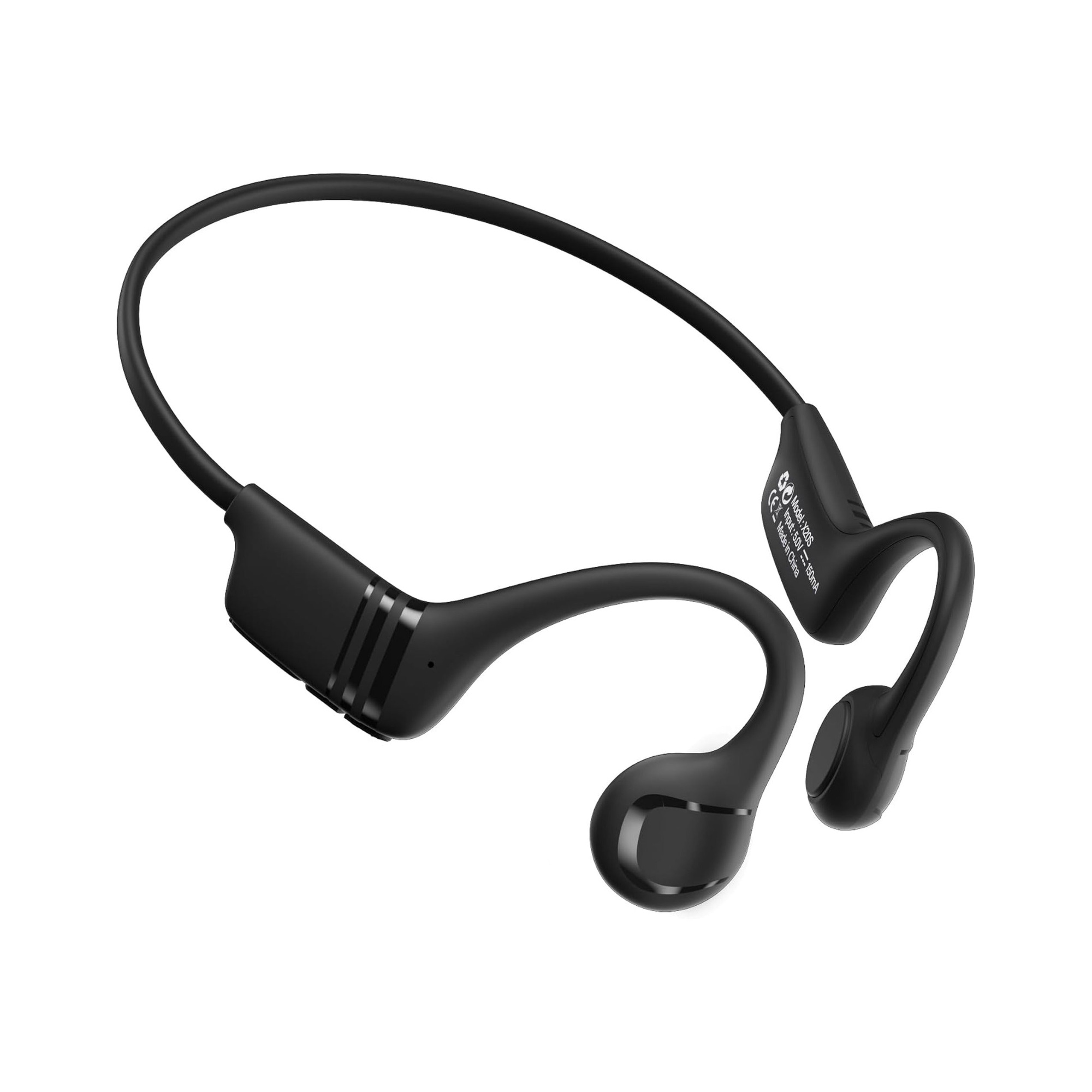
Why Standard Bone Conduction Neckbands Struggle on Smaller Heads
The fundamental design of bone conduction audio requires the transducers to sit firmly against the cheekbones, directly in front of the ear canal. Sound waves pass through facial bone structures directly to the inner ear (cochlea), keeping the ear canal open to ambient traffic and environmental noise.
However, mechanical stability depends on three contact points: the two cheekbone contact pads and the curved hooks looping over each ear. In standard one-size-fits-most headsets, the connecting rear band spans a fixed arch behind the neck. For listeners with smaller head circumferences (such as 54 cm or smaller), this design presents two major issues:
- Occipital Sag and Levering: When the rear band has excessive slack, gravity pulls it downward toward the nape. Because the ear hooks act as a pivot fulcrum, the downward pull on the rear band levers the front pads upward or outward, decoupling them from the bone.
- Collar and Hood Interference: A loose band that protrudes several centimeters behind the neck repeatedly bumps against collared shirts, winter running jackets, and hoodies. Every head turn causes the collar to knock the frame, dislodging the audio drivers.
As users in headphone communities frequently note, a standard rigid band that hangs too loose quickly ends up returned because the transducers keep migrating out of their sweet spot.
Key Fit Criteria: Weight, Clamping Tension, and Neckband Clearance
As audio fitting guides from manufacturers like Wantek point out, skull circumference alone does not predict headphone comfort or security. Headband curvature, clamping pressure, pad reach, and the angle of the jawbone all determine how stably a headset rests on your head.
When evaluating bone conduction headphones for small heads, focus on three mechanical elements:
| Fit Factor | What Smaller Heads Experience | Optimal Design Choice |
|---|---|---|
| Total Weight | Heavy frames slide downward during vigorous movement | Ultra-lightweight build (around 20–25 grams) |
| Frame Material | Rigid molded plastic cannot conform to narrow cheekbones | Flexible titanium memory wire frame |
| Band Arch Clearance | Stiff loops stick out excessively behind the head | Compact, low-profile contour hugging the nape |
| Transducer Placement | Drivers tilt outward if ear-hook arc is too broad | Ergonomic forward-angled ear hooks |
Lightweight construction is particularly vital. A heavy headset relies on high inward clamping force to prevent downward slipping, which can cause pressure headaches over prolonged sessions. A lighter headset—under 25 grams—stays anchored with gentle tension.
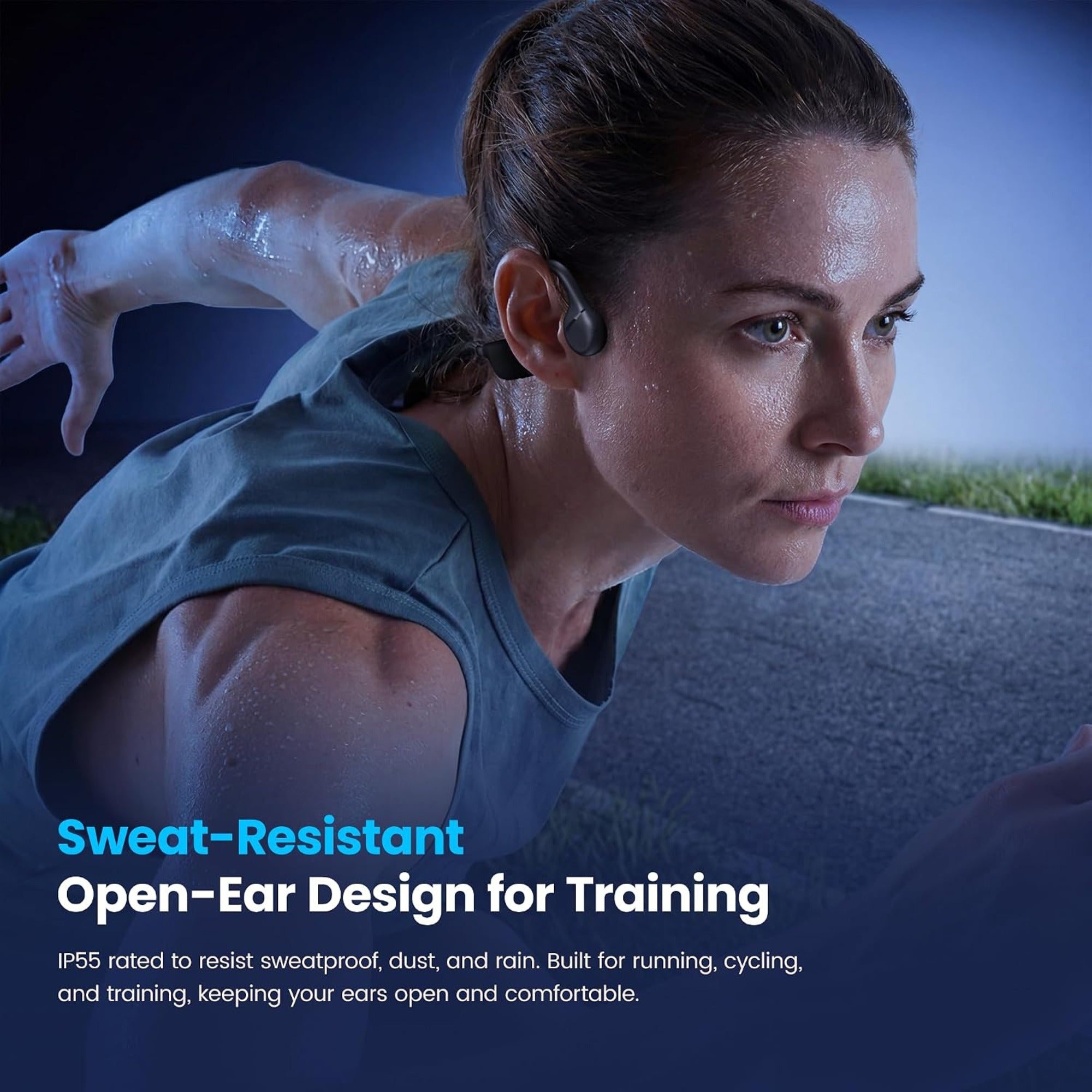
Product Spotlight: EARSOLE Open-Ear Bone Conduction Headphones (Series 148)
For listeners seeking an adaptable open-ear headset that avoids bulky rear-band sag, the EARSOLE Open-Ear Bone Conduction Headphones – Series 148 ($68.98, SKU EAR-AMZ-WL-148) offers a balanced, featherweight solution.
Grounded Specifications
- Weight: 22 grams ultra-lightweight build, minimizing downward gravitational pull.
- Frame Construction: Flexible titanium memory alloy that flexes to accommodate narrow spans without losing inward tension.
- Water Resistance: IP55 rated for sweat resistance and light rain during outdoor training.
- Wireless Connectivity: Bluetooth 6.0 chip providing stable audio transmission and hands-free microphone clarity.
- Battery Life: Up to 10 hours of continuous audio playback per charge with modern Type-C fast charging.
The Series 148 uses an elastic titanium wire backbone coated in skin-friendly silicone. Unlike rigid plastic frames that maintain a wide, fixed U-shape, the titanium memory frame gently draws the ear hooks inward, keeping the front transducers seated flush against smaller cheekbones without painful jaw clamping.
4 Practical Fit Adjustments for Petite Heads
If you already own or are testing a bone conduction headset, follow these practical checks to ensure a slip-free fit:
1. The Gentle Nod and Jaw Test
Put the headphones on with the ear hooks resting comfortably over your ears. Nod your head forward and tilt it back gently, then open and close your mouth. If the transducers remain resting against the cheekbone without rocking or lifting, your clamping tension is well calibrated.
2. Angle the Ear Hooks Slightly Forward
Rather than placing the ear hooks flat across the top of your ears, rotate the frame forward by a few degrees so the transducers rest firmly on the zygomatic arch (the cheekbone ridge just in front of the tragus). This forward tilt keeps the rear band angled slightly upward, clearing high collar lines.
3. Hair Positioning and Band Retainers
If you have long hair, wearing it in a high ponytail or bun prevents thick hair bundles from pushing the rear band downward. Many petite runners also slip a small silicone hairband or sunglass strap retainer around the rear loop to take up 1–2 centimeters of slack, holding the band securely against the hair.
4. Eyewear Layering
When wearing running sunglasses or prescription glasses, put your eyeglasses on first, seating the frame arms close to your temples. Then place the bone conduction ear hooks over the top. This layered approach prevents thick sunglass arms from pushing the transducers away from your skin.
For active water sports or pool workouts where wireless Bluetooth signals cannot penetrate water, compare these open-ear designs against dedicated waterproof headphones for swimming equipped with onboard MP3 storage.
Frequently Asked Questions
Can people with small heads wear regular bone conduction headphones?
Yes, but models with rigid, thick plastic neckbands often sag down onto the neck, causing the transducers to pull away from the cheekbones. Listeners with smaller heads achieve a significantly more stable fit by selecting headsets with flexible titanium memory wire (such as the 22-gram EARSOLE Series 148) that conform to narrower head contours.
How should bone conduction headphones feel when fitted correctly?
When fitted correctly, the front pads should rest comfortably against the cheekbone in front of the ear opening without exerting harsh pressure on the jaw. You should be able to hear audio clearly while maintaining complete awareness of surrounding environmental sounds, and a gentle head nod should not dislodge the frame.
Will bone conduction headphones fall off while running?
Because bone conduction headphones hook securely over both ears and connect behind the head, they generally remain more stable than standard in-ear buds during running. Selecting a lightweight model under 25 grams prevents bounce and ensures the neckband stays seated during sprints and trail runs.
