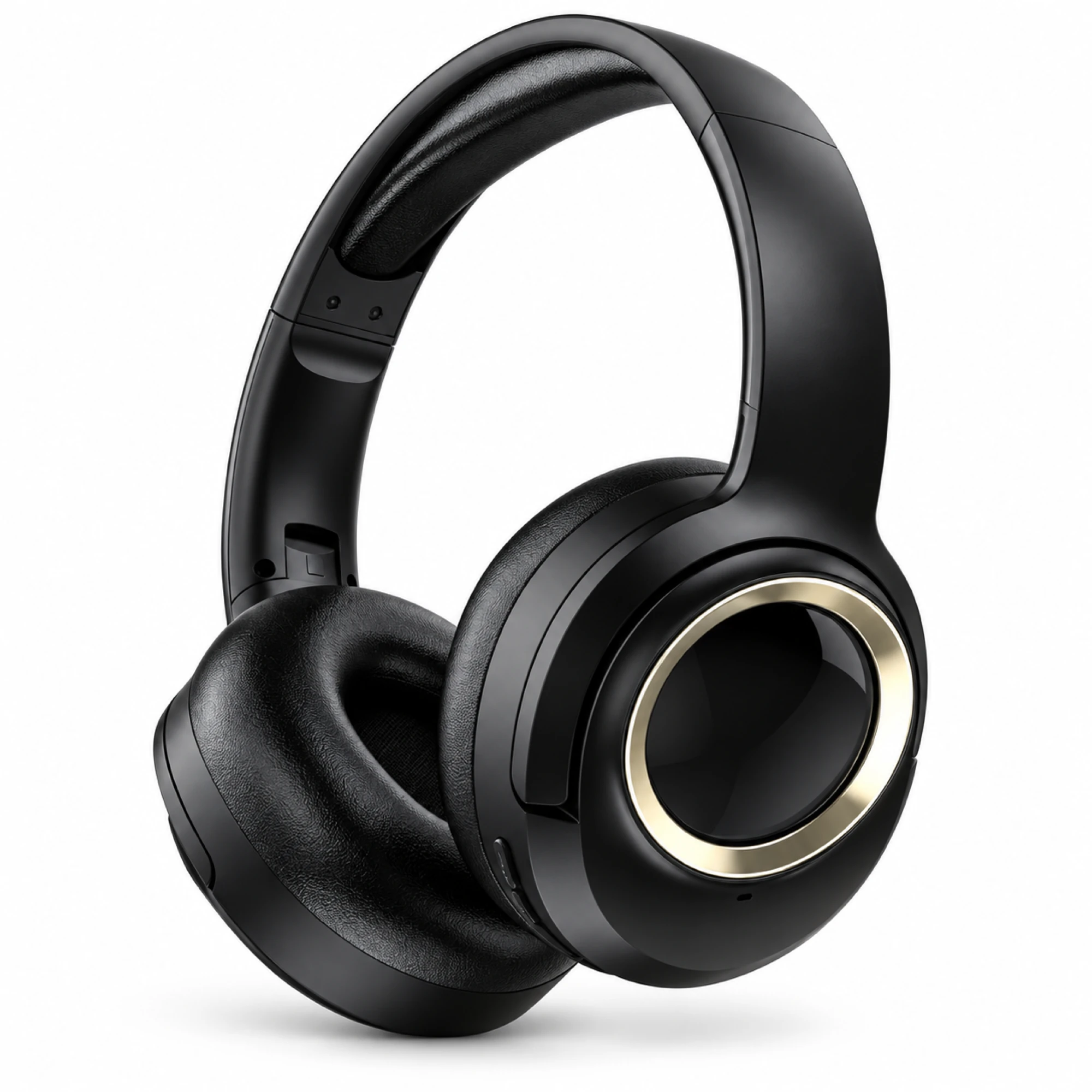
 MX-21 Black and Gold Wireless Headphones
 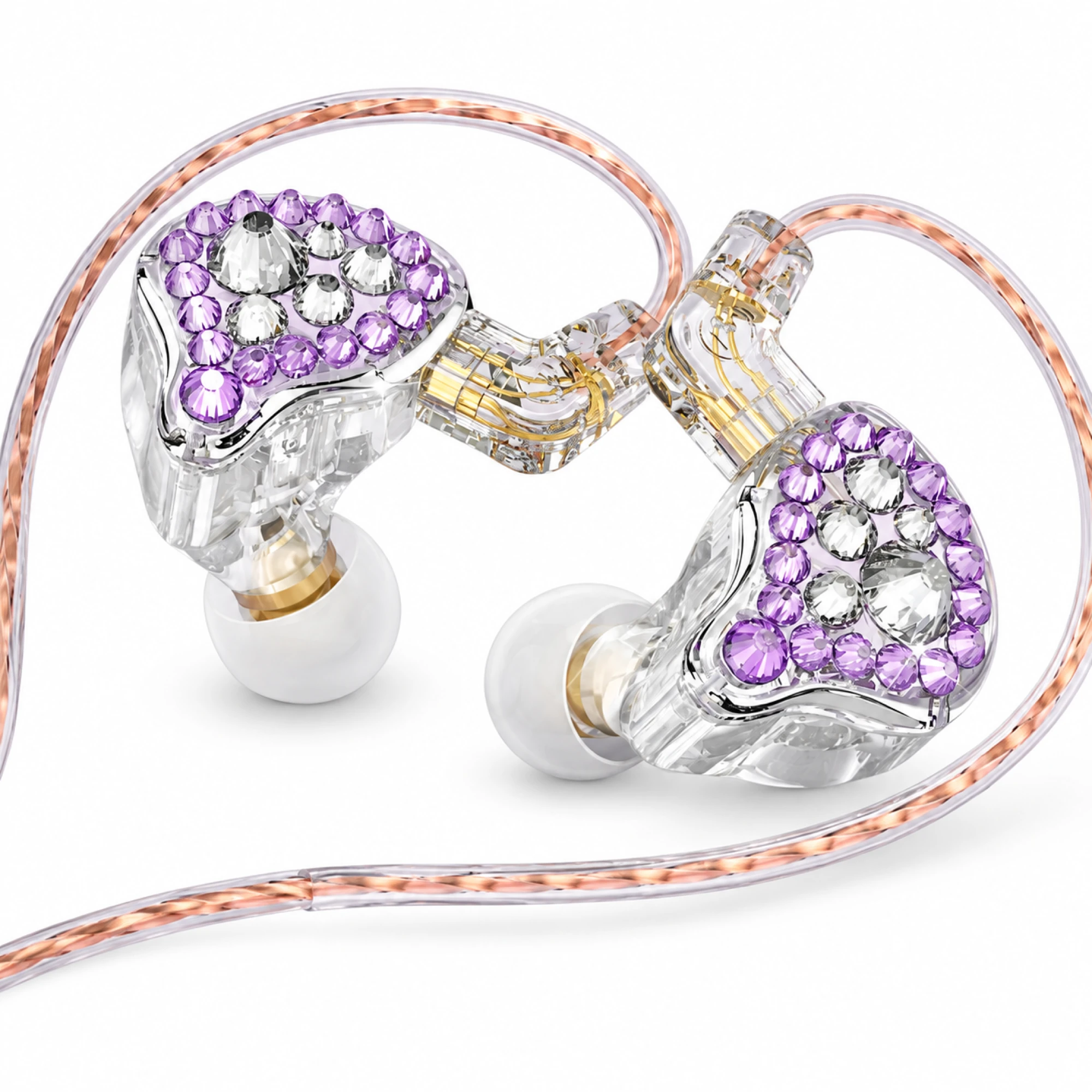 Q2 Pro Purple Crystal In-Ear Monitors
 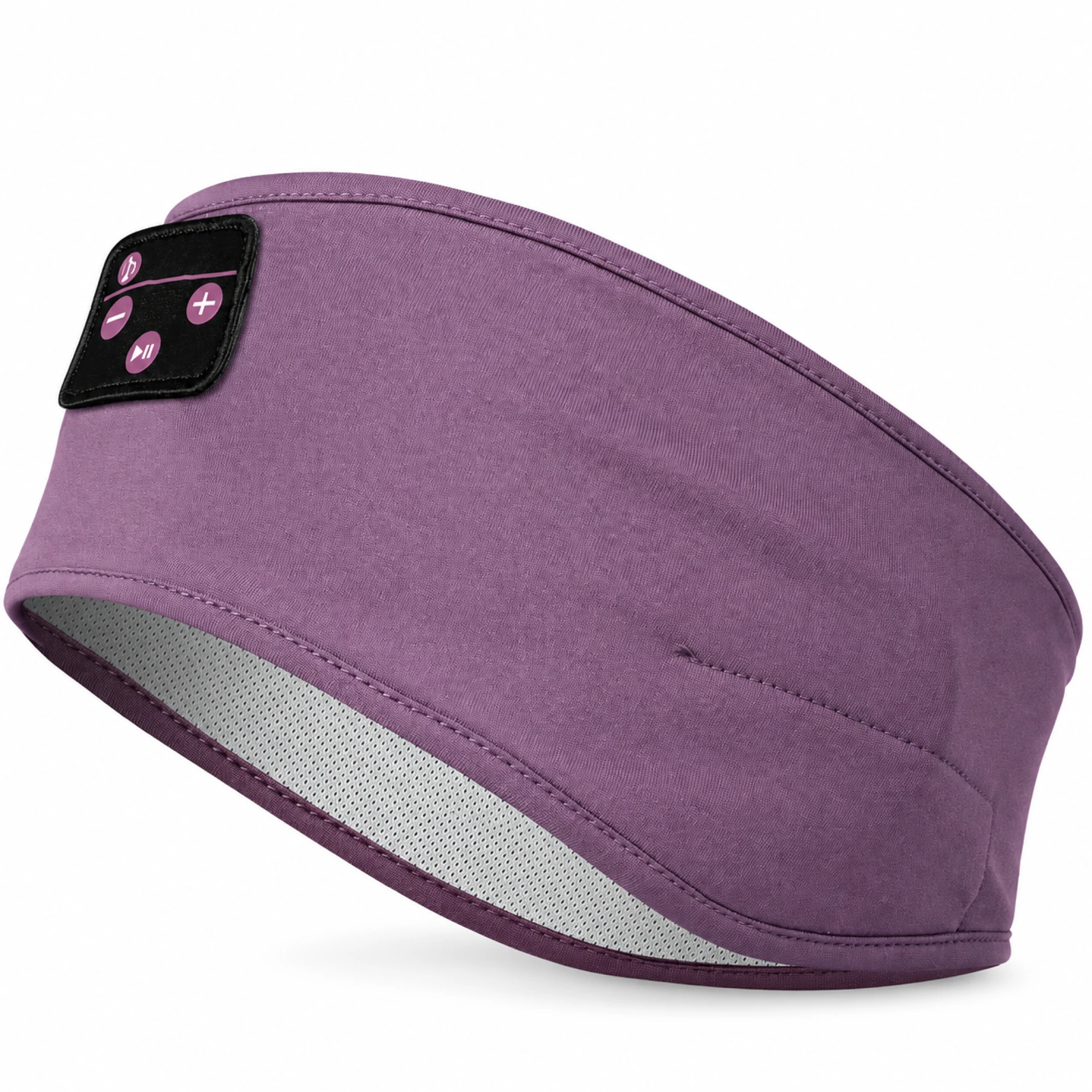 Purple Sleep Headband Headphones with Triangle Controls
 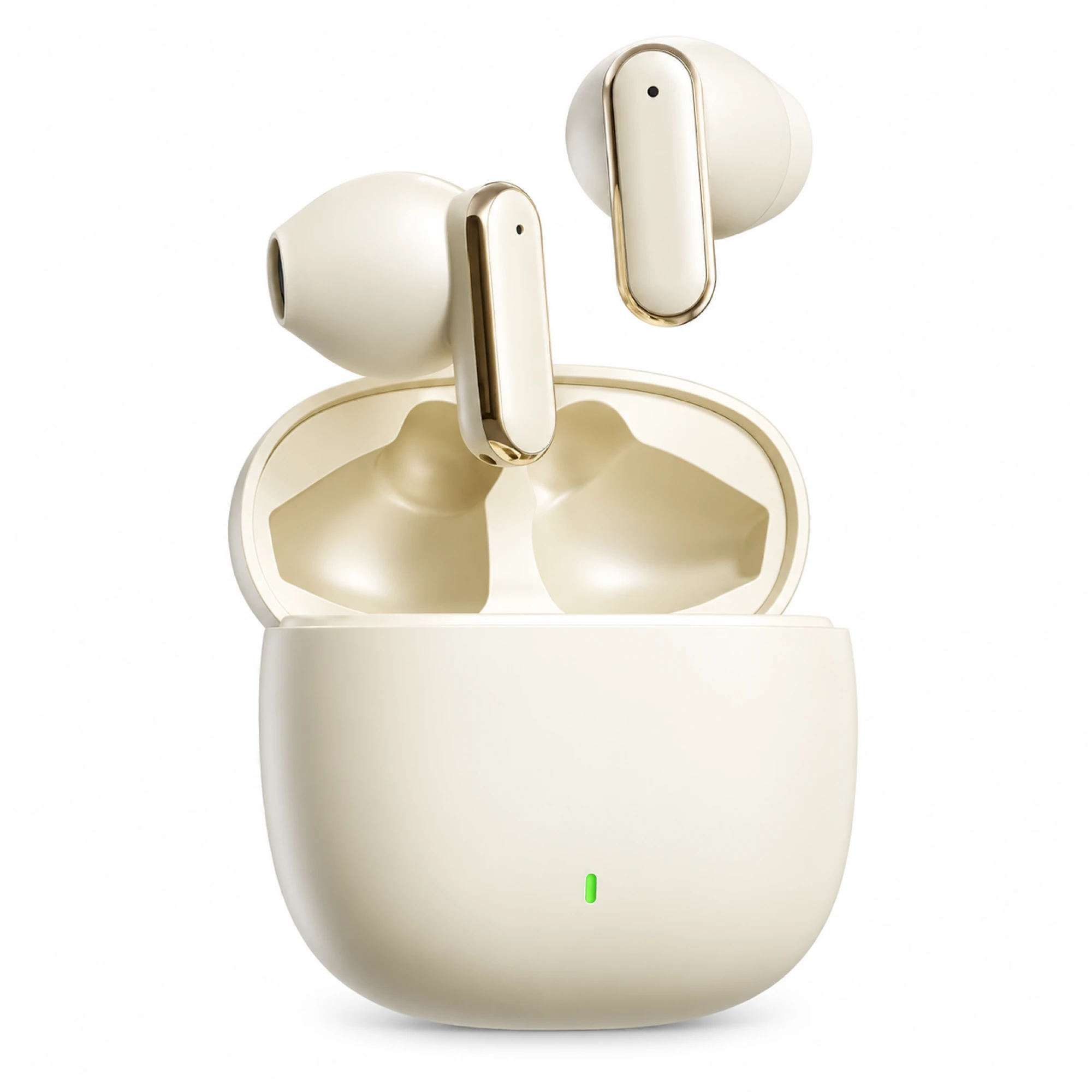 Cream Reflective-Stem Wireless Earbuds
 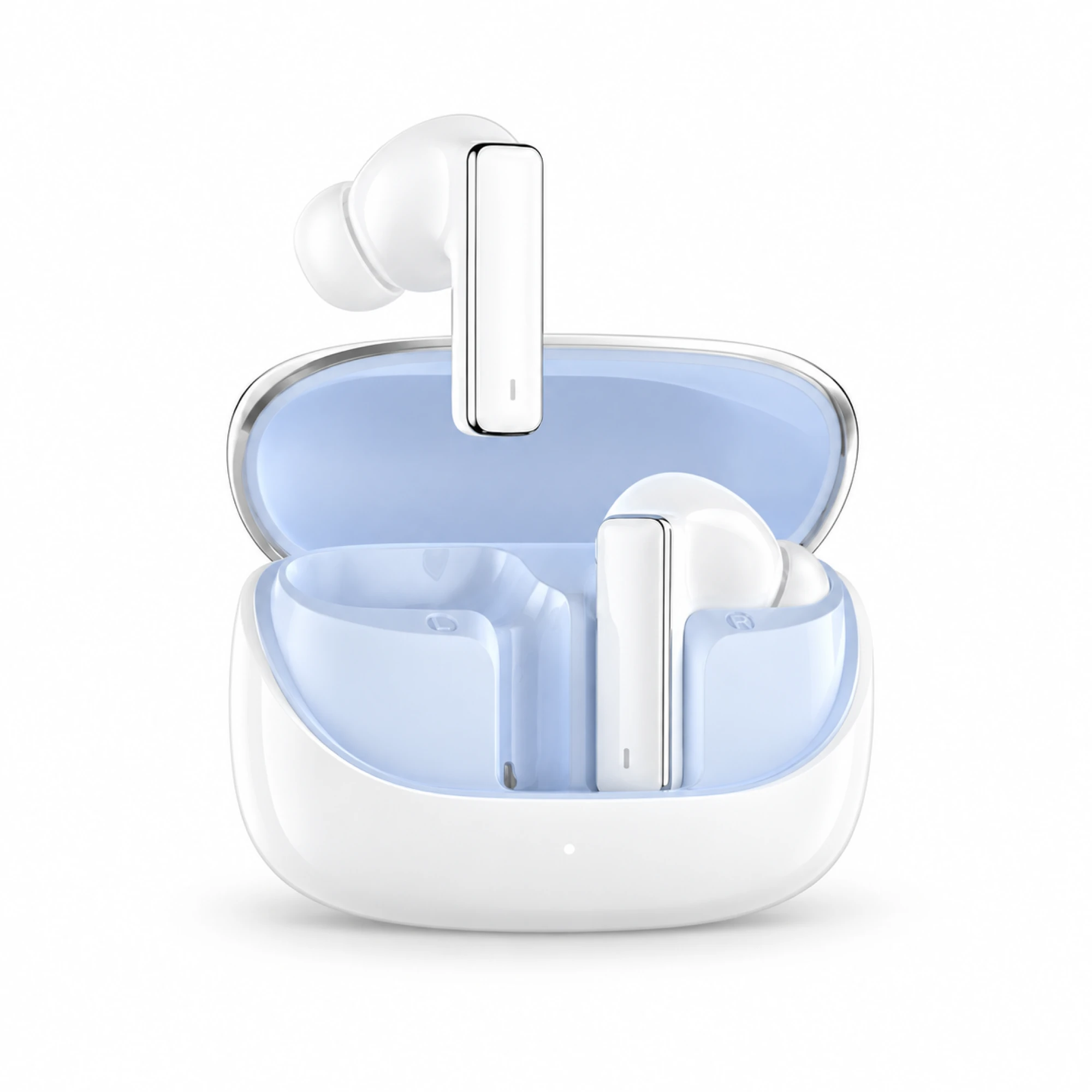 IN-01 White ANC Earbuds with Pale Blue Case Interior
 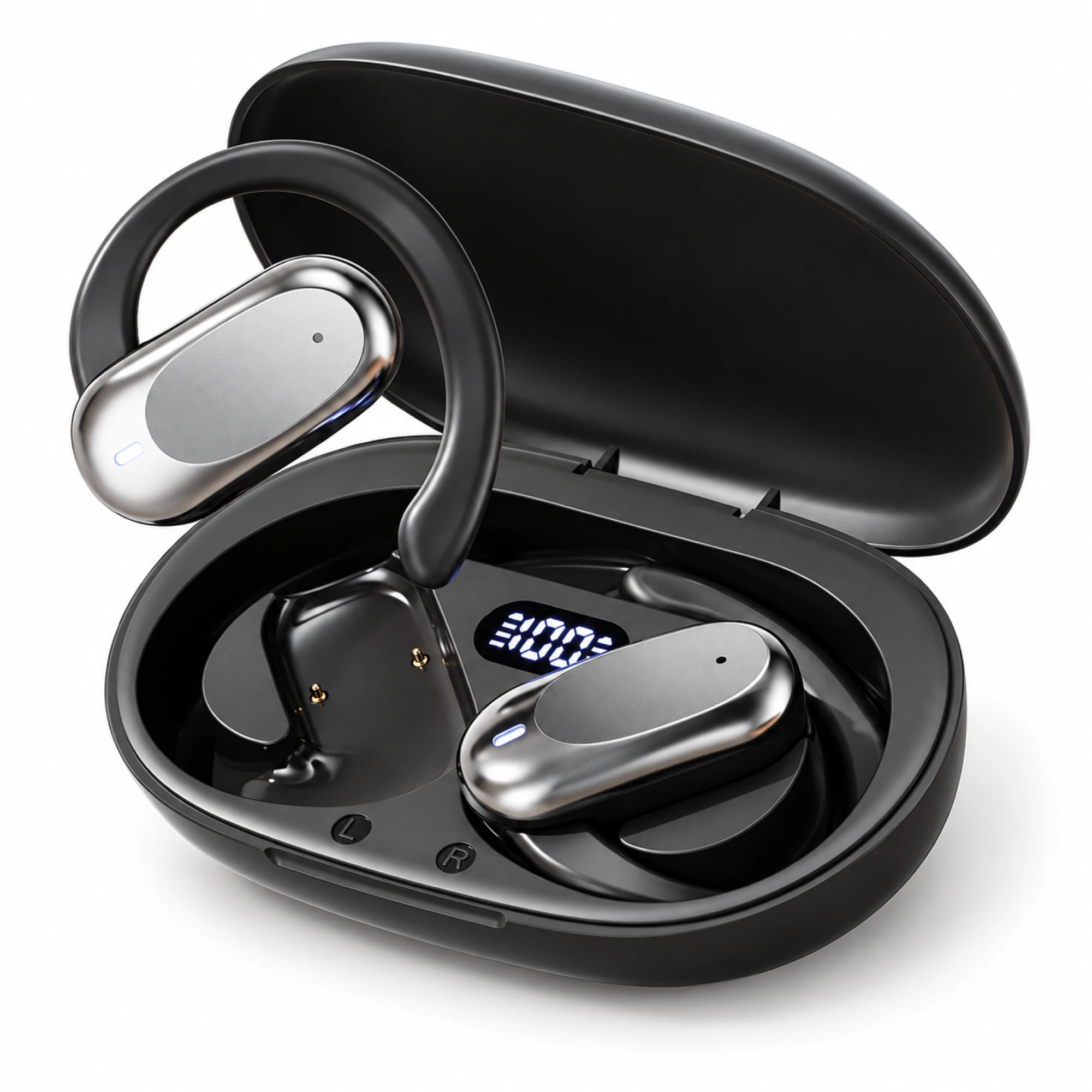 Silver Capsule Open-Ear Earbuds
 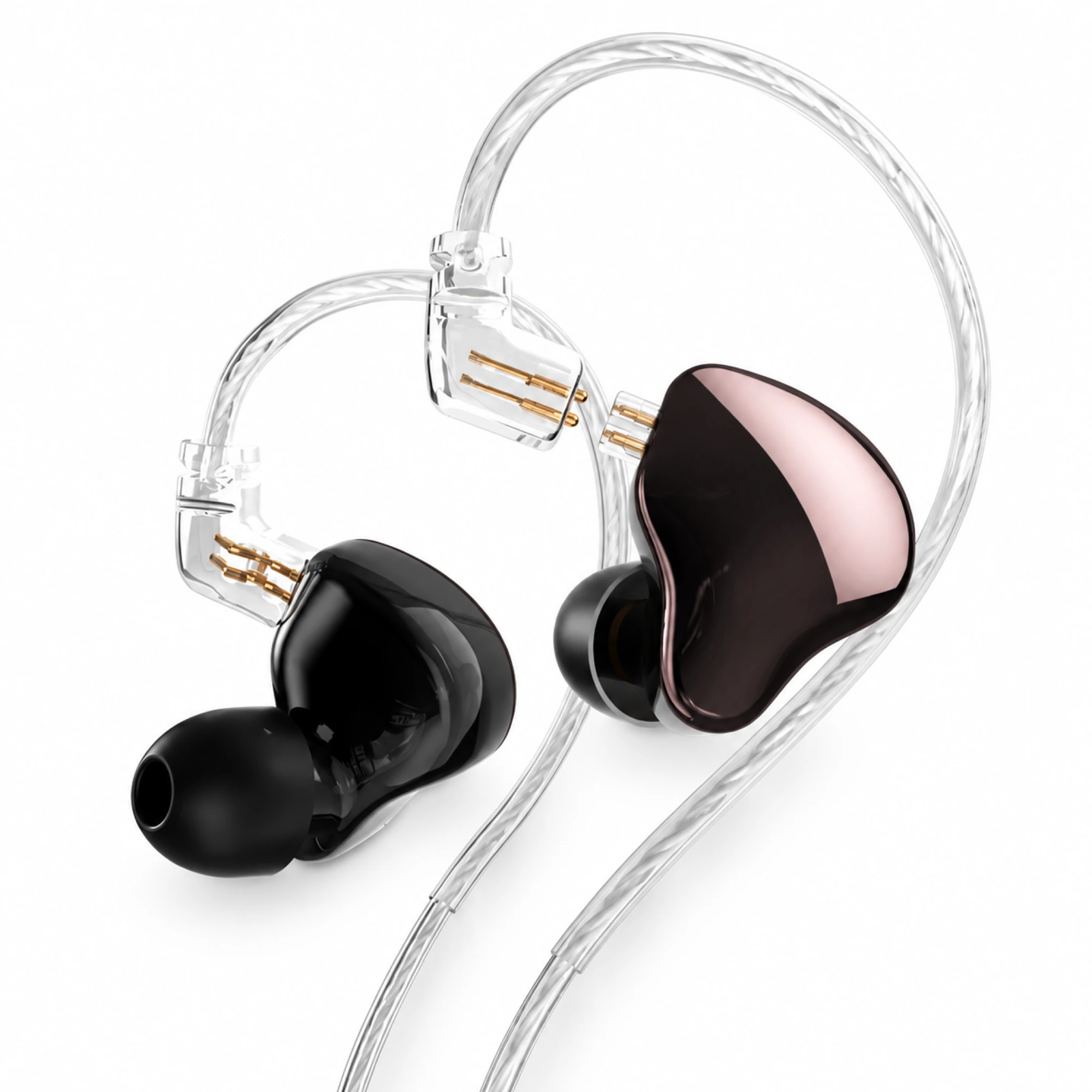 MN Rose-Metallic Detachable In-Ear Monitors
 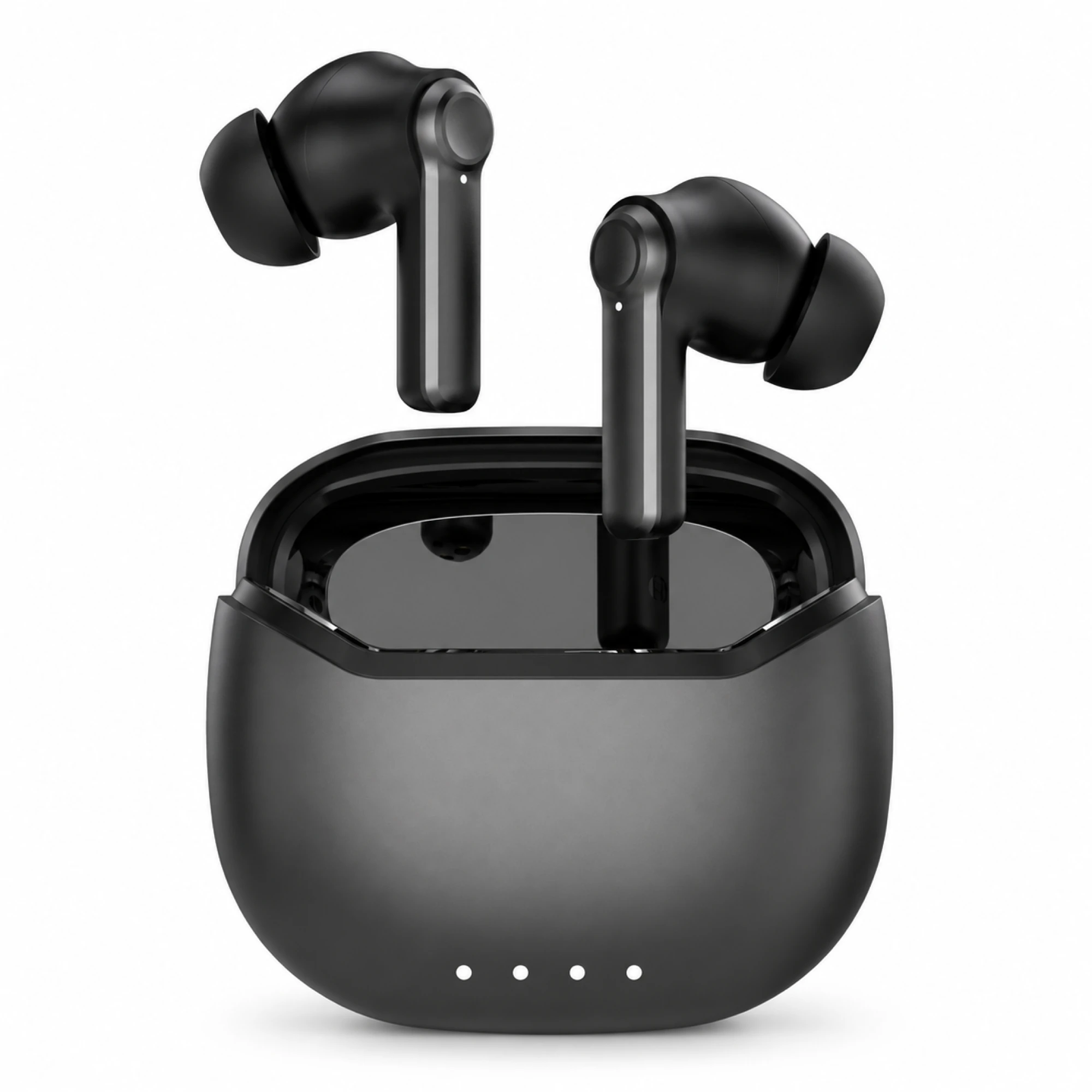 Black ANC Earbuds with Four-Indicator Case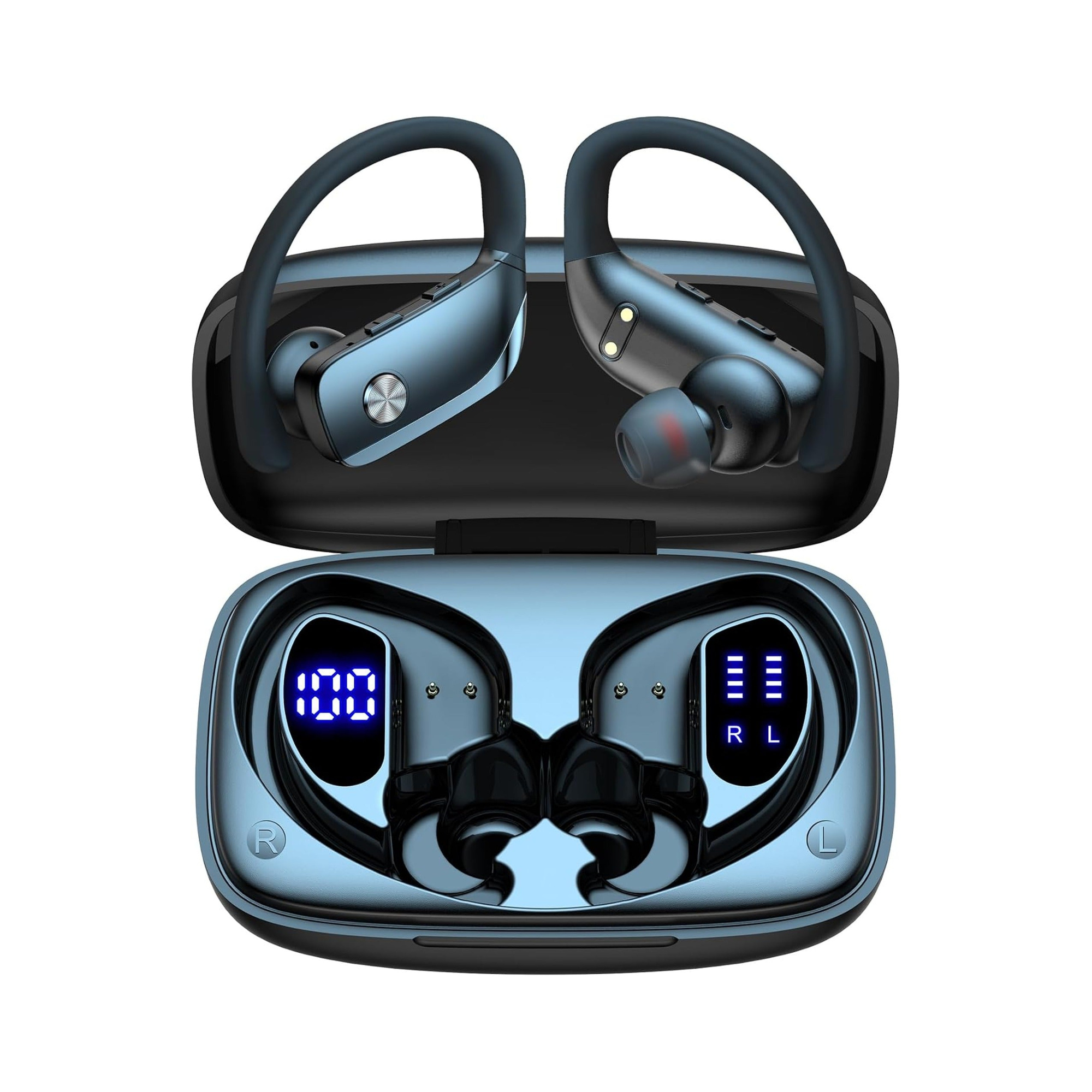
Once fit and sweat are settled, true wireless earbuds sports buyers hit a second set of constraints that running and the gym never raise. Cycling, team sport and hiking are decided by wind noise loud enough to be a hearing question, laws and race rules that permit only one ear, and how a pair behaves when you wear a single bud.
"Sport" on a listing is a shape, not a rating
There is no sport certification; no body tests a product and awards it the word. The only certified number is the IP code, from IEC 60529, and our guide to reading IP ratings covers what each digit means. In practice the label promises a retention feature plus a sweat claim written in prose. Everything else is open, so two products sold as sports headphones can differ on controls, mono behaviour, case design and water protection while looking identical on a category page.
On a bike, wind is the loudest thing you will hear
This is the finding that separates cycling from every other land sport. In a wind-tunnel study of noise at a cyclist's ear, Seidman and colleagues report wind noise ranging "from 84.9 dB at 10 mph" and increasing proportionally with speed "to a maximum of 120.3 dB at 60 mph", that maximum measured at the downwind ear with the ear turned 90 degrees away from the wind, which the authors attribute to turbulent air flow.
Read the low end first. Ten miles per hour is an unhurried bike ride, roughly twice most running speeds, and it already sits in the range where noise exposure becomes a hearing question. Before you play anything, a bicycle puts you in a loud room. Treat the figures as directional and not as your own exposure, though: one cyclist, one wind tunnel, fixed head angles.
- Speed sets your noise floor. A pair that is comfortable at jogging pace can be inadequate at 20 mph, with no change to the product.
- Open-ear designs do not help here. Wind noise is generated at your own ear by turbulence instead of arriving from a distance, so an open canal has nothing to block, and bone conduction bands are in the same position. See open-ear versus bone conduction.
- Speech suffers before music. Broadband noise generally masks consonants first, so podcasts degrade before a bass line does.
- The microphone gets the same treatment. A sport headset used for calls catches wind at the mic, and ENC reduces that without removing it.
- The obvious fix is the bad one. Raising volume to beat wind adds your own exposure on top of an already high floor.
California bans both ears on a bicycle
Section 27400 of the California Vehicle Code states that "a person operating a motor vehicle or bicycle may not wear a headset covering, earplugs in, or earphones covering, resting on, or inserted in, both ears." The exceptions in that section cover emergency and highway maintenance vehicle operators, refuse collection, certain safety earplugs that let sirens and horns through, and hearing aids. A cyclist listening to music is not among them.
Note precisely what is prohibited: both ears. A single earbud is not covered by that wording. State law varies, and some statutes reach drivers only. Florida's section 316.304 restricts operating a vehicle while wearing a headset, headphone or other listening device, without extending the rule to bicycles. Check your own state.
Competition is stricter. The USA Cycling rulebook states under rule 1J6 that "audio playback devices are expressly forbidden in all disciplines and categories", and permits a rider to "wear only one earpiece" even where team radios are allowed. So if you ride on roads, single-bud use is your normal operating mode instead of a fallback, and it should be the first thing you check.
What one-ear use does to a true wireless pair
Most true wireless pairs nominate one bud as primary: it holds the link to your phone and relays audio to the second. That asymmetry is invisible while you wear both and becomes the whole experience when you wear one.
- Mono handling differs by product. Some pairs fold both channels into the single bud; others play only the channel assigned to that side, so anything panned hard disappears. Test with a track you know.
- Either side may not work alone. Some designs run solo only from the primary bud, which reads as a fault, and our guide to one earbud not working separates the two cases.
- Charge goes uneven quickly, because the primary bud is doing more work for the same battery.
- Connection follows what you remove. Lifting one bud out often connects it in single mode; returning it and lifting the pair re-forms the stereo link.
- The microphone may sit on one side only. If calls matter, confirm which side carries it before you commit to riding on the other.
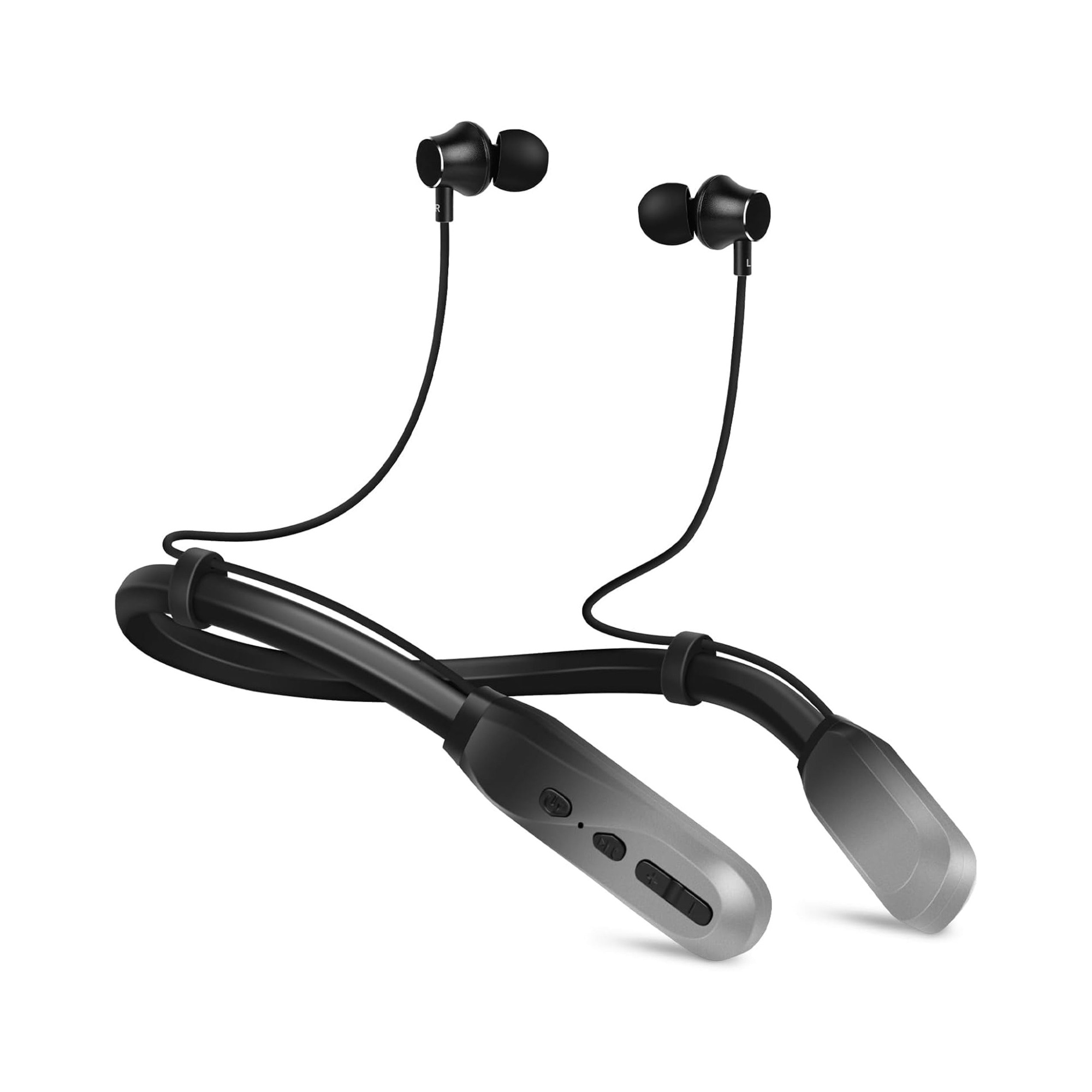
One design sidesteps all of it: a neckband keeps both ends on a single battery and radio, so there is no primary or secondary and you can leave one bud out. The Bluetooth Neckband Wireless Earphones, $24.99 as the listing stands, list roughly 10 hours of playback from a ten-minute charge, with no IP code stated.
Team sport: the earbuds spend the match in a bag
For most team sport the earbuds are warm-up equipment. Leagues generally do not allow players to wear them in play, and the practical reasons match the rules: you cannot hear a call, and a bud that comes out on a pitch is gone. That shifts the buying question onto the two hours of storage instead of the twenty minutes of use.
- The case is the product. It sits against wet kit, so a lid that stays shut matters more than an extra hour of quoted playtime.
- A bud that leaves the case in a bag is lost. Hooks and clip arms snag their way out more readily than a plain stem bud.
- Losing one is losing the pair. Our catalogue, like most, lists pairs and no individual replacement buds.
- Charge retention beats capacity. A case sitting in a bag between weekly sessions is doing standby, and standby is what drains it.
Hiking: the day is longer than the spec sheet
A day out runs six to ten hours with no outlet, so the case is your entire power budget. Two other things change. Open-ear designs leak audibly to people nearby, which on a busy trail makes your audio everyone's audio. And much of a good route has no signal, so offline downloads matter more than any codec; the only model we list with onboard storage is a waterproof swimming band, which is a water product and not a trail one.
Which requirement your sport imposes
| Sport | What decides the purchase | What to check on the listing |
|---|---|---|
| Road cycling | Wind noise, one-ear legality | Physical buttons, single-bud behaviour, IP code |
| Mountain bike and gravel | Retention under vibration, trail awareness | Retention type, helmet clearance |
| Team sport, warm-up only | The case unattended in a kit bag | Case closure, pairs-only replacement |
| Hiking and long days | Power with no outlet, leakage on trails | Case capacity, offline playback |
| Running and gym | Fit and sweat | Retention type and a stated sweat claim |
| Swimming | Water blocks 2.4 GHz radio | IPX8 and onboard storage |
Four of our models, and the gaps we cannot fill
The Sport Ear-Hook Wireless Earbuds, $28.99 as the listing stands, list separate main and volume buttons instead of touch gestures, adjustable ear hooks, 8 hours per earbud and 80 hours with the case, described as sweat- and dust-resistant with no IP code. Buttons are the reason they suit a bike, where a wet touch panel misreads.
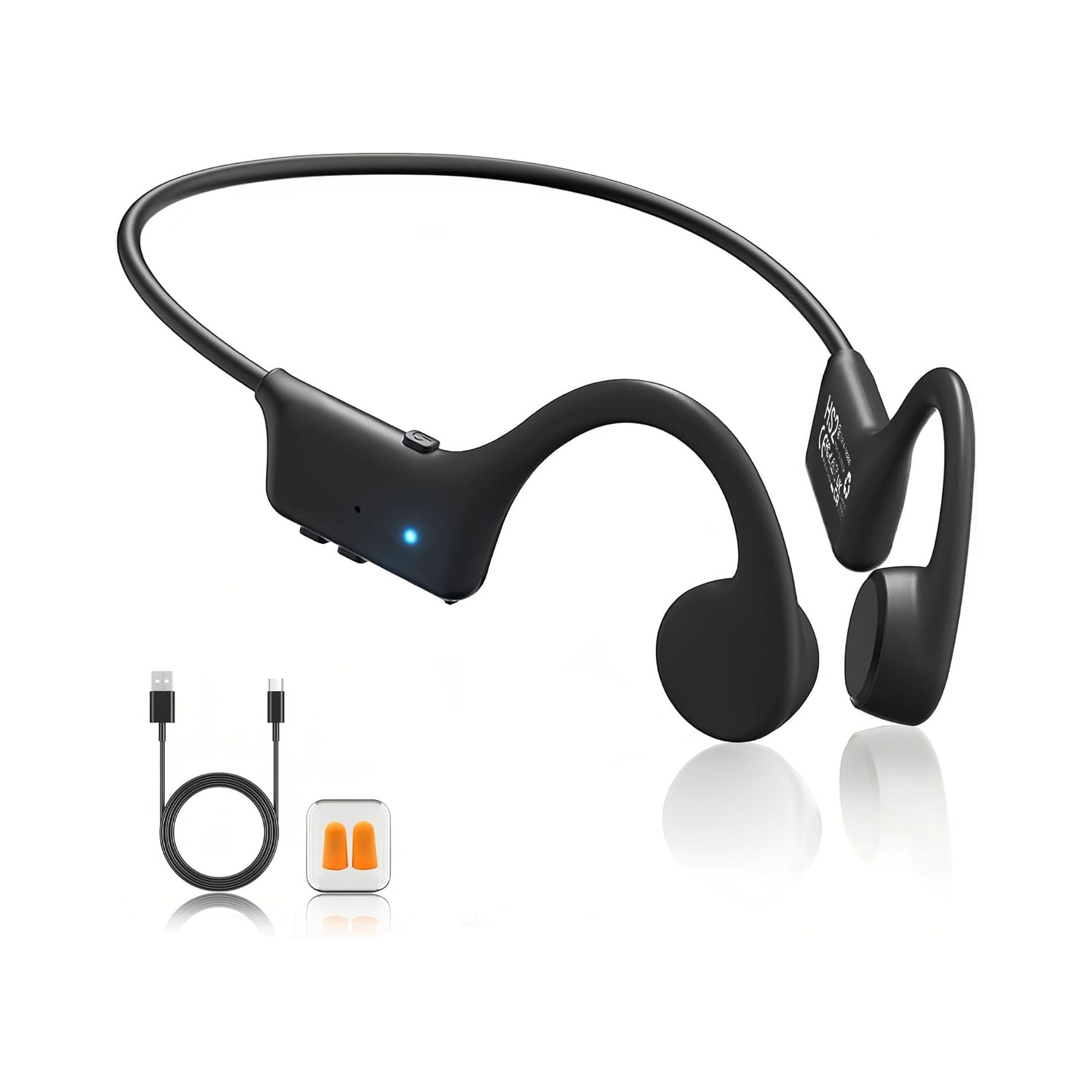
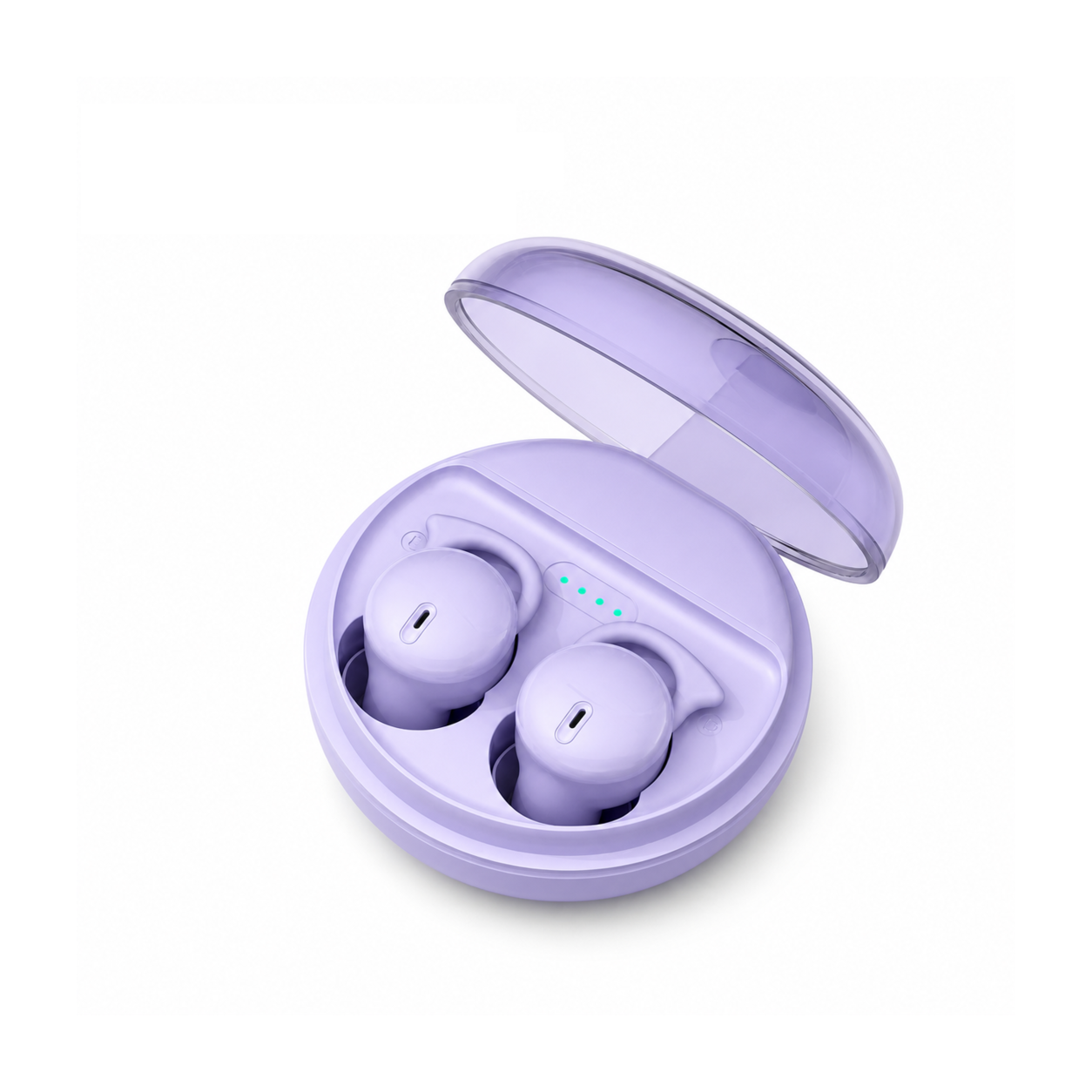
The Bone Conduction Open-Ear Sport Headphones, $39.99, list IP54 for sweat, splashes and light rain, up to 12 hours of playtime and USB-C fast charging. They suit trail and gravel riding, where speeds stay lower and the wind floor with them. The neckband above suits road riding on one ear, since it has no primary bud to work around. And the Three-Color Open-Fit Wireless Earbuds, $24.99, are a stem-style open fit with a hinged case that closes over both earbuds, which is the specification that matters for a kit bag.
Three gaps are worth naming instead of filling with plausible numbers. No listing of ours states single-bud or mono behaviour, the specification this article argues matters most for cyclists. The ear-hook, neckband and open-fit models carry no IP code, so their water tolerance is undocumented and not merely modest. And no manufacturer we know of publishes wind-noise performance, ours included. The whole group sits in everyday wireless earbuds.
If a product causes pain, irritation, ringing or a noticeable hearing change, stop using it and seek qualified care.
Questions about riding and hiking on one ear
How do I connect my True Wireless Sport earbuds?
Open the case near your phone and select the pair in Bluetooth settings; most sport pairs enter pairing mode on first opening. If only one side connects, it is usually because a single bud was lifted out first, which many designs read as a request for single-bud mode. Return both to the case, close it, take out the pair together, then use our reset ladder if that fails.
Are true wireless earbuds any good for cycling?
For most riding, yes, with two caveats. The format splits battery and radio across two shells, so one side drains faster and the primary bud carries the connection. If your riding is on public roads where one ear is the rule, a neckband avoids that asymmetry entirely and keeps both drivers on one battery.
What earbuds are best for sports?
Judge by documented specifications instead of category labels. A printed IP code, physical buttons in place of touch panels, and stated single-bud behaviour tell you more than any description of a pair as sport-ready. Identify which force your sport applies, whether wind, rules, storage or water, and buy against that one.
Which force your sport applies
Cycling puts you in a wind field that reaches hearing-exposure levels at ordinary speeds, and California law plus USA Cycling's rulebook both mean one ear instead of two, which makes single-bud behaviour a real specification rather than a footnote. Team sport buys a case. Hiking buys power and low leakage. Sport earbuds work better as a question about your sport than as a category to shop.