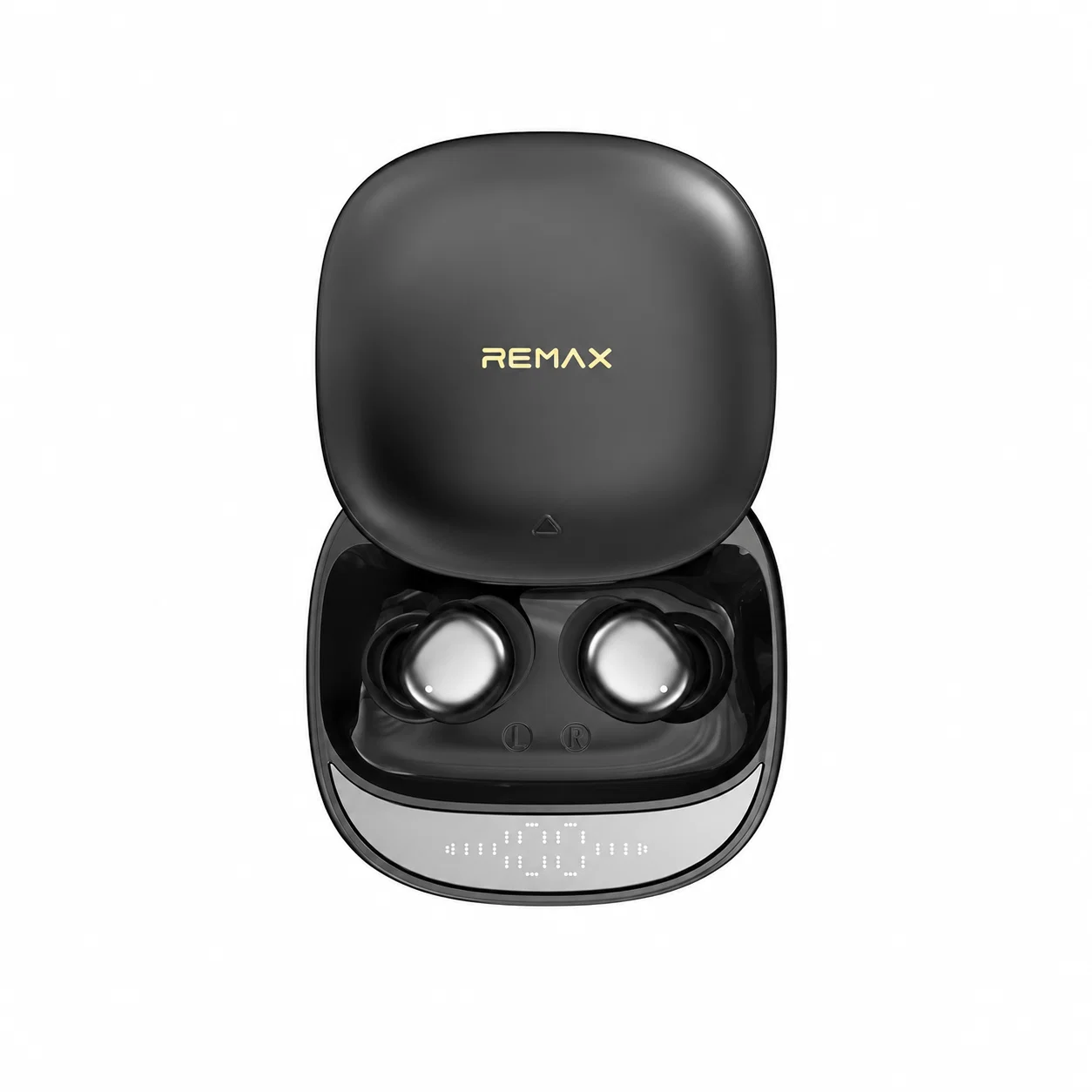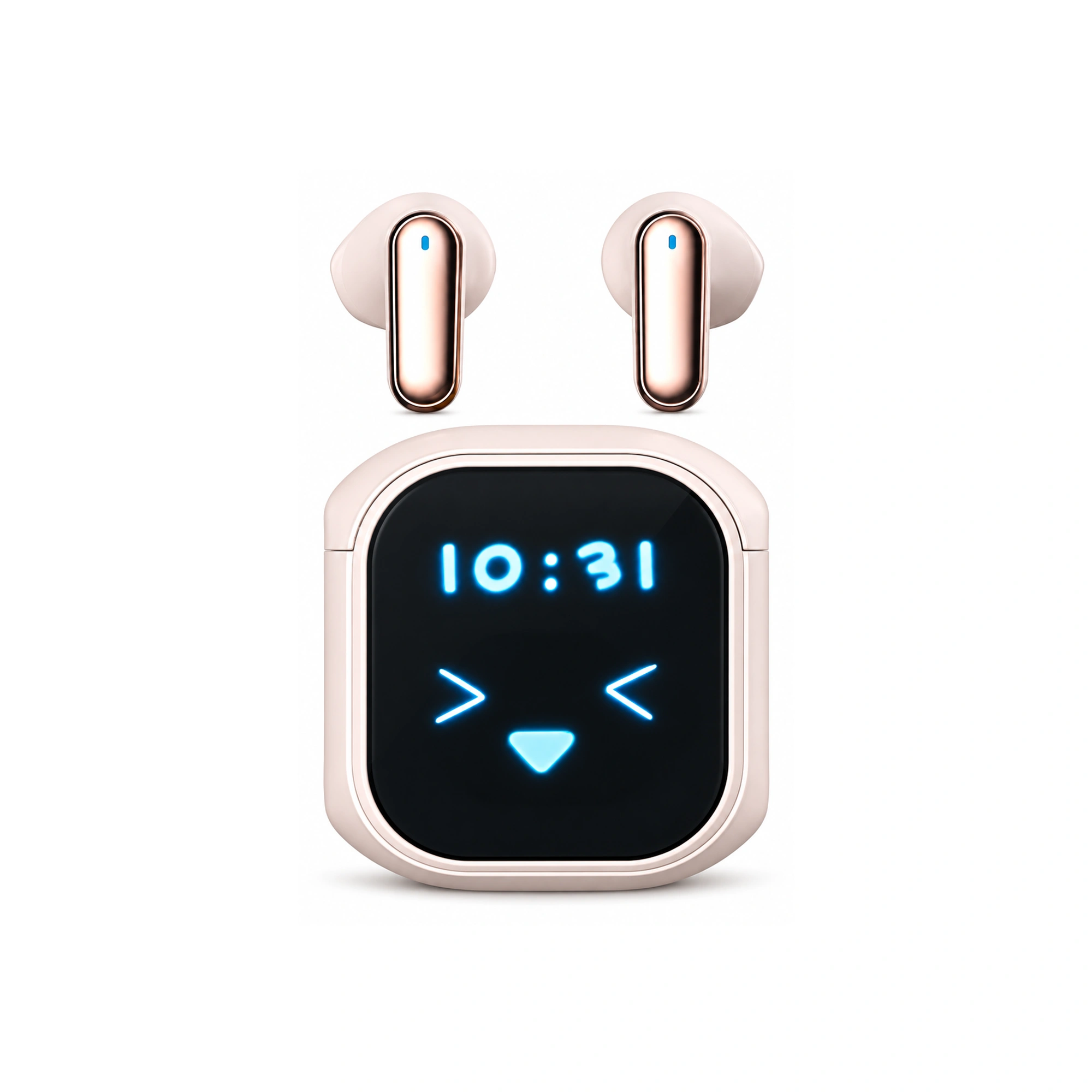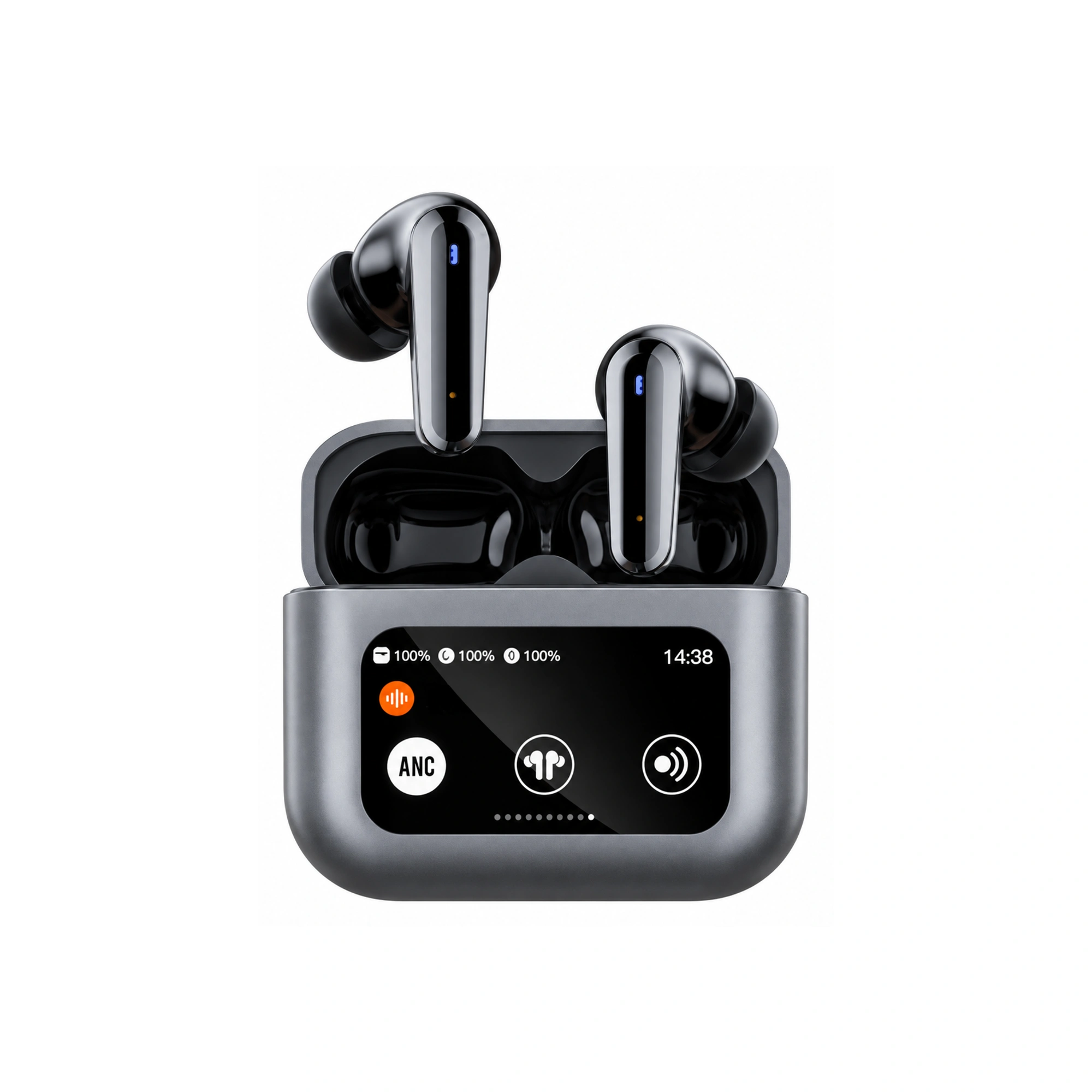


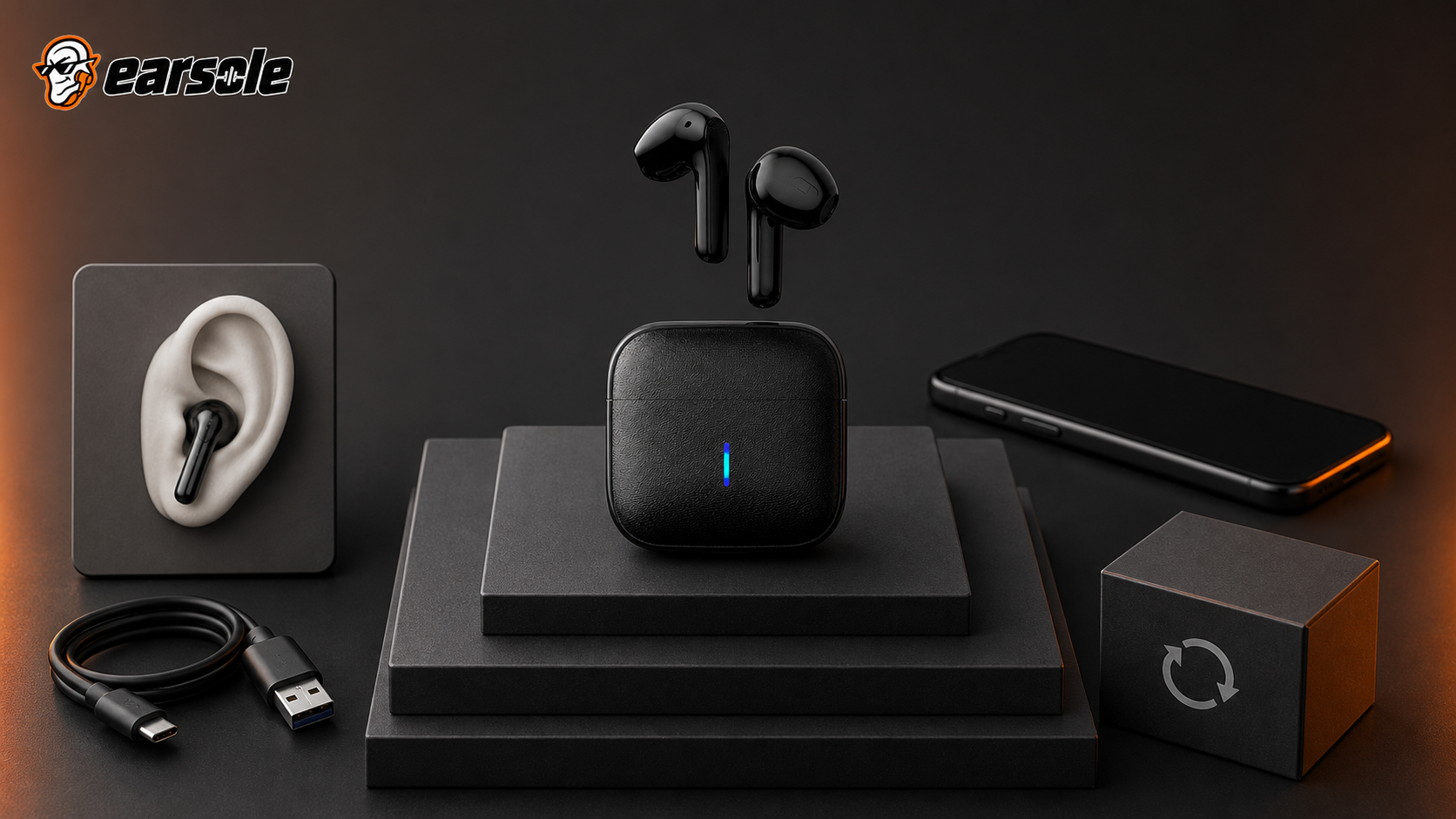
For earbuds under 20 dollars, prioritize fit, stable basic connection, clear return terms, secure charging contacts, and only the features you can verify. Skip vague “pro,” “HD,” and “waterproof” language without specifications. A comfortable simple pair is better value than a feature-heavy pair that hurts, disconnects, or makes claims the listing cannot support.
This guide covers earbuds under 20 alongside cheap wireless earbuds.
Quick answer
| Priority | Why it outranks extras |
|---|---|
| Fit type | Determines whether you can use the product at all |
| Verified basics | Prevents version, battery, ANC, or water assumptions |
| Charging/case | A poor contact can disable one side regardless of sound quality |
| Return/warranty | Creates a real test window for your ears and devices |
| Mic or gaming extras | Matter only if they match your actual use |
Use the $20 Priority Stack
Start with physical fit: sealed in-ear, semi-in-ear, or open-ear. Next confirm basic compatibility, charging method, included parts, and return terms. Then add one job-specific need such as microphone, low-latency mode, or water rating. Features below that line are bonuses, not reasons to accept a poor fit.
| Use case | Spend the feature budget on |
|---|---|
| Desk and casual music | Comfort and simple pairing |
| Calls | A microphone you can test locally |
| Workout | Secure fit plus an exact water rating |
| Commute | Seal/awareness that lets you keep volume reasonable |
| Sleep | Low profile and timer-friendly playback |
Reject unsupported feature inflation
A Bluetooth version should be stated, not inferred from “new.” ANC should be distinguished from passive isolation and microphone ENC. A water claim should include an exact code under a standard such as IEC 60529 and identify whether it applies to buds, case, or both. Battery language should separate single-charge runtime from total time with case. If the listing is silent, score that feature as unknown—not secretly present.
Run a 24-hour acceptance test
- Inspect product, tips, case, contacts, cable, and written specifications before use.
- Charge fully and confirm both sides begin at the expected state.
- Pair to the primary phone, play a downloaded track, then test the usual pocket position.
- Wear for five minutes with audio off, then 30 minutes at quiet volume.
- Record a microphone sample; Windows users can use the built-in process in Microsoft Support.
- Return or seek support promptly if the listing, fit, charging, or core function fails the documented terms.
Do not use low price to justify high volume
Affordable earbuds follow the same exposure physics as expensive ones. The WHO recommends controlling level and duration, using a good fit to reduce the need to turn up, and watching for persistent ringing or hearing difficulty. Price does not determine a safe listening level, and a leaky fit should not be solved by volume.
Where an EARSOLE model fits
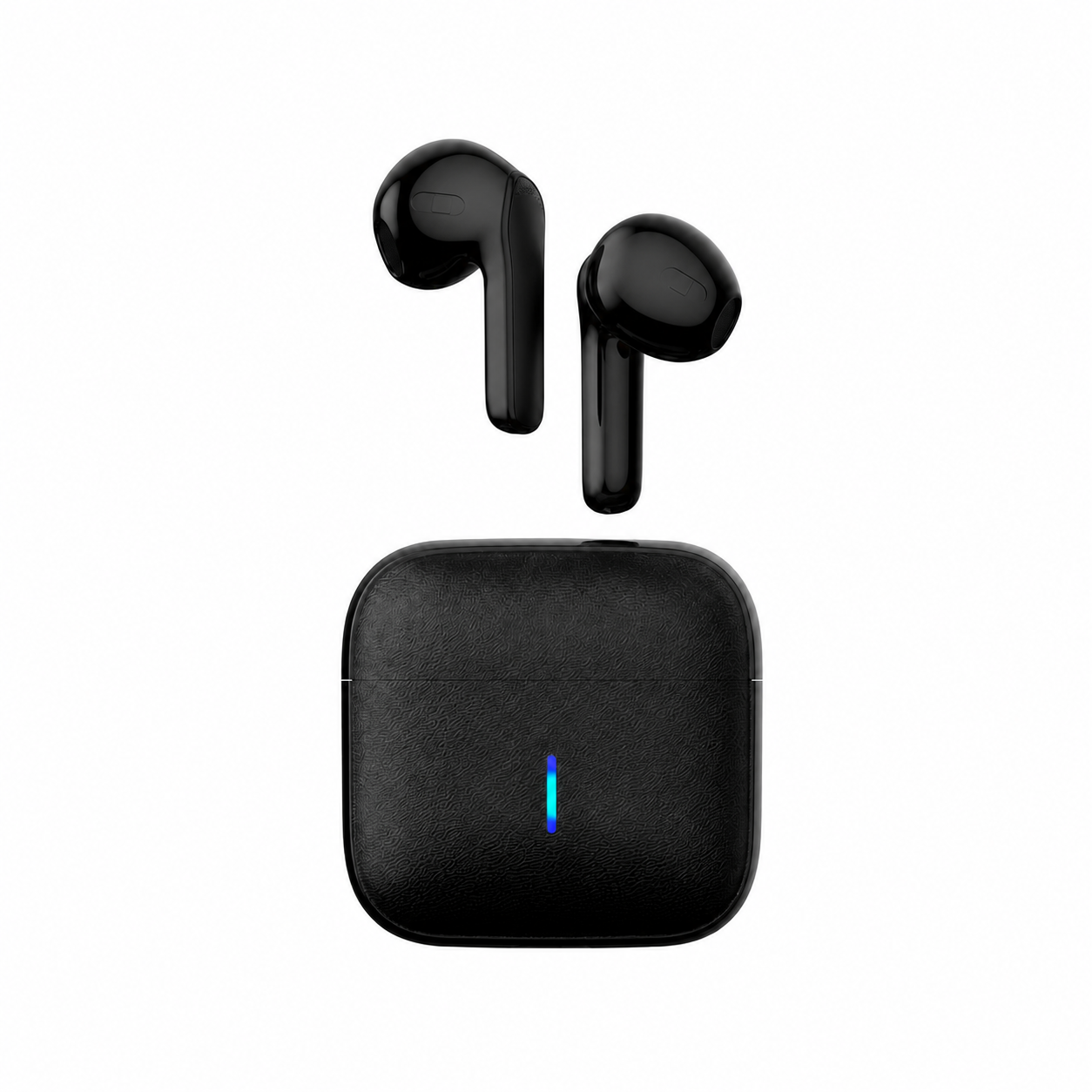
EARSOLE Wireless Earbuds – Semi-In-Ear Bluetooth Earbuds with Charging Case was verified at $19.99 on July 14, 2026, with a $23.99 compare-at price; prices can change. It uses a lightweight black semi-in-ear shape, stereo playback, built-in voice-pickup microphone, compact charging case, and standard iPhone/Android Bluetooth compatibility. It makes no ANC, Bluetooth-version, battery-runtime, or water-rating claim.
The product link is included as a fit example, not proof that one design works for every ear or situation. Match the physical design and documented specifications to the decision rules above.
Frequently asked questions
Are cheap earbuds automatically bad?
No. They can be good value when the fit and basic function match the job. The risk is assuming premium features that the listing does not document.
What feature should I skip first?
Skip unverified feature labels. If your use is simple music or podcasts in quiet places, prioritize comfort and reliable charging over screens, health metrics, or aggressive processing claims.
How long should I test fit?
Start with five minutes without audio and 30 minutes at low level. Do not wait until the return window ends to discover growing pressure or charging inconsistency.
Bottom line
Under $20, disciplined trade-offs create value. Buy the fit first, verify the few specifications that matter, test immediately, and treat every unstated feature as absent until documented.
Sources and review notes
- World Health Organization safe-listening guidance
- Microsoft microphone setup and test guidance
- IEC 60529 IP Code standard publication
Written and reviewed by the EARSOLE Editorial Team on July 14, 2026. This is educational buying and troubleshooting guidance, not medical advice. Stop using earbuds and seek qualified care for persistent pain, discharge, sudden hearing change, severe dizziness, or other concerning symptoms.