

According to the Bluetooth Special Interest Group (SIG), the effective, reliable range between Bluetooth devices is anywhere from more than a kilometer down to less than a meter—and for everyday wireless earbuds and headphones paired to a phone or computer, indoor obstacles, transmit power limits, and body shadow determine how far you can walk before audio drops. While comparison tables often quote open-air maximums, your actual bluetooth headphone range at home or in an office depends on the radio hardware inside both connected devices and the walls or furniture standing between them.
Key Takeaways: Spec-Sheet Range vs Indoor Reality
| Factor | What Official Specs & User Reports Show | Practical Impact on Earbuds & Headphones |
|---|---|---|
| Overall Bluetooth Range Envelope | Bluetooth SIG states effective, reliable range spans from more than a kilometer down to less than a meter | There is no single fixed distance for all Bluetooth devices; range depends on radio settings and environment |
| Transmit Power Window | Bluetooth SIG specifies supported transmit powers from -20 dBm (0.01 mW) to +20 dBm (100 mW) | Higher transmit power extends distance but increases battery consumption, so compact earbuds balance range against battery life |
| Spec Tables vs Real Adapters | An r/bluetooth user (thread 13ohmix) notes spec tables list 240 m / 800 ft for Bluetooth 5/5.3, whereas external-antenna Bluetooth 5.3 dongles state up to 100 m / 328 ft and tiny USB dongles state about 20 m line-of-sight | Tiny antennas inside mini USB adapters or compact earbuds cannot match open-field maximums |
| Physical Obstacles (Path Loss) | Bluetooth SIG identifies glass, wood, metal, concrete, walls, windows, humidity, and precipitation as signal attenuators | Walking behind concrete walls, metal appliances, or closed doors shortens indoor range compared with an open yard |
Why Bluetooth Spec Tables Say 800 Feet While Real Adapters and Earbuds Reach Less
If you have ever looked up a Bluetooth version chart to see how far can bluetooth reach and wondered why your headphones cut out two rooms away, you are looking at the difference between protocol ceiling and device design. As the original poster in r/bluetooth thread 13ohmix pointed out, version comparison tables often list the range of Bluetooth 5 (including Bluetooth 5.3) as 240 m (800 ft), yet Bluetooth 5.3 USB dongles with an external antenna list a maximum of 100 m (328 ft) in an open area, and tiny plug-in dongles limit themselves to roughly 20 meters with line of sight. In the same discussion, another commenter reported testing a phone-to-camper Bluetooth connection outdoors and walking 957 feet from the camper before losing the signal.
Why can two Bluetooth links behave so differently? According to the Bluetooth Special Interest Group (SIG) guide on key attributes of Bluetooth range, the effective, reliable range between Bluetooth devices is anywhere from more than a kilometer down to less than a meter, governed by technical factors that engineers choose when building a product:
- Transmit Power vs Battery Consumption: The Bluetooth SIG explains that Bluetooth technology supports transmit power levels from
-20 dBm(0.01 mW) to+20 dBm(100 mW). Increasing transmit power makes the signal audible at longer distances, but it also increases power consumption. Because true wireless earbuds run on tiny internal batteries, manufacturers balance radio output against listening time. - Receiver Sensitivity and Antenna Size: Both ends of the link must hear each other. A larger device with room for an external or full-size antenna can maintain a link farther in open air than a micro USB dongle tucked behind a desktop tower or a compact earbud resting in your ear.
- Physical Layer (PHY) and Data Rate: Streaming continuous stereo audio requires a steady data rate, whereas low-data-rate control or beacon signals can tolerate lower signal margins over longer distances.
What Blocks Bluetooth Headphone Signals Indoors?
Even when your phone and headphones have a strong connection on the couch, walking down a hallway changes the radio path. The Bluetooth SIG notes that whenever a wireless signal travels through objects rather than clear air, it experiences path loss (attenuation). Common indoor and outdoor attenuators listed by the Bluetooth SIG include:
- Walls, windows, and building materials: Obstacles made of glass, wood, metal, or concrete absorb or weaken 2.4 GHz radio waves as they pass from room to room.
- Metal surfaces and panels: Metal towers, filing cabinets, refrigerator doors, and computer cases reflect and scatter radio waves rather than letting them pass straight through.
- Environmental moisture: Humidity and precipitation also act as attenuators in outdoor or damp environments.
Because your own body and head also sit in the path when a phone is in a back pocket or a bag, turning a corner past a concrete wall or metal appliance can push the signal below the receiver’s threshold even at modest indoor distances.
How Wireless Range Works Across Everyday EARSOLE Earbuds and Headphones
Individual product listings rarely guarantee a single indoor distance number because every home layout and connected phone differs. For example:
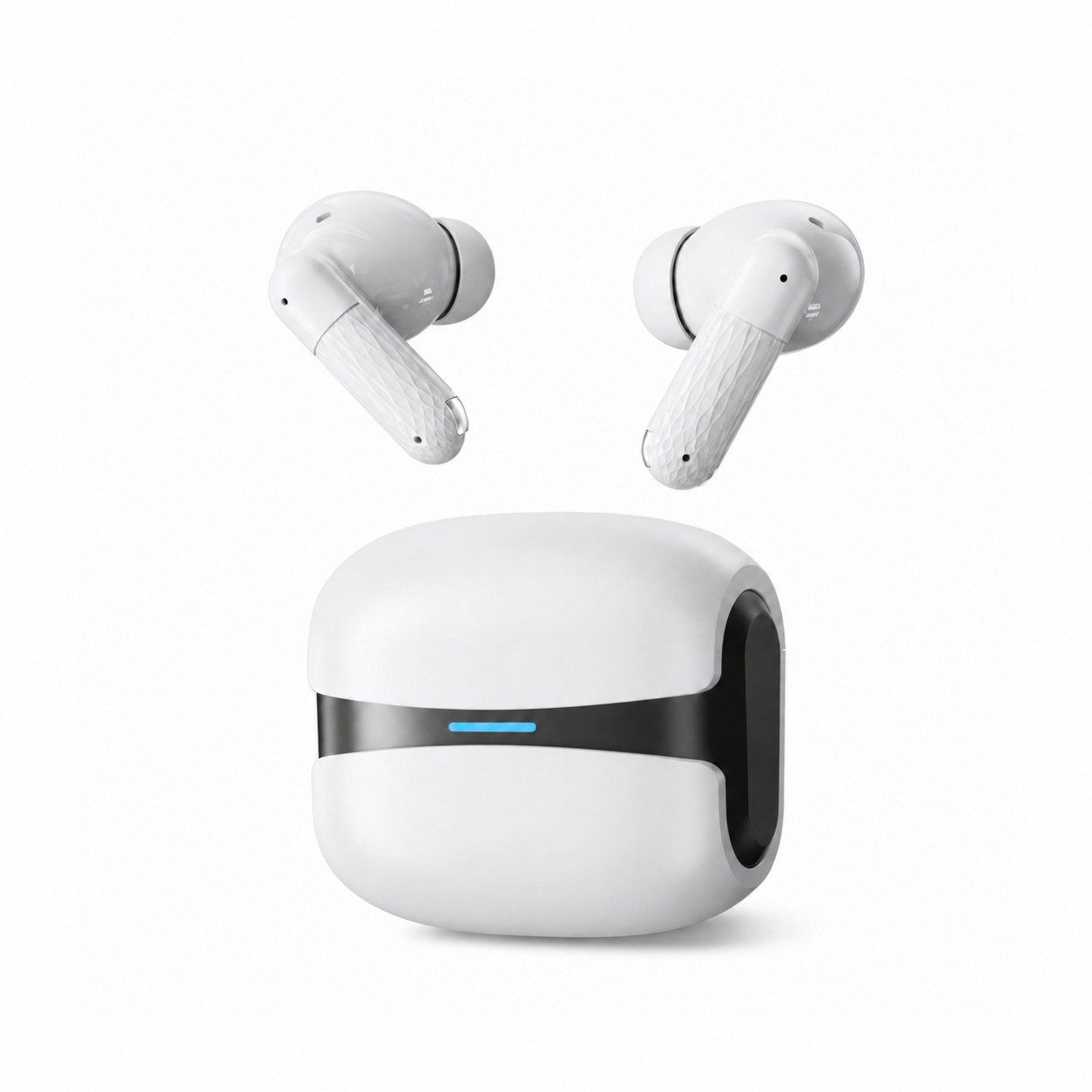
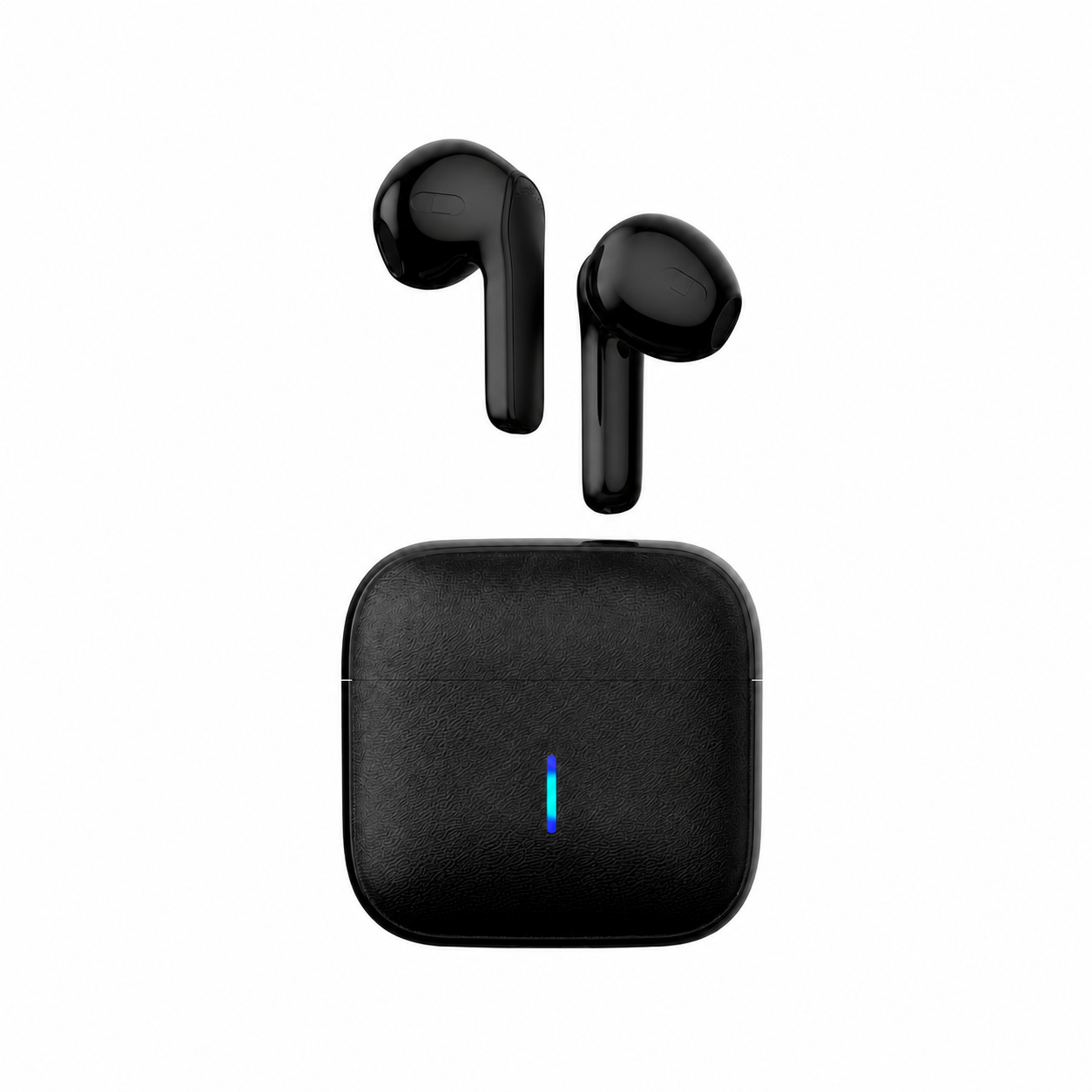
- EARSOLE Wireless Earbuds – Semi-In-Ear Bluetooth Earbuds with Charging Case: The listing states plainly that actual listening time, call quality, and wireless range may vary with volume, device settings, environment, and usage. Its lightweight semi-in-ear shape rests at the ear without a deep in-ear seal and pairs with iPhone and Android devices that support standard Bluetooth audio.
- EARSOLE Cloud White Bluetooth 5.4 Wireless Earbuds with ENC Mic: Listed with Bluetooth 5.4 for fast pairing with compatible phones, tablets, and laptops, along with responsive touch controls, ENC call noise reduction with CVC voice processing that works on the microphone side (and does not cancel noise in your own ears), IPX5 water resistance covering sweat and light splashes, and a USB-C charging case. The listing does not state a specific range figure in feet or meters.
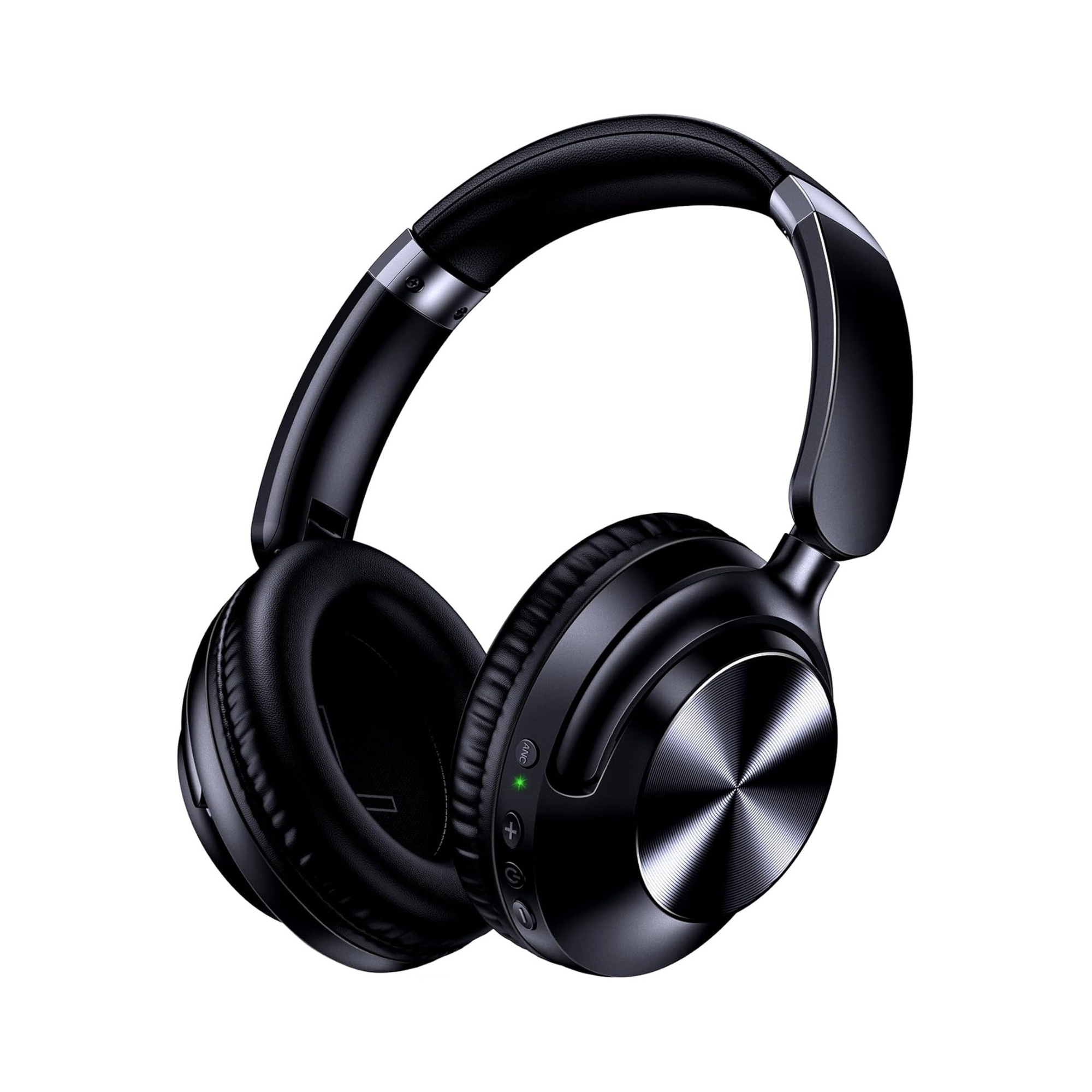
- EARSOLE Noise Cancelling Over-Ear Headphones, Wireless & Wired – Series 127: Designed with protein leather ear cups that rotate up to 105 degrees, an adjustable headband, Active Noise Cancellation, and dual-mode connectivity that lets you switch between wireless Bluetooth and a
3.5 mmAUX wired connection using the included47.2-inchaudio cable. Like the earbud listings, it does not publish a fixed wireless distance rating.
Practical Ways to Keep Your Bluetooth Audio Connection Stable at Home
When your earbuds or headphones stutter as you move around a room, you can reduce path loss without changing hardware:
- Keep the host device off the floor and away from metal enclosures: If you pair to a desktop PC or laptop, avoid placing the phone or USB adapter behind a metal PC case or next to a microwave or refrigerator, since the Bluetooth SIG notes that metal panels reflect and scatter radio waves.
- Reduce the number of walls between your phone and your ears: If you walk between rooms while listening to a podcast, placing your phone on a central counter rather than in a corner room behind concrete or wood doors cuts down the obstacles in the radio path.
- Use a wired fallback at a stationary desk or stereo: When you are sitting at a desktop tower or home stereo where you do not need to walk away, a dual-mode headset like the EARSOLE Series 127 Over-Ear Headphones lets you plug in the included
47.2-inch3.5 mmaudio cable so radio interference and obstacles are not a factor at all.
Frequently Asked Questions About Bluetooth Range
Does Bluetooth work through walls?
Yes, Bluetooth can work through walls at shorter distances, but every wall reduces your effective range. According to the Bluetooth Special Interest Group (SIG), walls, windows, and obstacles made of glass, wood, metal, or concrete attenuate wireless signals, and metal panels reflect and scatter radio waves. Because of this path loss, a Bluetooth headphone connection that stays solid across an open room will drop much sooner when separated by interior walls or closed doors.
What’s the farthest Bluetooth can go?
According to the Bluetooth Special Interest Group (SIG), the effective, reliable range between Bluetooth devices spans from more than a kilometer down to less than a meter depending on transmit power (-20 dBm to +20 dBm), receiver sensitivity, antenna gain, and obstacles. In r/bluetooth thread 13ohmix, a commenter reported walking 957 feet from a camper before losing a phone Bluetooth connection outdoors, while the original poster noted that Bluetooth 5.3 USB dongles typically list a maximum of 100 m (328 ft) with an antenna or about 20 m line-of-sight for tiny dongles in open areas.