



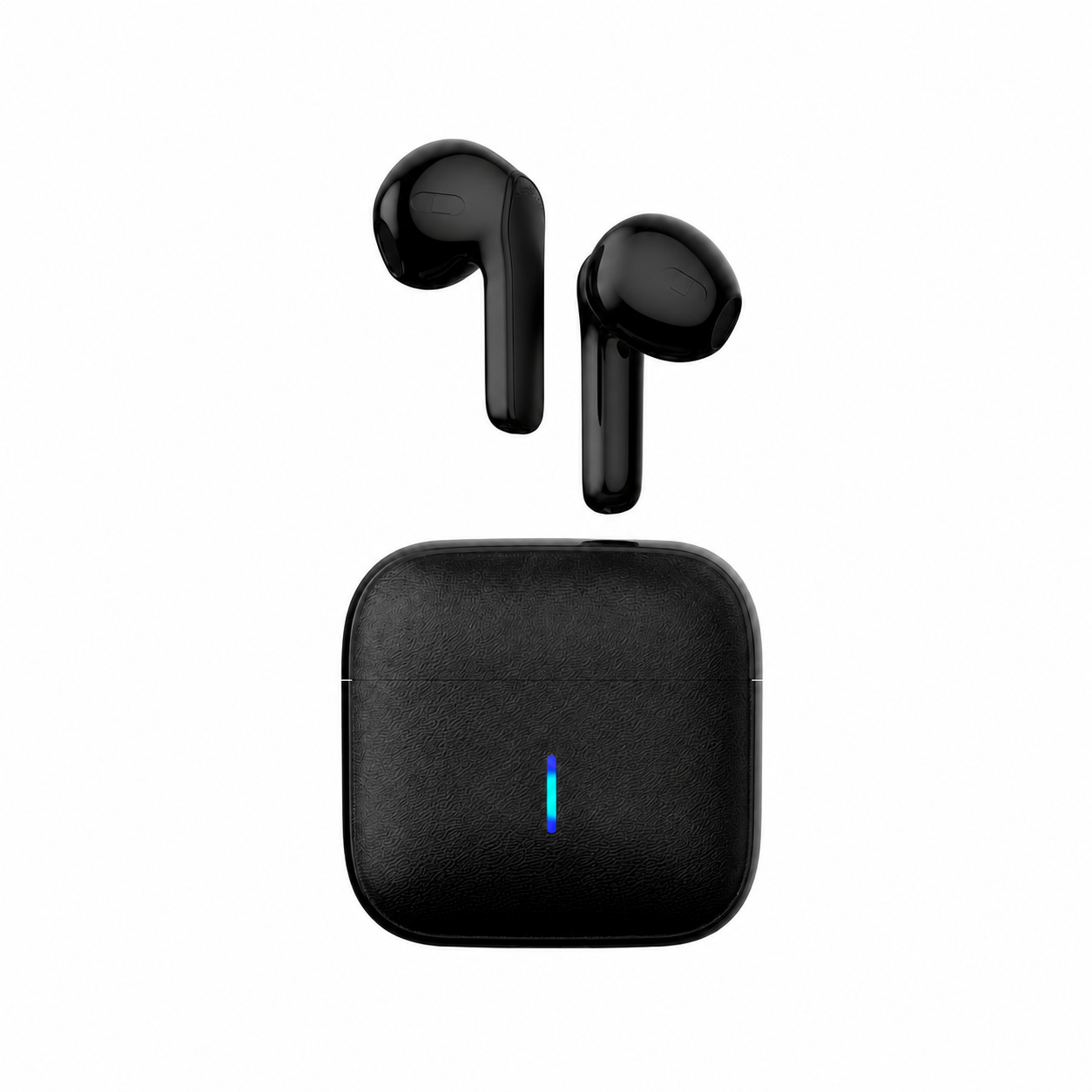
Apple’s AirPods User Guide describes Transparency mode as a setting that “Lets you hear the sounds around you.” beyerdynamic’s explainer says headphones with transparency mode use built-in microphones to capture external sounds and relay them to your ears in real time via the speakers.
In other words, transparency mode is your earbuds’ microphones playing the room back to you while the earbuds stay in. Below: what the term means, how it works, how it differs from noise cancelling and from simply switching noise control off, and how to tell from a product page whether a pair has it.
What does transparency mode mean?
Apple’s guide covers three of its listening modes. It describes Active Noise Cancellation as a mode that “Blocks out external noise to help you focus,” Transparency mode as one that “Lets you hear the sounds around you,” and Off as a setting that “Turns off all listening modes.”
You will also see the feature called ambient mode. Wikipedia’s article on noise-cancelling headphones says many modern noise-cancelling headphones include “transparency or ambient modes that intentionally allow outside sounds to pass through for safety and awareness.” That sentence describes what the mode is for; it is not a promise that you will hear every sound around you.
How does transparency mode work?
One Reddit user in r/audioengineering asked exactly this: how does AirPods’ transparency mode work?
The beyerdynamic article answers it directly. It says transparency mode is based on the same microphones used for active noise cancellation, and that “instead of suppressing external noise, it deliberately amplifies it and feeds it into the audio signal.”
Replies in that Reddit thread put the same idea in everyday terms. One commenter wrote that it “mixes outside audio captured by mics on each pod with audio playing on your phone. Or silence.”
Put simply, noise cancelling and transparency start from the same outward-facing microphones. One mode works against the outside sound; the other passes it through to you.
Transparency mode vs noise cancelling vs off
Here is how Apple’s AirPods guide words each mode:
| Mode | How Apple’s AirPods guide describes it |
|---|---|
| Active Noise Cancellation | “Blocks out external noise to help you focus” |
| Transparency mode | “Lets you hear the sounds around you” |
| Off | “Turns off all listening modes” |
Off and full transparency can sound alike on paper, and owners ask about it. In r/sennheiser, a headphone owner asked what the difference is between the app settings Off and Custom Transparent 100%.
A reply in that thread explained that Off “is no transparency or ANC,” so “You only experience the passive seal,” while full transparency means “the mics pick up the outside noise and the speakers play it back for you.”
Some headphones also add a blended option. beyerdynamic notes that some headphones offer an adaptive mode that switches between ANC and transparency depending on how loud or quiet it is around you. Apple’s version is called Adaptive Audio, which Apple says “Combines Active Noise Cancellation and Transparency mode into one additional mode, which automatically adjusts the level of noise control based on the changing noise conditions in your environment.”
Transparency is an electronic way to hear the room through a sealed earbud. If you would rather not seal your ears at all, our guide to open-ear earbuds compares that fit with in-ear designs.
Why do people use transparency mode?
In an r/headphones thread whose author questioned the point of transparency mode for conversations, replies gave other reasons to use it:
- One reply said joggers and cyclists “have an interest in the things going on around them. Cars and the like.”
- Another added: “Or even so you can hear any announcements.”
- A third wrote: “I need to be able to hear alarms/alerts at work for when things go wrong.”
- Another pointed out that taking true wireless earbuds out means holding them in your pocket or hand, and you have to reinsert them correctly afterwards.
In a separate r/Earbuds post asking for the best earbuds with transparency mode, the poster wrote that they “loved using the transparency mode for work meetings.”
These are users’ own reasons, not safety advice. Use your own judgment in traffic whatever mode you are in.
How to tell if earbuds have transparency mode
Apple’s guide treats noise cancelling and transparency as separate modes, so a spec line that says “ANC” tells you about noise cancelling only. To find transparency, look for the words “transparency” or “ambient,” or for a listening-mode switch, in the feature list or manual.
For example, the EARSOLE Smart Pro 3 listing states: “Active noise cancellation: Helps reduce distracting ambient sound for more focused listening.” That line describes noise cancelling. The same listing says “ANC works best on steady, low-frequency sound like engines, fans and cabin hum,” and that “A well-sealed silicone tip matters as much as the electronics.”
If a listing is unclear, ask the seller whether the earbuds have a transparency or ambient mode before you buy. For how noise cancelling itself works, see how ANC and ENC work, and for the rest of the spec sheet, our noise-cancelling earbuds buying guide.
The short version
Transparency mode uses the microphones that make noise cancelling possible in the opposite way: instead of cancelling the room, they play it back to you. If that matters to you, check the feature list for “transparency” or “ambient,” not just “ANC.”
What is the difference between transparency mode and off?
Apple’s AirPods guide says Transparency mode “Lets you hear the sounds around you,” while Off “Turns off all listening modes.” One headphone owner described Off as “no transparency or ANC,” leaving only the passive seal.
Does transparency mode use the same microphones as noise cancelling?
beyerdynamic says transparency mode is based on the same microphones used for active noise cancellation, but instead of suppressing external noise it deliberately amplifies it and feeds it into the audio signal.
Is ambient mode the same as transparency mode?
Wikipedia groups the two names together, describing “transparency or ambient modes that intentionally allow outside sounds to pass through for safety and awareness.”
