

When comparing a headphone vs IEM (in-ear monitor), the core difference is how the speaker seals and interacts with your ear: IEMs insert directly into the ear canal with silicone tips for stronger passive noise isolation and compact portability, while over-ear headphones enclose the outer ear inside full-size cups for a wider perceived soundstage, fuller bass feel, and canal-free comfort during long desk sessions. Neither design is universally superior—your best fit depends on whether you prioritize blocking ambient chatter without headband pressure on glasses, or you prefer a larger over-ear presentation without ear tips inside your ear canals.
At-a-Glance Comparison: Over-Ear Headphones vs In-Ear Monitors (IEMs)
| Comparison Dimension | In-Ear Monitors (IEMs) | Over-Ear Headphones |
|---|---|---|
| Acoustic Coupling | Silicone ear tips seal directly inside the ear canal | Cushioned ear cups enclose the outer ear around the head |
| Passive Noise Isolation | Higher passive isolation (per headphones.com reviewer Theo Lee), supporting lower-volume listening | Depends on ear-pad seal and closed-back cup design; often paired with electronic ANC |
| Glasses & Long Hair Fit | Over-ear braided cables or in-ear shells avoid pressing glasses frames against the head | Glasses frames or thick hair can break the ear-cup seal (headphones.com) |
| Soundstage & Bass Presentation | Praised by r/headphones users for detail, clarity, and budget price-to-performance | Credited by r/headphones commenters with a wider soundstage and greater bass impact |
| Power & Amplification | Most IEMs run adequately off a $10 Apple dongle (headphones.com) | Wireless or 3.5 mm wired operation depending on headset design |
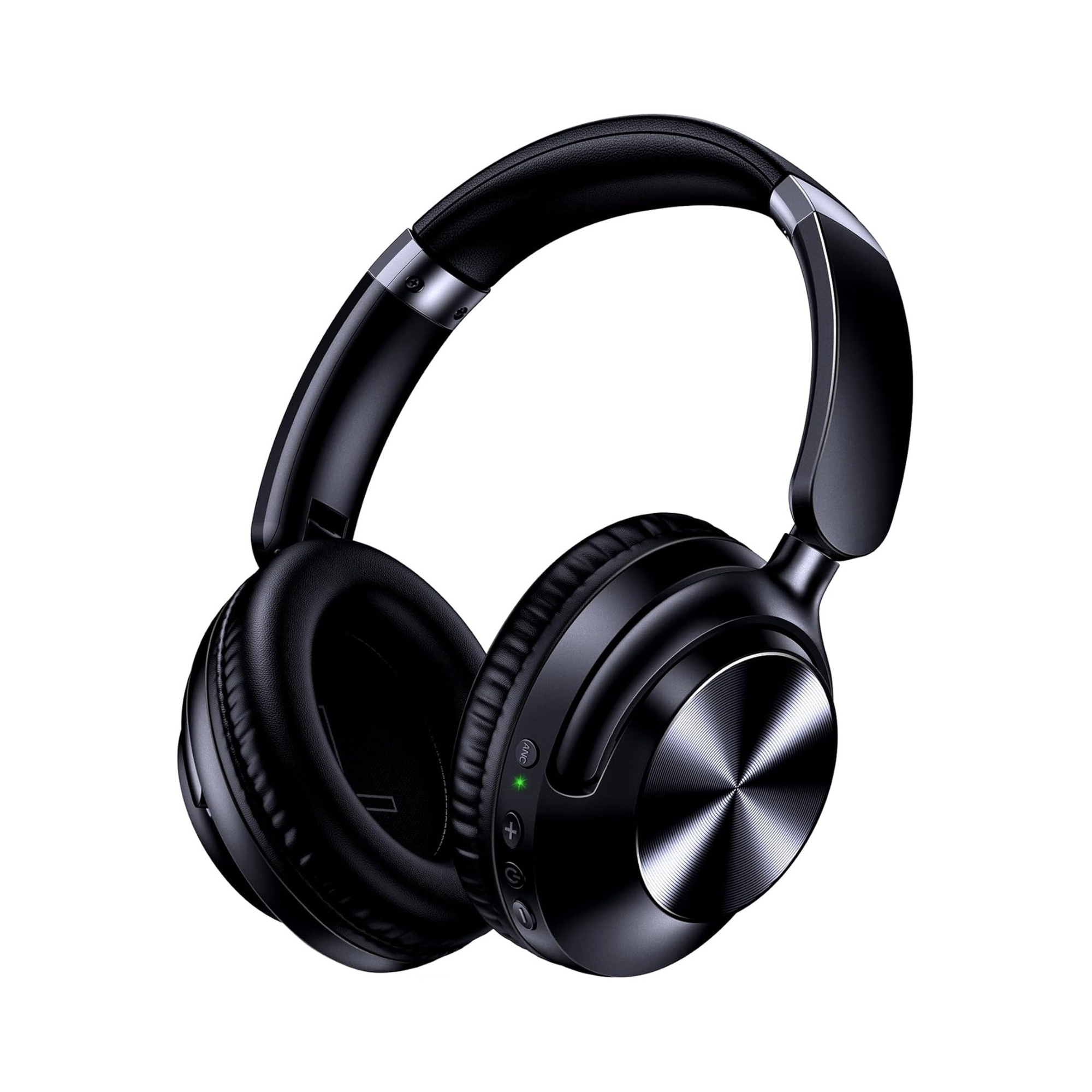
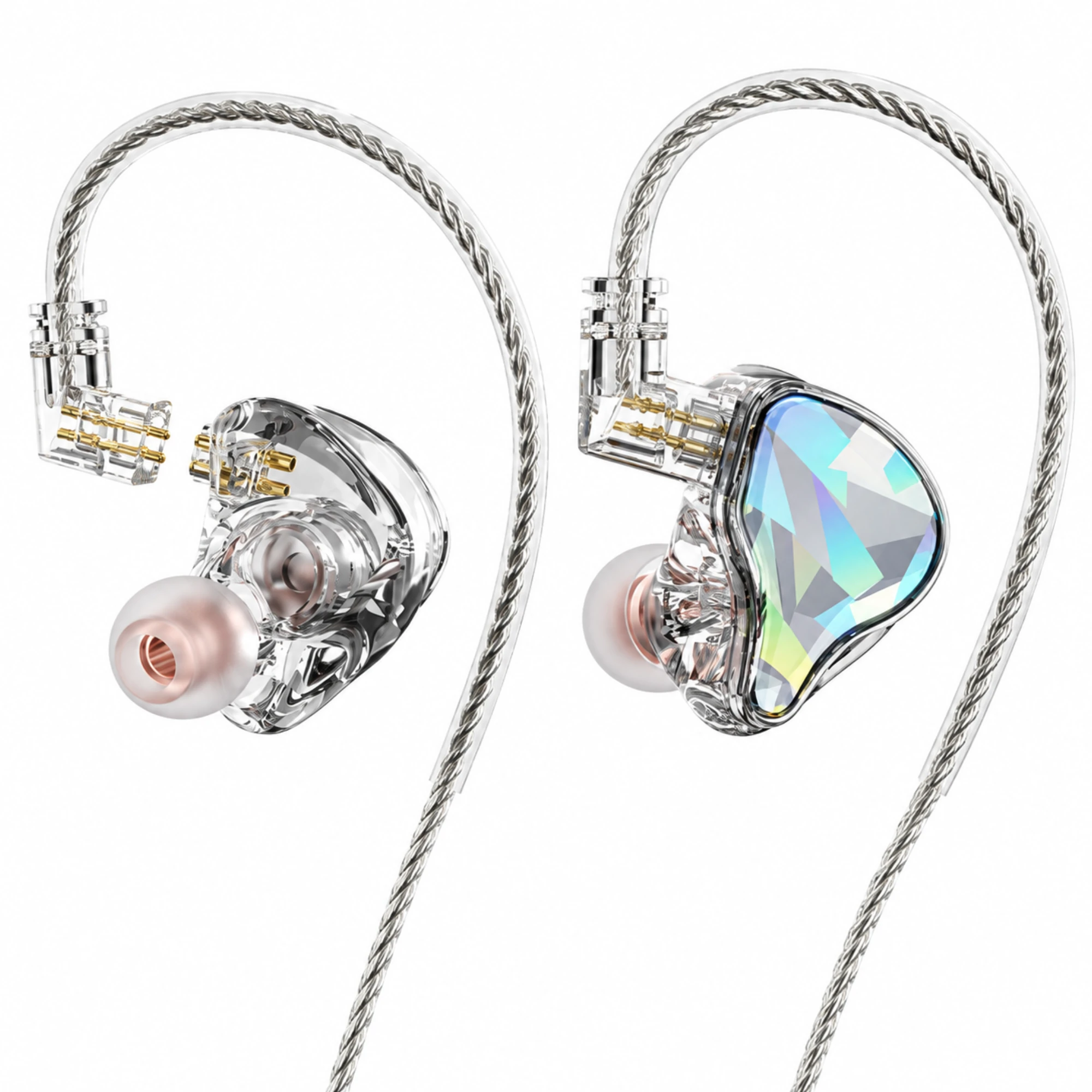
| EARSOLE Catalog Example | Faceted In-Ear Monitors with Detachable Braided Cable | EARSOLE Noise Cancelling Over-Ear Headphones – Series 127 |
Passive Noise Isolation and Volume Habits: Why Ear-Canal Seals Matter
In an iem vs headphones comparison for headphones.com, reviewer Theo Lee points out that in-ear monitors tend to isolate ambient noise significantly better than traditional headphones. Because a properly sized silicone ear tip plugs the entrance of the ear canal directly, outside room noise is attenuated before it reaches your eardrum—which, as Lee notes, facilitates lower-volume listening and helps protect listeners’ ears over the long run.
With over-ear headphones, passive isolation relies on cushioned ear pads pressing evenly around your temple and jaw. As Lee observes on headphones.com, a common frustration for headphone listeners—especially those who wear glasses or have longer hair—is achieving a proper acoustic seal around the frames or hair strands. To counter low-frequency rumble on commutes or flights, closed over-ear models frequently add electronic noise cancellation. For example, the EARSOLE Noise Cancelling Over-Ear Headphones, Wireless & Wired – Series 127 combines closed protein leather ear cups that rotate up to 105 degrees and an adjustable headband with Active Noise Cancellation.
Soundstage, Bass Impact, and Price-to-Performance
How do the two form factors compare in everyday listening? In r/headphones thread 141ovky, listeners comparing headphone vs iem setups highlight a consistent trade-off between micro-detail per dollar and physical scale:
- Where IEMs Stand Out: Commenters in
r/headphonesthread141ovkynote that budget IEMs usually deliver better sound for the price than comparably priced headphones, offering strong detail and clarity. In addition, Theo Lee notes onheadphones.comthat most IEMs are easy to drive and run adequately off a$10Apple dongle, and their silicone ear tips last for years compared with headphone ear pads that eventually compress and wear down. - Where Over-Ear Headphones Stand Out: In the same
r/headphonesdiscussion (141ovky), commenters emphasize that while IEMs excel at clarity, they cannot match the sheer amount of bass an over-ear headphone can produce or the wider soundstage an over-ear cup creates around the outer ear.
Long-Session Comfort: Ear-Canal Pressure vs Headband Weight
Comfort over a four-hour workday comes down to which part of your ear is more sensitive:
- If you dislike ear-canal pressure: Because IEM nozzles sit inside the ear canal, some listeners experience canal fatigue over multi-hour sessions. As a commenter in
r/headphonesthread141ovkynoted, over-ear headphones can deliver a bigger sound and are generally more comfortable to wear for long periods of time because nothing enters the ear canal. - If you wear glasses or want zero headband clamp: In-ear monitors eliminate headband pressure across the top of the head and around eyeglass temples, routing a lightweight cable over the ear instead.
Hardware and Cable Differences in the EARSOLE Catalog
Comparing two models from the EARSOLE catalog illustrates how an over-ear dual-mode headphone and a wired monitoring earphone differ in physical build and stated specifications:
- EARSOLE Noise Cancelling Over-Ear Headphones, Wireless & Wired – Series 127: A full-size over-ear headset with protein leather ear cups that rotate up to
105 degrees, an adjustable headband, Active Noise Cancellation, and dual-mode connectivity that switches between wireless Bluetooth and a3.5 mmAUX wired connection using an included47.2-inchaudio cable. - Faceted In-Ear Monitors with Detachable Braided Cable: The listing describes clear in-ear shells, reflective faceted faceplates, and a braided over-ear cable that the supplier lists as wired earphones for monitoring, with display images showing a detachable two-pin connection. Note that on this listing, connector size, acoustic measurements, and specific device compatibility have not been verified.
Frequently Asked Questions About Headphone vs IEM
Are IEMs really better than headphones?
Neither is universally better—each wins on different priorities. Commenters in r/headphones thread 141ovky note that budget IEMs usually offer better detail, clarity, and sound for the price, while reviewer Theo Lee (headphones.com) highlights that IEMs isolate ambient noise significantly better than headphones, maintain their seal with glasses or long hair, and run adequately off a $10 Apple dongle. Over-ear headphones, on the other hand, are favored in r/headphones thread 141ovky for producing a wider soundstage, fuller bass impact, and comfortable long-session wear without ear tips inside the ear canal.
What are the disadvantages of IEMs?
Based on listener feedback in r/headphones thread 141ovky, the main disadvantages of IEMs compared with over-ear headphones are a narrower perceived soundstage, less physical bass slam than full-size over-ear drivers, and the requirement to wear silicone tips inside your ear canals, which some listeners find less comfortable than over-ear cushions over long sessions. When shopping individual wired IEM listings such as the Faceted In-Ear Monitors with Detachable Braided Cable, you should also check verified specifications carefully, as that listing notes that connector size, acoustic measurements, and device compatibility have not been verified.