

Falling asleep to relaxing soundscapes, brown noise, or guided sleep meditations has become an essential nighttime routine for millions of people. However, taking standard daytime headphones or rigid plastic earbuds to bed often leads to sore ear cartilage, tangled cables, or high-pitched acoustic squeals when rolling onto a pillow.
Bedtime personal audio generally divides into two distinct categories: soft fabric sleep headbands with integrated flat speakers, and ultra-compact silicone sleep earbuds. Both designs cater specifically to nighttime relaxation, but they serve different sleeping habits and acoustic environments.
The Two Main Approaches to Bedtime Audio
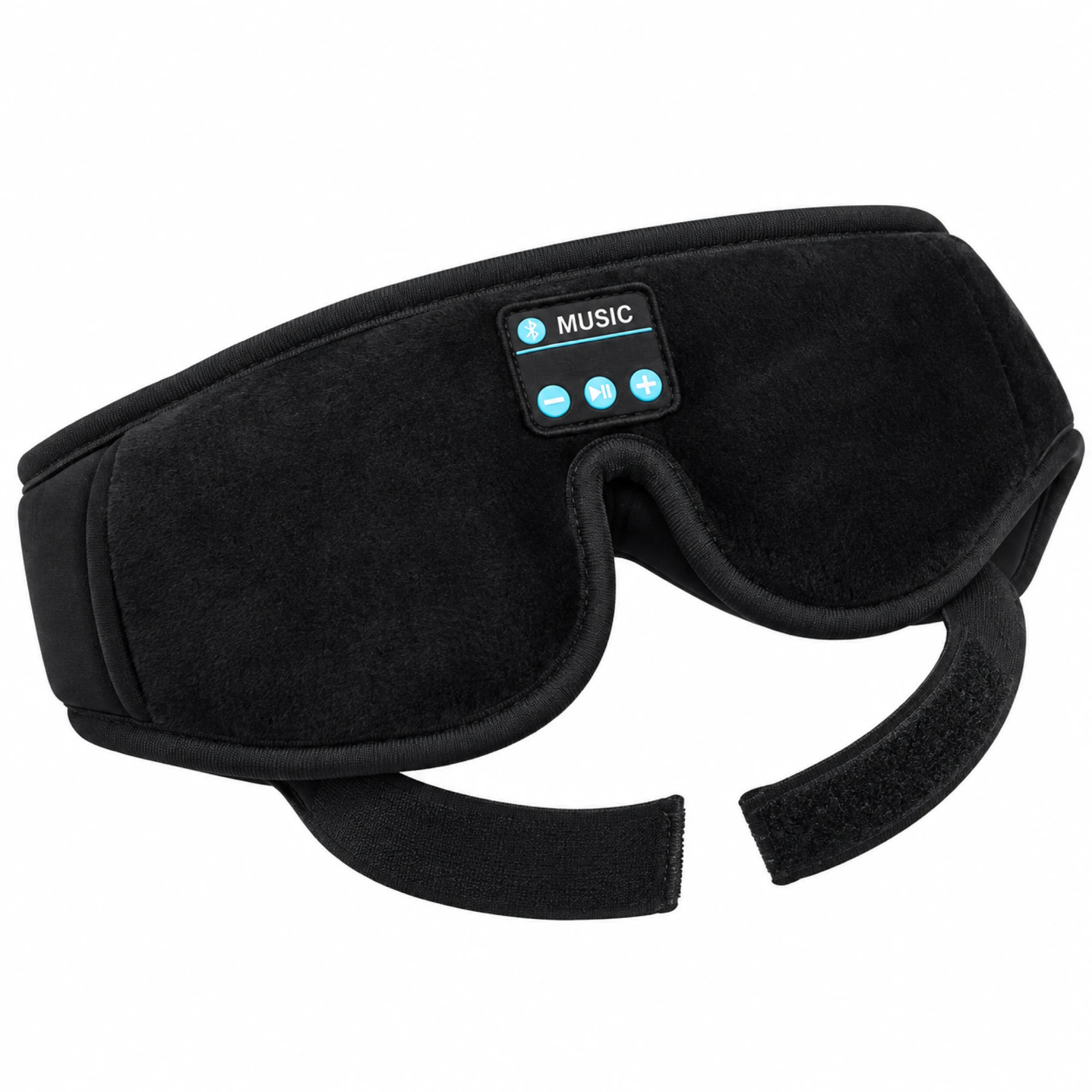
The core difference between sleep headbands and sleep earbuds lies in whether anything enters your ear canal. Sleep headbands place ultra-flat acoustic disc speakers over your ears supported by a soft fabric wrap, leaving ear canals open. In contrast, dedicated sleep earbuds sit completely inside the ear concha bowl, using contoured silicone tips to seal the canal.
Understanding how each form factor handles pillow contact, sound leakage, and noise blocking helps you pick the right tool for peaceful rest.
Soft Fabric Headbands: Distributed Pressure for Restless Sleepers
Sleep headbands, often integrated into blackout eye masks, wrap breathable elastic or fleece fabric around your head. The internal speakers are wafer-thin discs (usually under 4 millimeters thick) padded with foam inserts.
Because the headband distributes clamping tension across your forehead and temples, there is zero direct pressure inside your ear canals. This makes sleep headbands comfortable for listeners prone to ear infections, people with sensitive ear canals, and restless sleepers who toss and turn throughout the night.
Ultra-Low-Profile Sleep Earbuds: Noise Blocking for Side Sleepers
While headbands are cozy, they provide virtually zero physical noise isolation. If your bed partner snores loudly or street traffic rattles your bedroom window, ambient sound passes straight through the fabric band.
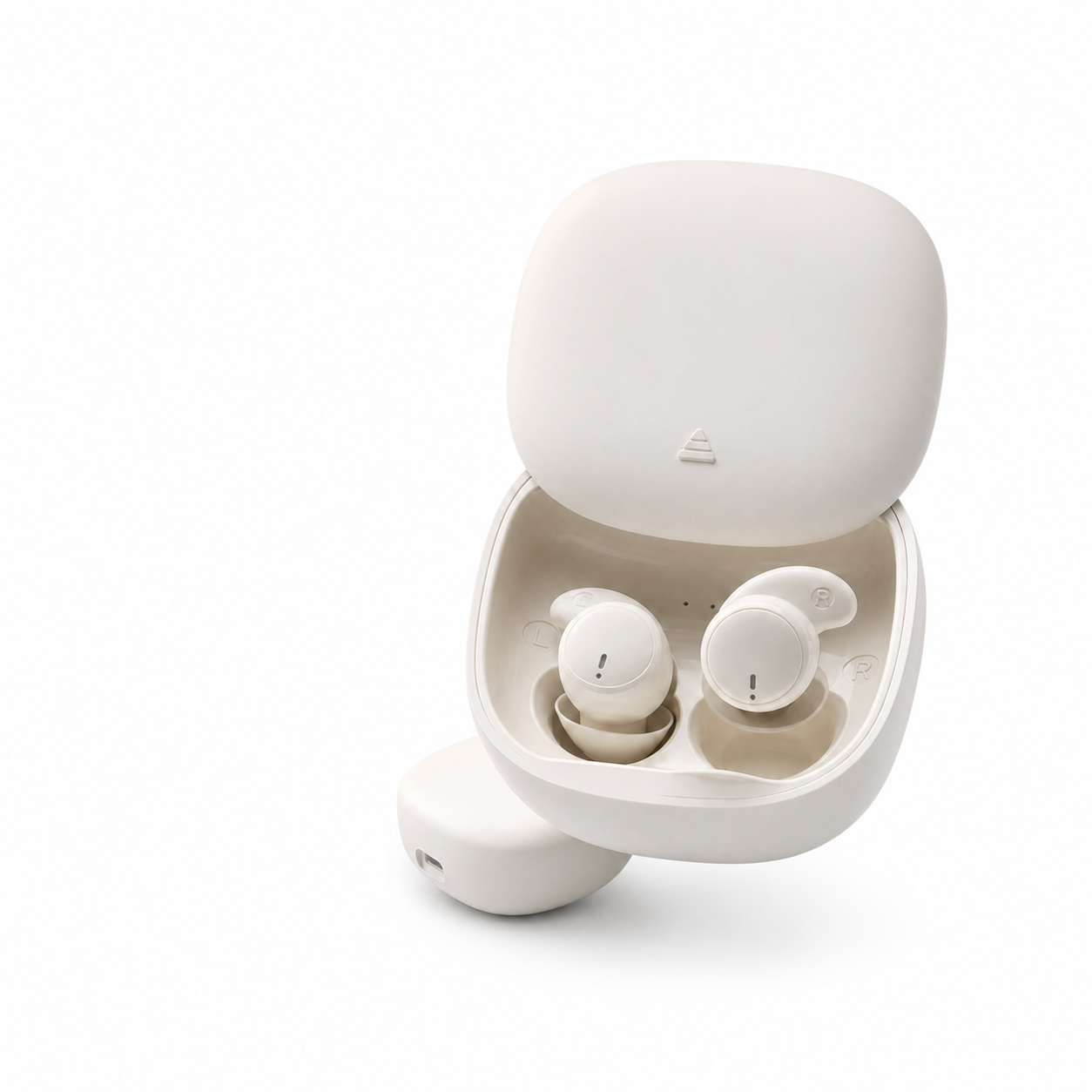
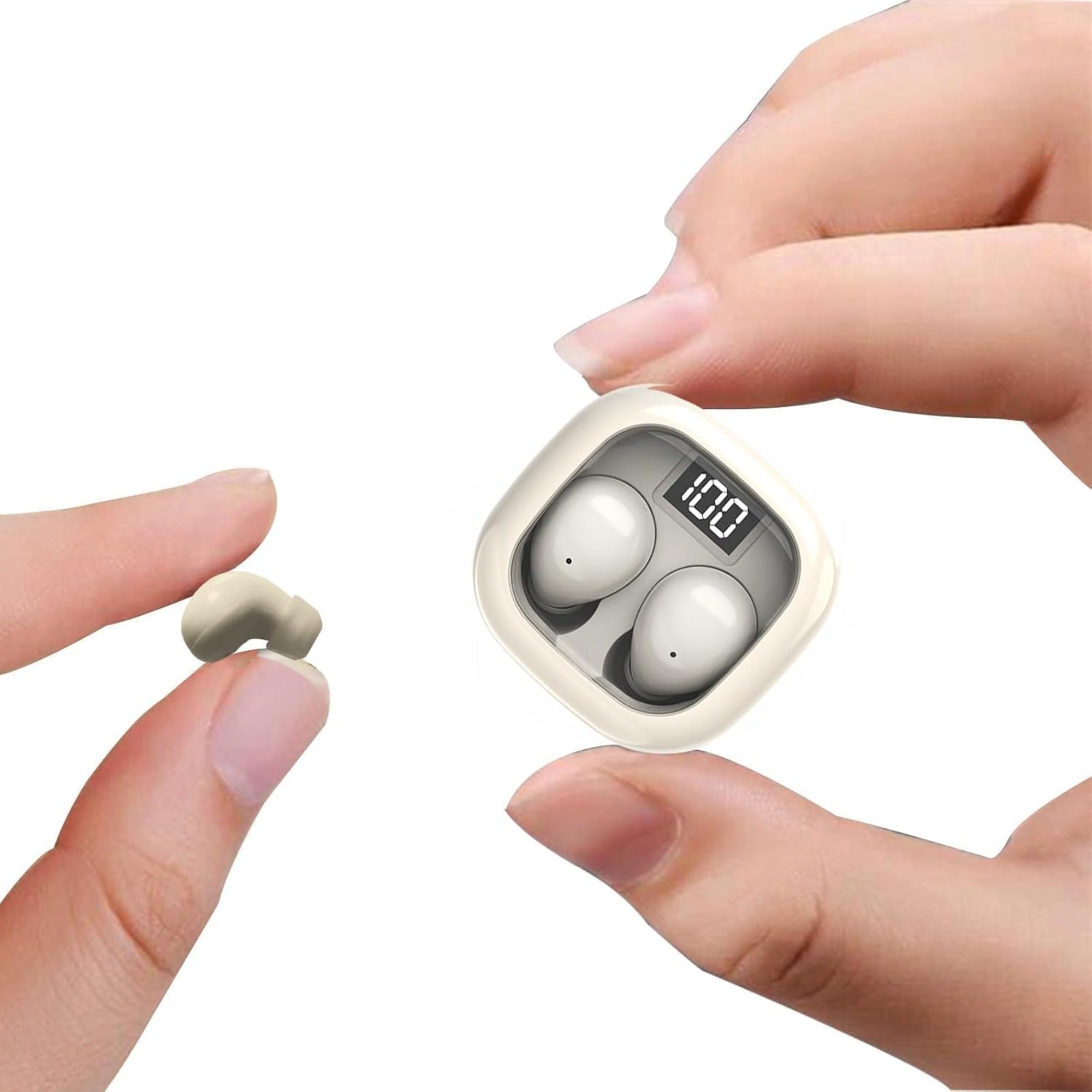
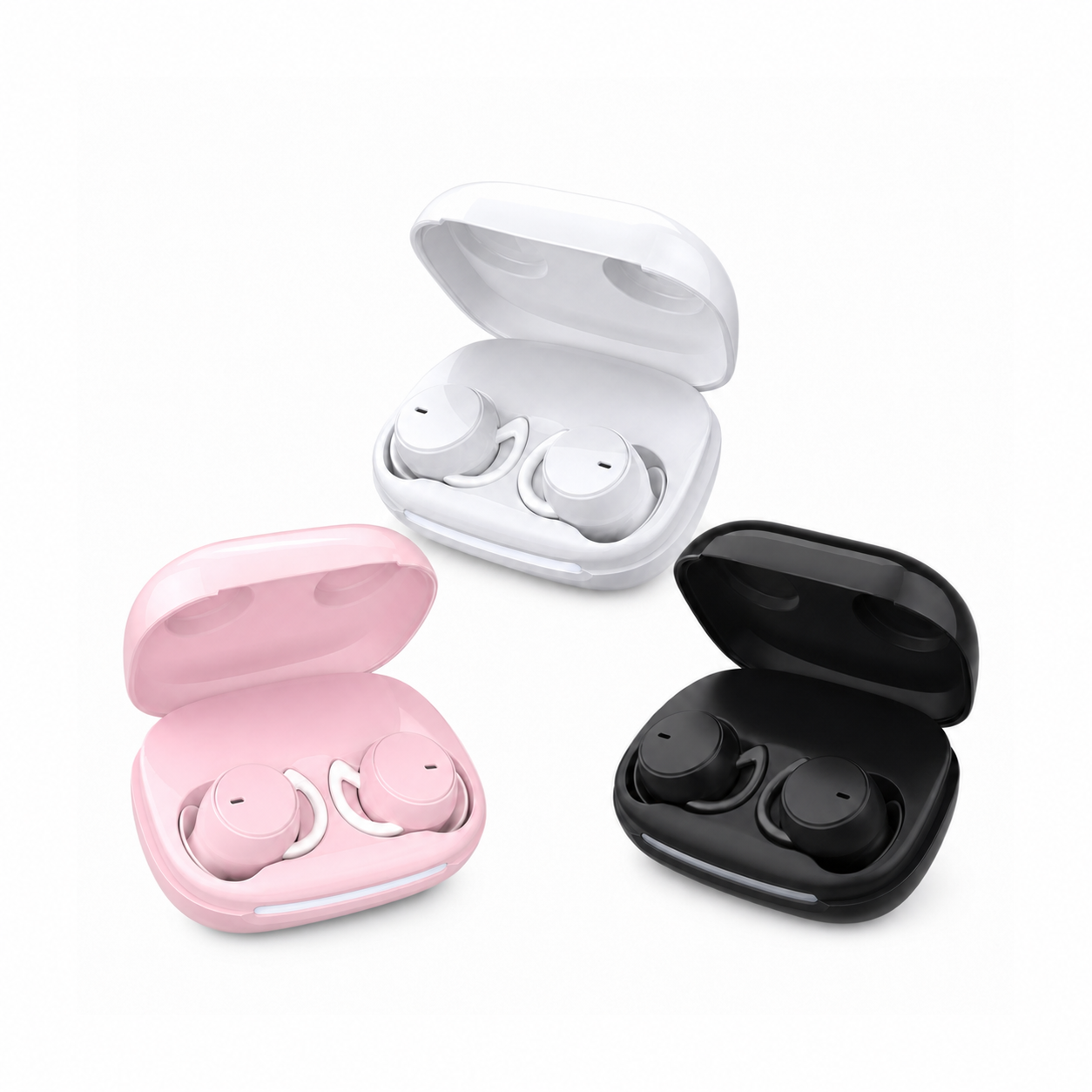
Dedicated micro sleep earbuds, like the EARSOLE 2.4g Mini Sleeping Earbuds, EARSOLE MY20 Soft Silicone Earbuds, and Series 176 Invisible Mini Earbuds, are engineered specifically for acoustic isolation. Their tiny, stemless silicone bodies nestle flush within the ear concha bowl. When your head sinks into the pillow, the soft silicone tips muffle intrusive snoring while playing gentle soundscapes directly into your ear.
Pillow Ergonomics, Heat Dissipation, and Ear Canal Hygiene
When choosing between the two options, consider bedroom temperature and personal comfort preferences:
- Thermal comfort: Fabric headbands can feel warm during humid summer months or hot flashes, whereas lightweight earbuds leave the forehead and scalp completely uncovered.
- Ear hygiene: Earbuds require daily morning wipes to remove skin oils and softened earwax, whereas headband fabric covers require periodic washing to keep materials fresh.
- Pillow friction: Micro earbuds sink below the outer cartilage rim, ensuring the pillow contacts only your natural ear anatomy rather than hard plastic.
Matching Your Bedtime Audio Style to Your Sleeping Position
Choose an integrated fabric sleep headband if you sleep primarily on your back, dislike placing anything inside your ear canals, or want built-in blackout eye shading for midday naps.
Choose micro silicone sleep earbuds if you are a dedicated side sleeper, need to block a loud snoring partner, or want maximum noise isolation in hotel rooms and overnight flights. Browse our complete sleep earbuds collection for restful nighttime audio solutions.
Related Guides
Continue reading with these related Earsole audio guides: