

Trucker Headsets and Single-Ear Boom Microphone Rejection Against Highway Cab Rumble
Cruising at 65 mph inside a heavy-duty diesel tractor generates a relentless 75 to 85 dBA acoustic floor dominated by sub-200 Hz engine resonance, turbocharger whistle, and tire-tread roar. Standard consumer earbuds placed inside the ear canal sit 12 centimeters away from the mouth and pick up that omnidirectional cab vibration just as loudly as the driver’s voice.
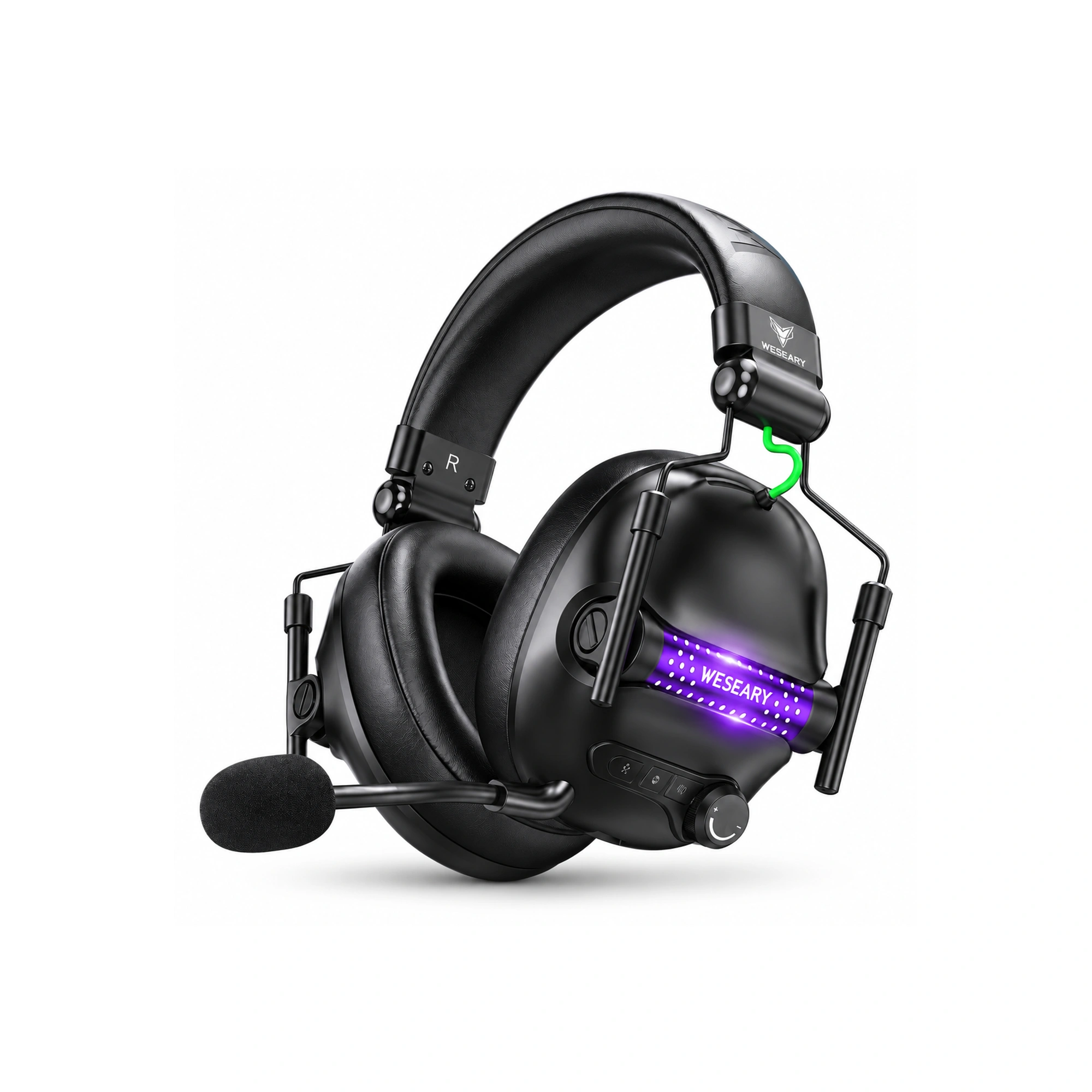
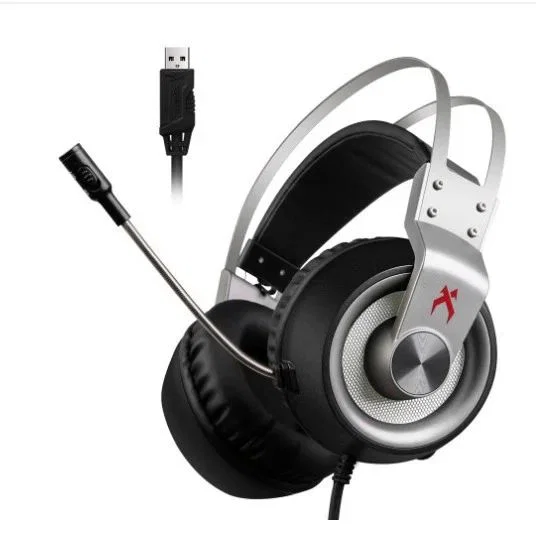
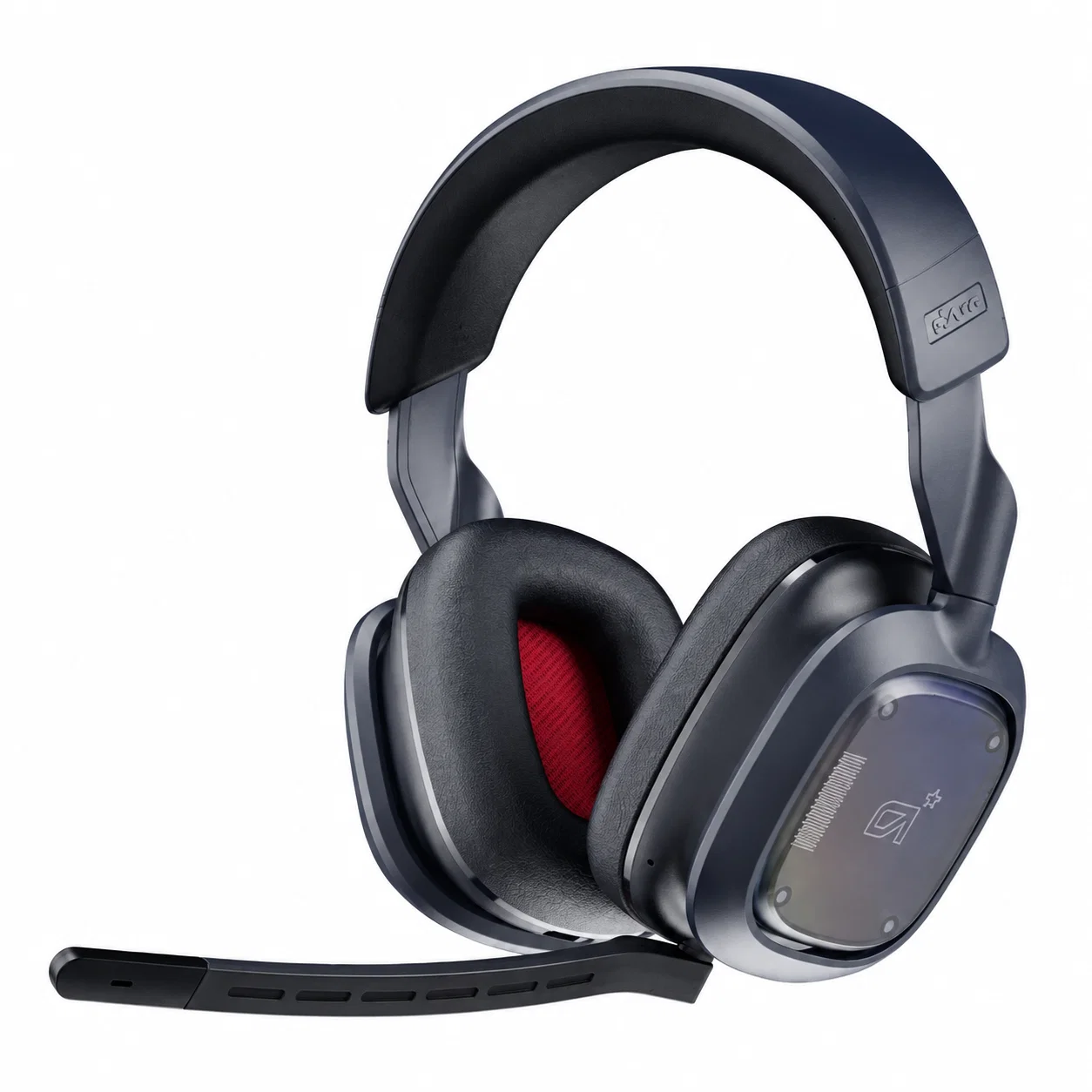
A dedicated trucker headset solves highway call clarity through two deliberate hardware choices: a monaural (single-ear) headband that leaves one ear completely uncovered to comply with commercial driving safety regulations, and a rotatable boom arm that positions a pressure-gradient microphone capsule within two centimeters of the corner of the mouth.
How Close-Talk Boom Arrays Cancel 80 dBA Diesel Engine Roar
Acoustic physics favors proximity over pure software filtering. By extending the microphone capsule on a rigid or gooseneck boom right next to the lips, the driver’s vocal sound pressure level at the capsule is roughly 15 to 20 dB higher than at the ear, giving the voice an immediate signal-to-noise advantage before any digital processing runs.
High-grade commercial headsets pair an inward-facing voice mic with an outward-facing environmental reference mic along the tip of the boom. Because low-frequency cab rumble strikes both ports at nearly equal amplitude while the driver’s voice hits the close-talk port much harder, the onboard DSP subtracts the common-mode highway drone and transmits clean vocal frequencies to dispatchers and family.
| Headset Design Parameter | Single-Ear Trucker Boom Headset | Dual-Ear ANC Over-Ear Cans | Compact True Wireless Earbuds | Commercial Driving Impact |
|---|---|---|---|---|
| Ear Coverage & Road Legality | Monaural (1 ear open for sirens/horns) | Binaural (blocks both ears—illegal in many states) | Can be worn 1-bud or 2-bud | Single-ear complies with FMCSA/state rules |
| Mic-to-Mouth Distance | 15 – 25 mm via adjustable boom | 120 – 140 mm (earcup pinhole mics) | 110 – 130 mm (stem beamforming) | Close-talk boom blocks 80 dBA cab rumble |
| Continuous Talk Battery | 24 to 50 hours (large headband cell) | 20 to 35 hours | 4 to 7 hours per charge | Lasts multiple shifts without mid-haul charge |
| Physical Controls | Oversized tactile glove-friendly buttons | Small earcup rockers | Capacitive touch pads | Tactile mute & answer buttons keep eyes on road |
Balancing Counterweight Clamping Force Across a 10-Hour Shift
Because a monaural headset only has an earcup on one side, the opposite end of the headband must grip the temporal bone above your uncovered ear using a padded T-bar stabilizer. If that stabilizer pad uses stiff plastic or over-tight spring steel, it creates a sharp temporal headache after four hours behind the wheel.
Look for a headband with a wide, split-strap silicone or memory-foam T-pad and a symmetrical boom that rotates 270 degrees. Flipping the headset from your left ear during morning shifts to your right ear after lunch redistributes temple pressure and prevents sunburn lines or ear cartilage soreness on cross-country hauls.
Trading the Boom Headset for Sleeper-Berth Comfort at Night
Once you pull into a truck stop, set the air brakes, and climb into the sleeper berth while refrigerated reefers and neighbouring diesels idle outside, a bulky headband with a protruding microphone boom is impossible to wear in bed. Even standard commuter earbuds press painfully into your ear canal as soon as your head rests on the pillow.
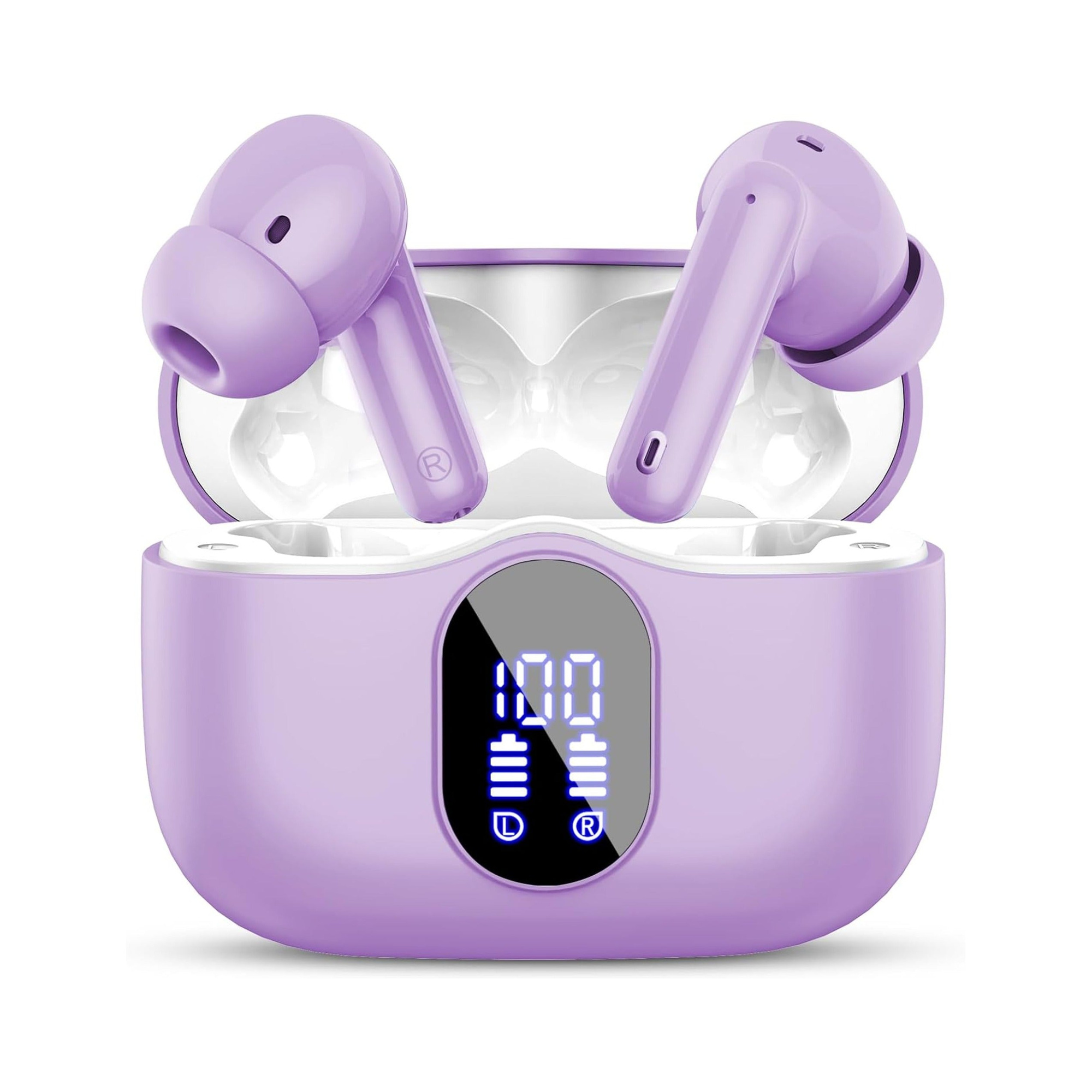
Flat, stemless earbuds for sleeping on your side, with a dynamic sleep-support mode and a starlight glow charging case. See the three colors at EARSOLE.
Hanging your boom headset on the dash hook and switching to a flush, low-profile sleep earbud in the sleeper cab lets you lie flat on your side without any housing protrusion. Soft acoustic sealing and soothing background masking help block out lot noise during your mandatory 10-hour DOT reset.
Boom Positioning and Windscreen Maintenance Tips
Always position the tip of the microphone boom two finger-widths from the corner of your mouth—slightly below your lower lip rather than dead-center in front of your teeth and nostrils. Placing the capsule directly in the path of breath exhalations causes loud low-frequency plosive bursts (“p” and “b” pops) every time you speak, especially when the cab AC vents or open driver window blow across your face.
Keep the replaceable open-cell foam windscreen slipped over the boom tip at all times, and wash or replace that foam sleeve every month so road dust and coffee splashes do not clog the acoustic ports. For drivers who prefer compact in-ear hardware when working outside the cab, compare our breakdown of earbuds with a noise cancelling mic.
Frequently Asked Questions
Is it legal to wear a dual-ear headset while driving a commercial semi-truck?
Most state traffic codes and FMCSA safety guidelines prohibit covering both ears simultaneously while operating a commercial motor vehicle because drivers must remain able to hear emergency sirens, air-brake warnings, and horn alerts.
Why do callers still hear wind noise when I drive with my cab window cracked open?
Turbulent air blowing past an open window creates chaotic pressure spikes across the boom’s dual microphone ports; slipping a high-density foam or furry deadcat windscreen over the mic capsule slows the air velocity so the noise-cancelling array can function properly.