

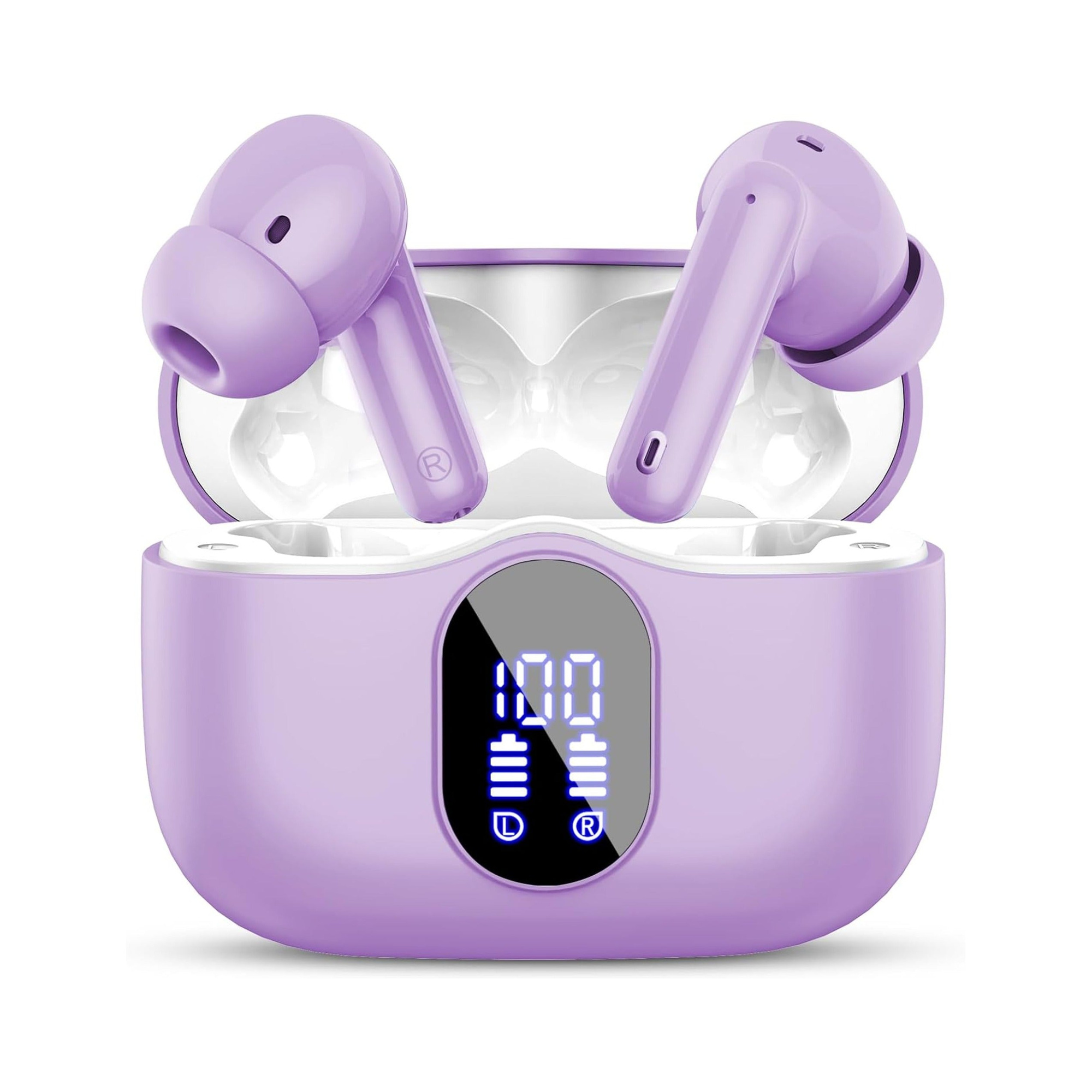
Earbuds With a Noise Cancelling Mic That Separate Dual-Capsule Beamforming From ANC
Shoppers searching for earbuds with a noise cancelling mic frequently conflate two completely separate acoustic subsystems: Active Noise Cancellation (ANC) and Environmental Noise Cancellation (ENC). ANC uses outward- and inward-facing microphones plus an anti-phase speaker signal to quiet the room for your ears, whereas a noise-cancelling microphone array filters the outgoing voice stream so the person on the other end of your phone call does not hear traffic or wind.
Buying a pair of earbuds advertised with “42 dB ANC” does not guarantee clear voice pickup on a windy sidewalk unless the stem or shell also houses a multi-capsule beamforming array backed by a dedicated voice-isolation DSP. Knowing how physical capsule spacing and bone-conduction voice pickup units work ensures your callers hear your voice instead of the espresso grinder behind you.
How Dual-Mic Beamforming and Voice Pickup Sensors Isolate Speech
Because true wireless earbuds sit inside the concha bowl rather than extending on a boom arm toward the lips, a single omnidirectional microphone captures room reflections at nearly the same volume as your voice. To build a directional pickup pattern (end-fire beamforming), engineers place a primary talk microphone at the bottom tip of the stem and a secondary reference microphone near the top vent, spaced 15 to 22 millimeters apart.
When your voice travels outward from your mouth, the acoustic wave strikes the bottom talk microphone roughly 45 to 65 microseconds before reaching the upper reference microphone, whereas diffuse café noise hits both ports with random phase relationships. The onboard DSP locks onto that specific time-of-arrival delay—often assisted by an internal accelerometer or Bone Conduction Sensor (VPU) that detects jawbone vibrations between 100 Hz and 800 Hz—and attenuates off-axis sounds by up to 30 dB.
| Subsystem / Technology | Who Hears the Benefit? | Hardware Sensors Used | Target Noise Frequency | Primary Failure Mode |
|---|---|---|---|---|
| Hybrid ANC (Active Noise Cancelling) | You (the earbud wearer) | Feedforward + Feedback MEMS mics | Low-frequency drone (50–600 Hz) | Loose silicone ear tip breaks seal |
| Dual/Triple-Mic ENC / cVc | The caller on the other end | Spaced stem mics (15–22 mm array) | Mid-frequency chatter & street roar | Cross-wind turbulence over stem ports |
| Bone Conduction VPU + AI DNN | The caller on the other end | Inner-ear vibration sensor + MEMS | Overlapping human voices in crowds | Over-aggressive gating clips soft consonants |
| Acoustic Mesh Wind Chicanes | Both wearer and remote caller | Hydrophobic steel mesh & labyrinth | Direct wind gusts (10–25 mph) | Sweat or pocket lint clogging mesh pores |
Preventing Wind Buffeting and Robotic DNN Voice Clipping
Deep Neural Network (DNN) call algorithms trained to strip out subway roar can sometimes over-suppress the edges of your syllables if you speak softly in a 75 dBA environment, making your voice sound watery or clipped. Speaking at a steady, conversational projection triggers the Voice Activity Detector cleanly so the neural gate stays open across your entire sentence.
When walking outdoors on a breezy day, turn your head slightly so the wind strikes the back of your neck rather than blowing straight across the cheek-facing microphone slits, or tuck one earpiece under a light beanie if cold gusts exceed 15 mph. Periodically brush the tiny bottom stem pinholes with a dry, soft-bristle toothbrush so skin oils do not block the primary talk port and fool the beamforming math.
Resting Your Ears After a Day of High-Volume Voice Calls
Taking hours of outdoor client calls and commuter check-ins with stem-style beamforming earbuds leaves your tragus and ear canal fatigued from constant vocal mid-frequencies and rigid shell contact. Once you get home and lie down in bed, protruding microphone stems catch on pillowcases and push hard into your outer ear when you roll onto your side.
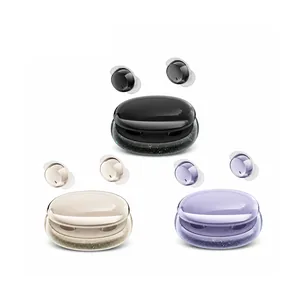
Flat, stemless earbuds for sleeping on your side, with a dynamic sleep-support mode and a starlight glow charging case. See the three colors at EARSOLE.
Setting your daytime call headset on the charger and switching to a flush, stemless sleep earbud eliminates every protruding stem and mechanical pressure point against your pillow. Soft silicone contours and gentle rain masking let your auditory system unwind completely overnight.
How to Test Microphone Noise Rejection Before an Important Call
Do not wait until a live board meeting to discover how your earbuds handle background noise; run a quick local loopback recording first. Turn on a kitchen range hood or play café noise from a laptop speaker at 70 dBA, stand one meter away, and record a 20-second voice memo on your smartphone using the earbuds as the Bluetooth input source.
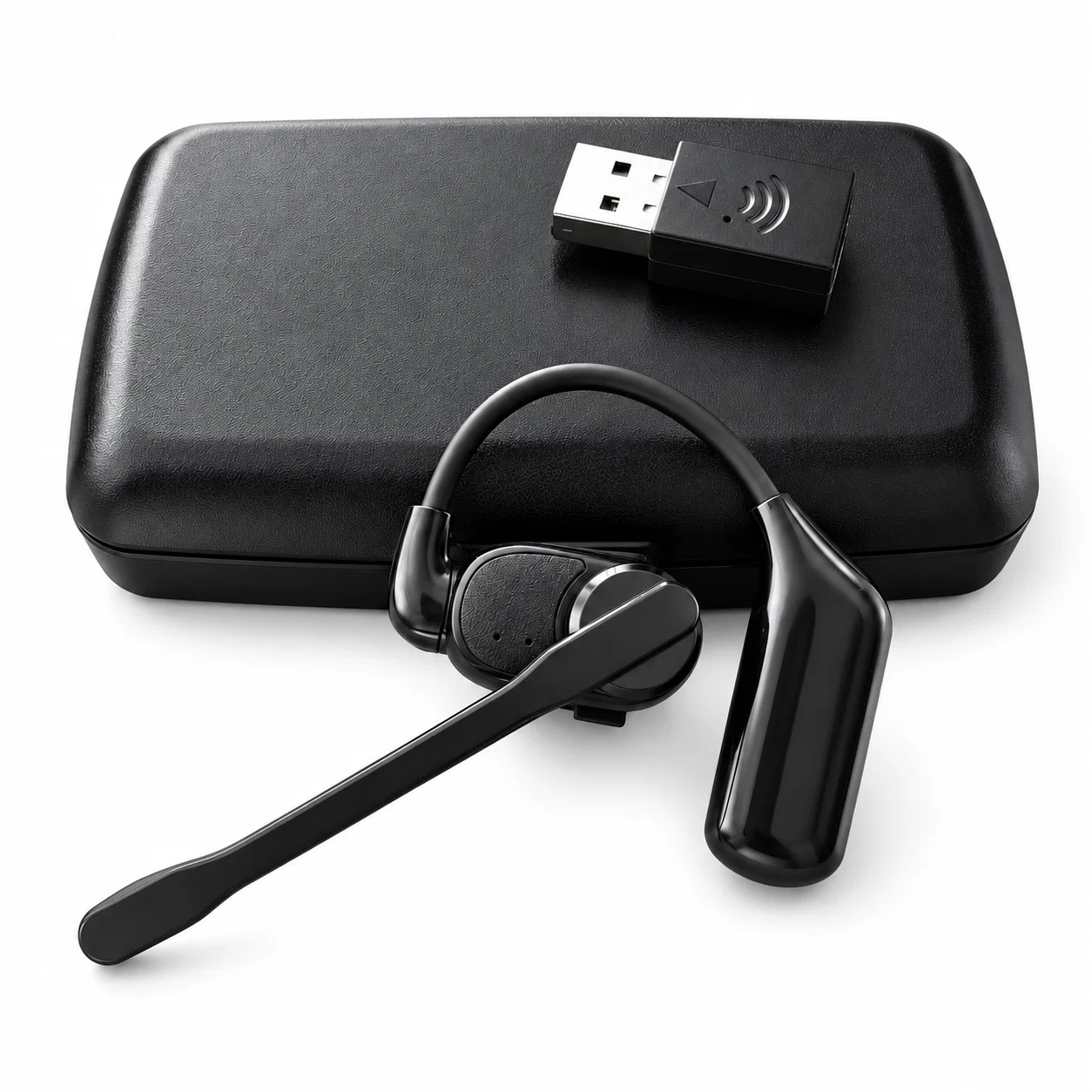
When you play the recording back, check whether the first syllable of each sentence is intact and whether the background fan noise pumps up and down between words. For drivers and heavy-equipment operators who work in extreme 85 dBA engine environments, compare these in-ear arrays with our analysis of a dedicated trucker headset with a single-ear boom microphone.
Frequently Asked Questions
Does turning off ANC during a phone call make the noise-cancelling microphone stop working?
No, switching your earbuds from ANC to Transparency mode only changes what you hear in your own ears; the outgoing ENC beamforming microphones continue filtering background noise for your caller automatically.
Why do callers say I sound muffled when I wear only one earbud during a call?
Many earbuds assign the primary talk microphone dynamically to whichever bud you remove from the case first, so if that earbud sits loosely or its bottom stem port points away from your mouth corner, vocal clarity drops noticeably.