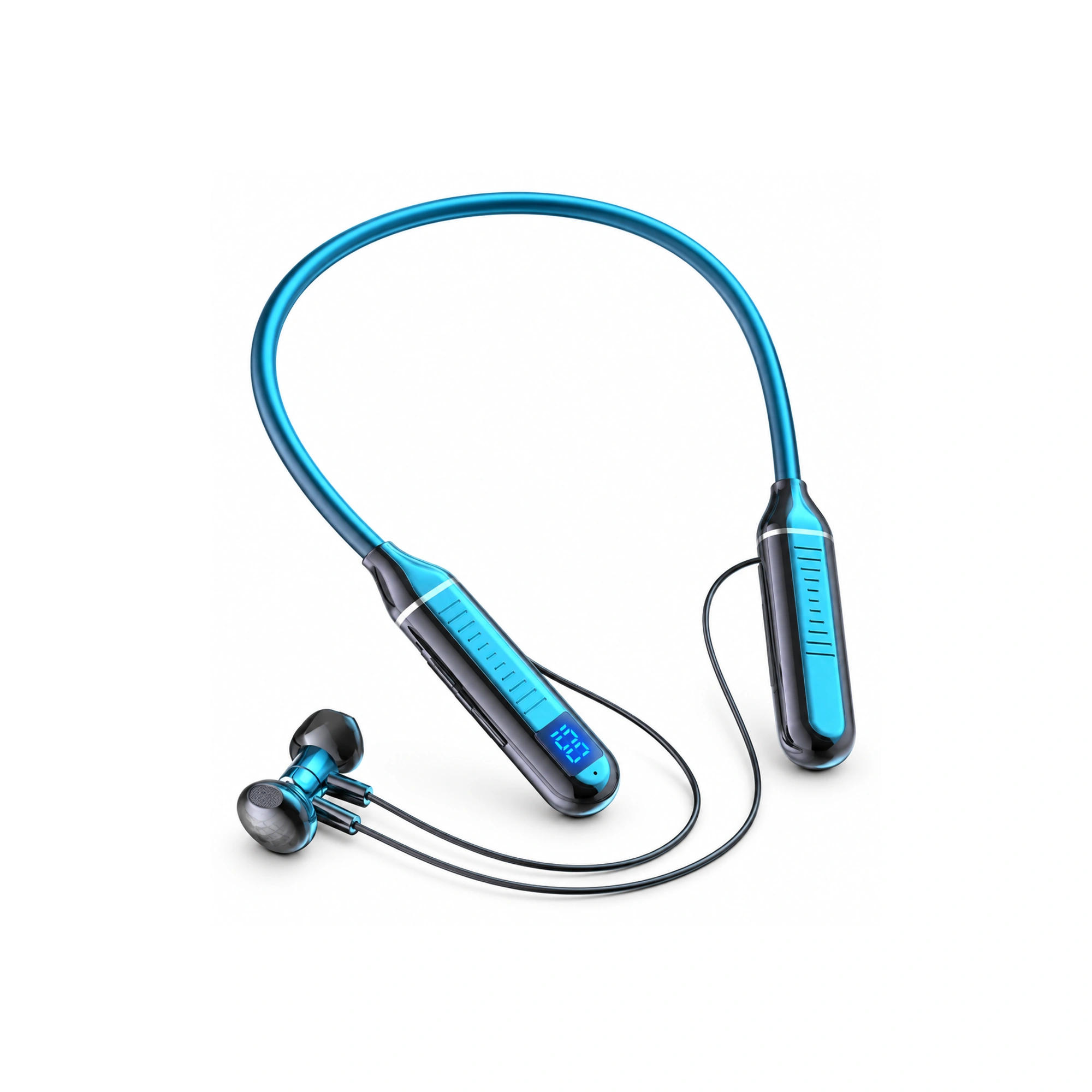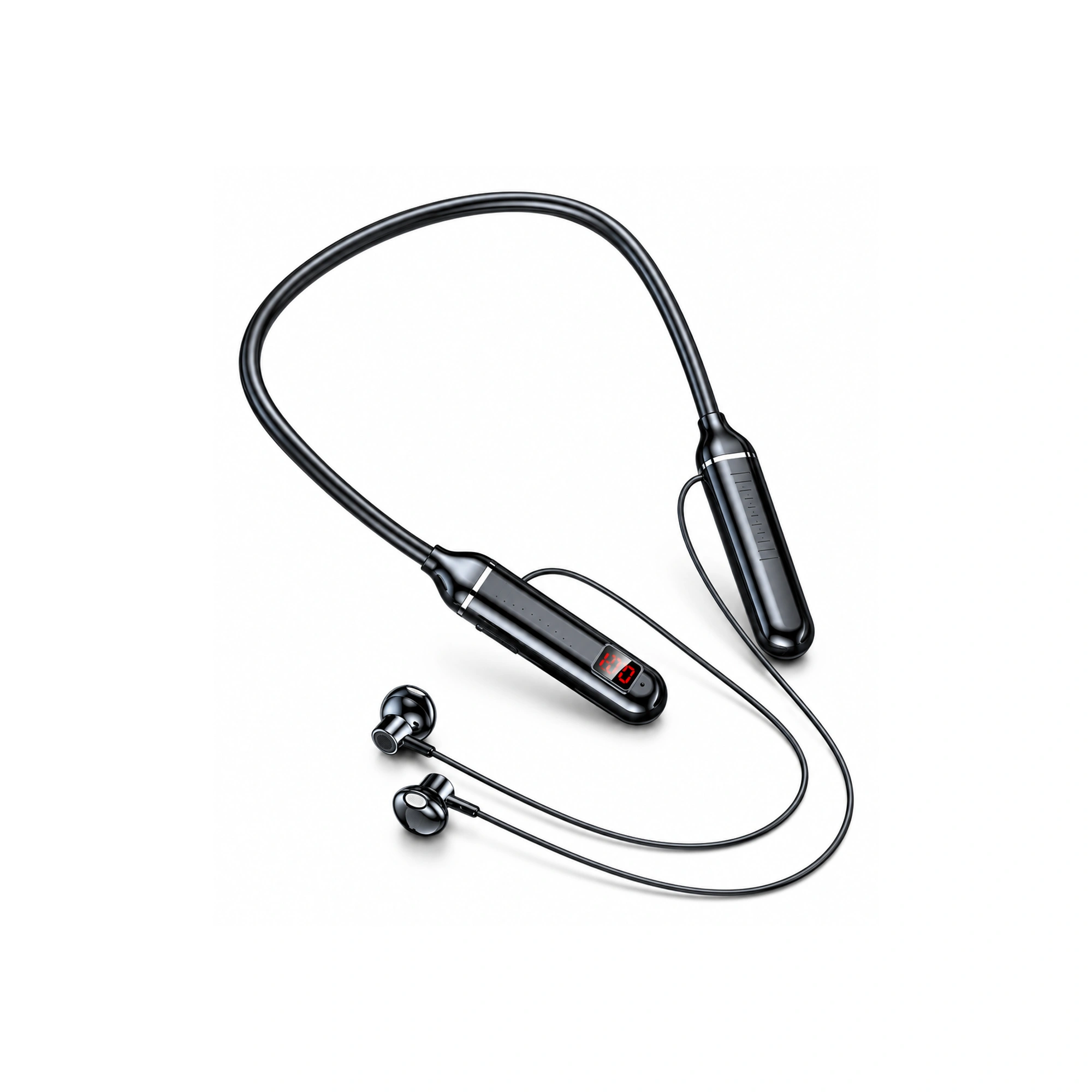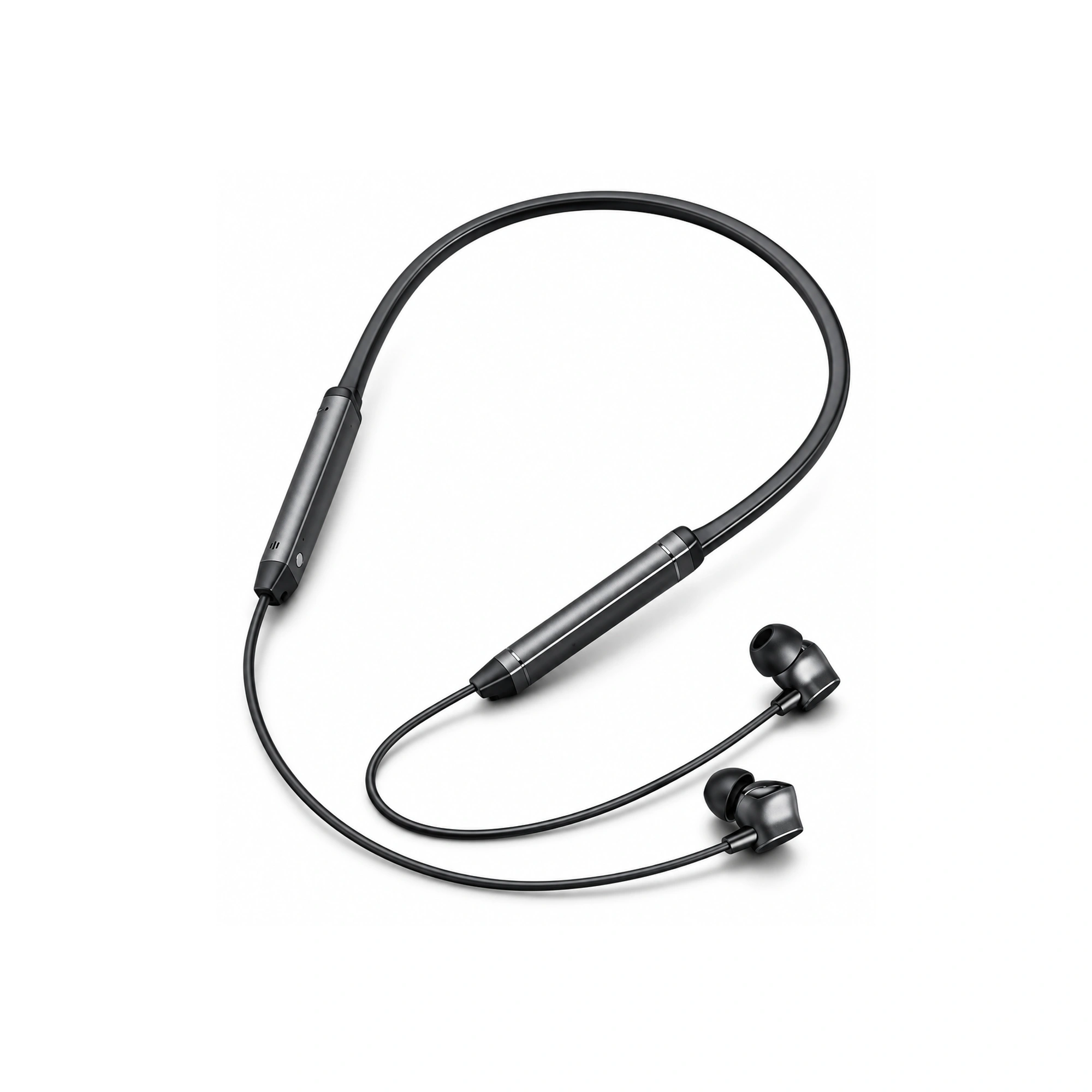


Earphones for Shower Use and Why Hot Steam Penetrates Cold-Water Gaskets
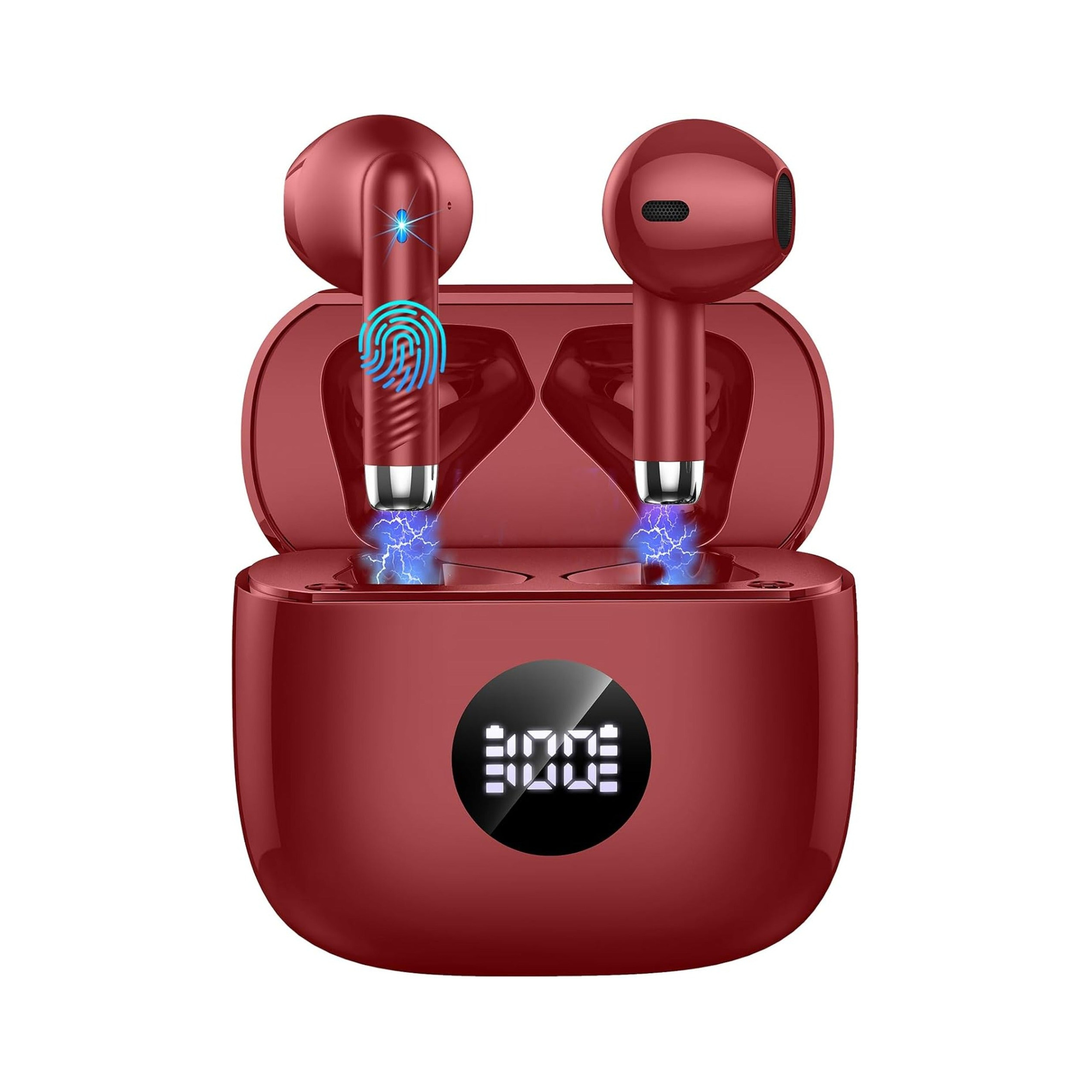
Taking earphones for shower use seems straightforward when a product box advertises an IPX7 waterproof rating. Many listeners assume that if a pair of earbuds survives submersion under one meter of water, a daily morning shower presents zero threat. Yet bathroom environments regularly degrade water-resistant electronics through mechanisms that standard liquid immersion tests never evaluate.
Understanding how waterproof earbuds for shower sessions actually perform requires examining the physical divergence between cold laboratory test tanks and hot steam enclosures, the capillary action of surfactant soaps, and practical maintenance habits.
Why IPX7 Laboratory Ratings Do Not Match Hot Shower Physics
Standard ingress protection ratings follow IEC standard 60529 guidelines. For an IPX7 certification, technicians immerse powered-off electronic enclosures into static freshwater at depths between 15 centimeters and 1 meter for exactly 30 minutes. Crucially, the water temperature in these regulatory test chambers remains controlled between 15°C and 25°C.
A domestic hot shower introduces an entirely different operating environment. Water streams emerge at temperatures between 38°C and 44°C, creating a dense cloud of water vapor suspended in heated air. Silicone gaskets and acoustic mesh grilles protecting the internal speaker drivers are engineered to stop liquid water molecules bound together by high surface tension. They are not airtight hermetic seals capable of barring gaseous vapor.
Vapor Diffusion and Thermal Gasket Expansion Mechanics
When earbuds enter a hot shower stall, the air trapped inside the acoustic chamber heats up rapidly. As internal air temperature rises from room temperature to shower ambient levels, internal gas expands according to Charles’s law. This expansion exerts outward pressure against internal adhesive joints and silicone perimeter seals.
Stepping out of the shower spray or turning off the hot water causes surrounding air temperature to drop quickly. The air volume inside the earbud housing contracts, creating an internal low-pressure vacuum. This negative pressure differential pulls airborne moisture and suspended steam droplets directly through the perimeter seals.
Water vapor molecules measure approximately 0.28 nanometers across. In contrast, the hydrophobic pores of acoustic barrier meshes measure between 1 and 5 micrometers. While liquid water droplets cannot penetrate these pores without substantial hydraulic head pressure, individual gas-phase water molecules pass through microscopic apertures without resistance. Once inside the cooler interior cavity, the vapor condenses back into liquid water droplets directly on copper voice coils and circuit board traces.
Shampoo Surfactants and Surface Tension Breakdown
Acoustic water resistance relies heavily on surface tension. Pure freshwater exhibits a high surface tension of roughly 72 millinewtons per meter at room temperature. This high cohesive force causes water to form bead-like droplets that roll off hydrophobic mesh coatings rather than wetting the fabric.
In a shower stall, water mixes continuously with shampoo and soaps. These personal care products contain amphiphilic surfactant compounds such as sodium laureth sulfate. Surfactants disrupt the hydrogen bonding between water molecules, collapsing surface tension down below 30 millinewtons per meter.
When surfactant-laden water strikes an earbud mesh, the contact angle between the droplet and the polymer barrier collapses. Instead of beading up, the liquid spreads across the acoustic membrane and slips through microscopic vents under capillary pressure. Once soapy liquid penetrates the diaphragm chamber, salt residues dry onto internal electronics, accelerating galvanic corrosion whenever electrical current flows.
Capacitive Touch Sensors and Water Droplet Interference
Physical water ingress is not the only challenge during wet use. Most modern wireless earphones feature capacitive touch sensors on their outer stems to adjust playback and volume. Capacitive sensors detect slight changes in electrical capacitance caused by the conductive properties of human skin.
Water is also an electrical conductor with high relative permittivity. When shower droplets strike or run down the earbud housing, the capacitive sensor cannot distinguish between a deliberate finger tap and a flowing water stream. This triggers phantom inputs, skipping tracks, pausing audio, or raising volume unpredictably. For wet environments, physical push buttons or locking touch controls through a companion app offer far greater reliability than bare capacitive pads.
EARSOLE Series 113: Everyday IPX7 Design and Safe Post-Water Care
For listeners seeking durable everyday water resistance, the EARSOLE Series 113 Wireless Earbuds provide robust engineering designed for heavy sweat and wet weather. Semi-in-ear wireless earbuds, about 3 g each, with an LED battery display case, IPX7 rating and ENC call mics.
The lightweight 3g semi-in-ear profile sits securely in the concha bowl without wedging deeply into damp ear canals. The integrated IPX7 chassis uses precision acoustic gaskets that withstand heavy gym perspiration and accidental drops into water basins. For users retrofitting older vehicle dashboards or wired home stereos before taking calls, our guide on using a bluetooth aux adapter explains analog-to-digital signal conversion and ground loop noise isolation.
However, respecting the physical limits of IPX7 ratings remains essential. Even high-grade IPX7 earbuds should not be worn directly under high-pressure pulsating showerheads or submerged in hot bathwater.
Safe Listening Strategies in Wet Bathrooms
Listening to audio during bathroom routines without destroying delicate electronics comes down to three practical precautions:
- Keep earbuds away from direct hot streams. Placing a splash-resistant speaker on a shelf keeps acoustic drivers out of the concentrated surfactant spray.
- Never charge earbuds while contact pins remain damp. Inserting wet pins into a charging case causes immediate electrolytic corrosion on charging contacts.
- Allow thirty minutes of open-air drying before enclosure storage. Wiping the exterior with a microfiber cloth and leaving the buds on a counter lets interior moisture evaporate before closing the case.
Summary of Shower Audio Durability
Waterproof certifications test cold liquid immersion under controlled laboratory conditions. They do not alter how heated vapor, fluctuating chamber pressure, and surfactant soaps behave over time. Treating water-resistant earbuds with appropriate post-exposure care preserves acoustic driver clarity and battery longevity for thousands of listening hours.
Frequently Asked Questions
Can you wear waterproof earbuds in a hot shower?
While IPX7 waterproof earbuds survive cold freshwater submersion, hot showers generate steam and surfactant soap solutions that can penetrate acoustic seals over time. Gaseous steam bypasses hydrophobic meshes through thermal expansion and condenses inside cooler internal chambers.
Does steam ruin waterproof earbuds permanently?
Yes, repeated steam exposure introduces moisture that condenses directly on internal printed circuit boards. Mineral residues and shampoo surfactants accelerate galvanic corrosion on delicate electronic traces and battery contacts, leading to premature driver failure.