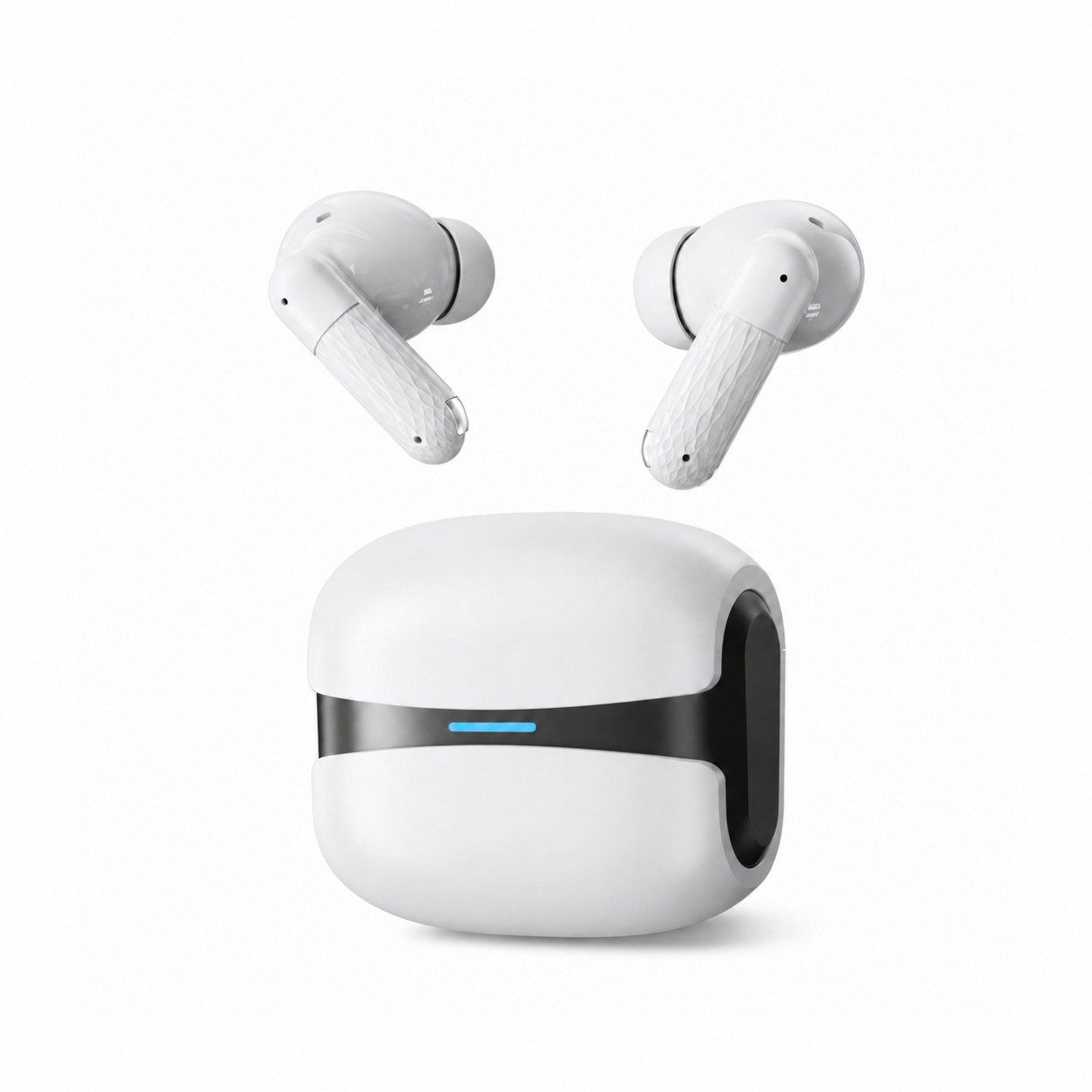


Anyone researching personal earphones quickly encounters two distinct terms: In-Ear Monitors (often called IEMs) and consumer wireless earbuds. While both devices sit inside the ear, they are built for entirely different purposes, follow distinct acoustic philosophies, and appeal to different listening priorities.
Understanding the engineering choices behind in-ear monitors and standard wireless earbuds helps you determine which tool best fits your listening setup.
What Defines an In-Ear Monitor (IEM)?
In-Ear Monitors originally emerged as professional stage equipment. Live musicians, vocalists, and audio engineers needed a reliable way to monitor raw instrument feeds directly inside their ears while shielding their hearing from blaring stage speaker monitors and cheering arena crowds.
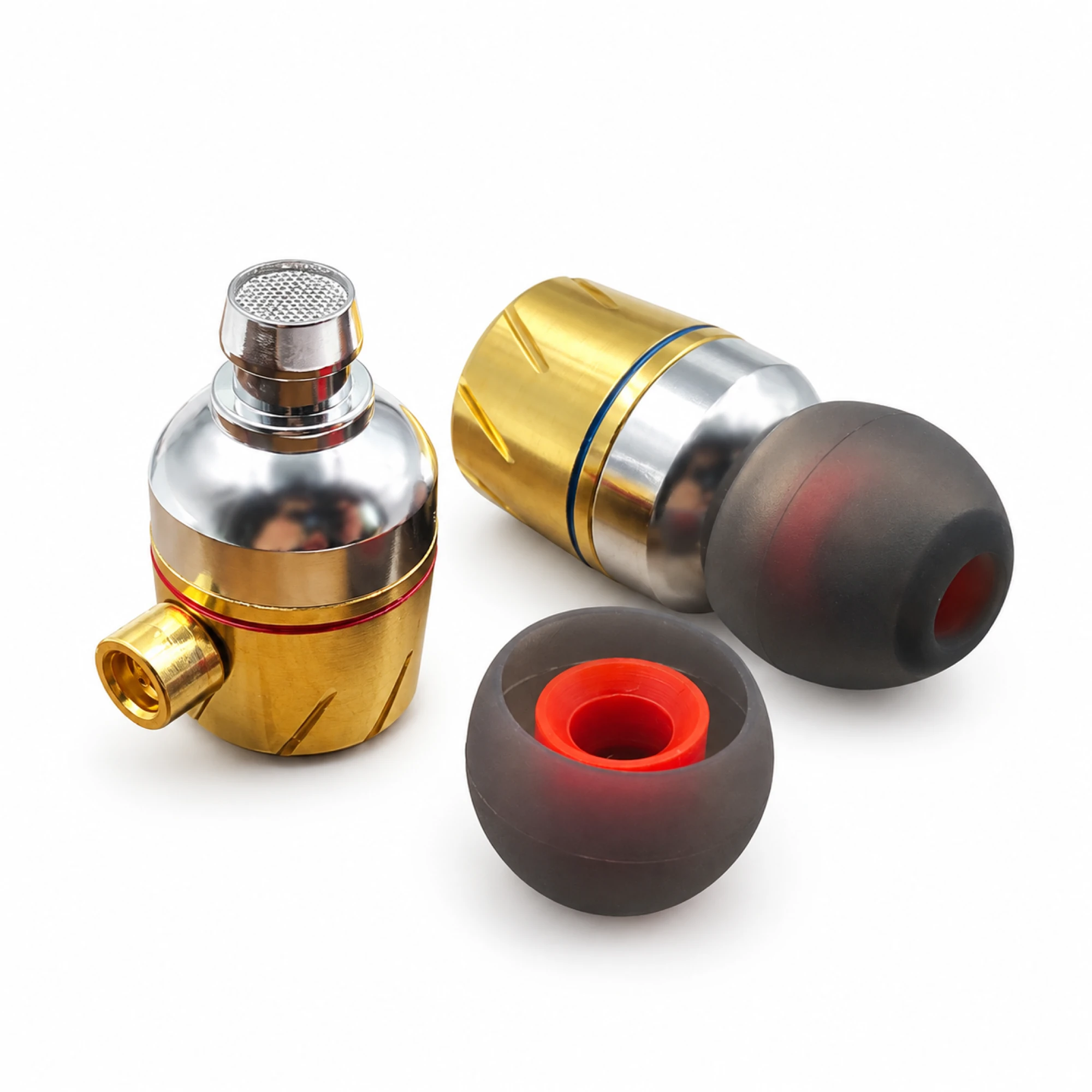
To achieve this, IEMs feature molded, ergonomic resin or metal shells shaped to fill the concha bowl, paired with over-ear cable routing. While consumer earbuds prioritize hands-free smartphone convenience, IEMs prioritize uncompressed signal fidelity and mechanical reliability.
Sound Signatures: Analytical Precision vs Consumer Bass Tuning
The biggest audible difference lies in acoustic tuning philosophy:
- In-Ear Monitors: IEMs often utilize multiple specialized drivers (such as balanced armature drivers paired with dynamic subwoofers) tuned for flat, reference-grade frequency response. The goal is clinical transparency: revealing vocal imperfections, instrumental separation, and subtle spatial cues without artificial boosting.
- Consumer Earbuds: Consumer wireless models, including the EARSOLE Core White and EARSOLE Cloud White, are engineered for musicality and fun. They feature custom-tuned dynamic drivers that deliver warm, satisfying sub-bass, clean vocal clarity, and forgiving treble that sounds engaging across streaming pop, hip-hop, and podcasts.
Cable Architecture and Connector Standards (2-Pin vs Wireless)
Traditional IEMs use analog, detachable braided audio cables that terminate in gold-plated 3.5 mm or 4.4 mm headphone jacks. The cable connects to each earpiece via standardized 0.78 mm 2-pin or MMCX push-in connectors. This modular system allows audiophiles to swap damaged cables easily or connect balanced high-end headphone amplifiers.
Wireless earbuds eliminate cables completely, integrating battery cells, touch sensors, and Bluetooth transceivers directly into each earbud body. While this eliminates wire tangles and cable microphonics entirely, it introduces internal battery lifespans and Bluetooth codec compression.
Passive Acoustic Isolation and Canal Seal Depth
Because professional musicians perform in environments reaching 100 decibels or higher, IEMs sit noticeably deeper inside the ear canal. Paired with dense memory foam or triple-flange silicone tips, a properly seated IEM achieves up to 25 to 30 decibels of passive noise attenuation without requiring digital noise cancellation circuitry.
Consumer wireless earbuds feature shallower insertion depths, prioritizing easy insertion, comfortable daily concha resting, and quick removal when ordering a coffee or speaking with a colleague.
Who Should Choose IEMs and Who Benefits More from Wireless Earbuds
Choose an In-Ear Monitor if you produce music, edit podcast audio, play instruments, or enjoy critical home listening sessions where zero audio latency and uncompressed clarity are essential.
Choose wireless earbuds for gym workouts, daily transit commutes, outdoor runs, hands-free phone calls, and seamless pocket portability.
Related Guides
Continue reading with these related Earsole audio guides: