Real-Time Translation Earbuds and End-of-Sentence ASR Pause Latency in Live Conversations
Marketing demos for real-time translation earbuds often imply instantaneous dubbing, yet anyone using them in a noisy Tokyo station or Milan trade booth notices a distinct two-to-four-second gap before translated audio plays in the ear. That delay rarely comes from slow Bluetooth transmission or sluggish cloud servers; the primary bottleneck is linguistic and acoustic boundary detection inside the Automatic Speech Recognition (ASR) engine.
Before a neural machine translation model can convert a spoken sentence between languages with opposite word orders—such as Subject-Object-Verb Japanese into Subject-Verb-Object English—the Voice Activity Detector (VAD) must confirm the speaker has finished a grammatical clause. Tuning that end-of-sentence silence threshold too short chops mid-thought hesitations into garbled fragments, while tuning it too long stalls natural turn-taking.
Deconstructing the End-to-End Latency Pipeline in Live Translation
Every utterance captured by an earbud beamforming array passes through five sequential stages: Bluetooth SCO/LE Audio uplink framing, Voice Activity Detection silence windowing, streaming ASR token generation, Neural Machine Translation (NMT) context re-ranking, and Text-to-Speech (TTS) vocoder synthesis. While network round-trip times over 5G or Wi-Fi average 80 to 180 milliseconds, the VAD endpoint timer deliberately waits 500 to 1,200 milliseconds of acoustic silence to mark a sentence boundary.
Languages with verb-final syntax force the translation buffer to hold tokens until the predicate arrives at the very end of the clause. Even when streaming ASR transcribes words onto your smartphone screen within 300 milliseconds, the TTS audio engine withholds vocal playback until syntax reordering completes so the synthesized voice does not have to backtrack mid-sentence.
| Pipeline Stage | Typical Time Budget (ms) | Controlling Component | Impact of Aggressive Shortening | Optimization Strategy |
|---|---|---|---|---|
| Bluetooth Mic Uplink | 40 – 90 ms | Earbud SoC & Host Stack | Packet loss in crowded 2.4 GHz venues | Keep phone within 50 cm on unobstructed side |
| VAD Endpoint Silence | 500 – 1,200 ms | Companion App Audio Engine | Clips speaker pauses and splits clauses | Use manual touch-to-speak boundary release |
| Streaming ASR Decode | 180 – 350 ms | Cloud or On-Phone NPU | Higher homophone error rate on proper nouns | Pre-select domain or regional dialect profile |
| NMT & TTS Synthesis | 350 – 830 ms | Translation Model & Vocoder | Robotic prosody and clipped speech | Speak in concise clauses; set playback to 1.15x |
How Conversation Modes Control ASR Endpoint Timing
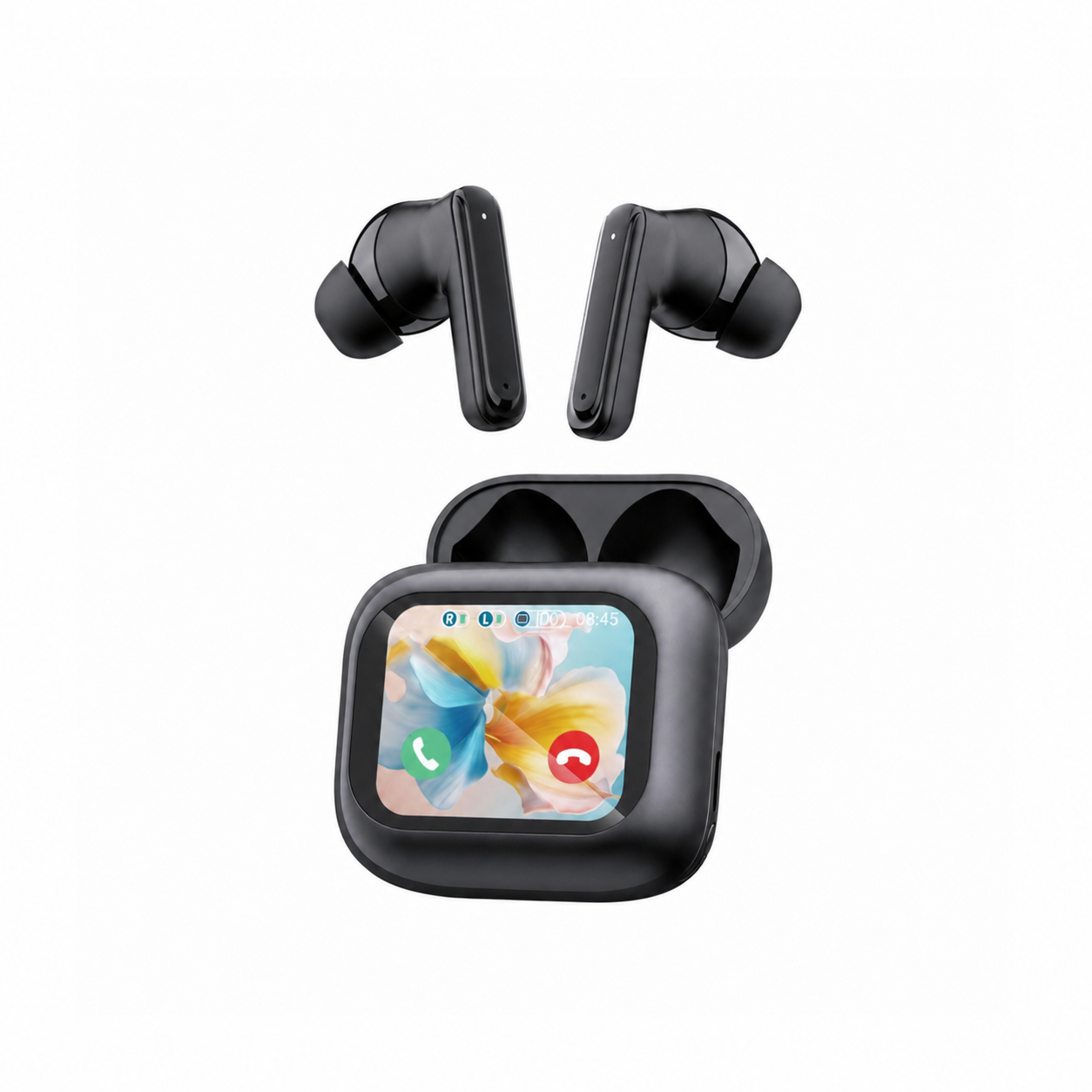
Because automatic pause detection struggles in reverberant rooms where café clatter mimics speech energy, companion apps split translation into distinct interaction modes. In Touch Mode (or Press-to-Talk), tapping and releasing the earbud stem manually closes the audio buffer, eliminating the 800-millisecond VAD waiting window and dropping total turn-around latency under 1.2 seconds.
Free-Talk and Simultaneous Listening modes rely entirely on algorithmic VAD energy thresholds and dual-mic beamforming to separate voices. To keep the translation pipeline flowing during extended lectures or multi-clause explanations, speakers should pause cleanly for one full beat between complete thoughts rather than chaining clauses together with filler words like “um” or “and so.”
Resting Your Ears After Hours of Synthesized TTS Audio
Listening to compressed Text-to-Speech voices while simultaneously tracking a live speaker in a second language imposes heavy cognitive load and continuous midrange acoustic pressure on your inner ear. By the time you return to your hotel room after a full day of cross-lingual meetings, standard protruding earbuds feel intrusive and rigid against a pillow.
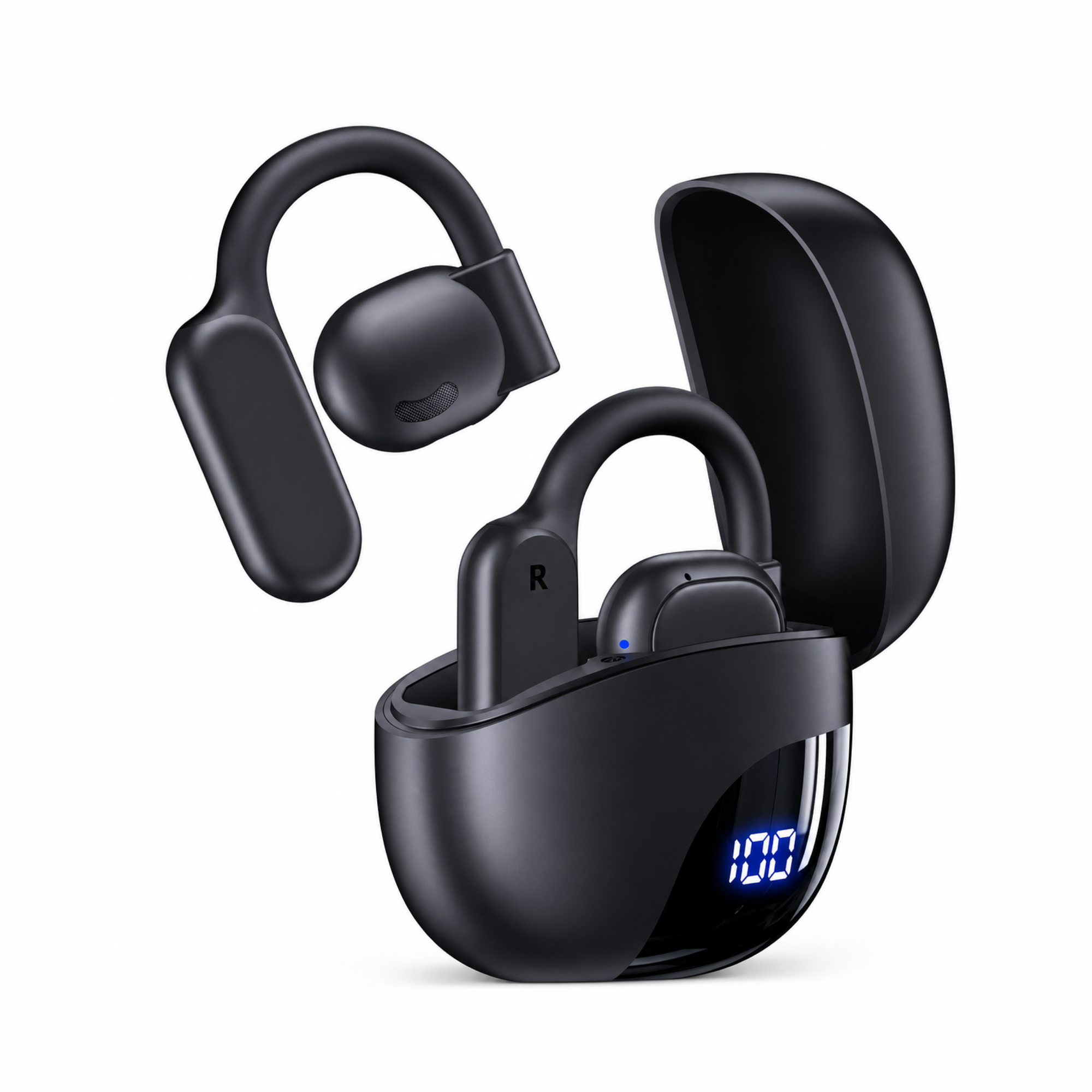
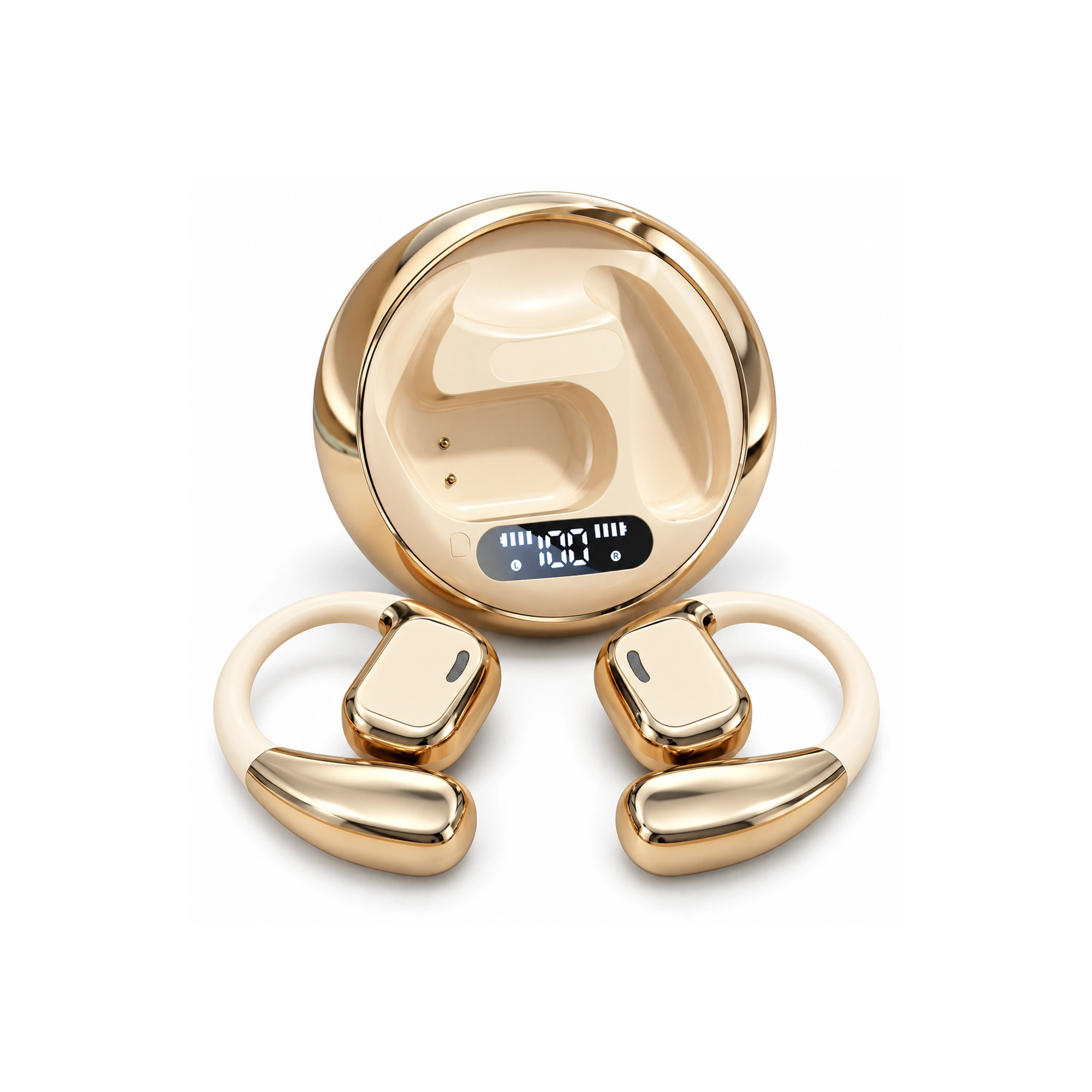
Flat, stemless earbuds for sleeping on your side, with a dynamic sleep-support mode and a starlight glow charging case. See the three colors at EARSOLE.
Switching from daytime AI translation earbuds to an ultra-thin sleep enclosure lets your pinna and ear canal decompress without lateral pillow pressure. Instead of sharp vocal frequencies, soft ambient soundscapes mask corridor footsteps and help reset your auditory fatigue overnight.
Practical Speaking Habits That Cut Translation Lag in Half
You can trim nearly a full second off every conversational exchange by adjusting how you phrase sentences and manage microphone proximity. Speak in declarative, ten-to-fifteen-word clauses with a crisp stop at the end of each sentence, and avoid trailing conjunctions that trick the ASR lookahead buffer into waiting for another clause.
In high-noise environments above 70 dBA, switch from hands-free VAD detection to manual tap-or-screen release and raise TTS playback speed to 1.15x so translated output finishes before your conversation partner begins their next thought. For situations where cellular roaming is unavailable altogether, check our engineering breakdown of offline translation earbuds and local NPU language packs.
Frequently Asked Questions
Why does the translated text appear on my phone screen a second before I hear the voice in my earbuds?
Streaming ASR displays partial word hypotheses as you speak, but the neural translation and Text-to-Speech engines must wait for the end of your grammatical clause to reorder verbs and generate natural pitch contours before sending audio back to the earbuds.
Does Bluetooth 5.3 or 5.4 eliminate the delay in real-time translation earbuds?
Newer Bluetooth revisions improve connection stability and power efficiency, but they only shave a few dozen milliseconds off the wireless transport layer; the majority of translation delay comes from linguistic clause buffering and VAD pause timers.