

High-Fidelity Audio Headphones and Why Driver Harmonic Distortion Matters Less Than FR
In high-fidelity audiophile discussions, equipment specification sheets frequently highlight total harmonic distortion figures below zero point one percent as proof of acoustic superiority. However, psychoacoustic research into human auditory masking demonstrates that low-order harmonic artifacts remain completely inaudible below one percent at conversational listening volumes. In stark contrast, deviations as minor as one decibel across critical midrange frequency response bands fundamentally alter acoustic tonal balance and instrument timbre.
Acoustic transducers operate as mechanical air displacers whose perceived tonality depends overwhelmingly on raw frequency response compliance with ear canal pinna gain curves. While non-linear driver excursion introduces harmonic overtones at elevated sound pressure levels, human auditory filters naturally mask second and third harmonics behind louder fundamental frequencies. Understanding this psychoacoustic hierarchy enables audiophiles and sound engineers to prioritize raw tonal accuracy and acoustic damping over marketing-driven distortion specifications.
Psychoacoustic Masking Curves: Harmonic Distortion Audibility Thresholds
Human cochlear basilar membrane mechanics process sound through narrow auditory critical bands that inherently mask distortion products sharing similar spectral frequency regions. When a headphone driver generates a pure one-kilohertz tone alongside second-harmonic distortion at two kilohertz, the primary fundamental stimulus desensitizes nearby hair cells to lower-amplitude artifacts. Consequently, second-harmonic distortion below two percent remains entirely undetectable during complex orchestral or modern multi-layered musical passages.
Higher-order odd harmonics, particularly fifth and seventh orders, project further outside the masking threshold envelope and introduce audible metallic harshness even at low amplitudes. High-fidelity dynamic drivers engineered with rigid composite diaphragms effectively push mechanical breakup modes above the audible spectrum, suppressing objectionable odd-order artifacts. Evaluating acoustic distortion spectra requires differentiating between benign low-order thermal warmth and harsh high-order mechanical instability.
| Transducer Type | Typical THD (1 kHz @ 94 dB) | High-SPL Bass Distortion | FR Tuning Difficulty | Acoustic Strengths |
|---|---|---|---|---|
| Dynamic Mylar Dome | 0.08% to 0.25% | Moderate Cone Excursion | Low to Moderate | Natural Punch & Impact |
| Planar Magnetic | 0.02% to 0.10% | Exceptionally Low | Moderate | Sub-Bass Linearity & Speed |
| Electrostatic Diaphragm | 0.01% to 0.05% | Low (Voltage-Limited) | High (Acoustic Cavity) | Ultra-Fast Impulse Response |
| Balanced Armature | 0.15% to 0.60% | Rapid Low-End Saturation | High (Acoustic Dampers) | Compact Pinpoint Accuracy |
Frequency Response Compliance: Why Target Tuning Dominates Listener Preference
Decades of controlled double-blind listening assessments conducted across international audio research bodies prove that frequency response governs over eighty-five percent of subjective sound quality ratings. A headphone exhibiting ultra-low distortion but lacking sufficient acoustic energy between two and four kilohertz sounds hollow, distant, and deficient in vocal presence. Conversely, excessive energy across eight to ten kilohertz generates intense auditory fatigue regardless of transducer linearity.
Achieving acoustic compliance with target diffuse-field or listener-preferred Harman contours demands intricate physical acoustic dampening within the ear cup chamber. Engineers utilize acoustic mesh resistors, angled driver baffles, and tuned rear-venting cavities to sculpt precise frequency response curves before electrical equalization. Without proper fundamental tonal balance, low distortion figures offer zero acoustic compensation for colored frequency reproduction.
Transducer Excursion, Acoustic Damping, and Evening Ear Canal Relaxation
Demanding acoustic reproduction from massive circumaural chassis involves significant diaphragm displacement and sustained sound pressure levels that strain auditory sensory receptors over time. Long analytical listening sessions with high-mass planar magnetic or dynamic audiophile cans cause physical headband tension along cranial sutures alongside middle-ear stapedius muscle contraction. Allowing auditory pathways and external cartilage to decompress overnight preserves long-term hearing acuity and acoustic discernment.
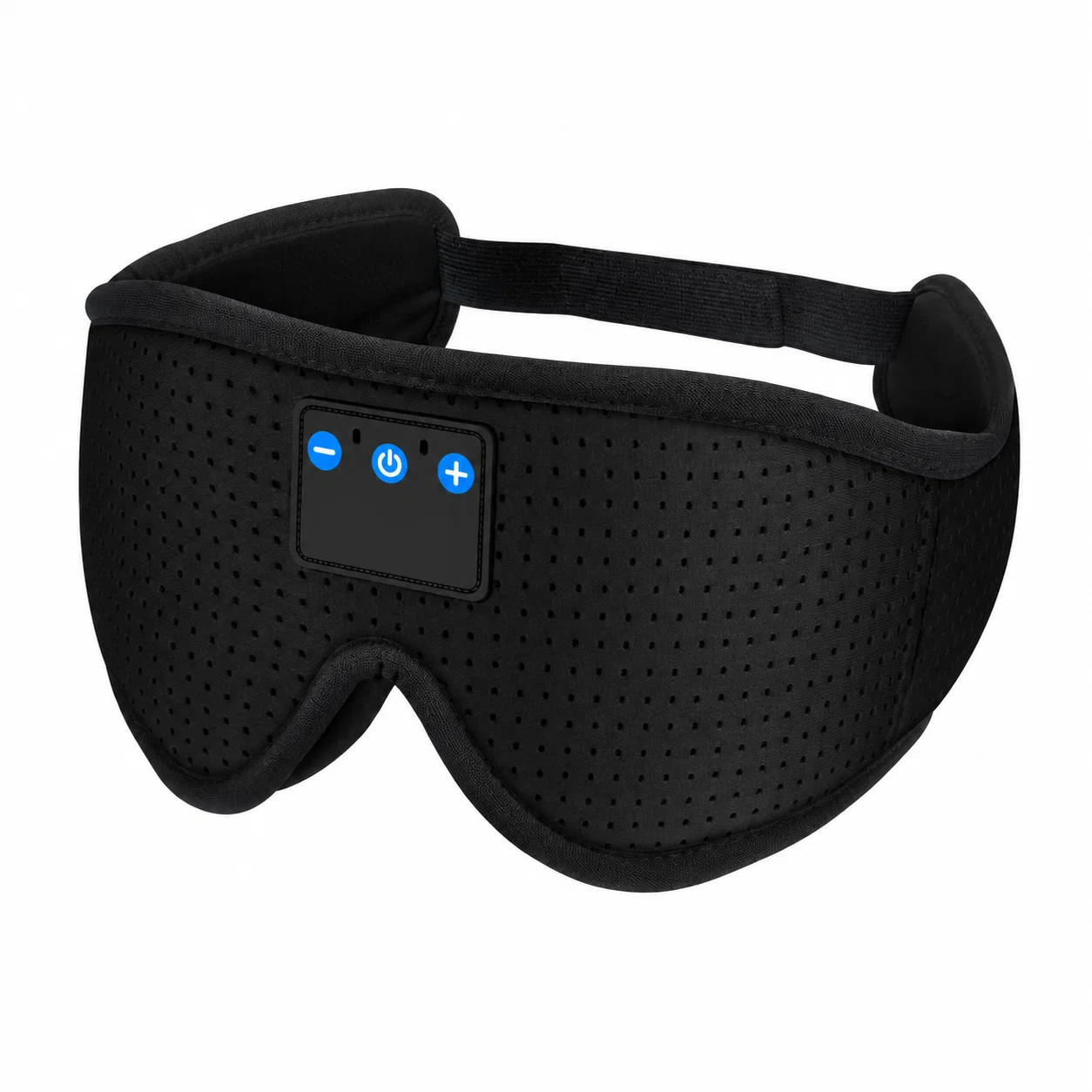
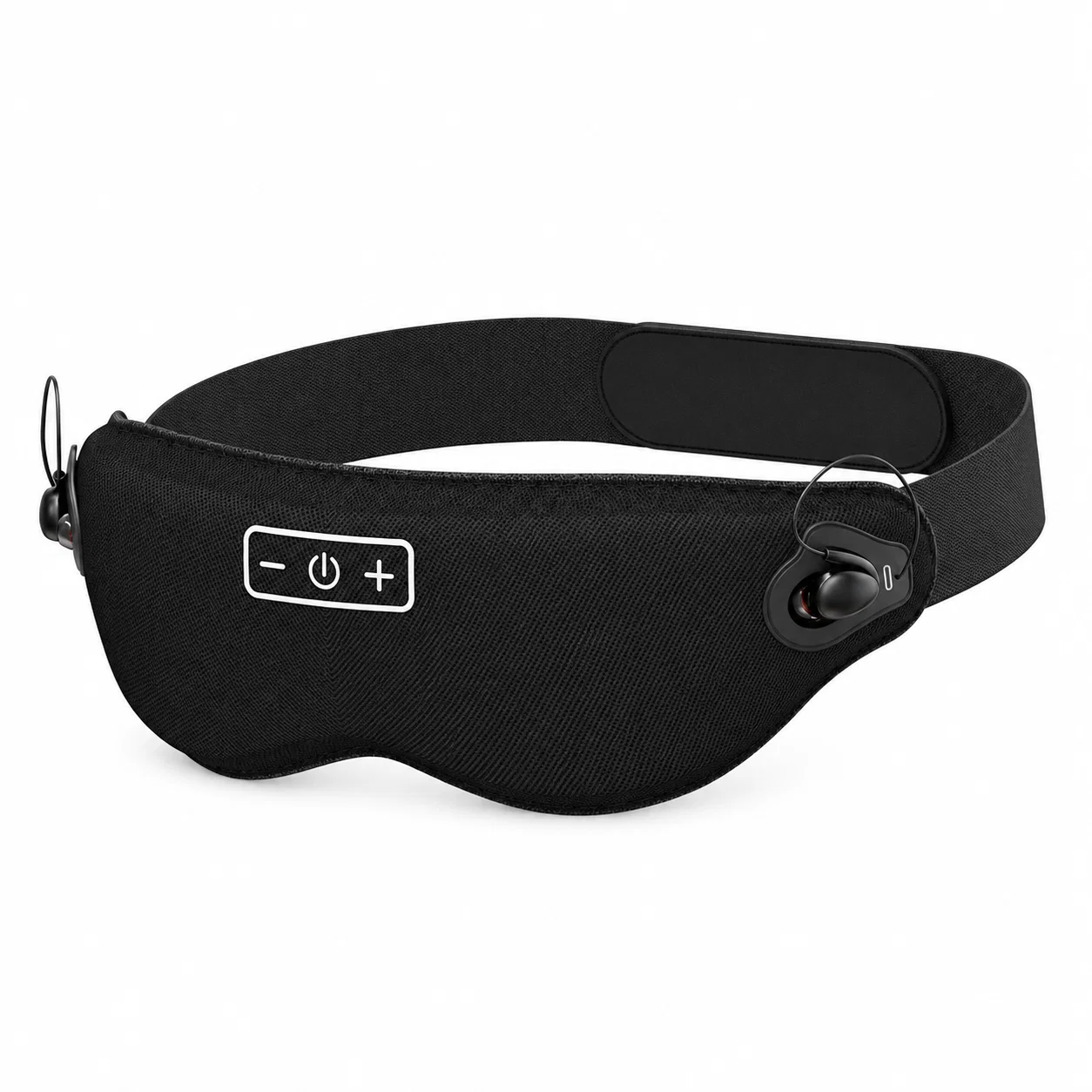
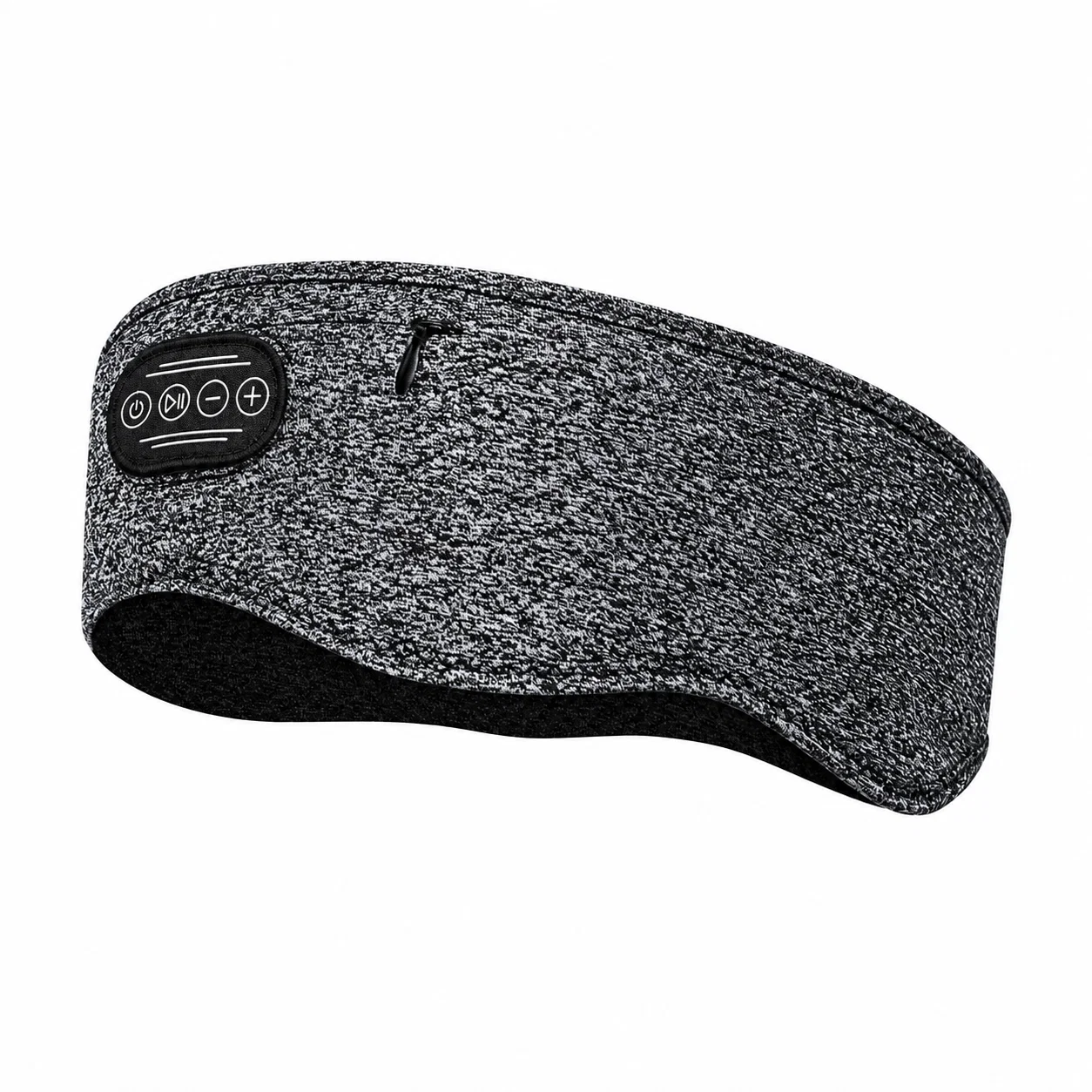
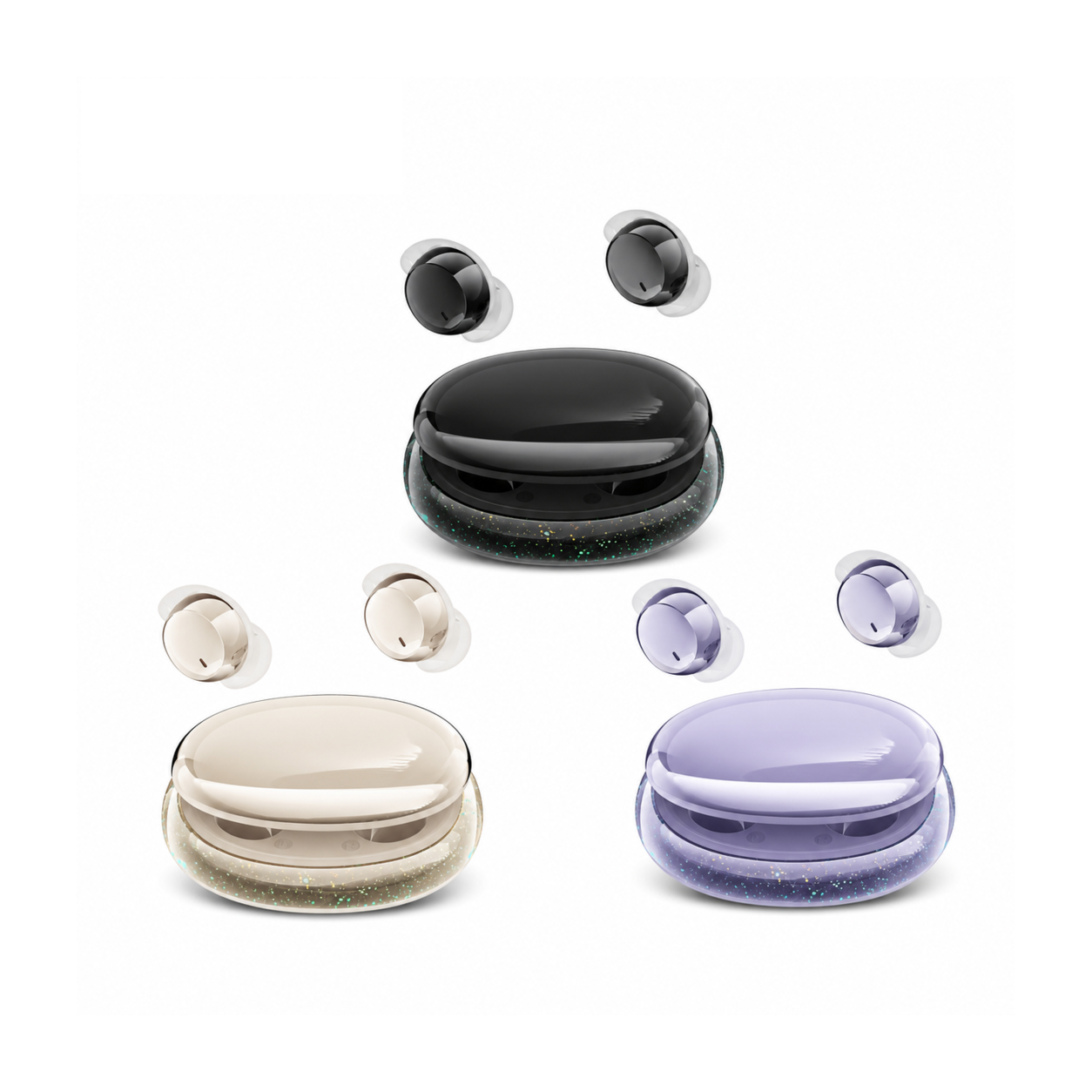
Flat, stemless earbuds for sleeping on your side, with a dynamic sleep-support mode and a starlight glow charging case. See the three colors at EARSOLE.
Transitioning toward miniature, pressure-free listening devices during evening hours provides gentle auditory respite without sacrificing sonic clarity. Low-profile designs relieve external ear pressure, allowing listeners to unwind with soothing acoustic soundscapes while concha tissues and temporal nerves fully relax before the next day’s critical listening evaluations.
Practical Verification Checklist for High-Fidelity Headphone Tuning
Evaluating high-fidelity audio gear requires methodical testing focused on audible acoustic parameters. First, verify raw frequency response adherence against established target curves on calibrated measurement couplers before obsessing over total harmonic distortion ratings. Second, examine distortion plots specifically for elevated fifth-order and seventh-order harmonics above one kilohertz rather than benign low-frequency second-harmonic warmth.
Finally, utilize subtle parametric equalization filters to smooth out broad frequency response peaks while preserving source amplifier dynamic headroom. Listening evaluations conducted with high-resolution reference recordings confirm whether frequency corrections translate into natural instrument timbre and effortless acoustic depth. Methodical tuning prioritizing frequency linearity ensures consistent audiophile reproduction without unnecessary hardware replacement.
Frequently Asked Questions
Can human ears perceive the difference between 0.1% and 0.01% total harmonic distortion in headphones?
Controlled psychoacoustic studies consistently confirm that human listeners cannot detect harmonic distortion differences below zero point one percent under complex musical listening conditions due to cochlear masking.
Why do planar magnetic headphones maintain lower bass distortion than dynamic driver headphones?
Planar magnetic drivers distribute electromagnetic driving force evenly across an entire ultra-thin planar diaphragm, preventing the uneven mechanical cone breakup and turbulent air turbulence common to conventional high-excursion dynamic domes.