


Yes—wired headphone support is a standard feature on digital pianos and portable electronic keyboards, allowing you to mute the onboard speakers for private practice while leaving only the unavoidable mechanical thumping of the key action in the room. To get clear volume directly from a keyboard headphone jack without an external amplifier, look for wired over-ear headphones in the 32–65 Ohm impedance range rather than 250-Ohm studio models that require dedicated amplification. And while many modern digital pianos advertise onboard Bluetooth, that wireless connection is designed for streaming backing music into the piano speakers or transmitting Bluetooth MIDI—not for real-time headphone monitoring, where Bluetooth audio delay makes synchronizing finger strikes with notes feel disconnected.
How Silent Practice Works on a Digital Piano (And What Still Makes Noise)
When beginners or apartment players shop for a keyboard setup, their first question is usually whether connecting headphones completely silences the instrument for roommates and neighbors.
In an r/piano discussion on using keyboards with headphones, players explain how silent practice works in real rooms:
- Commenter
Coel_Hennotes that all of the digital pianos they have seen support wired headphones as a standard feature, and that one of the advantages of a digital piano is that you can silence it beyond the thumping of the key action, which varies in annoyance level from piano to piano and is unavoidable. - Because weighted keys rely on physical hammers and keybeds, muting the electronic speakers stops the musical notes from filling the room, but the physical impact of fingers striking keys still travels through floors and desks.
When you set up a practice corner in a shared apartment or late-night bedroom, separating electronic speaker sound from mechanical keybed noise helps you plan realistic expectations before you sit down to play.
| Practice Noise or Signal Path | What Happens When Headphones Are Plugged In | Practical Impact in a Shared Room |
|---|---|---|
| Onboard Digital Piano Speakers | Musical note playback routes to the wired headphones instead of the room speakers | Eliminates amplified piano notes for family members and neighbors |
| Mechanical Key-Action Thumping | Physical keybed and hammer movement remains audible in the room | Varies in annoyance level from piano to piano and is unavoidable when striking keys |
| Closed-Back Over-Ear Headphones | Sealed earcups block outside room chatter and reduce headphone sound leakage | Provides better isolation for noisy environments and shared living spaces |
| Open-Back Over-Ear Headphones | Vented earcups allow air and sound to pass through the outer shell | Offers a natural sound for home use but leaks noise into the surrounding room |
Why Digital Pianos Require Wired Headphones Instead of Bluetooth Output
A common point of confusion for players who already own wireless earbuds or Bluetooth over-ear headphones is why they cannot pair their headset directly to a digital piano for cord-free practice.
In the same r/piano thread on keyboard Bluetooth and headphone jacks, commenters break down both the hardware routing and the timing physics behind this limitation:
Coel_Henexplains that they do not know of any digital pianos that support Bluetooth headphones or earbuds; generally, Bluetooth on pianos is for playing music through its speakers and jamming along with it, or it is Bluetooth MIDI.- Commenter
broisatseexplains why wireless audio fails for live instrument monitoring: “Bluetooth causes a relatively long delay - it is short enough not to disturb watching movies or playing games, but if you are to synchronize it with your playing you will feel a bit like yo’re playing old pneumatic church organs.”
When you watch a movie or stream a video on a phone or laptop, the media player can delay the video feed by a fraction of a second so speech appears synchronized with your wireless earbuds—a topic we cover in our guide to earbud audio delay and video sync. On a digital piano, however, your fingers strike the keys in real time, so there is no way for the instrument to predict your next note and compensate for wireless encoding latency.
Using Dual-Mode Wireless and 3.5 mm Wired Headphones at the Piano
If you want one pair of over-ear headphones that works wirelessly with your phone on your commute and plugs into a stereo cable at home, a dual-mode headset bridges both setups without buying a dedicated studio-only pair:
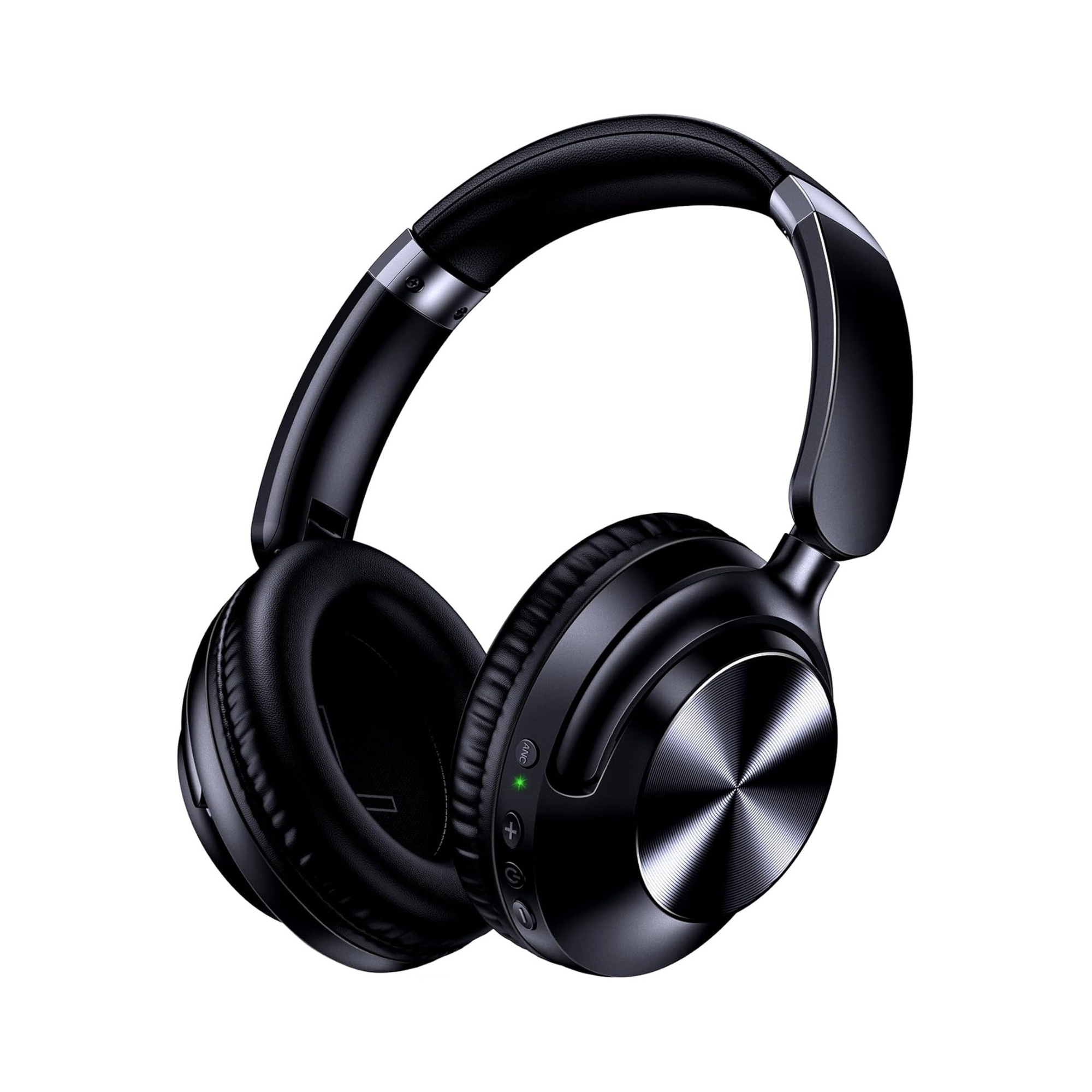
- EARSOLE Noise Cancelling Over-Ear Headphones, Wireless & Wired – Series 127: According to the EARSOLE Series 127 product listing, these over-ear headphones let you seamlessly switch between wireless Bluetooth connectivity and a 3.5 mm AUX wired connection using the included 47.2-inch audio cable. The listing also specifies ultra-soft protein leather ear cups for a cushioned feel during long listening sessions, ear cups that rotate up to 105 degrees, an adjustable headband, Active Noise Cancellation, and an included travel pouch.
The EARSOLE Series 127 product listing does not state an Ohm impedance rating, and its marketing figures for battery life and noise-reduction percentage have not been independently bench-tested. When connecting any 3.5 mm AUX cable to a digital piano, check whether your keyboard uses a standard 3.5 mm (1/8-inch) mini stereo jack or a larger 6.35 mm (1/4-inch) stereo phone jack so you can add a passive plug adapter if your instrument requires the larger socket.
Choosing Impedance (32–65 Ohms) and Open-Back vs Closed-Back Earcups
Even with a wired cable, headphone specifications affect how loud and natural your digital piano sounds during long practice sessions.
According to Cooper Piano’s guide to headphones for digital pianos, players should focus on sound accuracy, comfort, and open-back versus closed-back design, and look for over-ear headphones with 32–65 Ohms impedance for maximum comfort and compatibility during long sessions. Cooper Piano notes two key hardware trade-offs to keep in mind when comparing models:
- Impedance matching (32–65 Ohms vs 250 Ohms): Headphones in the 32–65 Ohm range work directly with standard digital piano headphone outputs, whereas 250-Ohm studio headphones require a headphone amp or a digital piano with sufficient output for best performance.
- Open-back vs closed-back earcups: Cooper Piano explains that open-back headphones offer a natural sound for home use but leak noise, while closed-back models provide better isolation for noisy environments.
For a deeper look at how vented and sealed earcup shells change acoustic isolation across everyday listening scenarios, read our comparison of open-back vs closed-back headphones.
| Headphone Specification | Recommended Choice for Quiet Shared Rooms | Recommended Choice for Solo Quiet Rooms | Why It Matters at the Keyboard |
|---|---|---|---|
| Impedance Rating | 32–65 Ohms | 32–65 Ohms (or 250 Ohms with a headphone amp) | 32–65 Ohm models run directly from digital piano outputs without needing a separate amplifier |
| Earcup Acoustic Design | Closed-back over-ear | Open-back over-ear | Closed-back isolates noisy environments and contains sound; open-back offers a natural soundstage but leaks noise |
| Connection Mode | Wired 3.5 mm AUX or 1/4-inch stereo cable | Wired 3.5 mm AUX or 1/4-inch stereo cable | Avoids the Bluetooth delay that makes synchronizing finger strikes feel like playing old pneumatic church organs |
| Dual-Mode Option | EARSOLE Series 127 Over-Ear Headphones (3.5 mm AUX wired + Bluetooth) | EARSOLE Series 127 Over-Ear Headphones (3.5 mm AUX wired + Bluetooth) | Switches between Bluetooth for everyday devices and an included 47.2-inch 3.5 mm audio cable for wired listening |
Frequently Asked Questions About Playing Piano With Headphones
Can you play piano through headphones?
Yes—as commenters in r/piano thread vwun6q note, wired headphone support is standard on digital pianos, allowing you to silence the instrument’s speakers beyond the unavoidable physical thumping of the key action. For best results without an external amplifier, Cooper Piano recommends over-ear wired headphones with 32–65 Ohms impedance, or you can use dual-mode headphones like the EARSOLE Series 127 in wired mode via its included 47.2-inch 3.5 mm AUX cable.
Is there a piano that sound plays through headphones?
Yes—digital pianos and portable electronic keyboards route their sound through wired headphones as a standard feature, while onboard Bluetooth on digital pianos is intended for streaming music through the piano’s speakers or Bluetooth MIDI rather than wireless headphones because Bluetooth audio delay disrupts real-time playing synchronization. Depending on your practice space, Cooper Piano notes that closed-back over-ear headphones provide better isolation for noisy environments, whereas open-back headphones offer a natural sound but leak noise.
