


If you are wondering what is an aux cord, Teufel’s amplifier connection guide explains that AUX (short for the English word auxiliary) interfaces are analog audio inputs or outputs to which you can connect playback or recording devices of your choice, such as a smartphone, an MP3 player, a CD player, or an old cassette deck. In cars and on portable headphones, Parkers’ aux-in explainer states that an aux-in socket (short for auxiliary-in) uses a circular 3.5 mm headphone jack—the same 3.5 mm connector seen on virtually any set of wired headphones—to add an extra audio source alongside radio or Bluetooth.
Key Takeaways
- Analog auxiliary path: According to Teufel, AUX connections are analog audio inputs or outputs—most commonly RCA sockets on home amplifiers or 3.5 mm mini-jack connections—and analog devices cannot connect directly to digital coaxial or TOSLINK optical inputs.
- Car stereo 3.5 mm sockets: According to Parkers, circular 3.5 mm aux-in sockets started becoming common in cars around 2005 (especially on cars five to 15 years old), require a male-to-male aux cable, and are less common on newer vehicles that use USB-C, wireless connectivity, Apple CarPlay, and Android Auto.
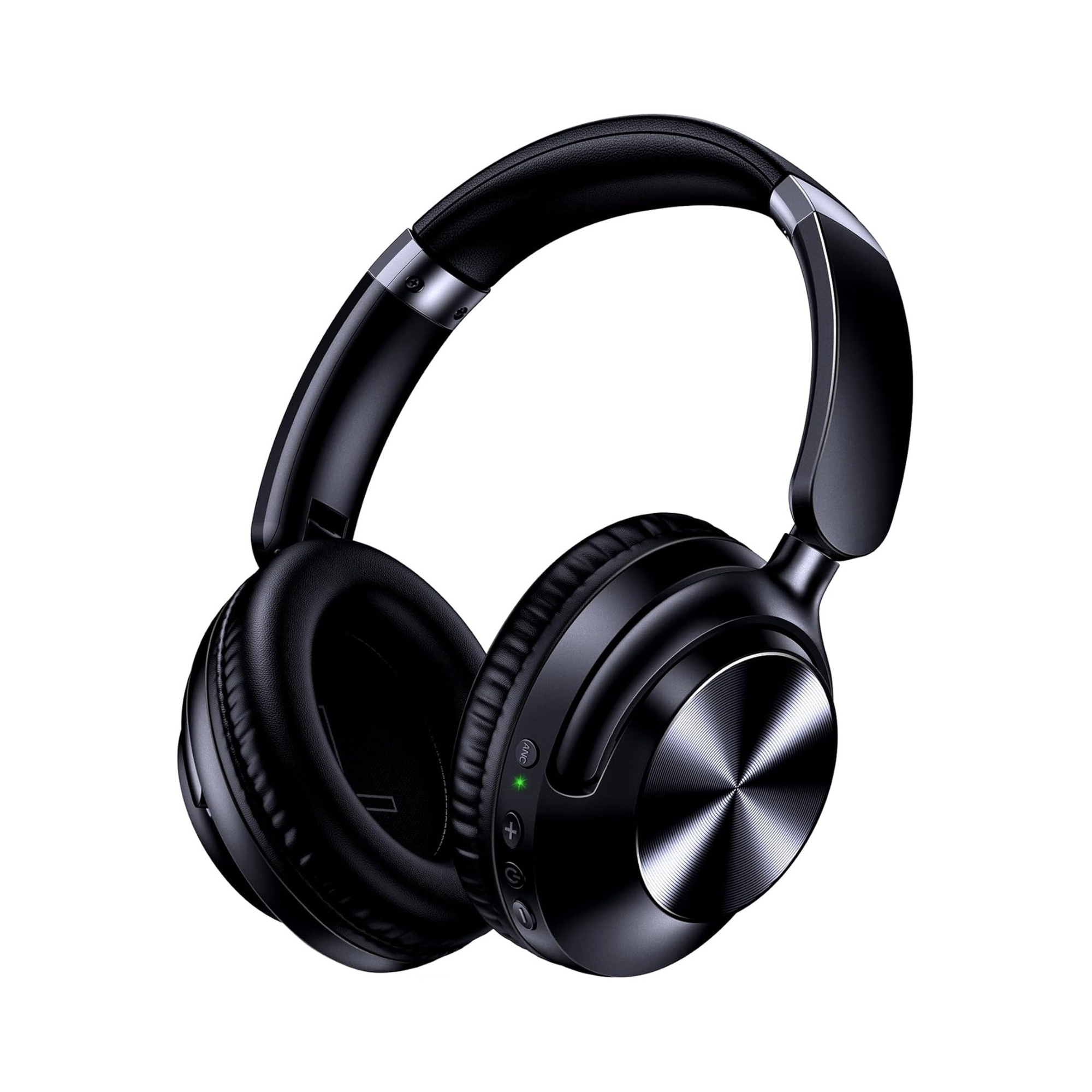
- Dual-mode 3.5 mm AUX headphones: According to the EARSOLE Series 127 listing, the EARSOLE Noise Cancelling Over-Ear Headphones, Wireless & Wired – Series 127 switch between wireless Bluetooth connectivity and a 3.5 mm AUX wired connection using an included 47.2-inch audio cable.
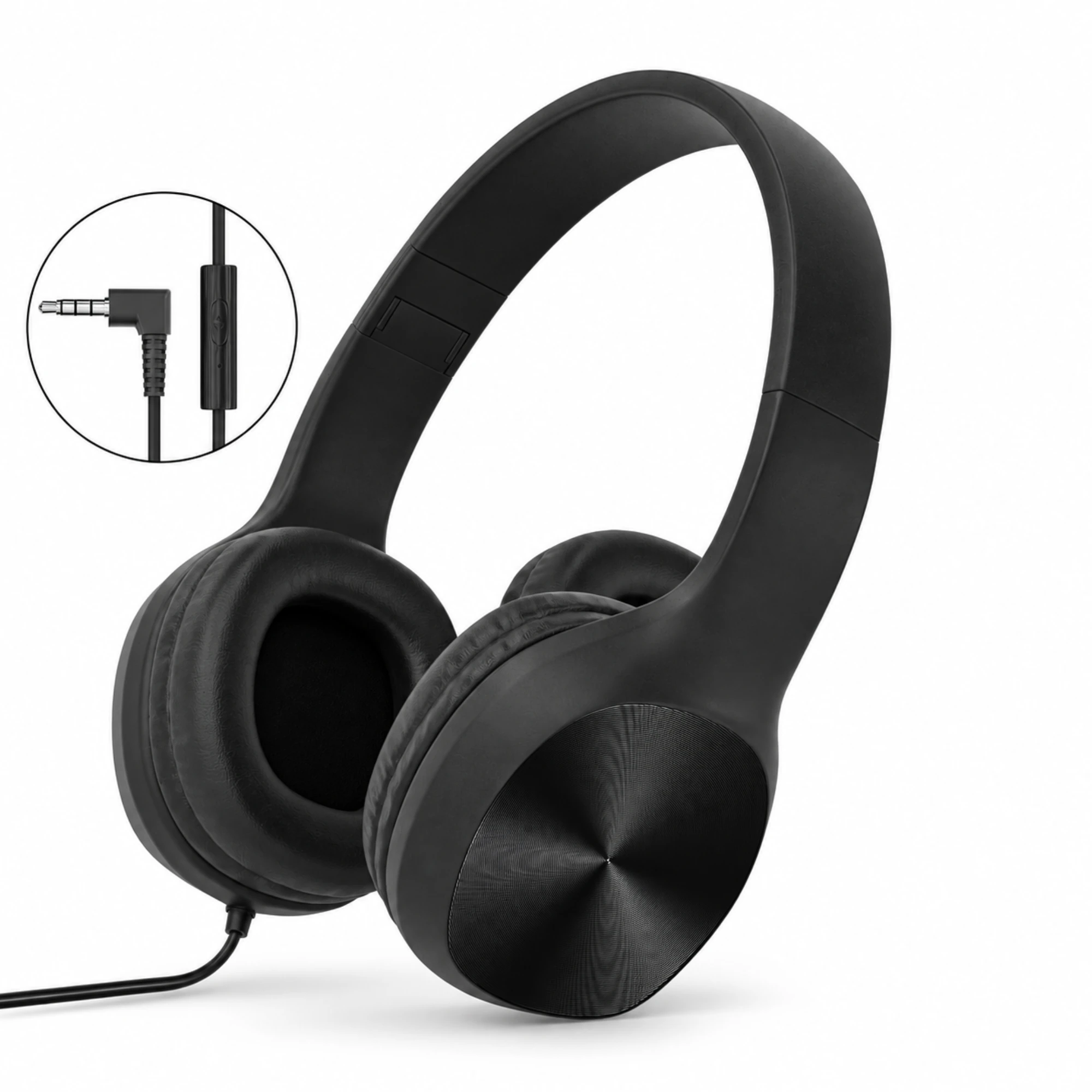
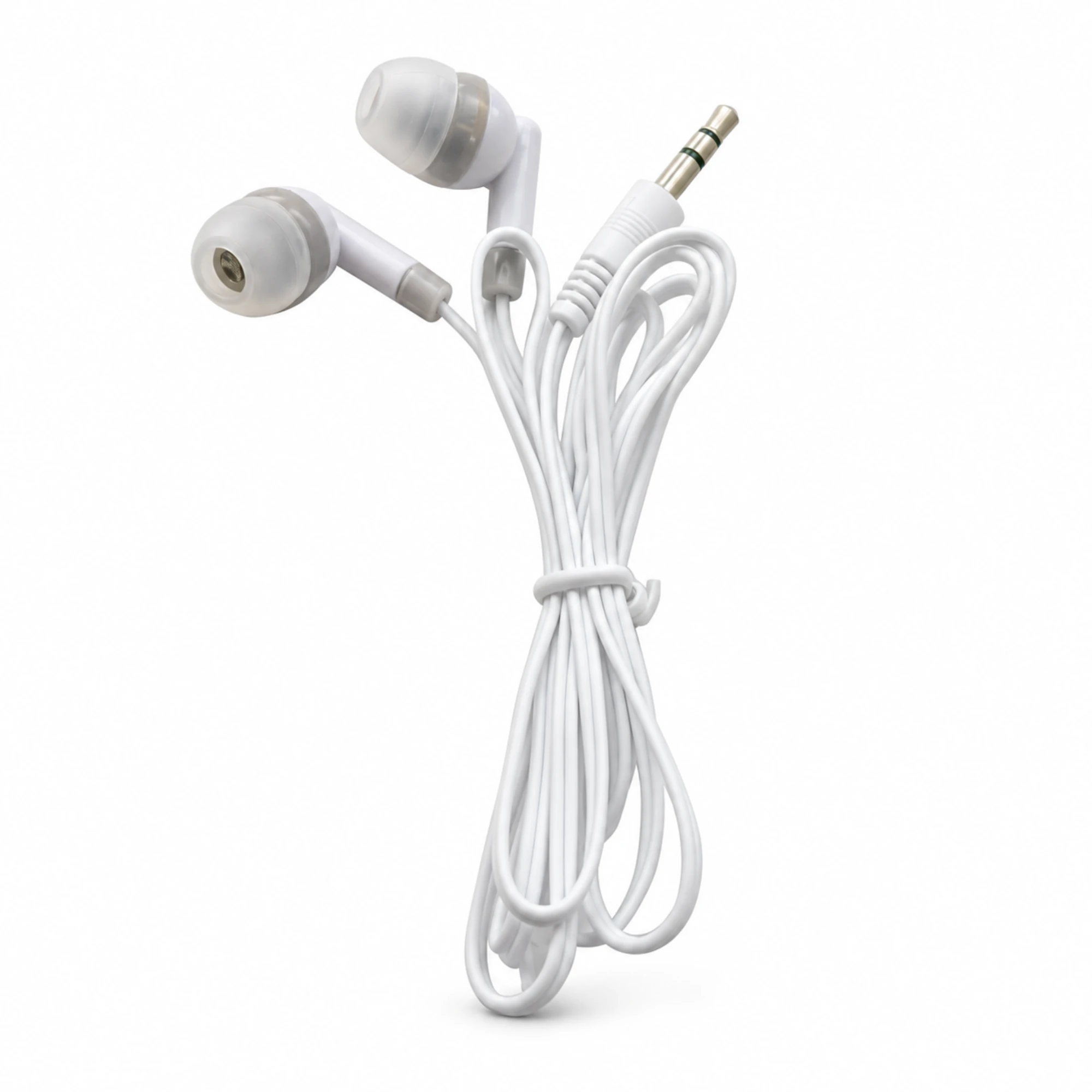
- Dedicated 3.5 mm plug shapes: According to EARSOLE catalog listings, the Black Wired Headphones with Inline Control use a right-angle 3.5 mm plug with an inline control, while the White 3.5 mm Wired Earbuds use a straight 3.5 mm plug with soft in-ear tips.
What an AUX Cord Actually Does (Analog vs Digital)
According to Teufel, AUX interfaces were among the very first audio interfaces and remain widespread as analog audio inputs or outputs for connecting external playback or recording devices. Because an AUX connection carries a pre-amplified high-level analog signal—the same electrical category as amplifier inputs labeled “Line In,” “CD,” or “Tuner”—Teufel notes that all of those high-level amplifier inputs function as AUX connections, with the sole exception of a low-level “phono” input meant for turntables without an integrated preamplifier.
According to Teufel, analog devices cannot be connected directly to digital audio inputs such as coaxial cables, TOSLINK optical ports, or HDMI, which only accept sources with a corresponding digital output like a game console or computer sound card. When you want to compare everyday wired listening against cordless convenience before picking a cable setup, see our guide on wired vs. wireless earbuds.
Types of AUX Cord and AUX Cord Sizes: 3.5 mm, RCA, Straight, and Right-Angle Plugs
Understanding the main types of aux cord and aux cord sizes comes down to matching the circular 3.5 mm mini-jack on portable gear with either another 3.5 mm socket or dual RCA jacks on a home receiver. According to Teufel, depending on the devices you are linking, an AUX connection uses either a 3.5 mm jack cable, an RCA cable, or an audio adapter cable between a 3.5 mm mini-jack and RCA, while modern smartphones without a headphone jack can use USB-to-jack adapters or Bluetooth transmitters.
| Connection / Product Type | Connector Format & Size | Signal Type & Primary Use | Source / Listing Attribution |
|---|---|---|---|
| Car & Portable Aux-In Cord | Circular 3.5 mm headphone jack socket with a male-to-male aux cable | Analog auxiliary-in connection for adding a phone, MP3 player, or iPod to a car stereo | Parkers aux-in guide |
| Home Amplifier AUX & Adapter Cable | RCA sockets, 3.5 mm mini-jack, or mini-jack-to-RCA adapter cable | High-level analog input or output for smartphones, MP3 players, CD players, active speakers, or cassette decks | Teufel AUX guide |
| Digital Audio Inputs (Non-AUX) | Digital coaxial, TOSLINK optical, or HDMI connectors | Digital-only audio inputs for game consoles or computer sound cards; incompatible with direct analog AUX sources | Teufel AUX guide |
| EARSOLE Series 127 Over-Ear Headphones | Detachable 47.2-inch 3.5 mm AUX audio cable plus wireless Bluetooth | Dual-mode over-ear listening for home stereos, airplane entertainment systems, and up to 100 hours of wireless playtime | EARSOLE Series 127 merchant listing |
| Black Wired Headphones with Inline Control | Right-angle 3.5 mm plug with attached cable and inline control | Folding wired headphones with round earcups for devices with a compatible 3.5 mm output | EARSOLE Black Wired Headphones merchant listing |
| White 3.5 mm Wired Earbuds | Straight 3.5 mm plug with attached cable | Compact wired earbuds with soft in-ear tips for devices with a compatible headphone output | EARSOLE White 3.5 mm Wired Earbuds merchant listing |
When choosing between plug shapes on 3.5 mm headphones and earbuds, product listings specify whether the connector exits straight out of the jack or bends at a 90-degree angle. According to the EARSOLE listing for the Black Wired Headphones with Inline Control, the folding design includes round earcups, an inline control, and a right-angle 3.5 mm plug. According to the EARSOLE listing for the White 3.5 mm Wired Earbuds, the earbuds pair soft in-ear tips with a straight 3.5 mm plug for a simple cable connection to devices with a compatible headphone output.
Using an AUX Cord in Cars, Laptops, and Dual-Mode Headphones
According to Parkers, circular 3.5 mm aux-in sockets started becoming common in cars around 2005 when MP3 player sales took off, and are especially likely to appear on cars five to 15 years old. Parkers notes that the 3.5 mm socket is usually positioned next to the stereo buttons, on the center console, under the front center armrest, or inside the glovebox, and once you plug in a male-to-male aux cable you select “aux-in” on the car’s media menu or via the “Band” or “Tuner” button on older stereos.
According to Parkers, aux-in is seeing less use on newer cars because of USB-C, wireless connectivity, Apple CarPlay, and Android Auto, and if your car has an aux-in socket while your phone lacks a 3.5 mm port, you can use a cable with an aux-in jack at one end and a phone-compatible plug at the other.
For listeners who want both cordless commuting and a physical 3.5 mm cable for home stereos or airplane seatback screens, dual-mode headphones bridge both worlds. According to the EARSOLE listing for the EARSOLE Noise Cancelling Over-Ear Headphones, Wireless & Wired – Series 127, the headset switches between wireless Bluetooth connectivity and a 3.5 mm AUX wired connection using an included 47.2-inch audio cable, lists up to 100 hours of playtime on a single charge (plus 10 hours from a 5-minute charge), and features ear cups that rotate up to 105 degrees with an included travel pouch.
What We Checked and Limitations
To keep this guide grounded in verifiable documentation, we reviewed the amplifier and analog-versus-digital interface rules from Teufel’s editorial knowledge base, the automotive 3.5 mm aux-in specifications from Parkers, Google US People Also Ask questions for what is an aux cord, and the merchant catalog listings for EARSOLE’s 3.5 mm wired and dual-mode products. We did not electrically test cable impedance, crosstalk, wire gauge, or shielding across third-party AUX cords. In addition, car aux-in socket locations and availability depend on vehicle model year and trim level (and Parkers’ upgrade pricing examples reflect the UK market), while all EARSOLE product specifications come from merchant catalog descriptions rather than independent laboratory measurements.
Frequently Asked Questions
What does an AUX plug look like?
According to Parkers, a standard car or headphone aux-in connection uses a circular 3.5 mm jack socket—the same connector found on virtually any set of wired headphones—paired with a male-to-male 3.5 mm cable. According to Teufel, home audio amplifiers also commonly use RCA sockets for AUX inputs and outputs, which connect to a 3.5 mm mini-jack device through a mini-jack-to-RCA adapter cable.
Does AUX mean Bluetooth?
According to Teufel and Parkers, AUX (short for auxiliary or auxiliary-in) is a physical wired analog audio connection that uses a 3.5 mm jack or RCA cable rather than wireless Bluetooth radio transmission. However, according to the EARSOLE Series 127 listing, dual-mode headphones can support both wireless Bluetooth connectivity and a wired 3.5 mm AUX connection via an included 47.2-inch audio cable.
Where do I plug in an AUX cord?
According to Parkers, in a car with an aux-in feature you plug one end of a male-to-male 3.5 mm cable into the circular 3.5 mm socket located beside the stereo buttons, on the center console, under the front center armrest, or inside the glovebox, and the other end into your audio device before selecting aux-in on the stereo. According to Teufel, on a home amplifier you plug into the analog input labeled “AUX” (or an equivalent high-level analog input such as “Line In,” “CD,” or “Tuner”), never into a low-level turntable “phono” input or a digital coaxial or TOSLINK port.