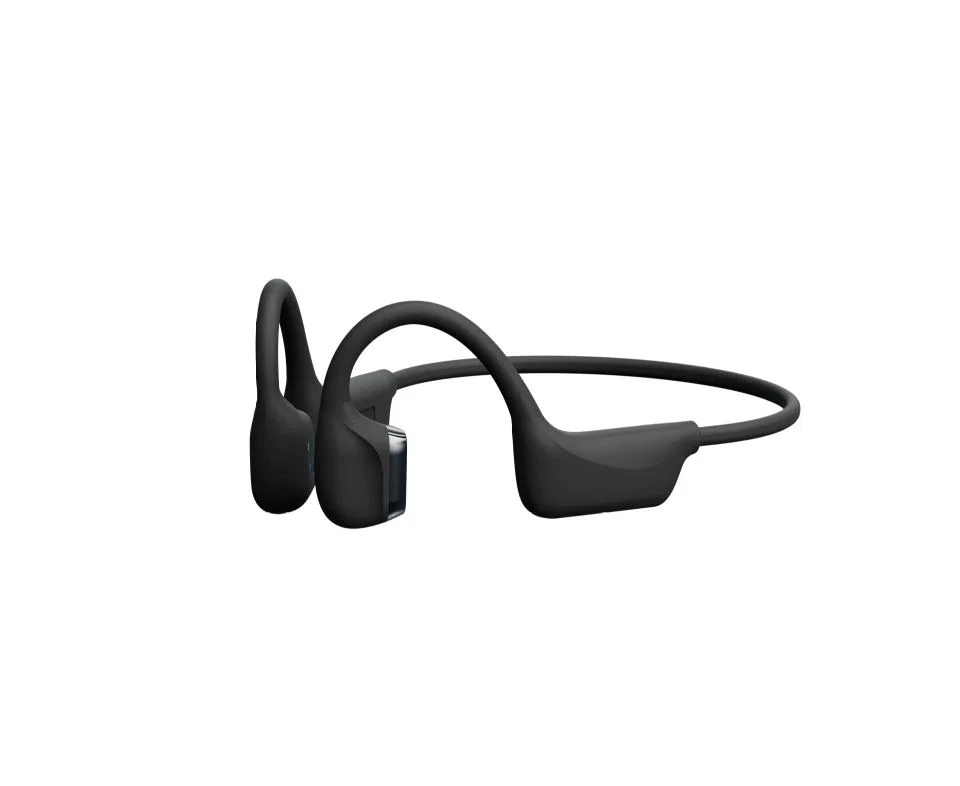
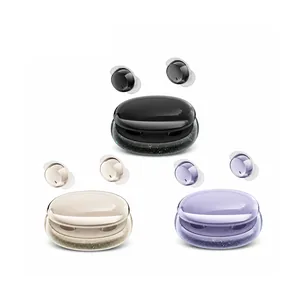


Every month in the United States, Google Ads search data records 6,600 searches for swimming headphones, 2,900 searches for waterproof earbuds for swimming, and 110 targeted searches for bluetooth waterproof earbuds for swimmers. Behind that specific search phrase is a very real pool-deck frustration: a headset pairs effortlessly with a phone or watch while you stand at the shallow-end wall, plays clearly through your first push-off, and then stutters or drops connection entirely halfway down a 25-meter lane.
Understanding why bluetooth waterproof earbuds for swimmers behave differently at the wall than they do mid-pool—and how wraparound rear-band frames compare between standard wireless and dual Bluetooth-plus-MP3 configurations—saves you from buying hardware that fights your workout structure. Below, we examine the 25-meter pool signal boundary reported by real lap swimmers, why spoken-word podcasts and ribbed or wraparound fit adjustments matter across weekly sessions, and how two models in the Earsole Swimming Headphones catalog—the T10 Orange-Band Swimming Headphones ($22.99) and the H60 Plus Rear-Band Wireless Headphones - Classic Black, MP3 Version ($39.99)—address different parts of a swimmer’s routine.
Why Waterproof Earbuds for Swimming Drop Bluetooth Signal on Flip Turns
In r/HeadphoneAdvice and r/Swimming, lap swimmers frequently ask why their waterproof bluetooth headphones for swimming cut out mid-length even when their phone is sitting right at the end of the lane. One swimmer in r/HeadphoneAdvice (post 1m52kmi) described using bone conduction swimming headphones with Bluetooth in a 25-meter pool: the headset worked well near the wall, began skipping halfway down the 25-meter lane, and lost connectivity altogether at the far turn, prompting them to ask whether tucking a phone in a waterproof pouch inside a swimsuit would solve the dropout.
Experienced swimmers in both communities point to the same underlying physics: Bluetooth relies on 2.4 GHz radio waves, and radio waves do not transmit well through water. As soon as the receiver on your head submerges during a streamline push-off, a flip turn, or even a small surface wave during side breathing, water blocks the wireless link between the phone and the headset. Because of this attenuation boundary:
- At the wall and above water: Bluetooth works reliably when your head is above the waterline—during pre-swim stretching on deck, rest intervals at the wall between repeat sets, or kickboard drills where your ears stay clear of the surface.
- During submerged turns and mid-pool glides: Once your head dips below the surface on a flip turn or travels 12 to 15 meters away from a deck-side phone with water splashing over the receiver, Bluetooth streaming stutters or disconnects. Swimmers in
r/Swimming(post1ioxkun) emphasize that reliable underwater playback requires music or audio files stored directly inside the headphones’ onboard MP3 memory rather than live wireless streaming.
If you want a broader look at ingress protection ratings across the category, see our foundational guide to waterproof headphones for swimming and our acoustic breakdown of how swimming headphones work.
Interval Streaming vs. Continuous Laps: Choosing Your Rear-Band Setup
Not every pool session looks the same, and how you structure your sets determines whether you need open ear swimming headphones with a wraparound band for deck intervals or mp3 swimming headphones for continuous lap sets. Swimmers in r/Swimming also share two practical observations from logging multiple sessions per week:
- Podcasts vs. music beats for stroke cadence: One swimmer in
r/Swimmingreported extending their lap distance from 1,000 meters to 2,000 meters by listening to spoken-word podcasts, noting that musical beats tended to disrupt their natural stroke tempo whereas podcasts kept long sets engaging without throwing off breathing timing. - Fit maintenance across 3 to 5 weekly sessions: Another swimmer training three to five times per week noted that standard wireless earbuds for swimming required frequent charging, occasionally snagged on gym bag straps or clothing, and needed to be swapped for ribbed ear tips to stay seated in the ear canal. Wraparound rear-band frames avoid relying solely on ear-canal friction by anchoring over the ears and behind the occipital curve of the skull.
| Feature / Catalog Detail | T10 Orange-Band Swimming Headphones | H60 Plus Rear-Band Wireless Headphones (Classic Black, MP3 Version) |
|---|---|---|
| Catalog Price | $22.99 | $39.99 |
| Frame & Form Factor | Wraparound band with orange rear band and long side housings | Wraparound rear-band wireless frame in classic black |
| Colorway & Controls | Black and orange finish with tactile side controls | Classic black finish in supplier’s selected Bluetooth and MP3 configuration |
| Catalog Category | Swimming Headphones | Swimming Headphones (mp3 sport headphones and rear-band workout earphones) |
| Verification & Scope Notes | Catalog record specifies physical wraparound shape, color, and side controls; independent waterproof depth ratings and onboard storage capacity are not listed. | Supplier-listed Bluetooth and MP3 configuration; water resistance, underwater operation, heart-rate monitoring, and step-counting functions have not been independently verified, and no health or fitness-measurement benefit is guaranteed. |
T10 Orange-Band Swimming Headphones: High-Visibility Wraparound Frame
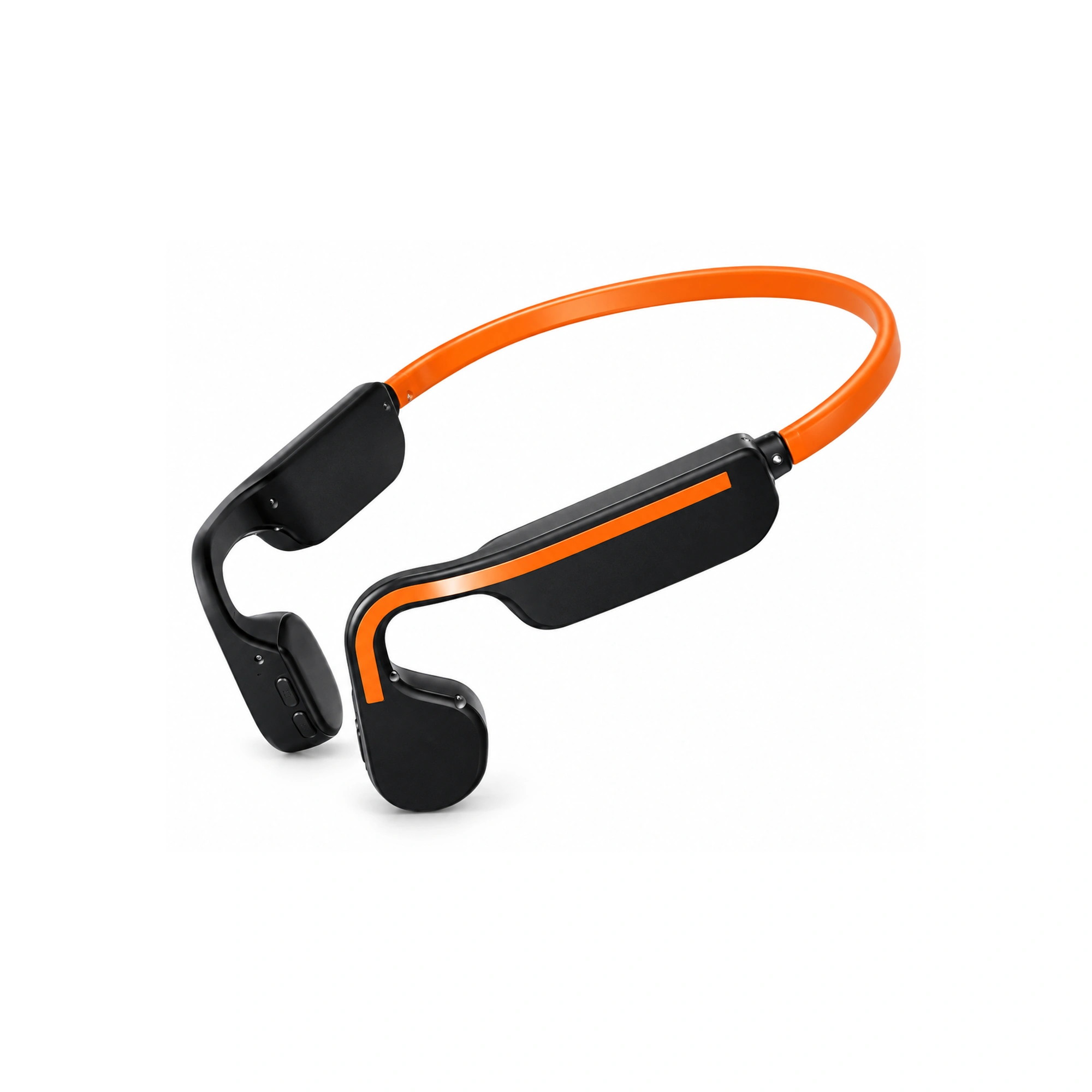
For swimmers and aquatic fitness athletes who prioritize a lightweight wraparound fit and high-contrast visibility on a busy pool deck, the T10 Orange-Band Swimming Headphones ($22.99) is cataloged in the Earsole Swimming Headphones collection with a wraparound band, an orange rear band, long side housings, and side controls in a black and orange finish.
Key structural traits from the catalog record include:
- Wraparound orange rear band: The flexible orange rear band loops behind the head rather than hanging loose like a cord, making it easy to spot in a mesh gear bag alongside paddles and pull buoys.
- Long side housings with side controls: Extended black side modules curve over the ears and place physical side controls within reach of your thumb or index finger when you pause at the lane line.
- Clear scope boundaries: The Earsole catalog record for the T10 Orange-Band Swimming Headphones documents its physical wraparound band, orange rear band, long side housings, and side controls in black and orange, without specifying an independent IP waterproof depth rating, battery runtime, or onboard MP3 storage capacity.
H60 Plus Rear-Band Wireless Headphones (MP3 Version): Dual Bluetooth & MP3 Configuration
When your training plan includes continuous 1,000-meter to 2,000-meter lap sets where Bluetooth radio waves would cut out on every flip turn, the Earsole catalog offers the H60 Plus Rear-Band Wireless Headphones - Classic Black, MP3 Version ($39.99). According to the catalog listing, this model provides classic-black H60 Plus rear-band headphones in the supplier’s selected Bluetooth and MP3 configuration for shoppers comparing swimming headphones, MP3 sport headphones, and rear-band workout earphones.
Why shoppers compare the H60 Plus Classic Black MP3 Version when looking for the best waterproof earbuds for swimming workflows:
- Supplier-selected Bluetooth and MP3 configuration: Having both wireless Bluetooth connectivity and an MP3 version in a single rear-band frame aligns with the exact workflow
r/Swimminglap swimmers recommend—using Bluetooth above water on the pool deck or during dryland warmups, and relying on onboard MP3 files when your head is in the water. For a deeper guide on organizing local audio files, read our dedicated article on swimming headphones with MP3 storage. - Important verification disclosure: As stated directly in the Earsole catalog listing for the H60 Plus Rear-Band Wireless Headphones - Classic Black, MP3 Version, water resistance, underwater operation, heart-rate monitoring, and step-counting functions have not been independently verified, and no health or fitness-measurement benefit is guaranteed.
Poolside Setup, Goggle-Strap Routing, and Cap Layering Tips
Whether you are using Bluetooth above water during rest intervals at the wall or running an onboard MP3 session down a 25-meter lane, small adjustments to how you wear and stage your gear prevent mid-set interruptions:
- Position your transmitting device at the rest wall, not the far turn: If you use Bluetooth mode between interval repeats or during stationary kick sets at the wall, keep your phone or smartwatch elevated on a dry kickboard or bench at the end of the lane where you take your rest intervals, rather than expecting 2.4 GHz Bluetooth to penetrate 25 meters of turbulent pool water.
- Seat the rear band before tightening double goggle straps: Put the wraparound rear band over your ears first, pull your swim cap down so the cap edge covers the upper ear-hook curve, and then split your rear goggle straps above and below the orange or black rear band so push-off drag does not tug the side housings out of place.
- Test spoken podcasts if music tempos throw off your catch: Just as
r/Swimminglap swimmers noted when moving from 1k to 2k workouts, switching from high-BPM music tracks to steady conversational podcasts or audiobooks lets you maintain a consistent stroke count per length without rushing your catch to match a song’s beat.
Frequently Asked Questions
Why do Bluetooth waterproof earbuds cut out during flip turns and underwater push-offs?
Swimmers in r/HeadphoneAdvice and r/Swimming report that Bluetooth relies on 2.4 GHz radio waves, which do not transmit well through water. In a 25-meter pool, Bluetooth headphones often start skipping halfway down the lane or lose connectivity as soon as the device submerges under water or surface waves, which is why swimmers rely on onboard MP3 storage for underwater laps and use Bluetooth above water.
Should lap swimmers choose an open-ear rear-band frame or an MP3 version for continuous pool sets?
It depends on your workout structure and budget. In the Earsole Swimming Headphones catalog, shoppers can compare the T10 Orange-Band Swimming Headphones ($22.99, featuring a wraparound band, orange rear band, long side housings, and side controls in black and orange) against the H60 Plus Rear-Band Wireless Headphones - Classic Black, MP3 Version ($39.99, cataloged in the supplier’s selected Bluetooth and MP3 configuration for shoppers comparing swimming headphones, MP3 sport headphones, and rear-band workout earphones). Note that for the T10, independent waterproof depth ratings and onboard storage capacity are not listed, and for the H60 Plus, water resistance, underwater operation, heart-rate monitoring, and step-counting functions have not been independently verified.
How do rear-band swimming headphones stay secure across weekly pool sessions?
Swimmers in r/Swimming who train three to five times per week note that standard in-ear buds can loosen in wet ear canals—sometimes requiring replacement ribbed tips—and can snag on gym bag straps. A wraparound rear-band frame like the T10 Orange-Band ($22.99) or H60 Plus Rear-Band ($39.99) loops behind the head with long side housings over the ears, and can be layered beneath the edge of a swim cap and split goggle straps for steadier positioning.