



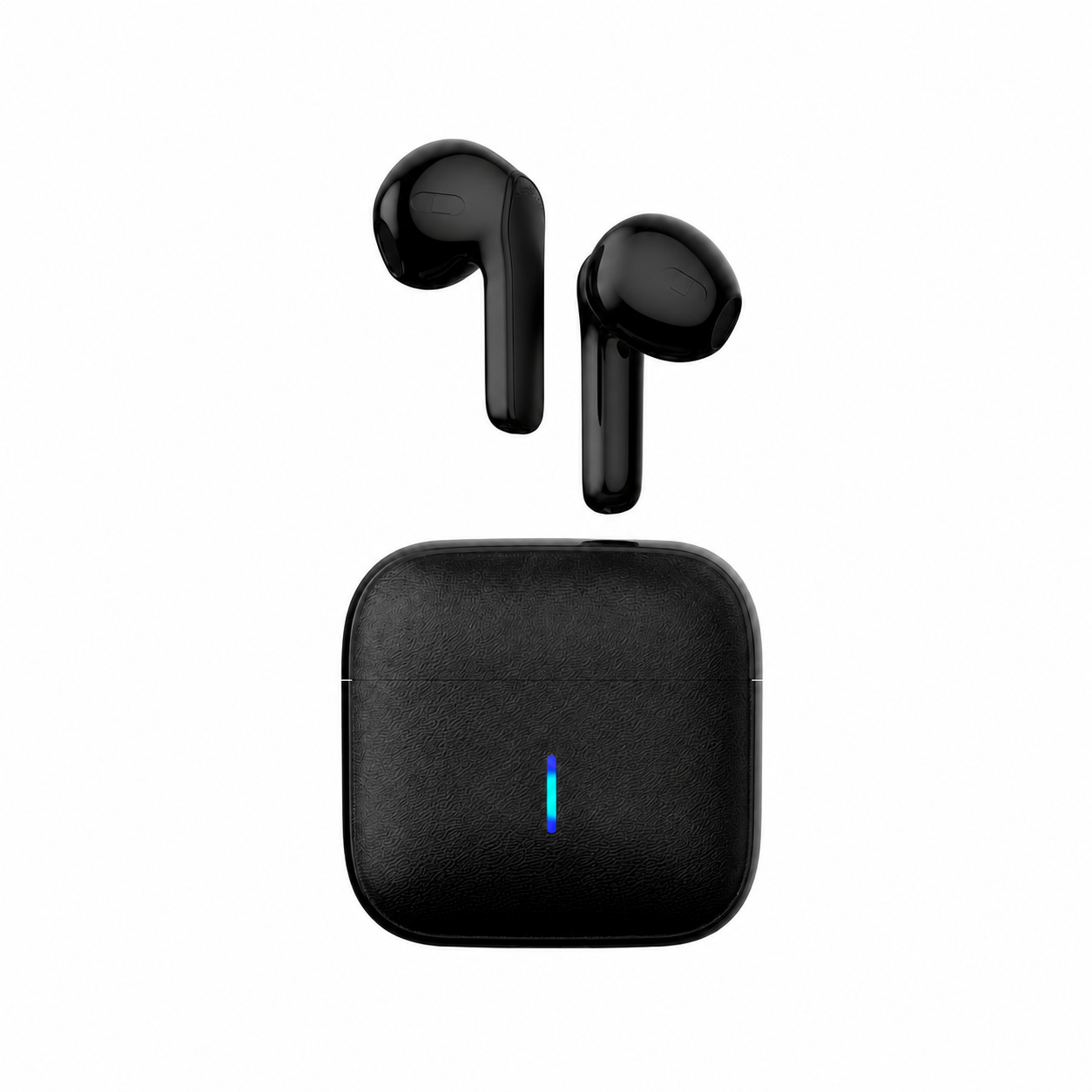
If you want to convert a headphone jack to USB, start with the direction: which end has the plug, and which end has the port? The phrase covers three different jobs, depending on what you are plugging into what.
The explanation below draws on Apple Support, Wikipedia’s USB-C article, Sabrent’s product page and two Reddit threads. EARSOLE has not tested any of these adapters.
Key takeaways
- Wikipedia says active adapters with a built-in DAC have near-universal support for devices that output digital and analog audio.
- Sabrent lists the connectors on its USB External Stereo 3D Sound Adapter as USB Type-A, a stereo output jack and a mono microphone-input jack.
- A Reddit reply said an adapter for USB-C headphones on a 3.5 mm socket would need to digitize the analog output and would need its own power.
Which job is yours?
| You have | You want to plug into | Where to look |
|---|---|---|
| 3.5 mm headphones | A USB-C phone or tablet | A USB-C to 3.5 mm adapter |
| 3.5 mm headphones or a headset | A computer’s USB-A port | A USB sound adapter |
| USB-C headphones | A 3.5 mm jack | The last section of this guide |
3.5 mm headphones into a USB-C phone or tablet
Apple Support says its USB-C to 3.5 mm Headphone Jack Adapter lets you connect 3.5 mm headphones and other audio devices to a USB-C port. Apple’s instructions are to plug the adapter into the USB-C port on your device and plug the other end into your headphones.
Wikipedia says there are two modes of audio output from devices: digital and analog. It also says there are mainly two kinds of USB-C audio adapter: active ones with digital-to-analog converters (DACs), and passive ones without electronics. According to Wikipedia, active adapters with a built-in DAC have near-universal support for devices that output digital and analog audio. Wikipedia says passive adapters are only compatible with devices that output analog audio.
So if an adapter does nothing on your phone, check whether it is a passive one before blaming the headphones. In a Reddit thread about a USB-C to 3.5 mm adapter that did not work on a phone, one commenter concluded: “so you need usb c earphone with built-in dac I believe”.
3.5 mm headphones or a headset into a computer’s USB port
A computer’s USB-A port calls for a different kind of adapter: a USB sound adapter. Sabrent lists the connectors on its USB External Stereo 3D Sound Adapter as USB Type-A, a stereo output jack and a mono microphone-input jack. Sabrent says the adapter is compliant with USB Audio Device Class Specification 1.0 and driverless for Windows, Linux and Mac OS X. It also says the adapter is USB bus-powered, with no external power required.
If your headset has one plug for both sound and microphone, read our guide to connecting a PC headset before you buy.
USB-C headphones into a 3.5 mm jack
This is the hard direction. One Reddit user with USB-C headphones said they could find lots of adapters for the reverse situation, but nothing with a female USB-C port leading to a male 3.5 mm plug.
Replies in that thread explained why. One said USB-C headphones take digital input and do all the digital-to-analog conversion inside the headphones, so it makes no sense to plug them into a 3.5 mm port, which is analog. Another said such an adapter would need to digitize the analog output from the 3.5 mm socket and would require (battery) power, since the 3.5 mm output does not provide power. That reply suggested getting headphones that plug into the 3.5 mm port instead. For a PC, a third reply suggested a female USB-C to USB-A adapter and said it should work.
Why does my USB-C to 3.5 mm adapter not work on my phone?
Wikipedia says passive adapters are only compatible with devices that output analog audio. It says active adapters with a built-in DAC have near-universal support for devices that output digital and analog audio. Check which kind you have before assuming the phone or the headphones are faulty.
Is there an adapter to plug USB-C headphones into a 3.5 mm jack?
One Reddit reply said such an adapter would need to digitize the analog output and would need its own power, because the 3.5 mm output does not provide power. If the headphones are for a PC, another reply suggested a female USB-C to USB-A adapter.
