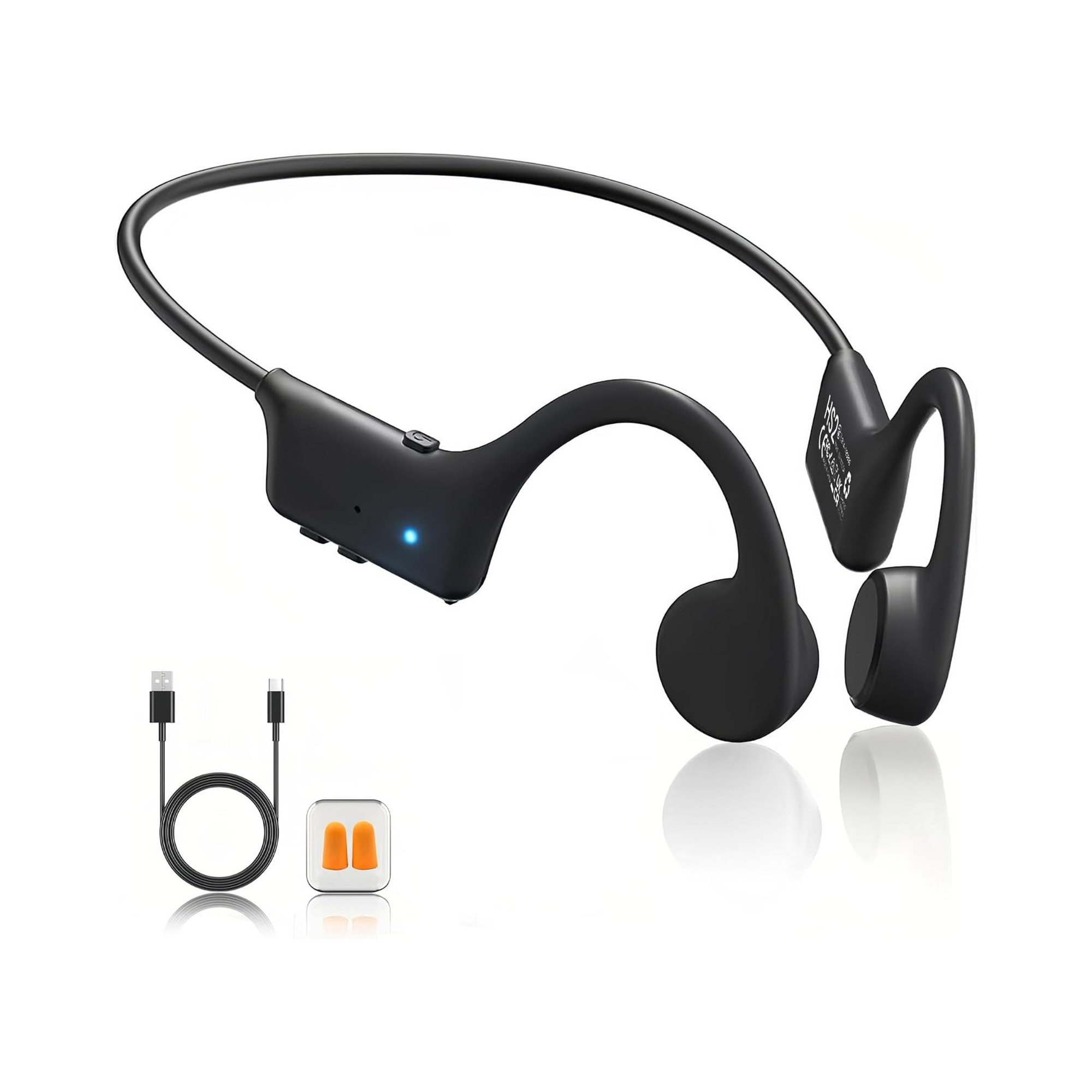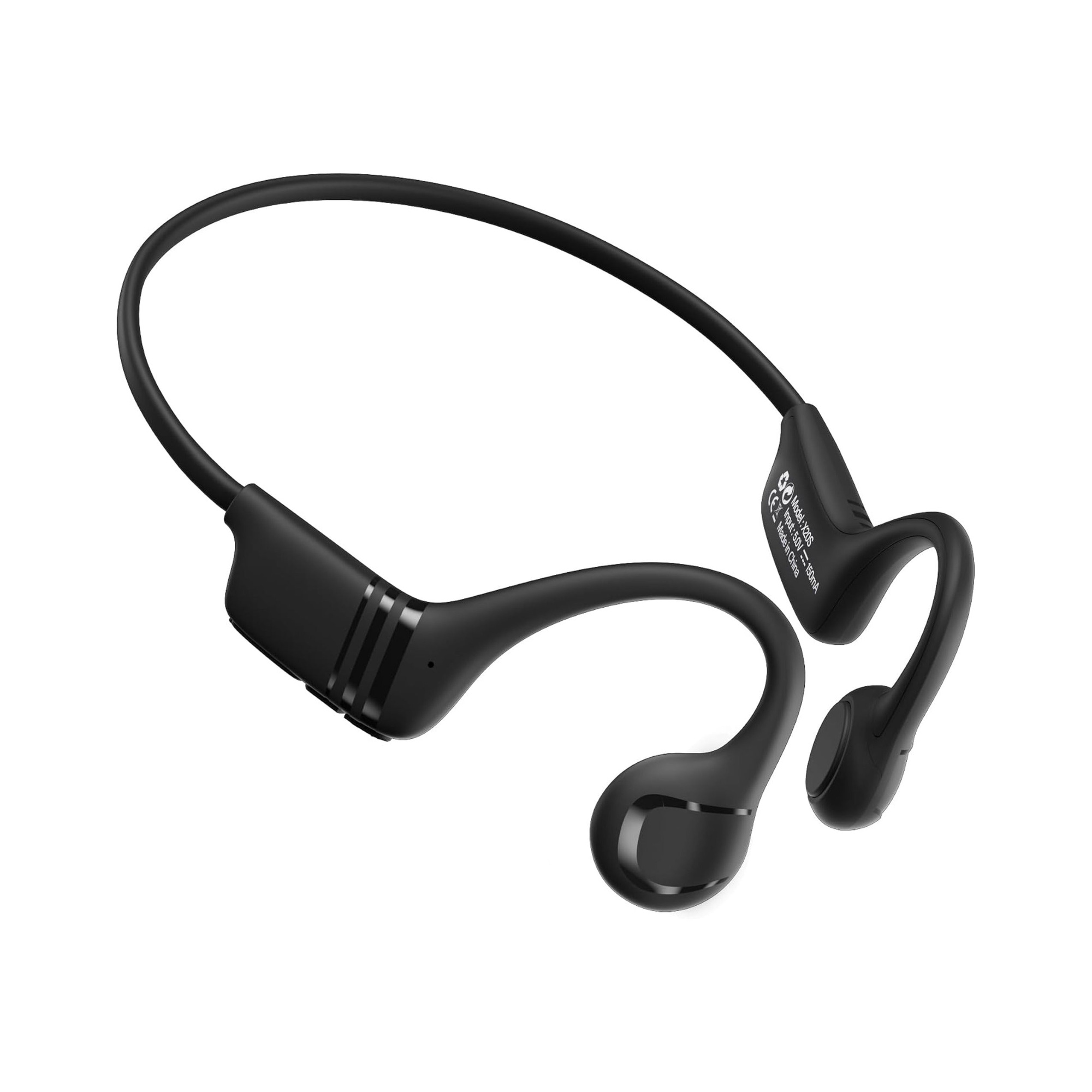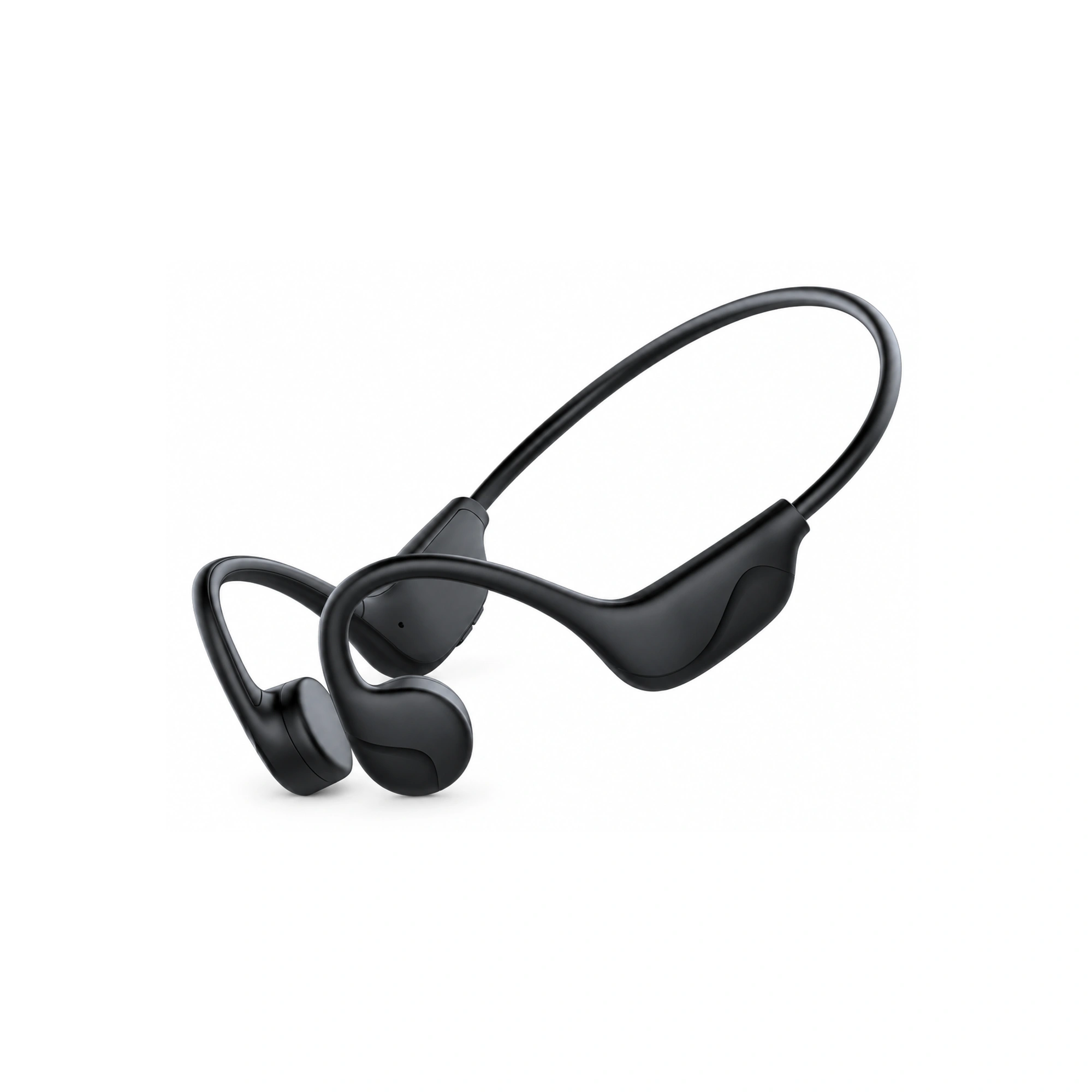


Hybrid Bone Conduction IEM Designs That Pair Dynamic Woofers With Contact Drivers
High-end personal audio engineering is increasingly exploring dual-pathway acoustic reproduction to overcome the physical limits of traditional in-ear monitors. By uniting conventional dynamic diaphragms with solid-state contact transducers, hybrid bone conduction IEM designs deliver both tactile visceral vibration and open acoustic air delivery. This architecture bypasses standard sound pressure limitations, transmitting deepest sub-bass impacts directly through cranial bone structures while preserving delicate high-frequency micro-details.
Rather than relying purely on high sound pressure levels that trigger listener fatigue and eardrum strain, contact drivers mechanicalize low frequencies into physical sensations. The skull conducts acoustic vibrations directly into the cochlea fluid, allowing bass lines to register with physical weight without drowning out vocal clarity. Combining these tactile drivers with conventional acoustic nozzles bridges the gap between massive floor-standing subwoofers and miniature in-ear acoustic shells.
Dual-Path Acoustic Transmission: Air Velocity Versus Mechanical Vibration
Acoustic engineers exploit two distinct auditory pathways in hybrid monitor designs: tympanic air conduction and mechanical bone conduction. The dynamic driver generates acoustic air pressure waves directed through the sound bore into the ear canal, activating the tympanic membrane across mid and high frequencies. Simultaneously, an internal piezoelectric or electromagnetic contact driver presses firmly against the cavum conchae wall, vibrating the temporal bone to stimulate the inner ear directly.
Advanced acoustic crossovers cleanly divide these mechanical roles to eliminate phase smearing between air and bone conduction waves. Sub-bass notes below 120 Hz are routed through both paths simultaneously, creating a physical kick-drum impact that feels tactile rather than purely acoustic. Midrange frequencies remain anchored to the air-conduction bore, ensuring that human vocals and acoustic instruments retain pinpoint stereo localization without artificial phase blurring.
| Transducer Configuration | Frequency Band | Mechanical Pathway | Contact Surface | Isolation Rating |
|---|---|---|---|---|
| Piezoelectric Bone Driver | 20 Hz to 200 Hz | Temporal Bone Contact | Custom Resin Concha Shell | 22 dB to 26 dB |
| 12mm Dynamic Woofer | 40 Hz to 2.5 kHz | Air Conduction (Ear Canal) | Metal Acoustic Sound Bore | 20 dB to 24 dB |
| Dual Balanced Armatures | 2.5 kHz to 18 kHz | Air Conduction (Direct Bore) | Integrated Nozzle Damper | 24 dB to 28 dB |
| Magnetostrictive Actuator | 15 Hz to 150 Hz | Mastoid Cartilage Wave | Ergonomic Silicone Pad | 18 dB to 22 dB |
Shell Fit Requirements and Acoustic Contact Pressure Optimization
Energy transfer efficiency in contact-based audio systems depends directly on mechanical impedance matching between the monitor housing and facial cartilage. If the earphone shell hovers loosely without firm concha contact, the bone-conducted vibrational energy dissipates harmlessly into ambient air. Custom resin shells molded with high-precision SLA printers maximize skin contact surface area, maintaining consistent mechanical pressure across the antitragus and antihelix contours.
Furthermore, tip selection plays a critical role in establishing the acoustic back-pressure necessary for hybrid transducer harmony. Dense silicone or memory foam tips form an airtight ear canal seal that preserves sub-bass pressure, preventing destructive phase interference between air-delivered sound and skull-conducted vibrations. When properly seated, the hybrid assembly generates a cohesive 360-degree soundstage with unparalleled depth and zero acoustic feedback.
Driver Decoupling, Cartilage Pressure, and Bedtime Ear Recovery
Inside the monitor enclosure, tactile contact transducers must be mechanically isolated from delicate high-frequency balanced armatures using viscoelastic silicone gaskets. Without internal decoupling collars, forceful low-frequency motor vibrations would resonate throughout the acrylic shell, causing metallic ringing across sensitive high-frequency driver armatures. Damping these parasitic resonances preserves pristine treble transparency alongside bone-shaking low-end dynamics.
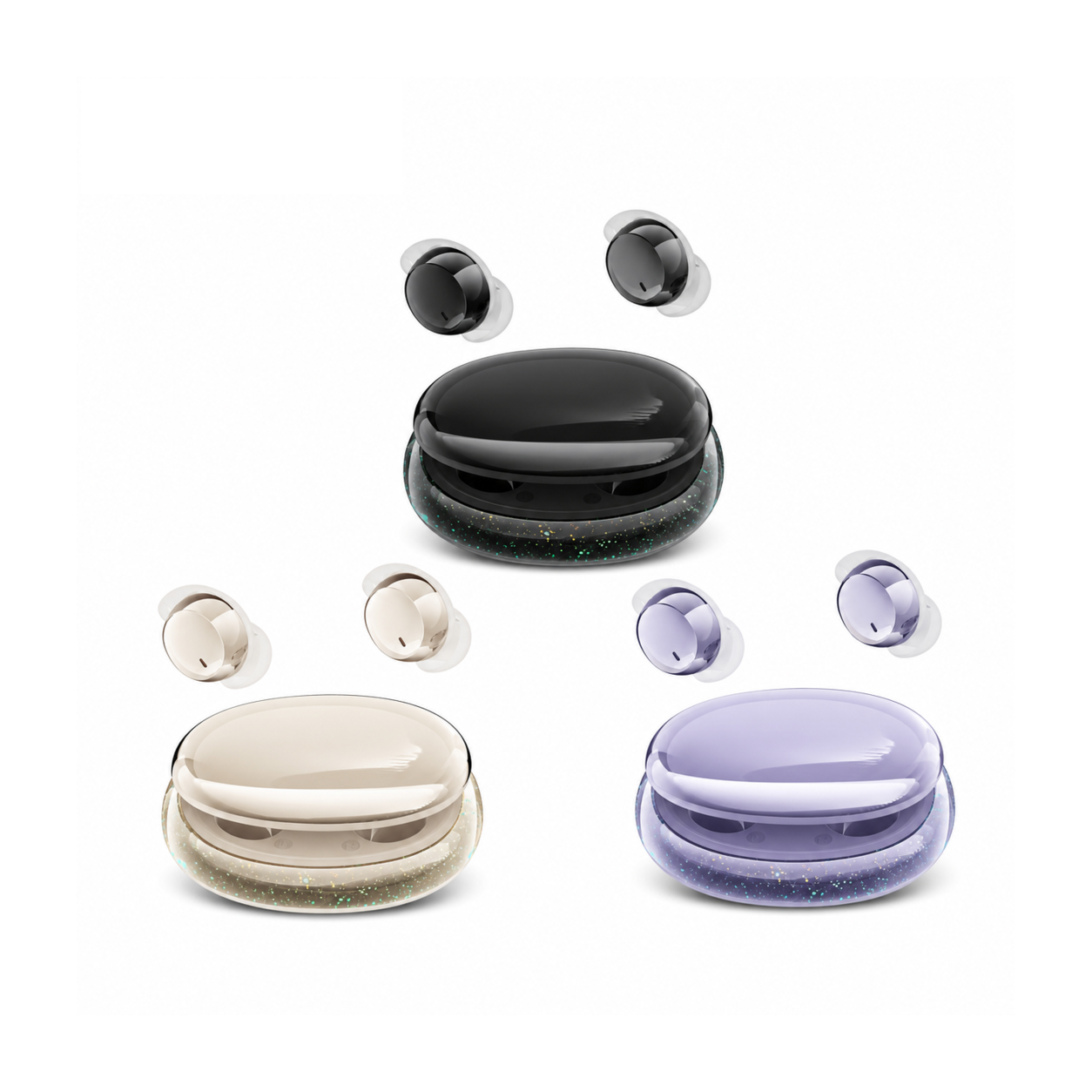
Flat, stemless earbuds for sleeping on your side, with a dynamic sleep-support mode and a starlight glow charging case. See the three colors at EARSOLE.
While rigid contact-bearing resin shells excel during focused daytime audiophile listening, their firm mechanical pressure against the ear cartilage causes soreness when lying against pillows. Transitioning after hours to gentle, flush-fitting silicone earbuds like the EARSOLE Low-Profile Earbuds provides peaceful nocturnal ear relief, allowing delicate outer ear tissues to relax without physical cartilage compression.
Setup Checklist for Hybrid Bone Conduction In-Ear Monitors
Achieving reference fidelity with hybrid bone conduction monitors requires careful source matching and physical optimization. First, verify that the monitor shell maintains continuous, snug contact against the interior concha cartilage without causing sharp pressure hotspots. Second, pair the monitors with a low-distortion balanced headphone amplifier that delivers sufficient current headroom to drive complex multi-transducer crossovers without compression.
Finally, conduct acoustic sweep testing between 20 Hz and 150 Hz to confirm proper tactile conduction transmission across both ears. Inspect silicone ear tips weekly to ensure oils and moisture do not compromise ear canal airtightness or reduce concha friction grip. With proper fit and source calibration, hybrid monitors deliver an immersive, concert-like sensory experience unmatched by conventional dynamic earbuds.
Frequently Asked Questions
How do hybrid bone conduction in-ear monitors produce bass?
Hybrid monitors combine air-displaced acoustic waves from dynamic woofers with direct skull vibrations from contact drivers, transmitting visceral sub-bass impacts directly to the cochlea without increasing sound pressure on the eardrum.
Do bone conduction monitors leak sound like open-ear headphones?
Because hybrid bone conduction IEMs seat fully inside the sealed concha cavity with airtight ear tips, acoustic leakage is completely suppressed, matching the quiet privacy of conventional high-isolation in-ear earphones.