
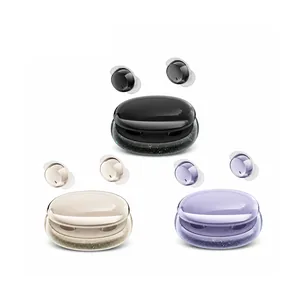


When shoppers search for transparent earbuds or a transparent headphone, they are usually looking for one of two completely different things: physical clear or see-through shells that reveal the internal drivers and circuit boards, or acoustic Transparency Mode (also called awareness mode or hear-through), an electronic audio feature that passes outside sound into your ears. According to Anker soundcore, acoustic Transparency Mode (also called awareness mode or hear-through) uses an earbud’s outward-facing microphones and real-time processing to blend ambient sounds—such as street traffic, transit announcements, or conversations—with your audio instead of blocking them like Active Noise Cancellation (ANC), and uses slightly more battery than standard playback because external microphone processing stays active.
Because search engines mix product pages for clear-shell in-ear monitors with technical guides on ambient sound passthrough, buyers often end up reading about microphone algorithms when they wanted translucent hardware—or vice versa. Below, we separate physical see-through earbud housings from acoustic Transparency Mode, compare how Transparency Mode differs from what noise cancelling headphones do, and explain how to evaluate everyday wireless models such as the EARSOLE Smart Wireless Earbuds with LCD Touchscreen Case when you prioritize hands-on case controls and noise reduction over translucent plastic shells.
Why ‘Transparent Earbuds’ Means Two Different Things: Clear Shells vs Hear-Through Audio
The phrase transparent earbuds sits at a linguistic crossroads between industrial design and acoustic engineering. On community forums and search results, half of the conversation centers on visual aesthetics—transparent polycarbonate housings inspired by classic stage monitors and retro-futuristic electronics—while the other half focuses on situational awareness features built into modern true wireless earbuds.
In r/HeadphoneAdvice (thread x30k4z), a buyer asks: “Good transparent (clear/see-through) earbuds? As the title says. Im looking for decent to good quality earbuds that are transparent as in see-through, not transparency mode. I was interested in the Shure SE215 for a bit but then read that they were more for monitoring rather than listening to music (however if the difference doesnt matter that much then ill just get the shure). The Shure see-through shell looks sick but i dont need monitoring earbuds. Im willing to pay any hefty price as long as they have some sort of cool transparent look to them.”
That single question highlights why shopping by keyword alone can be frustrating:
- Physical Clear / See-Through Shells (Visual Hardware Design): These earbuds use clear or smoky translucent resin or polycarbonate housings so you can see the acoustic chambers, copper voice coils, or printed circuit boards inside the earpiece or charging case. In wired stage in-ear monitors (such as the clear-shell Shure SE215 referenced by the r/HeadphoneAdvice poster), transparent shells originally helped sound engineers and musicians inspect internal cabling and earwax buildup at a glance while keeping a low visual profile on stage. In consumer wireless earbuds, clear shells are purely an aesthetic styling choice and have no inherent effect on whether outside sound passes into your ear canal.
- Acoustic Transparency Mode (Electronic Hear-Through Feature): Regardless of whether an earbud’s outer plastic is matte black, glossy white, or clear, silicon ear tips physically plug your ear canal and muffle the outside world. Acoustic Transparency Mode solves that physical isolation electronically: when activated, outward-facing microphones capture your surroundings and feed them through the speaker driver alongside your music or podcast.
| Feature or Design Type | What “Transparent” Refers To | How It Works in Practice | Primary Benefit for Listeners | Battery & Hardware Trade-Offs |
|---|---|---|---|---|
| Physical Clear / See-Through Shells | Visual housing material (translucent polycarbonate or resin) | Exposes internal drivers, magnets, and circuitry through clear plastic while sealing the ear canal passively | Retro-tech or stage-monitor aesthetic; easy visual inspection of nozzle cleanliness | Purely cosmetic; still blocks outside sound passively unless paired with electronic microphones |
| Acoustic Transparency Mode (Awareness / Hear-Through) | Electronic ambient sound passthrough | Outward-facing microphones and real-time processing blend external sounds (traffic, voices, announcements) with lowered music playback | Hear street traffic, transit updates, or quick conversations without removing earbuds | Uses slightly more battery than normal playback because external microphones and real-time processing stay active |
| Active Noise Cancellation (ANC) | Electronic background noise reduction | Actively reduces or eliminates steady external sounds (flights, office hum, commute rumble) | Quiet, focused listening in noisy environments without cranking volume | Opposite of Transparency Mode; isolates you from surroundings while consuming active processing power |
| Adaptive Mode | Automatic noise-control balancing | Automatically adjusts the balance between blocking noise and letting ambient sound in as your environment changes | Hands-free transitions when moving between quiet rooms and busy streets | Changes dynamically rather than maintaining static, consistent ambient amplification |
How Acoustic Transparency Mode Works (and How It Differs From ANC and Adaptive Mode)
If you have ever worn snug silicone-tipped earbuds while walking down a busy sidewalk or waiting at a train gate, you know the trade-off of a tight acoustic seal: great bass response, but muffled situational awareness. Instead of forcing you to pull one earbud out every time a barista asks a question or a crosswalk signal changes, acoustic Transparency Mode creates what Anker soundcore describes as “keeping one foot in the real world while enjoying your favorite tunes.”
In Anker soundcore’s technical guide (What Is Transparency Mode on Earbuds? Complete Guide), the engineering behind what does transparent mean on earbuds breaks down into four practical mechanisms:
1. Outward-Facing Microphones vs Internal Call Microphones
According to Anker soundcore, Transparency Mode works by utilizing both an outward-facing microphone to pick up noises from the surroundings and artificial intelligence algorithms to manipulate them in real time, and because earbuds Transparency Mode works through the earbuds’ outward-facing microphone—rather than its internal microphone used for making calls—voice quality during calls is not degraded by external noise manipulation. Separating the ambient pickup path from the voice-call pickup path ensures that street awareness does not compromise call clarity.
2. Dual Hearing With Automatically Balanced Playback Volume
When you switch on Transparency Mode, external sounds—like the chatter of a coffee shop, conversations between people around you, transit announcements, or the honk of a car—are mixed into your audio feed in real time. Anker soundcore notes that you can still hear your music in Transparency Mode, but unlike normal playback settings, the volume level of your music will be lower so that other sounds from your surroundings can be heard clearly alongside it. That makes hear-through mode especially practical in four everyday scenarios highlighted by Anker soundcore:
- At the gym: Enjoying your workout playlist while having a quick chat with a friend or gym buddy.
- Waiting for an announcement: Listening to audio at an airport gate or train station without missing boarding or platform updates.
- On public transport: Staying alert to your surroundings on a train, bus, or airplane while listening to music.
- Walking on busy streets: Hearing approaching traffic and street sounds while following a podcast.
3. Transparency Mode vs Active Noise Cancellation (ANC) vs Adaptive Mode
To understand how these modes fit together, it helps to compare them alongside our dedicated explainer on what noise cancelling headphones do:
- Active Noise Cancellation (ANC) vs Transparency Mode: According to Anker soundcore, Transparency Mode and noise cancellation are opposite features designed for different purposes—Noise cancellation, including Active Noise Cancellation (ANC), actively reduces or eliminates external sounds to create an immersive, quiet environment for flights, noisy offices, or concentration, whereas Transparency Mode filters background sounds into the earbuds alongside the audio you are currently playing.
- Adaptive Mode vs Transparency Mode: Anker soundcore notes that some earbuds also include an Adaptive Mode, explaining that the difference between Adaptive and Transparency Mode is that Adaptive Mode adjusts the balance between blocking noise and letting it in by responding to changes in your environment automatically, whereas Transparency Mode remains static, amplifying ambient sounds consistently for uninterrupted awareness.
- Customizable Levels (Example Hardware Implementation): On multi-level implementations such as the Anker soundcore Liberty 4 Pro, Anker soundcore notes that users can switch between Noise Cancellation, Normal, and Transparency Modes by tapping and holding either earbud for two seconds, swiping the charging case touch bar, or selecting from five transparency levels in the soundcore app.
4. Why Transparency Mode Uses Slightly More Battery Than Normal Mode
Many listeners assume that turning off ANC and switching to Transparency Mode saves battery power. In reality, “Normal” (passive) mode is the only setting where external noise-control microphones rest. As Anker soundcore explains, Transparency Mode typically uses more battery compared to normal listening modes because it relies on external microphones to capture ambient sounds and process them in real time, and this additional processing requires power, which may slightly reduce your earbuds’ battery life compared to standard audio playback.
Choosing Everyday Wireless Earbuds With Smart Case Controls and Noise Reduction
Once you separate the two meanings of transparent earbuds, choosing the right pair comes down to a simple priority check:
- If you want a physical clear/see-through aesthetic: Look specifically for product descriptions that specify “clear polycarbonate shell,” “translucent housing,” or “see-through casing” in the hardware materials list, or consider clear-shell wired stage monitors if you do not need wireless convenience.
- If you want acoustic control and visual convenience without pulling out your phone: Focus on how the earbuds manage background noise, voice calls, and everyday settings during commutes and desk work.
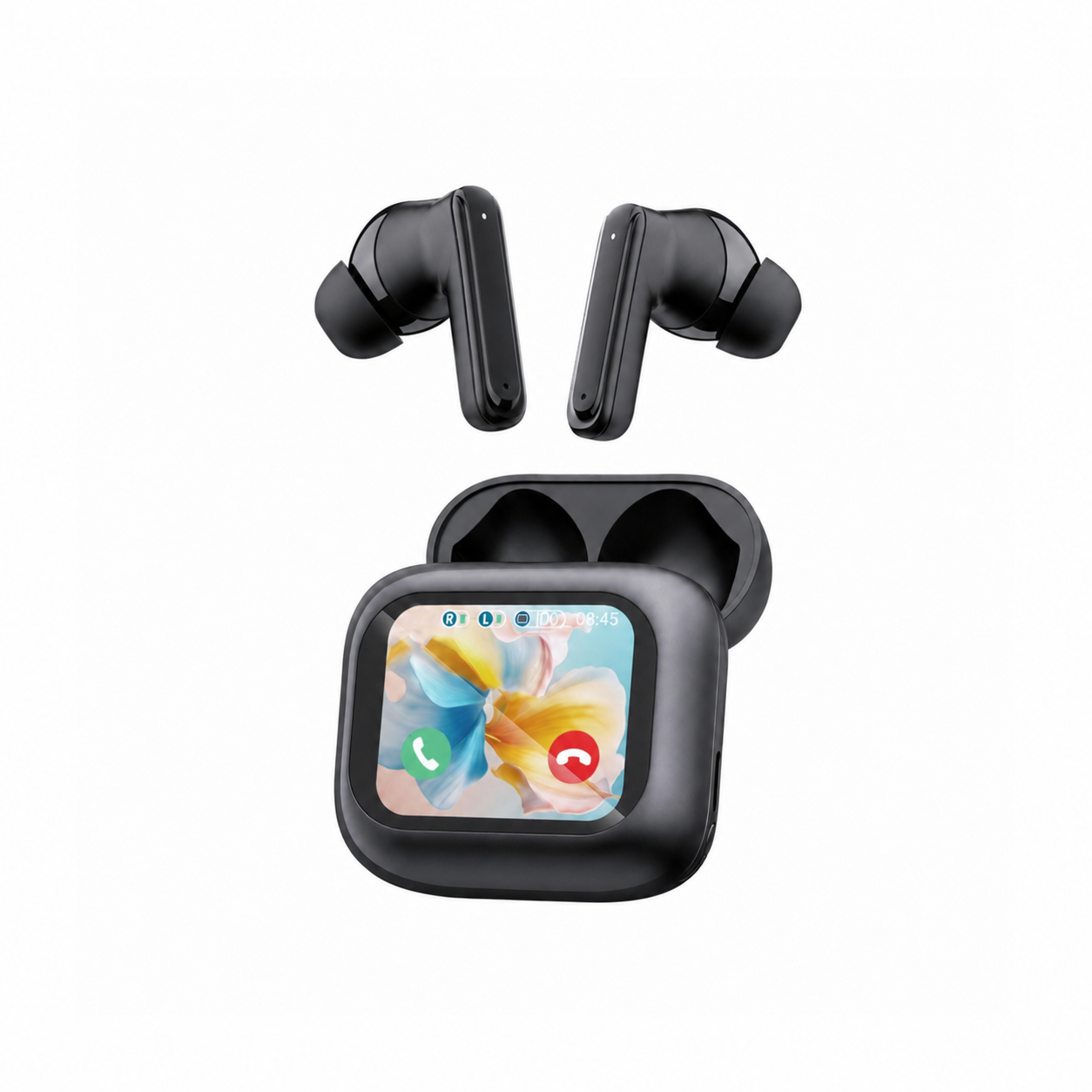
For shoppers who want direct visual control on the charging case itself paired with everyday noise reduction, the EARSOLE Smart Wireless Earbuds with LCD Touchscreen Case takes a screen-first approach rather than a see-through plastic approach. The listing for EARSOLE Smart Wireless Earbuds with LCD Touchscreen Case states a full-color LCD touchscreen charging case that manages music, volume, calls, and settings, Bluetooth 5.4, ANC + ENC noise reduction, and soft silicone tips, while noting that no water-resistance rating is listed.
According to the EARSOLE store listing (EAR-LCD54-BLK-01), the earbuds and case divide everyday tasks clearly:
- On-case LCD touchscreen control in English or Chinese: Instead of unlocking your phone to skip tracks or check settings, you can manage music, adjust volume, handle incoming calls, and switch between Chinese and English interface menus directly from the full-color LCD touchscreen charging case.
- Two distinct noise-control jobs (ANC + ENC): As the EARSOLE listing explains, ANC and ENC do two different jobs—ANC reduces steady background noise while you listen so commute rumble and office hum fade into the background, while ENC cleans up your voice for the person on the other end of a call, and neither mutes the world completely so nearby voices and sudden sounds still get through.
- Honest hardware and care boundaries: It is important to be transparent about what this model is and is not. First, the EARSOLE Smart Wireless Earbuds with LCD Touchscreen Case comes in a black in-ear sports design with soft silicone tips and a full-color LCD touchscreen case—it does not have a clear see-through plastic shell. Second, no water-resistance rating is listed for this model, so you should wipe sweat off after training and keep the earbuds and touchscreen case out of the rain.
Frequently Asked Questions
What does transparent mean on earbuds and headphones?
Depending on context, “transparent” refers to either acoustic Transparency Mode or physical see-through housing design. In audio features, Anker soundcore explains that Transparency Mode (often called awareness mode or hear-through) uses outward-facing microphones and real-time processing algorithms to blend ambient sounds—such as street traffic, transit announcements, or coffee-shop conversations—with your music or calls so you stay aware without removing your earbuds. In hardware styling, as highlighted by buyers in r/HeadphoneAdvice (thread x30k4z) asking for “earbuds that are transparent as in see-through, not transparency mode,” it refers to clear or translucent plastic shells that reveal the internal drivers and electronics.
Does Transparency Mode use more battery than normal listening?
Yes. According to Anker soundcore, Transparency Mode typically uses more battery compared to normal listening modes because it relies on external microphones to capture ambient sounds and process them in real time. Because that active microphone pickup and real-time audio processing require continuous power, keeping Transparency Mode enabled may slightly reduce your earbuds’ battery life compared to standard passive playback with noise control turned off.
What is the difference between Active Noise Cancellation (ANC) and Transparency Mode?
According to Anker soundcore, Active Noise Cancellation (ANC) and Transparency Mode are opposite features built for different environments: ANC actively reduces or eliminates external background noise for focused listening on flights, on commutes, or in noisy offices, whereas Transparency Mode passes outside sounds into the earbuds alongside lowered music playback so you can hear announcements, traffic, or conversations. For commuters who want dedicated noise reduction and on-case controls, the EARSOLE Smart Wireless Earbuds with LCD Touchscreen Case pairs ANC (to reduce steady commute rumble and office hum while listening) with ENC (to clean up voice calls) and a full-color LCD touchscreen case—though shoppers should note it features an opaque black housing rather than a clear shell and has no water-resistance rating listed.
