Earbuds for ASMR Sleep Tracks With Low Noise Floors and Flush Silicone Shells
Autonomous Sensory Meridian Response (ASMR) sleep recordings rely on delicate acoustic triggers—soft whispers, fingertip tapping, gentle crinkling, and slow binaural panning. Because these tracks are mastered at exceptionally quiet dynamic levels, listening to them exposes hardware flaws that daytime music playback masks.
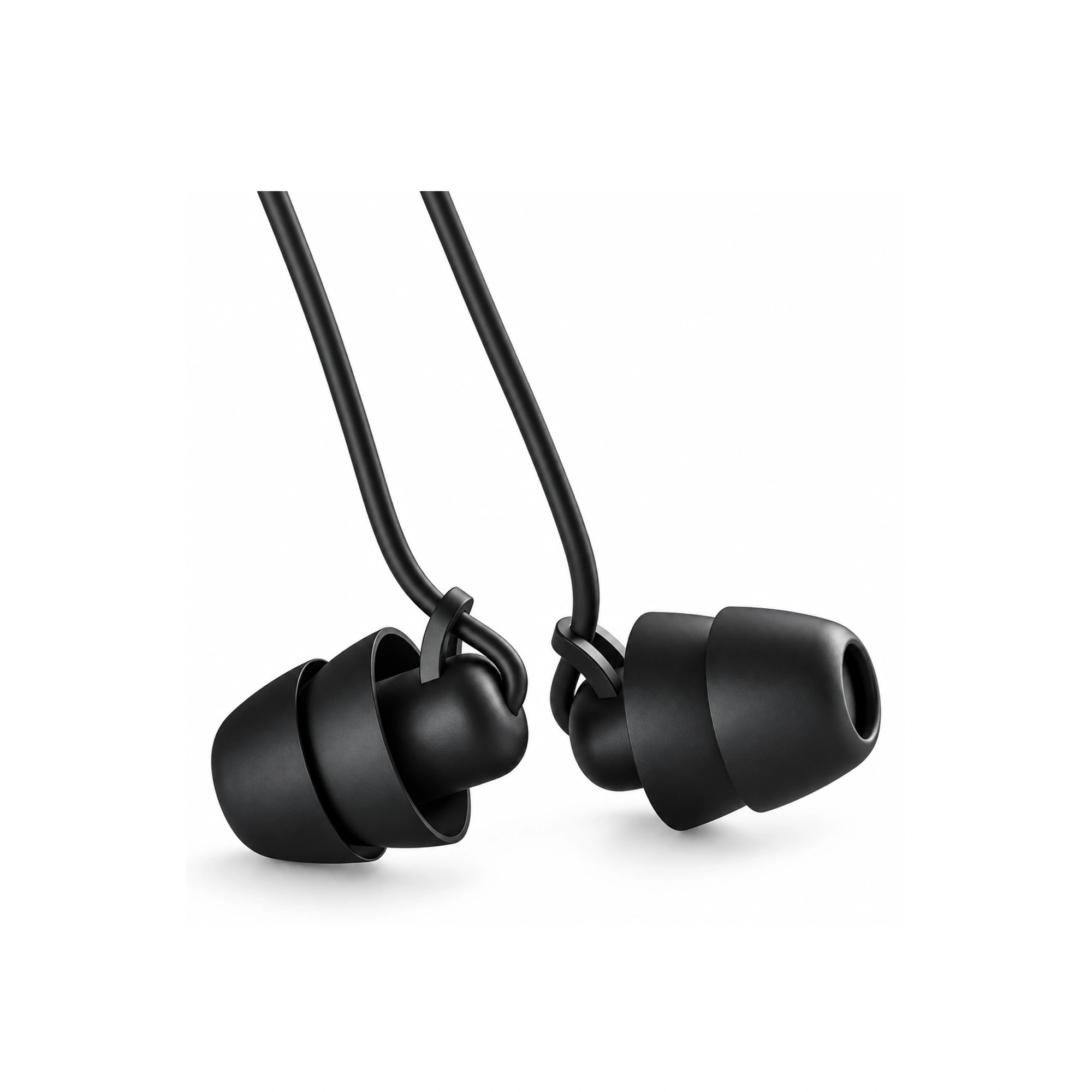
Standard consumer wireless earbuds frequently introduce persistent background hiss during quiet recordings. When paired with bulky plastic shells that jab into the ear canal against a pillow, the intended relaxation quickly turns into sleep disruption. Enjoying ASMR sleep audio requires earbuds engineered specifically for near-zero noise floors and side-sleeping ergonomics.
The Noise Floor Dilemma: Why Standard Earbuds Hiss on ASMR Tracks
Every wireless earbud contains an integrated Digital-to-Analog Converter (DAC) and a miniature amplifier circuit. When active, these electronic components produce a baseline electrical noise known as the noise floor.
In daytime environments, ambient room noise (averaging 35 to 45 dBA) and loud music recordings completely mask this electrical hiss. However, a quiet bedroom at midnight drops below 25 dBA, and ASMR whisper tracks hover between 20 and 30 dBA. In these quiet conditions, an earbud amplifier with a higher noise floor produces an audible, constant white-noise hiss that masks subtle acoustic textures and prevents the brain from entering deep sleep.
| Earbud Architecture | Typical Noise Floor | Side-Sleeping Clearance | Acoustic Seal Type | Ideal Audio Focus |
|---|---|---|---|---|
| Standard Consumer TWS | Moderate (20–25 dBA hiss) | Poor (stems lever against pillow) | Rigid silicone tips | Commuting, pop music, phone calls |
| Wired In-Ear Monitors (IEMs) | Low (<15 dBA with clean DAC) | Fair to poor (cable snag & thick shells) | Multi-flange or foam | Studio monitoring, stationary desk listening |
| Active Noise Cancelling (ANC) Buds | High hiss (microphone feedback loop) | Poor (chunky sensor housings) | Vented oval tips | Airplane cabins, open-plan offices |
| Low-Profile Sleep Earbuds | Ultra-low (<12 dBA silent floor) | Excellent (flush concha bowl fit) | Full-body soft silicone | ASMR whispers, nocturnal soundscapes, sleep support |
Acoustic Tuning: Preserving Micro-Details Without Treble Fatigue
ASMR triggers depend on high-frequency detail between 2 kHz and 8 kHz to convey binaural presence and tactile intimacy. However, consumer earbuds frequently feature an aggressive “V-shaped” sound signature with exaggerated treble spikes designed to make compressed pop music sound exciting.
When listening to whispered speech or close-mic tapping through harsh treble drivers, those frequency spikes cause sibilance and auditory fatigue. Dedicated sleep earbuds utilize balanced miniature drivers tuned for a smooth, linear response. This allows listeners to perceive natural spatial positioning and subtle room reverberation without sharp acoustic peaks that trigger midnight wakeups.
Mechanical Ergonomics: Flush Silicone Shells for Side Sleepers
Acoustic excellence is useless if physical discomfort forces you to remove the earbuds midway through the night. The human ear concha contains sensitive cartilage that easily inflames under concentrated pressure.
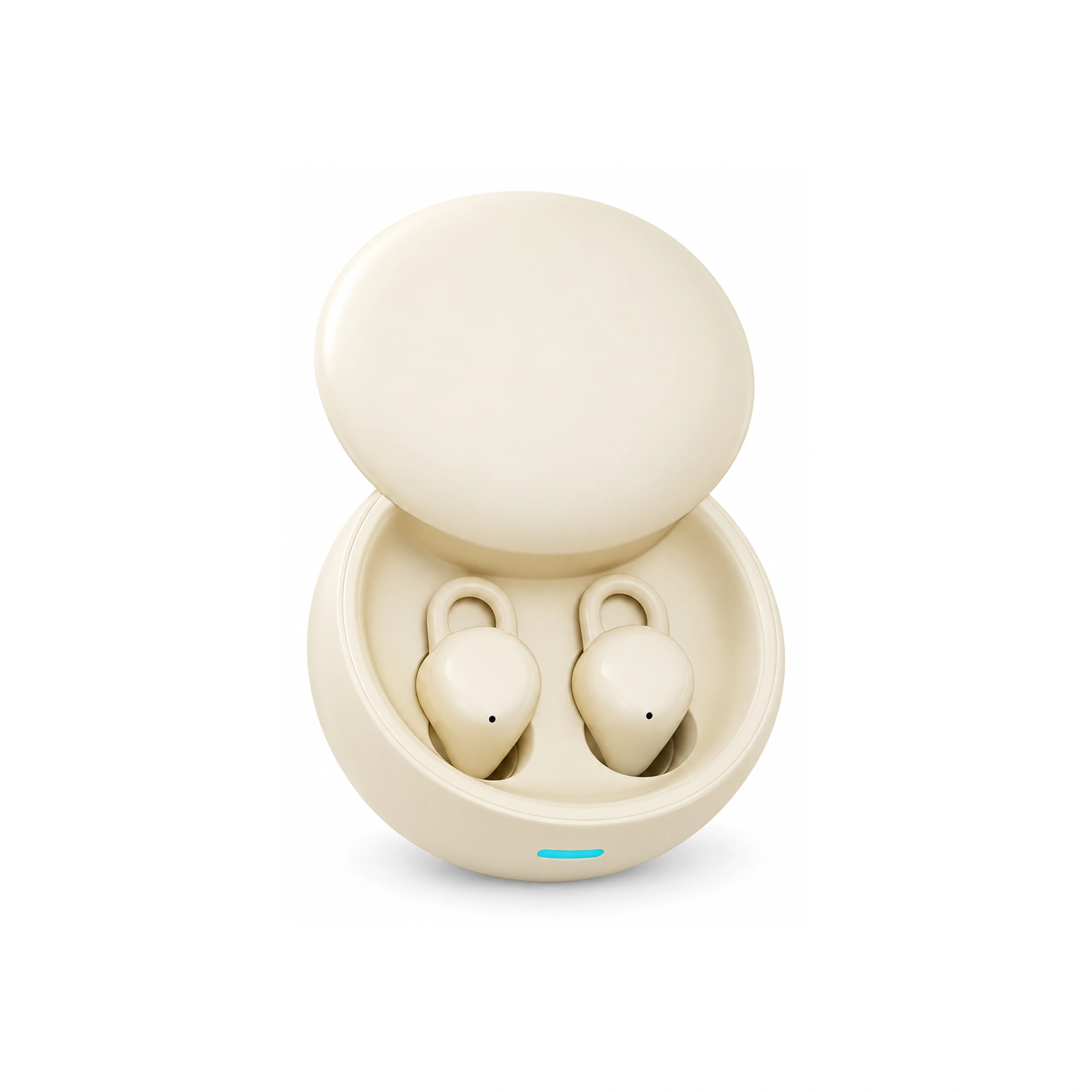
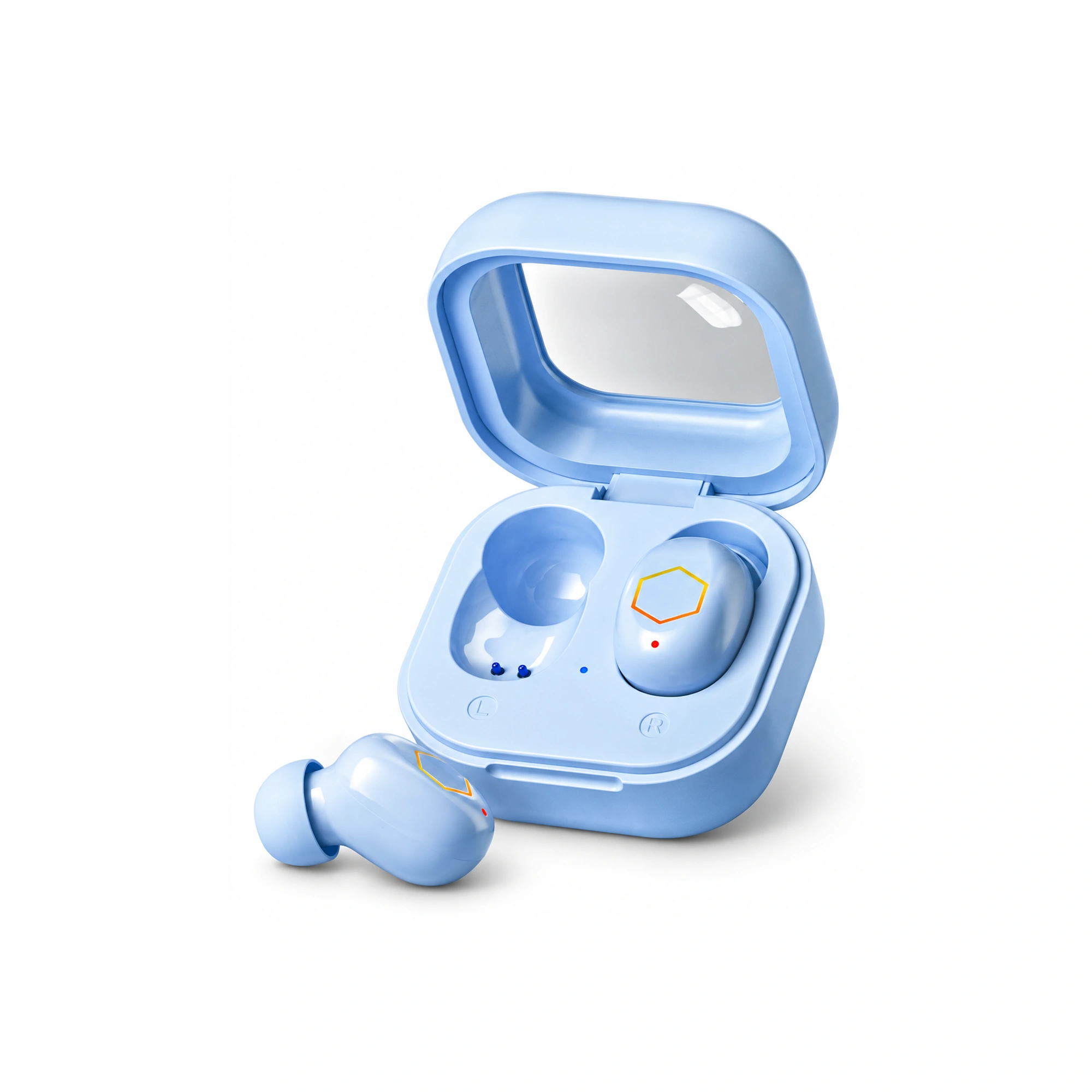
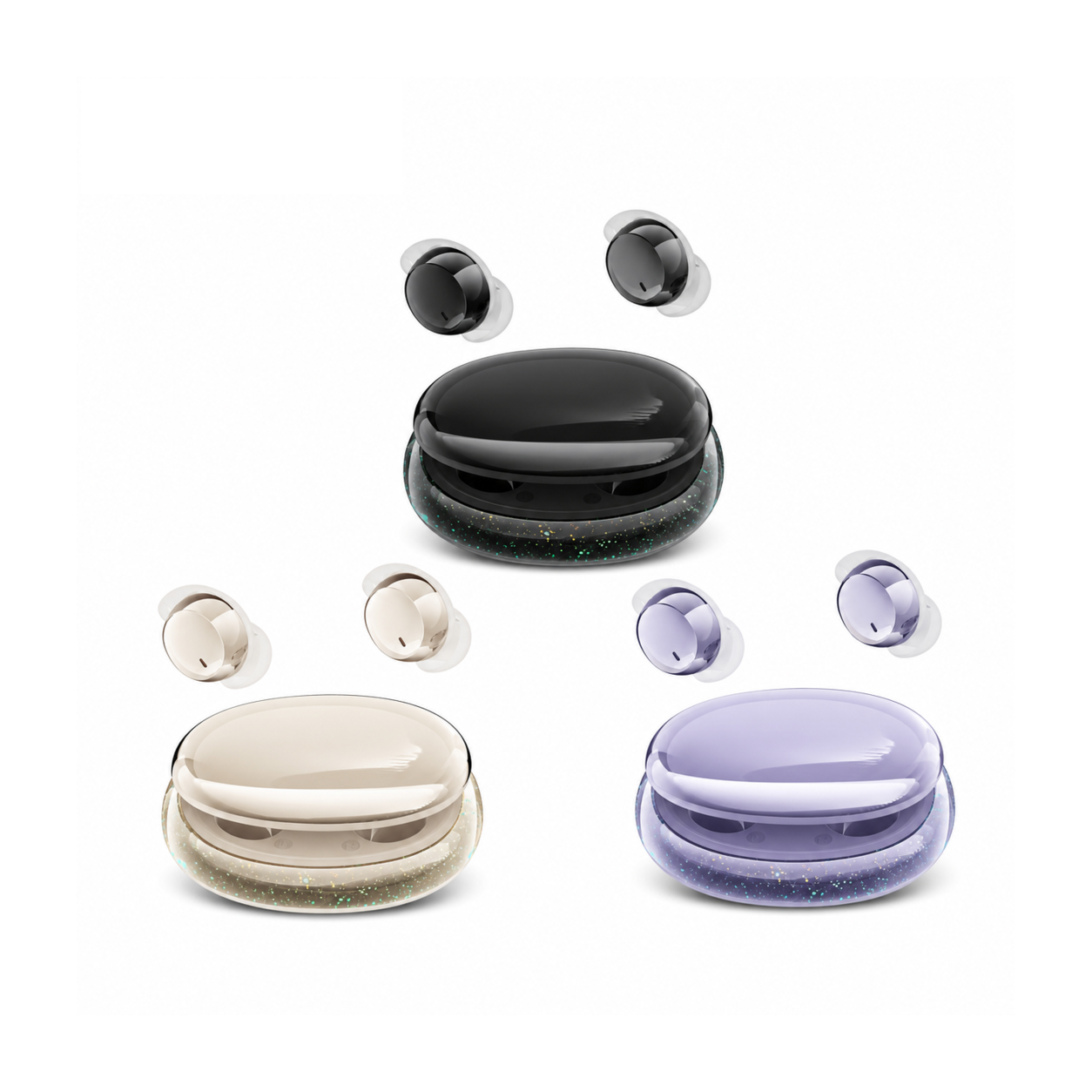
Flat, stemless earbuds for sleeping on your side, with a dynamic sleep-support mode and a starlight glow charging case. See the three colors at EARSOLE.
The EARSOLE Low-Profile Sleeping Earbuds resolve physical pillow pressure through a compact, stemless form factor. The body nests entirely within the ear concha without projecting past the tragus, allowing side sleepers to bury their head into a pillow without cartilage strain. Molded from medical-grade silicone, the chassis creates a gentle passive seal that isolates external household disturbances while keeping your quiet ASMR audio completely private.
Operational Best Practices for Nighttime ASMR Listening
To maintain both ear health and optimal audio performance during overnight listening sessions, follow these operational habits:
- Keep Playback Volume Under 55 dBA: ASMR audio should feel like an intimate whisper across the room. Listening at low volumes protects hair cells in the cochlea during extended overnight exposure.
- Select Lossless or High-Bitrate Source Audio: Low-bitrate streaming audio introduces compression artifacts that sound like digital buzzing during quiet ASMR passages. Download high-resolution audio files for bedtime playback.
- Maintain Tip Cleanliness: Clean silicone ear tips weekly with a damp microfiber cloth to prevent cerumen accumulation, ensuring consistent acoustic transmission and hygiene.
Frequently Asked Questions
Why do I hear a faint background hiss when listening to ASMR with regular Bluetooth earbuds?
Standard Bluetooth earbuds often use cost-optimized amplifiers with relatively high internal noise floors. Because ASMR tracks feature extremely quiet whispered audio, this baseline amplifier hiss becomes clearly audible in a quiet bedroom.
Can side sleepers comfortably wear in-ear alarm earbuds all night without ear soreness?
Yes, provided the earbuds feature a stemless, low-profile silicone chassis that sits entirely flush within the ear concha. Flat sleep earbuds distribute pillow contact pressure across the outer ear rather than concentrating mechanical leverage inside the ear canal.