


You cannot plug wired headphones straight into an electric guitar’s output jack because an unamplified electric guitar produces a weak, instrument-level signal that needs an amplifier or preamplifier to drive headphone speakers. Instead, to play an electric guitar through headphones, you must route the guitar through one of five hardware setups: a guitar amplifier’s headphone or line-out jack, a multi-effects pedal, a pocket micro-amp, a USB audio interface connected to a computer or smartphone, or wireless guitar headphones with a dedicated receiver. On the listening side, you connect wired headphones using a 3.5 mm stereo plug—or add a 6.35 mm (1/4-inch) to 3.5 mm adapter if your amp or interface uses a full-size 6.35 mm headphone jack.
Why You Can’t Plug Headphones Straight Into an Electric Guitar Jack
When you want to practice electric guitar late at night in an apartment, shared house, or college dorm without waking roommates or neighbors, plugging headphones directly into the guitar seems like the simplest shortcut. However, as Headphonesty’s guide to playing electric guitar with headphones explains, you cannot simply plug headphones straight into your guitar.
An electric guitar’s output jack sends an unamplified analog instrument signal that requires a preamplifier or amplifier stage to convert the signal and supply enough electrical power for headphone drivers. In addition, standard electric guitar output jacks use a 6.35 mm (1/4-inch) instrument plug, whereas most everyday wired headphones use a 3.5 mm plug. Without a device in the middle that amplifies the guitar signal and shapes the tone, your headphones will not receive a usable practice signal.
5 Ways to Play Electric Guitar Through Headphones (Compared)
According to Headphonesty’s breakdown of electric guitar headphone setups and player recommendations in an r/guitars dorm practice thread, there are five practical ways to connect an electric guitar to headphones depending on your space, budget, and whether you already own an amplifier or pedalboard.
| Setup Method | Signal Chain | Typical Headphone Jack Size | Best For | Key Tradeoff |
|---|---|---|---|---|
| 1. Guitar Amplifier Headphone / Line Out | Guitar -> 6.35 mm instrument cable -> Guitar amp -> Headphones | 3.5 mm or 6.35 mm (1/4-inch) | Players who already own a practice amp with a headphone output | Least portable; requires a 6.35 mm to 3.5 mm adapter on amps with 1/4-inch jacks |
| 2. Pocket Micro-Amp (Headphone Amp) | Guitar -> Plug-in micro-amp -> 3.5 mm wired headphones | 3.5 mm | Dorms, travel, and couch practice with minimal cables | Smaller sound customization than full amps or desktop modelers |
| 3. Multi-Effects Pedal / Amp Modeler | Guitar -> Multi-effects pedalboard -> Headphones (“Phones” / “Line Out”) | 3.5 mm or 6.35 mm | Pedalboard players wanting built-in amp/cab modeling, presets, or drum loops | Higher cost than basic pocket micro-amps; not every single-effect stompbox has a headphone out |
| 4. Audio Interface + Computer or Phone | Guitar -> Audio interface -> Mac/PC/iPhone/iPad DAW -> Headphones | 6.35 mm or 3.5 mm | Recording, DAW practice, and running virtual amp simulator plugins | Requires a computer, tablet, or smartphone plus software setup |
| 5. Wireless Guitar Headphone System | Guitar -> Plug-in wireless transmitter -> Dedicated receiver headphones | Integrated receiver | Cable-free movement without standard Bluetooth lag | Dedicated guitar wireless hardware costs more than a wired headphone setup |
1. Plug Headphones Into a Guitar Amplifier
If you already own a practice amplifier with a headphone output, plugging your headphones into the amp is the fastest and least expensive method. The amplifier converts the weak signal from your electric guitar and provides the power needed to hear your playing through headphones.
Headphonesty notes two important checks before you plug in:
- Use the dedicated headphone or line-out jack: Look for the port labeled “Phones,” “Headphones,” or “Line Out.” Never plug headphones into an unidentified rear output or speaker output, as doing so can damage both your amplifier and your headphones. When in doubt, check your amplifier’s user manual.
- Check the jack size (3.5 mm vs. 6.35 mm): Many modern practice amps include a 3.5 mm headphone jack, while many others use a larger 6.35 mm (1/4-inch) jack that matches the size of a standard guitar cable plug. If your amp has a 6.35 mm headphone port, you need a inexpensive 6.35 mm to 3.5 mm adapter to connect 3.5 mm headphones.
2. Connect Your Guitar to a Pocket Micro-Amp
When college dorm rules prohibit bringing a traditional loudspeaker amplifier—or when you want to practice anywhere without carrying a heavy combo amp—a pocket guitar headphone amp (micro-amp) plugs directly into your guitar’s output jack. Most micro-amps fit inside a gig bag pocket, run on rechargeable or AAA batteries, and provide a built-in 3.5 mm headphone jack.
In the r/guitars thread on connecting an electric guitar to headphones for a college dorm, players frequently recommend pocket headphone amps and ultra-compact battery amps:
- VOX amPlug series: Headphonesty and r/guitars commenters highlight the VOX amPlug (such as the VOX amPlug 2), an ultra-compact plug-and-play micro-amp that inserts straight into the guitar jack, provides a 3.5 mm headphone output, runs on three AAA batteries, and rotates 180 degrees to fit different guitar body styles.
- Fender Mustang Micro & Mustang Micro Plus: Multiple r/guitars commenters recommend the Fender Mustang Micro and Mustang Micro Plus, noting that both models also function as a USB audio interface to a PC, phone, or tablet.
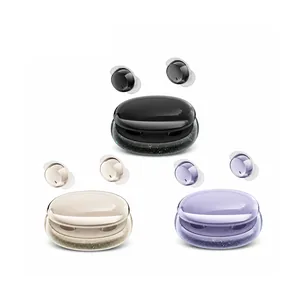
- Boss Katana:Go & Positive Grid Spark Go / Spark Neo: Commenters also point to the Boss Katana:Go pocket headphone amp, the battery-powered Positive Grid Spark Go mini amp (which accepts wired headphones while linking to a phone via Bluetooth for backing tracks), and the Positive Grid Spark Neo wireless guitar headphone system.
3. Use a Multi-Effects Pedal or Compact Amp Modeler
A multi-effects pedal takes the raw electric guitar input and shapes it with amp modeling, cabinet simulation, and effects so the headphone output delivers an amp-like tone rather than a dry, flat signal. According to Headphonesty, almost every modern multi-effects processor with amp modeling includes a headphone output labeled “Phones,” “Headphones,” or “Line Out.”
- Headphonesty examples: The Line 6 HX Stomp packs over 300 amps, cabinets, and effects (up to six simultaneously) into a gig-bag-sized unit that also works as a USB audio interface, while the Orange Terror Stomp includes a buffered FX loop and a CabSim headphone output for solo practice.
- r/guitars community examples: Dorm and apartment players in r/guitars recommend compact modeler pedals with headphone jacks such as the Boss IR-2, IK Multimedia TONEX One, Line 6 POD Express, Mooer Prime P2, and Flamma FX100 (which includes preset tones, a looper, and a drum machine alongside its headphone output).
4. Use an Audio Interface Connected to a Computer or Smartphone
If you want to practice silently and record your playing at the same time, an audio interface bridges your electric guitar to a Mac, PC, iPad, or iPhone. As Headphonesty explains, your guitar plugs into the interface’s instrument/preamp input, where the analog guitar signal is converted into digital data by an analog-to-digital converter (ADC) and sent into a Digital Audio Workstation (DAW) or standalone amp simulator app. The software applies virtual amp heads, speaker cabinets, and stompbox effects, converts the signal back through a digital-to-analog converter (DAC) in a fraction of a second, and sends the processed sound to the interface’s headphone output.
- Computer interfaces and software: Headphonesty highlights desktop USB interfaces like the Focusrite Scarlett Solo and Behringer UM2 (which includes a labeled “Phones” output), paired with software such as AmpliTube Custom Shop, Native Instruments Guitar Rig 5 Player, or Amped Roots. In r/guitars, players also recommend pairing a small USB audio interface with Neural DSP plugins on a computer or AmpliTube on an iPad.
- Smartphone and tablet interfaces: For iPhone and iPad setups, Headphonesty notes compact mobile interfaces such as the IK Multimedia iRig 2, which provides a 3.5 mm headphone output and works with mobile apps like Apple GarageBand and Positive Grid JamUp.
How to Jam Along With Spotify or a Click Track Without Latency
One of the most common mistakes beginners make is trying to monitor their live electric guitar over standard Bluetooth headphones. Standard Bluetooth audio transmission introduces noticeable wireless delay between picking a string and hearing the note—a technical limitation we cover in our guide to Bluetooth audio delay and video sync.
When an r/guitars player moving into a college dorm asked how to hear an electric guitar and pedalboard through headphones while also playing a click track or Spotify songs to practice along with, commenters outlined a simple hybrid workflow:
- Stream the backing track over Bluetooth (or USB) into the amp or micro-amp: Devices like the Positive Grid Spark Go or Fender Mustang Micro connect to your phone over Bluetooth to receive Spotify or metronome audio, because a tiny delay on a pre-recorded backing track does not affect your playing feel.
- Keep the guitar-to-headphone connection wired via 3.5 mm AUX: Always plug your headphones into the micro-amp, practice amp, pedalboard, or audio interface using a physical audio cable so you hear your guitar strings with zero wireless latency.
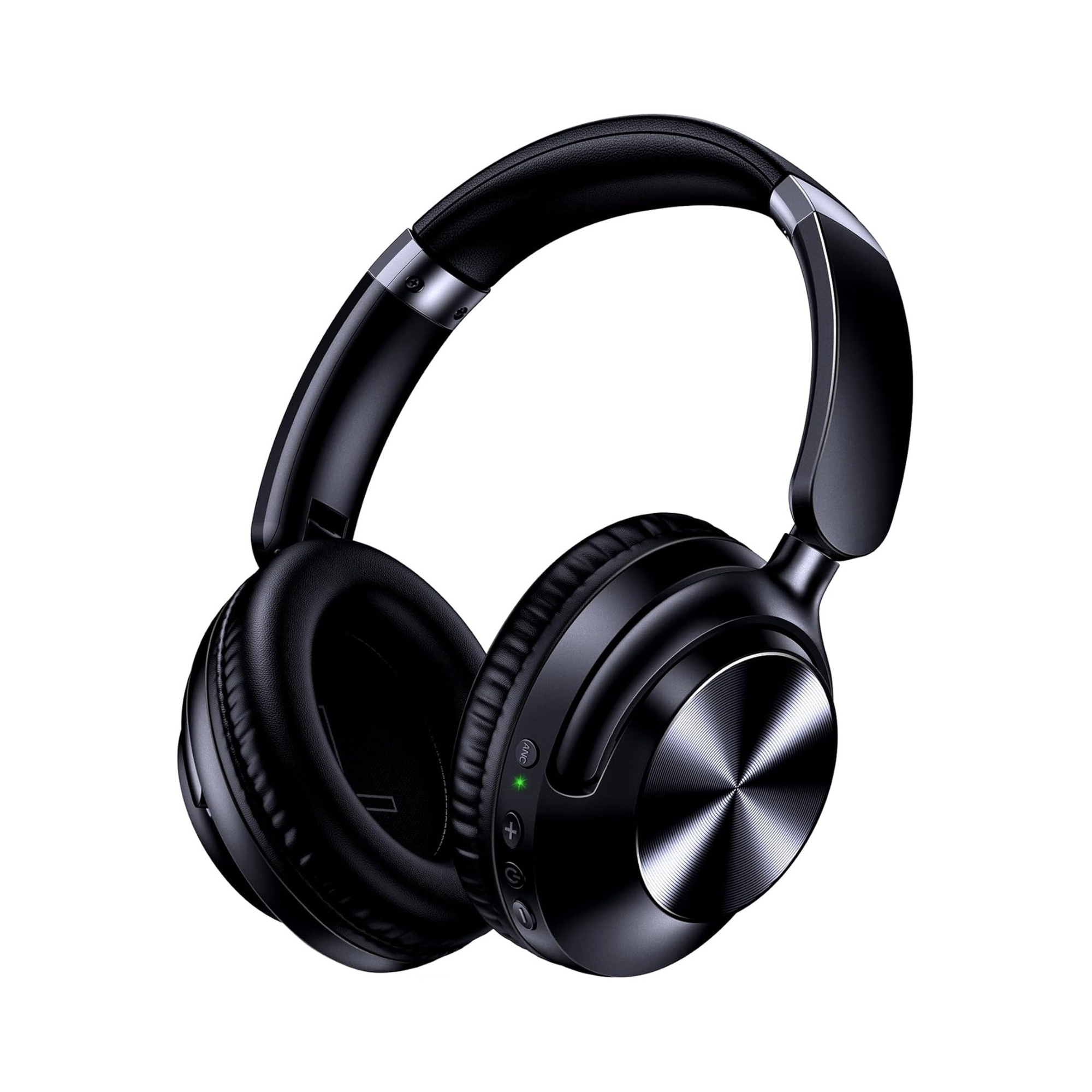
This is where dual-mode over-ear headphones that include a physical 3.5 mm AUX cable are especially practical. According to the product listing for the EARSOLE Series 127 Noise Cancelling Over-Ear Headphones, the headphones switch between wireless Bluetooth connectivity for everyday music and a 3.5 mm AUX wired connection using the included 47.2-inch audio cable.
| EARSOLE Series 127 Feature | Stated Catalog Specification | How It Fits Guitar Practice & Daily Use |
|---|---|---|
| Wired Connection | 3.5 mm AUX port with included 47.2-inch audio cable | Plugs directly into 3.5 mm pocket micro-amps, pedals, or practice amps (requires a separate 6.35 mm adapter for 1/4-inch amp jacks) |
| Ear Cup & Headband Build | Ultra-soft protein leather ear cups (rotate up to 105 degrees) and adjustable foldable headband | Closed-back over-ear cushion fit weighing 0.54 lbs for extended practice sessions; folds into the included travel pouch |
| Wireless & ANC Mode | Bluetooth connectivity, Active Noise Cancellation (up to 95% ambient noise reduction), up to 100 hours playtime | Switch back to wireless Bluetooth mode for daily commutes, travel, or listening to reference tracks away from your guitar rig |
If you are deciding how ear cup enclosure design affects room noise and bleed during practice, see our comparison of open-back vs. closed-back headphones.
Matching 6.35mm (1/4-Inch) and 3.5mm Jacks Safely
Before you connect your headphones to a guitar amplifier, multi-effects processor, or USB audio interface, check two details on the hardware panel:
- Match the plug size with a stereo TRS adapter when needed: Pocket micro-amps (like the VOX amPlug 2) and mobile interfaces (like the iRig 2) use a 3.5 mm headphone jack, so the 47.2-inch 3.5 mm audio cable included with the EARSOLE Series 127 plugs straight in. Many desktop audio interfaces and full-size guitar amplifiers use a 6.35 mm (1/4-inch) headphone jack. Because the EARSOLE Series 127 does not include a 6.35 mm adapter in the box, you will need a standard 6.35 mm male to 3.5 mm female stereo adapter for 1/4-inch headphone outputs.
- Turn the master volume down before putting the headphones on: As Headphonesty emphasizes in its safety guidelines, always turn the amplifier’s master volume all the way down before placing the headphones over your ears, then bring the volume up gradually to a comfortable level to protect your hearing from sudden volume spikes.
Frequently Asked Questions
How do you hook up headphones to an electric guitar?
You cannot plug headphones straight into an electric guitar’s output jack; instead, connect your guitar to a device with a headphone preamplifier—such as a guitar amplifier’s headphone/line-out port, a pocket micro-amp (like a VOX amPlug or Fender Mustang Micro), a multi-effects pedal with amp modeling, or a USB audio interface connected to a computer or phone—and plug your wired headphones into that device’s headphone jack.
Is a guitar jack 3.5 mm?
No, a standard electric guitar output jack is 6.35 mm (1/4-inch), not 3.5 mm. While pocket guitar headphone amps and some compact practice amps provide a 3.5 mm headphone output for your headphones, many guitar amplifiers and audio interfaces use a 6.35 mm headphone jack that requires a 6.35 mm to 3.5 mm adapter.
Are headphone amps worth it for guitar?
Yes—for guitarists practicing in college dorms, apartments, or while traveling, a pocket guitar headphone amp is an affordable, gig-bag-sized way to get amplified guitar tones and effects through wired 3.5 mm headphones without carrying a full amplifier, and many modern micro-amps also let you stream backing tracks or a click track from your phone over Bluetooth while monitoring your guitar over a wired cable.
