

Whether headphones repair is worth it is decided by construction, and not by brand or price. Anything with a cable, a detachable pad or a removable tip has repairable failure points. A true wireless earbud is glued shut, usually ultrasonically welded, with its battery soldered in place, so for most of that category the answer is replace and recycle.
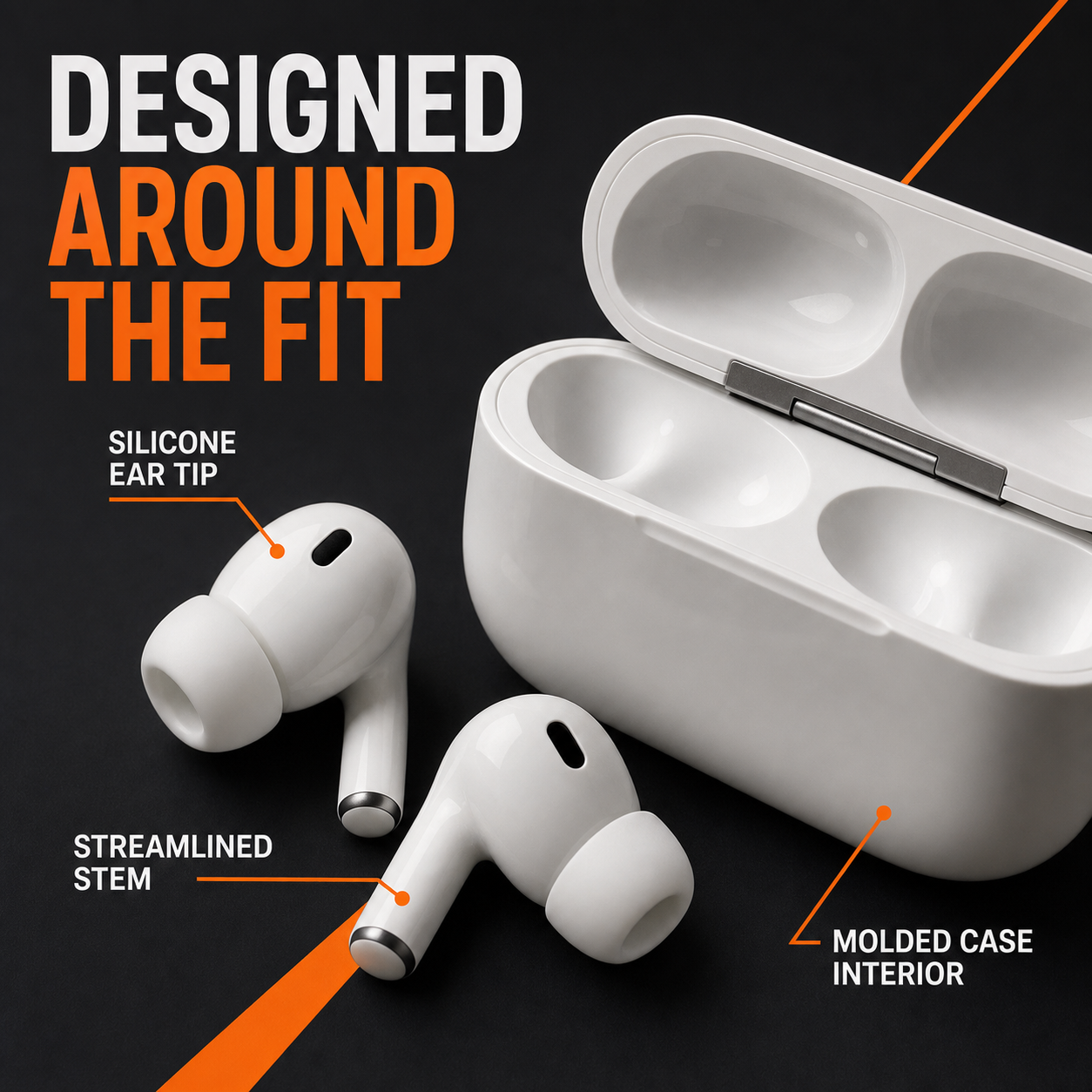
Repairability is set at the factory, not at the repair bench
Work out which class of object you own. It settles the question faster than any symptom list.
| What you own | Genuinely repairable | Realistic verdict |
|---|---|---|
| Over-ear headphones | Pads, headband padding, detachable cable, sometimes the jack | Often worth fixing; parts exist |
| Wired earphones | The tips; the cable only if detachable | A moulded plug or internal break ends it |
| Neckband earphones | Tips; occasionally the charging port | Battery sealed in the band, so limited |
| True wireless earbuds | Tips, charging contacts, port debris | Otherwise replace, or pay a specialist |
| Any charging case | Debris in pockets and port | The cell inside is not user-accessible |
Where earbud repair is the right answer
The useful question is not how to repair earphones in the abstract, but which of four faults you have. All four are cheap, and all four are missed constantly.
- Hardened or torn ear tips. Silicone stiffens and shrinks with age, oil and heat, and a tip that no longer seals gives thin, bass-light audio that reads exactly like a failing driver. Highest-yield fix in the category, and choosing a tip size is the first thing to check.
- Dirty charging contacts. The metal pads on the bud and in the case pocket collect oil, wax and lint until the circuit is intermittent, which shows up as one bud that will not charge, or charges only when nudged. A dry swab usually settles it: see earbuds not charging in the case.
- Debris in the charging port. A USB-C port fills with pocket lint and the cable then sits a millimetre short. Lift it out with a wooden toothpick on a powered-off device, never with anything metal.
- A detachable cable. On over-ear headphones a cable is a consumable, and swapping one is a genuine fix. Cables fail at the strain relief behind the plug, and a slow flex along the last few centimetres finds the break in a minute.
If none of the four applies and the symptom survives two devices, this is repair proper.
Why wireless earbuds repair usually stops at the battery
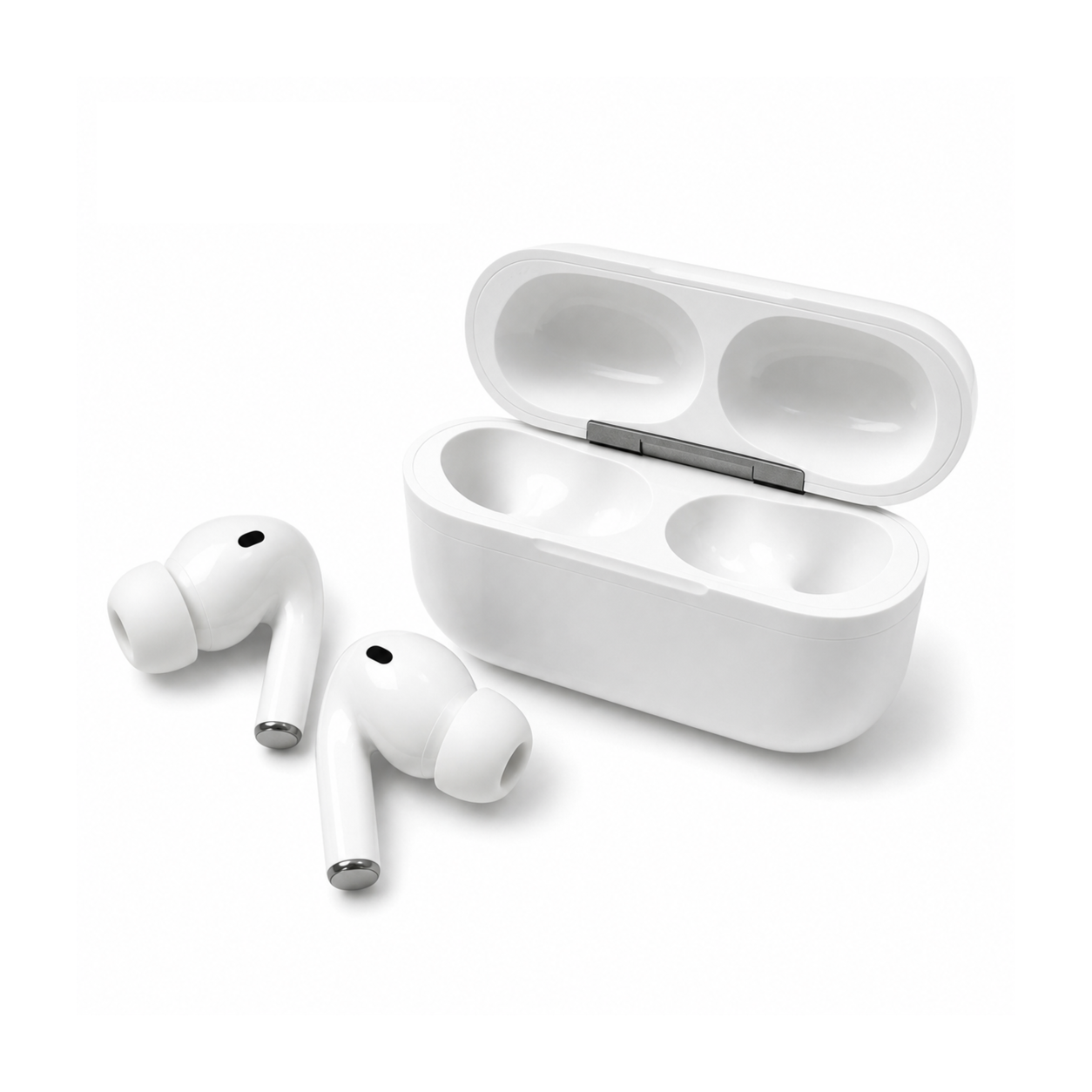
The obstacle is physical. True wireless earbuds are assembled with adhesive and, on most housings, ultrasonic welding, which melts the seam into one continuous piece. There is nothing to unscrew because there is no seam. That construction buys the water resistance and small size people want; serviceability was traded away for it.
iFixit's AirPods Pro 3 teardown scored 0 out of 10, finding the coin-cell battery "glued down so firmly that only heat, tweezers, and a lot of luck will free it". The counter-example matters more: Fairphone built a business on repairable hardware, and its own earbuds still scored 1 out of 10 in iFixit's teardown, which found "the critical charging case and earbud components, including batteries and port, are soldered together." When the most repair-committed manufacturer in the industry cannot make an earbud serviceable, the constraint is the format and not the company.
Regulation is closing this slowly, and less than headlines suggest. EU rules require portable batteries to be end-user removable, but derogations followed. As TÜV Rheinland summarises, wearables "considered too small to allow the end-user to properly and safely handle a battery replacement", or relying on "a compact, sealed enclosure to maintain functional integrity", may keep batteries removable and replaceable "only by independent professionals". Earbuds sit in that carve-out: repairing Bluetooth earbuds should get easier to outsource, but do not expect a pop-out cell.
The battery is a consumable, and it sets the real lifespan
Most earbuds that "stop working" have not broken. Their cells have aged out: shorter playtime, then one side dying first, then a pair that will not last the morning.
The cell in an individual true wireless earbud is extremely compact. Battery University's guidance on lithium-based batteries puts common chemistries near 300 cycles at full depth of discharge before capacity reaches 70 percent, noting: "Exposing the battery to high temperature and dwelling in a full state-of-charge for an extended time can be more stressful than cycling."
That is your one real lever. A case left on a dashboard, or permanently plugged in at 100 percent, ages faster than one that gets used. Uneven ageing between buds is normal instead of a fault, as one earbud draining faster works through.
Bench repair costs versus replacement economics
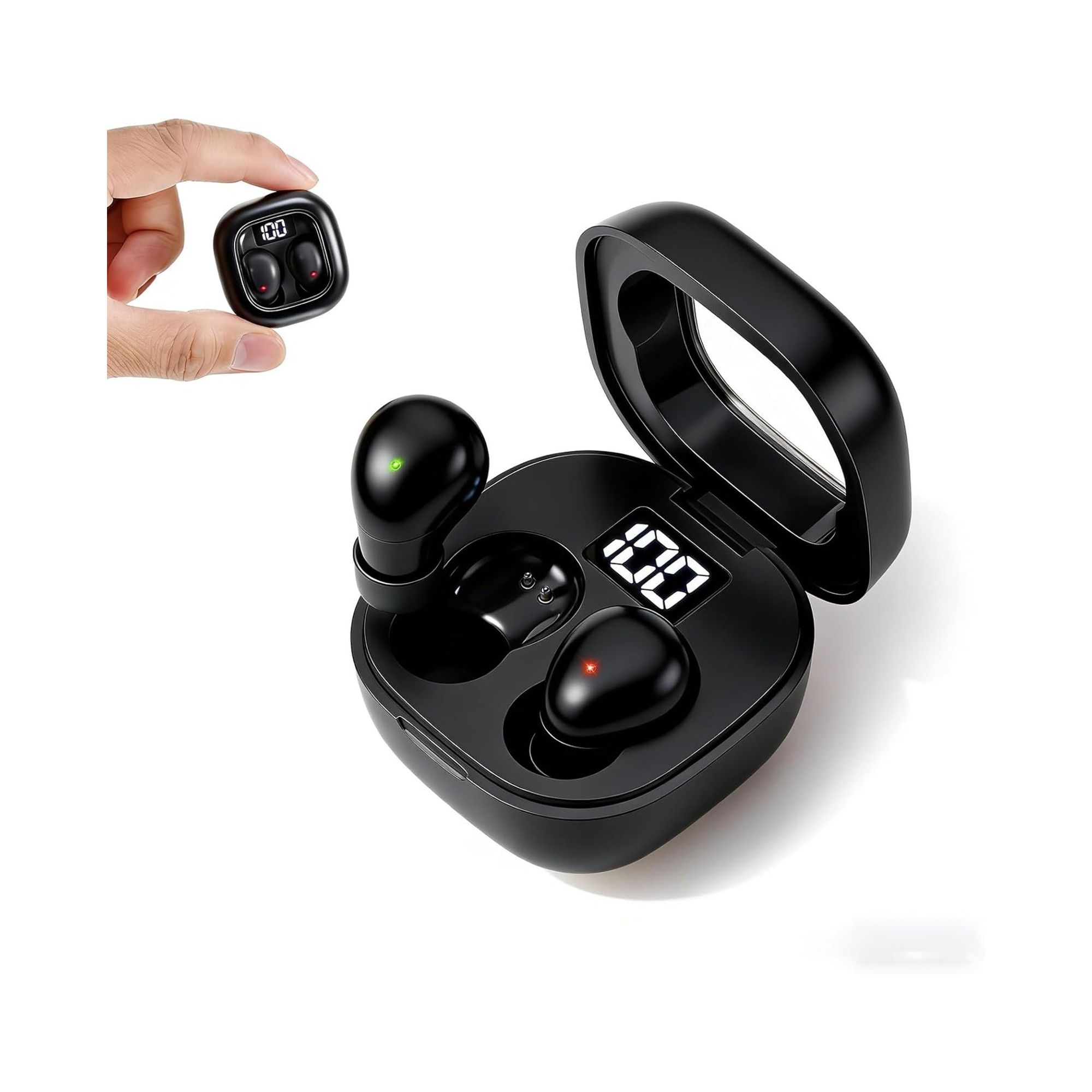
Micro-soldering a tiny button cell onto a dense circuit board inside an adhesive-sealed housing requires specialized bench tools and high hourly labor rates. When evaluating repairs, compare labor costs directly against replacement value. For budget and mid-tier audio products, such as ultra-compact models like the Sleep Earbuds for Side Sleepers with Ultra Thin Profile in Matte Black ($14.99 at the price listed today), professional repair labor quickly exceeds the price of an entire new unit. This economic reality is why third-party shops rarely accept entry-level TWS repairs, making basic DIY checks the first and most logical troubleshooting step.
The economics improve as prices rise: a $30 set of pads renews a $200 over-ear pair. That is the same logic in reverse, and it is why a detachable cable is worth paying attention to when you buy.
Consumer expectations: warranties, spare parts, and return policies
When purchasing consumer audio gear, understanding support boundaries helps buyers plan for long-term ownership:
- Manufacturer warranties vs return windows: Retail return windows typically provide 30 days to test a device, whereas extended warranties require formal manufacturer registration. Verify coverage terms when purchasing to understand defect protections.
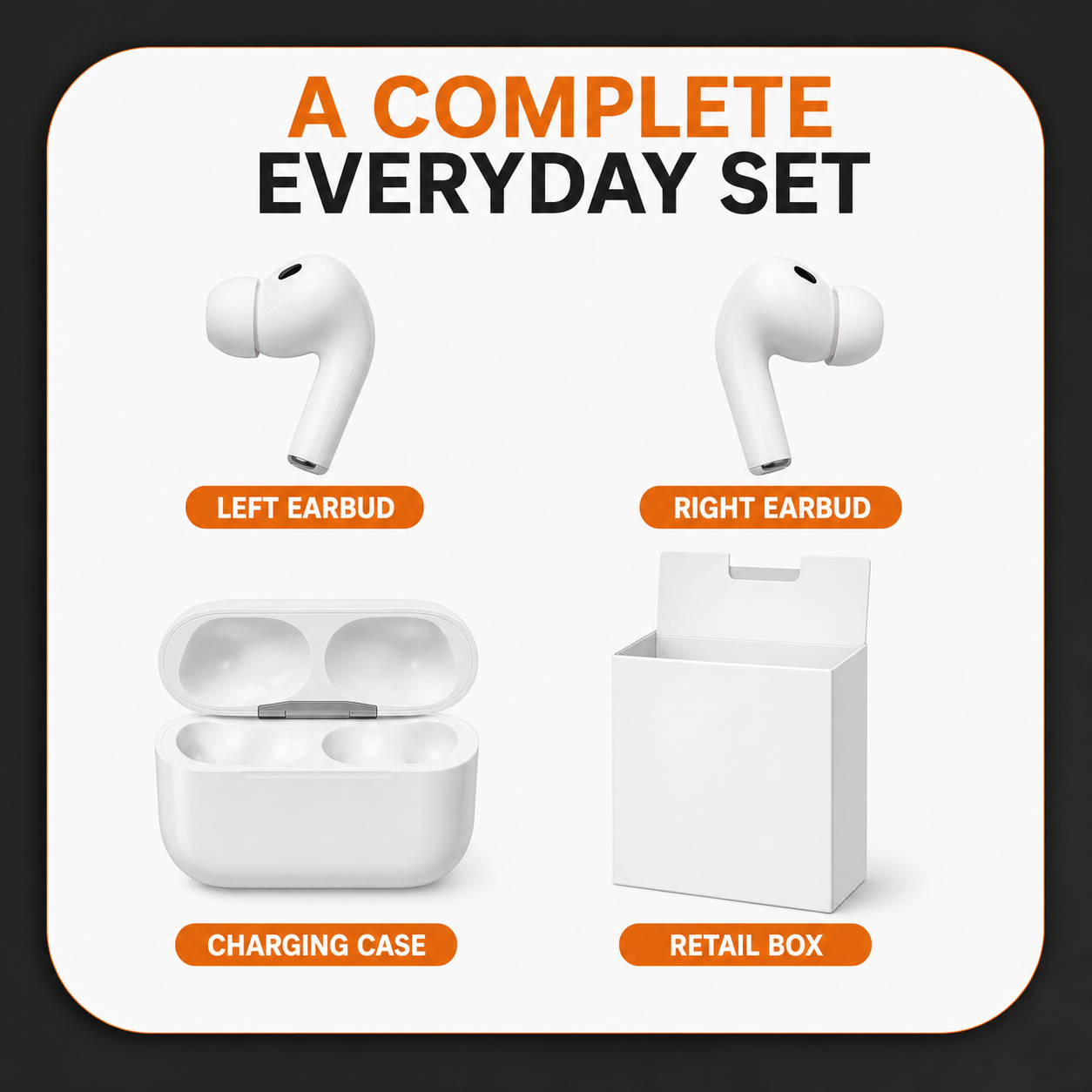
- Availability of replacement components: True wireless earbuds rarely feature user-serviceable spare parts like individual batteries or separate drivers. The most practical replaceable item is usually the set of silicone ear tips included in the box.
- Out-of-box defect resolution: Inspect hardware immediately upon delivery. Quality retailers provide free replacements for items damaged in transit or defective out of the box when reported within initial delivery windows.
- Factory sealed construction: Compact in-ear models like the Core White In-Ear Wireless Earbuds ($22.99 at the price listed today) feature seamless acoustic enclosures designed for moisture resistance rather than disassembly. Additional designs can be viewed across the everyday wireless earbuds collection. Before discarding any set, clean contact terminals, inspect the charging port, and check one earbud not working.
Retiring a dead pair without starting a fire
Almost nobody selling earbuds mentions this. A dead bud still holds a charged lithium cell, which is why it must not go in the bin. The EPA is direct in its lithium-ion recycling guidance: "lithium batteries pose a fire hazard to waste management workers and collection facilities when disposed of in the municipal waste stream." Compaction punctures cells, and punctured cells ignite.
- Not the household bin, and not the kerbside recycling bin either. The EPA's used household batteries page says to "never put these batteries in household garbage or recycling bins". The recycling bin is the commoner mistake and the more dangerous one, because that stream is compacted too.
- Do not pry the cell out. The same page notes that some cells "are not easily removed from the product and can become problematic as a fire hazard if they are broken, bent or crushed".
- Recycle the whole device, buds, case and cable, intact. The EPA's instruction for embedded batteries is that "entire devices can be brought to certified electronics recyclers, participating retailers that provide electronics takeback services, or local electronics or household hazardous waste collection programs".
- Until you go, store it cool, out of a hot car and away from anything flammable.
Questions about repair quotes and sealed earbuds
Can headphones be repaired?
Over-ear headphones frequently can: pads, headband padding and detachable cables are replaceable, and a competent shop can resolder a jack. Repairing earphones or true wireless buds is another matter, because the housing is glued and welded shut and the battery is soldered to the board.
Is it worth repairing a pair of headphones?
Compare the quote against a replacement and be blunt about the gap. Above roughly $100, repairing headphones usually makes sense; below about $40, where most wireless earbuds sit, labour alone typically exceeds replacement. The ratio matters more than the absolute figure.
Why does a shop refuse to open true wireless earbuds?
Because opening one destroys it. The housing is welded rather than screwed, so a technician has to cut or heat a case apart, work on a board a few millimetres across, then reseal a shell that was never designed to reseal. The water resistance does not come back.
- iFixit: AirPods Pro 3 Teardown: Still a Tragedy
- iFixit: Fairphone True Wireless Earbuds Teardown
- US EPA: Used Household Batteries
- US EPA: Lithium-Ion Battery Recycling Frequently Asked Questions
- TÜV Rheinland: EU adopts new derogations for portable battery removability and replaceability
- Battery University: BU-808: How to Prolong Lithium-based Batteries