Bluetooth Pillow Speakers vs Fabric Sleep Headbands for Zero-Canal Bedtime Audio
Bedtime audio listeners often battle a common dilemma: standard earbuds create uncomfortable pressure against pillows, while conventional headphones are too bulky for side sleeping. This frustration leads many toward zero-canal alternatives, such as under-pillow speakers and fabric headband headphones.
Both form factors promise nocturnal listening without inserting components into the ear canal. However, the physical laws of sound transmission reveal significant practical compromises. Understanding the acoustic trade-offs between under-pillow transducers, fabric headbands, and low-profile sleeping earbuds helps identify the ideal setup for uninterrupted sleep.
How Bluetooth Pillow Speakers Work: Acoustic Transduction and Material Dampening
Bluetooth pillow speakers sit beneath or inside a pillow casing, using compact dynamic drivers or bone conduction transducers to vibrate sound waves upward through the bedding material.
While this zero-canal design completely frees your ears from physical contact, bedding materials act as heavy acoustic low-pass filters. A standard down or synthetic pillow attenuates high frequencies by 12 to 18 dB, leaving whispered speech muffled and ambient tracks lacking clarity. To compensate, listeners often turn the volume up, inadvertently radiating sound across the entire bedroom.
| Audio Category | Ear Canal Pressure | High-Frequency Clarity | Sound Leakage to Partner | Position Stability |
|---|---|---|---|---|
| Bluetooth Pillow Speaker | None (zero contact) | Poor (heavy pillow damping) | High (audible across bed) | Fixed (head roll loses sweet spot) |
| Fabric Sleep Headband | Low to moderate | Fair (thin fabric cover) | Moderate (unsealed drivers) | Shifts overnight with head rotation |
| Bone Conduction Pillow Pad | None (under pillow) | Muffled (vibrational loss) | Moderate to high | Loses volume when turning head |
| Flush Silicone Sleep Earbuds | Low (concha-nested fit) | Excellent (direct acoustic seal) | None (completely contained) | Stays locked in concha bowl |
Fabric Sleep Headbands: Alignment Drift and Thermal Retention
Fabric sleep headbands embed thin, flat stereo speakers inside an elastic fleece or moisture-wicking band. Because the speakers rest directly over the outer ear, they deliver clearer treble response than under-pillow speakers.
However, headbands introduce two mechanical frustrations during overnight rest. First, natural tossing and turning causes the elastic band to slide, shifting the small speaker drivers off the ear canal and creating sudden volume drops. Second, wearing a continuous fabric band generates heat around the forehead and temples, often causing midnight wakeups from overheating.
Why Low-Profile Sleeping Earbuds Deliver Superior Privacy and Side-Sleeping Comfort
When acoustic isolation and nocturnal privacy are paramount, in-ear acoustic delivery remains unbeatable. The challenge historically has been ear canal leverage against the pillow.
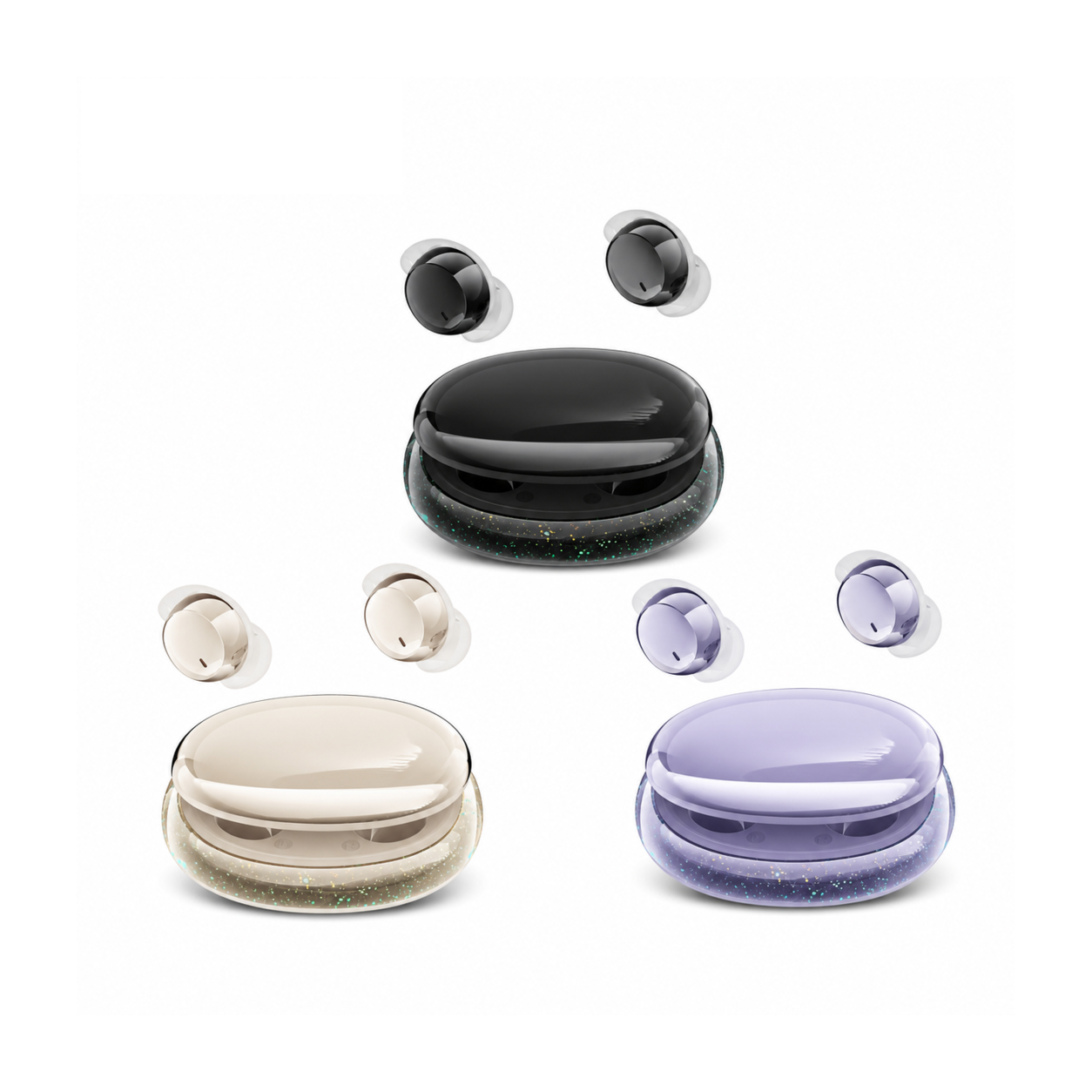
Flat, stemless earbuds for sleeping on your side, with a dynamic sleep-support mode and a starlight glow charging case. See the three colors at EARSOLE.
The EARSOLE Low-Profile Sleeping Earbuds eliminate pillow discomfort by redesigning the earbud chassis from the ground up. By nesting entirely flush within the ear concha, these stemless buds eliminate physical leverage points against the pillow. Medical-grade silicone construction creates a gentle passive acoustic seal, keeping tranquil audio completely private without partner disturbance or pillow-induced high-frequency loss.
Best Practices for Bedtime Audio Setup
To ensure restorative sleep regardless of your audio setup, observe these baseline operational habits:
- Target Conservative Volume Thresholds: Keep bedtime playback below 55 dBA. Quiet nocturnal environments lower your auditory threshold, making whisper volumes sufficient for relaxation.
- Configure Automatic Sleep Timers: Set audio apps to fade tracks after 30 to 45 minutes to prevent brain stimulation after entering deeper non-REM sleep stages.
- Match Hardware to Sleeping Style: Back sleepers can often tolerate pillow speakers, while active side sleepers require flush concha earbuds to maintain steady volume and zero leverage.
Frequently Asked Questions
Do Bluetooth pillow speakers leak sound that wakes up a sleeping partner?
Yes. Because pillow speakers must play through several inches of dense fabric, listeners increase volume levels, causing audible mid-frequency bleed across the bedroom.
Can side sleepers comfortably sleep with low-profile earbuds without morning ear soreness?
Yes, provided the earbuds feature stemless silicone housings that nest entirely flush within the concha bowl without projecting outwards against the pillow.