6.35 mm Headphone Jacks vs 3.5 mm TRS Mini-Plugs on Audio Interfaces and Guitar Amps
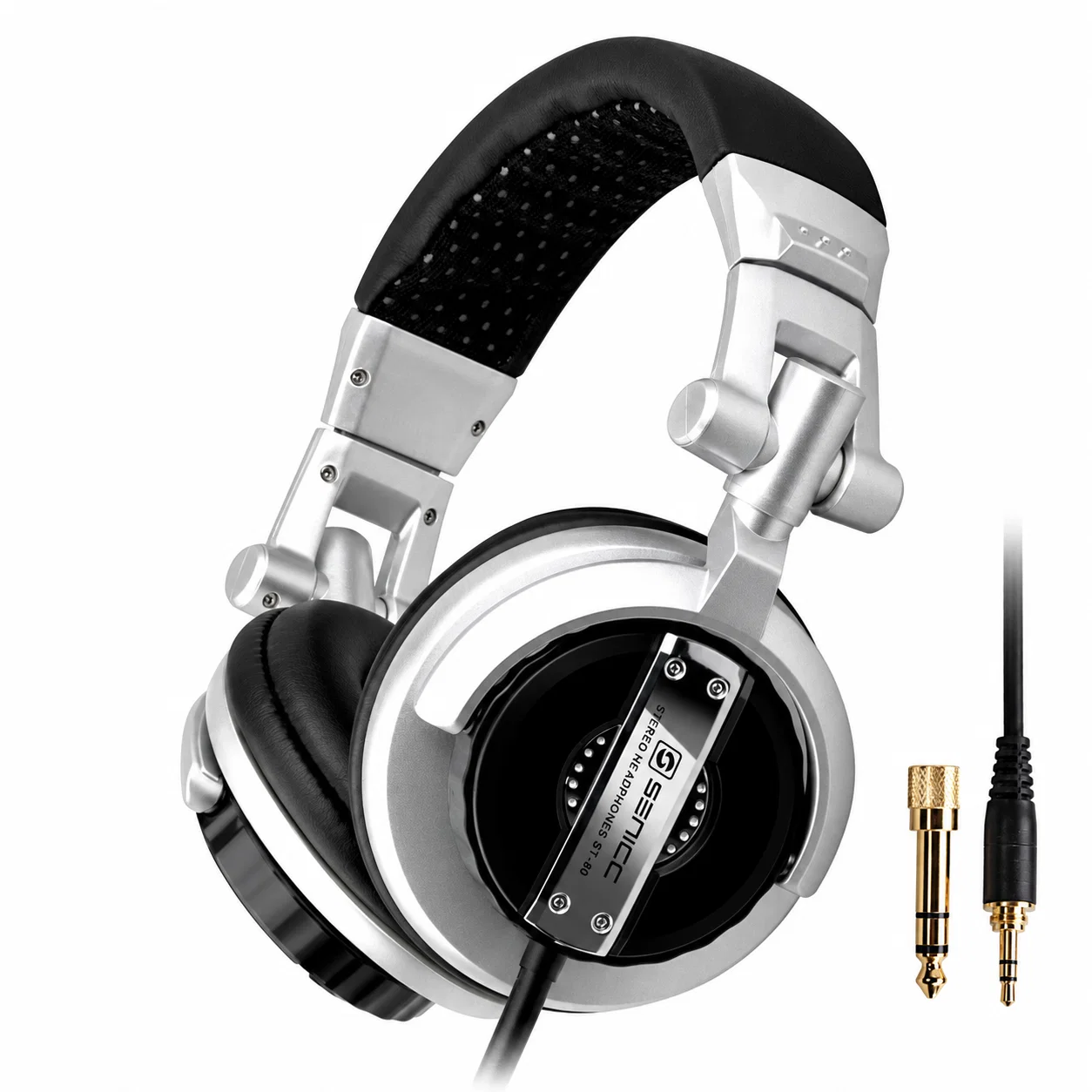
Walk up to any studio USB audio interface, digital piano, DJ mixer, or guitar amplifier, and you will find a full-sized 6.35 mm (1/4-inch) headphone receptacle instead of the 3.5 mm mini-jack used on portable electronics. Both connectors use the exact same three-conductor Tip-Ring-Sleeve (TRS) unbalanced stereo pinout—Tip for left channel, Ring for right channel, and Sleeve for common ground—so no digital conversion happens when you step between sizes.
Professional audio gear sticks with the 6.35 mm barrel for mechanical survival and high-voltage headroom. When a vocalist or guitarist steps on a headphone cord in a dark studio, a 3.5 mm brass pin snaps off inside the chassis, whereas a 6.35 mm steel shaft absorbs heavy lateral torque without bending and provides more than triple the metallic contact patch.
Electrical and Mechanical Differences Between 6.35 mm and 3.5 mm TRS
Electrically, the larger 6.35 mm barrel allows chassis-mounted Neutrik or Switchcraft jacks to use wide, high-tension phosphor-bronze leaf springs that keep contact resistance below 5 milliohms over tens of thousands of insertions. That low-resistance path matters when driving 250-ohm or 600-ohm studio reference headphones from dedicated amplifier rails swinging up to 15 V RMS.
However, plugging sensitive 16-ohm or 32-ohm everyday in-ear monitors into a 6.35 mm studio jack via a passive adapter often reveals an audible background hiss or bloated mid-bass. Many guitar amplifiers and vintage mixers have headphone output impedances between 10 ohms and 120 ohms; by the 1/8th damping factor rule, low-impedance earbuds experience frequency-response shifts unless paired with a low-output-impedance (< 2 ohm) interface.
| Connector Specification | 6.35 mm (1/4-Inch) Stereo TRS | 3.5 mm (1/8-Inch) Stereo TRS | 3.5 mm Smartphone TRRS | Practical Studio / Home Impact |
|---|---|---|---|---|
| Shaft Diameter & Length | 6.35 mm diameter × 31 mm long | 3.5 mm diameter × 14 mm long | 3.5 mm diameter × 14 mm (4 poles) | 6.35 mm resists accidental cord yanks |
| Stereo Pinout Assignment | Tip (L), Ring (R), Sleeve (GND) | Tip (L), Ring (R), Sleeve (GND) | Tip (L), Ring1 (R), Ring2 (GND), Sleeve (Mic) | TRRS plugs fail inside standard 6.35 mm adapters |
| Typical Amp Output Impedance | 1 Ω to 120 Ω (High-voltage rails) | < 1 Ω to 2 Ω (Battery-powered DACs) | < 1 Ω (Mobile headset codecs) | Sensitive 16 Ω earbuds may hiss on guitar amps |
| Mechanical Adapter Style | Screw-on M5 thread or 15 cm pigtail | Native portable plug | Requires TRRS-to-TRS splitter first | Screw-on barrels prevent channel dropouts |
Why Smartphone Headsets Sound Hollow Through a 6.35 mm Adapter
The single most common mistake when plugging everyday earphones into a digital piano or Focusrite interface through a 6.35 mm adapter is forgetting about the inline microphone ring. Standard studio 6.35 mm-to-3.5 mm barrels are wired for 3-pole TRS plugs, where a single long ground contact touches the bottom sleeve.
When you insert a 4-pole TRRS smartphone headset (which splits the bottom sleeve into Ground on Ring 2 and Microphone on the Sleeve) into a 3-pole 6.35 mm adapter, the adapter’s ground spring bridges the microphone and ground rings or misses ground entirely. The result is phase cancellation where center-panned vocals vanish and music sounds like it is playing underwater until you pull the plug out by one millimeter or insert a TRRS-to-TRS mic splitter first.
Unplugging From Studio Gear and Resting Your Ears at Night
Monitoring a mix or practicing late-night guitar through heavy coiled cables and 6.35 mm studio adapters keeps your ears locked under clamping pressure and intense transient detail. Once you power down your audio interface and head to bed, rigid studio monitors and protruding wired IEMs are impossible to wear comfortably on a pillow.
Flat, stemless earbuds for sleeping on your side, with a dynamic sleep-support mode and a starlight glow charging case. See the three colors at EARSOLE.
Giving your ears a break from studio hardware with a wireless, flush-profile sleep earbud removes every adapter barrel, coiled wire, and tragus pressure point when lying on your side. Soft low-decibel ambient masking lets your hearing recover peacefully overnight.
Choosing Pigtail Adapters vs Rigid Barrels to Protect Your Jacks
If you plug a 3.5 mm headphone cord into a rigid, one-piece 6.35 mm brass barrel adapter and stick that assembly into the front of a desktop audio interface, the combined plug protrudes nearly 75 millimeters from the faceplate. Resting your wrist on that long lever arm can crack the solder joints holding the jack to the internal PCB.
Unless your headphones use a recessed screw-on M5 threaded 6.35 mm tip, always choose a flexible 15-centimeter (6-inch) pigtail adapter cable so downward cord weight decouples harmlessly at the desk surface. For desktop PC users troubleshooting direct 3.5 mm motherboard connections, see our guide on fixing a headphone jack not working on Windows 11.
Frequently Asked Questions
Does using a 6.35 mm to 3.5 mm adapter reduce audio quality?
No, a clean gold-plated TRS adapter is a passive metal-to-metal bridge with virtually zero signal loss, provided the plug is fully seated and your headphones use a 3-pole TRS connector rather than a 4-pole TRRS mic plug.
Why do I only hear sound in the left ear when using my 6.35 mm adapter?
Either the 3.5 mm plug is not pushed all the way past the stiff internal retention spring of the 6.35 mm barrel, or you accidentally plugged your stereo adapter into a mono 6.35 mm TS instrument/line output jack on your mixer.