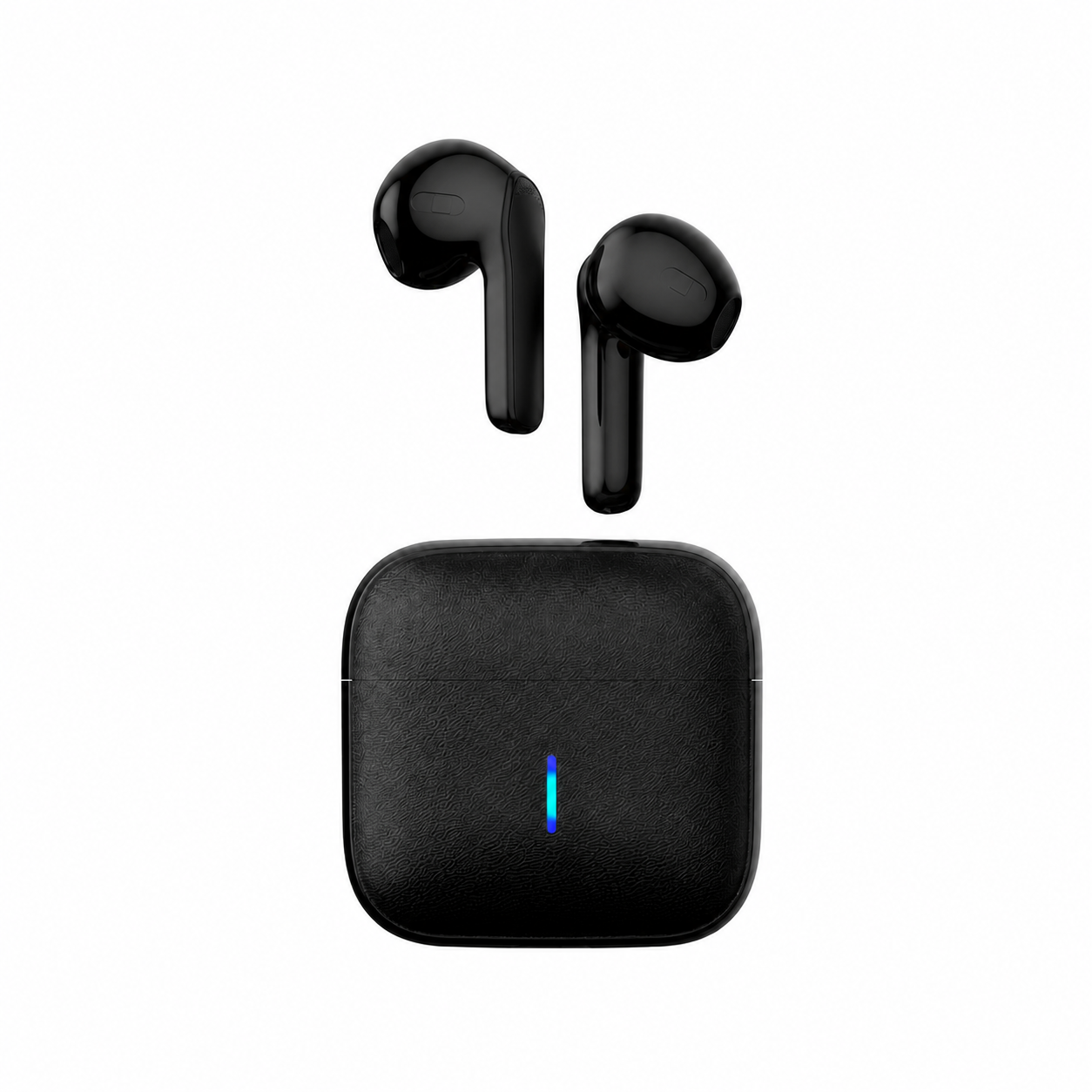
 EARSOLE Wireless Earbuds – Semi-In-Ear Bluetooth Earbuds with Charging Case
 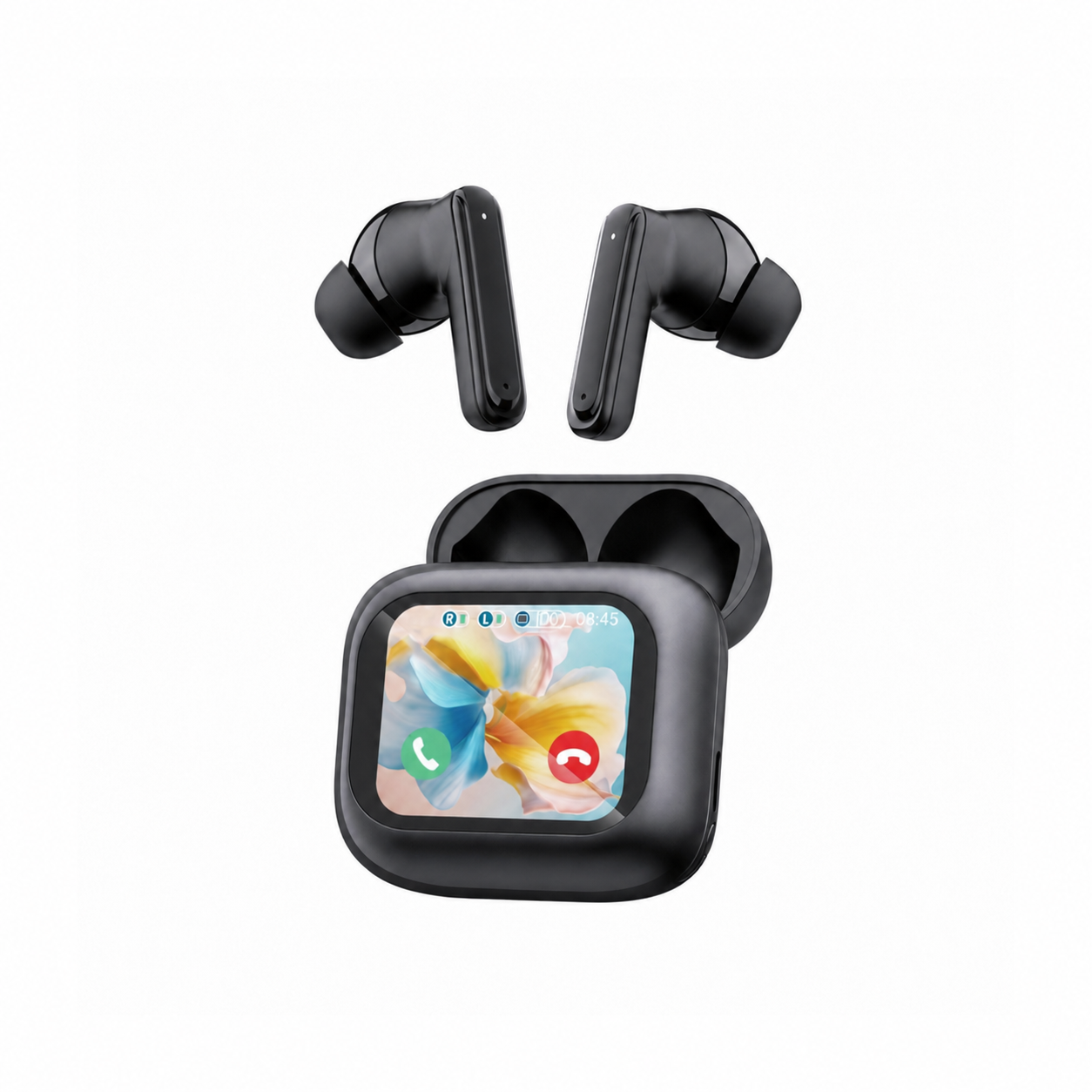 EARSOLE Smart Wireless Earbuds with LCD Touchscreen Case – Bluetooth 5.4 ANC/ENC
  EARSOLE Glow Wireless Earbuds with Luminous Quicksand Case — Bluetooth 5.4
 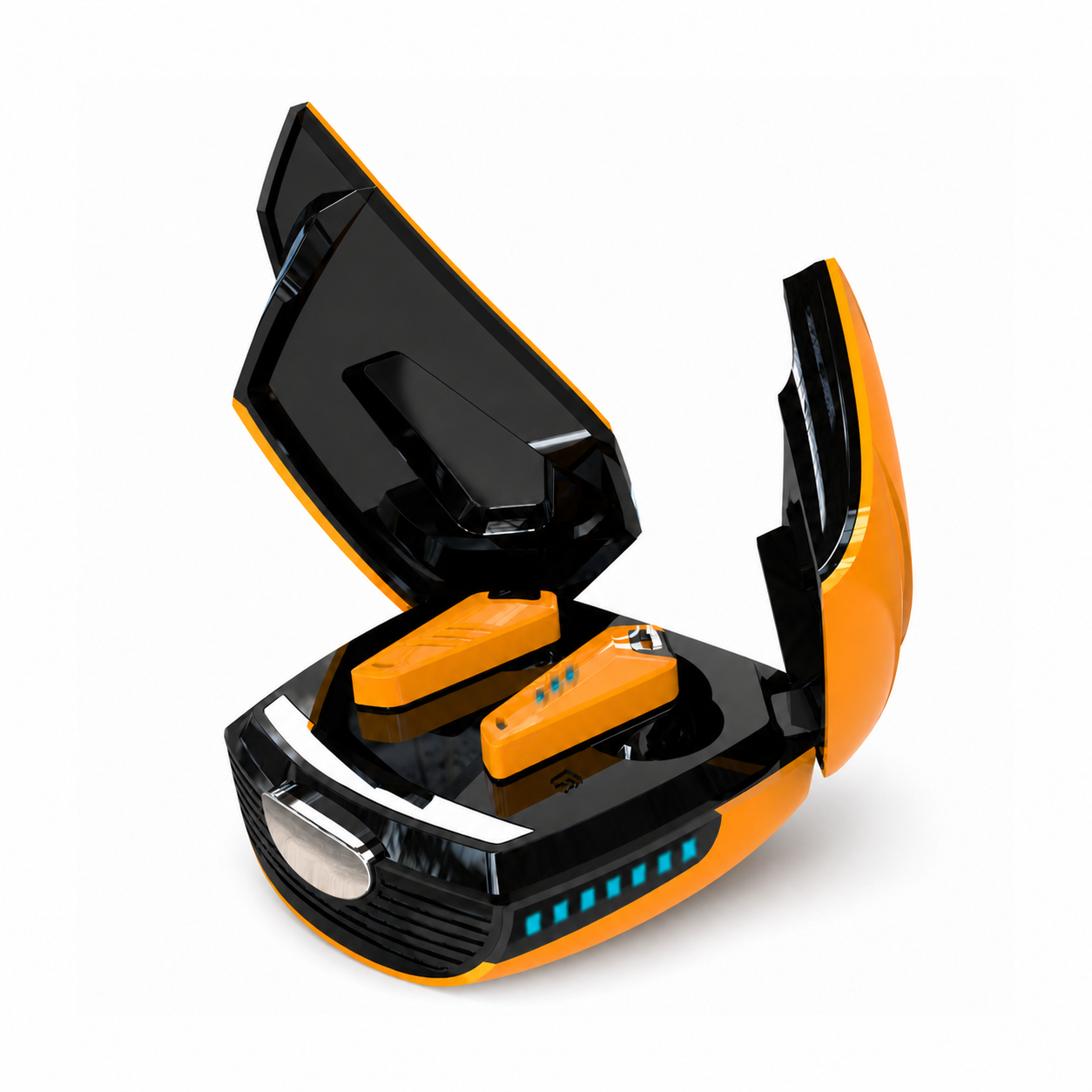 EARSOLE Beetle Mechanical Wireless Gaming Earbuds with Noise Isolation
 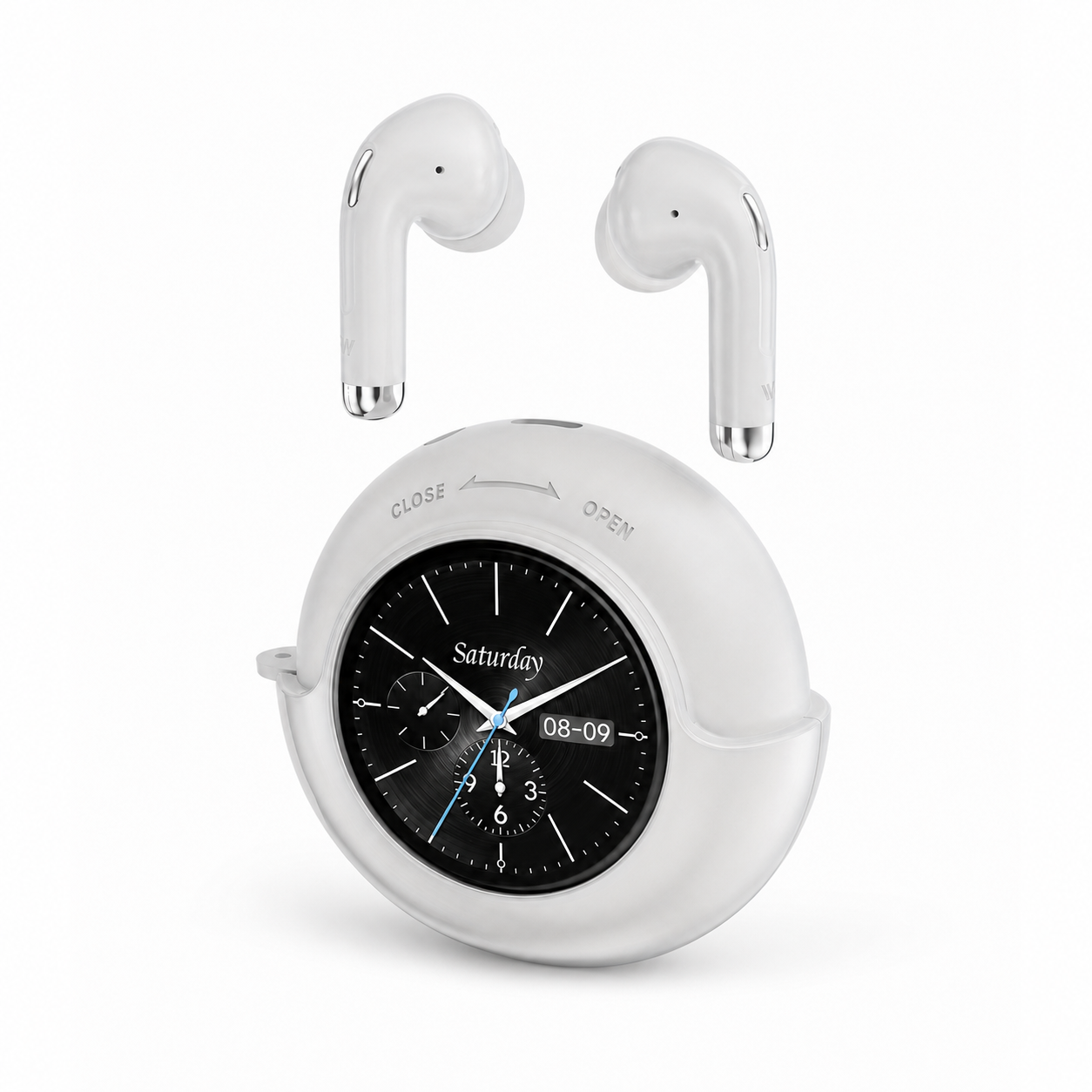 EARSOLE Smart Touchscreen Wireless Earbuds with Mic
 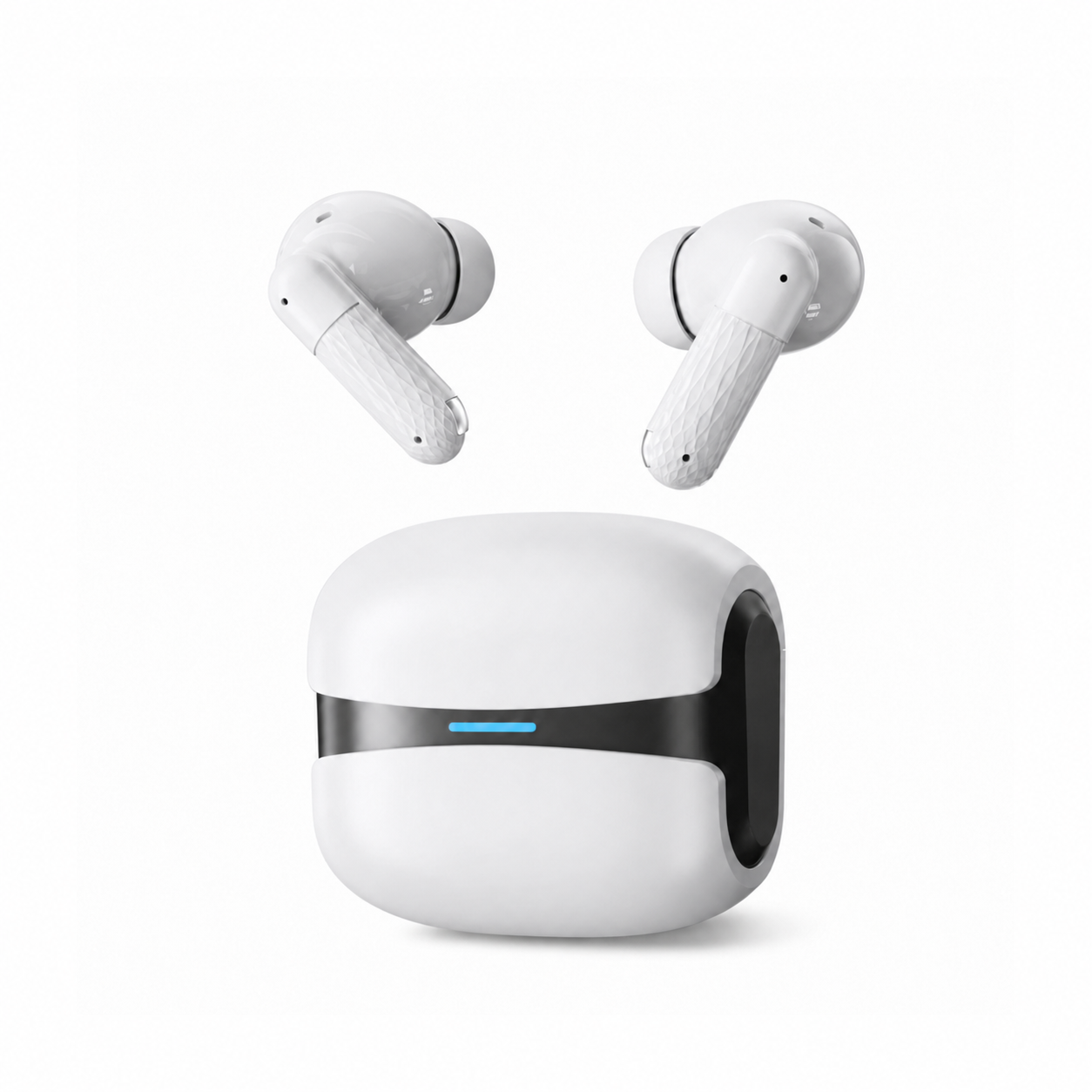 EARSOLE Cloud White Bluetooth 5.4 Wireless Earbuds with ENC Mic
 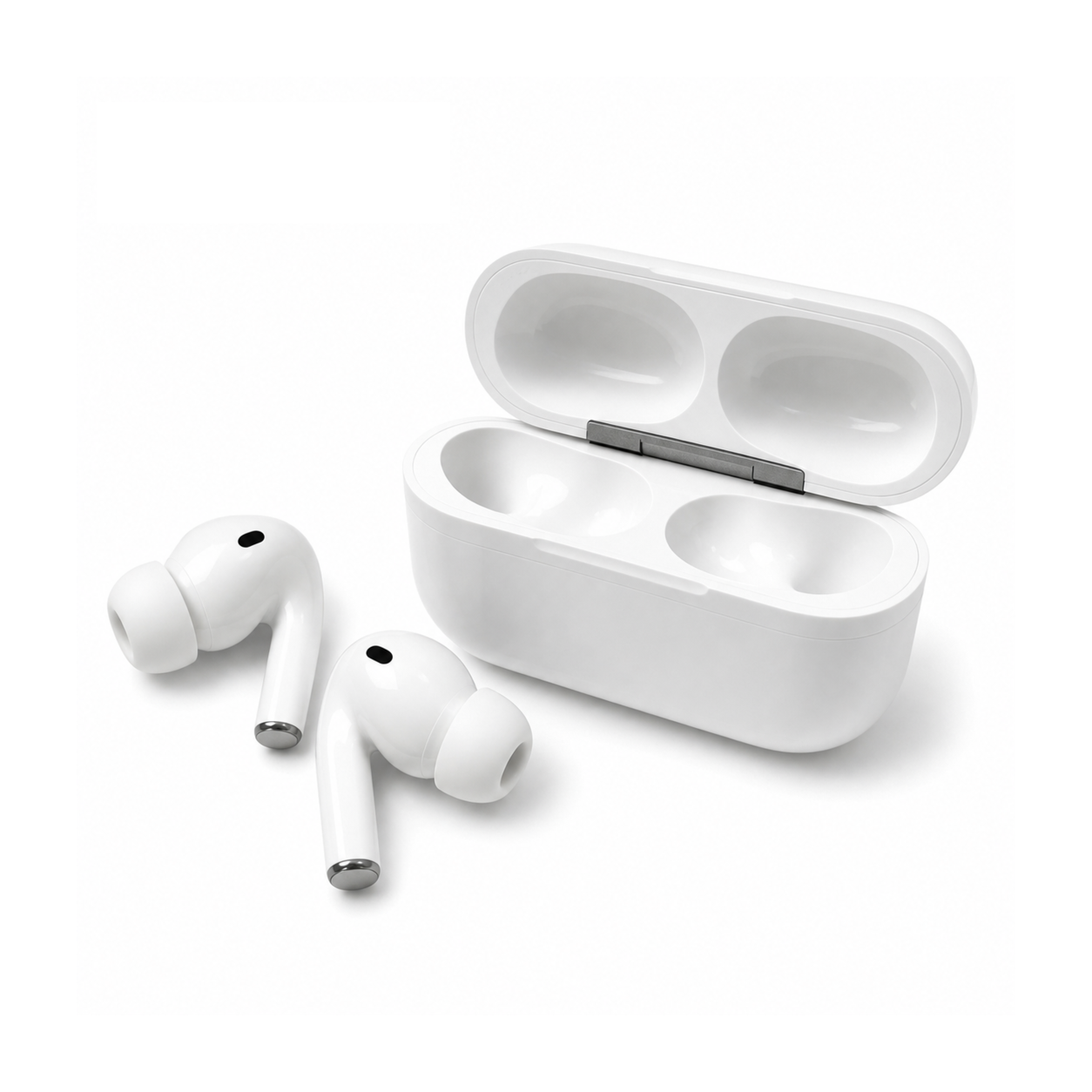 EARSOLE Core White In-Ear Wireless Earbuds with Charging Case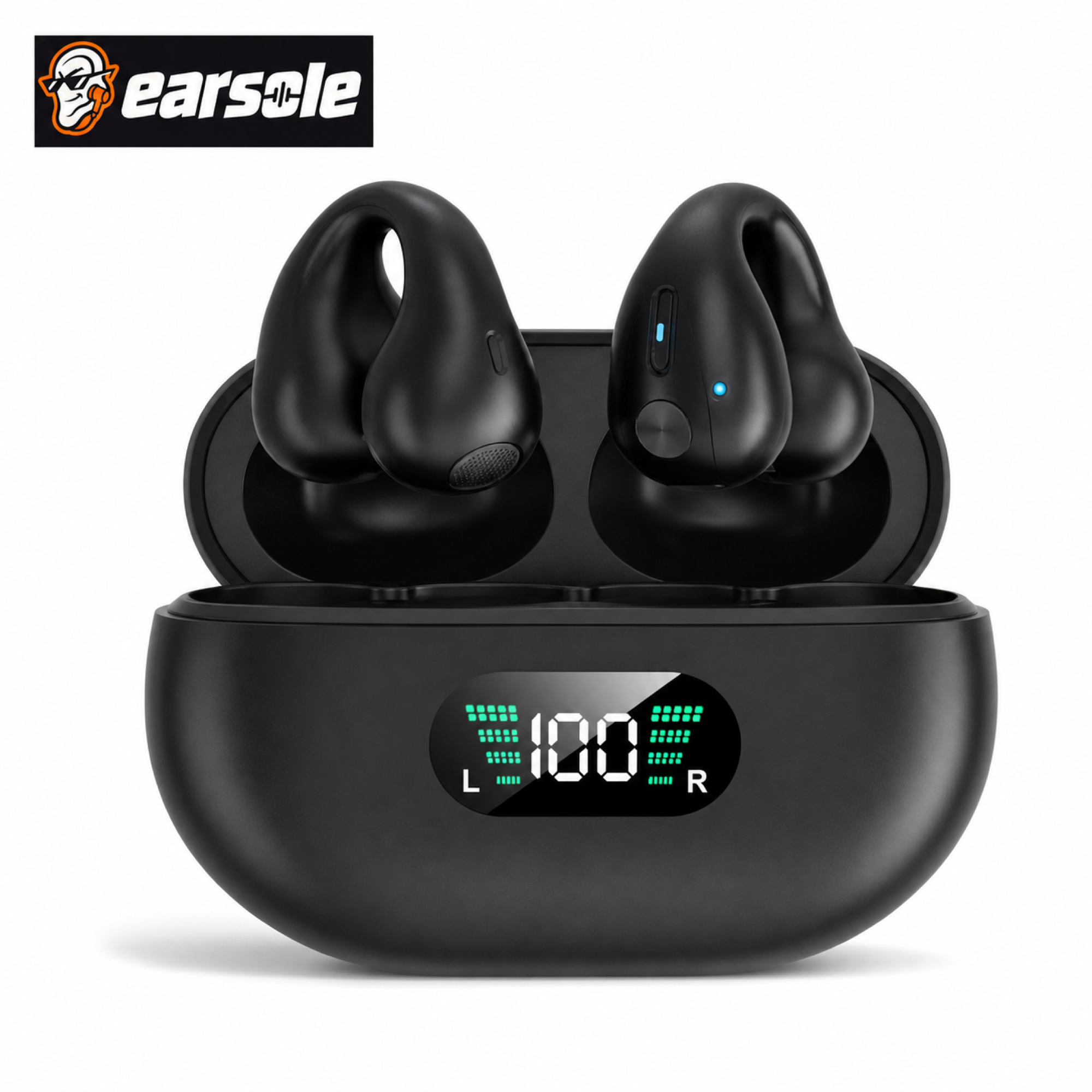
Open-ear earbuds and bone-conduction headphones are not the same. Open-ear earbuds usually use a conventional speaker to direct sound toward the ear while leaving the canal open. Bone-conduction models transmit vibration through contact points on the head. Both may support awareness-oriented listening, but their fit, sound path and feel are different enough to compare separately.
Reviewed July 13, 2026
This guide focuses on open ear vs bone conduction and the practical questions that come before a purchase or a change in routine.
What this means in practice
The key distinction is the sound path: air-conduction designs use a speaker and air; bone-conduction designs use vibration against the head. “Open ear” describes the canal experience, not one specific technology.
A practical comparison
| What to compare | What to look for | Why it matters |
|---|---|---|
| Sound path | Speaker directs sound toward the ear | Vibration travels through contact points |
| Ear-canal feel | Usually remains open | Also leaves the canal open |
| Fit location | Outer ear, clip or hook | Often rests around the temples or cheekbones |
| Shopping question | How does it feel and sound in your setting? | How does contact vibration and fit feel over time? |
A simple decision process
- Separate the sound path from the marketing label.
- Compare actual fit locations before comparing price.
- Use moderate volume and avoid treating either style as a medical solution.
Common questions
What is better, open-ear or bone conduction headphones?
The key distinction is the sound path: air-conduction designs use a speaker and air; bone-conduction designs use vibration against the head. “Open ear” describes the canal experience, not one specific technology. The practical choice depends on the use context and the exact product facts.
What are the disadvantages of open-ear headphones?
The key distinction is the sound path: air-conduction designs use a speaker and air; bone-conduction designs use vibration against the head. “Open ear” describes the canal experience, not one specific technology. The practical choice depends on the use context and the exact product facts.
Why aren't bone conduction headphones more popular?
Use the exact product documentation for feature-specific details and make the decision from the real fit and use context rather than a generic label.
EARSOLE context

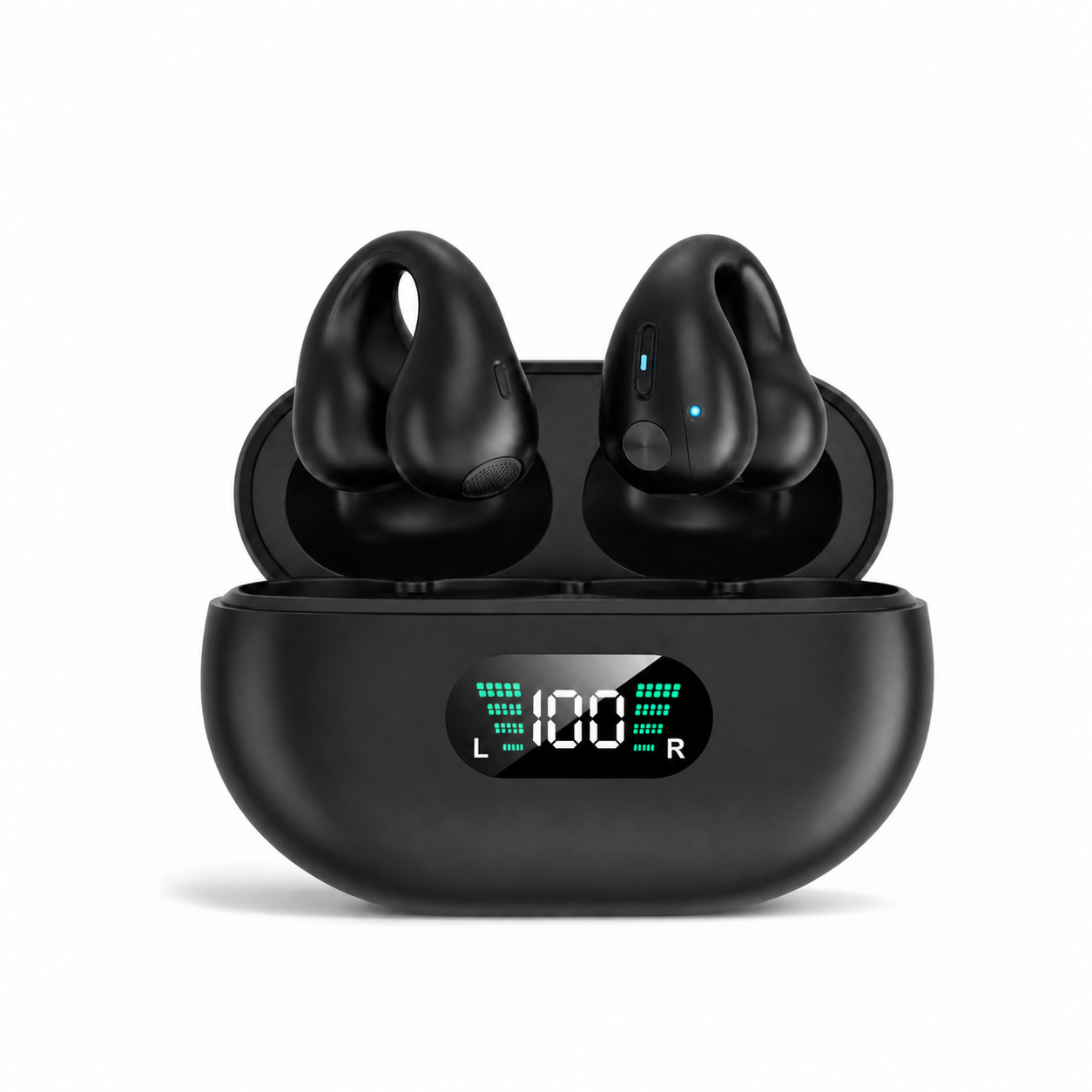
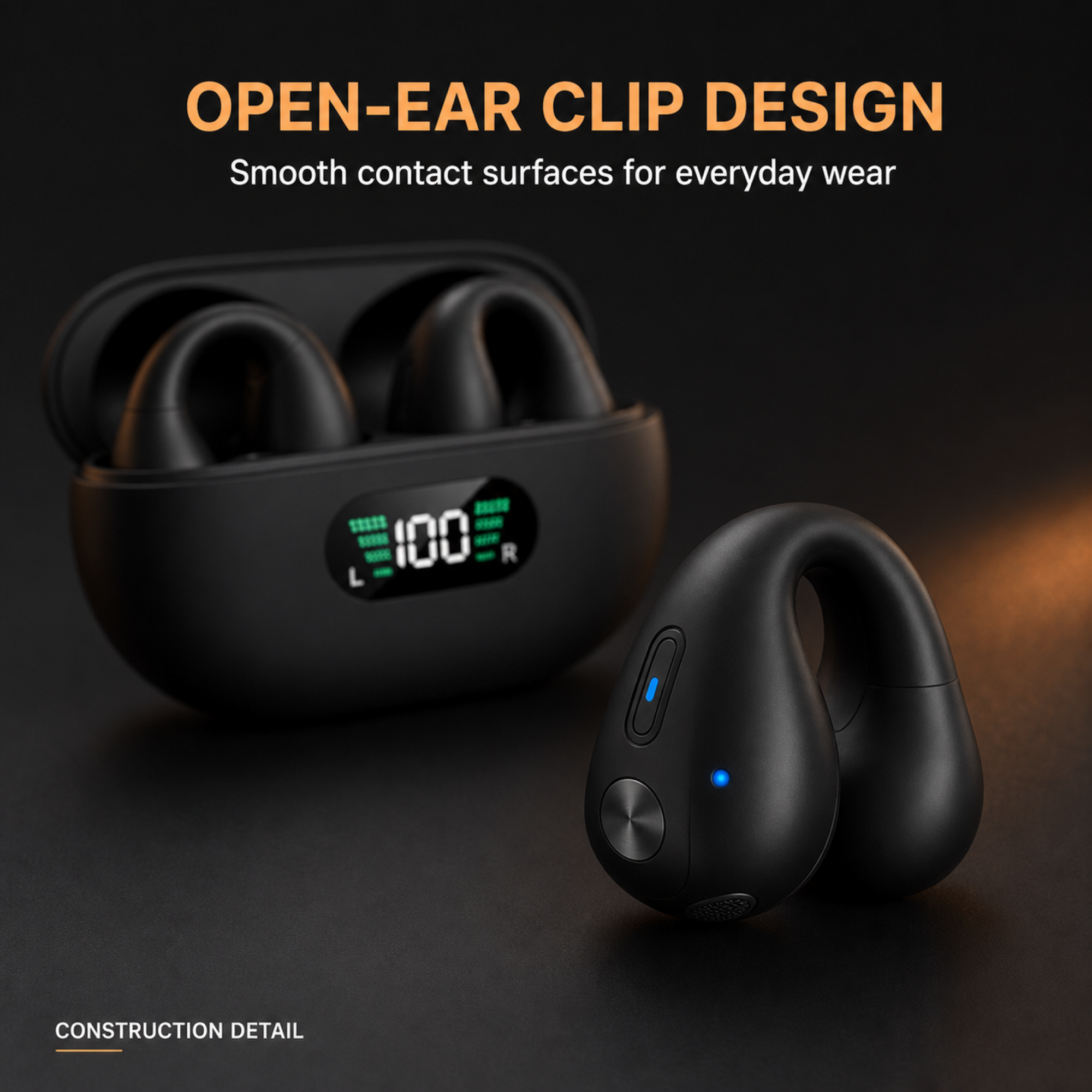
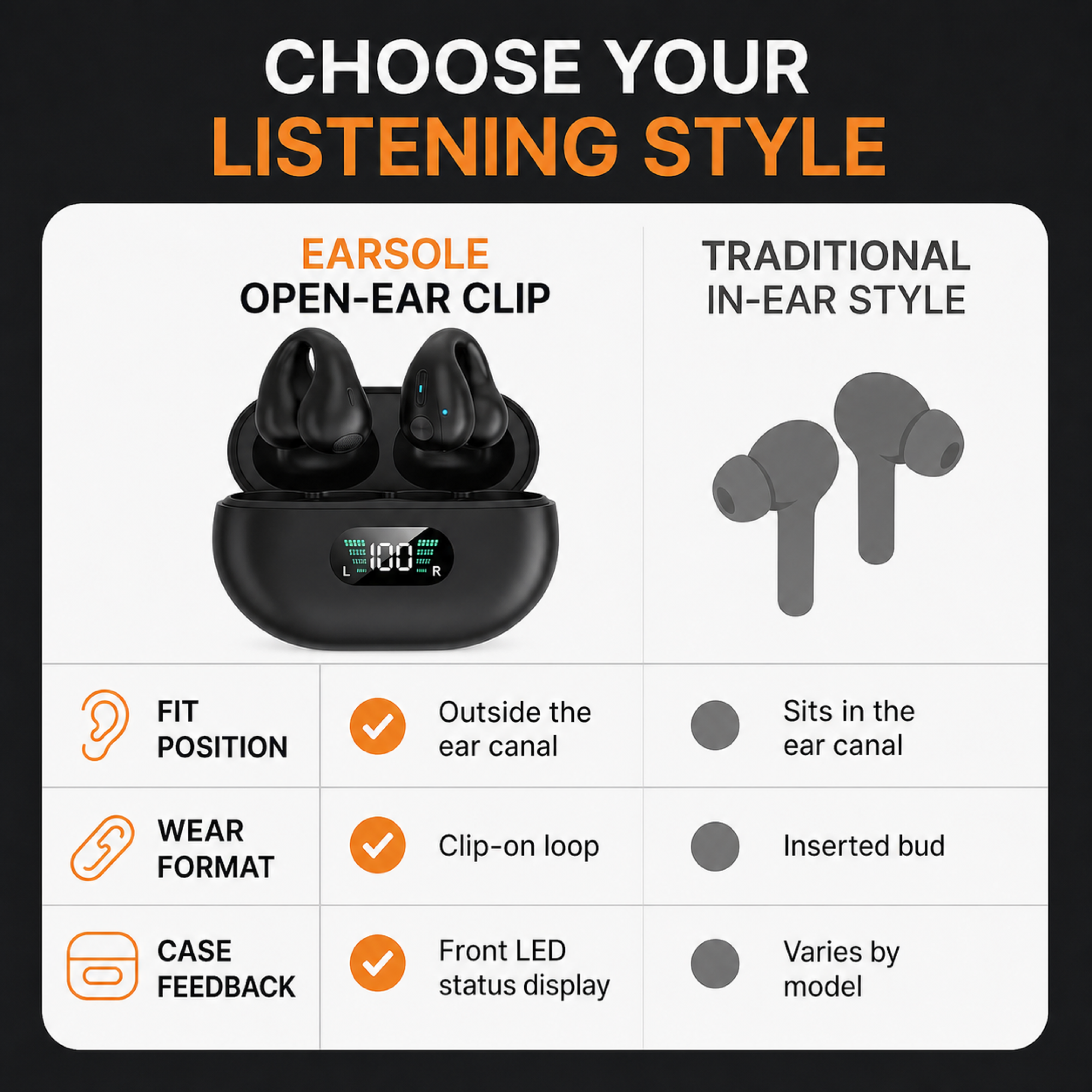
EARSOLE's clip-on product is an air-conduction open-ear example, not a bone-conduction device. EARSOLE Open-Ear Clip-On Wireless Earbuds with LED Charging Case lists an open-ear clip-on design, a front charging display, touch controls, and USB-C case charging. Check the current product page for its exact variant, care notes and availability.
Safe-listening boundary
Keep listening levels and sessions reasonable. If a product causes pain, irritation, ringing or a noticeable hearing change, stop using it and seek appropriate professional guidance.
Sources and review
Reviewed July 13, 2026.
Related picks from EARSOLE
If this guide was useful, these are the EARSOLE models it applies to: