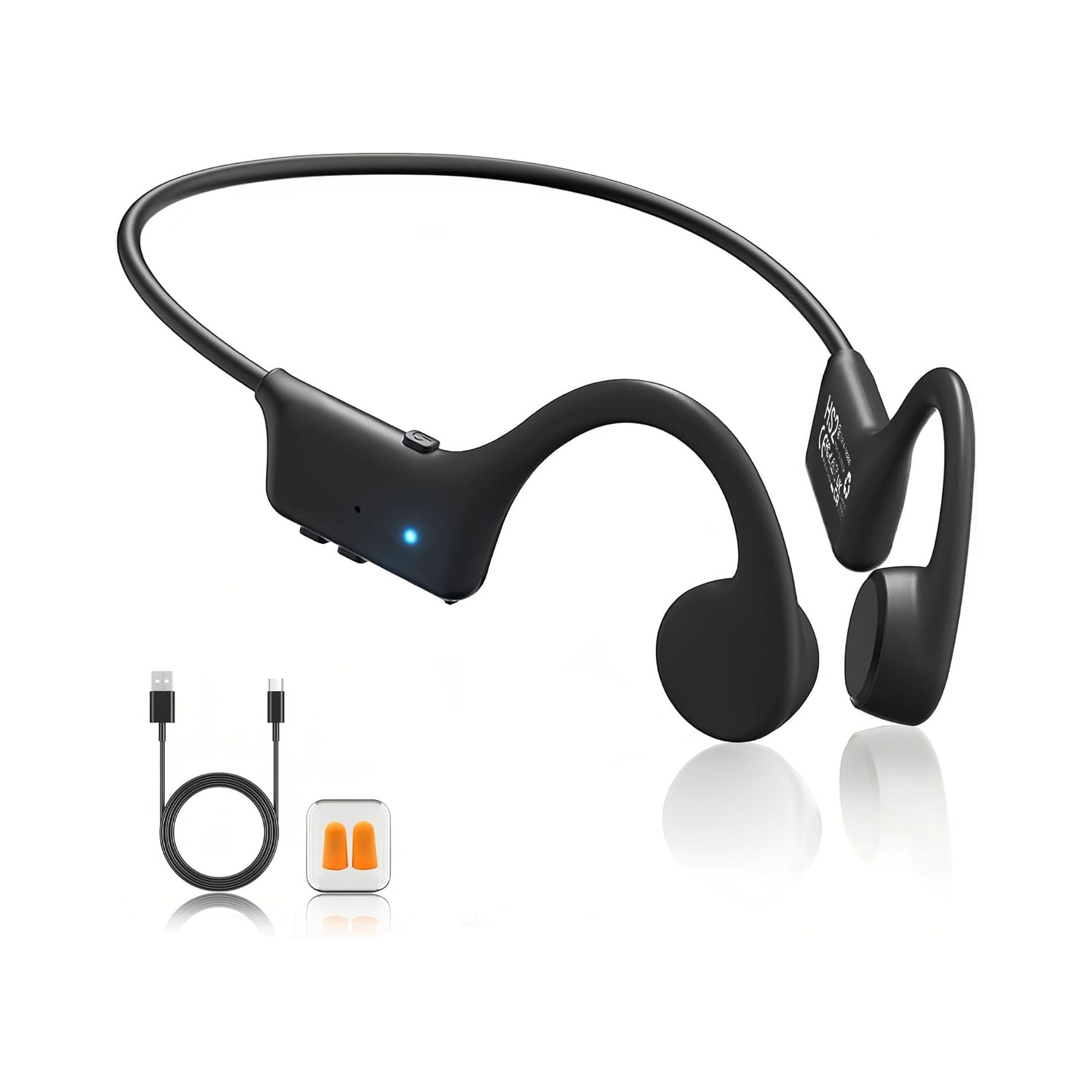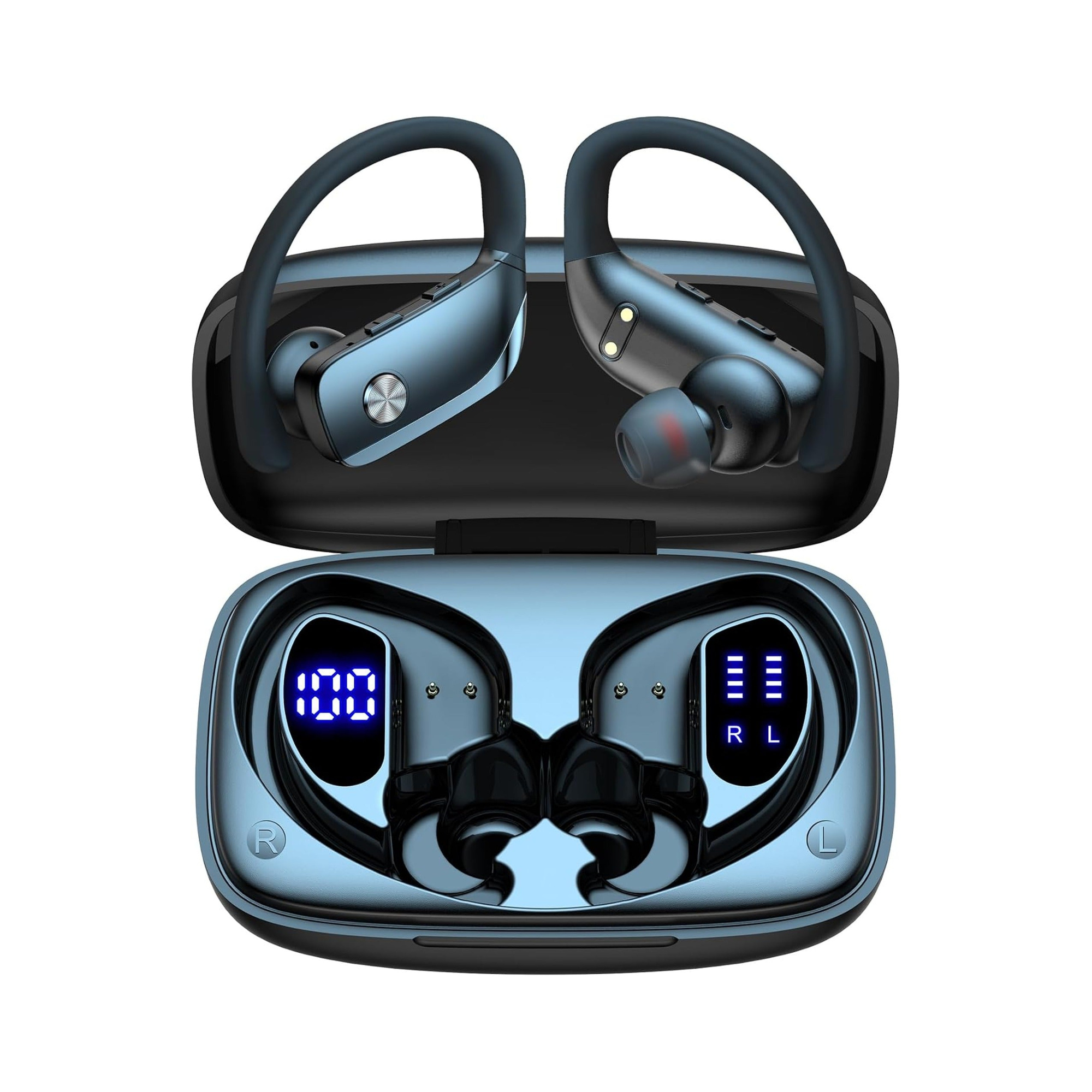
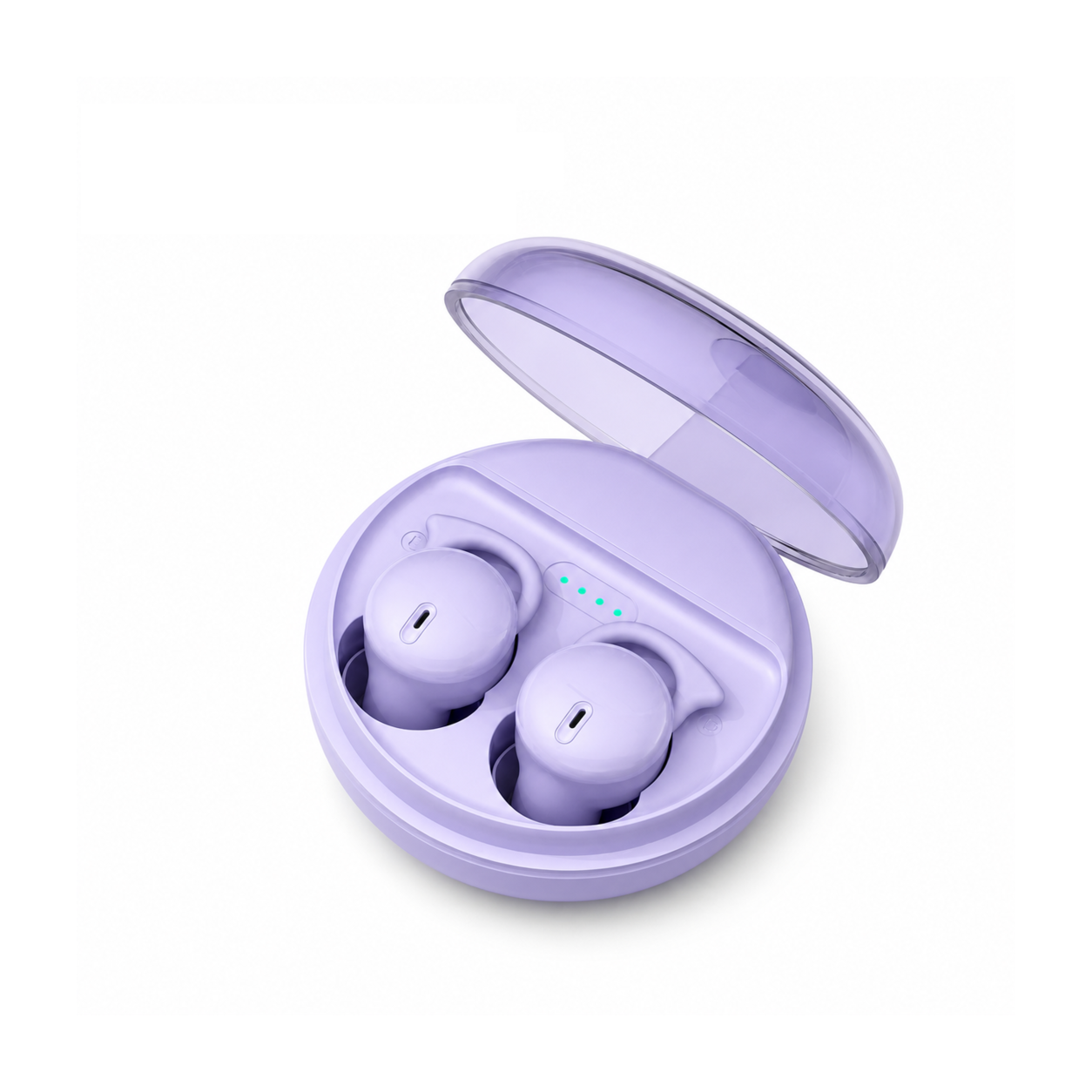
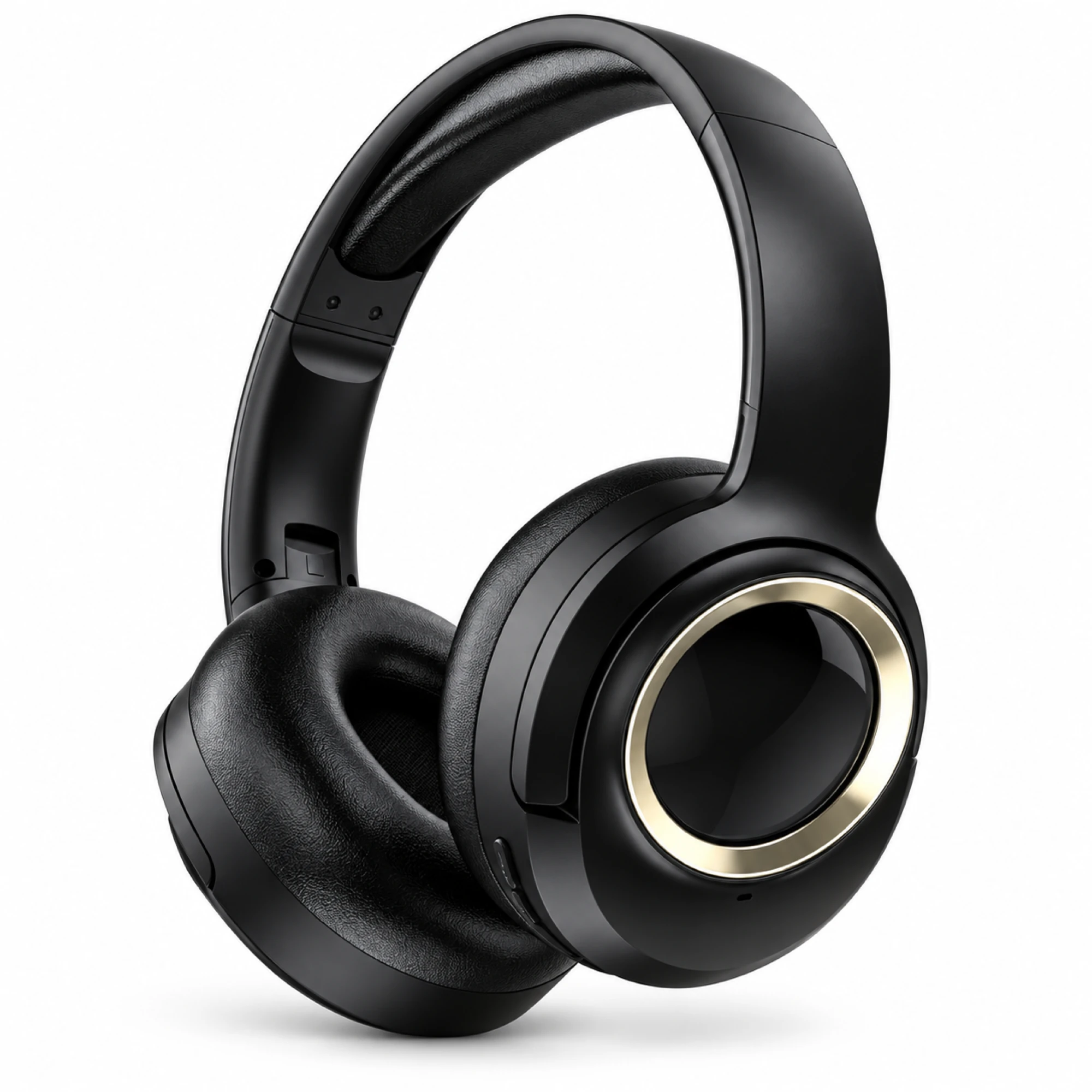
 MX-21 Black and Gold Wireless Headphones
 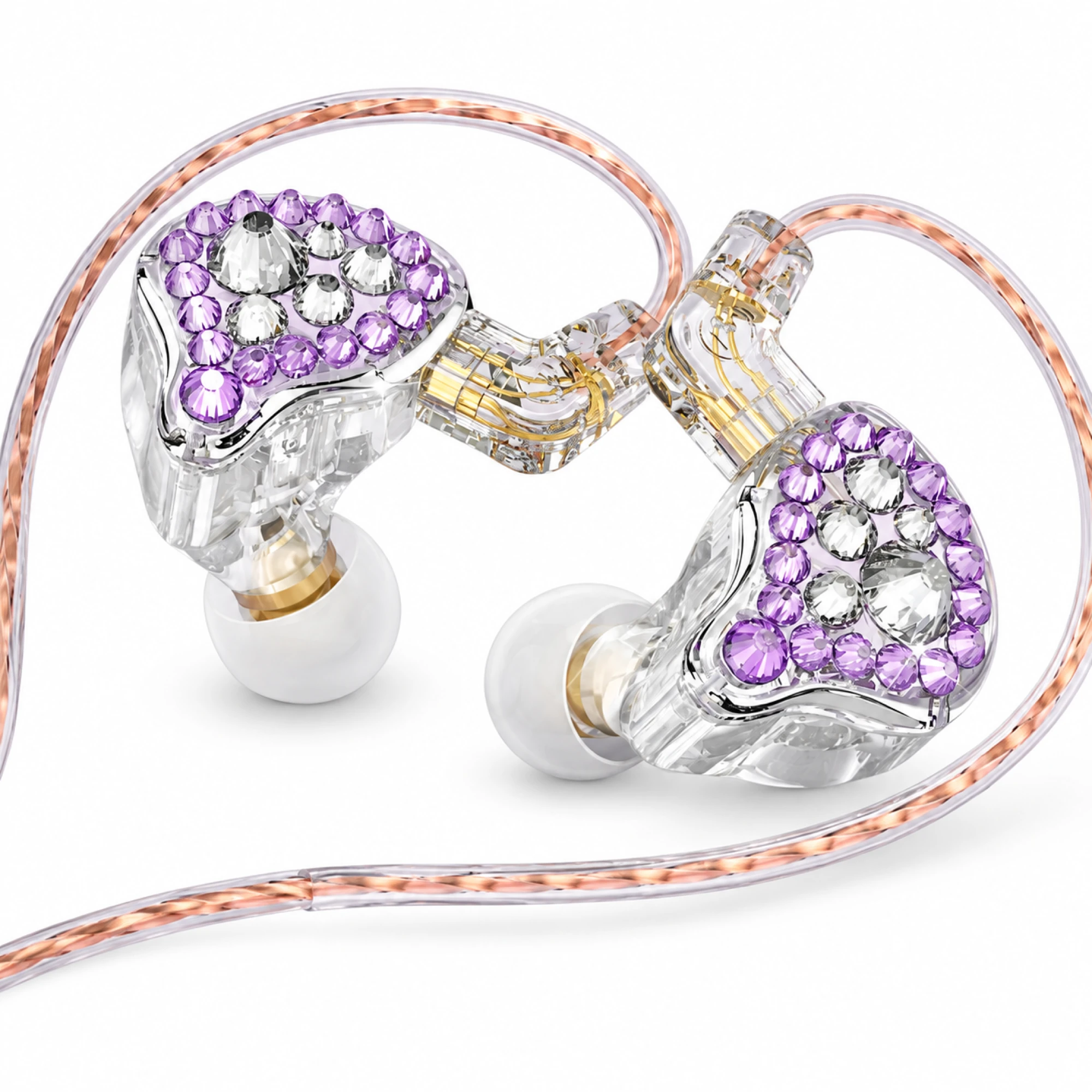 Q2 Pro Purple Crystal In-Ear Monitors
 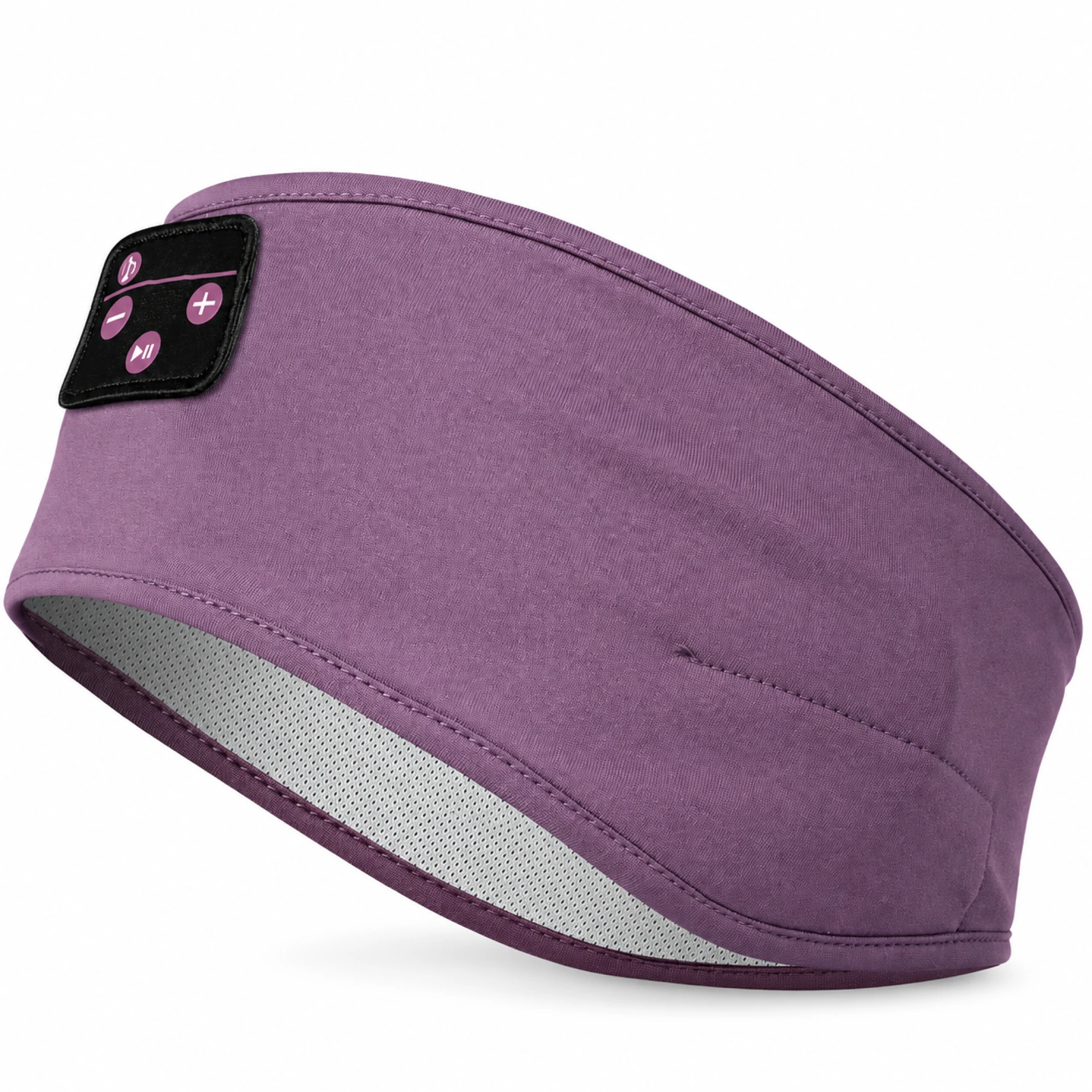 Purple Sleep Headband Headphones with Triangle Controls
 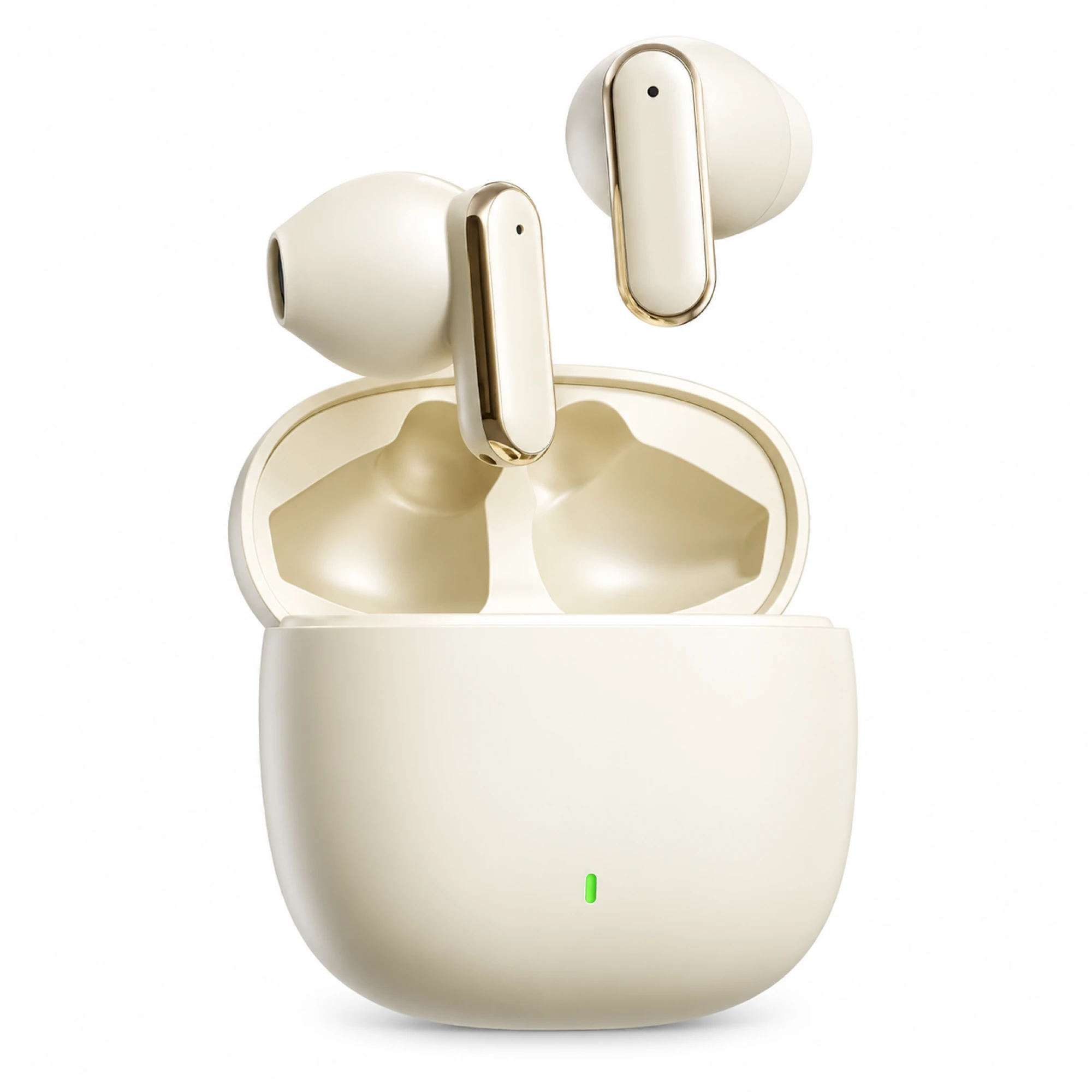 Cream Reflective-Stem Wireless Earbuds
 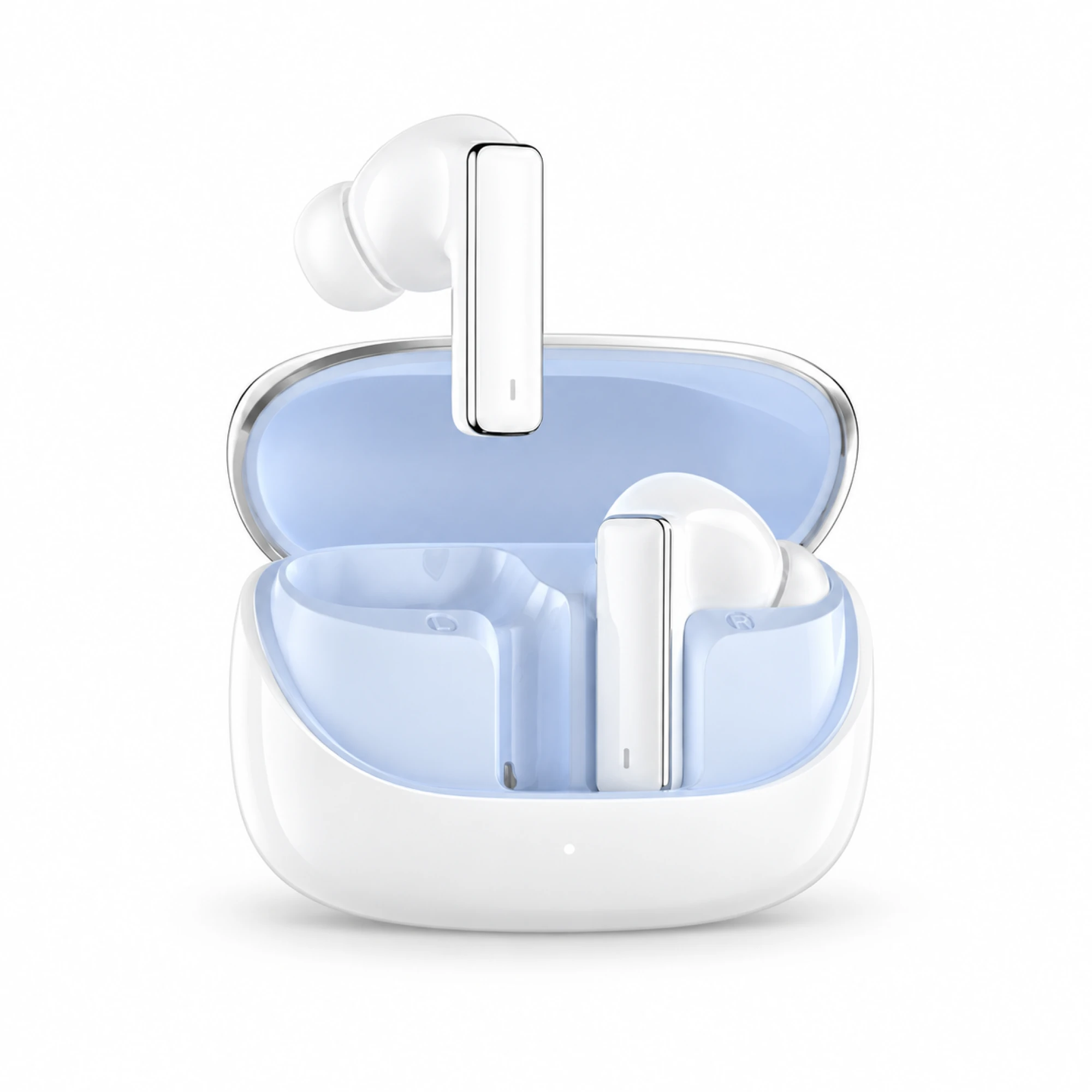 IN-01 White ANC Earbuds with Pale Blue Case Interior
 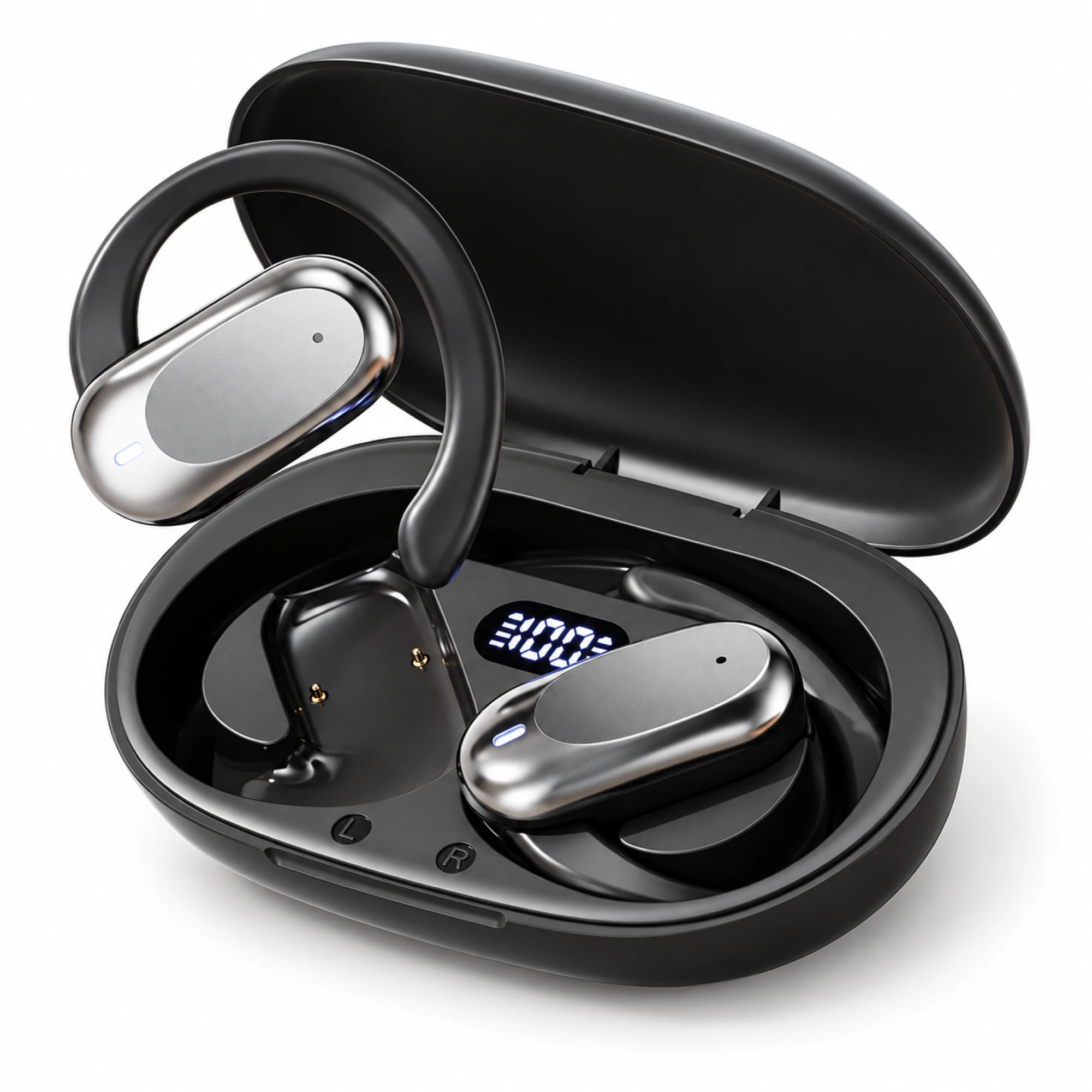 Silver Capsule Open-Ear Earbuds
 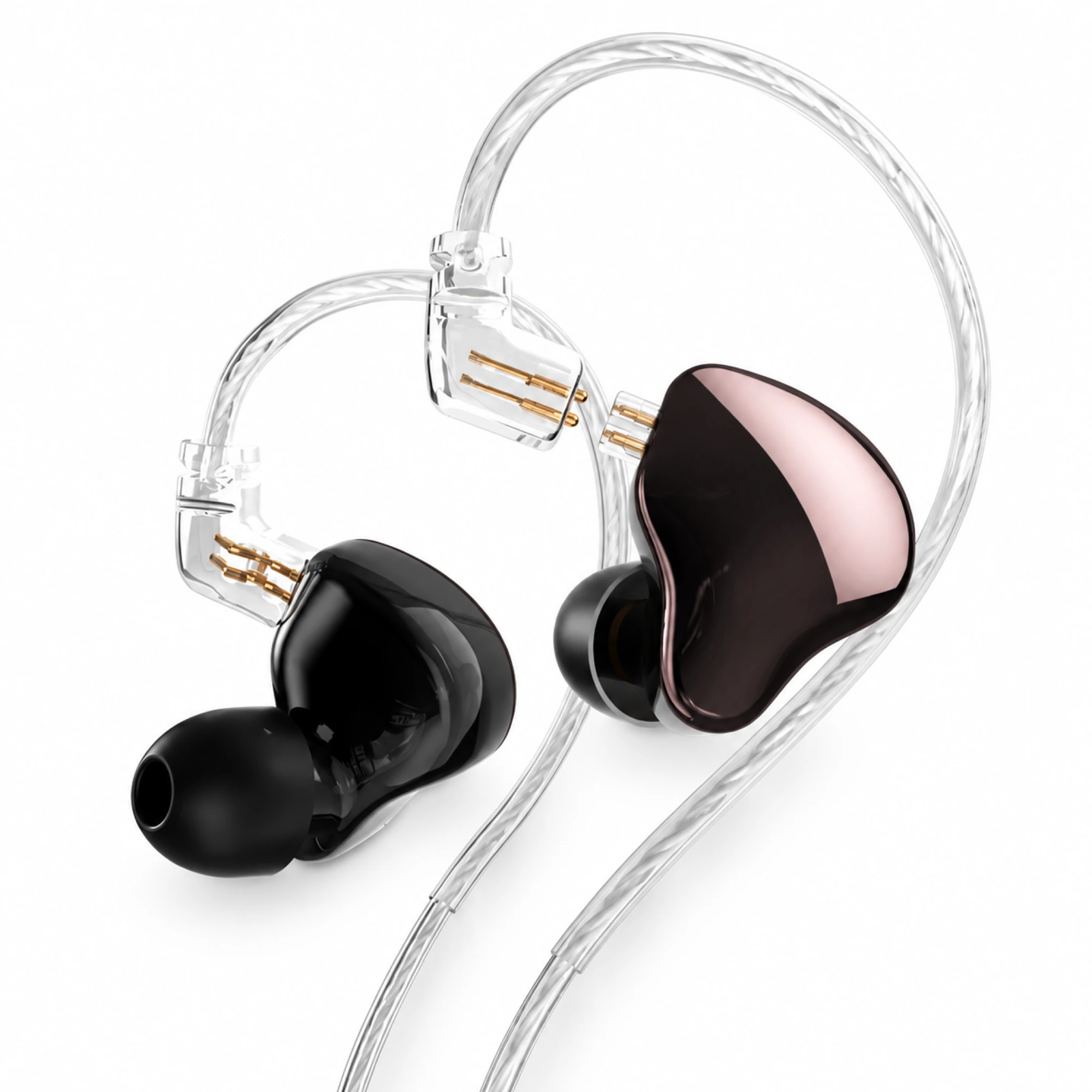 MN Rose-Metallic Detachable In-Ear Monitors
 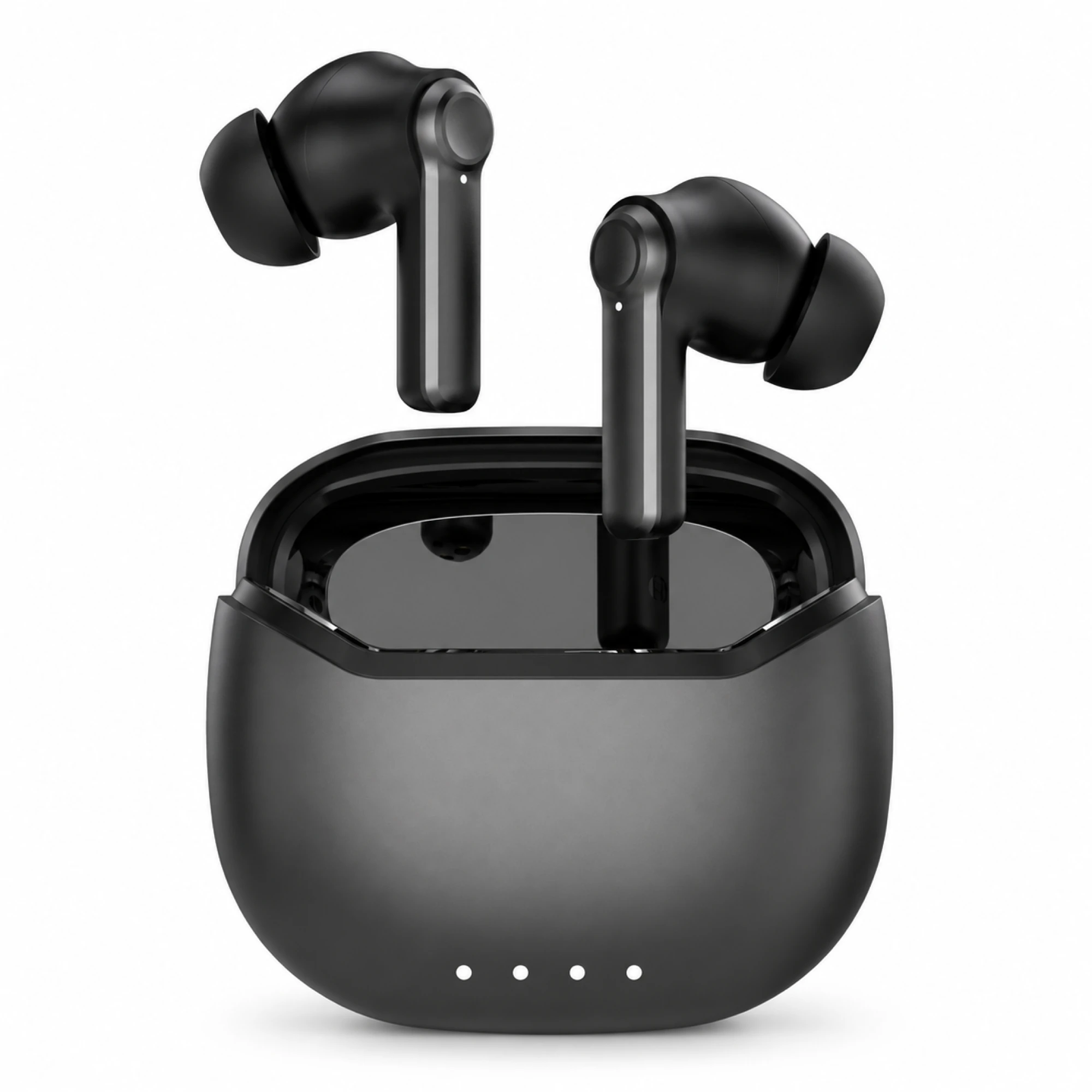 Black ANC Earbuds with Four-Indicator Case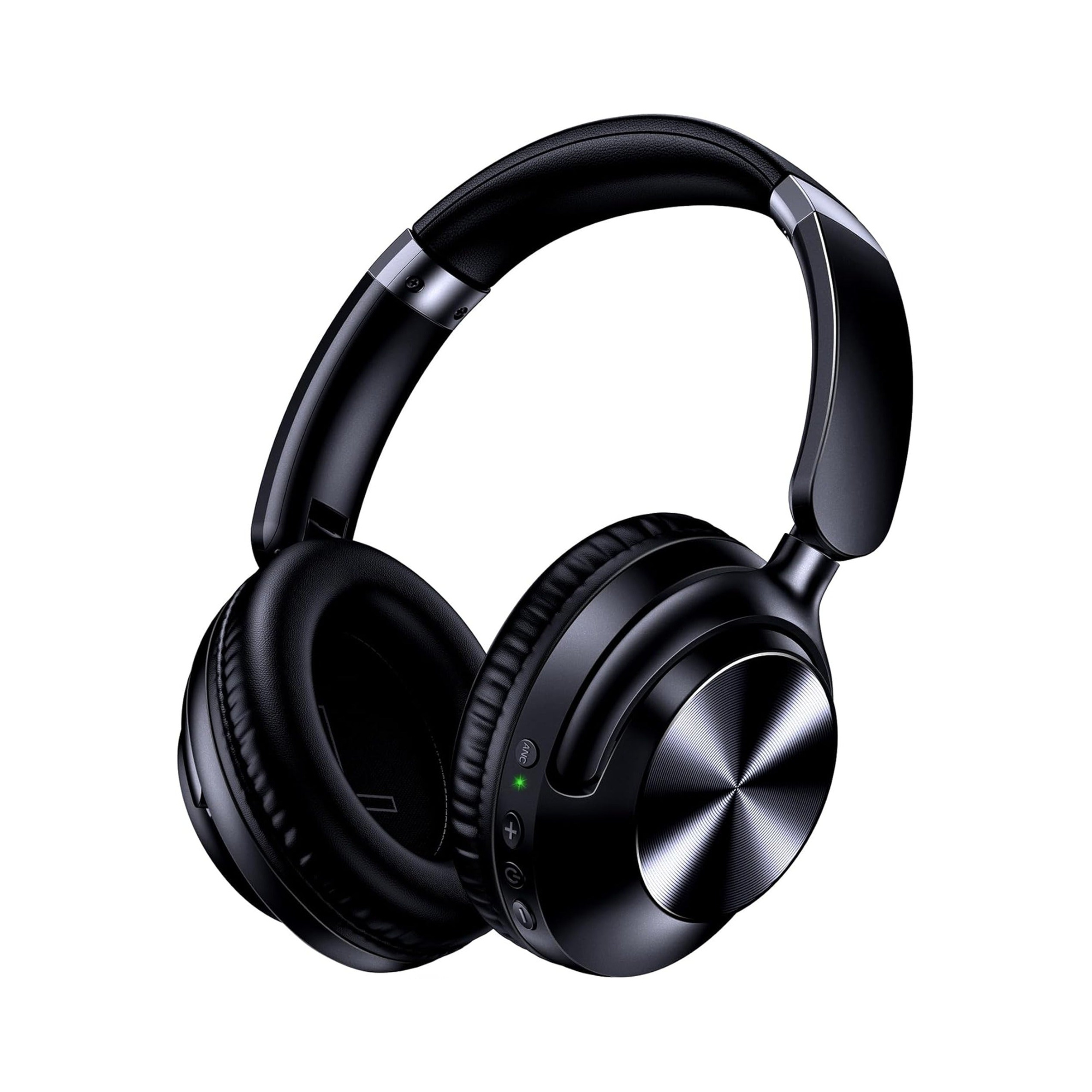
With the best over ear headphones to workout in, the model matters less than the earpad on it. Cups fail at the pad first: sweat soaks into a material chosen to seal instead of breathe, salt stays behind once the water evaporates, and the pad crumbles months before the drivers do. Buy for replaceable pads.
What sweat does inside a cup
A circumaural pad exists to seal, and sealing means the skin underneath has no ventilation path. The pocket around your ear runs warmer and more humid than the rest of your head, which is fine at a desk and the whole problem under load. Sweat there cannot evaporate. It pools at the pad-to-skin boundary and goes to one of three places.
- Into the pad. Foam under a coated surface absorbs whatever gets past a seam or crease, and dries slowly inside a closed gym bag.
- Along the headband. Band foam is usually uncoated and wicks readily, which is why it often looks worse than the pads after a year.
- Down onto the driver. Gravity takes the rest through the grille cloth toward the driver and the cup's internal vents.
What is dissolved in it matters as much as the volume. Sweat is saline: the water evaporates between sessions and the salt stays in the foam and on whatever metal it reached. The damage is cumulative, and it never announces itself on any single day.
Pad material is a specification, not a comfort note
Anyone comparing over-ear headphones for training should read the pad covering first. The material that reviews best at a desk is generally the worst one to sweat into.
| Pad covering | Seal and bass | Breathability | Under sweat |
|---|---|---|---|
| Protein leather / PU | Best | Worst; effectively a vapour barrier | Surface stays wet; coating softens, then flakes at the fold lines |
| Velour or woven fabric | Weaker low end and isolation | Good | Absorbs instead of pooling; holds odour if not dried |
| Hybrid (fabric face, coated sides) | Close to leather | Moderate | A fair compromise, uncommon at low prices |
| Mesh over foam | Weakest seal | Best | Dries fastest, protects the driver least |
Seal and breathability are opposed, and no pad gives you both, which is why serious cardio and serious noise cancellation rarely coexist in one session.
Heat and clamp force trade against each other
The second failure is mechanical and shows up the first time you do burpees. A cup is mass on the end of a headband, several centimetres from the pivot. Jump rope, box jumps and rowing at pace give that mass momentum the band resists through friction alone.
The only fix available to you is more clamp, and tighter clamp costs you elsewhere:
- More contact pressure means a more complete seal, so less air exchange around the ear.
- Less air exchange means more heat and more sweat held against the pad.
- More retained sweat means faster pad degradation and more liquid reaching the driver.
- More pressure also loads the same spots for longer; see our ear fatigue versus ear pain triage.
Spending more does not break the loop, since a heavier headphone needs more clamp to stay put. Our own over-ear model is listed at about 0.54 lb, roughly 245 g: unremarkable at a desk, noticeable when you move your head fast. It is also why ear-hook and open-ear designs dominate gym floors, since they anchor to the ear instead of relying on friction across the skull. Our running fit guide works through how that anchoring is tested.
"Sweat-resistant" is not a rating
Shopping for exercise headphones gets misleading here. The IP code is defined by IEC 60529, "Degrees of protection provided by enclosures (IP Code)", which classifies protection against solid objects and water: two digits, both testable. "Sweat-resistant", "sport" and "workout-ready" are descriptions, printable without testing anything.
Two further points deserve bluntness. An IP rating describes water, and sweat is saline, so the code says nothing about what dissolved salt does to contacts and foam. And most over-ear headphones, ours included, publish no IP code at all. That is less an oversight than a consequence of the design: cups have openings a sealed earbud does not have, including the headband slider channel, the grille under the pad, membrane buttons and an exposed USB-C port. Our IP ratings guide covers what the digits certify.
The checklist that predicts survival
These questions separate a pair that lasts two years from one that looks tired by spring. None are about sound.
- Do the pads come off, and can you buy replacements? This is the most predictive question of the lot. Most listings do not answer it; if it is not stated, assume glued.
- Which covering? Coated foam for isolation, fabric for breathability. Pick deliberately instead of accepting what ships.
- Is there any IP code at all? A stated IP54 tells you more than three paragraphs of sport language.
- How heavy, and how adjustable is the clamp? You want the lightest pair that holds without being cranked down.
- Is there a 3.5 mm fallback? If a corroded port kills charging, wired mode keeps the headphone alive.
- What is the return window? Thirty minutes on a treadmill beats any published measurement.
The care routine is dull and it is most of the battle: wipe pads and band after each session, weekly is too late, and dry them open before storage.
When cups are the right call, and when they are not
None of this argues that over-ear is always wrong for training. The split follows sweat rate and head movement more than price.
- Steady treadmill, bike or rower in a cool room: usually fine. The head is stable, the effort moderate, and isolation lets you listen quieter.
- Cold-weather outdoor walking or easy running: often the best option, because heat retention inverts into an advantage.
- HIIT, burpees, jump rope, box jumps: poor. Peak sweat and vertical movement arrive at once.
- Barbell work lying on a bench: poor, since cup and bench pad occupy the same space.
- Hot rooms, hot yoga, summer outdoors: poor. There is no evaporative path when you need one most.
- Swimming: not possible. Water blocks 2.4 GHz radio, so onboard storage is required.
For most people that points to a split kit: cups for cardio machines and cold months, ear-anchored designs for everything else.
Which of ours belongs anywhere near a workout
EARSOLE is an earbud range with one true over-ear model beside a group of gaming headsets and kids' headphones. We cannot credibly rank over-ear workout headphones as a category, and you should be sceptical of any single-model brand that tries.
The Over-Ear Wireless Headphones Series 127 at $44.75 lists up to 100 hours of playtime, about 10 hours from a five-minute charge, Bluetooth plus 3.5 mm, protein leather cups, a folding hinge and a weight of 0.54 lb. Three caveats come with it. Its copy mentions hitting the gym, but it states no IP code and no sweat rating, so we claim none. It does not say whether the protein leather pads are user-replaceable, and we will not guess. And the ambient noise reduction percentage that appeared in the supplier copy is unverifiable, so we have taken it out; our ANC versus ENC explainer covers why such numbers are quoted where cancellation performs best.
The Bone Conduction Open-Ear Sport Headphones at $39.99 list IP54, up to 12 hours of playtime, USB-C fast charging and a silicone wraparound frame; they are the only headphones we sell with a stated sweat-relevant rating. The Sport Ear-Hook Wireless Earbuds at $28.99 list 8 hours per earbud, 80 hours with the case and 10 mm drivers, and the hook suits movement-heavy sessions where cups slip. If the lists above pushed you away from cups, the everyday wireless earbuds collection holds all three.
Questions about sweat and full-size headphones
Can you wear over-ear headphones while working out?
Yes, and plenty of people do; the constraint is the session, not a rule. Steady cardio in a cool room is comfortable and often lets you listen quieter, because isolation is better. Dynamic movement, hot rooms and anything performed lying down are where cups become a poor fit.
Does sweat damage over-ear headphones?
Generally yes, cumulatively instead of suddenly. Sweat soaks into pad and headband foam that cannot dry quickly, and dissolved salt stays behind after the water evaporates. Pads and band padding usually degrade first, which is why replaceable pads matter more than any figure on the box.
How do I tell whether a headphone's earpads can be replaced?
Twist one pad gently anticlockwise and look at the rim. A pad that rotates or lifts at the edge is seated on a ring or a bayonet mount and can usually be swapped; a pad glued to the baffle stays put and tears if you pull. Where the listing says nothing, assume glued and treat the pad as the lifespan of the headphone.
Should I wipe headphones with alcohol after a workout?
Not on a coated pad. Alcohol strips the plasticisers out of protein leather and speeds up the flaking it was going to do anyway. A cloth damp with plain water, then air drying with the cups open, removes most of the salt without attacking the covering.
Buy for the pad, then match the session
Over-ear headphones for working out are worth having when they are built around a pad you can replace. Sweat, more than sound, decides how long a pair survives: it soaks into a covering chosen for sealing, leaves salt behind when it dries, and ages the one component nobody lists as a specification. Check for removable pads, a stated IP code and a real return window, then match the shape to the session: cups for machines and cold air, ear-anchored designs for everything that makes you jump.