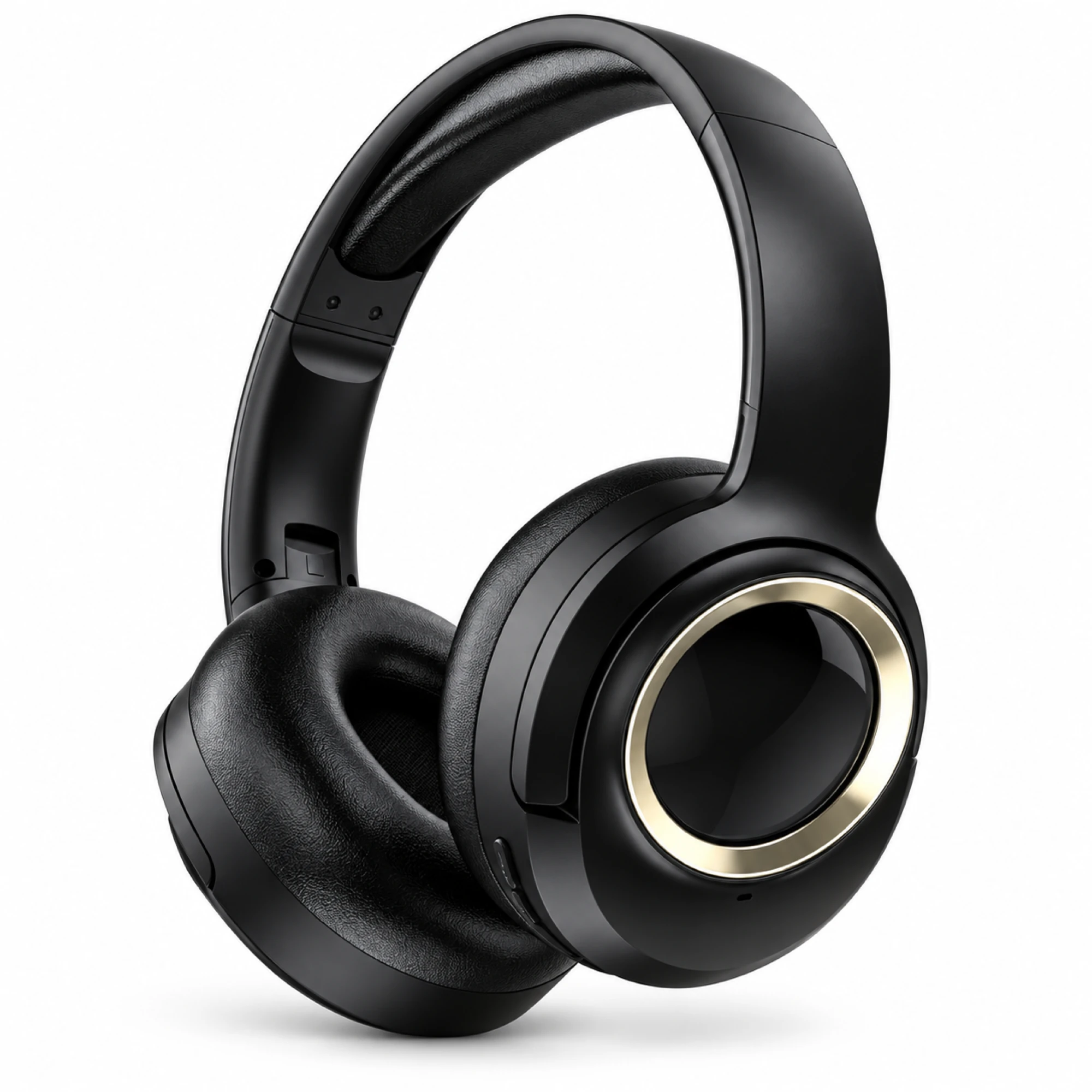
 MX-21 Black and Gold Wireless Headphones
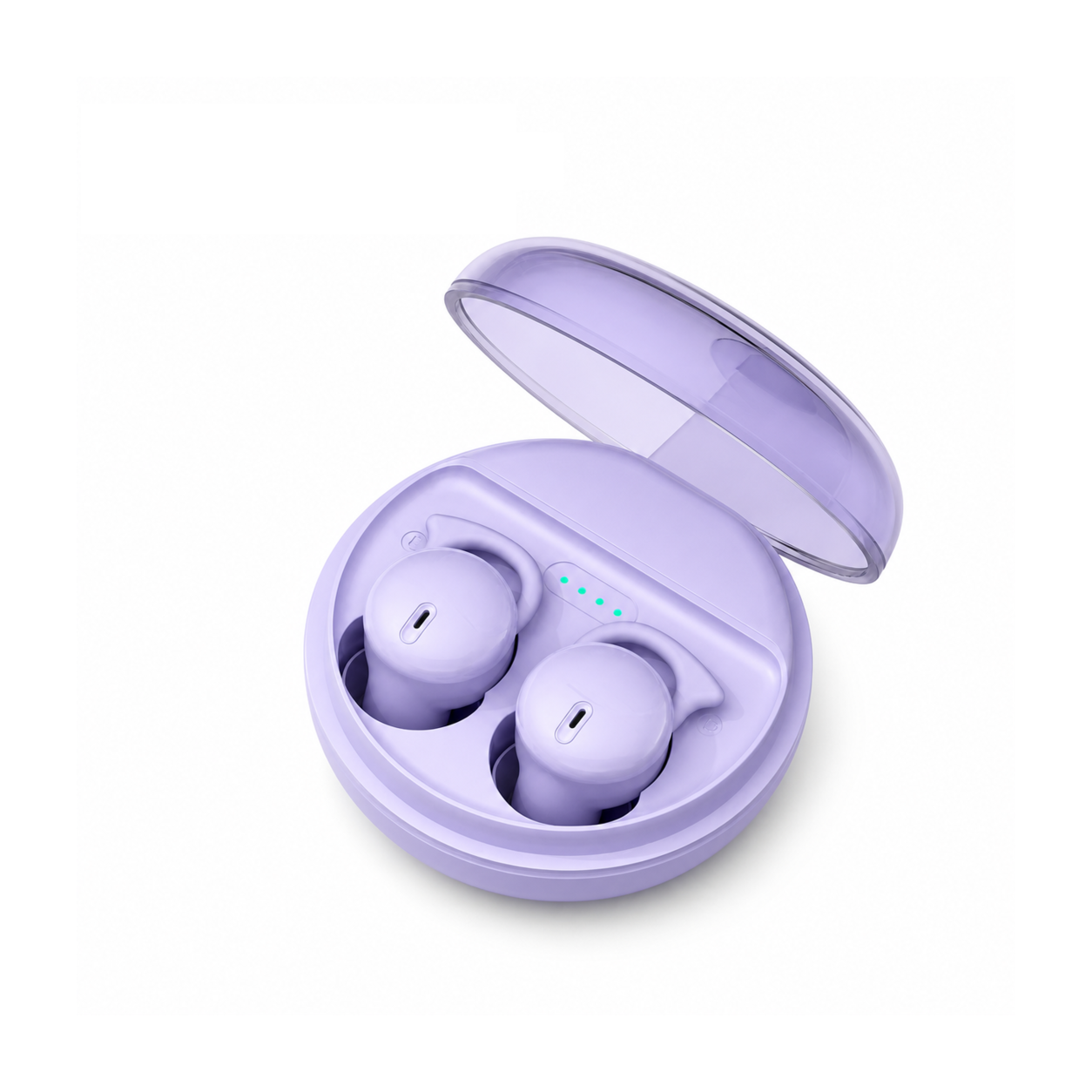
 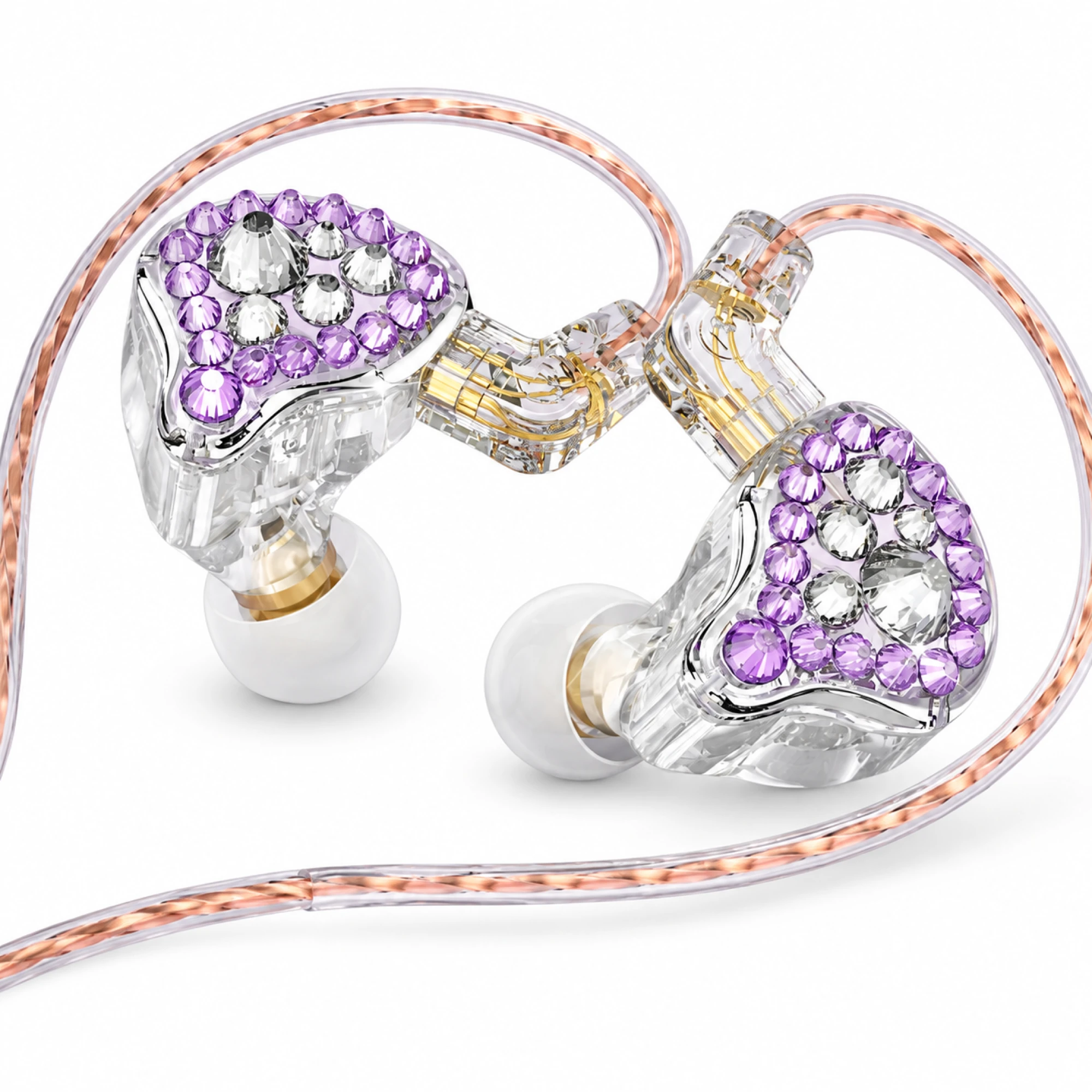 Q2 Pro Purple Crystal In-Ear Monitors
 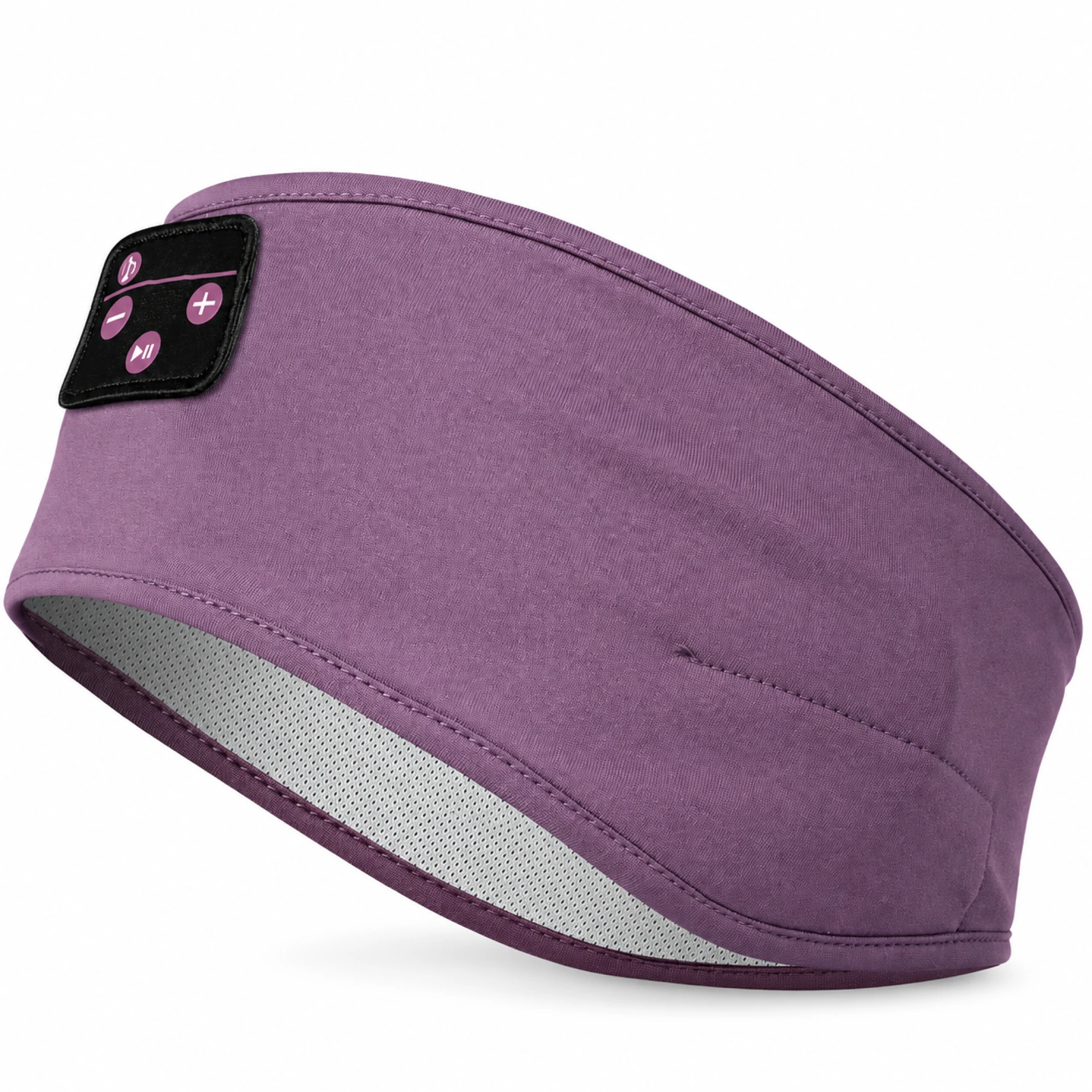 Purple Sleep Headband Headphones with Triangle Controls
 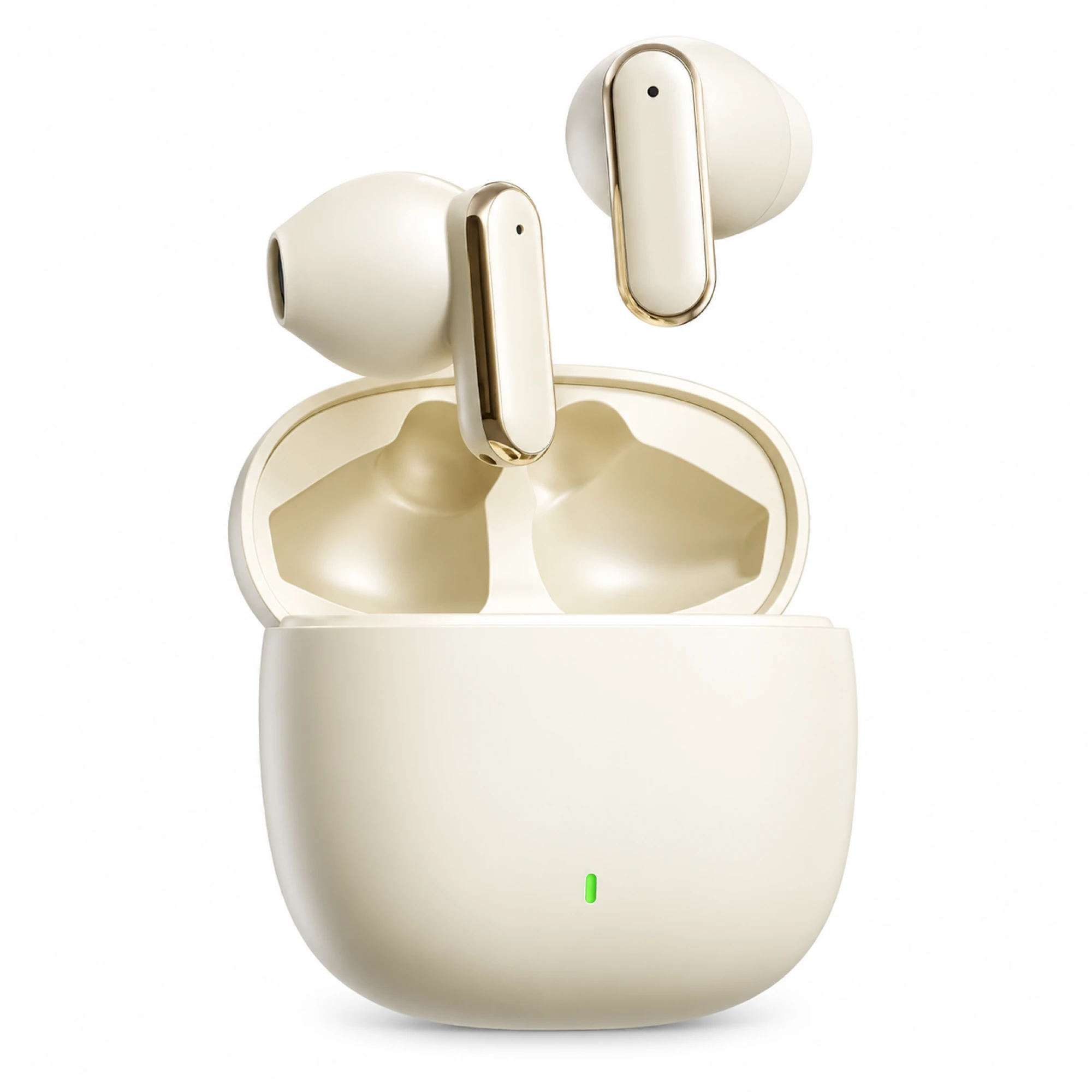 Cream Reflective-Stem Wireless Earbuds
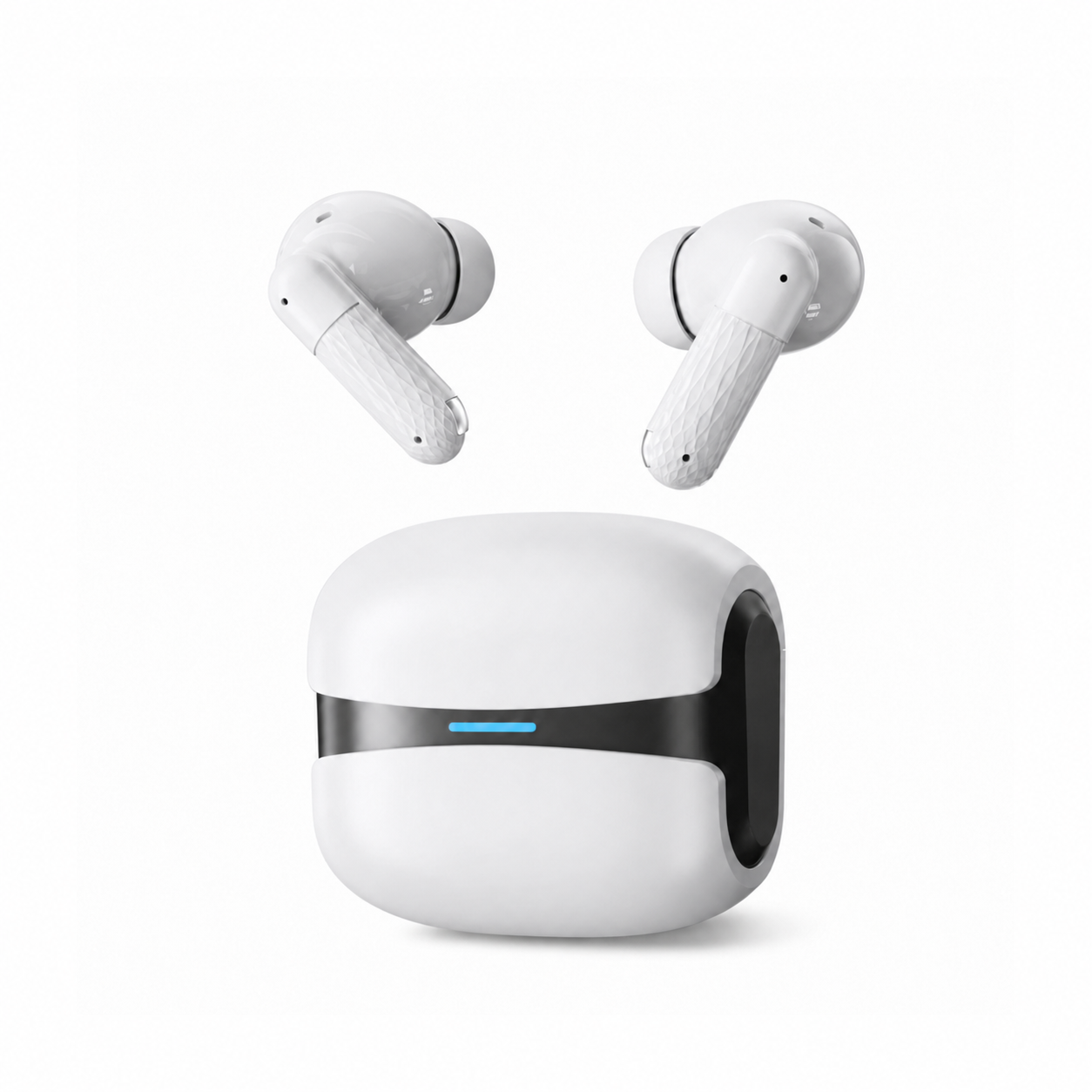
 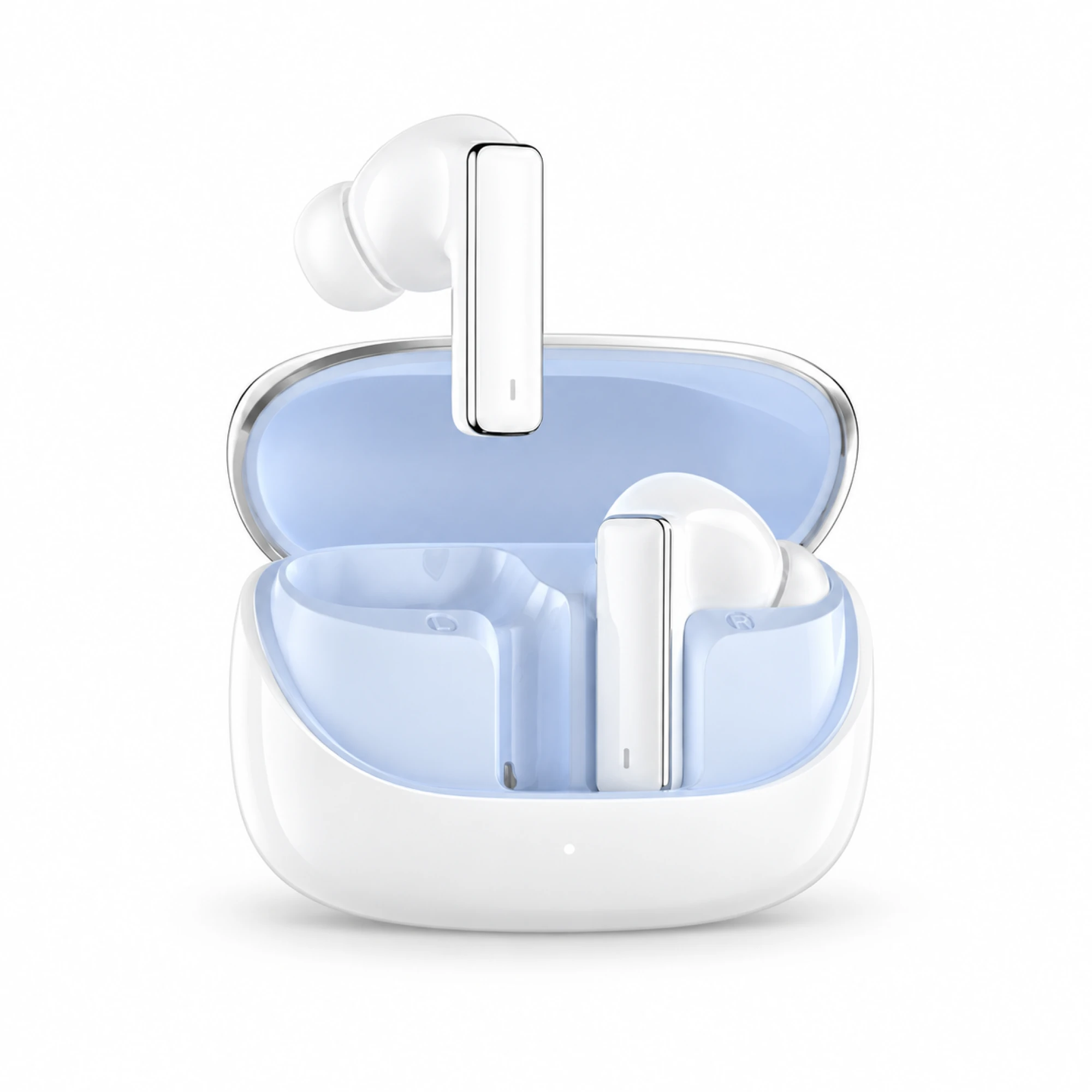 IN-01 White ANC Earbuds with Pale Blue Case Interior
 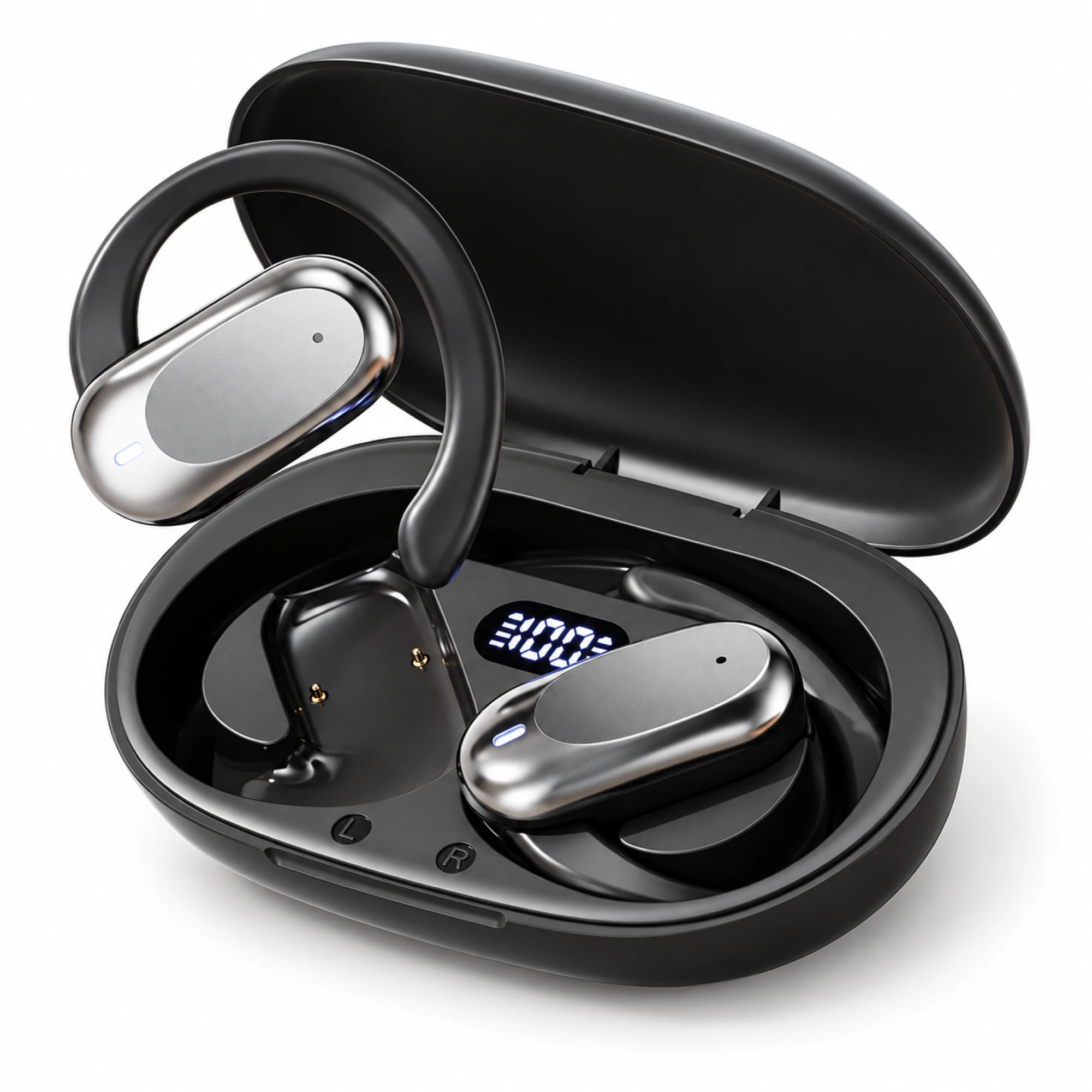 Silver Capsule Open-Ear Earbuds
 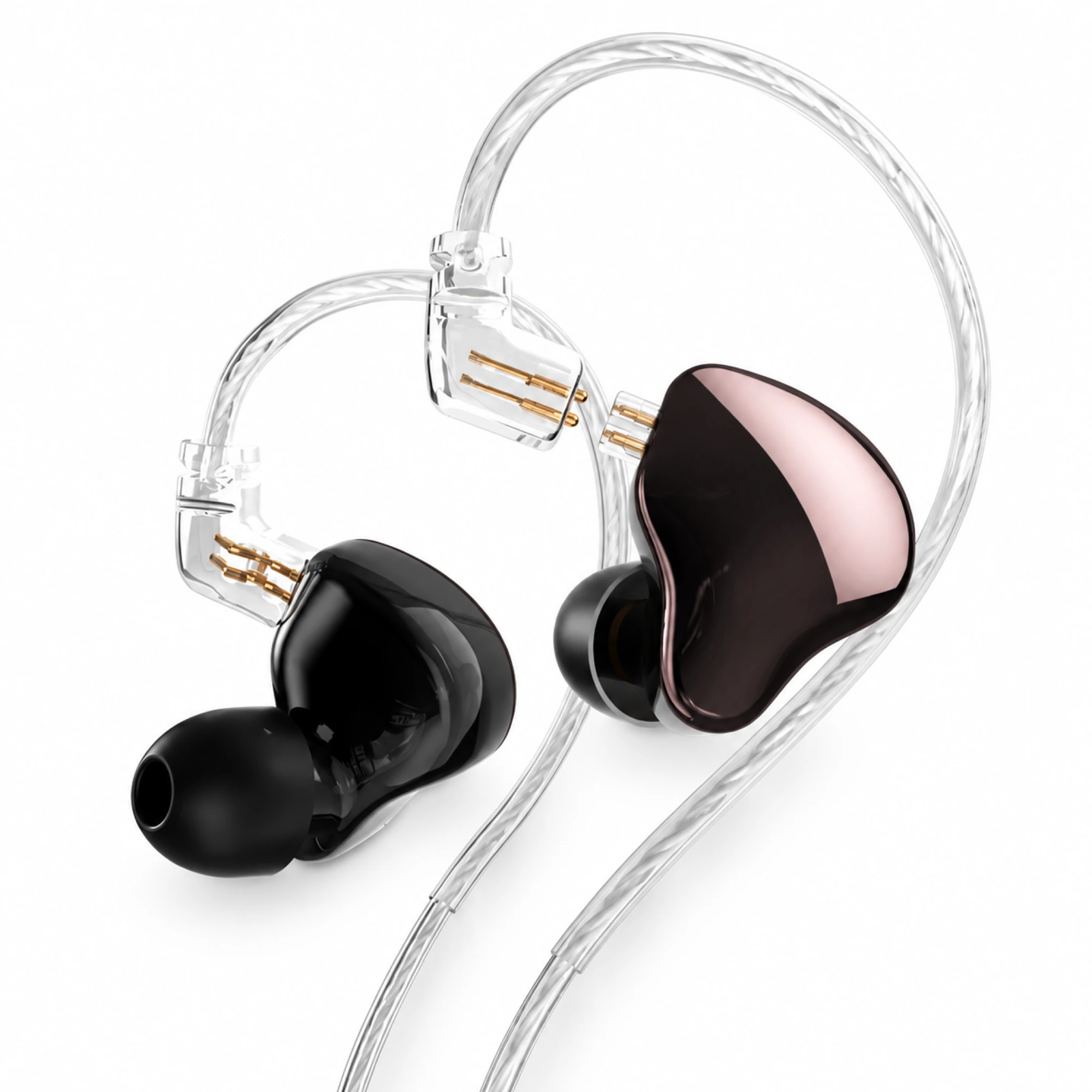 MN Rose-Metallic Detachable In-Ear Monitors
 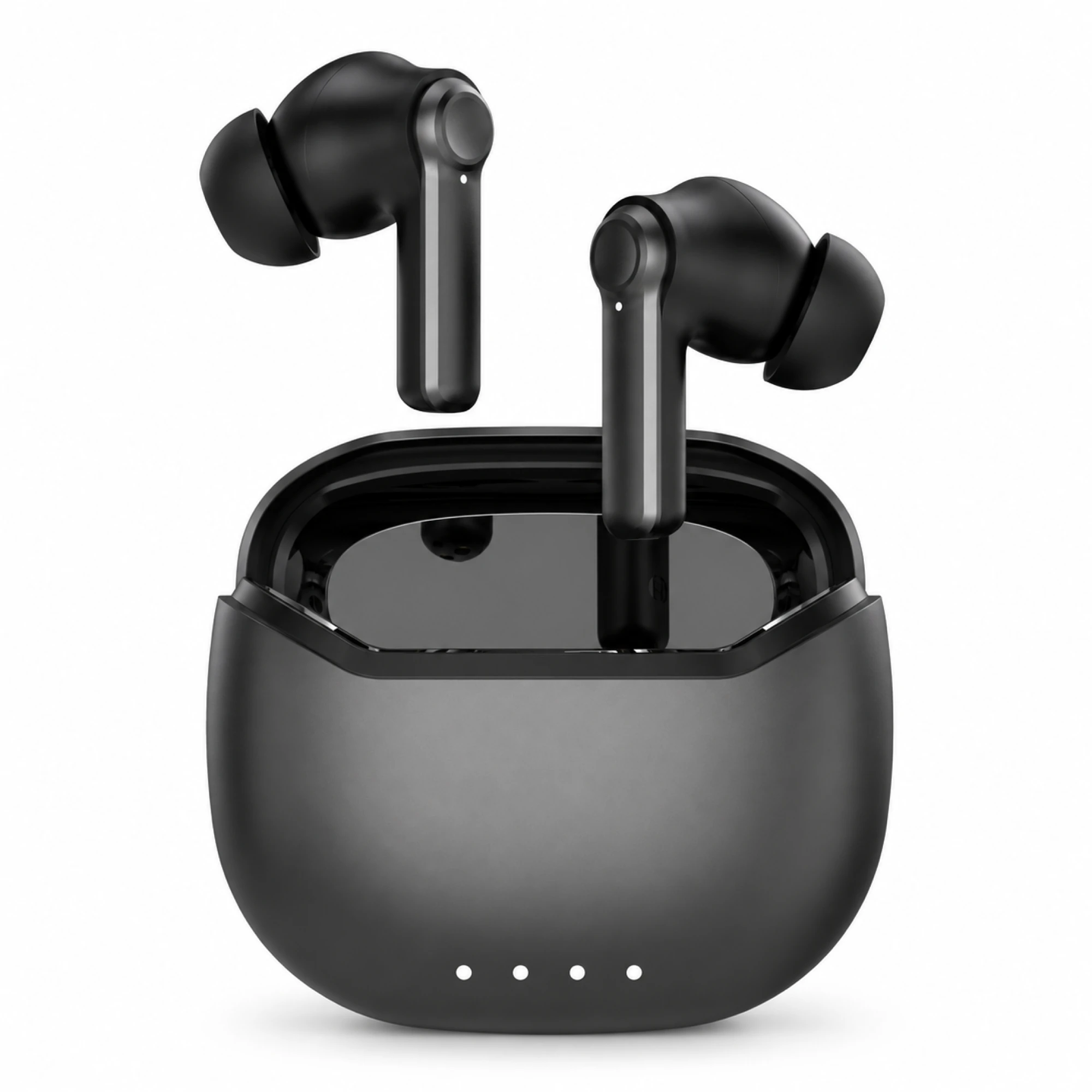 Black ANC Earbuds with Four-Indicator Case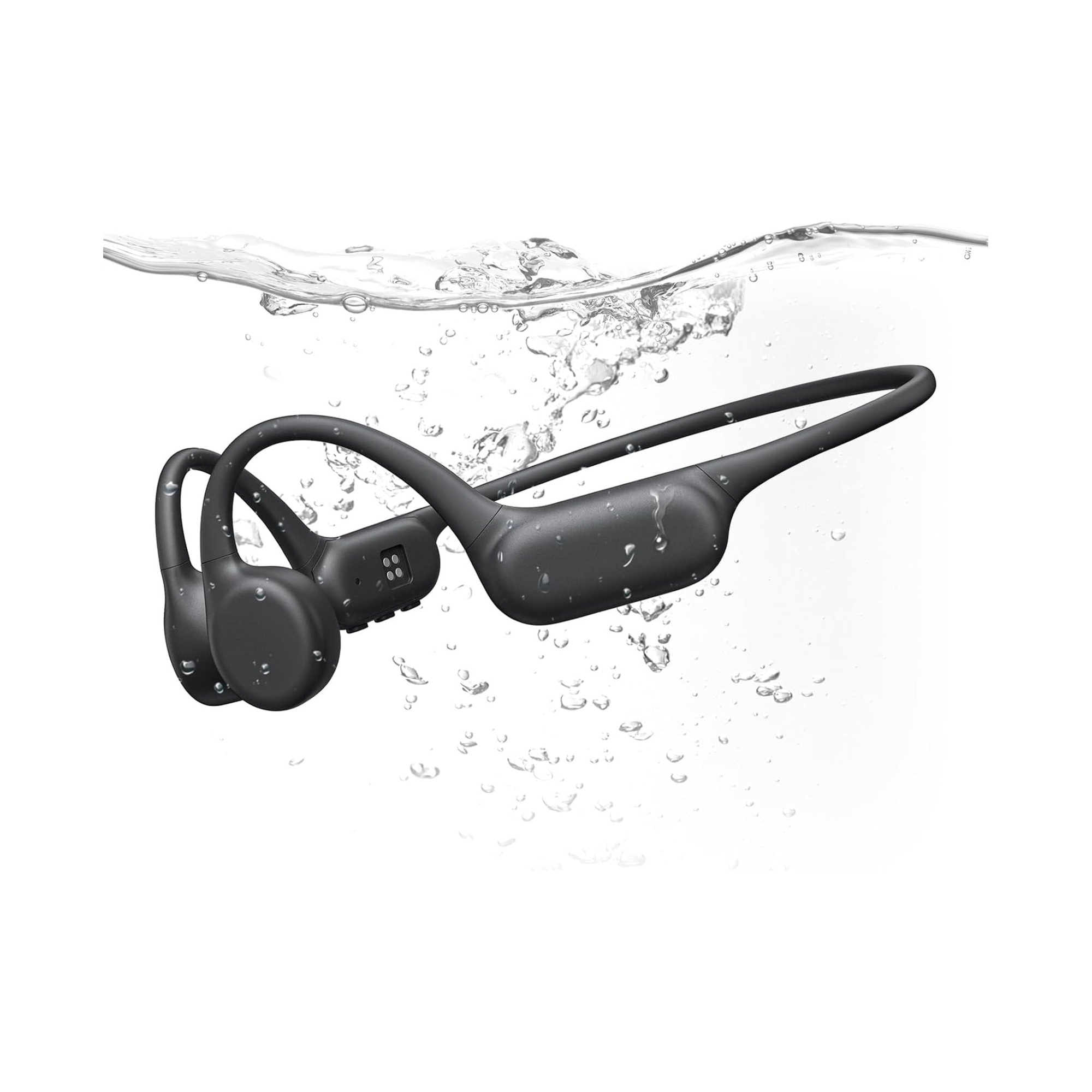
The answer to how to wash earphones is that most of one must never be washed. Detachable silicone tips take a real wash. Shells, cables and cases take a wrung-out cloth. The driver, the battery and the charging contacts take neither, whatever rating the box carries, because an IP code certifies a laboratory water test and not a detergent soak.
Cleaning is a dry, outward, targeted job; washing means liquid, immersion and time. The two get merged because "wash" is the word people reach for, and the merge is where earphones die.
One word, three different jobs
An earphone is not one object with one rule. Split it by what sits behind the surface you are about to wet, and the contradictions in the usual advice disappear.
| Part | Washable? | Reasonable method | What is behind it |
|---|---|---|---|
| Detachable silicone ear tips | Yes | Warm water, off the earbud, dried fully | Nothing: moulded rubber, open bore |
| Shell, stem, case exterior | No | Lint-free cloth, wrung out hard | Mic ports and pressure vents leading inward |
| Speaker mesh | No | Dry brush, blot outward | The driver, and liquid carries debris in with it |
| Charging contacts, USB-C port | Never | Dry only | Voltage, which turns damp into corrosion |
| Cable, inline remote, 3.5 mm plug | No | Damp cloth; plug bone dry before use | A microphone cavity and a contact that enters a socket |
Only the first row is a wash, and it matters most: the tip sits in the canal, collects the wax, and comes off. Cleaning ear tips is its own job, with a silicone-versus-foam split and a drying step, and a graded look at cleaning tools settles the rest.
An IP rating is a water test, and a wash is not water
A rating looks like permission. It is not.
The IP code comes from IEC 60529, the standard for degrees of protection provided by enclosures. The tests behind the water digit are defined laboratory conditions with water. A wash is a surfactant solution, and that difference is the entire point of detergent. As the surface-science firm Krüss describes it, reduced surface tension "ensures that water does not bead up but rather wets surfaces better and penetrates textiles more effectively". What makes soap clean is what lets it creep into seams that plain water sits on top of.
Manufacturers say as much. Apple's water-resistance guidance lists what to keep away from its earbuds despite their rating: "soaps, shampoos, conditioners, lotions, perfumes, solvents, detergent, acids or acidic foods, insect repellent, sunscreen, oil, or hair dye." Detergent sits on a list with solvents and acids, and a long way from rain.
A rating is also a pass on one sample at one moment. A 2025 paper in e-Prime by He, Kwon and Pecht is titled, in full, an evaluation of IEC 60529 as a standard for liquid protection assessment of portable electronics, which tells you the question is open in the engineering literature. Apple compresses the same idea into a sentence: "Sweat, water, and dust resistance aren't permanent conditions and can diminish over time." What each digit certifies is set out in our IP ratings guide, and the shower question separately in can you shower with waterproof earbuds.
What our own listings say about water
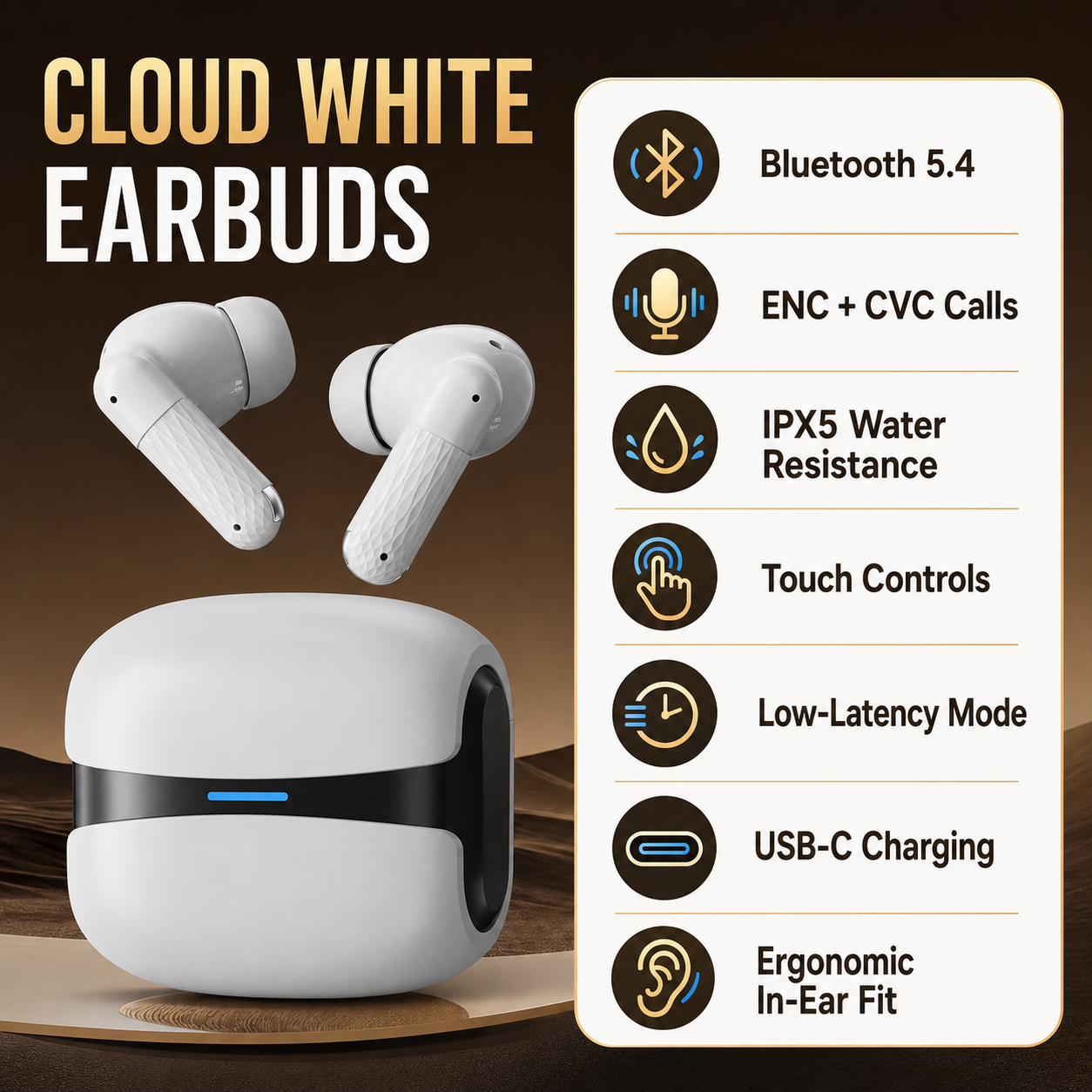
Our own listings follow the same pattern. Where a rating is stated it describes the earbuds or the headset body, and none of the listings below says anything about washing. The Waterproof Swimming Headphones ($36.99 as the listing reads today) state a certified IPX8 rating with submersion to two metres for one hour. The True Wireless Earbuds Series 153 listing describes "a laboratory IPX7 level of water resistance", one metre of water for 30 minutes. The Series 112 listing turns the same IPX7 code into "sweatproof and water resistant". The Cloud White Bluetooth 5.4 Earbuds ($25.99 as the listing reads today) state IPX5 for "sweat and light splashes" and put the principle in their own FAQ: "steam plus soap are harder on seals than plain water."
Two of those are the same IPX7 code, described once as a metre for half an hour and once as "sweatproof". The word "laboratory" in the Series 153 copy is the accurate one. The swimming model is the most water-capable thing in that list, and two metres of still water is still not a detergent cycle. The everyday wireless earbuds collection shows each listing's stated rating, where there is one.
What water does once it is inside
- The driver goes muffled. A dynamic driver depends on a thin diaphragm moving freely. Liquid there adds mass and damping, so the first symptom is usually quiet, dull or lopsided sound instead of silence, the pattern behind earbuds that suddenly sound quiet.
- The contacts corrode. Liquid bridging two contacts while voltage is present drives corrosion far faster than the same liquid on an unpowered board, which is why "charge it and see" is the expensive instinct. Faults appearing a week later are often contact damage rather than a failed cell: see earbuds not charging in the case.
- The case usually dies first. Biggest opening, exposed port, spring contacts, largest battery, and the component nobody rates.
Corrosion needs days, so working straight out of the machine is not yet survival.
Earphones through the washing machine
This is the accident nobody plans for, and it is not a harder version of rain. A cycle stacks five stressors no IP test applies together.
- Surfactant. Detergent is engineered to defeat the surface tension that keeps plain water out of a seam.
- Duration. A cycle commonly runs longer than the 30 minutes an IPX7 immersion test allows, continuously.
- Agitation. Tumbling drives liquid at the enclosure from every angle instead of letting it rest against it.
- Heat. Warm water softens adhesives and expands the air inside a sealed body; cooling contracts it and can draw liquid inward.
- The spin. High-speed spinning pushes anything already inside deeper into cavities that then drain slowly.
Outcomes vary genuinely. Sealed sport earbuds sometimes emerge working; charging cases much less often.
The rescue sequence, and three things not to do
Order matters more than technique; the first two steps decide the outcome.
- Do not power them on, and do not charge them. Testing is the most tempting and most damaging move. Apple's wet-iPhone guidance keeps charging unavailable "until the connector, cable ends, and the accessory are dry".
- Separate everything. Earbuds out of the case, lid open, tips off, cable uncoiled. Anything sealed shut stays wet.
- Blot, then shed what you can. Apple's method for trapped water is to "tap the AirPod on a soft, dry, lint-free cloth with the ear tip opening facing downward". Do that gently, opening down.
- Do not add more water. Rinsing off detergent residue is defensible only on a model the maker says may be rinsed.
- Dry slowly, in air. Apple's wording is to "leave your iPhone in a dry area with some airflow", and it asks for at least two hours after ordinary moisture on earbuds. After a full wash, think in days, case open.
- Reassess before reconnecting. Charge only when everything is dry throughout, and stop if the case is warm, swollen or deformed; a damaged lithium cell is a safety matter rather than a repair job.
Three popular fixes are worse than nothing, and Apple names all three: "Don't put your iPhone in a bag of rice. Doing so could allow small particles of rice to damage your iPhone," and "Don't dry your iPhone using an external heat source or compressed air." Rice is no useful grade of desiccant and sheds starch into ports; a hairdryer deforms plastics and stresses a battery; compressed air pushes liquid deeper. One boundary applies throughout: never put liquids, tools or swabs into your ear canal, and do not wear earphones that are still wet.
Questions that follow a wet pair of earphones
Do earphones ever survive a washing machine?
Sometimes, though survival is not the same as being undamaged. Sealed earbuds occasionally work afterwards while the charging case does not, because the case has a port, contacts and the larger battery. Because corrosion develops over days, keep them unpowered and fully dried before judging, and treat a case that still charges as a bonus and never the expectation.
Can wired earphones get wet for cleaning?
No battery and no case removes two failure paths, but not the driver. Wipe the cable and housings with a barely damp cloth and brush the mesh dry, minding the inline remote's microphone openings. Dry the 3.5 mm plug completely before putting it into any socket, because a damp contact entering a live socket is the corrosion problem in miniature.
How do I clear wax from the mesh without pushing it in?
Hold the earbud mesh-down so loosened debris falls away, brush lightly with soft dry bristles, then blot the face onto a paper towel to transfer it outward. Never use a metal pick, a cotton swab or compressed air, all of which press wax through the weave. Where a manufacturer specifies a damp method for its own mesh, follow that wording and nothing wetter.
- Apple Support: About the sweat and water resistance of AirPods Pro, AirPods 3, and AirPods 4
- Apple Support: If you see a liquid-detection alert on your iPhone
- Apple Support: How to clean your AirPods Pro
- IEC 60529: Degrees of protection provided by enclosures (IP Code)
- He Z, Kwon D, Pecht M. Evaluation of IEC 60529 as a standard for liquid protection assessment of portable electronics. e-Prime, 2025
- Krüss Scientific: Surfactant